Taxonomy & Classification
- Kingdom
- Animalia
- Phylum
- Chordata
- Class
- Mammalia
- Order
- Carnivora
- Family
- Canidea
- Genus
- Canis
- Species
- C. lupus

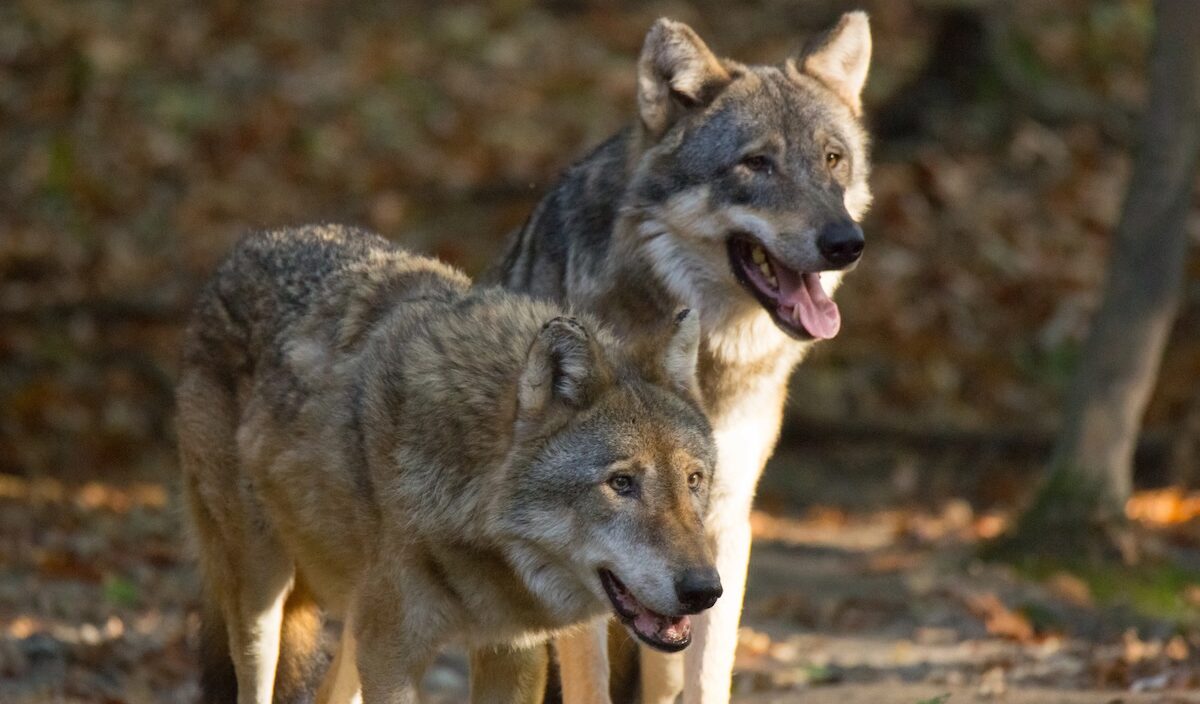 Photo Credit: Angelaravaioli on Deposit Photos
In the heart of Italy’s majestic Apennine Mountains roams the Apennine Wolf, scientifically known as Canis lupus italicus. This striking subspecies of the gray wolf is a master of its rugged domain, showcasing a coat that blends shades of grayish-brown, white, and black, which transforms into a warm reddish hue during the summer months. With its keen eyes and powerful build, the Apennine Wolf is not just a symbol of the wild; it is a vital player in the ecosystem, captivating scientists and nature enthusiasts alike with its role as a top predator.
Imagine standing on a rocky outcrop, the sun dipping below the horizon, casting a golden glow over the dense forests and steep cliffs. As twilight descends, the Apennine Wolf emerges from the shadows, its silhouette sharp against the fading light. This nocturnal hunter is perfectly adapted to its environment, using its acute senses to navigate the intricate tapestry of its habitat. The wolf’s presence is essential for maintaining the balance of life in these mountains, as it helps control populations of deer and wild boar, ensuring that the ecosystem thrives. With every howl that echoes through the valleys, the Apennine Wolf reminds us of the wild beauty and complexity of nature, inviting us to explore and understand the world around us.
The Apennine Wolf, a subspecies of the gray wolf, holds a special place in the animal kingdom. It belongs to the family Canidae, which includes all dogs, foxes, and other wolf species. What sets the Apennine Wolf apart is its adaptation to the rugged landscapes of the Apennine Mountains in Italy. This wolf has evolved to thrive in a variety of habitats, showcasing its resilience and adaptability. With its keen senses and social structure, the Apennine Wolf plays a crucial role in maintaining the balance of its ecosystem, making it a vital part of the natural world.
| Taxonomic Rank | Scientific Name | Meaning & Significance |
|---|---|---|
| Kingdom | Animalia | This name signifies that the Apennine Wolf is part of the broad group of multicellular organisms that are primarily heterotrophic, meaning they obtain their food by consuming other organisms. |
| Phylum | Chordata | Chordata refers to animals that have a notochord, a flexible rod that supports the body. This group includes all vertebrates, highlighting the Apennine Wolf’s backbone and complex nervous system. |
| Class | Mammalia | Mammalia indicates that the Apennine Wolf is a mammal, characterized by having fur and the ability to nurse its young with milk, a trait that connects it to other warm-blooded animals. |
| Order | Carnivora | Carnivora is the order that includes meat-eating mammals. The Apennine Wolf’s sharp teeth and strong jaws are perfect for hunting, showcasing its role as a predator in the wild. |
| Family | Canidae | Canidae is the family that encompasses dogs, wolves, and foxes. This classification reflects the Apennine Wolf’s close genetic ties to domestic dogs and its social behavior, which is similar to that of other canids. |
| Genus | Canis | Canis means “dog” in Latin, a fitting name for this genus that includes wolves and domestic dogs, emphasizing the Apennine Wolf’s lineage and its shared characteristics with these animals. |
Understanding the Apennine Wolf’s taxonomic classification reveals much about its evolutionary journey. As a member of the Canidae family, it shares a common ancestor with domestic dogs, illustrating how species can adapt to different environments over time. The Apennine Wolf’s unique adaptations to its mountainous habitat highlight the incredible diversity of life on Earth and the intricate relationships between species. This classification not only helps scientists study the wolf’s behavior and ecology but also emphasizes the importance of conserving such remarkable animals in their natural habitats.
The evolutionary journey of the Apennine Wolf, a subspecies of the gray wolf, stretches back thousands of years. This fascinating timeline reveals how these wolves adapted to their environment in the rugged Apennine Mountains of Italy. Their ancestors roamed the Earth long before modern humans, evolving through various climatic changes and ecological shifts that shaped their survival strategies.
The story begins with the early ancestors of wolves, which emerged around 1.5 million years ago. These canids were part of a larger family known as Canidae, which includes animals like foxes and domestic dogs. Over time, these early wolves adapted to different habitats, leading to the emergence of distinct subspecies. The Apennine Wolf, specifically, evolved from the gray wolf, adapting to the mountainous terrain and diverse ecosystems of the Apennines. This transition involved changes in size, coat color, and social behavior, allowing them to thrive in their unique environment.
The adaptations of the Apennine Wolf have been vital for their survival in a challenging environment. Their social structure allows them to work together, increasing their hunting success and ensuring the safety of the pack. By being flexible in their diet, they can take advantage of whatever food sources are available, which is essential in a landscape where prey can be scarce. Their natural camouflage helps them remain hidden from both prey and potential threats, while their vocalizations strengthen their social ties and enhance their hunting strategies. Together, these traits have enabled the Apennine Wolf to thrive in the wild, showcasing the incredible power of evolution in shaping life on Earth.
The Apennine Wolf is a striking figure, embodying the wild spirit of the Italian mountains. With a robust body that typically weighs between 55 and 77 pounds, this wolf is built for both strength and agility. Its long legs and powerful frame allow it to traverse rugged terrains with ease, while its keen senses make it a skilled hunter. The overall impression is one of grace and power, perfectly adapted to its environment.
| Feature | Description |
|---|---|
| Size | Weight ranges from 55 to 77 pounds, with a lean, muscular build. |
| Fur Color | Greyish-brown fur with white and black markings, turning reddish in summer. |
| Skin Type | Thick fur that provides insulation against cold weather. |
| Facial Features | Long, narrow snout with sharp teeth designed for catching prey. |
| Eyes | Bright, expressive eyes that can range from amber to yellow, enhancing night vision. |
These physical characteristics work together to create a formidable predator. The thick fur not only keeps the Apennine Wolf warm in chilly mountain climates but also helps it blend into the rocky landscapes, making it less visible to both prey and potential threats. Its keen eyesight and strong build enable it to chase down animals in the wild, while the distinctive coloration provides camouflage among the trees and underbrush. Each feature is a testament to the wolf’s adaptation to its environment, showcasing nature’s incredible ability to shape life for survival.
The Apennine Wolf roams the enchanting landscapes of Italy, where its home is a tapestry of lush forests and rugged mountains. These wolves thrive in the dense woodlands, where towering trees create a canopy that filters sunlight, casting dappled shadows on the forest floor. The underbrush is rich with shrubs and wildflowers, providing both cover and food for the diverse wildlife that shares this habitat. The sound of rustling leaves and distant howls fills the air, creating a symphony of nature that is both serene and wild.
The climate in these regions is typically Mediterranean, characterized by hot, dry summers and mild, wet winters. The Apennine Wolf prefers areas where the temperature can vary, allowing for a range of habitats from cooler mountain slopes to warmer valleys. These environmental conditions are crucial for the wolf’s survival, as they rely on the seasonal changes to find food and shelter. The forests provide not only a home but also a hunting ground, where the wolf can track its prey through the underbrush.
Adaptation is key to the Apennine Wolf’s success in this diverse environment. With a keen sense of smell and sharp hearing, these wolves are perfectly equipped to navigate their forested homes. Their thick fur keeps them warm during the colder months, while their agile bodies allow them to move swiftly through the trees. By hunting in packs, they can take down larger prey, ensuring that they have enough food to sustain themselves and their young. This ability to thrive in a variety of conditions makes the Apennine Wolf a true symbol of resilience in the wild.
The Apennine Wolf leads a life that is both thrilling and challenging, primarily active during the night. As a nocturnal hunter, it begins its day when the sun sets, venturing out to explore its territory. This wolf is known for its keen senses, especially its sharp hearing and sense of smell, which help it locate prey in the dark. During the night, it engages in various activities, including hunting, patrolling its territory, and socializing with pack members. The Apennine Wolf’s daily routine is a blend of survival instincts and social interactions, making each night an adventure.
Social behavior is a cornerstone of the Apennine Wolf’s life. These wolves live in packs, which are family groups that work together to hunt and raise their young. The pack structure is hierarchical, meaning there is a clear leader, often called the alpha, who guides the group. Communication is vital in maintaining pack cohesion, and these wolves use a variety of vocalizations, body language, and scent marking to express themselves. Howling, for instance, serves not only to communicate location but also to strengthen social bonds among pack members. This social dynamic is essential for their survival, as it allows them to coordinate hunts and protect their territory.
| Behavior Type | Description |
|---|---|
| Activity Patterns | Nocturnal hunters that patrol their territory and hunt primarily at night. |
| Social Structure | Live in packs with a clear hierarchy, typically led by an alpha pair. |
| Communication Methods | Use vocalizations like howling, body language, and scent marking to communicate. |
The behaviors of the Apennine Wolf are finely tuned to ensure their survival in the wild. By hunting in packs, they can take down larger prey, which is crucial for feeding the entire group. Their social structure fosters cooperation and support, allowing them to defend their territory against rivals. Through effective communication, they maintain strong bonds that enhance their ability to work together. Each aspect of their daily life is a testament to their adaptability and resilience in the face of challenges, ensuring that these magnificent wolves continue to thrive in their mountainous home.
The Apennine Wolf is a carnivore, which means it primarily eats meat. This wolf has developed a keen sense of hunting and foraging, allowing it to thrive in its mountainous Italian habitat. Its diet mainly consists of larger prey, such as deer and wild boar, but it also enjoys smaller animals like chamois. By working together in packs, these wolves can effectively track and take down their prey, showcasing their teamwork and strategic hunting skills.
| Dietary Aspect | Details |
|---|---|
| Diet Type | Carnivore |
| Favorite Foods | Deer, wild boar, chamois |
| Prey Items | Large mammals and smaller animals |
| Hunting/Foraging Strategies | Hunts in packs, using teamwork to track and take down prey |
The Apennine Wolf’s diet plays a crucial role in its ecology and daily routine. By preying on herbivores like deer and wild boar, these wolves help maintain a balance in their ecosystem. This balance prevents overgrazing, which can lead to habitat degradation. Additionally, their hunting habits shape their social structure, as pack dynamics are essential for successful hunts. This intricate relationship between diet and environment highlights the importance of the Apennine Wolf in its natural habitat, making it a vital player in the health of the Italian wilderness.
The mating behavior of the Apennine Wolf is a captivating aspect of its life cycle. Breeding season typically occurs in late winter to early spring, around January to March. During this time, males and females engage in a series of vocalizations and displays to attract each other. Once a pair has formed a bond, they will mate multiple times over a few days. This strong partnership is essential for the survival of their future pups, as both parents will play a crucial role in raising their young.
| Reproductive Aspect | Details |
|---|---|
| Gestation Period | 2 months |
| Average Litter Size | 2-8 |
| Age of Sexual Maturity | 3 years |
| Name of Young | Pup |
Once the pups are born, usually in a den dug into the ground or hidden among rocks, the parents provide attentive care. The mother nurses the pups for about eight weeks, during which they grow rapidly. After this period, the pups begin to explore their surroundings, learning essential survival skills from their parents. The entire pack often helps in raising the young, teaching them how to hunt and communicate. By the time they reach three years of age, these pups are ready to find their own mates and start families of their own, continuing the cycle of life in the wild.
The Apennine Wolf plays a crucial role in its ecosystem, sitting at the top of the food web as a predator. This means it helps control the populations of other animals, such as deer and wild boar, which in turn keeps the environment balanced. However, being at the top also comes with its own set of challenges and dangers.
To survive these threats, the Apennine Wolf has developed several defensive behaviors. They are highly social animals, often living in packs that work together to protect one another. This teamwork not only aids in hunting but also in defending their territory. Additionally, their keen senses of hearing and smell help them detect danger from afar, allowing them to flee or hide when necessary. By being adaptable and clever, these wolves continue to navigate the challenges of their environment, showcasing their resilience in the face of adversity.
A keystone species is an organism that has a disproportionately large impact on its environment relative to its abundance. In simpler terms, if you remove a keystone species, the entire ecosystem can change dramatically. The Apennine Wolf, a subspecies of the gray wolf, certainly qualifies as a keystone species in its Italian habitat. By regulating prey populations and influencing the behavior of other animals, these wolves play a vital role in maintaining the balance of their ecosystem.
The ecological impact of the Apennine Wolf is profound. As a top predator, it primarily hunts large herbivores like deer and wild boar. By keeping these populations in check, the wolves prevent overgrazing, which can lead to habitat degradation. For instance, when deer numbers are controlled, vegetation can flourish, providing food and shelter for a variety of other species. This creates a healthier, more diverse ecosystem where plants and animals can thrive together.
Moreover, the presence of the Apennine Wolf influences the behavior of its prey. When deer sense the threat of wolves, they tend to avoid certain areas, allowing vegetation in those regions to recover. This phenomenon, known as “trophic cascades,” shows how the wolves indirectly support the growth of plants and the overall health of the forest. The Apennine Wolf’s hunting patterns also create opportunities for scavengers, such as vultures and foxes, to feed on leftover carcasses, further enriching the ecosystem.
If the Apennine Wolf were to disappear, the consequences would be significant. Without these wolves to regulate herbivore populations, deer and wild boar could multiply unchecked. This overpopulation would lead to overgrazing, which would damage plant life and disrupt the entire forest ecosystem. As vegetation declines, many other species that rely on these plants for food and shelter would also suffer. In essence, the loss of the Apennine Wolf would create a ripple effect, threatening the delicate balance of life in its mountainous home.
The Apennine Wolf plays a vital role in its ecosystem, acting as a keystone species in the forests of Italy. This means that its presence is crucial for maintaining the balance of the environment. By hunting and controlling the populations of herbivores like deer and wild boar, the Apennine Wolf helps prevent overgrazing. This, in turn, allows various plant species to thrive, creating a healthier habitat for many other animals and plants. The wolf’s nocturnal lifestyle adds an intriguing layer to its ecological niche, as it hunts under the cover of darkness, influencing the behaviors of other species in the forest.
| Ecosystem Service | Impact |
|---|---|
| Population Control | Regulates herbivore numbers, preventing overgrazing. |
| Habitat Maintenance | Promotes plant diversity by allowing various species to flourish. |
| Scavenger Support | Provides food for scavengers by leaving behind remains of prey. |
| Genetic Diversity | Maintains healthy populations of prey species through natural selection. |
The influence of the Apennine Wolf extends beyond just hunting. For example, when these wolves take down a deer, they not only feed themselves but also create opportunities for other animals. Scavengers like vultures and foxes benefit from the leftovers, which helps sustain their populations. Additionally, by keeping herbivore numbers in check, the wolves allow young trees and shrubs to grow, which provides shelter and food for countless other species. This interconnected web of life showcases how the Apennine Wolf is not just a predator but a crucial player in the health of its forest home.
The broader ecological importance of the Apennine Wolf cannot be overstated. As a keystone species, its presence ensures that the entire ecosystem remains balanced and vibrant. Without the Apennine Wolf, the delicate interplay of life in the forests could unravel, leading to overpopulation of certain species and a decline in biodiversity. By understanding and protecting this magnificent predator, we help preserve the rich tapestry of life that thrives in the Italian wilderness, ensuring that future generations can marvel at the wonders of nature.
In the intricate web of nature, symbiosis refers to the close relationships between different species that can benefit one or both parties involved. These ecological partnerships can take various forms, including mutualism, where both species gain advantages, commensalism, where one benefits while the other is neither helped nor harmed, and parasitism, where one species benefits at the expense of another. The Apennine Wolf, a subspecies of the gray wolf, engages in several fascinating relationships within its forest habitat, showcasing the interconnectedness of life in the wild.
| Species/Type | Relationship Type | Description |
|---|---|---|
| Red Fox | Commensalism | The Apennine Wolf may indirectly benefit from the hunting activities of red foxes, as they can flush out prey, making it easier for wolves to catch food. |
| Wild Boar | Mutualism | While wild boars are prey for the wolves, their foraging behavior helps to aerate the soil, promoting plant growth that benefits the entire ecosystem, including the wolves. |
| Ticks | Parasitism | Ticks can latch onto wolves, feeding on their blood. This relationship is harmful to the wolves, as it can lead to health issues and discomfort. |
These relationships have evolved over time, shaped by the needs and behaviors of the species involved. The Apennine Wolf’s role as a predator helps maintain the balance of its ecosystem, while its interactions with other species highlight the complexity of life in the forest. By understanding these connections, we can appreciate how each species, including the Apennine Wolf, contributes to the health and stability of its environment.
The Apennine Wolf, a captivating subspecies of the gray wolf, roams the rugged landscapes of Italy, embodying the wild spirit of its mountainous home. This remarkable animal is not just a predator; it plays a vital role in its ecosystem and has some surprising traits that make it truly special.
The Apennine Wolf has long been woven into the cultural fabric of Italy, where it has inspired folklore, art, and even local traditions. Historically, these wolves were often seen as symbols of wilderness and freedom, embodying the untamed spirit of the Italian landscape. In ancient times, they were both feared and revered, with stories depicting them as fierce guardians of the forest. This duality reflects humanity’s complex relationship with nature, where admiration can coexist with apprehension. As people settled in the Apennine Mountains, encounters with these wolves shaped local myths and legends, highlighting their significance in human culture.
Today, the relationship between the Apennine Wolf and humanity is marked by both cooperation and conflict. Conservation efforts are underway to protect this subspecies, which has faced threats from habitat loss and hunting. Organizations are working to educate communities about the ecological importance of wolves, emphasizing their role in maintaining healthy ecosystems. However, conflicts arise when wolves prey on livestock, leading to tensions between farmers and conservationists. Some regions have even explored innovative solutions, such as using guard dogs to protect herds, showcasing a blend of traditional practices and modern conservation strategies.
The future of the Apennine Wolf and humanity’s relationship holds promise, but it requires ongoing dialogue and collaboration. As awareness grows about the ecological benefits of wolves, more people are beginning to appreciate their role in the environment. By fostering understanding and finding ways to coexist, we can ensure that these magnificent animals continue to thrive in their natural habitat. The journey ahead will be one of learning, adaptation, and respect for the wild, as we work together to protect both the Apennine Wolf and the landscapes it calls home.
The Apennine Wolf is currently classified as Vulnerable, indicating that its population faces significant threats that could lead to a decline if not addressed. With an estimated population of around 3,300 individuals, these wolves are primarily found in the mountainous regions of Italy. While their numbers have shown some stability in recent years, ongoing challenges continue to put pressure on their survival.
| Conservation Factor | Status/Details |
|---|---|
| IUCN Status | Vulnerable |
| Estimated Population Size | 3,300 |
| Population Trend | Stable, but under threat |
The main threats to the Apennine Wolf include habitat loss, human-wildlife conflict, and poaching. As urban areas expand and agriculture increases, the natural habitats of these wolves are shrinking. This encroachment not only reduces their living space but also leads to more encounters with humans, often resulting in negative outcomes for the wolves. Additionally, illegal hunting poses a serious risk, as some individuals may see these majestic animals as threats to livestock.
Conservation efforts are underway to protect the Apennine Wolf and its habitat. Various organizations are working to raise awareness about the importance of these wolves in maintaining ecological balance. Initiatives include habitat restoration, legal protection, and community engagement to foster coexistence between humans and wolves. With continued support and effective management, there is hope that the Apennine Wolf will thrive in its natural environment for generations to come.
| Question | Answer |
|---|---|
| What is the habitat of the Apennine Wolf? | The Apennine Wolf primarily lives in forested areas. These wolves prefer mountainous regions, where they can find plenty of cover and hunting opportunities. |
| What does the Apennine Wolf eat? | As a carnivore, the Apennine Wolf mainly hunts for small to medium-sized mammals. Their diet includes animals like deer, wild boar, and rabbits, which provide the protein they need to thrive. |
| How does the Apennine Wolf behave in the wild? | Apennine Wolves are social animals that live in packs, which helps them hunt and raise their young. They communicate through howls, body language, and scent marking, creating strong bonds within their group. |
| How do Apennine Wolves reproduce? | Breeding season for Apennine Wolves typically occurs in late winter. After a gestation period of about 63 days, the female gives birth to a litter of 4 to 6 pups, which are cared for by both parents. |
| What threats do Apennine Wolves face? | Apennine Wolves are classified as vulnerable, facing threats from habitat loss and human activities. They are also at risk from hunting and conflicts with livestock, which can lead to negative interactions with farmers. |
| What is a distinctive feature of the Apennine Wolf? | The Apennine Wolf is known for its striking greyish-brown fur, which can turn reddish in the summer. This unique coloration helps them blend into their forested environment, making them effective hunters. |
| Are Apennine Wolves solitary or social animals? | Apennine Wolves are social creatures that typically live in packs. This social structure allows them to work together for hunting and provides protection for their young. |