Taxonomy & Classification
- Kingdom
- Animalia
- Phylum
- Chordata
- Class
- Mammalia
- Order
- Carnivora
- Family
- Canidae
- Genus
- Canis
- Species
- Canis lupus

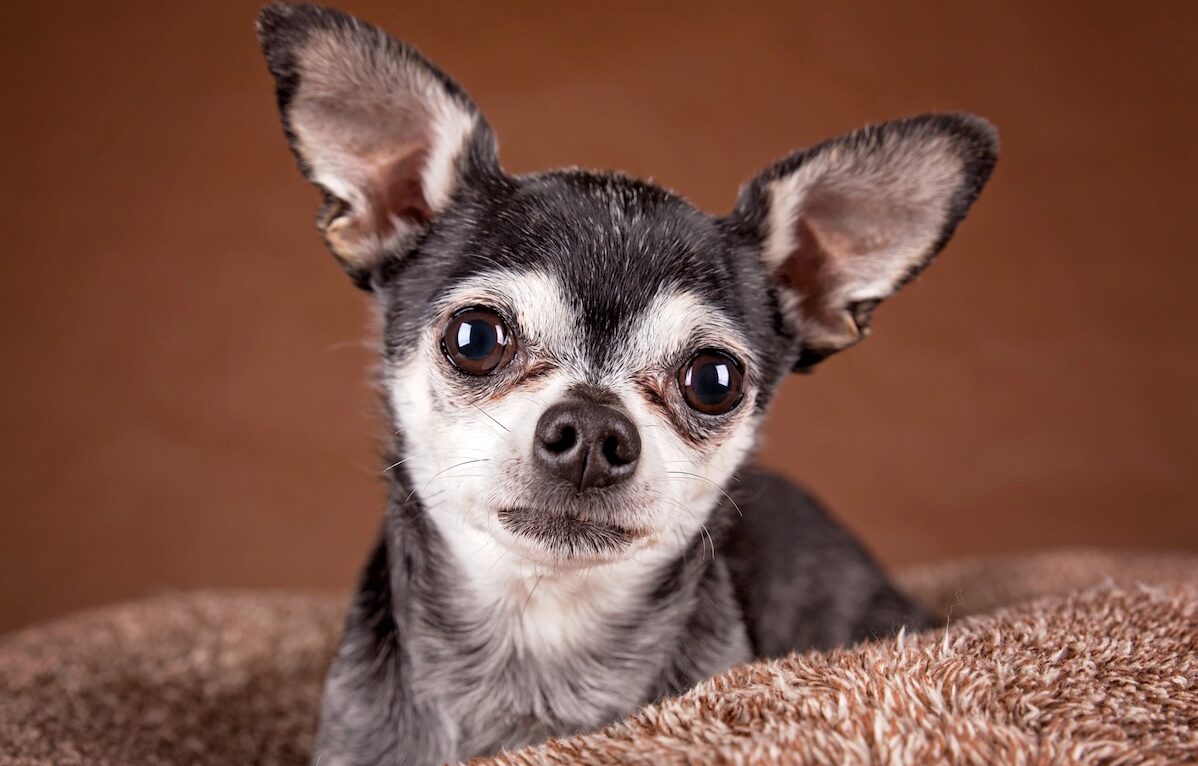 Photo Credit: graphicphoto on Deposit Photos
In the bustling heart of urban landscapes, the Apple Head Chihuahua, scientifically known as Canis lupus familiaris, captures the attention of passersby with its delightful charm. This pint-sized pooch, often weighing no more than six pounds, is instantly recognizable by its signature rounded skull, which gives it an endearing, almost cartoon-like appearance. With large, expressive eyes and a playful demeanor, the Apple Head Chihuahua is not just a pet; it’s a companion that brings joy and warmth to those around it.
These little dogs thrive in a variety of environments, but they particularly shine in city life, where their spirited personalities can be fully appreciated. Imagine a sunny afternoon in a park, where an Apple Head Chihuahua prances along, tail wagging and ears perked up, ready to explore every nook and cranny. Their lively nature and affectionate behavior make them beloved by families and individuals alike, while their rich history, dating back to ancient Mexico, fascinates scientists and dog lovers. As we delve deeper into the world of the Apple Head Chihuahua, we’ll uncover the secrets of their unique traits, their role in human culture, and the special bond they share with us.
The Apple Head Chihuahua, a charming little dog with a distinctive rounded skull, holds a special place in the tree of life. This breed belongs to the kingdom Animalia, which includes all animals, and is classified under the phylum Chordata, meaning it has a backbone. As a member of the class Mammalia, it shares traits like warm-bloodedness and fur with other mammals. The Apple Head Chihuahua is part of the order Carnivora, which typically includes meat-eating animals, but this breed is more known for its companionship than its hunting skills. Its family, Canidae, encompasses dogs, wolves, and foxes, highlighting its close relationship with these animals. The genus Canis includes domestic dogs and their wild relatives, showcasing the Apple Head Chihuahua’s lineage and evolutionary history.
| Taxonomic Rank | Scientific Name | Meaning & Significance |
|---|---|---|
| Kingdom | Animalia | This name comes from the Latin word “animalis,” meaning “having breath” or “living.” It signifies all living creatures that breathe and move. |
| Phylum | Chordata | Derived from the Greek word “chordē,” meaning “string,” this term refers to animals with a notochord, a flexible rod that supports the body, which in vertebrates becomes the backbone. |
| Class | Mammalia | This name comes from the Latin “mamma,” meaning “breast,” highlighting the defining feature of mammals: females possess mammary glands to nurse their young. |
| Order | Carnivora | From the Latin “carnivorus,” meaning “meat-eater,” this classification includes animals that primarily consume meat, although many have adapted to varied diets. |
| Family | Canidae | This name is derived from the Latin “canis,” meaning “dog.” It encompasses all dog-like mammals, emphasizing their shared ancestry and characteristics. |
| Genus | Canis | Also from the Latin “canis,” this genus includes domestic dogs and their wild relatives, indicating the Apple Head Chihuahua’s close ties to its wild ancestors. |
Understanding the Apple Head Chihuahua’s classification reveals much about its evolutionary journey. As a domesticated breed, it has diverged from its wild ancestors, adapting to life alongside humans. This tiny dog, with its unique apple-shaped head, showcases the incredible diversity within the Canidae family. Its lineage reflects a long history of companionship and selective breeding, emphasizing the bond between humans and dogs. The Apple Head Chihuahua is not just a pet; it is a living testament to the fascinating story of evolution and adaptation in the animal kingdom.
The evolutionary journey of the Apple Head Chihuahua is a captivating tale that stretches back thousands of years. This tiny dog, known for its distinctive apple-shaped head, is a product of a long lineage that began with ancient canids. These early ancestors roamed the Earth alongside humans, adapting to various environments and forming bonds that would eventually lead to the diverse dog breeds we see today.
The story of the Apple Head Chihuahua begins with its ancestors in the Canidae family, which includes wolves, foxes, and domestic dogs. Over time, as humans began to domesticate wild canids, certain traits were favored. The Chihuahua, in particular, is believed to have descended from the Techichi, a small dog kept by the ancient Toltec civilization in Mexico. As these dogs were bred for companionship, their size decreased, and their physical features began to change. The rounded skull and large eyes of the Apple Head Chihuahua emerged as desirable traits, making them even more appealing as lap dogs.
The adaptations of the Apple Head Chihuahua have played a crucial role in its survival and popularity. Their small size allows them to thrive in urban environments, where space is often limited. The unique shape of their head not only adds to their charm but also contributes to their expressive nature, making them beloved companions. Their friendly temperament and vocal abilities ensure they remain close to their human families, fulfilling the role of loyal pets. Through these evolutionary changes, the Apple Head Chihuahua has carved out a niche in the hearts and homes of dog lovers around the world.
The Apple Head Chihuahua is a pint-sized marvel, standing out with its adorable, rounded skull that gives it a sweet, almost cartoonish appearance. This breed typically weighs around 6 pounds, making it one of the smallest dog breeds in the world. Its compact body is well-proportioned, with a delicate frame that exudes both elegance and playfulness. The short legs and tiny paws add to its charm, while the large, expressive eyes seem to sparkle with curiosity and mischief.
| Feature | Description |
|---|---|
| Weight | 6 lbs |
| Skin Type | Hair |
| Head Shape | Rounded, resembling an apple |
| Eyes | Large and expressive |
| Ears | Large and upright |
| Coat | Short and smooth |
These delightful features not only make the Apple Head Chihuahua visually appealing but also serve important functions in their daily lives. The rounded head and large eyes enhance their ability to express emotions, helping them bond with humans and communicate effectively. Their small size allows them to navigate tight spaces, making them agile companions. The short, smooth coat is easy to maintain, which is perfect for a breed that thrives in close companionship with people. Together, these characteristics create a breed that is not only charming but also well-suited for life as a beloved pet.
The Apple Head Chihuahua thrives in a variety of environments, but it is most commonly found in urban settings where it can enjoy the hustle and bustle of city life. These small dogs are often seen trotting alongside their owners on busy sidewalks or nestled comfortably in their owners’ bags. They are also at home in cozy apartments, where their compact size makes them perfect companions for city dwellers. With their playful nature, they bring joy to both bustling streets and quiet living rooms.
The climate that suits the Apple Head Chihuahua is generally mild and temperate. They prefer environments that are not too extreme, as their small size makes them sensitive to temperature changes. A warm, sunny day is ideal for these little dogs, but they can also adapt to cooler climates as long as they have a cozy place to snuggle up. They thrive in areas where they can enjoy short walks and playtime without the risk of overheating or getting too cold.
Adaptation is key for the Apple Head Chihuahua, and they have developed several traits that help them thrive in their chosen habitats. Their small stature allows them to navigate tight spaces, making them well-suited for city living. Additionally, their friendly and social nature helps them bond with humans and other pets, ensuring they are welcomed in various environments. With their keen senses and alertness, they are also quick to respond to their surroundings, making them excellent companions in both bustling urban areas and quieter homes.
The daily life of an Apple Head Chihuahua is a delightful mix of playfulness, exploration, and companionship. These tiny dogs typically start their day with a burst of energy, eager to greet their human family members. Morning routines often include a quick romp around the house or yard, where they can stretch their little legs and show off their lively personalities. As the day unfolds, they enjoy short walks, snuggles on the couch, and plenty of opportunities to engage their curious minds. Their playful antics and affectionate nature make them a joy to have around, ensuring that every day is filled with laughter and love.
Social behavior is a key aspect of the Apple Head Chihuahua’s life. These dogs are known for their strong bonds with their human companions, often following them from room to room. They thrive on social interaction, not just with people but also with other pets. In a multi-pet household, they can display a range of behaviors, from playful wrestling to gentle grooming. Their communication is rich and varied, using barks, yips, and body language to express their feelings. Whether they are excited, anxious, or seeking attention, their expressive nature helps them navigate their social world effectively.
| Behavior Type | Description |
|---|---|
| Activity Patterns | Apple Head Chihuahuas are energetic and playful, enjoying short bursts of activity followed by periods of rest. They love to explore their surroundings and engage in interactive play with toys or their owners. |
| Social Structure | These dogs are highly social and often form strong attachments to their human families. They can also get along well with other pets, establishing a hierarchy through playful interactions. |
| Communication Methods | Apple Head Chihuahuas communicate through a variety of sounds, including barks and whines, as well as body language like tail wagging and ear positioning. This helps them express their needs and emotions. |
The behaviors of the Apple Head Chihuahua are not just charming; they play a crucial role in their survival and happiness. Their social nature helps them form strong bonds, which can provide emotional support and security. By communicating effectively with their humans and other pets, they can navigate their environment more successfully. This blend of playfulness and social interaction ensures that they remain engaged and fulfilled, making them not only delightful companions but also resilient little dogs in a bustling world.
The Apple Head Chihuahua is an omnivore, which means it enjoys a varied diet that includes both plant and animal foods. This little dog has a hearty appetite for high-quality dog food, which often contains meat, grains, and vegetables. In addition to commercial dog food, they may also enjoy treats like fruits and vegetables, such as carrots and apples. Their feeding behavior is influenced by their close relationship with humans, as they often share mealtime with their owners, making them eager to sample a bit of everything.
| Dietary Aspect | Details |
|---|---|
| Diet Type | Omnivore |
| Favorite Foods | High-quality dog food, fruits like apples, and vegetables like carrots |
| Prey Items | Small insects or scraps from human meals |
| Hunting/Foraging Strategies | Scavenging and relying on human companionship for food |
This diverse diet not only keeps the Apple Head Chihuahua healthy but also shapes its daily routine. These dogs thrive on interaction, often joining their owners during meal prep or snacking times. Their omnivorous nature allows them to adapt to various food sources, making them well-suited for life alongside humans. This adaptability contributes to their playful and social behavior, as they are always on the lookout for tasty morsels and opportunities to bond with their families.
When it comes to mating, Apple Head Chihuahuas exhibit some interesting behaviors. The breeding season for these tiny dogs typically occurs in the spring and summer months. During this time, males may become more vocal and display playful antics to attract females. Courtship can involve a series of charming rituals, including playful nipping and tail wagging. Once a female is in heat, which happens about twice a year, she will be receptive to mating for a short period, usually around 9 days. This is when the magic of reproduction begins!
| Reproductive Aspect | Details |
|---|---|
| Gestation Period | Approximately 63 days |
| Litter Size | 1 to 4 puppies |
| Age of Maturity | 6 to 12 months |
| Name of Young | Puppies |
Once the puppies are born, the nurturing journey begins. Apple Head Chihuahuas are attentive mothers, often staying close to their young to provide warmth and protection. The puppies are born blind and deaf, relying entirely on their mother for care. As they grow, they start to open their eyes and ears, usually around two weeks of age. During this time, they begin to explore their surroundings, learning about the world through play and interaction with their siblings. By the time they reach maturity at around 6 to 12 months, these little dogs are ready to embark on their own adventures, carrying with them the love and lessons learned from their devoted parents.
The Apple Head Chihuahua, with its petite size and charming personality, occupies a unique niche in the food web. While these little dogs are primarily companions to humans, they can be vulnerable to various predators and threats in their environment. Their small stature makes them an easy target for larger animals, and their reliance on human care means they face additional dangers from the urban settings they often inhabit.
To survive in a world filled with potential dangers, Apple Head Chihuahuas have developed several defensive behaviors. They often rely on their keen senses to detect threats early, allowing them to bark loudly to alert their owners. Their small size can also be an advantage, as they can quickly dart away to safety. Additionally, their strong bond with humans provides a layer of protection, as owners are usually vigilant in keeping their tiny companions safe from harm.
A keystone species is an organism that plays a critical role in maintaining the structure of its ecosystem. This means that its presence or absence can significantly impact the environment and other species within it. While the Apple Head Chihuahua is a beloved companion animal, it does not qualify as a keystone species. Instead, it primarily serves as a pet and does not have a direct influence on the ecological balance of its habitat.
Although the Apple Head Chihuahua may not be a keystone species, it still has an interesting ecological impact, especially in urban environments where it is commonly found. These small dogs can help control populations of small pests, such as rodents, by instinctively chasing them. This behavior can contribute to a healthier living space for humans and other animals alike. Additionally, their presence encourages social interactions among people, fostering community bonds that can lead to greater awareness of local wildlife and environmental issues.
Moreover, the Apple Head Chihuahua’s omnivorous diet means it can adapt to various food sources, including leftovers from human meals. This adaptability can help reduce waste in urban settings, as these dogs often consume food that might otherwise be discarded. Their playful nature also brings joy to families, promoting a love for animals and nature that can inspire future generations to care for the environment.
If the Apple Head Chihuahua were to disappear from urban environments, the effects might be subtle but noticeable. The absence of these dogs could lead to an increase in small pest populations, which might create challenges for residents. Additionally, the social fabric of communities could shift, as these dogs often serve as conversation starters and sources of companionship. Without them, there might be fewer opportunities for people to connect over their shared love of pets, potentially leading to a less engaged community. While the Apple Head Chihuahua may not be a keystone species, its presence enriches the lives of those around it in meaningful ways.
The Apple Head Chihuahua, with its endearing appearance and lively personality, plays a fascinating role in its ecosystem. As a small breed, it occupies a unique ecological niche, primarily as a companion animal. These tiny dogs thrive in urban environments, where they interact closely with humans and other pets. Their presence not only brings joy to their owners but also influences the social dynamics of their surroundings, creating a vibrant community of pet lovers.
| Ecosystem Service | Impact |
|---|---|
| Companionship | Enhances human well-being and social interaction. |
| Pollination | Encourages the growth of plants through their interactions in gardens. |
| Waste Recycling | Contributes to nutrient cycling through their omnivorous diet. |
| Behavioral Influence | Encourages responsible pet ownership and community engagement. |
The Apple Head Chihuahua’s influence extends beyond just being a beloved pet. For instance, their playful nature often encourages families to spend more time outdoors, leading to healthier lifestyles. In gardens, these little dogs can inadvertently assist in pollination as they explore flowers and plants. Their waste, while needing to be managed, also contributes nutrients back into the soil, supporting plant growth. Moreover, their presence can inspire responsible pet ownership, fostering a sense of community among neighbors who share a love for animals.
In the broader ecological context, the Apple Head Chihuahua serves as a reminder of the interconnectedness of species within urban ecosystems. While they may be small, their impact is significant. By promoting companionship and encouraging outdoor activities, they help create a more vibrant and engaged community. This tiny breed exemplifies how even the smallest creatures can shape their environment, reminding us of the importance of every species in maintaining the balance of nature.
In the intricate web of life, symbiosis refers to the close and often long-term interactions between different species. These relationships can take many forms, including mutualism, where both species benefit, parasitism, where one benefits at the expense of the other, and commensalism, where one benefits while the other is neither helped nor harmed. Understanding these connections helps us appreciate how species, including the Apple Head Chihuahua, coexist and thrive in their environments.
| Species/Type | Relationship Type | Description |
|---|---|---|
| Humans | Mutualistic | Apple Head Chihuahuas provide companionship and emotional support to humans, while receiving care, food, and shelter in return. |
| Fleas | Parasitic | Fleas can infest Apple Head Chihuahuas, feeding on their blood and causing discomfort and potential health issues. |
| Birds (like sparrows) | Commensal | Birds may nest in areas where Apple Head Chihuahuas frequent, benefiting from the protection and food scraps without affecting the dogs. |
These relationships have evolved over time, shaped by the needs and behaviors of the species involved. The bond between Apple Head Chihuahuas and humans is a prime example of mutualism, where both parties gain significant benefits. As these tiny dogs became beloved companions, they adapted to human lifestyles, leading to a deep emotional connection. Meanwhile, the presence of parasites like fleas highlights the challenges of living in close quarters with other species. Understanding these dynamics not only enriches our knowledge of the Apple Head Chihuahua but also emphasizes the importance of maintaining healthy ecosystems where all species can thrive together.
The Apple Head Chihuahua is not just a cute companion; it’s a breed filled with surprises that can intrigue any nature enthusiast. These tiny dogs have a rich history and unique traits that make them stand out in the canine world.
These delightful facts about the Apple Head Chihuahua reveal just how extraordinary this little breed truly is, blending history, personality, and adaptability in a way that captivates dog lovers everywhere.
The Apple Head Chihuahua has a rich history intertwined with human culture, dating back to ancient civilizations in Mexico. These tiny dogs were revered by the Aztecs, who believed they had spiritual significance and could guide souls to the afterlife. This cultural reverence has persisted through the ages, as the breed has become a beloved companion in many households around the world. Their charming appearance and lively personalities have made them symbols of loyalty and affection, often appearing in art, literature, and even as fashion accessories.
Today, the relationship between Apple Head Chihuahuas and humans continues to evolve. These dogs are not just pets; they are family members, providing companionship and emotional support. However, this bond is not without its challenges. As urban living becomes more common, issues like overbreeding and health problems have emerged. Responsible ownership and awareness of their needs are crucial for their well-being. Additionally, the popularity of this breed has led to concerns about puppy mills, where dogs are bred in poor conditions, highlighting the need for humane practices in pet breeding.
Looking ahead, the future of the Apple Head Chihuahua and humanity’s relationship holds promise. As awareness of responsible pet ownership grows, more people are likely to prioritize the health and happiness of these little companions. With ongoing education about their needs and the importance of ethical breeding, the bond between Apple Head Chihuahuas and their humans can flourish. Together, they will continue to share a journey filled with love, adventure, and mutual respect, enriching the lives of both species for years to come.
The Apple Head Chihuahua currently does not have a specific conservation status listed by the International Union for Conservation of Nature (IUCN). This breed, while popular as a companion animal, is not considered endangered or threatened. However, the overall population trends are difficult to quantify due to the lack of comprehensive data. As a result, it is essential to monitor their numbers and health to ensure they remain a cherished part of our lives.
| Conservation Factor | Status/Details |
|---|---|
| IUCN Status | Not Listed |
| Population Estimates | Not specifically quantified |
| Trend Direction | Stable, but requires monitoring |
One of the main threats to the Apple Head Chihuahua is the risk of irresponsible breeding practices. Some breeders prioritize appearance over health, leading to genetic issues that can affect the breed’s well-being. Additionally, these small dogs are vulnerable to common pet dangers, such as accidents and injuries due to their size. As they are often carried around or pampered, they may not receive the exercise they need, which can lead to obesity and related health problems.
Conservation efforts for the Apple Head Chihuahua focus primarily on responsible breeding and education. Organizations and breed clubs work to promote best practices among breeders, ensuring that health and temperament are prioritized. By raising awareness about the importance of proper care and breeding, the outlook for this delightful breed remains positive. With continued attention and love from their human companions, Apple Head Chihuahuas can thrive and bring joy to families for generations to come.
| Question | Answer |
|---|---|
| What is an Apple Head Chihuahua? | The Apple Head Chihuahua is a small dog breed known for its distinctively rounded head, which resembles an apple. This breed is part of the Chihuahua family and is loved for its playful and affectionate nature. |
| What is the habitat of an Apple Head Chihuahua? | Apple Head Chihuahuas are primarily indoor dogs and thrive in a home environment. They adapt well to apartments or houses, as long as they receive enough attention and exercise. |
| What do Apple Head Chihuahuas eat? | As omnivores, Apple Head Chihuahuas enjoy a balanced diet that includes both meat and plant-based foods. High-quality dog food, along with occasional fruits and vegetables, can keep them healthy and happy. |
| What is the behavior of an Apple Head Chihuahua? | These little dogs are known for their lively and confident personalities. They can be quite protective of their owners and may bark at strangers, but they are also very loving and enjoy cuddling. |
| How do Apple Head Chihuahuas reproduce? | Like all dogs, Apple Head Chihuahuas reproduce through mating. The female typically has a litter of one to three puppies after a gestation period of about 63 days. |
| What threats do Apple Head Chihuahuas face? | While not endangered, Apple Head Chihuahuas can face health issues like dental problems and heart disease. It's important for owners to provide regular veterinary care to keep them healthy. |
| What are some interesting characteristics of Apple Head Chihuahuas? | One fascinating trait of Apple Head Chihuahuas is their loyalty to their owners. They often form strong bonds and can be quite vocal, expressing their feelings through barking and playful antics. |