Taxonomy & Classification
- Kingdom
- Animalia
- Phylum
- Chordata
- Class
- Mammalia
- Order
- Carnivora
- Family
- Canidae
- Genus
- Canis
- Species
- C. lupus arabs

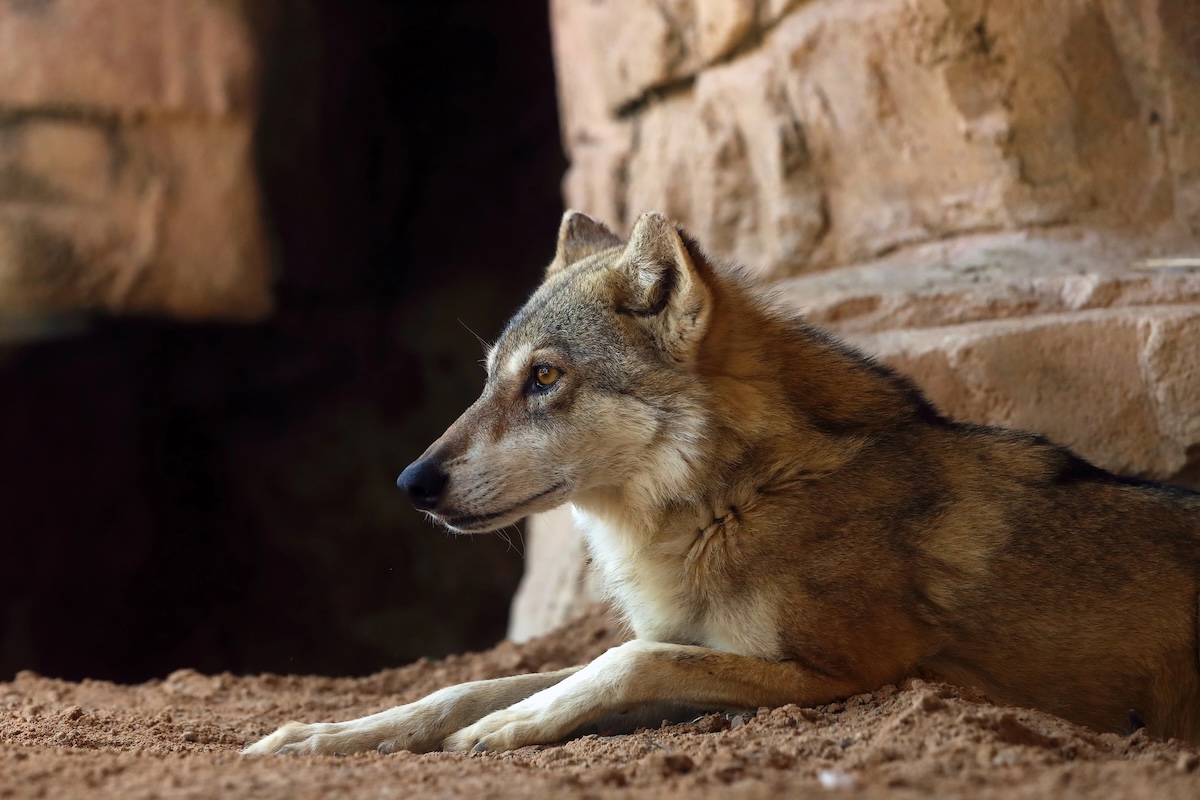 Photo Credit: arepiv on Deposit Photos
In the sun-drenched landscapes of the Arabian Peninsula, the Arabian wolf, scientifically known as Canis lupus arabs, roams with a grace that captivates all who encounter it. This elegant predator, a subspecies of the gray wolf, is perfectly adapted to thrive in the harsh desert environment. With its lean, athletic body and striking coat that ranges from sandy beige to a rich tawny, the Arabian wolf blends seamlessly into its surroundings, making it a master of stealth. Its keen senses and sharp instincts allow it to navigate the rugged terrain, where the golden dunes meet rocky outcrops, creating a dramatic backdrop for its daily adventures.
What makes the Arabian wolf particularly intriguing to scientists and nature enthusiasts alike is its role as a keystone species in this delicate ecosystem. As a predator, it helps maintain the balance of life in its arid habitat by controlling populations of smaller mammals and other prey. This vital function not only supports the health of the ecosystem but also highlights the intricate connections between all living things. With an estimated population of only 1,000 to 3,000 individuals, the Arabian wolf faces significant challenges, making its survival a pressing concern for conservationists. As we delve deeper into the life of this remarkable animal, we will explore its behaviors, diet, and the unique adaptations that allow it to thrive in one of the world’s most unforgiving environments.
The Arabian wolf, a captivating member of the animal kingdom, holds a special place in the tree of life. Scientifically classified within the Canidae family, which includes dogs, foxes, and other wolves, this subspecies of the gray wolf is adapted to the arid landscapes of the Arabian Peninsula. What sets the Arabian wolf apart is its smaller size and unique adaptations to desert life, such as a lighter coat and a more slender build, allowing it to thrive in harsh environments where food and water are scarce.
| Taxonomic Rank | Scientific Name | Meaning & Significance |
|---|---|---|
| Kingdom | Animalia | This term means “animals” in Latin, highlighting the Arabian wolf’s classification as a multicellular organism that consumes organic material for energy. |
| Phylum | Chordata | Derived from the Greek word “chordē,” meaning “string,” this rank indicates that the Arabian wolf has a backbone, a key feature of vertebrates. |
| Class | Mammalia | This class name comes from “mamma,” Latin for “breast,” referring to the fact that all mammals, including the Arabian wolf, nurse their young with milk. |
| Order | Carnivora | From the Latin “carnivorus,” meaning “meat-eating,” this order includes animals that primarily consume flesh, showcasing the wolf’s predatory nature. |
| Family | Canidae | This family name is derived from the Latin “canis,” meaning “dog,” which connects the Arabian wolf to its close relatives, including domestic dogs and foxes. |
| Genus | Canis | Also from the Latin word for “dog,” this genus encompasses various species of wolves, dogs, and jackals, emphasizing their shared ancestry. |
Understanding the Arabian wolf’s classification reveals much about its evolutionary journey. As a member of the Canidae family, it shares a common ancestor with other canids, tracing back millions of years. This lineage has allowed the Arabian wolf to develop specific traits suited for survival in its desert habitat, such as its keen hunting skills and social behaviors. By studying its taxonomic position, we gain insight into how this remarkable animal has adapted to thrive in one of the most challenging environments on Earth.
The evolutionary journey of the Arabian wolf, a subspecies of the gray wolf, stretches back thousands of years. This fascinating timeline reveals how these animals adapted to the harsh environments of the Arabian Peninsula. Their ancestors roamed the Earth during the late Pleistocene epoch, around 2.6 million to 11,700 years ago, when they were part of a diverse group of wolves that thrived in various habitats across the globe.
The Arabian wolf’s lineage diverged from other wolves as it adapted to the arid landscapes of its home. Over time, these wolves became smaller and more agile, traits that helped them navigate the rocky terrains and sparse vegetation of the desert. Unlike their larger relatives, Arabian wolves developed a keen ability to hunt in packs, which allowed them to take down prey that was often faster and more elusive. This shift in hunting strategy marked a significant evolutionary transition, enabling them to thrive in a challenging environment where food sources were limited.
These adaptations have been vital for the Arabian wolf’s survival in a landscape that can be unforgiving. By becoming smaller and more social, they have learned to work together to find food and protect their territory. Their ability to adapt their diet and blend into their surroundings has allowed them to thrive where many other species struggle. The story of the Arabian wolf is a testament to the power of evolution, showcasing how life can flourish even in the most challenging environments.
The Arabian wolf is a striking figure, embodying both elegance and resilience. With a lean, athletic build, this wolf is perfectly designed for life in the arid landscapes of the Arabian Peninsula. Its long legs and slender body allow for swift movement, essential for hunting in the vast deserts and rocky terrains. The wolf’s head is narrow, featuring sharp, alert ears that stand tall, always tuned to the sounds of its surroundings. This combination of form and function creates an impression of agility and strength, making the Arabian wolf a true survivor in its challenging habitat.
| Feature | Description |
|---|---|
| Size | Medium-sized, typically weighing between 40 to 60 pounds. |
| Color | Coat ranges from light tan to grayish-brown, providing excellent camouflage in desert environments. |
| Skin Type | Covered in thick fur that helps insulate against temperature extremes. |
| Eyes | Bright yellow or amber, enhancing night vision for nocturnal hunting. |
| Tail | Long and bushy, often held low, aiding in balance and communication. |
The physical features of the Arabian wolf are not just for show; they play crucial roles in its survival. The light coloration of its fur helps it blend seamlessly into the sandy and rocky landscapes, making it less visible to both prey and potential threats. Its keen eyesight allows it to spot movement from a distance, which is vital for hunting in the twilight hours when many of its prey are active. The combination of a lean body and long legs enables quick sprints, essential for chasing down fast-moving animals. Together, these characteristics create a well-adapted predator, perfectly suited to thrive in one of the harshest environments on Earth.
The Arabian wolf roams the sun-baked expanses of the Arabian Peninsula, where arid deserts and rugged mountains create a dramatic backdrop for its life. Picture vast stretches of golden sand dunes, rocky outcrops, and sparse vegetation, all under a brilliant blue sky. This environment is not just a home; it’s a challenging landscape that tests the survival skills of its inhabitants. The Arabian wolf thrives in these harsh conditions, showcasing its adaptability and resilience.
The climate where the Arabian wolf lives is characterized by extreme temperatures, often soaring during the day and dropping significantly at night. Rainfall is scarce, making water a precious resource. These wolves are well-suited to their environment, as they can go long periods without drinking, obtaining moisture from their prey. The rocky terrain and sparse vegetation provide both challenges and opportunities for hunting and shelter.
Adaptation is key to the survival of the Arabian wolf in such a demanding habitat. With a keen sense of hearing and excellent stamina, these wolves can traverse long distances in search of food. Their slender bodies and light fur help them stay cool in the heat, while their social structure allows them to work together when hunting. This combination of physical traits and behavioral strategies enables the Arabian wolf to thrive in a landscape that many would find inhospitable.
The Arabian wolf leads a life that is both structured and dynamic, filled with daily activities that revolve around survival in its harsh desert habitat. As dawn breaks, these wolves begin their day with a series of rituals. They often start by grooming each other, a behavior that strengthens social bonds within the pack. Afterward, they embark on a hunt, using their keen senses to track down prey. Their hunting strategies are well-coordinated, showcasing their intelligence and teamwork. As the sun sets, they may gather to howl, a vocal display that serves to communicate their presence and reinforce their territory.
Social behavior is a cornerstone of the Arabian wolf’s existence. Living in packs, these wolves exhibit a complex social structure that is essential for their survival. Each pack typically consists of a family unit, including a breeding pair and their offspring. This close-knit group relies on cooperation for hunting and raising young. Communication is vital, and they use a variety of vocalizations, body language, and scent marking to convey messages. Whether it’s a playful nudge or a warning growl, these interactions help maintain harmony and order within the pack.
| Behavior Type | Description |
|---|---|
| Hunting | Arabian wolves hunt in packs, using teamwork to track and capture prey, which often includes small mammals and birds. |
| Social Grooming | Grooming each other helps strengthen social bonds and maintain pack unity, essential for their cooperative lifestyle. |
| Vocal Communication | Howling serves to communicate with other pack members and establish territory, while other vocalizations can indicate different emotions. |
| Territorial Behavior | Arabian wolves mark their territory with scent, ensuring that other wolves know where their boundaries lie, which helps reduce conflicts. |
The behaviors of the Arabian wolf are finely tuned to ensure their survival in a challenging environment. By working together, they increase their chances of finding food and protecting their young. Their social structure not only fosters cooperation but also enhances their ability to adapt to the ever-changing landscape of the Arabian Peninsula. Through these daily activities, the Arabian wolf exemplifies the intricate balance of nature, where every action contributes to the survival of the pack.
The Arabian wolf is an omnivore, which means it enjoys a varied diet that includes both plants and animals. This adaptability is crucial for survival in the challenging environments of the Arabian Peninsula. These wolves primarily hunt small mammals, such as hares and rodents, but they are also known to take down small ungulates, which are hoofed animals like deer. Their feeding behavior is opportunistic, meaning they will eat whatever is available, including scavenging when necessary. This flexibility allows them to thrive in a landscape where food sources can be scarce.
| Dietary Aspect | Details |
|---|---|
| Diet Type | Omnivore |
| Favorite Foods | Hares, rodents, small ungulates, and occasionally cats |
| Prey Items | Small mammals and hoofed animals |
| Hunting/Foraging Strategies | Opportunistic hunting and scavenging |
The diet of the Arabian wolf plays a significant role in shaping its ecology and daily routine. By being an omnivore, it can adapt to the availability of food in its environment, which is often unpredictable. This adaptability not only helps the wolf maintain its energy levels but also influences its social structure and territorial behavior. As these wolves hunt and forage, they contribute to the balance of their ecosystem, helping to control populations of smaller animals and ensuring that the desert landscape remains vibrant and healthy.
The mating behavior of the Arabian wolf is a captivating aspect of their life cycle. Breeding typically occurs between January and March, coinciding with the cooler months when food is more plentiful. During this time, males and females engage in a series of courtship rituals, including howling and playful interactions. These behaviors help strengthen their bond and ensure that they are ready to raise a family together.
| Reproductive Aspect | Details |
|---|---|
| Gestation Period | 63-65 days |
| Litter Size | 2-6 pups |
| Age of Maturity | 2-3 years |
| Name of Young | Pup |
Once the pups are born, parental care becomes a top priority for the Arabian wolf. The mother is particularly attentive, nursing her young and keeping them safe in a den, which is often a burrow or a sheltered area. The father plays a crucial role too, bringing food to the den and helping to protect the family. As the pups grow, they begin to explore their surroundings, learning essential survival skills from their parents. By the time they reach maturity at around two to three years, these young wolves are ready to venture out on their own, continuing the cycle of life in the wild.
The Arabian wolf occupies a vital role in the food web of its desert habitat. As a predator, it helps maintain the balance of the ecosystem by controlling the populations of smaller mammals and other prey species. This balance is crucial, as it ensures that no single species overwhelms the environment, allowing for a diverse range of life to thrive. However, the Arabian wolf faces numerous dangers that threaten its survival in the wild.
To defend against these threats, the Arabian wolf has developed several survival strategies. They are highly adaptable, often changing their hunting patterns and prey choices based on availability. Their keen senses allow them to detect danger from a distance, and they are known to be elusive, using the cover of night to avoid human encounters. By living in small packs, they can work together to protect their territory and young, showcasing their intelligence and social structure in the face of adversity.
A keystone species is an organism that plays a critical role in maintaining the structure of an ecosystem. Its presence or absence can significantly impact the environment and the other species living there. The Arabian wolf qualifies as a keystone species in its habitat, as it helps regulate populations of prey and influences the overall health of the ecosystem in the arid deserts and mountains of the Arabian Peninsula.
The Arabian wolf’s role as a predator is essential for controlling the populations of smaller mammals and other animals. By hunting species such as rodents and hares, these wolves prevent overpopulation, which can lead to overgrazing and depletion of vegetation. This balance is crucial because healthy plant life supports a variety of other species, from insects to larger herbivores. When the wolf keeps these populations in check, it allows the ecosystem to thrive, ensuring that resources are available for all.
Moreover, the Arabian wolf’s pack behavior enhances its ecological impact. Wolves hunt in groups, which allows them to take down larger prey and share the food among pack members. This social structure not only strengthens their hunting efficiency but also contributes to the nutrient cycle. When wolves consume their prey, they leave behind remains that provide food for scavengers like vultures and hyenas. This interaction fosters a diverse community of species that rely on one another for survival.
If the Arabian wolf were to disappear from its ecosystem, the consequences could be dire. Without this apex predator, populations of smaller mammals would likely surge, leading to overgrazing of vegetation. This unchecked growth could result in habitat degradation, affecting not only the plants but also the many species that depend on them for food and shelter. The delicate balance of life in the Arabian Peninsula would be disrupted, showcasing just how vital the Arabian wolf is to its environment.
The Arabian wolf occupies a crucial ecological niche in the arid landscapes of the Arabian Peninsula. As a keystone species, it plays a vital role in maintaining the balance of its ecosystem. By hunting and foraging, these wolves help regulate populations of smaller mammals and other animals, ensuring that no single species dominates the environment. This balance is essential for the health of the desert ecosystem, where every organism, from the tiniest insect to the largest predator, relies on one another for survival.
| Ecosystem Service | Impact |
|---|---|
| Population Control | Regulates numbers of prey species, preventing overgrazing and promoting plant diversity. |
| Scavenging | Clears carcasses from the environment, reducing disease spread and enriching the soil. |
| Seed Dispersal | Contributes to plant reproduction by spreading seeds through their droppings. |
| Habitat Creation | Influences the structure of the ecosystem by creating trails and clearings that benefit other species. |
The Arabian wolf’s influence extends beyond mere predation. For instance, by keeping the populations of herbivores in check, these wolves help maintain the delicate balance of plant life in their arid habitat. When herbivore numbers are controlled, vegetation can thrive, which in turn supports a variety of other species, from insects to birds. Additionally, as these wolves scavenge on carcasses, they play a role in nutrient cycling, enriching the soil and promoting healthy plant growth. Their presence creates a ripple effect, benefiting many other organisms in the ecosystem.
The broader ecological importance of the Arabian wolf cannot be overstated. As a keystone species, its survival is intertwined with the health of the entire ecosystem. When Arabian wolves thrive, they help ensure that the intricate web of life in the desert remains intact. Protecting these wolves is not just about preserving a single species; it is about safeguarding the entire ecosystem that relies on their presence. By understanding and valuing the role of the Arabian wolf, we can appreciate the delicate balance of nature and the importance of every creature within it.
In the intricate web of life, symbiosis refers to the close interactions between different species, which can take on various forms. These relationships can be mutualistic, where both species benefit, parasitic, where one benefits at the other’s expense, or commensal, where one benefits while the other is neither helped nor harmed. The Arabian wolf, a fascinating inhabitant of the arid deserts and rugged mountains of the Arabian Peninsula, engages in several ecological partnerships that highlight the complexity of its environment.
| Species/Type | Relationship Type | Description |
|---|---|---|
| Arabian Oryx | Mutualistic | The Arabian wolf and the Arabian oryx share a habitat where the wolf helps control the population of smaller herbivores, allowing the oryx to thrive in a balanced ecosystem. |
| Scavengers (like vultures) | Commensal | When the Arabian wolf makes a kill, scavengers such as vultures benefit by feeding on the remains, while the wolf is unaffected by their presence. |
| Parasites (like ticks) | Parasitic | Ticks and other parasites can latch onto the Arabian wolf, feeding on its blood and potentially harming its health, illustrating a classic parasitic relationship. |
These relationships have evolved over time, shaped by the needs and behaviors of the species involved. The mutualistic bond between the Arabian wolf and the Arabian oryx, for instance, showcases how predators and prey can coexist in a way that benefits both. By keeping herbivore populations in check, the wolf ensures that resources remain available for larger species like the oryx. Meanwhile, the scavengers that follow the wolf play a crucial role in the ecosystem by cleaning up leftover carcasses, which helps prevent the spread of disease. Understanding these connections not only highlights the Arabian wolf’s role in its habitat but also emphasizes the delicate balance of nature that sustains life in the desert.
The Arabian wolf is a captivating animal that thrives in the harsh landscapes of the Arabian Peninsula. With its unique adaptations and intriguing behaviors, this subspecies of the gray wolf offers a glimpse into the resilience of wildlife in extreme environments.
The Arabian wolf has long been intertwined with human history, serving as both a symbol and a subject of fascination. In ancient cultures, these wolves were often depicted in folklore and art, representing strength and cunning. They roamed the same lands as early human settlers, leading to encounters that shaped both species’ lives. As humans began to domesticate animals, the relationship with the Arabian wolf evolved, reflecting the complex dynamics of coexistence, competition, and respect. This cultural significance continues to resonate today, as the wolf remains a powerful emblem of the wild in the Arabian Peninsula.
In modern times, the relationship between the Arabian wolf and humanity has become more complicated. Conservation efforts are underway to protect this subspecies, which faces threats from habitat loss and hunting. However, conflicts still arise, particularly when wolves prey on livestock, leading to tensions between farmers and wildlife advocates. Some communities have even explored the idea of domestication, although the Arabian wolf’s wild nature makes this a challenging endeavor. Balancing the needs of local people with the conservation of these majestic animals is crucial for fostering a harmonious relationship.
Looking ahead, the future of the Arabian wolf and humanity’s relationship hinges on mutual understanding and respect. As conservation efforts gain momentum, there is hope for a more balanced coexistence. By recognizing the ecological role of the Arabian wolf and addressing the concerns of local communities, we can foster a partnership that benefits both people and wildlife. This journey toward harmony is not just about saving a species; it’s about preserving the rich tapestry of life that connects us all.
The Arabian wolf is currently classified as Critically Endangered, a status that highlights the urgent need for conservation efforts. With an estimated population size ranging from 1,000 to 3,000 individuals, these wolves face significant challenges in their survival. The population trend is concerning, as habitat loss and human activities continue to threaten their existence.
| Conservation Factor | Status/Details |
|---|---|
| IUCN Status | Critically Endangered |
| Estimated Population Size | 1,000 – 3,000 |
| Population Trend | Decreasing |
The main threats to the Arabian wolf stem from habitat destruction, primarily due to urban expansion and agricultural development. As humans encroach on their territory, these wolves lose vital hunting grounds and shelter. Additionally, hunting and persecution, often fueled by misconceptions about their behavior, further diminish their numbers. The fragmentation of their habitat also isolates populations, making it harder for them to find mates and maintain genetic diversity.
Conservation efforts are underway to protect the Arabian wolf and its habitat. Organizations are working to raise awareness about the importance of this species and its role in the ecosystem. Protected areas are being established to safeguard their natural environment, and initiatives are in place to educate local communities about coexistence with these magnificent animals. With continued support and effective conservation strategies, there is hope for the Arabian wolf to recover and thrive once more in the wild.
| Question | Answer |
|---|---|
| What is the habitat of the Arabian Wolf? | The Arabian Wolf primarily lives in arid deserts and mountainous regions. These environments provide the space and resources they need to hunt and thrive, although they can be quite harsh and challenging. |
| What does the Arabian Wolf eat? | As an omnivore, the Arabian Wolf has a varied diet that includes small mammals, birds, and even fruits and plants. This flexibility in diet helps them survive in their often-scarce environment. |
| How does the Arabian Wolf behave in the wild? | Arabian Wolves are known for their social behavior, often living in small packs. They communicate through vocalizations, body language, and scent marking, which helps them coordinate during hunts and establish territory. |
| How do Arabian Wolves reproduce? | Arabian Wolves typically mate once a year, with the breeding season occurring in late winter. After a gestation period of about two months, the female gives birth to a litter of 2 to 5 pups, which are cared for by both parents. |
| What are the main threats to the Arabian Wolf? | The Arabian Wolf is critically endangered, facing threats from habitat loss, hunting, and competition with domestic animals. These factors have significantly reduced their population and range, making conservation efforts crucial. |
| What are some interesting characteristics of the Arabian Wolf? | One fascinating feature of the Arabian Wolf is its adaptability to extreme environments. They have a unique coat that helps them regulate body temperature, keeping them cool during the day and warm at night. |
| How do Arabian Wolves communicate with each other? | Arabian Wolves use a variety of sounds, including howls, growls, and barks, to communicate. These vocalizations help them maintain social bonds and coordinate hunting efforts within their pack. |