Taxonomy & Classification
- Kingdom
- Animalia
- Phylum
- Chordata
- Class
- Actinopterygii
- Order
- Perciformes
- Family
- Toxotidae
- Genus
- Toxotes
- Species
- Labrus jaculator

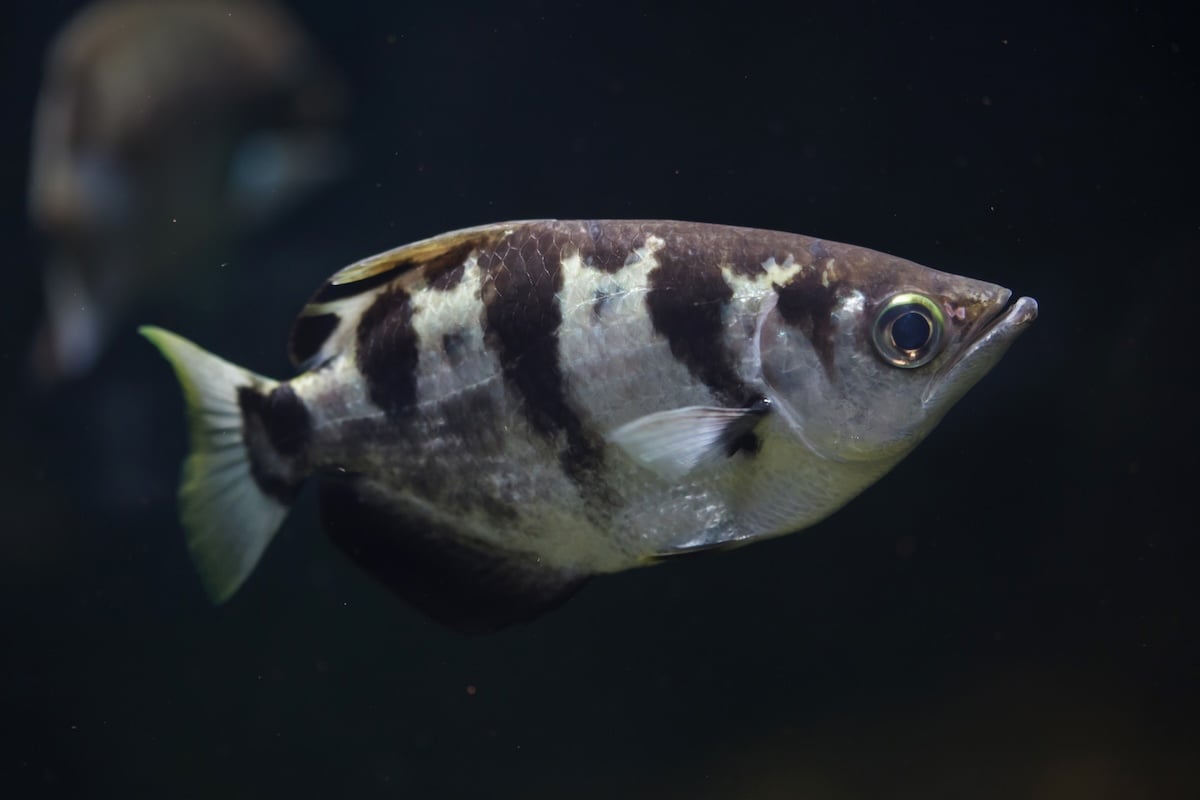 Photo Credit: wrangel at Deposit Photos
In the shimmering waters of Southeast Asia, the archerfish, scientifically known as Toxotes, glides gracefully through its lush habitat. Picture a sunlit riverbank, where the gentle rustle of leaves mingles with the soft lapping of water. Here, the archerfish showcases its most astonishing talent: shooting jets of water with pinpoint accuracy to knock insects off overhanging branches. This remarkable ability not only makes it a masterful hunter but also a source of wonder for scientists and nature lovers alike.
With its streamlined body and vibrant colors, the archerfish is a striking sight as it navigates through the clear waters. Its unique adaptations allow it to thrive in both fresh and brackish environments, where it plays a crucial role in the ecosystem. As it hunts, the archerfish demonstrates a level of precision that seems almost like magic, captivating anyone lucky enough to witness its extraordinary feeding technique. Join us as we dive deeper into the world of the archerfish, exploring its behaviors, habitat, and the vital role it plays in maintaining the balance of its aquatic home.
The archerfish is a captivating member of the animal kingdom, known for its extraordinary ability to shoot jets of water to knock insects off overhanging branches. This remarkable skill sets it apart in the aquatic world. Taxonomically, the archerfish belongs to the kingdom Animalia, which includes all animals, and it is classified under the phylum Chordata, meaning it has a backbone. Within this phylum, it falls into the class Actinopterygii, which encompasses ray-finned fishes. The archerfish’s unique adaptations and behaviors make it a standout example of evolutionary ingenuity.
| Taxonomic Rank | Scientific Name | Meaning & Significance |
|---|---|---|
| Kingdom | Animalia | This term means “animals” in Latin, highlighting the archerfish’s classification as a living organism that moves and feeds on other organisms. |
| Phylum | Chordata | Derived from the Greek word “chordē,” meaning “string,” this name refers to the presence of a notochord, a flexible rod that supports the body, which all chordates, including the archerfish, possess at some stage of development. |
| Class | Actinopterygii | This name translates to “ray-finned fishes,” indicating that the archerfish has fins supported by bony rays, a characteristic feature of this class. |
| Order | Perciformes | Meaning “perch-like,” this order includes many familiar fish species, and the archerfish shares traits with these diverse aquatic animals. |
| Family | Toxotidae | This family name comes from the Greek word “toxotes,” meaning “archer,” which directly relates to the fish’s impressive ability to shoot water. |
| Genus | Toxotes | Also derived from the Greek word for “archer,” this genus name emphasizes the archerfish’s unique hunting technique, showcasing its evolutionary adaptation to its environment. |
Understanding the archerfish’s classification reveals much about its evolutionary journey. As a member of the Toxotidae family, it has developed specialized skills that allow it to thrive in its habitat, primarily in freshwater and brackish waters of Southeast Asia. The archerfish’s ability to shoot water jets is not just a quirky behavior; it reflects millions of years of adaptation to its environment, showcasing how species evolve unique traits to survive and flourish. This fascinating lineage highlights the interconnectedness of life and the diverse strategies animals employ to navigate their worlds.
The evolutionary journey of the archerfish, belonging to the family Toxotidae and the genus Toxotes, stretches back millions of years. These fish are believed to have evolved in the warm, shallow waters of Southeast Asia and the surrounding regions. Their ancestors swam in ancient rivers and coastal areas, adapting to a life that required both agility in the water and clever hunting strategies to survive.
The early forms of archerfish were likely similar to other freshwater fish, but as they adapted to their environments, they developed unique traits. One of the most significant transitions was the evolution of their specialized mouths and eyes. Over time, these fish honed their ability to shoot water with precision, allowing them to capture prey above the water’s surface. This adaptation not only improved their hunting success but also reduced competition with other fish that relied on different feeding strategies.
The adaptations of the archerfish have been vital for its survival in diverse aquatic environments. By developing the ability to shoot water with precision, they have become expert hunters, able to exploit a niche that many other fish cannot. Their keen eyesight and streamlined bodies further enhance their hunting prowess, allowing them to thrive in the rich ecosystems of rivers and mangroves. This combination of traits not only showcases the wonders of evolution but also highlights the intricate balance of life in our planet’s waterways.
The archerfish is a striking sight in the water, with a streamlined body that glides effortlessly through its aquatic home. Its shape is designed for precision and agility, allowing it to dart quickly to catch prey. The fish typically weighs between 2 to 5 pounds, giving it a sturdy presence. Its skin is covered in smooth, shiny scales that shimmer under the sunlight, reflecting a palette of greens and browns that help it blend into its surroundings. This camouflage is essential for both hunting and avoiding predators.
| Feature | Description |
|---|---|
| Size | Typically weighs between 2 to 5 pounds |
| Color | Shiny scales in shades of green and brown |
| Skin Type | Smooth, reflective scales |
| Distinctive Feature | Ability to shoot a stream of water to knock insects off branches |
The combination of its sleek body, vibrant colors, and specialized shooting ability makes the archerfish a master of its environment. The reflective scales not only provide camouflage but also help in dazzling potential threats. Meanwhile, its remarkable skill to shoot water jets allows it to hunt insects with incredible accuracy, ensuring it can thrive in its habitat. Together, these features create a perfect balance of beauty and functionality, showcasing the wonders of evolution in the natural world.
The archerfish thrives in vibrant ecosystems where fresh and brackish waters meet lush vegetation. Picture a sun-dappled riverbank, where the water glistens under the warm sun, and the air is filled with the sounds of chirping birds and rustling leaves. These fish prefer habitats rich in plant life, as the greenery provides both shelter and hunting grounds. The interplay of light and shadow in these environments creates a dynamic backdrop for their fascinating hunting techniques.
Archerfish are found in regions that experience warm temperatures, typically ranging from 20 to 30 degrees Celsius (68 to 86 degrees Fahrenheit). These areas often have a tropical or subtropical climate, where rainfall can be abundant. The presence of vegetation is crucial, as it not only provides cover from predators but also attracts insects, which are a primary food source for these agile hunters. The water quality is also important; they thrive in clean waters that support a rich diversity of life.
To survive and flourish in these specific habitats, archerfish have developed remarkable adaptations. Their ability to shoot jets of water with precision allows them to catch insects perched on branches above the water’s surface. This skill is not just a party trick; it’s a vital survival tactic that helps them secure food in environments where other fish might struggle. Additionally, their streamlined bodies and keen eyesight enable them to navigate through dense vegetation, making them expert hunters in their lush, watery homes.
As the sun rises over the shimmering waters of its tropical habitat, the archerfish begins its day in a lively school. These fish are known for their playful and energetic nature, often darting through the water in synchronized movements. Their daily activities revolve around hunting and socializing, as they work together to spot insects and other prey perched on overhanging branches. With their keen eyesight, they can detect even the slightest movement, preparing for the moment when they will unleash their impressive water jets to snag a meal.
Social behavior is a vital part of the archerfish’s life. Living in schools, these fish benefit from the safety of numbers, as there is strength in unity. They communicate with one another through subtle body language and movements, helping to coordinate their hunting efforts. When one fish spots a potential meal, it often signals to the others, creating a buzz of excitement in the group. This cooperative behavior not only enhances their hunting success but also fosters strong social bonds among the members of the school.
| Behavior Type | Description |
|---|---|
| Hunting | Archerfish work together to spot insects and use their water jets to knock them into the water. |
| Social Structure | They live in schools, which provide safety and enhance hunting efficiency. |
| Communication | They use body language and movements to signal each other about potential prey. |
In the wild, these behaviors are crucial for survival. By hunting in groups, archerfish increase their chances of catching food, which is essential for their growth and reproduction. Their ability to communicate effectively ensures that they can coordinate their efforts, making them more successful hunters. This combination of social interaction and teamwork not only helps them thrive in their environment but also strengthens the bonds within their school, creating a vibrant community in the underwater world.
The archerfish has a diet primarily focused on insects, making it an insectivore. This fish is particularly skilled at hunting flying insects, which it captures with a remarkable technique. By shooting jets of water from its mouth, the archerfish can knock insects off branches or leaves above the water, making them easy prey. This unique feeding behavior not only showcases the archerfish’s hunting prowess but also highlights its adaptability to its environment.
| Dietary Aspect | Details |
|---|---|
| Diet Type | Insectivore |
| Favorite Foods | Flying insects, spiders, crustaceans |
| Prey Items | Insects that land near or above water, such as flies and beetles |
| Hunting/Foraging Strategies | Shooting jets of water to dislodge prey from vegetation |
This specialized diet plays a crucial role in the archerfish’s ecology and daily routine. By targeting insects and other small creatures, the archerfish helps control insect populations in its habitat. Its unique hunting method not only provides sustenance but also influences the behavior of insects in the area, creating a dynamic interaction between predator and prey. As the archerfish navigates its environment, it demonstrates the intricate balance of life in freshwater ecosystems, where every meal is a testament to its evolutionary adaptations.
During the breeding season, which typically occurs in warmer months, archerfish engage in fascinating mating behaviors. Males often display their vibrant colors and perform elaborate swimming patterns to attract females. Once a female is ready to mate, she will lay her eggs in shallow waters, where the male fertilizes them shortly after. This quick process ensures that the eggs are protected from predators and environmental changes.
| Reproductive Aspect | Details |
|---|---|
| Gestation Period | 12 hours |
| Litter Size | Varies, typically several hundred eggs |
| Age of Maturity | 1 year |
| Name of Young | Fry |
After the eggs hatch, the young archerfish, known as fry, begin their journey in the world. These tiny fish are independent from the moment they emerge, swimming away to find food and shelter. Parental care is minimal, but the fry benefit from the safety of their shallow habitat, where they can hide among plants and debris. As they grow, they develop the remarkable skills that define their species, including the ability to shoot jets of water to catch prey. Within a year, these young fish will reach sexual maturity, ready to continue the cycle of life in their vibrant aquatic environment.
The archerfish plays a vital role in its aquatic food web, primarily as a predator of insects and small invertebrates. However, it is not without its own challenges. This fish finds itself in the sights of various predators, which can threaten its survival. Understanding these dangers helps us appreciate the delicate balance of life in its habitat.
To defend itself against these threats, the archerfish employs several clever strategies. Its ability to shoot water jets not only helps it catch food but also serves as a distraction to potential predators. When danger approaches, the archerfish can quickly dart into dense vegetation, where its coloration helps it blend in with the surroundings. This combination of agility and camouflage allows the archerfish to navigate the challenges of its environment, ensuring its survival in the wild.
A keystone species is an organism that has a disproportionately large impact on its environment relative to its abundance. In other words, if you were to remove it from the ecosystem, the entire community would change dramatically. The archerfish, with its unique hunting skills and role in the food web, qualifies as a keystone species in its habitat. By controlling insect populations and serving as prey for larger animals, the archerfish plays a crucial role in maintaining the balance of its ecosystem.
Archerfish are expert hunters, primarily feeding on insects that hover above the water’s surface. Their ability to shoot jets of water with precision allows them to knock these insects into the water, where they become a meal. This behavior not only helps regulate insect populations but also influences the types of insects that thrive in the area. For example, if archerfish were to disappear, the number of insects could explode, leading to overpopulation and potential harm to the surrounding vegetation and other wildlife.
Moreover, archerfish are social creatures that often swim in schools. This group behavior provides safety in numbers, making it harder for predators to target individual fish. As they feed on insects, they also become a food source for larger fish and birds, creating a vital link in the food web. Their presence supports a diverse range of species, from the smallest insects to larger predators that rely on them for sustenance.
If archerfish were to vanish from their habitats, the consequences would ripple through the ecosystem. Insect populations would likely surge, leading to increased competition for food among other species. This could result in the decline of certain plants and animals that rely on a balanced environment. The loss of archerfish would not only disrupt the food web but could also diminish the overall health of the aquatic ecosystem, highlighting just how vital these remarkable fish are to their watery world.
The archerfish occupies a vital ecological niche in its freshwater and brackish habitats, where it plays a significant role in maintaining the balance of its ecosystem. By primarily feeding on insects, this fish helps control insect populations, which can otherwise become overwhelming. Its unique hunting technique, where it shoots jets of water to knock insects into the water, not only showcases its remarkable adaptability but also influences the dynamics of the food web. In this way, the archerfish is not just a predator; it is a key player in the intricate dance of life in its watery world.
| Ecosystem Service | Impact |
|---|---|
| Insect population control | Reduces the number of insects that can harm vegetation and spread disease. |
| Food source for predators | Serves as prey for larger fish and birds, supporting higher trophic levels. |
| Habitat structure | Contributes to the health of aquatic vegetation by maintaining balance in the ecosystem. |
| Water quality improvement | Helps maintain clear water by controlling insect populations that can lead to decay. |
The influence of the archerfish extends beyond its immediate feeding habits. For instance, by preying on insects that might otherwise fall into the water, it helps to keep the aquatic environment cleaner and healthier. This behavior not only benefits the archerfish but also supports the growth of aquatic plants, which rely on clear water for sunlight. Additionally, the archerfish itself becomes a food source for larger predators, such as birds and bigger fish, creating a ripple effect throughout the food web. Its presence ensures that various species can thrive, highlighting its importance in the ecosystem.
In a broader ecological context, the archerfish exemplifies the interconnectedness of life in freshwater ecosystems. As a keystone species, its role in controlling insect populations and providing food for other animals underscores the delicate balance that sustains these environments. The health of the ecosystem often hinges on the presence of such species, making the archerfish not just a fascinating creature to observe, but a crucial component of its habitat. By understanding and protecting the archerfish, we can help preserve the intricate web of life that depends on it.
In the intricate web of life, many species form partnerships that enhance their survival and well-being. These relationships can be classified into three main types: mutualism, where both species benefit; commensalism, where one benefits while the other is neither helped nor harmed; and parasitism, where one species benefits at the expense of the other. The archerfish, known for its remarkable hunting skills, engages in various ecological relationships that highlight the interconnectedness of life in its freshwater and brackish habitats.
| Species/Type | Relationship Type | Description |
|---|---|---|
| Insects | Mutualistic | Archerfish feed on insects that land on overhanging branches, helping to control insect populations while benefiting from a reliable food source. |
| Water Plants | Commensal | Archerfish often use aquatic plants for cover while hunting, benefiting from the shelter without affecting the plants. |
| Smaller Fish | Parasitic | In some cases, larger archerfish may prey on smaller fish, benefiting from the meal while harming the smaller fish. |
These relationships have evolved over time, shaped by the needs and behaviors of the species involved. The archerfish’s ability to shoot water jets to capture insects is a perfect example of how its hunting strategy has adapted to its environment. By forming mutualistic relationships with insects, it helps maintain ecological balance while ensuring its own survival. Meanwhile, its interactions with plants and other fish illustrate the complex dynamics of life in aquatic ecosystems, where every species plays a role in the grand tapestry of nature.
The archerfish is a true marvel of nature, showcasing incredible adaptations that allow it to thrive in its watery world. With its unique hunting technique and fascinating behaviors, this fish is sure to capture the imagination of nature enthusiasts of all ages.
The archerfish has long captured the imagination of people around the world, not just for its incredible hunting skills but also for its cultural significance. In various regions, especially in Southeast Asia, these fish are celebrated in folklore and local traditions. Fishermen have historically admired the archerfish for its unique ability to shoot water jets, often incorporating this remarkable trait into stories and art. This connection between the archerfish and humanity highlights a shared appreciation for the wonders of nature, fostering a sense of respect and curiosity.
Today, the relationship between archerfish and humans is evolving. As awareness of environmental conservation grows, efforts are being made to protect the habitats where these fish thrive. However, conflicts can arise, particularly in areas where human activities, such as agriculture and urban development, threaten their ecosystems. Some communities have even begun to explore the idea of domestication, raising archerfish in aquaculture settings. This not only helps to sustain local populations but also provides a source of food and income for families.
Looking ahead, the future of the relationship between archerfish and humanity holds promise. As we continue to learn about the importance of biodiversity and the interconnectedness of all life, there is hope for a more harmonious coexistence. By prioritizing conservation and sustainable practices, we can ensure that these extraordinary fish not only survive but thrive in their natural habitats, enriching our world for generations to come.
The conservation status of the archerfish is currently classified as Near Threatened according to the International Union for Conservation of Nature (IUCN). This means that while the species is not yet endangered, it is facing challenges that could lead to a decline in its population if not addressed. Population estimates are difficult to pinpoint precisely, but trends suggest that their numbers are decreasing in certain areas due to habitat loss and other environmental pressures.
| Conservation Factor | Status/Details |
|---|---|
| IUCN Status | Near Threatened |
| Population Estimates | Unknown, but decreasing in some regions |
| Trend Direction | Decreasing |
The main threats to the archerfish include habitat destruction, particularly from human activities such as deforestation and pollution. As rivers and wetlands are altered for agriculture or urban development, the delicate ecosystems that support archerfish are compromised. Additionally, climate change poses a significant risk, as rising temperatures and changing rainfall patterns can affect water quality and availability in their habitats.
Conservation efforts are underway to protect the archerfish and its environment. Initiatives focus on habitat restoration and the establishment of protected areas to ensure that these fish can thrive. Education and awareness programs are also crucial, helping local communities understand the importance of preserving their natural resources. With continued efforts, there is hope that the archerfish can maintain its role in the ecosystem and avoid further decline.
| Question | Answer |
|---|---|
| Where do Archerfish live? | Archerfish are found in fresh and brackish waters, which are areas where freshwater from rivers meets saltwater from the ocean. They prefer habitats with plenty of vegetation, like mangroves and swamps, where they can hide and hunt for food. |
| What do Archerfish eat? | These fascinating fish are insectivores, meaning they primarily eat insects. They are known for their unique hunting technique, where they shoot jets of water to knock insects off branches or leaves into the water. |
| How do Archerfish catch their prey? | Archerfish have a remarkable ability to shoot a stream of water from their mouths, which can reach distances of up to 2 meters (about 6.5 feet). They aim carefully, adjusting for the refraction of light, which makes the water appear to bend, allowing them to hit their target accurately. |
| How do Archerfish reproduce? | Archerfish typically spawn in shallow waters, where females lay eggs that are fertilized by males. The eggs are often attached to vegetation, providing some protection from predators until they hatch into tiny fish. |
| What threats do Archerfish face? | Archerfish are currently classified as Near Threatened, primarily due to habitat loss from pollution and development. Overfishing and changes in water quality also pose significant risks to their populations. |
| What is the most distinctive feature of Archerfish? | The most distinctive feature of Archerfish is their ability to shoot water with precision. This unique adaptation not only helps them catch insects but also makes them one of the most interesting fish to observe in their natural habitat. |
| Can Archerfish live in both freshwater and saltwater? | Yes, Archerfish are quite adaptable and can thrive in both freshwater and brackish environments. This flexibility allows them to inhabit a variety of ecosystems, making them resilient to changes in their surroundings. |