Taxonomy & Classification
- Kingdom
- Animalia
- Phylum
- Chordata
- Class
- Actinopterygii
- Order
- Salmoniformes
- Family
- Salmonidae
- Genus
- Salvelinus
- Species
- Salvelinus alpinus

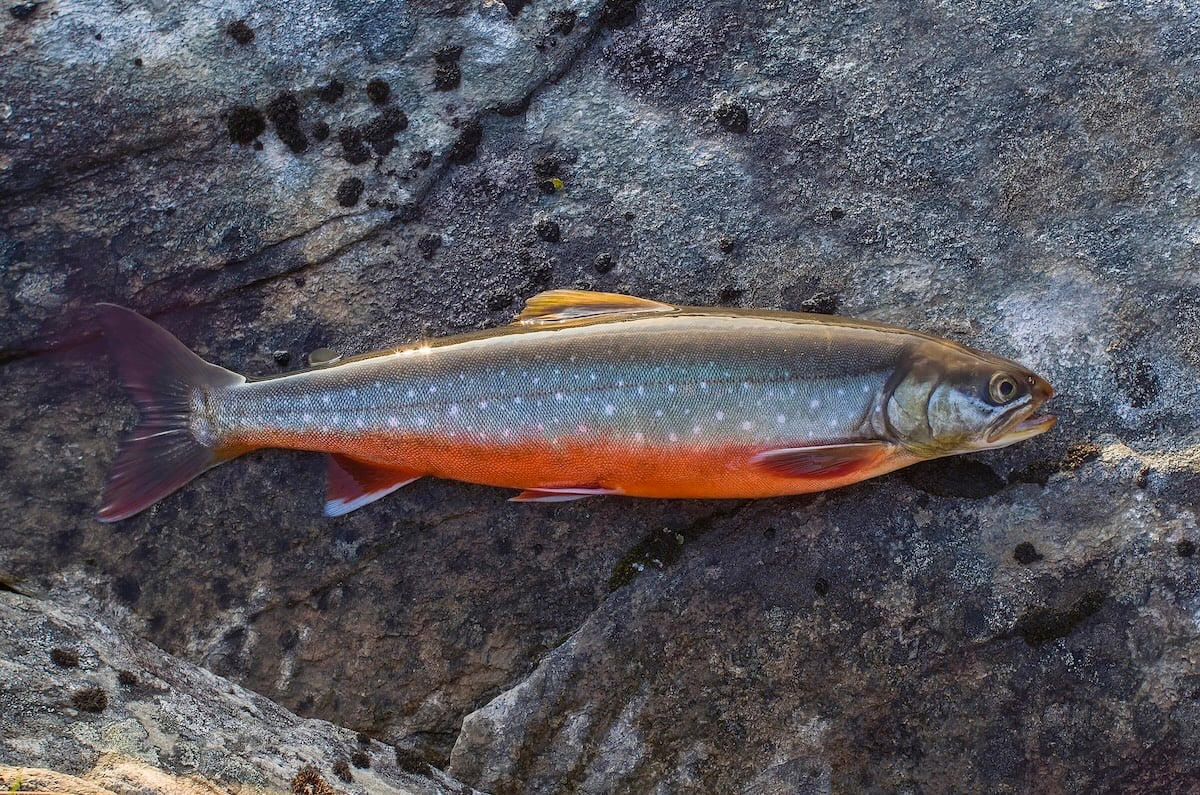 Photo Credit: FedBul at Deposit Photos
In the icy embrace of the Arctic waters swims the Arctic char, known scientifically as Salvelinus alpinus. This enchanting fish is a true marvel of nature, gliding gracefully through crystal-clear lakes and rivers that are often surrounded by rugged mountains and shimmering glaciers. With its sleek, streamlined body and vibrant colors that shift from deep greens to fiery reds, the Arctic char captivates both scientists and nature lovers alike. Its beauty is not just skin deep; this fish has adapted to thrive in some of the coldest environments on Earth, making it a fascinating subject for study.
As the seasons change, so does the Arctic char, showcasing a remarkable ability to adapt to its surroundings. During the breeding season, males display stunning hues to attract females, transforming the tranquil waters into a vibrant spectacle. This transformation is not just for show; it plays a crucial role in their life cycle and the health of their ecosystem. The Arctic char is more than just a pretty face; it serves as both predator and prey, maintaining the delicate balance of life in its frigid habitat. Join us as we dive deeper into the world of the Arctic char, exploring its unique behaviors, diet, and the vital role it plays in the ecosystem of the North.
The Arctic char is a captivating fish that holds a special place in the tree of life. It belongs to the family Salmonidae, which includes other well-known fish like salmon and trout. What sets Arctic char apart is its ability to thrive in some of the coldest waters on Earth, making it a true survivor of extreme conditions. This adaptability not only showcases its resilience but also highlights its unique evolutionary journey, as it has developed specialized traits to navigate the icy depths of the Arctic and sub-Arctic regions.
| Taxonomic Rank | Scientific Name | Meaning & Significance |
|---|---|---|
| Kingdom | Animalia | This name signifies that Arctic char is part of the vast group of multicellular organisms that are primarily heterotrophic, meaning they consume organic material for energy. |
| Phylum | Chordata | Chordata refers to animals that have a notochord, a flexible rod that supports the body. In Arctic char, this structure is present during its early development, showcasing its place among vertebrates. |
| Class | Actinopterygii | Actinopterygii means “ray-finned fishes.” This classification highlights the structure of Arctic char’s fins, which are supported by bony rays, allowing for agile swimming in frigid waters. |
| Order | Salmoniformes | This order includes fish that are closely related to salmon and trout, emphasizing the Arctic char’s connection to these other species that share similar habitats and behaviors. |
| Family | Salmonidae | Salmonidae is the family name that encompasses salmon and trout, indicating that Arctic char shares common ancestors with these fish, which are known for their migratory patterns and life cycles. |
| Genus | Salvelinus | Salvelinus is derived from the Latin word for “trout,” reflecting the char’s close relationship to trout species and its similar body shape and habitat preferences. |
The classification of Arctic char reveals a rich evolutionary history that connects it to a diverse array of aquatic life. Its position within the Salmonidae family indicates that it has adapted alongside other fish in the cold waters of the Arctic, developing unique traits that allow it to thrive in such extreme environments. This evolutionary journey not only highlights the adaptability of Arctic char but also underscores the intricate web of life that exists in our planet’s most frigid regions. Understanding its taxonomic position helps us appreciate the delicate balance of ecosystems and the importance of preserving these remarkable habitats.
The evolutionary journey of Arctic char stretches back millions of years, weaving through the icy waters of the Northern Hemisphere. This fish, scientifically known as Salvelinus alpinus, is a member of the Salmonidae family, which includes salmon and trout. The Arctic char’s ancestors first appeared during the late Cretaceous period, around 100 million years ago, when the Earth was a very different place, teeming with dinosaurs and lush vegetation. Over time, these fish adapted to the cold, nutrient-rich waters of the Arctic and subarctic regions, evolving into the resilient species we see today.
The early ancestors of Arctic char were likely similar to other primitive fish, with streamlined bodies and basic adaptations for survival. As the climate changed and glacial periods emerged, these fish underwent significant transformations. They developed specialized features to thrive in cold, oxygen-rich waters. One major transition was the ability to tolerate a wide range of temperatures, allowing them to inhabit both freshwater lakes and the frigid ocean. This adaptability was crucial as they migrated between different habitats, following the retreating glaciers.
The adaptations of Arctic char have been vital for their survival in the harsh Arctic environment. Their ability to withstand extreme cold and their flexible diet enable them to find food even when resources are scarce. The stunning colors not only serve as camouflage but also play a role in attracting mates during breeding season. By evolving these traits, Arctic char have carved out a niche in one of the planet’s most challenging habitats, showcasing the incredible power of evolution in shaping life on Earth.
The Arctic char is a stunning fish that captures the imagination with its sleek, streamlined body. This aquatic marvel can grow quite large, weighing anywhere from 7 ounces to an impressive 20 pounds. Its form is designed for life in cold, clear waters, with a shape that allows it to glide effortlessly through its icy habitat. The char’s fins are well-proportioned, aiding in swift movements, while its overall structure is a perfect blend of strength and grace.
| Feature | Description |
|---|---|
| Size | Typically weighs between 7 ounces and 20 pounds. |
| Color | Features a colorful underbelly that can range from vibrant red to sunny yellow, changing with the seasons and local conditions. |
| Skin Type | Covered in smooth, shiny scales that help reduce drag in the water. |
The Arctic char’s vibrant underbelly not only adds to its beauty but also serves a crucial purpose. This colorful display can help it blend into the underwater environment, making it less visible to predators and prey alike. The scales, smooth and shiny, reduce resistance as the char swims, allowing it to dart quickly through the chilly waters. Together, these features create a fish that is not only a visual delight but also a master of survival in its frigid home.
The Arctic char thrives in some of the most breathtaking and remote environments on Earth. Picture crystal-clear lakes nestled among rugged mountains, where the water is cold and pristine. These fish are often found in freshwater rivers and lakes during most of their life, but they venture into the ocean for mating and spawning. The contrast of icy waters and vibrant landscapes creates a stunning backdrop for this remarkable species.
Arctic char prefer cold environments, typically inhabiting waters that hover around freezing temperatures. They thrive in areas where the water is rich in oxygen, which is essential for their survival. These fish are well-suited to the harsh conditions of their habitat, where the climate can be extreme, with long, frigid winters and short, cool summers. The combination of cold water and abundant food sources, like small fish and insects, makes these regions ideal for Arctic char.
To survive in such challenging habitats, Arctic char have developed several fascinating adaptations. Their bodies are designed to withstand cold temperatures, allowing them to remain active even when the water is near freezing. They can also migrate between freshwater and saltwater, which helps them find the best conditions for spawning. This flexibility in their lifestyle ensures that Arctic char can thrive in the diverse and often harsh environments they call home.
The Arctic char leads a life that is both serene and dynamic, shaped by the cold waters it inhabits. During the day, these fish often glide through the depths of lakes and rivers, searching for food. Their diet mainly consists of smaller fish, insects, and crustaceans, which they hunt with a combination of stealth and speed. As the sun sets, Arctic char may become more active, taking advantage of the dim light to forage for their next meal. This daily rhythm is influenced by the temperature of the water and the availability of food, making each day a blend of routine and adventure.
While Arctic char are generally solitary creatures, they do come together during the mating season. This is a time of increased activity, where males display vibrant colors to attract females. These gatherings are brief but crucial, as they ensure the continuation of the species. Outside of this period, Arctic char prefer to keep to themselves, navigating their environments with a sense of independence. Their solitary nature allows them to be stealthy hunters, but it also means they must be vigilant against predators, relying on their keen senses to detect danger.
| Behavior Type | Description |
|---|---|
| Activity Patterns | Active during dawn and dusk, searching for food in deeper waters. |
| Social Structure | Primarily solitary, except during mating season when they gather to breed. |
| Communication Methods | Use body language and color changes to attract mates, especially during breeding. |
The behaviors of Arctic char are finely tuned to their environment, ensuring their survival in the chilly waters they call home. Their solitary hunting strategies allow them to be efficient predators, while their brief social interactions during mating season help maintain genetic diversity. By adapting to the rhythms of their habitat, Arctic char not only thrive but also contribute to the delicate balance of their aquatic ecosystems.
The Arctic char is a carnivorous fish that thrives on a diet rich in protein. It primarily hunts in the cold, clear waters of its habitat, where it uses its keen eyesight to spot potential meals. This fish is an opportunistic feeder, meaning it takes advantage of whatever food is available, from tiny zooplankton to larger prey like smaller fish. Its feeding behavior is often influenced by the seasons, as the availability of certain foods can change dramatically throughout the year.
| Dietary Aspect | Details |
|---|---|
| Diet Type | Carnivore |
| Favorite Foods | Insects, salmon eggs, zooplankton, snails, freshwater shrimp, smaller fish |
| Prey Items | Insects and smaller fish are common targets, along with salmon eggs during spawning seasons |
| Hunting/Foraging Strategies | Uses keen eyesight to spot prey and often hunts in schools or near the lake bottom |
The Arctic char’s diet plays a crucial role in its ecology and daily routine. By consuming a variety of prey, it helps maintain the balance of the aquatic ecosystem, controlling populations of smaller organisms. This fish’s feeding habits also dictate its movements, as it often migrates to different depths or areas in search of food. As a result, the Arctic char is not just a fascinating part of its environment; it is an essential player in the intricate web of life in cold-water ecosystems.
As winter melts into spring, Arctic char engage in a captivating mating ritual. During this time, males display vibrant colors to attract females, showcasing their readiness to breed. The breeding season typically occurs in late summer to early fall, when the water temperatures begin to drop. This is a crucial time for the species, as the conditions must be just right for successful reproduction. The females will select gravelly areas in shallow waters to lay their eggs, ensuring that the next generation has a safe place to begin their journey.
| Reproductive Aspect | Details |
|---|---|
| Gestation Period | 2-5 months |
| Litter Size | Varies, often hundreds to thousands of eggs |
| Age of Sexual Maturity | 4-10 years |
| Name of Young | Hatchling |
Once the eggs are laid, the female Arctic char carefully buries them in the gravel, providing a protective environment. After hatching, the young, known as hatchlings, remain in the safety of the gravel for several weeks, absorbing nutrients from their yolk sacs. As they grow, these hatchlings gradually venture out into the water, where they learn to navigate their surroundings and find food. Parental care is minimal after the eggs are laid, but the initial protection of the eggs ensures that many hatchlings can survive to adulthood. Over the years, as they mature, these fish will develop the skills needed to thrive in their chilly habitats, continuing the cycle of life in the Arctic waters.
The Arctic char plays a vital role in its ecosystem, sitting comfortably in the middle of the food web. As a carnivorous fish, it feasts on smaller fish and invertebrates, while also serving as a meal for larger predators. This balance is crucial for maintaining the health of its cold-water habitat, where every species has its part to play.
To survive against these threats, Arctic char have developed several clever strategies. They often seek refuge in deeper waters or hide among rocks and vegetation to avoid detection. Their ability to camouflage, blending in with the icy surroundings, helps them evade predators. Additionally, Arctic char are known to be agile swimmers, allowing them to dart away quickly when danger approaches. These adaptations are essential for their survival in the harsh and competitive environments they call home.
A keystone species is an organism that has a disproportionately large impact on its environment relative to its abundance. In simpler terms, if you remove a keystone species, the entire ecosystem can change dramatically. The Arctic char, known scientifically as Salvelinus alpinus, qualifies as a keystone species in its cold-water habitats. This fish plays a crucial role in maintaining the balance of its ecosystem, influencing both the populations of other species and the health of its environment.
Arctic char are carnivorous fish that primarily feed on smaller fish and invertebrates. By preying on these organisms, they help regulate their populations, preventing any one species from becoming too dominant. This balance is essential for maintaining biodiversity, which is the variety of life in a particular habitat. For example, if Arctic char were to decline in numbers, the populations of smaller fish could explode, leading to overgrazing of aquatic plants and a decline in water quality.
Additionally, Arctic char serve as a food source for larger predators, such as birds and mammals. Their presence supports a complex food web, where energy flows from the smallest organisms up to the top predators. This interconnectedness highlights the importance of Arctic char in sustaining not just their own species, but also the many others that rely on them for survival.
If Arctic char were to disappear from their habitats, the consequences would be significant. The balance of the ecosystem would be disrupted, leading to overpopulation of prey species and a decline in plant life. This could result in poorer water quality and a loss of habitat for other aquatic organisms. Furthermore, the predators that rely on Arctic char for food would face starvation, potentially leading to their decline as well. In essence, the absence of Arctic char would ripple through the ecosystem, demonstrating just how vital this fish is to the health of its environment.
The Arctic char plays a crucial role in its ecosystem, acting as both predator and prey in the frigid waters of the Northern Hemisphere. This fish thrives in cold freshwater lakes and rivers, but it also ventures into the ocean for mating and spawning. By occupying this unique ecological niche, Arctic char helps maintain the balance of aquatic life, influencing the populations of both its prey and its predators.
| Ecosystem Service | Impact |
|---|---|
| Predation | Controls populations of smaller fish and invertebrates, preventing overpopulation. |
| Prey for larger species | Serves as a food source for birds, seals, and larger fish, supporting higher trophic levels. |
| Nutrient cycling | Contributes to nutrient distribution in aquatic ecosystems through its feeding and excretion. |
| Habitat structure | Influences the physical environment by interacting with aquatic plants and sediments. |
The Arctic char’s influence can be seen in various ways. For instance, by preying on smaller fish and invertebrates, it helps keep these populations in check, which is essential for maintaining a balanced ecosystem. When Arctic char spawn in the ocean, they contribute nutrients back to freshwater systems, enriching the environment for other species. Additionally, their presence supports a diverse range of wildlife, as they are a vital food source for larger predators like seals and birds, creating a dynamic food web.
The broader ecological importance of Arctic char cannot be overstated. As a keystone species, its presence significantly shapes the structure and function of its habitat. If Arctic char were to disappear, the ripple effects would be felt throughout the ecosystem, leading to imbalances that could threaten the survival of many other species. By understanding the role of Arctic char, we gain insight into the intricate connections that sustain life in these cold, beautiful waters.
In the intricate web of life, Arctic char engage in various ecological relationships that highlight the beauty of symbiosis. Symbiosis refers to the close interactions between different species, which can be beneficial, harmful, or neutral. These relationships can take many forms, from mutualism, where both species gain advantages, to parasitism, where one benefits at the other’s expense. Understanding these connections helps us appreciate how Arctic char and their companions navigate the challenges of their cold, aquatic environments.
| Species/Type | Relationship Type | Description |
|---|---|---|
| Sea lice | Parasitic | Sea lice attach to Arctic char, feeding on their skin and blood, which can weaken the fish and make them more vulnerable to disease. |
| Zooplankton | Mutualistic | While Arctic char feed on zooplankton, these tiny creatures benefit from the clear waters where Arctic char thrive, as their presence helps maintain a balanced ecosystem. |
| Other fish species | Commensal | Some smaller fish may swim alongside Arctic char, benefiting from the protection offered by the larger fish without affecting them. |
The evolution of these relationships showcases the adaptability of Arctic char and their companions. Over time, these interactions have developed to enhance survival and reproduction. For instance, while sea lice may seem harmful, they also indicate the health of the ecosystem, as their presence can signal changes in water quality. Meanwhile, the mutualistic relationship with zooplankton highlights how Arctic char contribute to the balance of their environment. By understanding these connections, we can better appreciate the delicate dance of life in the Arctic waters, where every species plays a role in the grand tapestry of nature.
Arctic char are not just beautiful fish; they are also full of surprises that make them truly captivating. Here are some intriguing facts that showcase their unique adaptations and behaviors.
The Arctic char has long been intertwined with human history, particularly among Indigenous peoples of the Arctic regions. For centuries, these communities have relied on the char not only as a vital food source but also as a cultural symbol. The fish is celebrated in traditional stories and rituals, representing resilience and the connection to the land and water. Its seasonal migrations and spawning behaviors have inspired local customs and practices, making it a cornerstone of life in these remote areas.
Today, the relationship between Arctic char and humanity is evolving, shaped by both conservation efforts and challenges. As climate change alters their habitats, scientists and local communities are working together to monitor populations and protect their environments. However, conflicts can arise, especially as fishing practices and commercial interests clash with traditional ways of life. Some regions are exploring the domestication of Arctic char to ensure a sustainable food source, but this raises questions about the impact on wild populations and ecosystems.
The future of the Arctic char and its relationship with humanity hinges on our ability to adapt and collaborate. As we face environmental changes, it is crucial to respect the cultural significance of this fish while also embracing innovative solutions for its conservation. By fostering a deeper understanding of Arctic char and its role in the ecosystem, we can ensure that future generations continue to enjoy and learn from this remarkable species.
The Arctic char, a stunning fish of the cold northern waters, currently holds a conservation status of “Least Concern” according to the International Union for Conservation of Nature (IUCN). This means that, overall, the species is not facing immediate threats of extinction. However, while the population size is currently unknown, trends suggest that Arctic char populations are stable in many areas. This stability is encouraging, but ongoing monitoring is essential to ensure their continued survival in a changing environment.
| Conservation Factor | Status/Details |
|---|---|
| IUCN Status | Least Concern |
| Estimated Population Size | Unknown |
| Population Trend | Stable |
The Arctic char faces several threats that could impact its future. Climate change is a significant concern, as rising temperatures can alter the delicate ecosystems where these fish thrive. Warmer waters may affect their breeding patterns and food availability. Additionally, pollution from human activities can degrade water quality, posing risks to their health and habitat. Overfishing in some regions also threatens local populations, making it crucial to manage fishing practices sustainably.
Conservation efforts are underway to protect the Arctic char and its habitat. Various organizations and local communities are working together to monitor fish populations and promote sustainable fishing practices. By raising awareness about the importance of this species and its role in the ecosystem, these initiatives aim to ensure that Arctic char continue to flourish in their icy homes. With continued commitment to conservation, the outlook for Arctic char remains hopeful, allowing future generations to appreciate this beautiful fish.
| Question | Answer |
|---|---|
| Where do Arctic Char live? | Arctic Char are found in both freshwater and saltwater environments. They typically inhabit cold, clear lakes and rivers during the summer and migrate to the ocean for mating and spawning. |
| What do Arctic Char eat? | As carnivores, Arctic Char primarily feed on smaller fish, insects, and crustaceans. Their diet can vary depending on their habitat and the availability of food sources. |
| How do Arctic Char behave? | Arctic Char are known for their migratory behavior, moving between freshwater and saltwater. They are also social fish, often found in schools, especially during feeding times. |
| How do Arctic Char reproduce? | Arctic Char typically spawn in the fall, laying their eggs in gravel beds in freshwater streams. The eggs hatch in the spring, and the young fish stay in freshwater until they are ready to migrate to the ocean. |
| What threats do Arctic Char face? | While Arctic Char are currently listed as Least Concern, they face threats from climate change, which affects their cold-water habitats. Pollution and overfishing can also impact their populations. |
| What is a unique characteristic of Arctic Char? | One of the most distinctive features of Arctic Char is their colorful underbelly, which can range from red to yellow. This vibrant coloration changes with the seasons and local conditions, making them quite striking. |
| Can Arctic Char tolerate different temperatures? | Yes, Arctic Char are quite adaptable and can tolerate a range of temperatures. They thrive in cold waters, but some populations can also survive in slightly warmer environments. |