Taxonomy & Classification
- Kingdom
- Animalia
- Phylum
- Chordata
- Class
- Mammalia
- Order
- Lagomorpha
- Family
- Leporidae
- Genus
- Lepus
- Species
- Lepus Arcticus

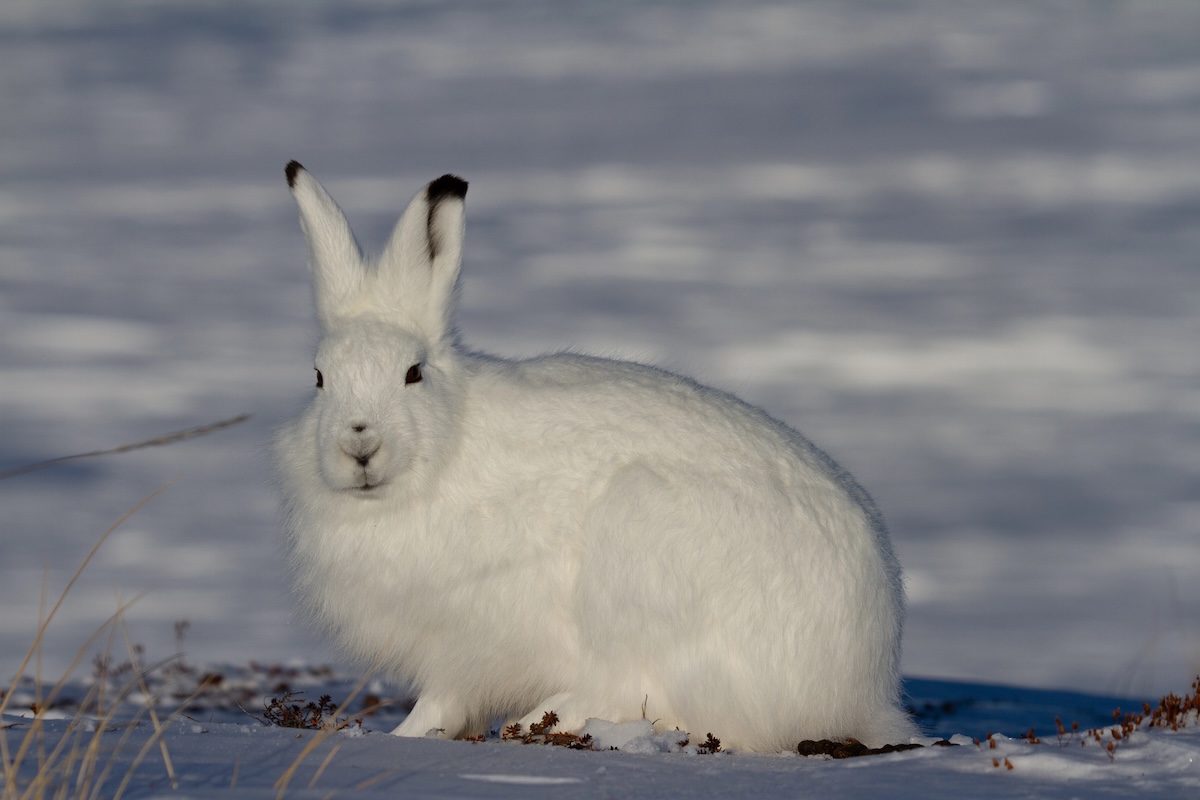 Photo Credit: sgranchinho at Deposit Photos
In the heart of the Arctic tundra, where the ground is often blanketed in snow and the air is crisp and biting, lives the Arctic hare, known scientifically as Lepus arcticus. This remarkable mammal is a master of survival, sporting a thick, white coat that blends seamlessly with its icy surroundings. With powerful hind legs designed for swift movement across the snow, the Arctic hare can leap up to three meters in a single bound, making it a nimble escape artist from predators like foxes and snowy owls. Its large ears, which help dissipate heat, and its keen sense of smell allow it to navigate the frozen landscape with ease, capturing the attention of scientists and nature enthusiasts alike.
As the sun rises over the vast, treeless expanse, the Arctic hare emerges from its burrow, ready to forage for grasses and willows hidden beneath the snow. This herbivore plays a vital role in its ecosystem, serving as a crucial food source for various predators while also helping to shape the plant life of the tundra. The Arctic hare’s ability to adapt to extreme cold and its fascinating behaviors, such as its lively courtship displays during the spring mating season, make it a captivating subject of study. With each leap and bound, Lepus arcticus not only survives but thrives in one of the harshest environments on Earth, inviting us to explore the wonders of its world.
The Arctic hare, known scientifically as Lepus arcticus, occupies a special place in the animal kingdom. This remarkable mammal belongs to the order Lagomorpha, which includes rabbits and hares. What sets the Arctic hare apart is its incredible adaptation to the frigid environments of the Arctic tundra. With its thick fur and powerful hind legs, it can navigate through deep snow and withstand extreme cold, making it a true survivor in one of the harshest climates on Earth.
| Taxonomic Rank | Scientific Name | Meaning & Significance |
|---|---|---|
| Kingdom | Animalia | This name signifies that Arctic hares are part of the vast group of multicellular organisms that are primarily heterotrophic, meaning they consume other organisms for energy. |
| Phylum | Chordata | Chordata refers to animals that have a notochord, a flexible rod that supports the body. In Arctic hares, this structure is present during their development, showcasing their place in the animal lineage. |
| Class | Mammalia | Mammalia indicates that Arctic hares are warm-blooded animals with fur and mammary glands, which allow females to nurse their young. This class is known for its diverse adaptations and social behaviors. |
| Order | Lagomorpha | Lagomorpha means “hare-shaped” and includes animals that have two pairs of upper incisors. This unique dental structure helps Arctic hares efficiently gnaw on tough vegetation in their icy habitat. |
| Family | Leporidae | Leporidae, the family of rabbits and hares, comes from the Latin word “lepus,” meaning hare. This family is characterized by their long ears and strong hind legs, perfect for quick escapes from predators. |
| Genus | Lepus | The genus name Lepus is derived from the Latin word for hare. It highlights the animal’s swift nature and its adaptations for life in open, snowy landscapes. |
Understanding the Arctic hare’s classification reveals much about its evolutionary journey. As a member of the Lagomorpha order, it shares a common ancestor with other rabbits and hares, showcasing a lineage that has adapted to various environments. The Arctic hare’s specialized features, such as its thick fur and unique dental structure, illustrate how evolution has shaped it to thrive in the cold Arctic tundra. This classification not only highlights its biological connections but also emphasizes the incredible adaptability of life in extreme conditions.
The evolutionary journey of the Arctic hare, or Lepus arcticus, stretches back millions of years, tracing its lineage through the icy landscapes of the Arctic. This resilient mammal has adapted to one of the harshest environments on Earth, evolving from ancestors that roamed more temperate regions. As the climate changed and glaciers advanced, these hares underwent significant transformations, allowing them to thrive in the frigid tundra.
The Arctic hare’s ancestors were likely similar to modern-day hares, but as they adapted to colder climates, they developed several key features. Over time, they became larger and more robust, which helped them conserve body heat. Their fur evolved to become thicker and whiter, providing excellent camouflage against the snow. Additionally, their limbs became shorter, reducing heat loss and allowing them to navigate through deep snow more effectively. These changes were crucial as they faced the challenges of finding food and avoiding predators in a landscape dominated by ice and snow.
These adaptations have been essential for the Arctic hare’s survival in a challenging environment. By developing thick fur and effective camouflage, they can withstand extreme cold and evade predators. Their shorter limbs and dietary flexibility allow them to navigate the snowy terrain and find food, ensuring they thrive even when resources are limited. The Arctic hare’s evolutionary story is a testament to nature’s ability to adapt and survive in the face of adversity.
The Arctic hare is a striking sight against the stark white backdrop of its frozen habitat. With a compact body built for survival in frigid temperatures, this hare boasts powerful hind legs that allow it to leap gracefully across the snow. Its rounded ears, shorter than those of many other hares, help minimize heat loss, while its thick fur provides essential insulation. The overall impression is one of agility and resilience, perfectly adapted to the harsh Arctic environment.
| Feature | Description |
|---|---|
| Weight | 4 kg – 5 kg (9 lbs – 12 lbs) |
| Skin Type | Fur |
| Color | White in winter, brown or gray in summer |
| Body Structure | Compact with powerful hind legs |
| Ears | Short and rounded |
The Arctic hare’s features work together like a well-designed survival kit. Its thick fur not only keeps it warm but also camouflages it against the snow, making it less visible to predators. The ability to change color with the seasons helps it blend into its surroundings, whether in the bright winter landscape or the earthy tones of summer. With its strong legs, the hare can escape quickly from danger, leaping over obstacles with ease. Each characteristic plays a vital role in helping this remarkable animal thrive in one of the planet’s most challenging environments.
The Arctic hare thrives in the breathtaking expanse of the tundra, a vast, treeless region characterized by its cold climate and unique landscapes. Picture a world where the ground is often blanketed in snow, and the air is crisp and biting. Here, the Arctic hare finds its home among rocky outcrops and low-lying vegetation, where it can easily blend into its surroundings. The stark beauty of this environment, with its sweeping vistas and shimmering ice, provides the perfect backdrop for this agile animal.
The climate in these regions is harsh, with long, frigid winters and short, cool summers. Temperatures can plummet well below freezing, and snow can cover the ground for much of the year. Despite these extreme conditions, the Arctic hare has adapted to thrive in this environment. It requires open spaces where it can forage for food, such as mosses, lichens, and other hardy plants that manage to survive the cold.
To survive in such a challenging habitat, the Arctic hare has developed several clever adaptations. Its thick fur not only keeps it warm but also changes color with the seasons, turning white in winter to blend in with the snow and brown or gray in summer to match the rocky terrain. This camouflage helps protect it from predators. Additionally, its powerful legs allow it to hop swiftly across the snow, making quick escapes when danger approaches. These adaptations ensure that the Arctic hare remains a vital part of the tundra ecosystem, perfectly suited to its icy home.
The Arctic hare leads a life that is both active and strategic, shaped by the harsh conditions of its icy home. Each day begins with the rising sun, which casts a soft glow over the tundra. As the temperatures dip, these hares venture out to forage for food, primarily munching on grasses, mosses, and even the occasional lichen. Their powerful hind legs allow them to hop swiftly across the snow, making them agile foragers. Throughout the day, they alternate between feeding and resting, always alert to potential predators like arctic foxes and snowy owls.
Socially, Arctic hares are known to form herds, which can range from a few individuals to larger groups. This social structure provides safety in numbers, as there is strength in a collective watchfulness. When one hare senses danger, it thumps its hind legs on the ground, sending a warning to the others. This communication method is crucial for survival, as it allows the group to react quickly to threats. Within these herds, Arctic hares also engage in playful behaviors, such as chasing each other, which helps strengthen social bonds and keeps them agile.
| Behavior Type | Description |
|---|---|
| Foraging | Hares search for grasses, mosses, and lichens, using their strong legs to navigate the snowy terrain. |
| Herding | They form groups for safety, allowing them to keep watch for predators together. |
| Communication | Hares use thumping sounds made by their hind legs to alert others of danger. |
| Playful Interactions | Chasing and playing with each other helps strengthen social bonds and maintain agility. |
The behaviors of Arctic hares are finely tuned to ensure their survival in one of the planet’s most extreme environments. By foraging efficiently, communicating effectively, and relying on the safety of their herds, these hares navigate the challenges of their habitat. Their social dynamics not only enhance their chances of evading predators but also foster a sense of community, making life in the tundra a little less daunting. In this way, the Arctic hare exemplifies the delicate balance of life in the wild, where every action counts in the quest for survival.
The Arctic hare is a dedicated herbivore, meaning it primarily eats plants. This furry resident of the tundra has a diet that consists mainly of grasses, willows, and various flowers. During the warmer months, when food is more abundant, these hares feast on fresh green shoots and blossoms. As winter blankets the landscape in snow, they adapt by digging through the snow to reach the hidden vegetation beneath. This clever foraging strategy allows them to find food even when it seems scarce.
| Dietary Aspect | Details |
|---|---|
| Diet Type | Herbivore |
| Favorite Foods | Grasses, willow, flowers |
| Prey Items | Primarily plant-based |
| Hunting/Foraging Strategies | Digging through snow to find hidden vegetation |
The Arctic hare’s diet plays a crucial role in its ecology and daily routine. By consuming a variety of plant life, it helps maintain the balance of its ecosystem, ensuring that vegetation can thrive. This herbivorous diet also influences its behavior, as the hare must constantly search for food, especially during the long, harsh winters. Its ability to adapt to seasonal changes in food availability showcases the resilience of this remarkable animal in one of the planet’s most extreme environments.
As spring approaches in the Arctic, the mating season for the Arctic hare begins. During this time, males engage in a lively courtship, showcasing their strength and agility. They often perform impressive leaps and chases to attract females. Once a female selects a mate, they will pair up for a short period, as Arctic hares are not monogamous. This breeding season typically occurs from late April to early June, when the days are longer and food is more abundant, providing a better chance for the young to survive.
| Reproductive Aspect | Details |
|---|---|
| Gestation Period | About 50 to 60 days |
| Litter Size | Average of 6 |
| Age of Maturity | Around 1 year |
| Name of Young | Leverets |
After the gestation period, the female Arctic hare gives birth to a litter of leverets, which are born fully furred and with their eyes open. This early development is crucial for survival in the harsh Arctic environment. The mother provides care by nursing her young and keeping them hidden in a shallow nest, often made in the snow or among rocks. As the leverets grow, they begin to explore their surroundings, learning to forage for food and evade predators. By the time they reach maturity at about one year old, they are well-equipped to thrive in the challenging tundra, continuing the cycle of life in this stunning yet unforgiving habitat.
The Arctic hare plays a crucial role in the food web of its icy habitat. As a herbivore, it primarily feeds on grasses and other vegetation, making it an important source of energy for various predators. This delicate balance keeps the ecosystem functioning, as the Arctic hare helps to support the animals that rely on it for survival. However, this furry creature faces numerous dangers in its frigid environment.
To survive against these threats, the Arctic hare has developed several clever defensive behaviors. When danger approaches, it often relies on its incredible speed and agility to escape. With powerful hind legs, it can make quick, zigzagging jumps to confuse predators. Additionally, its white fur provides excellent camouflage against the snow, allowing it to blend into its surroundings. When hiding is not an option, the hare may freeze in place, hoping that its stillness will keep it unnoticed. These strategies help the Arctic hare navigate the challenges of its harsh environment and continue to thrive in the wild.
A keystone species is an organism that has a disproportionately large impact on its environment relative to its abundance. In the case of the Arctic hare, Lepus arcticus, it does indeed play a keystone role in its ecosystem. This hardy herbivore is not just a common sight in the tundra; it is a vital player in maintaining the balance of its frigid habitat.
The Arctic hare significantly influences its ecosystem through its feeding habits. By consuming a variety of plants, including grasses and willows, it helps control plant growth and distribution. This grazing behavior prevents any single species from dominating the landscape, allowing for a diverse array of plant life to thrive. Additionally, the hare’s foraging activities create open spaces in the vegetation, which can benefit other species that rely on these areas for shelter or nesting.
Moreover, the Arctic hare serves as a crucial food source for several predators, including foxes, wolves, and birds of prey. By being part of the food web, it supports the survival of these carnivorous animals. The presence of the hare can even influence predator populations, as a healthy hare population can sustain a larger number of predators, while a decline in hare numbers can lead to a decrease in predator populations.
If the Arctic hare were to disappear, the consequences would ripple through the ecosystem. Without this herbivore, plant life could become unbalanced, leading to overgrowth of certain species and a decline in biodiversity. Predators that rely on the hare for food would struggle to find enough sustenance, potentially leading to their decline as well. The entire food web could be disrupted, showcasing just how interconnected life is in the Arctic tundra. The loss of the Arctic hare would not only affect its immediate surroundings but could also have far-reaching effects on the entire ecosystem.
The Arctic hare, or Lepus arcticus, plays a vital role in its ecosystem, particularly in the harsh tundra and rocky areas it calls home. As a herbivore, this agile mammal primarily feeds on grasses, willows, and flowers, shaping the plant life around it. By grazing on these plants, the Arctic hare helps maintain the balance of vegetation, preventing any single species from dominating the landscape. This balance is crucial for the overall health of the tundra ecosystem, where many other species depend on a variety of plants for food and shelter.
| Ecosystem Service | Impact |
|---|---|
| Vegetation Control | Prevents overgrowth of certain plant species, promoting biodiversity. |
| Food Source | Serves as a primary food source for predators like arctic foxes and snowy owls. |
| Soil Aeration | Helps aerate the soil through its burrowing and movement, improving plant growth. |
| Seed Dispersal | Contributes to the spread of plant seeds through its droppings, aiding plant reproduction. |
The influence of the Arctic hare extends beyond its immediate diet. For instance, by feeding on willows and other shrubs, it encourages the growth of grasses and smaller plants, which in turn provide habitat for insects and other small animals. This creates a rich tapestry of life in the tundra, where every species, from the tiniest bug to the largest predator, relies on the health of the ecosystem. Additionally, the hare’s burrowing activities help aerate the soil, allowing water and nutrients to reach plant roots more effectively, further enhancing the environment.
The broader ecological importance of the Arctic hare cannot be overstated. As a keystone species, its presence supports a diverse array of life in the tundra. The balance it helps maintain among plant species ensures that the ecosystem remains resilient, even in the face of climate change and other environmental pressures. By understanding the role of the Arctic hare, we gain insight into the intricate connections that sustain life in one of the planet’s most extreme habitats. This highlights the importance of protecting not just the hare, but the entire ecosystem it supports.
In the intricate web of life, symbiosis refers to the close interactions between different species, which can take on various forms. These ecological relationships can be mutualistic, where both species benefit, parasitic, where one benefits at the expense of the other, or commensal, where one benefits while the other is neither helped nor harmed. The Arctic hare, a resilient inhabitant of the tundra, engages in several fascinating partnerships with other species, showcasing the interconnectedness of life in this harsh environment.
| Species/Type | Relationship Type | Description |
|---|---|---|
| Arctic Fox | Mutualistic | The Arctic hare and Arctic fox often share the same habitat. While the hare provides a food source for the fox, the presence of the hare can also help the fox locate areas with abundant vegetation, which benefits both species. |
| Snowy Owl | Commensal | Snowy owls hunt in the same tundra regions as Arctic hares. While the hares are not directly affected by the presence of the owls, the owls benefit from the hares as a primary food source. |
| Parasites (e.g., fleas) | Parasitic | Fleas and other parasites can inhabit the fur of Arctic hares, feeding on their blood. This relationship harms the hares, as it can lead to discomfort and health issues. |
The evolution of these relationships is a testament to the adaptability of species in the Arctic ecosystem. Over time, Arctic hares have developed strategies to coexist with predators like the Arctic fox and snowy owl, while also facing challenges from parasites. These interactions not only shape the lives of the Arctic hare but also contribute to the balance of the tundra ecosystem. By understanding these connections, we gain insight into the delicate dance of survival that defines life in one of the planet’s most extreme environments.
The Arctic hare is a fascinating animal that thrives in one of the harshest environments on Earth. With its unique adaptations and behaviors, this remarkable creature has captured the interest of nature enthusiasts around the globe.
The Arctic hare, or Lepus arcticus, has long been intertwined with human history, particularly among Indigenous peoples of the Arctic. These resilient hares have been a source of food, clothing, and tools for many communities. The meat is rich in nutrients, providing sustenance during harsh winters, while the fur has been used to create warm garments. In various cultures, the Arctic hare also holds symbolic significance, often appearing in folklore and stories that reflect the deep connection between the land and its inhabitants. This relationship highlights not only the hare’s role as a vital resource but also its place in the cultural identity of Arctic peoples.
Today, interactions between Arctic hares and humans have evolved, focusing more on conservation and understanding. As climate change alters their habitat, scientists and conservationists are working to monitor hare populations and their health. This is crucial because the Arctic hare is an indicator species, meaning its well-being reflects the overall health of the tundra ecosystem. While hunting still occurs, it is often regulated to ensure sustainable practices. Additionally, some communities are exploring ways to coexist with these hares, balancing traditional practices with modern conservation efforts.
Looking ahead, the future of the relationship between Arctic hares and humanity will depend on our ability to adapt to changing environmental conditions. As we face the challenges of climate change, it is essential to foster a deeper understanding of these hares and their role in the ecosystem. By combining traditional knowledge with modern science, we can ensure that Arctic hares continue to thrive alongside human communities. This partnership can lead to a more sustainable future, where both people and wildlife can flourish in harmony.
The Arctic hare, known scientifically as Lepus arcticus, currently holds a conservation status of “Least Concern” according to the International Union for Conservation of Nature (IUCN). This means that, at present, the species is not facing an immediate threat of extinction. Population estimates suggest that there are healthy numbers of Arctic hares across their range, although specific figures can vary widely due to the vast and remote areas they inhabit. Overall, the population trend appears stable, which is encouraging for this resilient inhabitant of the Arctic tundra.
| Conservation Factor | Status/Details |
|---|---|
| IUCN Status | Least Concern |
| Population Estimates | Healthy numbers, specific estimates vary |
| Trend Direction | Stable |
The Arctic hare faces several challenges that could impact its future. Climate change is a significant threat, as rising temperatures can alter its habitat and food sources. Melting ice and changing vegetation patterns may disrupt the delicate balance of the tundra ecosystem. Additionally, increased human activity in the Arctic, such as mining and oil exploration, poses risks to their natural environment. Predation from animals like arctic foxes and snowy owls also plays a role in their survival, but these pressures are generally manageable for the species.
Conservation efforts are underway to monitor and protect the Arctic hare and its habitat. Researchers are studying population dynamics and the effects of climate change on their environment. By understanding these factors, conservationists can develop strategies to ensure the long-term survival of this iconic species. As awareness grows about the importance of preserving the Arctic ecosystem, the outlook for the Arctic hare remains hopeful, provided that proactive measures are taken to safeguard its future.
| Question | Answer |
|---|---|
| Where do Arctic Hares live? | Arctic Hares are found in the tundra and rocky areas of the Arctic regions. They thrive in cold environments, where they can easily blend in with the snow and rocks. |
| What do Arctic Hares eat? | As herbivores, Arctic Hares primarily eat a diet of grasses, mosses, and other vegetation. In the winter, they may dig through the snow to find food, showcasing their adaptability to harsh conditions. |
| How do Arctic Hares behave? | Arctic Hares are known for their social behavior, often living in groups. They are also quite agile, using their powerful hind legs to escape predators by making quick, zigzag movements. |
| How do Arctic Hares reproduce? | During the breeding season, which occurs in spring, female Arctic Hares can give birth to a litter of 1 to 8 young, called leverets. The young are born fully furred and with their eyes open, ready to hop around shortly after birth. |
| What are the main threats to Arctic Hares? | Arctic Hares face threats from predators such as foxes, wolves, and birds of prey. Climate change also poses a significant risk, as it affects their habitat and food sources. |
| What are some interesting characteristics of Arctic Hares? | One fascinating feature of Arctic Hares is their ability to change color with the seasons. In winter, their fur is white to blend in with the snow, while in summer, it turns brown or gray to match the tundra. |
| Are Arctic Hares endangered? | Currently, Arctic Hares are classified as Least Concern, meaning they are not at immediate risk of extinction. However, ongoing environmental changes could impact their populations in the future. |