Taxonomy & Classification
- Kingdom
- Animalia
- Phylum
- Chordata
- Class
- Mammalia
- Order
- Carnivora
- Family
- Canidae
- Genus
- Canis
- Species
- Canus Lupus Arcticus

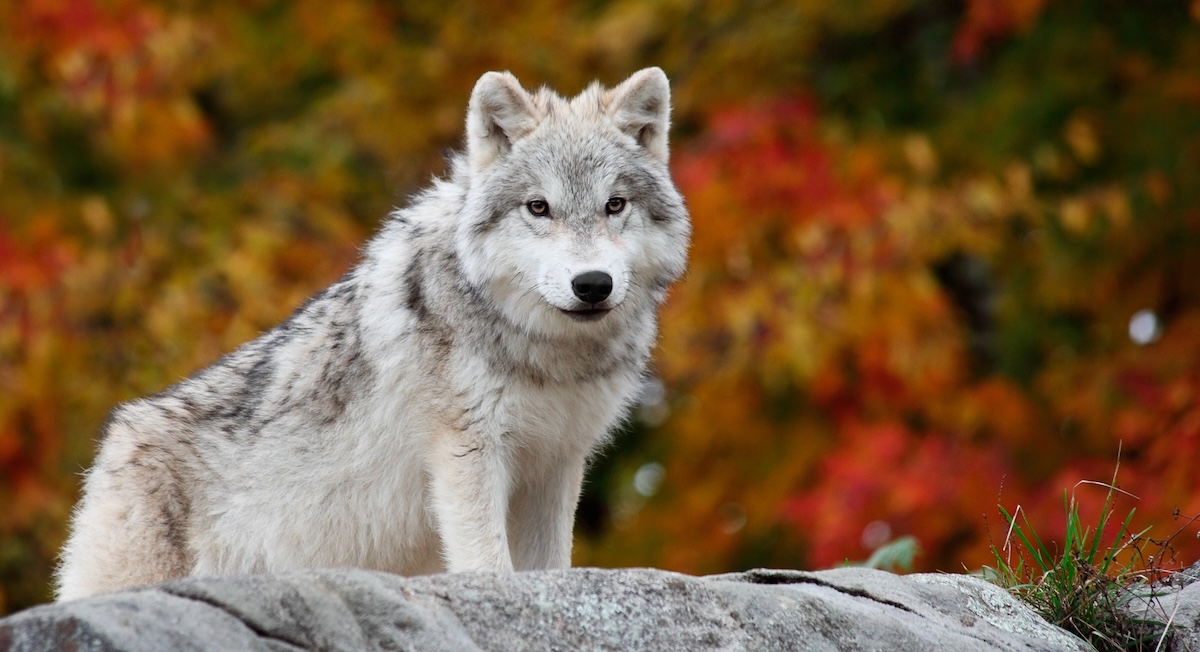 Photo Credit: cybernesco at Deposit Photos
In the heart of the Arctic tundra, where the land stretches endlessly beneath a blanket of snow, roams the Arctic wolf, known scientifically as Canis lupus arctos. With its thick, white fur that blends seamlessly into the icy landscape, this wolf is a master of camouflage. Its piercing yellow eyes, sharp and alert, scan the horizon for movement, embodying the spirit of survival in one of the harshest environments on Earth. Scientists and nature enthusiasts alike are captivated by the Arctic wolf’s ability to thrive in extreme cold, showcasing remarkable adaptations that allow it to hunt and navigate through blizzards and biting winds.
Imagine a scene where the sun barely rises above the horizon, casting a soft glow on the frozen ground. The Arctic wolf, slightly smaller than its southern relatives, moves gracefully across the snow, its powerful legs propelling it forward with ease. This wolf is not just a solitary hunter; it often travels in packs, relying on teamwork to take down large prey like caribou and muskoxen. The Arctic wolf’s social structure and hunting strategies reveal a complex world of communication and cooperation, making it a fascinating subject for researchers studying animal behavior. As we delve deeper into the life of Canis lupus arctos, we will uncover the secrets of its survival, its role in the ecosystem, and the challenges it faces in a rapidly changing world.
The Arctic wolf, known scientifically as Canis lupus arctos, occupies a special place in the tree of life. As a member of the Canidae family, which includes dogs, foxes, and other wolves, this subspecies of the gray wolf is uniquely adapted to thrive in the harsh, icy landscapes of the Arctic. With its thick, white fur and smaller size compared to its southern relatives, the Arctic wolf is perfectly designed to endure extreme cold and hunt in a challenging environment. This adaptation not only highlights its resilience but also showcases the incredible diversity of life on our planet.
| Taxonomic Rank | Scientific Name | Meaning & Significance |
|---|---|---|
| Kingdom | Animalia | This name signifies that Arctic wolves are part of the vast group of multicellular organisms that are primarily heterotrophic, meaning they consume other organisms for energy. |
| Phylum | Chordata | Chordata refers to animals that have a notochord, a flexible rod that supports the body. In Arctic wolves, this structure is present during their development, showcasing their place in the animal kingdom. |
| Class | Mammalia | Mammalia indicates that Arctic wolves are warm-blooded, have fur, and nurse their young with milk, which is a key characteristic of mammals. |
| Order | Carnivora | Carnivora is the order that includes meat-eating mammals. Arctic wolves are skilled hunters, primarily preying on caribou and other animals, which is reflected in their classification. |
| Family | Canidae | Canidae encompasses all dog-like mammals. This family is known for their social structures and hunting strategies, traits that Arctic wolves exhibit in their pack behavior. |
| Genus | Canis | Canis means “dog” in Latin, and it includes wolves, dogs, and coyotes. The Arctic wolf shares many traits with its relatives, such as vocal communication and social living. |
| Species | Canis lupus | Canis lupus translates to “wolf” in Latin, identifying the gray wolf as the species to which the Arctic wolf belongs, emphasizing its role as a top predator in its ecosystem. |
| Subspecies | Canis lupus arctos | The term “arctos” means “of the Arctic,” highlighting the Arctic wolf’s specific adaptation to its cold, northern habitat. |
The classification of the Arctic wolf reveals much about its evolutionary journey. As a subspecies of the gray wolf, it has adapted to survive in one of the most extreme environments on Earth. This adaptation is not just a matter of physical traits; it reflects a long history of evolution shaped by the challenges of the Arctic landscape. Understanding its taxonomic position helps us appreciate the intricate connections between species and their environments, showcasing the remarkable ways life can adapt and thrive in diverse habitats.
The evolutionary journey of the Arctic wolf, or Canis lupus arctos, stretches back thousands of years, intertwining with the history of its ancestors and the changing landscapes of the Arctic. This subspecies of the gray wolf has adapted to one of the harshest environments on Earth, showcasing a remarkable story of survival and evolution. As the last Ice Age receded, the ancestors of modern wolves began to diverge, leading to the emergence of various subspecies, including the Arctic wolf, which adapted to the frigid tundra of North America and Greenland.
The Arctic wolf’s ancestors were part of a larger group of canids that roamed the Earth, evolving from a common ancestor shared with other wolves and dogs. Over time, as the climate shifted and the Arctic environment became more extreme, these wolves developed specific traits that allowed them to thrive in icy conditions. One major transition was the adaptation to a carnivorous diet, which required keen hunting skills and social cooperation. This led to the development of pack behavior, where wolves work together to hunt larger prey, such as caribou and muskoxen.
The adaptations of the Arctic wolf are not just fascinating traits; they are essential for survival in one of the most unforgiving habitats on the planet. The thick fur coat and smaller ears help retain heat, while the social structure and hunting strategies ensure that these wolves can find food even in the depths of winter. With their enhanced senses and ability to store fat, Arctic wolves are perfectly equipped to navigate the challenges of their icy world, showcasing the incredible power of evolution in shaping life on Earth.
The Arctic wolf is a striking figure against the stark, icy backdrop of its northern habitat. With a sturdy build, these wolves are slightly smaller than their more southern relatives, weighing between 25 to 40 kilograms, or about 55 to 88 pounds. Their bodies are compact and muscular, designed for agility and endurance in the harsh Arctic environment. The Arctic wolf’s fur is thick and fluffy, providing essential insulation against freezing temperatures. This beautiful creature often appears in shades of white, gray, or even a soft cream, allowing it to blend seamlessly into the snowy landscape.
| Feature | Description |
|---|---|
| Weight | 25kg – 40kg (55lbs – 88lbs) |
| Skin Type | Fur |
| Color | White, gray, or cream |
The combination of their weight and thick fur serves a vital purpose in survival. The Arctic wolf’s compact size helps it conserve heat, while its fur acts as a natural barrier against the biting cold. The coloration not only provides camouflage in the snowy terrain but also helps them sneak up on prey. Together, these features make the Arctic wolf a master of its frigid domain, perfectly adapted to thrive in one of the planet’s most extreme environments.
The Arctic wolf thrives in one of the most breathtaking and challenging environments on Earth. Picture vast, open grass plains and sprawling tundra forests, where the ground is often blanketed in snow and ice. This stunning landscape is dotted with rocky outcrops and low shrubs, creating a unique setting for these resilient animals. The Arctic’s beauty is stark and serene, with the sun casting long shadows during the endless summer days and the northern lights dancing across the sky in winter.
The climate in these regions is extreme, characterized by long, harsh winters and short, cool summers. Temperatures can plummet to well below freezing, and snow can cover the ground for much of the year. The Arctic wolf is well-suited to this environment, as it requires a habitat that offers both open spaces for hunting and areas with some cover for shelter. The tundra’s unique ecosystem supports a variety of prey, including caribou and small mammals, which are essential for the wolf’s survival.
Adaptation is key to the Arctic wolf’s success in such a demanding habitat. Its thick, white fur not only provides insulation against the cold but also helps it blend into the snowy surroundings, making it an effective hunter. The wolf’s body is built for endurance, allowing it to travel long distances in search of food. Additionally, its keen senses are finely tuned to detect prey even in the most challenging conditions. These adaptations ensure that the Arctic wolf can thrive in a world where few other animals can survive.
The Arctic wolf leads a life that is both challenging and captivating, shaped by the harsh conditions of its icy home. Each day begins with the rising sun, casting a soft glow over the snowy landscape. These wolves are primarily active during the day, although they can also hunt at dusk and dawn. Their daily activities include foraging for food, patrolling their territory, and engaging in social interactions with pack members. The Arctic wolf’s diet mainly consists of caribou, muskoxen, and smaller mammals, which they hunt in groups, showcasing their teamwork and strategic skills.
Social behavior is a cornerstone of the Arctic wolf’s life. Living in packs, these wolves form tight-knit family units that can range from just a few individuals to more than a dozen. Each pack has a clear hierarchy, with an alpha pair leading the group. This social structure helps them coordinate hunts and protect their territory. Communication is vital among pack members, and they use a variety of vocalizations, body language, and even scent marking to convey messages. Howling, for instance, serves to strengthen social bonds and signal their location to other wolves.
| Behavior Type | Description |
|---|---|
| Activity Patterns | Primarily active during the day, with hunting occurring at dawn and dusk. |
| Social Structure | Packs consist of family units with a clear hierarchy, typically led by an alpha pair. |
| Communication Methods | Vocalizations like howling, body language, and scent marking are used to communicate. |
The behaviors of the Arctic wolf are finely tuned to ensure their survival in one of the most extreme environments on Earth. By working together in packs, they can take down larger prey and defend their territory against rivals. Their social bonds not only enhance their hunting success but also provide support and protection for the young and vulnerable members of the pack. In this way, the Arctic wolf exemplifies the power of cooperation and adaptability in the wild, thriving against the odds in a world of ice and snow.
The Arctic wolf is a dedicated carnivore, meaning it primarily eats meat. Its diet mainly consists of large ungulates, which are hoofed animals like deer, elk, and moose. These wolves are skilled hunters, often working in packs to track and take down their prey. Their hunting strategies are finely tuned to the harsh Arctic environment, where teamwork and endurance are essential for success.
| Dietary Aspect | Details |
|---|---|
| Diet Type | Carnivore |
| Favorite Foods | Deer, Elk, Moose |
| Prey Items | Large ungulates |
| Hunting/Foraging Strategies | Hunts in packs, uses endurance and teamwork |
This carnivorous diet plays a crucial role in the Arctic wolf’s ecology and daily life. By preying on large herbivores, these wolves help maintain the balance of their ecosystem. Their hunting activities not only provide food for their pack but also influence the population dynamics of their prey species. This interconnectedness highlights the importance of the Arctic wolf in its frigid habitat, where every meal is a testament to its survival skills and adaptability.
The Arctic wolf’s mating season typically occurs in late winter, around February to March. During this time, males and females engage in elaborate courtship behaviors, which can include playful interactions and vocalizations. These rituals help strengthen the bond between potential mates, ensuring they are ready to face the challenges of raising a family in the harsh Arctic environment. After a successful pairing, the female will prepare for the arrival of pups, marking the beginning of a new generation.
| Reproductive Aspect | Details |
|---|---|
| Gestation Period | About 63 days |
| Litter Size | Average of 4 pups |
| Age of Maturity | Approximately 2 years |
| Name of Young | Pups |
After the pups are born, the Arctic wolf parents take on the important role of caregivers. The mother stays close to the den, nursing and protecting her young, while the father helps by bringing food to the family. As the pups grow, they begin to explore their surroundings, learning essential survival skills through play and interaction with their parents. This nurturing environment is crucial for their development, as it prepares them for the challenges they will face as adults in the unforgiving Arctic landscape. By the time they reach maturity at around two years old, these young wolves are ready to join the pack and contribute to their community.
The Arctic wolf, or Canis lupus arctos, plays a vital role in its ecosystem as a top predator. Positioned at the apex of the food web, these wolves help maintain the balance of their environment by controlling the populations of herbivores like caribou and muskoxen. This balance is crucial for the health of the tundra, where every species, from the smallest plant to the largest mammal, is interconnected.
To survive these dangers, Arctic wolves have developed several clever strategies. They often hunt in packs, which allows them to take down larger prey and defend against potential threats. Their thick fur keeps them warm in freezing temperatures, while their keen senses help them detect danger from afar. Additionally, they are known to be highly adaptable, shifting their hunting patterns and territories in response to changing conditions. This resilience is key to their survival in one of the harshest environments on Earth.
A keystone species is an organism that has a disproportionately large impact on its environment relative to its abundance. In simpler terms, if you remove a keystone species, the entire ecosystem can change dramatically. The Arctic wolf, or Canis lupus arctos, qualifies as a keystone species in its frigid habitat. As a top predator, it plays a crucial role in maintaining the balance of the ecosystems in which it resides.
The Arctic wolf primarily preys on large ungulates, such as caribou and muskoxen. By hunting these herbivores, the wolves help control their populations. This is important because if these animals were to overpopulate, they could overgraze the vegetation, leading to habitat degradation. The presence of Arctic wolves ensures that the plant life remains healthy and diverse, which in turn supports a variety of other species that rely on these plants for food and shelter.
Moreover, the hunting behavior of Arctic wolves can influence the movement patterns of their prey. When wolves are present, ungulates tend to avoid certain areas, allowing vegetation in those regions to flourish. This creates a more varied landscape, which benefits other animals, including smaller mammals and birds that depend on a rich and diverse ecosystem for survival.
The Arctic wolf also contributes to nutrient cycling in its environment. When they hunt and consume their prey, they leave behind remains that decompose and enrich the soil. This process supports plant growth, which is vital for the entire food web.
If Arctic wolves were to disappear from their ecosystem, the consequences would be significant. Without these predators, ungulate populations could surge, leading to overgrazing and a decline in plant life. This would not only affect the vegetation but also the myriad of species that depend on those plants for food and habitat. The entire balance of the Arctic ecosystem could be disrupted, showcasing just how vital the Arctic wolf is to its icy domain.
The Arctic wolf, or Canis lupus arctos, plays a crucial role in its ecosystem, acting as a top predator in the frigid landscapes of the Arctic. This wolf thrives in the grass plains and tundra forests, where it hunts large ungulates like deer and caribou. By controlling the populations of these herbivores, Arctic wolves help maintain a balance in their environment. This balance is essential for the health of the entire ecosystem, as it influences plant growth and the overall biodiversity of the region.
| Ecosystem Service | Impact |
|---|---|
| Population Control | Regulates herbivore numbers, preventing overgrazing. |
| Nutrient Cycling | Contributes to soil health through carcass decomposition. |
| Habitat Creation | Encourages diverse plant growth by maintaining balance. |
| Prey Selection | Promotes the survival of the fittest among prey species. |
The influence of the Arctic wolf extends beyond just hunting. When these wolves take down a large prey, they leave behind carcasses that provide food for scavengers like ravens and foxes. This not only supports other species but also enriches the soil as the remains decompose, returning vital nutrients to the ground. Furthermore, by preying on weaker individuals, Arctic wolves help ensure that the strongest genes are passed on, which is important for the health of the prey populations.
The broader ecological importance of the Arctic wolf cannot be overstated. As a keystone species, its presence or absence can dramatically alter the landscape of its habitat. Without Arctic wolves, herbivore populations could explode, leading to overgrazing and a decline in plant diversity. This, in turn, would affect other animals that rely on those plants for food and shelter. Thus, the Arctic wolf is not just a predator; it is a vital architect of its ecosystem, shaping the environment in ways that support a rich tapestry of life in one of the planet’s most extreme habitats.
In the intricate web of life, symbiosis refers to the close interactions between different species, which can take on various forms. These relationships can be mutualistic, where both species benefit, parasitic, where one benefits at the expense of the other, or commensal, where one benefits while the other is neither helped nor harmed. In the Arctic, the Arctic wolf engages in several fascinating partnerships with other species, showcasing the complexity and interdependence of life in this harsh environment.
| Species/Type | Relationship Type | Description |
|---|---|---|
| Caribou | Mutualistic | Arctic wolves hunt caribou, helping to control their population. In turn, the presence of wolves encourages caribou to stay vigilant and healthy, promoting a stronger herd. |
| Arctic Fox | Commensal | Arctic wolves may leave behind scraps from their kills, which Arctic foxes scavenge. The fox benefits from the food without affecting the wolves. |
| Ticks | Parasitic | Ticks can latch onto Arctic wolves, feeding on their blood. This relationship harms the wolves, as it can lead to health issues, but the ticks thrive. |
These relationships have evolved over time, shaped by the demands of survival in the Arctic’s extreme conditions. The Arctic wolf’s role as a predator helps maintain the balance of its ecosystem, while its interactions with other species highlight the interconnectedness of life. Each partnership, whether beneficial or harmful, plays a part in the ongoing story of adaptation and resilience in this icy wilderness. Understanding these dynamics not only deepens our appreciation for the Arctic wolf but also for the delicate balance of nature itself.
The Arctic wolf is a captivating inhabitant of the frozen north, showcasing incredible adaptations that allow it to thrive in one of the harshest environments on Earth. Here are some surprising facts that highlight the extraordinary life of this resilient animal.
The Arctic wolf, or Canis lupus arctos, has long captured the imagination of people living in and around its icy habitat. Historically, these wolves have been both revered and feared by indigenous cultures in the Arctic. For many, they symbolize the wild spirit of the North, embodying strength and resilience. Folklore often features the Arctic wolf as a powerful figure, representing the untamed nature of the wilderness. Early encounters between humans and Arctic wolves were marked by a mix of admiration and caution, as these majestic animals roamed the vast tundra, often seen as both competitors for resources and essential parts of the ecosystem.
In modern times, the relationship between Arctic wolves and humanity has evolved significantly. Conservation efforts are underway to protect these wolves and their habitats from the impacts of climate change and human encroachment. However, conflicts can arise, particularly when wolves prey on livestock, leading to tensions between ranchers and wildlife advocates. Interestingly, some communities have explored the idea of domestication, though Arctic wolves remain wild animals, adapted to their harsh environment. The challenge lies in finding a balance that allows for the survival of these magnificent creatures while addressing human needs.
As we look to the future, the relationship between Arctic wolves and humanity will likely continue to shift. With increasing awareness of environmental issues, there is hope for a more harmonious coexistence. By fostering respect for these wolves and their role in the ecosystem, we can work towards solutions that benefit both wildlife and human communities. The Arctic wolf remains a symbol of the wild, reminding us of the beauty and fragility of the natural world, and the importance of protecting it for generations to come.
The Arctic wolf, or Canis lupus arctos, currently holds a conservation status of “Least Concern” according to the International Union for Conservation of Nature (IUCN). This means that, at present, the species is not facing an immediate threat of extinction. Population estimates suggest that there are several thousand Arctic wolves roaming the vast tundras and icy landscapes of the Arctic. While their numbers appear stable, ongoing monitoring is essential to ensure that they remain healthy and thriving in their natural habitat.
| Conservation Factor | Status/Details |
|---|---|
| IUCN Status | Least Concern |
| Population Estimates | Several thousand |
| Trend Direction | Stable |
Despite their current stable status, Arctic wolves face several significant threats. Climate change is perhaps the most pressing issue, as it alters their habitat and affects the availability of prey. As temperatures rise, the tundra ecosystem is changing, which can lead to a decline in the populations of large ungulates that Arctic wolves rely on for food. Additionally, human activities, such as oil exploration and increased shipping routes in the Arctic, pose risks to their environment and can lead to habitat fragmentation.
Conservation efforts are underway to protect the Arctic wolf and its habitat. Organizations are working to monitor wolf populations and their prey, ensuring that these majestic animals continue to thrive in their icy domain. Education and awareness campaigns are also crucial, helping people understand the importance of preserving the Arctic ecosystem. With continued efforts and a focus on mitigating climate change, the outlook for the Arctic wolf remains hopeful, allowing future generations to marvel at this incredible species in its natural habitat.
| Question | Answer |
|---|---|
| Where do Arctic Wolves live? | Arctic Wolves primarily inhabit the tundra regions of the Arctic, which includes parts of Alaska, Canada, and Greenland. They thrive in cold environments, often found in grass plains and tundra forests where they can hunt and roam freely. |
| What do Arctic Wolves eat? | As carnivores, Arctic Wolves mainly hunt for large prey such as caribou and musk oxen. They are also known to eat smaller animals like hares and birds, depending on what is available in their icy habitat. |
| How do Arctic Wolves behave in the wild? | Arctic Wolves are social animals that live in packs, usually consisting of a family group. They communicate through howls, which can be heard over long distances, helping them to coordinate hunts and maintain social bonds. |
| How do Arctic Wolves reproduce? | Arctic Wolves typically mate in late winter, and after a gestation period of about 63 days, the female gives birth to a litter of 2 to 5 pups. The pups are born blind and rely on their parents for food and protection as they grow. |
| What threats do Arctic Wolves face? | While Arctic Wolves are currently classified as Least Concern, they face threats from climate change, which affects their habitat and prey availability. Additionally, human activities such as hunting and habitat destruction can pose risks to their populations. |
| What are some interesting characteristics of Arctic Wolves? | One fascinating feature of Arctic Wolves is their thick, white fur, which helps them blend into their snowy surroundings. They also have a unique adaptation that allows them to survive in extreme cold, including a layer of fat beneath their skin that provides insulation. |
| How do Arctic Wolves adapt to their environment? | Arctic Wolves have several adaptations that help them thrive in harsh conditions. Their smaller ears and shorter muzzles reduce heat loss, while their powerful legs allow them to travel long distances in search of food across the vast tundra. |