Taxonomy & Classification
- Kingdom
- Animalia
- Phylum
- Chordata
- Class
- Reptilia
- Order
- Squamata
- Family
- Teiidae
- Genus
- Salvator
- Species
- Salvator merianae

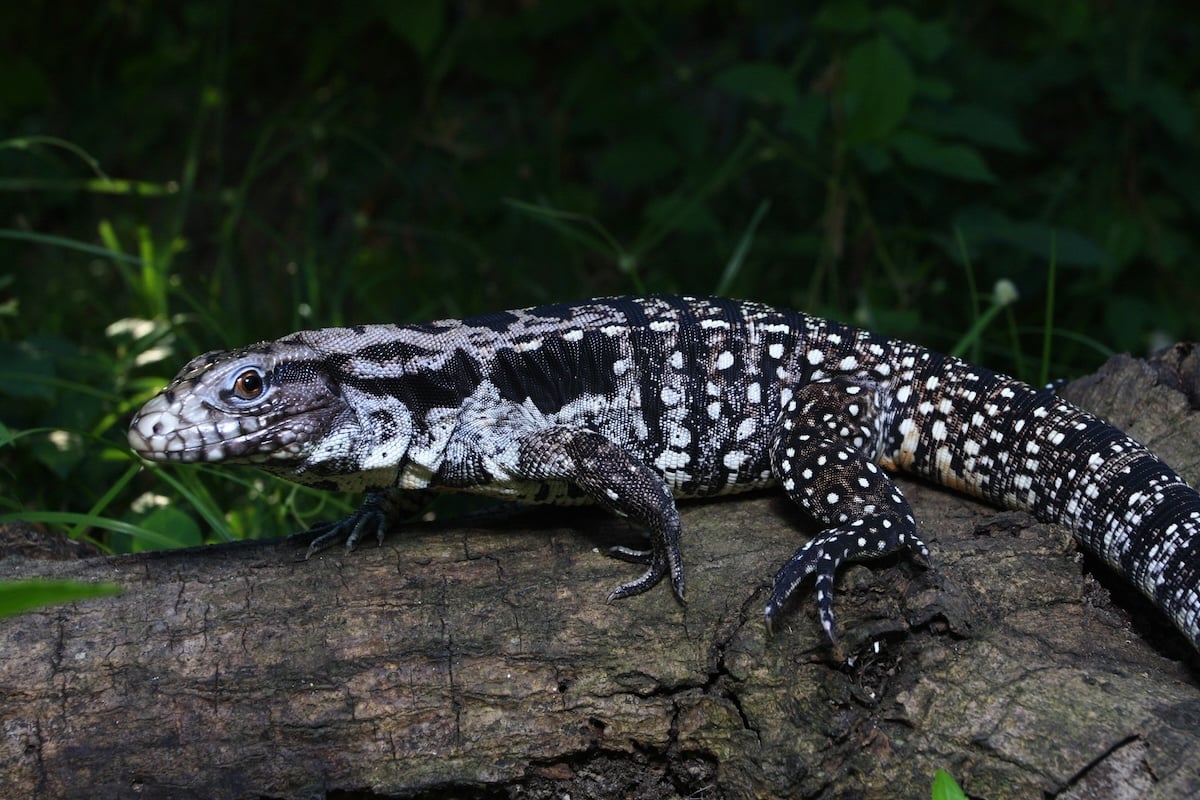 Photo Credit: dwiputra18 at Deposit Photos
In the heart of South America, the Argentine Black and White Tegu, or Salvator merianae, roams through a vibrant tapestry of life. Picture a sun-drenched landscape where lush forests meet sprawling grasslands, and this remarkable lizard emerges, showcasing its striking black and white scales. With a robust body that can grow up to three feet long, the tegu is not just a feast for the eyes; it is a master of its environment. Its bold coloration serves as both a warning to potential predators and a stunning display of nature’s artistry, captivating scientists and nature enthusiasts alike.
As the sun rises, the Argentine Black and White Tegu begins its day, basking in the warmth and preparing for a life filled with exploration. This adaptable creature is an omnivore, meaning it enjoys a varied diet that includes everything from fruits and insects to small animals. Its role in the ecosystem is vital, as it helps control insect populations and contributes to seed dispersal, making it a key player in maintaining the balance of its habitat. With its fascinating behaviors and ecological importance, the Argentine Black and White Tegu invites us to delve deeper into the wonders of the natural world, revealing the intricate connections that sustain life on our planet.
The Argentine Black and White Tegu, scientifically known as Salvator merianae, holds a special place in the animal kingdom. This impressive lizard is part of the Teiidae family, which includes a variety of fast-moving, agile reptiles. What sets the Argentine Tegu apart is its striking black and white coloration, which not only makes it visually stunning but also serves as a form of camouflage in its natural habitat. These lizards are known for their intelligence and social behavior, often displaying a level of interaction with humans that is rare among reptiles.
| Taxonomic Rank | Scientific Name | Meaning & Significance |
|---|---|---|
| Kingdom | Animalia | This classification includes all animals, highlighting the Tegu’s status as a living organism that moves, eats, and interacts with its environment. |
| Phylum | Chordata | Chordates are animals with a backbone, which is crucial for supporting their body structure and allowing for complex movements. |
| Class | Reptilia | This class encompasses reptiles, characterized by their scaly skin and cold-blooded nature, meaning they rely on external sources for body heat. |
| Order | Squamata | Squamates are lizards and snakes, known for their ability to shed their skin and their diverse adaptations to various environments. |
| Family | Teiidae | The Teiidae family includes fast-moving lizards, often referred to as whiptails, which are known for their agility and active hunting behavior. |
| Genus | Salvator | This genus name means “savior” in Latin, possibly referring to the lizard’s role in controlling insect populations in its ecosystem. |
| Species | merianae | Named after the naturalist Juan Merian, this species name honors those who study and appreciate the natural world. |
Understanding the Argentine Black and White Tegu’s taxonomic classification reveals much about its evolutionary journey. As a member of the Teiidae family, it shares a common ancestry with other agile lizards, showcasing adaptations that have allowed it to thrive in diverse environments across South America. Its unique features, such as its striking coloration and social behavior, reflect the evolutionary pressures it has faced, making it a fascinating example of how life adapts and evolves over time.
The evolutionary journey of the Argentine Black and White Tegu, or Salvator merianae, stretches back millions of years, tracing its lineage through the rich tapestry of life on Earth. This lizard belongs to the Teiidae family, which has adapted and thrived in various environments across South America. The story of the tegu is one of resilience and transformation, showcasing how species evolve to meet the challenges of their surroundings.
The ancestors of the Argentine Black and White Tegu emerged during the late Cretaceous period, around 70 million years ago. These early reptiles were small, agile creatures that roamed the lush landscapes of what is now South America. Over time, as the climate and ecosystems changed, these lizards underwent significant adaptations. One major transition was the development of a more robust body and powerful limbs, allowing them to navigate diverse terrains, from dense forests to open grasslands. This adaptability was crucial as it enabled them to exploit a variety of food sources, including fruits, insects, and small animals.
These evolutionary adaptations have played a vital role in the survival of the Argentine Black and White Tegu. By developing strong jaws and an adaptable diet, they can thrive in diverse environments, ensuring they have enough food to sustain themselves. Their striking coloration not only aids in camouflage but also helps them communicate with other tegus. As they continue to navigate the challenges of their habitats, these remarkable adaptations highlight the incredible journey of evolution that has shaped this species into the resilient lizard we see today.
The Argentine Black and White Tegu is a striking lizard that commands attention with its impressive size and bold coloration. This reptile can grow up to three feet long, showcasing a robust body that is both muscular and agile. Its skin is adorned with a stunning pattern of black and white scales, resembling a beaded necklace that glistens in the sunlight. The combination of its sturdy limbs and long tail gives it a powerful presence, making it a true marvel of the reptile world.
| Feature | Description |
|---|---|
| Weight | 5-20 pounds |
| Skin Type | Scales |
| Most Distinctive Feature | Black and white beaded skin |
These striking features are not just for show; they play vital roles in the Tegu’s survival. The black and white beaded skin helps with camouflage, allowing the lizard to blend into its surroundings, whether it’s the forest floor or rocky terrain. This ability to hide from predators is crucial for a creature that spends much of its time foraging for food. Additionally, the Tegu’s robust body and strong limbs enable it to dig burrows and escape threats quickly. Together, these characteristics create a well-adapted lizard that thrives in its natural habitat.
The Argentine Black and White Tegu thrives in a variety of habitats that paint a vibrant picture of its world. Imagine lush forests filled with towering trees, sprawling grasslands where the sun shines brightly, and serene rivers winding through the landscape. This adaptable lizard can also be found in swamps and freshwater marshes, where it enjoys the cool, damp environment. Whether in rural gardens or even urban areas, the Tegu is a master of blending into its surroundings, making the most of the diverse ecosystems it calls home.
The climate where the Argentine Black and White Tegu lives is typically warm and humid, which is perfect for its lifestyle. These lizards prefer areas with plenty of sunlight, as they are ectothermic, meaning they rely on external heat sources to regulate their body temperature. They thrive in environments that offer a mix of open spaces and shaded areas, allowing them to bask in the sun while also having places to hide from predators or the heat of the day.
Adaptation is key to the survival of the Argentine Black and White Tegu in its varied habitats. With its strong limbs and powerful tail, it can navigate through dense vegetation and climb trees with ease. Its diet is equally versatile, allowing it to feast on fruits, insects, and small animals, which helps it thrive in different environments. This lizard’s ability to adjust to both natural and urban settings showcases its resilience and cleverness, making it a true survivor in the wild.
The Argentine Black and White Tegu leads a dynamic daily life filled with activity and exploration. As the sun rises, these lizards emerge from their burrows, ready to bask in the warmth. They spend their mornings soaking up sunlight, which helps them regulate their body temperature. After a good bask, they venture out to forage for food, which includes fruits, insects, and small animals. Throughout the day, they engage in various behaviors, from digging and climbing to swimming, showcasing their adaptability to different environments. As dusk approaches, they return to their burrows, preparing for a restful night.
Socially, Argentine Black and White Tegus are quite engaging. They often live in groups, which can include family members or other individuals. This social structure allows them to communicate effectively, using body language and vocalizations to express their feelings. When they encounter each other, they may engage in playful interactions or establish dominance through displays of size and strength. These social behaviors not only help them bond but also play a crucial role in their survival, as they can work together to find food and avoid predators.
| Behavior Type | Description |
|---|---|
| Activity Patterns | Active during the day, basking in the sun, foraging for food, and exploring their environment. |
| Social Structure | Live in groups, often consisting of family members or other individuals, promoting social interactions. |
| Communication Methods | Use body language and vocalizations to convey emotions and establish social hierarchies. |
The behaviors of the Argentine Black and White Tegu are essential for their survival in the wild. By living in groups, they enhance their chances of finding food and protecting themselves from predators. Their social interactions foster cooperation, allowing them to thrive in their diverse habitats. As they bask, forage, and communicate, these lizards not only navigate their world but also strengthen their bonds, ensuring their continued success in the wild.
The Argentine Black and White Tegu is an omnivore, which means it enjoys a varied diet that includes both plants and animals. This adaptable lizard is known for its opportunistic feeding behavior, meaning it will eat whatever is available in its environment. From insects to small mammals, and even fruits and vegetables, the tegu’s diet is as diverse as the habitats it roams. With a keen sense of smell and sharp eyesight, it skillfully hunts and forages for food, making it a versatile survivor in the wild.
| Dietary Aspect | Details |
|---|---|
| Diet Type | Omnivore |
| Favorite Foods | Fruits, vegetables, insects, small mammals, reptiles, birds, and eggs |
| Prey Items | Insects, small mammals, reptiles, birds, and eggs |
| Hunting/Foraging Strategies | Uses keen sense of smell and sharp eyesight to locate food; opportunistic feeder |
This varied diet plays a crucial role in the Argentine Black and White Tegu’s ecology and daily routine. By consuming a wide range of foods, these lizards help control insect populations and contribute to seed dispersal through their fruit consumption. Their adaptability in feeding not only supports their survival but also influences the balance of their ecosystems. As they forage and hunt, they engage with their environment, showcasing the interconnectedness of life in the wild.
As the breeding season approaches, Argentine Black and White Tegus engage in a captivating courtship ritual. Males often display their strength and vigor by performing elaborate movements, showcasing their impressive size and vibrant colors. This season typically occurs during the warmer months, when temperatures rise and food becomes more abundant. After successful mating, the female prepares to lay her eggs, often seeking out a safe, warm spot to create a nest.
| Reproductive Aspect | Details |
|---|---|
| Gestation Period | Approximately 60-90 days |
| Average Litter Size | 10-30 eggs |
| Age of Maturity | 2-3 years |
| Name of Young | Hatchling |
Once the eggs are laid, the female often leaves them to develop on their own, as she does not provide direct parental care. After about two to three months, the hatchlings emerge, ready to face the world. These tiny lizards are fully independent from the moment they break free from their eggs, equipped with instincts that help them find food and avoid predators. As they grow, they will undergo several molts, shedding their skin to accommodate their increasing size. With time, they will transform into the impressive adults that roam their habitats, continuing the cycle of life in the wild.
The Argentine Black and White Tegu plays a vital role in its ecosystem, sitting comfortably in the middle of the food web. As an omnivore, it helps control insect populations and contributes to seed dispersal through its varied diet. However, this lizard is not without its challenges. It faces a range of predators and threats that can impact its survival.
To defend itself against these dangers, the Argentine Black and White Tegu has developed several clever survival strategies. When threatened, it can puff up its body to appear larger and more intimidating. Additionally, it often relies on its speed and agility to escape predators. If cornered, this lizard may also play dead, a tactic that can confuse attackers. By using these behaviors, the tegu enhances its chances of evading danger and continuing its important role in the ecosystem.
A keystone species is an organism that has a disproportionately large impact on its environment relative to its abundance. In simpler terms, if you remove a keystone species, the entire ecosystem can change dramatically. The Argentine Black and White Tegu, or Salvator merianae, qualifies as a keystone species due to its significant role in maintaining the balance of its ecosystem. This lizard influences various ecological processes, making it essential for the health of its habitat.
One of the most important ways the Argentine Black and White Tegu impacts its ecosystem is through its diet. As an omnivore, it consumes a wide range of foods, including insects, fruits, and small animals. By controlling insect populations, these lizards help prevent outbreaks that could harm plants and other animals. Additionally, their feeding habits contribute to seed dispersal. When they eat fruits, they often excrete the seeds in different locations, promoting plant growth and diversity in their environment.
The Argentine Black and White Tegu also plays a role in nutrient cycling. As they forage and consume various organic materials, they help break down and recycle nutrients back into the soil. This process enriches the ground, supporting the growth of plants and providing a healthier habitat for other species. Furthermore, their burrowing behavior can aerate the soil, allowing water and nutrients to penetrate deeper, which benefits the entire ecosystem.
If the Argentine Black and White Tegu were to disappear, the consequences could be severe. Without these lizards, insect populations could surge, leading to increased plant damage and a decline in plant diversity. The loss of seed dispersal would hinder the growth of new plants, disrupting the entire food web. Additionally, the soil would become less healthy, affecting not just plants but also the animals that rely on them. In essence, the absence of this remarkable lizard would ripple through the ecosystem, highlighting just how vital it is to the balance of life in its habitat.
The Argentine Black and White Tegu, known scientifically as Salvator merianae, plays a vital role in shaping its ecosystem. This adaptable lizard thrives in diverse habitats, including forests, grasslands, and even urban gardens. As an omnivore, it consumes a wide range of foods, from fruits and plants to insects and small animals. This varied diet allows the tegu to influence the populations of both plant and animal species, making it a key player in maintaining ecological balance.
| Ecosystem Service | Impact |
|---|---|
| Seed Dispersal | Helps in the growth of new plants by spreading seeds through its droppings. |
| Pest Control | Regulates insect populations by preying on them, which can benefit crops and gardens. |
| Soil Aeration | Burrowing behavior loosens the soil, improving water infiltration and root growth. |
| Food Source | Serves as prey for larger predators, contributing to the food web. |
The Argentine Black and White Tegu’s influence can be seen in various ways. For instance, as it forages for food, it consumes fruits and seeds, which helps in the dispersal of plant species. When the tegu digests these seeds and later excretes them, it allows new plants to grow in different areas, promoting biodiversity. Additionally, by preying on insects, the tegu helps control pest populations, which can be especially beneficial for farmers and gardeners looking to protect their crops.
The broader ecological importance of the Argentine Black and White Tegu cannot be overstated. As a keystone species, its presence supports a complex web of life. If this lizard were to disappear from its habitat, the effects would ripple through the ecosystem, potentially leading to overpopulation of certain insects and a decline in plant diversity. By maintaining balance in its environment, the tegu not only enriches its own habitat but also contributes to the health of the entire ecosystem, showcasing the interconnectedness of all living things.
In the intricate web of life, the Argentine Black and White Tegu forms fascinating partnerships with various species, showcasing the beauty of symbiosis. Symbiosis refers to the close interactions between different species, which can be beneficial, harmful, or neutral. These relationships are essential for maintaining ecological balance, as they help species thrive in their environments. The Argentine Black and White Tegu, with its adaptable nature, engages in different types of relationships that highlight the interconnectedness of life.
| Species/Type | Relationship Type | Description |
|---|---|---|
| Birds (e.g., oxpeckers) | Mutualistic | These birds often perch on the tegu, feeding on parasites and ticks found on its skin, while the tegu benefits from a cleaner, healthier body. |
| Small mammals | Commensal | Small mammals may share the same burrows as tegus, gaining shelter without affecting the lizard, which remains unaffected by their presence. |
| Insects (e.g., ants) | Parasitic | Some insects may lay eggs on or in the tegu, which can harm the lizard, as the larvae feed on its tissues. |
Through the ages, these relationships have evolved, shaped by the needs and behaviors of the species involved. The mutualistic interactions, like those with birds, enhance the health of the tegu, allowing it to thrive in its habitat. Meanwhile, commensal relationships provide shelter for smaller animals without causing harm. However, parasitic relationships remind us that not all interactions are beneficial. Understanding these dynamics helps us appreciate the delicate balance of ecosystems and the role each species plays in sustaining life on our planet.
The Argentine Black and White Tegu is a captivating lizard that not only boasts striking colors but also possesses some surprising traits that make it truly special. Here are a few intriguing facts that will delight nature enthusiasts of all ages.
The Argentine Black and White Tegu has a rich history intertwined with human culture, particularly in South America. Indigenous peoples have long recognized this lizard’s significance, often incorporating it into their folklore and traditional practices. These lizards, known for their striking appearance and impressive size, have been both revered and utilized by local communities. In some cultures, they symbolize strength and resilience, while in others, they are seen as a source of food. This deep-rooted connection highlights how humans have historically viewed the tegu not just as a creature of the wild, but as a part of their cultural identity.
Today, the relationship between humans and Argentine Black and White Tegus is evolving. As urban areas expand and natural habitats shrink, these lizards often find themselves in conflict with people. Some view them as pests, especially when they invade gardens or homes in search of food. However, there is also a growing movement towards conservation, recognizing the ecological role these lizards play. In some regions, efforts are underway to protect their habitats and educate the public about their importance. Interestingly, some people have even begun to domesticate tegus, keeping them as exotic pets. This trend raises questions about the balance between conservation and the pet trade, as well as the responsibilities that come with caring for such a unique animal.
Looking ahead, the future of the relationship between humans and Argentine Black and White Tegus will depend on our ability to find harmony with nature. As awareness grows about the ecological roles these lizards play, there is hope for more sustainable interactions. By fostering a sense of respect and understanding, we can ensure that both humans and tegus thrive together. The challenge lies in balancing the needs of our expanding communities with the preservation of the natural world, creating a future where both can coexist peacefully.
The Argentine Black and White Tegu, known scientifically as Salvator merianae, currently holds a conservation status of “Least Concern” according to the International Union for Conservation of Nature (IUCN). This means that, at present, the species is not facing an immediate threat of extinction. Population estimates suggest that there are between 1,000 and 10,000 individuals in the wild. While this number indicates a stable population, ongoing monitoring is essential to ensure that these lizards continue to thrive in their natural habitats.
| Conservation Factor | Status/Details |
|---|---|
| IUCN Status | Least Concern |
| Estimated Population Size | 1,000 to 10,000 |
| Population Trend | Stable |
Despite their current stable status, the Argentine Black and White Tegu faces several threats that could impact its future. Habitat loss due to deforestation and urban development is a significant concern, as these lizards rely on diverse environments for food and shelter. Additionally, illegal pet trade poses a risk, as some individuals are captured and sold as exotic pets. This not only reduces wild populations but can also disrupt local ecosystems where these lizards play a crucial role.
Conservation efforts are underway to protect the Argentine Black and White Tegu and its habitats. Organizations are working to raise awareness about the importance of preserving natural environments and the species that inhabit them. By promoting sustainable practices and enforcing laws against illegal wildlife trade, there is hope for a brighter future for these remarkable lizards. With continued efforts, the outlook for the Argentine Black and White Tegu remains optimistic, ensuring that future generations can appreciate their beauty and ecological significance.
| Question | Answer |
|---|---|
| What is the natural habitat of the Argentine Black and White Tegu? | This fascinating lizard thrives in a variety of environments, including forests, shrublands, grasslands, and even urban areas. They are often found near rivers and swamps, where they can easily access water and food. |
| What do Argentine Black and White Tegus eat? | These lizards are omnivores, meaning they eat both plants and animals. Their diet includes fruits, insects, small mammals, and even eggs, making them adaptable to different food sources in their environment. |
| How do Argentine Black and White Tegus behave? | Argentine Tegus are known for their curious and intelligent nature. They can be quite social, often seen basking in the sun or exploring their surroundings, and they are also known to dig burrows for shelter. |
| How do Argentine Black and White Tegus reproduce? | During the breeding season, which typically occurs in the warmer months, females lay clutches of eggs in burrows or hidden spots. The eggs usually hatch after about 60 to 90 days, and the young are independent from birth. |
| What threats do Argentine Black and White Tegus face? | While they are currently classified as Least Concern, these lizards face threats from habitat destruction and illegal pet trade. As urban areas expand, their natural habitats are often lost, making it harder for them to survive. |
| What is a distinctive feature of the Argentine Black and White Tegu? | One of the most striking characteristics of this lizard is its black and white beaded skin, which helps it blend into its surroundings. This unique coloration not only makes them beautiful but also provides camouflage from predators. |
| Can Argentine Black and White Tegus be kept as pets? | Yes, many people keep Argentine Tegus as pets due to their friendly nature and intelligence. However, they require a spacious habitat, proper diet, and regular handling to thrive in captivity. |