Taxonomy & Classification
- Kingdom
- Animalia
- Phylum
- Arthropoda
- Class
- Arachnida
- Order
- Araneae
- Family
- Theraphosidae
- Genus
- Aphonopelma
- Species
- Aphonopelma chalcodes

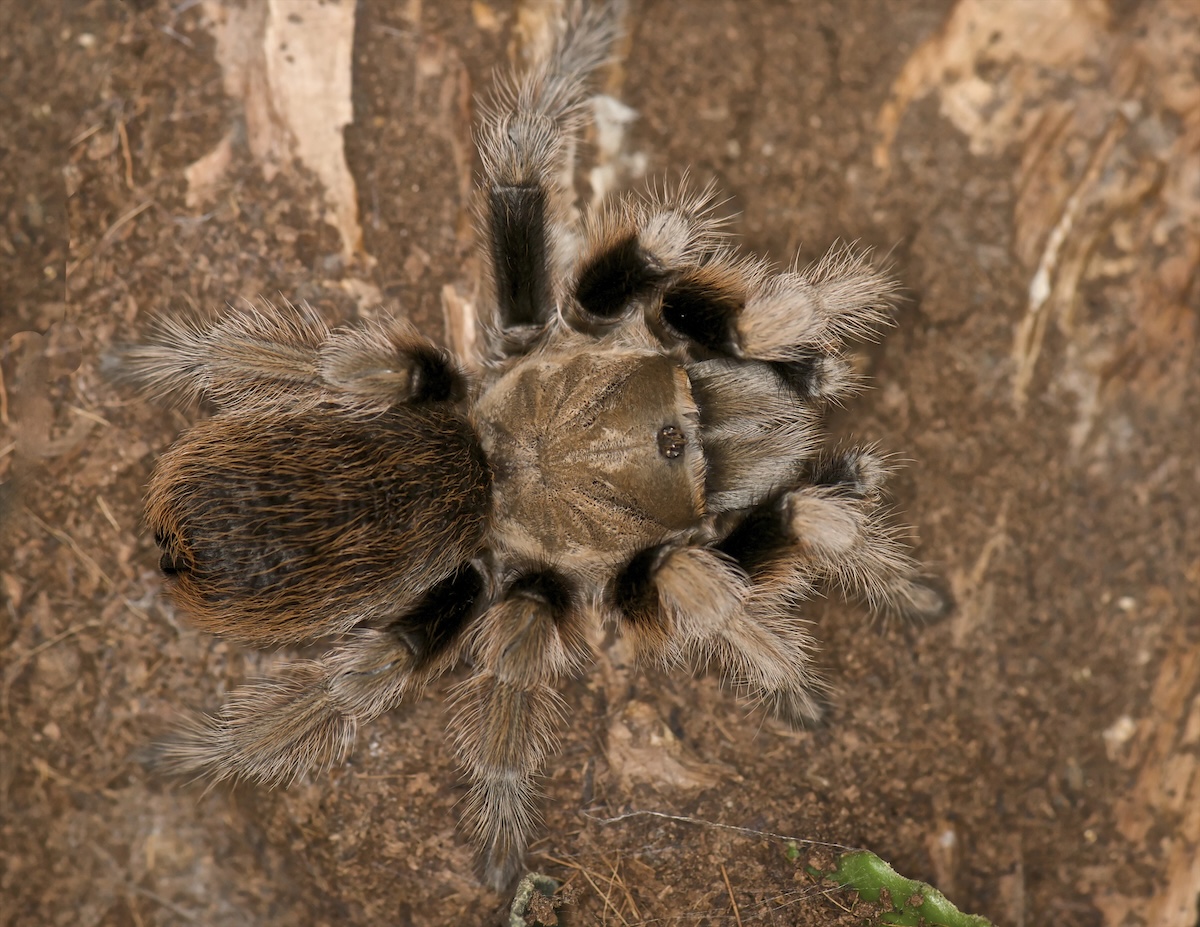 Photo Credit: Stefanedwards1 at Deposit Photos
In the sun-baked expanses of the southwestern United States, the Arizona Blonde Tarantula, or Aphonopelma chalcodes, emerges as a striking figure against the golden sands. With a body that can stretch up to five inches across, this spider boasts a beautiful blend of sandy hues and golden hairs that shimmer in the sunlight. As it scuttles across the desert floor, it captures the attention of both scientists and nature enthusiasts alike, not just for its size but for its fascinating behaviors and vital role in the ecosystem.
Imagine a warm evening in the desert, where the air is filled with the sounds of chirping crickets and the rustle of small creatures stirring in the twilight. The Arizona Blonde Tarantula is a nocturnal hunter, emerging from its burrow to explore the landscape under the cover of darkness. With its keen senses, it stalks its prey, which includes insects like beetles and grasshoppers. This spider is not just a predator; it plays a crucial role in maintaining the balance of its environment, helping to control insect populations. As we delve deeper into the world of Aphonopelma chalcodes, we will uncover the secrets of its life cycle, its interactions with other species, and the unique adaptations that allow it to thrive in one of the harshest habitats on Earth.
The Arizona Blonde Tarantula, scientifically known as Aphonopelma chalcodes, occupies a fascinating niche in the tree of life. This impressive spider belongs to the kingdom Animalia, which includes all animals, and is part of the phylum Arthropoda, known for its jointed limbs and exoskeletons. As a member of the class Arachnida, it shares its lineage with scorpions and ticks. What sets the Arizona Blonde apart is its striking appearance, characterized by a golden-brown coloration that gives it its common name. This tarantula is not just a pretty face; it plays a vital role in its ecosystem, helping to control insect populations and serving as prey for larger animals.
| Taxonomic Rank | Scientific Name | Meaning & Significance |
|---|---|---|
| Kingdom | Animalia | The term “Animalia” comes from the Latin word “animalis,” meaning “having breath” or “living.” This classification includes all multicellular organisms that are capable of movement and responsive to their environment. |
| Phylum | Arthropoda | “Arthropoda” means “jointed feet” in Greek, referring to the jointed appendages that characterize this diverse group, which includes insects, arachnids, and crustaceans. |
| Class | Arachnida | The name “Arachnida” is derived from the Greek word “arakhnē,” meaning “spider.” This class is distinguished by having eight legs and no antennae, setting them apart from insects. |
| Order | Araneae | “Araneae” is the scientific term for spiders, originating from the Latin word for spider, “aranea.” This order encompasses all true spiders, known for their ability to produce silk. |
| Family | Theraphosidae | The name “Theraphosidae” comes from the Greek word “theraphos,” meaning “beast” or “monster,” reflecting the large size and often intimidating appearance of tarantulas. |
| Genus | Aphonopelma | “Aphonopelma” is derived from Greek, where “aphono” means “without sound” and “pelma” means “sole” or “foot.” This name highlights the tarantula’s quiet movement, which is unusual for such a large spider. |
Understanding the taxonomic classification of the Arizona Blonde Tarantula reveals much about its evolutionary journey. Each rank in its classification tells a story of adaptation and survival, showcasing how this spider has evolved over millions of years. Its unique features, from its jointed limbs to its ability to move silently, are not just random traits; they are the result of a long history of natural selection. By studying its place in the animal kingdom, we gain insight into the intricate web of life that connects all living beings, reminding us of the beauty and complexity of nature.
The evolutionary journey of the Arizona Blonde Tarantula, or Aphonopelma chalcodes, stretches back millions of years, intertwining with the history of the Earth itself. This species belongs to the family Theraphosidae, which includes tarantulas that have roamed the planet since the late Jurassic period, around 150 million years ago. As the continents shifted and climates changed, these spiders adapted to their environments, leading to the diverse forms we see today.
The ancestors of modern tarantulas were likely small, agile hunters that thrived in the lush, prehistoric landscapes. Over time, they evolved larger bodies and more robust legs, allowing them to navigate a variety of terrains. One major transition was the development of burrowing behavior, which provided safety from predators and harsh weather. This adaptation allowed tarantulas to create homes underground, where they could ambush unsuspecting prey. As they evolved, their silk-spinning abilities also improved, enabling them to construct silk-lined burrows that offered additional protection.
The adaptations of the Arizona Blonde Tarantula have been crucial for its survival in the arid landscapes of the American Southwest. Their size and coloration help them blend into their surroundings, while their burrowing habits provide refuge from the heat and predators. By mastering the art of silk production, they create secure homes that protect them from the elements. These evolutionary traits have allowed the Arizona Blonde Tarantula to thrive in a challenging environment, showcasing the incredible resilience of life on Earth.
The Arizona Blonde Tarantula is a striking sight, embodying the rugged beauty of the desert it calls home. With a body that can reach up to five inches across, this spider is not just large; it’s a marvel of nature’s design. Its legs are long and sturdy, allowing it to navigate the sandy terrain with ease. The overall impression is one of strength and grace, as it moves with a deliberate confidence. The most eye-catching aspect of this tarantula is its thousands of tiny blonde hairs that cover its body, giving it a soft, almost velvety appearance. These hairs shimmer in the sunlight, creating a golden aura that makes it stand out against the earthy backdrop of its environment.
| Feature | Description |
|---|---|
| Weight | 0.5 to 0.6 ounces |
| Skin Type | Covered in thousands of tiny blonde hairs |
| Size | Up to 5 inches across |
The combination of size, weight, and those distinctive blonde hairs plays a crucial role in the Arizona Blonde Tarantula’s survival. The hairs not only give it a unique look but also serve practical purposes. They can detect vibrations in the air, helping the tarantula sense nearby predators or prey. This sensory ability is vital in the harsh desert environment, where every moment counts. The tarantula’s robust body and long legs allow it to burrow into the ground or scuttle away quickly when threatened, making it a well-adapted inhabitant of its arid home. Together, these features create a creature that is not just visually stunning but also perfectly equipped to thrive in the wild.
The Arizona Blonde Tarantula thrives in the sun-drenched landscapes of the southwestern United States. Picture a vast expanse of golden desert, dotted with hardy shrubs and resilient cacti. This spider makes its home in the dry, sandy soil, where it can burrow and create cozy retreats. The warm, arid environment is perfect for this species, allowing it to blend seamlessly into its surroundings while hunting for food and avoiding predators.
The climate where the Arizona Blonde Tarantula resides is characterized by hot summers and mild winters. These spiders prefer areas with low humidity, as excessive moisture can be detrimental to their survival. They thrive in temperatures that can soar above 100 degrees Fahrenheit during the day, but they also need cooler nights to help regulate their body temperature. This balance of heat and dryness is essential for their well-being.
To survive in such a challenging environment, the Arizona Blonde Tarantula has developed several clever adaptations. Its burrowing behavior allows it to escape the intense heat of the day, retreating into the cool, moist earth. The tarantula’s coloration also plays a role; its sandy hues help it blend into the desert landscape, making it less visible to both prey and predators. These adaptations not only enhance its survival but also showcase the incredible ways life can thrive in even the harshest conditions.
The Arizona Blonde Tarantula leads a life that is both intriguing and methodical. As a primarily nocturnal creature, it spends the day hidden away in burrows or under rocks, where it stays cool and safe from the harsh desert sun. When night falls, this spider emerges to hunt and explore its surroundings. With keen senses, it searches for insects and other small prey, using its powerful legs to navigate the rugged terrain. The tarantula’s daily activities revolve around finding food, maintaining its burrow, and avoiding potential predators.
While the Arizona Blonde Tarantula is mostly solitary, it does have interesting interactions with others of its kind, especially during mating season. Males will venture out to find females, often engaging in elaborate courtship displays to attract a mate. These displays can include tapping on the ground with their legs, which sends vibrations that females can detect. Outside of mating, these spiders prefer to keep to themselves, marking their territory and avoiding confrontations with other tarantulas. This solitary lifestyle helps them reduce competition for food and minimizes the risk of predation.
| Behavior Type | Description |
|---|---|
| Activity Patterns | Nocturnal hunting, primarily at night; resting during the day in burrows or under rocks. |
| Social Structure | Solitary, with interactions mainly during mating season. |
| Communication Methods | Vibrational signals through tapping on the ground to attract mates. |
The behaviors of the Arizona Blonde Tarantula are finely tuned to ensure its survival in the challenging desert environment. By being nocturnal, it avoids the heat of the day and reduces the risk of dehydration. Its solitary nature allows it to thrive without competition for resources, while its unique communication methods during mating ensure the continuation of its species. Each aspect of its daily life is a testament to the adaptability and resilience of this remarkable spider.
The Arizona Blonde Tarantula is a carnivore, which means it primarily eats meat. This spider has a taste for a variety of prey, including insects like beetles, grasshoppers, cockroaches, and crickets. Occasionally, it may even snack on small lizards. To catch its food, the tarantula employs a patient hunting strategy. It often waits in ambush, using its keen senses to detect movement nearby. When a potential meal comes close, it strikes with impressive speed, using its powerful fangs to subdue its prey.
| Dietary Aspect | Details |
|---|---|
| Diet Type | Carnivore |
| Favorite Foods | Insects, beetles, grasshoppers, cockroaches, crickets, small lizards |
| Prey Items | Insects and small reptiles |
| Hunting/Foraging Strategies | Ambush predator; waits for prey to come close before striking |
This diet plays a crucial role in the ecology of the Arizona Blonde Tarantula. By preying on various insects, it helps control their populations, contributing to the balance of its desert ecosystem. Its nocturnal hunting habits also shape its daily routine, allowing it to avoid the heat of the day while maximizing its chances of finding food under the cover of darkness. This spider’s role as both predator and prey highlights the interconnectedness of life in the arid landscapes it inhabits.
The mating rituals of the Arizona Blonde Tarantula are as intriguing as the spider itself. During the breeding season, which typically occurs in late summer to early fall, male tarantulas embark on a quest to find a mate. They perform a series of elaborate courtship dances, tapping their front legs on the ground to create vibrations that attract females. Once a male successfully finds a female, he must approach with caution, as females can be quite aggressive. If all goes well, the pair will mate, and the female will later lay her eggs in a silk sac, ensuring the next generation of these remarkable spiders.
| Reproductive Aspect | Details |
|---|---|
| Gestation Period | 6-8 weeks |
| Average Litter Size | 600 |
| Age of Sexual Maturity | 8-10 years |
| Name of Young | Spiderlings |
After the eggs are laid, the female Arizona Blonde Tarantula takes on the role of a protective mother. She guards her egg sac until the spiderlings hatch, which can be a thrilling moment as hundreds of tiny, delicate spiderlings emerge. These young tarantulas are miniature versions of their parents, ready to begin their journey into the world. Initially, they stay close to their mother for safety, feeding on the yolk from their egg sac. As they grow, they will eventually venture out on their own, shedding their exoskeletons multiple times as they mature into adults, a process known as molting. This careful nurturing ensures that the next generation has the best chance of thriving in their desert home.
The Arizona Blonde Tarantula plays a vital role in its desert ecosystem, sitting comfortably in the middle of the food web. As a predator, it helps control the populations of insects and other small creatures, while also serving as a meal for larger animals. This balance is crucial for maintaining the health of its environment, where every species has its part to play.
To survive against these threats, the Arizona Blonde Tarantula has developed several clever defensive behaviors. When faced with danger, it can use its impressive size to intimidate potential predators. If that doesn’t work, it may rear up on its hind legs, displaying its fangs and making itself look even larger. Additionally, this tarantula can release tiny, irritating hairs from its abdomen, known as urticating hairs, which can deter attackers. By combining these strategies, the Arizona Blonde Tarantula skillfully navigates the challenges of its desert home, ensuring its survival in a world full of predators.
A keystone species is an organism that has a disproportionately large impact on its environment relative to its abundance. In the case of the Arizona Blonde Tarantula, or Aphonopelma chalcodes, it does indeed play a keystone role in its desert ecosystem. This spider, while not the largest or most visible creature, helps maintain the balance of its habitat through its predatory behavior and interactions with other species.
The Arizona Blonde Tarantula primarily feeds on insects, including beetles, grasshoppers, and crickets. By preying on these species, it helps regulate their populations, preventing any one group from becoming too dominant. This balance is crucial in the desert, where resources can be scarce. If insect populations were to explode unchecked, they could overconsume vegetation, leading to habitat degradation. Thus, the tarantula’s role as a predator is vital for maintaining the health of its environment.
Moreover, the burrows created by the Arizona Blonde Tarantula provide shelter for other animals, such as small mammals and reptiles. These burrows can help retain moisture in the arid soil, creating a microhabitat that supports various forms of life. The tarantula’s presence indirectly supports a diverse community of organisms, showcasing its importance beyond just its own survival.
If the Arizona Blonde Tarantula were to disappear, the consequences could be significant. Without this spider, insect populations could surge, leading to overconsumption of plants and destabilizing the entire ecosystem. The loss of burrows would also mean fewer shelters for other species, potentially causing declines in their populations as well. In essence, the absence of this tarantula would ripple through the desert community, highlighting just how interconnected life can be in even the harshest environments.
The Arizona Blonde Tarantula, known scientifically as Aphonopelma chalcodes, plays a crucial role in shaping its desert ecosystem. This fascinating spider thrives in the arid landscapes of the southwestern United States, where it contributes to the balance of life in its environment. By preying on various insects and small animals, it helps regulate their populations, ensuring that no single species overwhelms the ecosystem. This balance is vital for maintaining the health of the desert habitat, where every organism, no matter how small, has a part to play.
| Ecosystem Service | Impact |
|---|---|
| Predation | Controls insect populations, preventing overpopulation and disease spread. |
| Soil Aeration | Burrowing behavior helps aerate the soil, improving water infiltration and nutrient cycling. |
| Food Source | Serves as prey for larger animals, contributing to the food web. |
| Decomposition | Facilitates the breakdown of organic matter through its feeding habits. |
The Arizona Blonde Tarantula influences its ecosystem in several specific ways. For instance, by consuming a variety of insects such as beetles and crickets, it helps keep these populations in check. This predation is essential, as unchecked insect populations can lead to crop damage and disrupt the balance of other species. Additionally, the tarantula’s burrowing behavior not only provides it with shelter but also aerates the soil, allowing water and nutrients to penetrate deeper. This process is vital for the growth of plants in the harsh desert environment, where every drop of moisture counts.
The broader ecological importance of the Arizona Blonde Tarantula cannot be overstated. As a keystone species, it has a significant impact on its environment, influencing the health and stability of the desert ecosystem. By maintaining the balance of insect populations and contributing to soil health, this remarkable spider supports a diverse array of life. In a world where ecosystems are increasingly threatened, understanding and appreciating the role of such creatures is essential for conservation efforts and the preservation of biodiversity.
In the intricate web of life, symbiosis refers to the close interactions between different species, which can take on various forms. These relationships can be mutualistic, where both species benefit, parasitic, where one benefits at the other’s expense, or commensal, where one benefits while the other is neither helped nor harmed. The Arizona Blonde Tarantula, a fascinating inhabitant of the desert, engages in several ecological partnerships that highlight the complexity of its environment.
| Species/Type | Relationship Type | Description |
|---|---|---|
| Ants | Mutualistic | Arizona Blonde Tarantulas may share their burrows with ants, which help keep the area clean by removing debris and pests, while the tarantulas benefit from the ants’ protection against larger predators. |
| Small Mammals | Parasitic | Some small mammals may invade tarantula burrows, feeding on the spider’s eggs or young, which can harm the tarantula’s reproductive success. |
| Fungi | Commensal | Fungi can grow in the moist environment of a tarantula’s burrow, benefiting from the shelter without affecting the tarantula. |
These relationships have evolved over time, shaped by the needs and behaviors of the species involved. The mutualistic bond with ants, for instance, showcases how cooperation can enhance survival in a harsh environment. Meanwhile, the parasitic interactions remind us that not all relationships are beneficial, highlighting the challenges the Arizona Blonde Tarantula faces in its quest for survival. Understanding these connections enriches our appreciation of the delicate balance within ecosystems, where every species plays a role in the grand tapestry of life.
The Arizona Blonde Tarantula, known scientifically as Aphonopelma chalcodes, is a captivating inhabitant of the desert landscape. With its striking appearance and intriguing behaviors, this spider offers a wealth of surprises for nature enthusiasts.
The Arizona Blonde Tarantula, or Aphonopelma chalcodes, has long captured the imagination of people living in the arid landscapes of the southwestern United States. Historically, these spiders have been both feared and revered. Indigenous cultures often viewed them as symbols of strength and resilience, weaving them into their folklore and traditions. The tarantula’s striking appearance and impressive size have made it a subject of fascination in various art forms, from pottery to storytelling. As humans began to explore the deserts, encounters with these spiders sparked curiosity and caution, leading to a complex relationship that continues to evolve.
In modern times, interactions between humans and the Arizona Blonde Tarantula have shifted significantly. While some people still fear these eight-legged creatures, many have come to appreciate their ecological importance. Conservation efforts are underway to protect their habitats, as urban development threatens their natural environments. However, conflicts can arise when tarantulas wander into homes, prompting some to view them as pests. Interestingly, the tarantula has also found a place in the exotic pet trade, where enthusiasts seek to keep them as pets, leading to discussions about responsible ownership and the ethical implications of keeping wild animals in captivity.
As we look to the future, the relationship between humans and the Arizona Blonde Tarantula is likely to continue evolving. With increased awareness of biodiversity and the importance of all species in our ecosystems, more people may come to appreciate these remarkable spiders. Education and conservation efforts will play a crucial role in fostering a positive relationship, helping to dispel myths and fears. By understanding and respecting the Arizona Blonde Tarantula, we can ensure that this fascinating species thrives alongside us in the desert landscapes they call home.
The Arizona Blonde Tarantula, or Aphonopelma chalcodes, currently holds a conservation status of “Not Listed” according to the International Union for Conservation of Nature (IUCN). This means that there is not enough information to determine if the species is at risk of extinction. While population estimates are not precisely known, the species appears to be stable in its natural habitat. However, ongoing monitoring is essential to ensure that any potential threats do not impact its numbers in the future.
| Conservation Factor | Status/Details |
|---|---|
| IUCN Status | Not Listed |
| Population Estimates | Not precisely known |
| Trend Direction | Stable |
The main threats to the Arizona Blonde Tarantula include habitat loss and fragmentation, primarily due to urban development and agricultural expansion. As human populations grow and expand into desert areas, the natural environments that these tarantulas rely on can be destroyed or altered. Additionally, climate change poses a risk by potentially altering the delicate balance of their ecosystem, affecting food availability and suitable burrowing sites.
Conservation efforts for the Arizona Blonde Tarantula are still in their early stages, but awareness is growing. Local organizations and wildlife enthusiasts are working to protect their habitats and educate the public about the importance of these spiders in the ecosystem. By promoting responsible land use and conservation practices, there is hope that the Arizona Blonde Tarantula will continue to thrive in its desert home for generations to come.
| Question | Answer |
|---|---|
| What is the natural habitat of the Arizona Blonde Tarantula? | The Arizona Blonde Tarantula thrives in desert environments, scrublands, and dry forests. These habitats provide the warmth and shelter they need to survive, as they often burrow into the ground or hide under rocks to escape the heat. |
| What does the Arizona Blonde Tarantula eat? | This tarantula is a carnivore, meaning it primarily eats other animals. Its diet mainly consists of insects, such as crickets and grasshoppers, but it can also catch small rodents or lizards when the opportunity arises. |
| How does the Arizona Blonde Tarantula behave? | Arizona Blonde Tarantulas are generally solitary creatures, preferring to live alone rather than in groups. They are mostly nocturnal, which means they are active at night, and they use their keen senses to hunt for food in the dark. |
| How do Arizona Blonde Tarantulas reproduce? | During mating season, male tarantulas seek out females, often traveling long distances to find them. After mating, the female lays hundreds of eggs in a silk sac, which she guards until the spiderlings hatch and are ready to fend for themselves. |
| What threats do Arizona Blonde Tarantulas face? | While the Arizona Blonde Tarantula is not currently listed as endangered, it faces threats from habitat destruction and climate change. Additionally, they can fall prey to larger animals, such as birds and mammals, which may see them as a meal. |
| What is a unique characteristic of the Arizona Blonde Tarantula? | One of the most distinctive features of the Arizona Blonde Tarantula is its thousands of tiny blonde hairs that cover its body. These hairs can help the tarantula sense its environment and may also serve as a defense mechanism by irritating potential predators. |
| Can Arizona Blonde Tarantulas be kept as pets? | Yes, many people keep Arizona Blonde Tarantulas as pets due to their relatively docile nature. However, they require specific care, including a suitable habitat, proper temperature, and humidity levels, to thrive in captivity. |