Taxonomy & Classification
- Kingdom
- Animalia
- Phylum
- Chordata
- Class
- Mammalia
- Order
- Cingulata
- Family
- Dasypodidae
- Genus
- Dasypus
- Species
- Dasypodidae

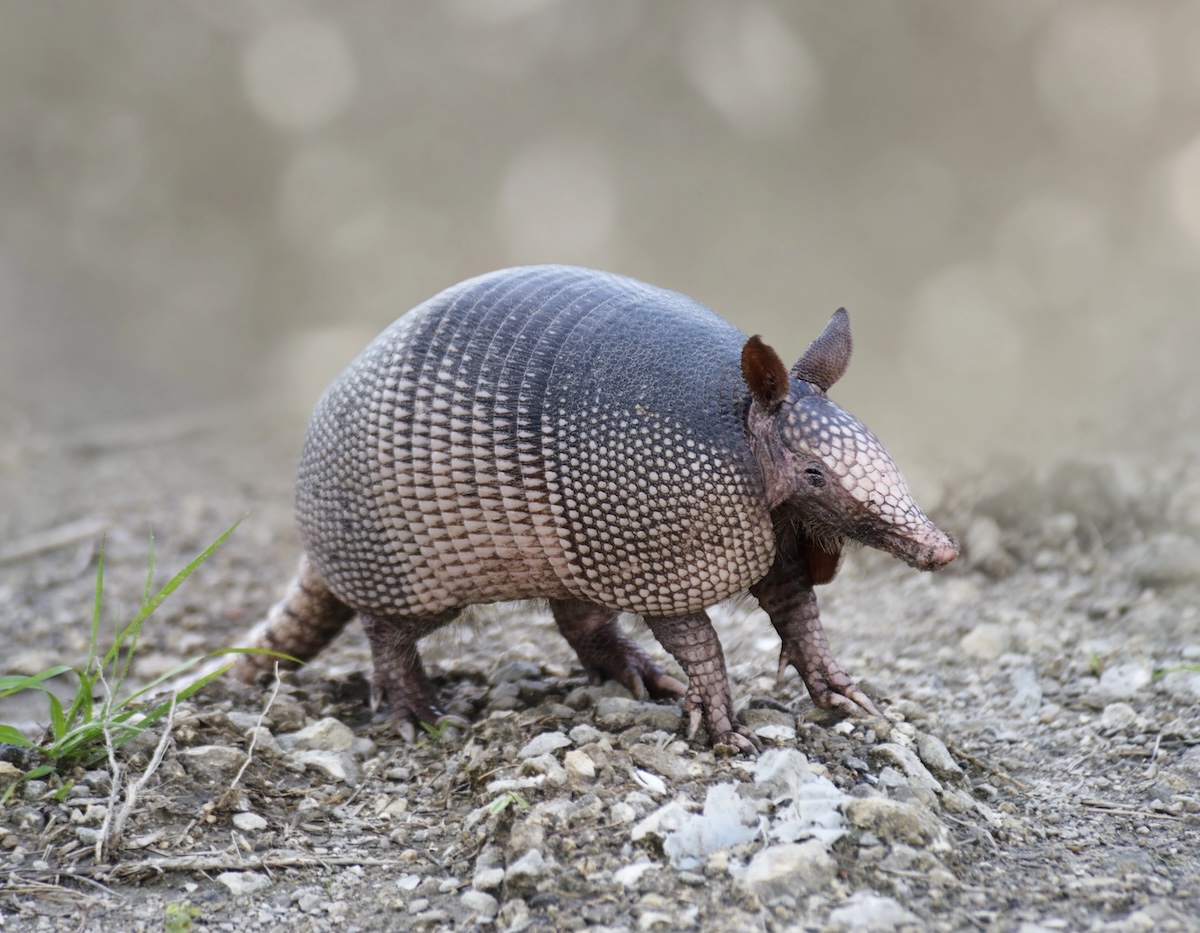 Photo Credit: svetas at Deposit Photos
In the heart of the Americas, the armadillo, scientifically known as Dasypus, scuttles through its sun-drenched habitat, a living testament to nature’s creativity. With its distinctive armor-like shell, this small mammal is a sight to behold. The shell, made up of bony plates covered in skin, not only protects it from predators but also gives it a unique, prehistoric appearance. As it forages through the underbrush, its keen sense of smell guides it to a feast of insects, plants, and even small animals, showcasing its adaptability as an omnivore.
Imagine wandering through a lush forest or an open grassland, where the armadillo emerges from its burrow at dusk, ready to explore the world under the cover of night. Its low-to-the-ground body and short legs allow it to navigate effortlessly through the leaf litter, while its curious nature draws the attention of both scientists and nature enthusiasts alike. Researchers are captivated by the armadillo’s fascinating behaviors and ecological role, as it helps control insect populations and serves as a vital food source for larger predators. With each encounter, the armadillo invites us to delve deeper into the wonders of the natural world, reminding us of the intricate connections that bind all living things.
The armadillo holds a special place in the tree of life, nestled within the class Mammalia, which includes all mammals. This intriguing animal is part of the order Cingulata, a group known for its unique armor-like shell made of bony plates. Unlike many mammals, armadillos are the only living members of their order, making them a fascinating example of evolutionary adaptation. Their distinctive features, such as the ability to curl into a ball for protection, set them apart in the animal kingdom, showcasing the diversity of survival strategies among mammals.
| Taxonomic Rank | Scientific Name | Meaning & Significance |
|---|---|---|
| Kingdom | Animalia | This name comes from the Latin word “animalis,” meaning “having breath,” which reflects the living nature of these organisms. |
| Phylum | Chordata | Derived from the Latin “chorda,” meaning “string,” this refers to the notochord, a flexible rod that supports the body in all chordates during some stage of development. |
| Class | Mammalia | This term comes from “mamma,” the Latin word for “breast,” highlighting the defining feature of mammals: the ability to nurse their young with milk. |
| Order | Cingulata | From the Latin “cingulum,” meaning “belt,” this name refers to the armadillo’s distinctive banded armor that encircles its body. |
| Family | Dasypodidae | This name is derived from the Greek “dasus,” meaning “hairy,” and “pous,” meaning “foot,” which describes the armadillo’s hairy feet. |
| Genus | Dasypus | From the Greek “dasus” meaning “hairy” and “pous,” meaning “foot,” this name emphasizes the armadillo’s unique physical characteristics. |
Understanding the armadillo’s classification reveals much about its evolutionary journey. As a member of the Cingulata order, it shares a distant ancestry with other armored animals, showcasing how different species adapt to their environments over time. The armadillo’s unique adaptations, such as its protective shell and burrowing habits, highlight the diverse paths life can take in response to ecological challenges. This classification not only helps us appreciate the armadillo’s role in the ecosystem but also connects it to a broader narrative of life on Earth, illustrating the intricate web of relationships that define our natural world.
The evolutionary journey of the armadillo stretches back millions of years, weaving through the tapestry of life on Earth. These fascinating mammals belong to the family Dasypodidae and are part of a larger group known as Cingulata. Their ancestors roamed the planet during the late Cretaceous period, around 70 million years ago, when dinosaurs still ruled the land. Over time, the armadillo’s lineage adapted to various environments, leading to the diverse species we see today.
The story of the armadillo begins with its ancient relatives, which were more similar to modern-day anteaters and sloths. These early mammals were likely small and hairless, living in warm, forested areas. As the climate changed and habitats evolved, some of these ancestors developed protective armor made of bony plates, a defining feature of armadillos. This adaptation helped them survive against predators, allowing them to thrive in open grasslands and scrublands.
Armadillos also underwent significant changes in their diet and behavior. As they adapted to different environments, they became more specialized in their feeding habits, primarily consuming insects and small invertebrates. Their long snouts and sharp claws evolved to help them dig into the ground for food, showcasing their resourcefulness in finding sustenance.
The adaptations of the armadillo have been crucial for its survival in a variety of habitats. Their protective armor deters many predators, while their specialized feeding tools allow them to thrive in environments where food sources may be scarce. By evolving these unique traits, armadillos have carved out a niche for themselves, showcasing the incredible power of evolution in shaping life on our planet.
The armadillo is a captivating sight, with its distinctive armor-like shell that sets it apart from many other mammals. Its body is compact and low to the ground, giving it a sturdy appearance. The most striking feature is its bony plates, which cover its back and sides, creating a protective shield. This unique structure not only serves as armor but also adds to its quirky charm. With a long snout and small, beady eyes, the armadillo has an endearing yet tough look, making it a memorable inhabitant of its environment.
| Feature | Description |
|---|---|
| Weight | 4 kg – 30 kg (9 lbs – 66 lbs) |
| Skin Type | Boney Plates |
The armadillo’s bony plates are not just for show; they play a crucial role in its survival. These plates are made of a tough material that helps protect the armadillo from predators. When threatened, it can curl up into a ball, using its armor to shield its vulnerable parts. This clever adaptation allows it to navigate through various habitats, from grasslands to forests, while staying safe from danger. The combination of its weight and protective skin makes the armadillo a fascinating example of nature’s ingenuity in the animal kingdom.
The armadillo thrives in a variety of habitats, painting a picture of life in both lush forests and open grasslands. Imagine walking through a sun-dappled woodland, where the trees stand tall and the underbrush is alive with the sounds of chirping birds and rustling leaves. In these environments, armadillos scuttle about, their hard shells glinting in the dappled sunlight. Alternatively, picture vast stretches of grasslands, where the wind sweeps across the open fields, and the armadillo digs into the soft earth, searching for tasty insects and roots.
These remarkable animals prefer climates that are warm and temperate, which means they thrive in areas that don’t get too cold. Armadillos are often found in regions where the average temperature is mild, allowing them to stay active throughout the year. They enjoy environments with plenty of vegetation, as this provides both food and shelter. The combination of forests and grasslands offers them the perfect balance of cover and open space to roam.
To survive in these diverse habitats, armadillos have developed some clever adaptations. Their tough, bony armor not only protects them from predators but also helps them blend into their surroundings, making it harder for hungry eyes to spot them. Their strong claws are perfect for digging, allowing them to burrow into the ground for shelter or to find food. This ability to adapt to different environments has helped armadillos thrive in various regions, showcasing their resilience and resourcefulness in the wild.
As the sun rises, the armadillo begins its day in the warm embrace of its natural habitat. These creatures are primarily nocturnal, meaning they are most active at night. During the day, they often find a cozy spot to rest, burrowing into the soft earth or hiding under dense vegetation. When night falls, the armadillo emerges, using its keen sense of smell to search for food. Their diet mainly consists of insects, grubs, and small plants, which they skillfully uncover with their sharp claws. This nightly routine is essential for their survival, allowing them to forage and avoid daytime predators.
Armadillos are generally solitary animals, preferring to roam alone rather than in groups. This lifestyle helps them avoid competition for food and reduces the risk of attracting predators. However, they do have social interactions, especially during mating season. Males and females will come together to mate, and after a gestation period, the female gives birth to a litter of adorable, miniature armadillos. While they may not form tight-knit communities, armadillos communicate through a variety of sounds and body language, signaling their presence to others in the area.
| Behavior Type | Description |
|---|---|
| Activity Patterns | Nocturnal foraging for food, resting during the day in burrows or under vegetation. |
| Social Structure | Primarily solitary, with brief social interactions during mating season. |
| Communication Methods | Utilizes sounds and body language to signal presence and intentions to other armadillos. |
These behaviors are finely tuned to ensure the armadillo’s survival in the wild. By being active at night, they can avoid many predators that hunt during the day. Their solitary nature allows them to efficiently find food without competing with others, while their unique communication methods help them navigate their environment. Each aspect of their daily life is a testament to their adaptability and resilience in the face of challenges.
The armadillo is an omnivore, which means it enjoys a varied diet that includes both plants and animals. This adaptable feeding behavior allows it to thrive in different environments. Armadillos primarily feast on insects, with a particular fondness for ants and termites. They use their keen sense of smell to locate these tasty morsels, digging into the ground with their strong claws to uncover hidden treasures. Their diet not only sustains them but also plays a crucial role in controlling insect populations in their habitats.
| Dietary Aspect | Details |
|---|---|
| Diet Type | Omnivore |
| Favorite Foods | Insects, particularly ants and termites |
| Prey Items | Insects, larvae, and occasionally plant matter |
| Hunting/Foraging Strategies | Uses keen sense of smell to locate food, digs with strong claws |
This diverse diet shapes the armadillo’s role in its ecosystem. By consuming large quantities of insects, it helps maintain a balance in the insect population, preventing overpopulation that could harm plants and other animals. Additionally, the armadillo’s foraging habits contribute to soil aeration, promoting healthy plant growth. As it scuttles through its habitat, the armadillo not only finds food but also plays a vital part in the intricate web of life around it.
When it comes to mating, armadillos have some interesting behaviors. The breeding season typically occurs in the spring, when the weather warms up and food becomes more abundant. Males will often compete for the attention of females, using a mix of vocalizations and physical displays to impress potential mates. Once a female chooses a mate, they will engage in a courtship ritual that can last several days before mating occurs.
| Reproductive Aspect | Details |
|---|---|
| Gestation Period | Approximately 60 to 75 days |
| Litter Size | 4 |
| Age of Maturity | 6 to 12 months |
| Name of Young | Pups |
After the gestation period, which lasts about two to three months, the female gives birth to a litter of pups. These tiny armadillos are born blind and hairless, relying entirely on their mother for warmth and nourishment. Parental care is crucial during this early stage, as the mother will nurse her young until they are ready to start exploring their surroundings. As the pups grow, they begin to develop their own armor and learn essential survival skills. By the time they reach six to twelve months of age, they are ready to venture out on their own, equipped with the knowledge and instincts needed to thrive in the wild.
The armadillo plays a vital role in its ecosystem, often found in the middle of the food web. As an omnivore, it helps control insect populations while also serving as a food source for various predators. This unique position means that while armadillos contribute to the balance of their environment, they also face numerous dangers from those higher up in the food chain.
To defend themselves against these threats, armadillos have developed some clever survival strategies. Their most famous feature, the tough, bony armor, acts as a shield against many predators. When threatened, they can curl up into a ball, making it difficult for attackers to get a grip. Additionally, their keen sense of smell helps them detect danger early, allowing them to scurry away to safety. By using these tactics, armadillos navigate the challenges of their environment, showcasing their resilience in the wild.
A keystone species is an organism that has a disproportionately large impact on its environment relative to its abundance. In other words, if a keystone species were to disappear, the entire ecosystem could change dramatically. The armadillo, with its unique behaviors and ecological roles, qualifies as a keystone species in many of the habitats it occupies, particularly in forest and grassland ecosystems.
Armadillos contribute significantly to their ecosystems in several ways. As omnivores, they consume a variety of insects, including pests like beetles and ants. By keeping these populations in check, armadillos help maintain a balance in the food web. Additionally, their digging behavior aerates the soil, which promotes healthy plant growth. This activity not only benefits the plants but also creates habitats for other organisms, such as insects and small mammals, that rely on loose soil for burrowing.
Moreover, armadillos are known to create small burrows as they search for food. These burrows can provide shelter for other animals, including reptiles and small mammals, offering them a safe place to hide from predators. This interconnectedness highlights the armadillo’s role as a facilitator of biodiversity, supporting a variety of life forms in its environment.
If armadillos were to vanish from their ecosystems, the consequences could be severe. Without these creatures, insect populations could explode, leading to overgrazing of plants and a decline in plant diversity. The loss of their burrowing activities would result in compacted soil, negatively affecting plant growth and the overall health of the ecosystem. Additionally, many animals that rely on armadillo burrows for shelter would struggle to survive, leading to a ripple effect that could disrupt the entire community of life. The armadillo’s disappearance would not just affect its immediate surroundings but could also lead to broader ecological imbalances.
The armadillo occupies a fascinating ecological niche, acting as both a forager and a prey species in its environment. Found in diverse habitats like forests and grasslands, these small mammals play a crucial role in maintaining the balance of their ecosystems. Their unique adaptations, such as their hard shell and omnivorous diet, allow them to thrive while influencing the world around them in significant ways.
| Ecosystem Service | Impact |
|---|---|
| Soil Aeration | By digging for insects and roots, armadillos help to aerate the soil, allowing air and water to penetrate more easily. |
| Insect Control | As omnivores, they consume large quantities of insects, helping to keep pest populations in check. |
| Seed Dispersal | When they eat fruits and plants, they inadvertently help in spreading seeds, promoting plant diversity. |
| Food Source | Armadillos serve as prey for larger predators, contributing to the food web and supporting biodiversity. |
Through their foraging habits, armadillos significantly influence their surroundings. For instance, as they dig into the ground to find food, they create small burrows that can serve as homes for other animals. This activity not only aerates the soil but also helps in the decomposition process, enriching the earth with nutrients. Additionally, their diet of insects, including beetles and larvae, helps control these populations, preventing them from overwhelming the ecosystem. By consuming fruits and plants, armadillos also play a role in seed dispersal, which is vital for the growth of new vegetation.
The broader ecological importance of armadillos cannot be overstated. As a keystone species, their presence supports a variety of life forms, from the plants they help propagate to the predators that rely on them for food. If armadillos were to vanish from their habitats, the ripple effects could disrupt the delicate balance of their ecosystems. By understanding the role of armadillos, we gain insight into the interconnectedness of life and the importance of every species in maintaining the health of our planet.
In the intricate web of life, many species form partnerships that benefit them in various ways. These relationships can be classified into three main types: mutualism, where both species gain; commensalism, where one benefits while the other is neither helped nor harmed; and parasitism, where one species benefits at the expense of another. Understanding these connections helps us appreciate the delicate balance of ecosystems and the roles different animals play within them.
| Species/Type | Relationship Type | Description |
|---|---|---|
| Ants | Mutualistic | Some species of ants protect armadillos from predators while benefiting from the insects disturbed by the armadillo’s digging. |
| Ticks | Parasitic | Ticks attach to armadillos to feed on their blood, which can weaken the host but provides nourishment for the tick. |
| Burrowing Owls | Commensal | Burrowing owls often use the abandoned burrows of armadillos for nesting, gaining shelter without affecting the armadillo. |
These relationships have evolved over time, shaped by the needs and behaviors of the species involved. Mutualistic partnerships, like that of ants and armadillos, highlight how cooperation can enhance survival for both parties. Meanwhile, parasitic relationships, such as those with ticks, remind us that not all interactions are beneficial. Commensal relationships, like that of burrowing owls, showcase how one species can thrive without impacting another. Together, these connections illustrate the complexity of ecosystems and the importance of every species in maintaining balance in nature.
Armadillos are truly captivating animals, often overlooked in the wild. Their unique adaptations and behaviors make them stand out in the animal kingdom. Here are some surprising facts that will surely pique the interest of nature enthusiasts.
Throughout history, armadillos have woven themselves into the fabric of human culture, particularly in the Americas. Indigenous peoples have long recognized these armored mammals for their unique characteristics and resourcefulness. In some cultures, armadillos symbolize protection and resilience, thanks to their tough shells. They have also been featured in folklore and traditional stories, often representing adaptability in the face of challenges. As settlers moved into new territories, they encountered armadillos, sometimes viewing them as a source of food or as pests that raided gardens. This complex relationship has evolved over time, reflecting both admiration and conflict.
In modern times, interactions between armadillos and humans have taken on new dimensions. Conservation efforts are underway to protect their habitats, especially as urban development encroaches on their natural environments. However, conflicts still arise, particularly when armadillos dig in gardens or yards, leading some homeowners to see them as nuisances. Interestingly, armadillos have also been studied for their unique immune systems, which may hold clues for medical advancements, including research into leprosy. While domestication of armadillos is not common, their presence in zoos and wildlife parks helps educate the public about their ecological importance and the need for conservation.
Looking ahead, the future of the relationship between armadillos and humanity will likely hinge on our ability to balance coexistence with conservation. As urban areas expand, it is crucial to find ways to protect these fascinating creatures while minimizing conflicts. Education and awareness will play vital roles in fostering a deeper appreciation for armadillos and their ecological contributions. By understanding their needs and behaviors, we can ensure that these remarkable mammals continue to thrive alongside us in the diverse landscapes they call home.
The conservation status of armadillos is a pressing concern, as many species within this group are classified as endangered. This means that their populations are declining and face significant threats that could lead to extinction if not addressed. While some armadillo species are more stable, the overall trend indicates a worrying decrease in numbers, prompting conservationists to take action.
| Conservation Factor | Status/Details |
|---|---|
| IUCN Status | Endangered |
| Population Estimates | Varies by species; some populations are critically low |
| Trend Direction | Declining |
The main threats to armadillos stem from habitat loss, primarily due to human activities such as agriculture and urban development. As forests and grasslands are cleared for farming or building, these animals lose their homes and food sources. Additionally, road construction poses a significant danger, as many armadillos are killed while trying to cross roads. Climate change also plays a role, altering their habitats and affecting their survival.
Conservation efforts are underway to protect armadillos and their habitats. Organizations are working to raise awareness about the importance of these animals in ecosystems and the need for sustainable land use practices. Protected areas are being established to provide safe havens for armadillos, allowing their populations to recover. With continued efforts and public support, there is hope that these fascinating mammals can thrive once again in the wild.
| Question | Answer |
|---|---|
| What is the natural habitat of armadillos? | Armadillos primarily live in forests and grasslands. They prefer areas with plenty of cover, such as shrubs and trees, which help them hide from predators. |
| What do armadillos eat? | Armadillos are omnivores, meaning they eat both plants and animals. Their diet includes insects, grubs, fruits, and even small vertebrates like frogs and lizards. |
| How do armadillos behave in the wild? | Armadillos are mostly nocturnal, which means they are active at night. They are known for their digging skills, using their sharp claws to burrow into the ground in search of food or to create a cozy home. |
| How do armadillos reproduce? | Armadillos typically mate in the summer, and after a gestation period of about two to five months, the female gives birth to one to four young. The babies are born with soft shells that harden as they grow. |
| What are the main threats to armadillos? | Armadillos face several threats, including habitat loss due to human development and road traffic. They are also hunted for their meat and shells in some regions. |
| What are some interesting characteristics of armadillos? | One fascinating feature of armadillos is their ability to roll into a ball when threatened, using their hard shell for protection. Additionally, they have a unique ability to jump up to three feet in the air when startled! |
| Are armadillos endangered? | While not all armadillo species are endangered, some populations are at risk due to habitat destruction and hunting. Conservation efforts are important to ensure their survival in the wild. |