Taxonomy & Classification
- Kingdom
- Animalia
- Phylum
- Chordata
- Class
- Reptilia
- Order
- Squamata
- Family
- Cordylidae
- Genus
- Ouroborus
- Species
- Ouroborus cataphractus

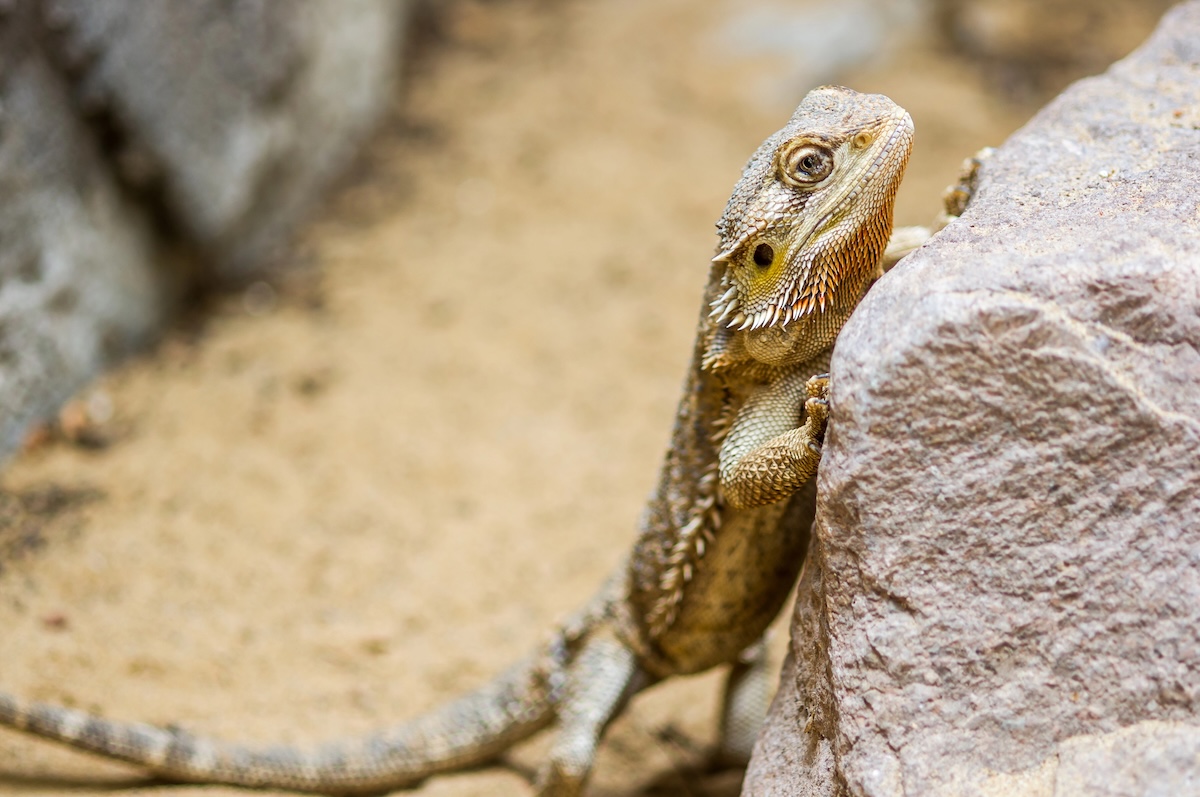 Photo Credit: seksan44 at Deposit Photos
In the sun-drenched landscapes of southern Africa, the Armadillo Lizard, scientifically known as Ouroborus cataphractus, scuttles across rocky outcrops like a tiny armored tank. With its distinctive, spiky body covered in hard, bony scales, this lizard is a marvel of evolution, perfectly adapted to thrive in its arid habitat. Imagine a creature that can curl into a ball, much like a hedgehog, using its tough exterior as a shield against predators. This unique behavior not only protects it but also captivates scientists and nature enthusiasts alike, who are drawn to its remarkable adaptations and the secrets they hold about survival in harsh environments.
As the sun rises, the Armadillo Lizard emerges from its rocky crevices, ready to hunt for insects that scurry across the desert floor. Its keen eyesight and agile movements make it a skilled predator, while its vibrant colors add a splash of life to the otherwise muted landscape. The lizard’s role in the ecosystem is vital; it helps control insect populations, ensuring a balance in its environment. With each encounter, whether it’s curling up for safety or basking in the sun, the Armadillo Lizard invites us to explore the wonders of nature and the intricate relationships that sustain life in the wild.
The Armadillo Lizard, scientifically known as Ouroborus cataphractus, holds a special place in the animal kingdom due to its intriguing adaptations and unique taxonomic position. This small reptile belongs to the family Cordylidae, which is known for its armored appearance. What sets the Armadillo Lizard apart is its ability to roll into a ball when threatened, much like an armadillo, providing it with a protective barrier against predators. This behavior, combined with its distinctive scaly armor, makes it a captivating example of evolutionary ingenuity.
| Taxonomic Rank | Scientific Name | Meaning & Significance |
|---|---|---|
| Kingdom | Animalia | This name signifies that the Armadillo Lizard is part of the vast group of multicellular organisms known as animals, which are characterized by their ability to move and respond to their environment. |
| Phylum | Chordata | Chordata means “having a notochord,” a flexible rod that supports the body. This phylum includes all animals with a backbone, highlighting the Armadillo Lizard’s place among vertebrates. |
| Class | Reptilia | Reptilia refers to reptiles, which are cold-blooded animals with scaly skin. This classification emphasizes the Armadillo Lizard’s adaptations to a dry environment. |
| Order | Squamata | Squamata means “scaly,” which is fitting for lizards and snakes. This order includes the Armadillo Lizard’s relatives, showcasing its evolutionary ties to other reptiles. |
| Family | Cordylidae | Cordylidae translates to “armored lizards,” a name that reflects the Armadillo Lizard’s tough, protective scales that help it survive in the wild. |
| Genus | Ouroborus | The name Ouroborus is derived from the ancient symbol of a serpent eating its own tail, representing the cycle of life. This connection hints at the lizard’s unique defensive behavior of curling up. |
Understanding the Armadillo Lizard’s classification reveals much about its evolutionary history. As a member of the Cordylidae family, it shares common ancestors with other armored lizards, showcasing a lineage that has adapted to survive in harsh environments. Its unique adaptations, such as rolling into a ball for protection, highlight the diverse strategies reptiles have developed over millions of years to thrive in their habitats. This fascinating creature not only enriches our understanding of reptilian evolution but also reminds us of the intricate connections that bind all life on Earth.
The evolutionary journey of the Armadillo Lizard, or Ouroborus cataphractus, stretches back millions of years, tracing its lineage to the ancient reptiles that roamed the Earth during the late Cretaceous period. This time frame, around 70 million years ago, was a dynamic era when the ancestors of modern reptiles began to diversify and adapt to various environments. The Armadillo Lizard’s story is one of survival, shaped by the challenges of its habitat in the arid regions of southern Africa.
The ancestors of the Armadillo Lizard were likely more similar to other lizards, with elongated bodies and a more typical lizard-like appearance. Over time, as they adapted to their rocky, dry surroundings, they underwent significant changes. One major transition was the development of their distinctive armored scales, which provide protection against predators. This adaptation is a key feature that sets them apart from many other lizards. Additionally, their ability to curl into a ball, much like an armadillo, is a fascinating evolutionary response to threats, allowing them to shield their vulnerable underbellies.
The adaptations of the Armadillo Lizard have been crucial for its survival in a challenging environment. The combination of armored scales and the ability to curl into a ball offers a dual defense against predators, while their slow metabolism allows them to thrive even when food is scarce. Their climbing skills enable them to escape danger by seeking refuge in rocky crevices, and their social behavior fosters a sense of community that enhances their chances of survival. Together, these traits illustrate the remarkable ways in which evolution shapes life, allowing species to adapt and flourish in their unique niches.
The Armadillo Lizard is a captivating sight, resembling a miniature armored tank as it scuttles across the rocky terrains of southern Africa. Its body is compact and sturdy, measuring about 6 to 8 inches long, and is covered in a tough, scaled skin that gives it a spiky appearance. This lizard’s most striking feature is its unique shell-like structure, which is formed by overlapping scales that resemble the plates of an armadillo. When threatened, it can curl into a tight ball, showcasing its formidable defenses.
| Feature | Description |
|---|---|
| Weight | 2.5–3.5 oz |
| Skin Type | Scales |
| Most Distinctive Feature | Scaled, spiky shell |
The combination of its weight and spiky shell serves a vital purpose in the Armadillo Lizard’s survival. The scales not only protect it from predators but also help it blend into its rocky environment, making it less visible to hungry eyes. When danger approaches, curling into a ball allows it to shield its vulnerable underbelly, turning its back into a fortress of spikes. This clever adaptation showcases nature’s ingenuity, allowing the Armadillo Lizard to thrive in its harsh habitat.
The Armadillo Lizard thrives in the arid landscapes of South Africa, where the sun blazes down on rocky outcrops and sandy stretches. Picture a vast desert, dotted with hardy shrubs and scattered boulders, creating a rugged playground for this fascinating reptile. The terrain is often dry and harsh, but it is precisely this environment that shapes the life of the Armadillo Lizard, allowing it to blend seamlessly into its surroundings.
This lizard prefers a climate that is hot and dry, with temperatures soaring during the day and cooler nights. The environment is characterized by minimal rainfall, which means that the Armadillo Lizard has adapted to survive in conditions where water is scarce. These reptiles are often found basking on sun-warmed rocks, soaking up the heat they need to stay active and alert.
To thrive in such a challenging habitat, the Armadillo Lizard has developed remarkable adaptations. Its tough, armored skin helps protect it from predators and the harsh sun, while its ability to curl into a ball provides an extra layer of defense. This clever strategy not only shields it from danger but also helps it retain moisture, making it well-suited for life in the unforgiving deserts of South Africa.
As the sun rises over the rocky outcrops of southern Africa, the Armadillo Lizard begins its day. These small reptiles are most active during the cooler hours of the morning and late afternoon. They spend their time basking in the sun to warm up, which is essential for their body temperature regulation. After soaking up some rays, they venture out to hunt for insects, their primary food source. With their keen eyesight, they spot tasty morsels like ants and beetles, using their sharp teeth to catch and consume them. As the day progresses, they often retreat to the safety of crevices or under rocks, where they can rest and avoid the heat of midday.
Socially, Armadillo Lizards are quite interesting. They are known to live in groups, which can provide safety in numbers. These lizards often bask together, sharing warmth and vigilance against predators. When one lizard senses danger, it can alert the others, creating a quick response to threats. Their social structure is not overly complex, but they do exhibit behaviors that show they recognize each other. Communication among them includes subtle body movements and postures, which help convey messages about territory and safety.
| Behavior Type | Description |
|---|---|
| Activity Patterns | Active during cooler parts of the day, basking in the sun, and hunting for insects. |
| Social Structure | Live in groups for safety, often basking and foraging together. |
| Communication Methods | Use body movements and postures to signal danger and establish territory. |
In the harsh environment they inhabit, these behaviors are crucial for survival. By basking in groups, Armadillo Lizards not only conserve energy but also enhance their chances of spotting predators. Their ability to communicate effectively within their social groups helps them respond quickly to threats, ensuring that they can evade danger. This blend of social interaction and individual vigilance allows them to thrive in a challenging landscape, showcasing the intricate balance of life in the wild.
The Armadillo Lizard is a carnivore, which means it primarily eats meat. This little reptile has a taste for desert insects, making it a skilled hunter in its arid habitat. With its keen eyesight and quick reflexes, the Armadillo Lizard scours the rocky terrain for its favorite snacks. It often hunts during the cooler parts of the day, when insects are more active, allowing it to catch its prey with surprising agility.
| Dietary Aspect | Details |
|---|---|
| Diet Type | Carnivore |
| Favorite Foods | Desert insects |
| Prey Items | Various insects found in its habitat |
| Hunting/Foraging Strategies | Uses keen eyesight and quick movements to catch insects |
This diet plays a crucial role in the Armadillo Lizard’s ecology and daily routine. By feeding on insects, it helps control their populations, contributing to the balance of its desert ecosystem. Its hunting habits also dictate when it is most active, allowing it to thrive in the harsh conditions of southern Africa. The Armadillo Lizard’s ability to adapt its feeding strategies to its environment showcases the intricate connections between diet, behavior, and habitat.
During the breeding season, which typically occurs in the warmer months, Armadillo Lizards engage in fascinating courtship behaviors. Males often display their vibrant colors and perform intricate movements to attract females. Once a pair has formed, they will mate, and the female will begin the process of gestation, which lasts about two months. This period is crucial as the female prepares to bring new life into the world.
| Reproductive Aspect | Details |
|---|---|
| Gestation Period | Two months |
| Litter Size | Typically one to three |
| Age of Maturity | 3 to 4 years |
| Name of Young | Baby |
Once the babies are born, they are small and vulnerable, but they quickly begin to adapt to their environment. The young Armadillo Lizards are independent from the moment they hatch, meaning they do not rely on their parents for food. Instead, they start hunting small insects almost immediately. As they grow, they develop the same protective armor that characterizes their species, allowing them to thrive in the harsh conditions of their habitat. This journey from tiny hatchlings to fully grown adults takes several years, during which they learn the skills necessary to survive in the wild.
The Armadillo Lizard occupies a unique niche in the food web of southern Africa’s arid ecosystems. As a small carnivore, it plays a role in controlling insect populations, while also being a target for various predators. This delicate balance highlights the lizard’s importance in its habitat, but it also exposes it to numerous dangers that threaten its survival.
To defend itself against these threats, the Armadillo Lizard has developed some clever survival strategies. When faced with danger, it can curl into a tight ball, much like an armadillo, using its tough, armored scales as protection. This behavior not only makes it difficult for predators to grab hold but also helps it blend into the rocky surroundings. Additionally, its ability to remain still and camouflage itself allows it to evade detection, giving it a fighting chance in a world filled with hungry eyes.
A keystone species is an organism that has a disproportionately large impact on its environment relative to its abundance. This means that if it were removed, the ecosystem would change dramatically. The Armadillo Lizard, or Ouroborus cataphractus, is not typically classified as a keystone species, but it does play an important role in its desert habitat in South Africa.
In the arid landscapes where Armadillo Lizards reside, they contribute to the balance of the ecosystem in several ways. As carnivores, they help control insect populations, which can otherwise explode and lead to overgrazing of vegetation. By keeping these populations in check, Armadillo Lizards indirectly support the health of the plant life in their environment. Additionally, their group behavior fosters social interactions that can enhance survival, as they often rely on one another for protection against predators.
The Armadillo Lizard also serves as a food source for larger predators, such as birds of prey. This connection is vital, as it links different levels of the food web together. When these lizards thrive, they help sustain the populations of their predators, creating a balanced ecosystem. Furthermore, their burrowing activities can aerate the soil, promoting healthier plant growth and contributing to the overall health of their desert habitat.
If Armadillo Lizards were to disappear from their ecosystem, the consequences could be significant. Without these lizards to manage insect populations, certain species could multiply unchecked, leading to a decline in plant life. This, in turn, would affect other animals that rely on those plants for food and shelter. The balance of the entire desert ecosystem could be disrupted, illustrating how even small creatures can have a big impact on their environment.
The Armadillo Lizard, or Ouroborus cataphractus, plays a vital role in its ecosystem, particularly in the arid deserts of South Africa. This small reptile occupies a unique ecological niche as a carnivore, primarily feeding on insects. By controlling insect populations, the Armadillo Lizard helps maintain a balance in its environment, ensuring that no single species overwhelms the ecosystem. Its presence is crucial for the health of the desert habitat, where every organism, no matter how small, contributes to the intricate web of life.
| Ecosystem Service | Impact |
|---|---|
| Insect Population Control | Prevents overpopulation of insects, which can damage vegetation. |
| Soil Aeration | Through its burrowing and movement, it helps aerate the soil, promoting plant growth. |
| Food Source for Predators | Serves as prey for larger animals, supporting the food web. |
The Armadillo Lizard’s influence extends beyond just its diet. By preying on various insects, it helps keep their numbers in check, which is essential for the health of the desert flora. A balanced insect population means that plants can thrive without being overgrazed. Additionally, as these lizards move through their rocky habitats, they inadvertently aerate the soil, allowing water and nutrients to reach plant roots more effectively. This process is crucial in a desert environment, where every drop of moisture counts.
The broader ecological importance of the Armadillo Lizard cannot be overstated. As a keystone species, its presence supports a diverse range of life in the harsh desert ecosystem. If the Armadillo Lizard were to disappear, the balance of the ecosystem would be disrupted, leading to potential overpopulation of insects and a decline in plant health. This ripple effect could ultimately threaten the survival of other species that rely on both plants and insects for food. Thus, the Armadillo Lizard is not just a fascinating reptile; it is a cornerstone of its environment, showcasing the interconnectedness of life in the wild.
In the intricate web of life, many species form partnerships that enhance their survival and well-being. These relationships, known as symbiosis, can take various forms, including mutualism, where both species benefit, commensalism, where one benefits while the other is neither helped nor harmed, and parasitism, where one benefits at the expense of the other. The Armadillo Lizard, a fascinating reptile from the arid deserts of South Africa, engages in several ecological relationships that illustrate the beauty and complexity of nature.
| Species/Type | Relationship Type | Description |
|---|---|---|
| Termites | Mutualistic | The Armadillo Lizard may share its burrows with termites, benefiting from the protection these insects provide while the termites gain a safer environment. |
| Birds (e.g., Oxpeckers) | Commensal | Birds may perch on the Armadillo Lizard, helping to remove parasites from its skin, while the lizard remains unharmed and gains a cleaner body. |
| Predatory Birds | Parasitic | While not a direct relationship, predatory birds can pose a threat to the Armadillo Lizard, impacting its survival as they hunt for food. |
These relationships have evolved over time, shaped by the needs and behaviors of the species involved. The Armadillo Lizard’s partnership with termites showcases a mutual benefit, where both species find safety and security in their shared environment. Meanwhile, the interaction with birds highlights the delicate balance of nature, where one species can help another thrive without causing harm. Understanding these connections not only deepens our appreciation for the Armadillo Lizard but also emphasizes the importance of preserving the ecosystems that support such fascinating interactions.
The Armadillo Lizard, known scientifically as Ouroborus cataphractus, is a captivating reptile that showcases some truly surprising traits. Found in the rocky terrains of southern Africa, this little creature is more than just a pretty face; it has some remarkable adaptations that help it thrive in its harsh environment.
The Armadillo Lizard, or Ouroborus cataphractus, has a rich history intertwined with human culture, particularly in southern Africa. Indigenous communities have long recognized this lizard’s unique characteristics, often associating it with various myths and folklore. Its ability to curl into a ball when threatened has made it a symbol of protection and resilience. Historically, these lizards have been admired for their tough, armored appearance, leading to their inclusion in local art and storytelling. As people have encountered these fascinating reptiles, they have come to appreciate their role in the ecosystem, viewing them as both a curiosity and a vital part of their natural surroundings.
In modern times, the relationship between humans and Armadillo Lizards has evolved, especially concerning conservation efforts. As habitats face threats from urban development and climate change, these lizards are increasingly at risk. Conservationists are working to protect their natural environments, recognizing the importance of maintaining biodiversity. However, conflicts can arise when humans encroach on their habitats, leading to unintentional harm. While domestication of Armadillo Lizards is not common, some people keep them as exotic pets, which raises concerns about their welfare and the impact on wild populations. Balancing human interest with the need for conservation is crucial for the future of this species.
As we look to the future, the relationship between humans and Armadillo Lizards will likely continue to evolve. With growing awareness of environmental issues, there is hope that more people will recognize the importance of protecting these unique reptiles and their habitats. By fostering a sense of stewardship, we can ensure that the Armadillo Lizard not only survives but thrives in the wild. Together, we can create a world where both humans and wildlife coexist harmoniously, celebrating the wonders of nature and the stories it has to tell.
The Armadillo Lizard, or Ouroborus cataphractus, currently holds a conservation status of “Least Concern” according to the International Union for Conservation of Nature (IUCN). This means that, at present, the species is not facing an immediate threat of extinction. However, specific population estimates remain unknown, making it difficult to assess trends in their numbers accurately. While they are not currently endangered, ongoing monitoring is essential to ensure their populations remain stable.
| Conservation Factor | Status/Details |
|---|---|
| IUCN Status | Least Concern |
| Estimated Population Size | Unknown |
| Population Trend | Stable |
Despite their current stable status, Armadillo Lizards face several threats that could impact their future. Habitat loss is a significant concern, primarily due to human activities such as agriculture and urban development. As their rocky habitats are altered or destroyed, these lizards may struggle to find suitable places to live and hunt. Additionally, climate change poses a risk, as shifting weather patterns can affect the availability of food and suitable environments for these reptiles.
Conservation efforts for the Armadillo Lizard are crucial to maintaining their populations and habitats. While they are not currently endangered, proactive measures can help ensure their continued survival. Protecting their natural habitats and raising awareness about their ecological role can contribute to their conservation. With ongoing efforts and monitoring, the outlook for the Armadillo Lizard remains positive, allowing future generations to appreciate this fascinating reptile in its natural environment.
| Question | Answer |
|---|---|
| Where do Armadillo Lizards live? | Armadillo Lizards are found in the deserts of South Africa. They prefer rocky areas where they can hide from predators and bask in the sun. |
| What do Armadillo Lizards eat? | These lizards are carnivores, meaning they primarily eat other animals. Their diet mainly consists of insects and small invertebrates, which they catch with their quick reflexes. |
| How do Armadillo Lizards behave? | Armadillo Lizards are known for their unique defensive behavior. When threatened, they can curl up into a ball, using their spiky, scaled shell to protect themselves from predators. |
| How do Armadillo Lizards reproduce? | Armadillo Lizards lay eggs, which is typical for many reptiles. The female usually lays a small clutch of eggs in a safe, hidden location to protect them from predators. |
| What threats do Armadillo Lizards face? | While Armadillo Lizards are currently classified as Least Concern, they still face threats from habitat loss and climate change. Human activities, such as mining and urban development, can disrupt their natural habitats. |
| What is a unique characteristic of Armadillo Lizards? | The most distinctive feature of Armadillo Lizards is their spiky, scaled shell. This unique adaptation not only helps them defend against predators but also allows them to blend into their rocky surroundings. |
| Can Armadillo Lizards change color? | Unlike some reptiles, Armadillo Lizards do not change color significantly. However, their scales can appear different shades depending on the light and the environment, helping them camouflage. |