Taxonomy & Classification
- Kingdom
- Animalia
- Phylum
- Arthropoda
- Class
- Insecta
- Order
- Hymenoptera
- Family
- Andrenidae
- Genus
- Andrena
- Species
- Andrena cineraria

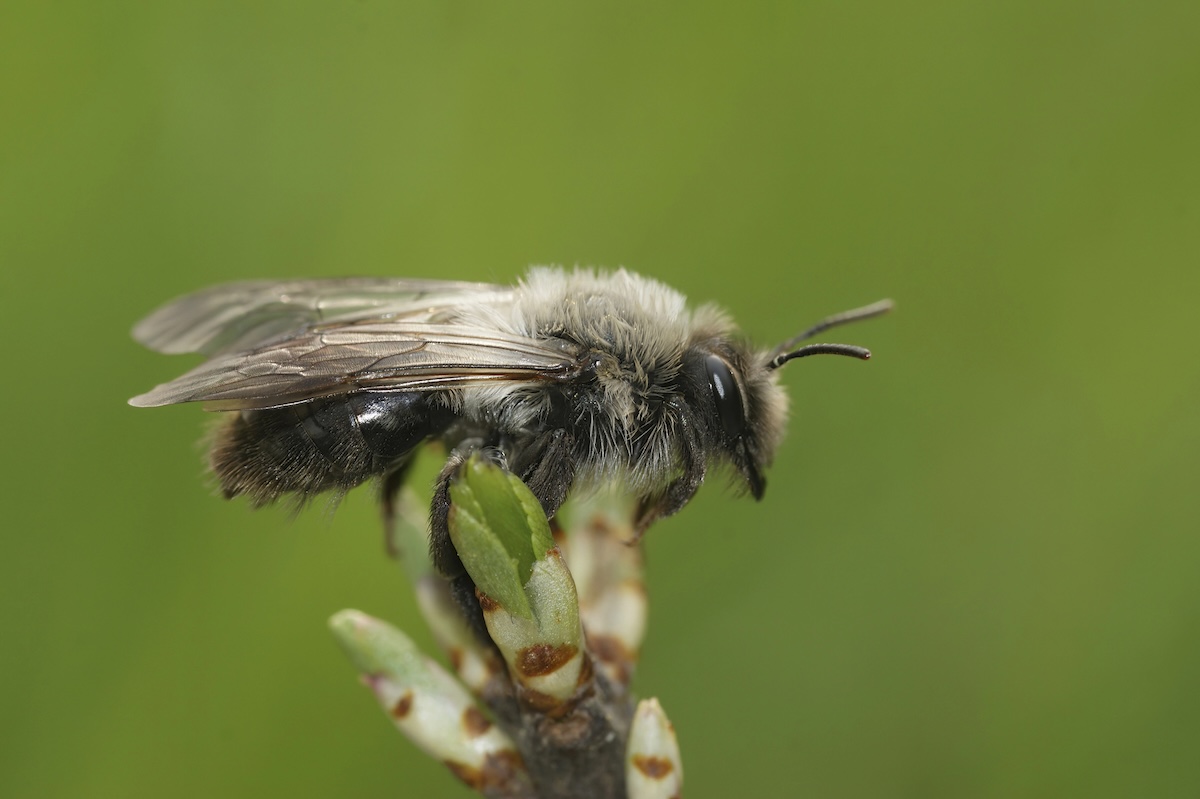 Photo Credit: HeWall at Deposit Photos
In the sun-drenched meadows and vibrant gardens of spring, the Ashy Mining Bee, known scientifically as Andrena cineraria, flits from flower to flower, a tiny marvel of nature. With its soft, ashy-colored hairs covering its thorax and face, this small bee stands out against the bright blooms it visits. Its velvety appearance is not just for show; these delicate hairs help collect pollen, making the Ashy Mining Bee an essential player in the world of pollination. Scientists and nature enthusiasts alike are captivated by its industrious nature and the vital role it plays in supporting ecosystems.
As the Ashy Mining Bee buzzes about, it embodies the spirit of hard work and cooperation. Each day, it embarks on a quest for nectar and pollen, tirelessly foraging to feed itself and its young. This bee is not just a solitary worker; it thrives in communities, nesting in the ground and forming connections with the flowering plants that sustain it. Observing these bees in action reveals a fascinating dance of life, where every visit to a blossom contributes to the cycle of growth and renewal in the natural world. Join us as we explore the life of the Ashy Mining Bee, uncovering its behaviors, habitats, and the challenges it faces in our ever-changing environment.
The Ashy Mining Bee, scientifically known as Andrena cineraria, holds a special place in the tree of life. This small but industrious insect belongs to the kingdom Animalia, which includes all animals, and is part of the phylum Arthropoda, home to creatures with exoskeletons, segmented bodies, and jointed legs. What sets the Ashy Mining Bee apart is its solitary lifestyle and its role as a pollinator, helping plants reproduce by transferring pollen from one flower to another. Unlike many bees that live in large colonies, the Ashy Mining Bee prefers to dig its own burrow in the ground, making it a fascinating example of independence in the insect world.
| Taxonomic Rank | Scientific Name | Meaning & Significance |
|---|---|---|
| Kingdom | Animalia | This name means “animals” in Latin, highlighting the diverse group of living organisms that share certain characteristics, such as being multicellular and capable of movement. |
| Phylum | Arthropoda | Derived from Greek, meaning “jointed feet,” this term refers to the jointed limbs and segmented bodies of insects, spiders, and crustaceans, showcasing their unique body structure. |
| Class | Insecta | This classification comes from the Latin word for “cut,” referring to the segmented body of insects, which is divided into three main parts: the head, thorax, and abdomen. |
| Order | Hymenoptera | This name means “membranous wings” in Greek, which describes the thin, transparent wings of bees, wasps, and ants, allowing them to fly with agility. |
| Family | Andrenidae | Named after the genus Andrena, this family includes mining bees, which are known for their burrowing behavior, emphasizing their unique nesting habits. |
| Genus | Andrena | This name is derived from the Greek word for “man,” possibly referring to the male bees’ role in mating and the overall importance of bees in ecosystems. |
| Species | cineraria | This species name means “ashy” in Latin, which describes the bee’s grayish coloration, helping it blend into its surroundings and avoid predators. |
The classification of the Ashy Mining Bee reveals much about its evolutionary journey. As a member of the Hymenoptera order, it shares a lineage with wasps and ants, showcasing the diverse adaptations that have allowed these insects to thrive in various environments. Its solitary nature and burrowing habits highlight a unique evolutionary strategy, allowing it to efficiently gather resources and contribute to the ecosystem as a vital pollinator. Understanding its place in the animal kingdom not only deepens our appreciation for this small bee but also emphasizes the interconnectedness of life on Earth.
The evolutionary journey of the Ashy Mining Bee, or Andrena cineraria, stretches back millions of years, intertwining with the history of flowering plants. As these plants began to diversify during the Cretaceous period, around 145 million years ago, early bees emerged, adapting to the new floral landscapes. The Ashy Mining Bee is a descendant of these early pollinators, showcasing a fascinating tale of adaptation and survival.
Ancestral forms of bees were likely solitary and nested in the ground, much like the Ashy Mining Bee does today. Over time, these bees developed specialized traits that allowed them to thrive in various environments. One major transition was the evolution of their mouthparts, which became longer and more suited for extracting nectar from deep flowers. This adaptation not only improved their feeding efficiency but also enhanced their role as pollinators, benefiting both plants and bees alike. Another significant change was the development of fuzzy bodies, which help collect pollen. This feature is crucial for their reproductive success, as it allows them to transport pollen from flower to flower, facilitating plant reproduction.
These adaptations have been vital for the Ashy Mining Bee’s survival. By nesting in the ground, they protect their young from harsh weather and predators. Their fuzzy bodies not only make them excellent pollinators but also ensure they can gather enough food to sustain their colonies. Finally, their seasonal activity aligns with the flowering plants they depend on, creating a harmonious relationship that has persisted through the ages. This intricate web of adaptations showcases the resilience and ingenuity of nature, allowing the Ashy Mining Bee to thrive in a changing world.
The Ashy Mining Bee is a small yet striking insect that captures attention with its soft, ashy-colored hairs. These delicate hairs cover its thorax and face, giving it a unique, velvety appearance. With a body length of just a few centimeters, this bee is lightweight, weighing less than 1 ounce. Its slender form is perfectly designed for navigating through flowers, where it collects pollen and nectar. The combination of its muted colors and streamlined shape allows it to blend seamlessly into its surroundings, making it both beautiful and discreet.
| Feature | Description |
|---|---|
| Size | Small, typically a few centimeters in length |
| Weight | Less than 1 ounce |
| Skin Type | Exoskeleton, providing protection and support |
| Color | Ashy gray with distinctive hairs on the thorax and face |
The features of the Ashy Mining Bee work together in a remarkable way to enhance its survival. The ashy hairs not only provide camouflage against predators but also play a crucial role in pollen collection. As the bee moves from flower to flower, these hairs trap pollen grains, allowing the bee to gather food while simultaneously aiding in the pollination process. This clever design makes the Ashy Mining Bee an essential player in the ecosystem, helping plants reproduce and thrive.
The Ashy Mining Bee thrives in vibrant environments that are rich in flowering plants. Picture a sunny orchard or a colorful backyard garden, where blossoms burst into life, attracting not just the eye but also a flurry of busy bees. These habitats provide the perfect setting for the Ashy Mining Bee to forage for nectar and pollen, essential for its survival and reproduction. The gentle hum of activity fills the air as these bees flit from flower to flower, playing a crucial role in pollination.
This industrious bee prefers climates that are mild and temperate, where the seasons bring a variety of blooming plants. It flourishes in areas that receive plenty of sunlight, as warmth helps the flowers to bloom and provides the bees with the energy they need. The Ashy Mining Bee is often found in places where the soil is sandy or loose, allowing it to dig its nests easily. These conditions are vital for the bee’s life cycle, as they need a safe place to lay their eggs and raise their young.
Adaptation is key to the Ashy Mining Bee’s success in these specific habitats. Its ability to dig into the ground allows it to create nests that protect its offspring from harsh weather and predators. The bee’s preference for gardens and orchards also means it has access to a steady supply of food. By choosing these environments, the Ashy Mining Bee not only ensures its survival but also contributes to the health of the ecosystem, helping plants to reproduce and thrive.
The Ashy Mining Bee, or Andrena cineraria, leads a busy life filled with essential activities that revolve around foraging and nesting. Each day begins with the sun’s warm rays, prompting these bees to emerge from their underground burrows. They set off in search of nectar and pollen, which are vital for their diet and the nourishment of their young. As they flit from flower to flower, they gather pollen on their fuzzy bodies, ensuring that they play a crucial role in pollination. This daily routine is not just about feeding; it’s also about finding the best flowers, which can change with the seasons and the availability of blooms.
While the Ashy Mining Bee is primarily a solitary creature, it does exhibit interesting social behaviors during certain times of the year. These bees may be found in close proximity to one another, especially in areas rich with flowers. Although they do not form colonies like honeybees, they can share nesting sites, creating a loose community. This arrangement allows them to benefit from the abundance of resources in a given area. Communication among these bees is subtle, relying on scent and visual cues rather than complex dances or sounds. They recognize each other through pheromones, which are chemical signals that convey information about their presence and readiness to mate.
| Behavior Type | Description |
|---|---|
| Foraging | Ashy Mining Bees search for nectar and pollen, visiting various flowers to collect food for themselves and their larvae. |
| Nesting | They dig burrows in sandy or loose soil, where they lay their eggs and store food for the developing young. |
| Solitary Living | While they may nest near each other, Ashy Mining Bees do not form colonies and primarily live alone. |
| Communication | They use pheromones to communicate with one another, signaling their presence and reproductive status. |
The behaviors of the Ashy Mining Bee are finely tuned to ensure their survival in a world filled with challenges. By foraging efficiently and nesting strategically, they maximize their chances of finding food and successfully raising their young. Their solitary nature allows them to adapt quickly to changing environments, while their ability to communicate through scents helps them navigate their surroundings. Together, these behaviors create a resilient lifestyle that supports not only their own survival but also the health of the ecosystems they inhabit.
The Ashy Mining Bee, known scientifically as Andrena cineraria, primarily feeds on nectar and pollen from various flowering plants. As a herbivore, it plays a crucial role in the ecosystem by pollinating these plants while it gathers food. The bee uses its specialized mouthparts to collect nectar, which provides energy, and pollen, which is rich in protein and essential for its growth and reproduction. This foraging behavior not only sustains the bee but also supports the health of the plants it visits, creating a beautiful cycle of life.
| Dietary Aspect | Details |
|---|---|
| Diet Type | Herbivore |
| Favorite Foods | Nectar and pollen from flowering plants |
| Prey Items | None, as it does not consume other animals |
| Hunting/Foraging Strategies | Forages on flowers, using specialized mouthparts to collect nectar and pollen |
The diet of the Ashy Mining Bee significantly influences its daily routine and ecological role. By foraging for nectar and pollen, these bees not only nourish themselves but also facilitate the reproduction of many plants. This relationship is vital for maintaining healthy ecosystems, as it helps ensure the growth of flowers and fruits that other animals, including humans, rely on. Each day, as the Ashy Mining Bee buzzes from bloom to bloom, it weaves a thread of life that connects various species in its environment, showcasing the intricate balance of nature.
The mating behavior of the Ashy Mining Bee, or Andrena cineraria, is a captivating spectacle that unfolds during the warm months of spring. As the sun shines and flowers bloom, male bees eagerly search for females. Once a male spots a female, he performs a series of aerial displays to attract her attention. If she is receptive, they mate, and the female begins her important task of laying eggs. This breeding season is crucial for the continuation of their species, as it ensures that the next generation will emerge when conditions are just right.
| Reproductive Aspect | Details |
|---|---|
| Gestation Period | 3-5 days |
| Average Litter Size | 6-12 |
| Age of Sexual Maturity | 6 weeks |
| Name of Young | Larvae |
After mating, the female Ashy Mining Bee gets to work. She digs a nest in the ground, often in sandy or loose soil, where she lays her eggs. Each egg develops into a larva, which is the young stage of the bee. The female provides her larvae with a nutritious supply of pollen and nectar, ensuring they have enough food to grow strong. As the weeks pass, these larvae will eventually pupate, transforming into adult bees. Once they emerge, they will carry on the cycle of life, ready to take to the skies and continue the legacy of their species.
The Ashy Mining Bee, or Andrena cineraria, plays a vital role in its ecosystem, acting as a pollinator for many flowering plants. This small bee is part of a complex food web, where it not only helps plants reproduce but also serves as a food source for various predators. Its presence supports the health of gardens and wildflower meadows, making it an essential player in maintaining biodiversity.
To survive these dangers, the Ashy Mining Bee has developed several clever strategies. When threatened, it can quickly burrow into the ground, hiding in its nest to avoid predators. This behavior not only provides safety but also helps it stay hidden from the eyes of hungry birds and other animals. Additionally, the bee’s ashy coloration allows it to blend in with the soil and surrounding environment, making it less visible to potential threats. By using these defensive tactics, the Ashy Mining Bee continues to thrive in its natural habitat, despite the challenges it faces.
A keystone species is an organism that has a disproportionately large impact on its environment relative to its abundance. In simpler terms, if you remove a keystone species, the entire ecosystem can change dramatically. The Ashy Mining Bee, or Andrena cineraria, qualifies as a keystone species due to its essential role in pollination, which supports the growth of many plants in its habitat.
The ecological impact of the Ashy Mining Bee is profound. As a solitary pollinator, it visits a variety of flowering plants in orchards and backyard gardens, transferring pollen from one bloom to another. This process is crucial for plant reproduction, allowing flowers to produce fruits and seeds. For example, many fruit trees depend on these bees to ensure a bountiful harvest. Without the Ashy Mining Bee, the abundance of fruits like apples and cherries could decline, affecting not just the plants but also the animals and humans that rely on them for food.
Moreover, the Ashy Mining Bee contributes to the overall health of its ecosystem by promoting biodiversity. By pollinating a wide range of plants, it helps maintain a diverse plant community, which in turn supports various other species, from insects to birds. This interconnectedness highlights how the presence of the Ashy Mining Bee fosters a thriving environment where many organisms can coexist.
If the Ashy Mining Bee were to disappear, the consequences could be severe. Many plants would struggle to reproduce, leading to a decline in fruit and seed production. This would not only affect the plants themselves but also the animals that depend on them for food. Over time, the loss of these plants could disrupt the entire ecosystem, leading to a decrease in biodiversity and altering the balance of life in orchards and gardens. The disappearance of this small but mighty bee would echo through the food web, reminding us of the vital roles that even the tiniest creatures play in our world.
The Ashy Mining Bee, known scientifically as Andrena cineraria, plays a vital role in its ecosystem, particularly in areas like orchards and backyard gardens. This small bee is a key pollinator, meaning it helps plants reproduce by transferring pollen from one flower to another. By doing so, it supports the growth of fruits, vegetables, and flowers, creating a vibrant and healthy environment. The Ashy Mining Bee’s activities not only benefit the plants but also the animals and humans that rely on these plants for food and shelter.
| Ecosystem Service | Impact |
|---|---|
| Pollination | Enhances plant reproduction, leading to more fruits and flowers. |
| Soil Aeration | Helps improve soil structure through nesting activities. |
| Food Source | Serves as a food source for predators, contributing to the food web. |
The influence of the Ashy Mining Bee extends beyond just pollination. For instance, as these bees dig their nests in the ground, they aerate the soil, allowing air and water to penetrate more easily. This process is crucial for plant roots, helping them access the nutrients they need to thrive. Additionally, the Ashy Mining Bee’s foraging activities encourage a diverse range of flowering plants to flourish, which in turn attracts other wildlife, creating a bustling ecosystem full of life.
The broader ecological importance of the Ashy Mining Bee cannot be overstated. As a keystone species, its presence supports not only the plants it pollinates but also the entire community of organisms that depend on those plants. Without the Ashy Mining Bee, many flowering plants would struggle to reproduce, leading to a decline in food sources for other animals and even humans. By understanding and protecting this small but mighty bee, we can help maintain the balance of our ecosystems and ensure a thriving natural world for generations to come.
In the intricate web of life, symbiosis refers to the close interactions between different species, which can take on various forms. These relationships can be mutualistic, where both species benefit, parasitic, where one benefits at the other’s expense, or commensal, where one benefits while the other is neither helped nor harmed. The Ashy Mining Bee, or Andrena cineraria, engages in several fascinating partnerships that highlight the interconnectedness of nature. These relationships not only enhance the survival of the bee but also contribute to the health of the ecosystems in which they thrive.
| Species/Type | Relationship Type | Description |
|---|---|---|
| Flowering Plants | Mutualistic | The Ashy Mining Bee pollinates flowering plants while collecting nectar and pollen, benefiting both the bee and the plants. |
| Predatory Wasps | Parasitic | Some predatory wasps may lay their eggs in the nests of Ashy Mining Bees, using the bee larvae as a food source for their own young. |
| Soil Microorganisms | Commensal | Microorganisms in the soil benefit from the nesting activities of the Ashy Mining Bee, which aerates the soil, while the bee is unaffected. |
The evolution of these relationships showcases the dynamic nature of ecosystems. Over time, the Ashy Mining Bee has adapted to thrive alongside flowering plants, developing a mutualistic bond that enhances pollination and food availability. Meanwhile, the presence of predatory wasps and soil microorganisms illustrates the complexity of interactions in nature. These partnerships not only support the survival of the Ashy Mining Bee but also contribute to the overall health and balance of its environment, demonstrating how interconnected life truly is.
The Ashy Mining Bee, or Andrena cineraria, is a small but mighty pollinator that plays a crucial role in our ecosystems. Here are some surprising facts that showcase the wonders of this remarkable insect.
The Ashy Mining Bee, known scientifically as Andrena cineraria, has a long history of interaction with humans that dates back centuries. In various cultures, these bees have been celebrated for their role in pollination, which is essential for growing fruits and vegetables. Ancient farmers recognized the importance of these industrious insects, often associating them with fertility and abundance. In folklore, bees have been symbols of hard work and community, reflecting their vital contributions to agriculture and the environment.
Today, the relationship between the Ashy Mining Bee and humanity is evolving, especially as awareness of environmental issues grows. Many people are now actively working to conserve bee populations, recognizing their crucial role in pollinating crops and wild plants. However, conflicts can arise, particularly when urban development encroaches on their natural habitats. Some individuals are even exploring the idea of domestication, aiming to create bee-friendly spaces in gardens and farms. This shift highlights a growing appreciation for these small pollinators and their impact on our food systems and ecosystems.
As we look to the future, the relationship between the Ashy Mining Bee and humanity holds great potential. With increasing awareness of environmental challenges, more people are likely to advocate for sustainable practices that protect these vital pollinators. By fostering a deeper understanding of their role in our ecosystems, we can work together to ensure that the Ashy Mining Bee continues to thrive alongside us. This partnership could lead to healthier environments and more abundant food sources, benefiting both humans and the natural world.
The Ashy Mining Bee, or Andrena cineraria, currently faces a conservation status that raises some concerns. While specific population estimates remain undetermined, trends suggest that these bees are experiencing pressures that could impact their numbers. As vital pollinators, their decline could have ripple effects on the ecosystems they support, making it essential to monitor their status closely.
| Conservation Factor | Status/Details |
|---|---|
| IUCN Status | Not Evaluated |
| Population Estimates | Undetermined |
| Trend Direction | Potential decline |
The main threats to the Ashy Mining Bee include habitat loss, pesticide use, and climate change. Urban development often leads to the destruction of the natural spaces these bees rely on for nesting and foraging. Pesticides, which are chemicals used to kill pests, can be harmful to bees, affecting their health and ability to reproduce. Additionally, climate change alters the timing of flowering plants, which can disrupt the bees’ foraging patterns and food availability.
Conservation efforts are underway to protect the Ashy Mining Bee and its habitat. Initiatives include creating bee-friendly gardens, reducing pesticide use, and preserving natural areas. By raising awareness about the importance of these pollinators, communities can play a significant role in their conservation. With continued efforts, there is hope that the Ashy Mining Bee can thrive once more, ensuring the health of the ecosystems they help sustain.
| Question | Answer |
|---|---|
| What is the habitat of the Ashy Mining Bee? | Ashy Mining Bees are commonly found in orchards and backyard gardens. They prefer areas with plenty of flowers, as these provide the nectar and pollen they need to thrive. |
| What do Ashy Mining Bees eat? | These bees are herbivores, meaning they primarily feed on plant materials. Their diet consists mainly of nectar and pollen from various flowering plants, which they collect to nourish themselves and their young. |
| How do Ashy Mining Bees behave? | Ashy Mining Bees are solitary creatures, which means they do not live in large colonies like honeybees. They are known for their gentle nature and are not aggressive, making them safe to observe in gardens. |
| How do Ashy Mining Bees reproduce? | During the mating season, female Ashy Mining Bees create burrows in the ground where they lay their eggs. After laying eggs, they provide each one with a supply of pollen and nectar to support the developing larvae. |
| What threats do Ashy Mining Bees face? | These bees face several threats, including habitat loss due to urban development and pesticide use. Climate change also poses a risk, as it can affect the availability of flowers they rely on for food. |
| What is a distinctive feature of the Ashy Mining Bee? | The most distinctive feature of the Ashy Mining Bee is its ashy-colored hairs on its thorax and face. This unique coloration helps them blend into their surroundings, providing some camouflage from predators. |
| Are Ashy Mining Bees important for the environment? | Yes, Ashy Mining Bees play a crucial role in pollination. By visiting flowers to collect nectar and pollen, they help plants reproduce, which is essential for maintaining healthy ecosystems and food supplies. |