Taxonomy & Classification
- Kingdom
- Animalia
- Phylum
- Arthropoda
- Class
- Insecta
- Order
- Lepidoptera
- Family
- Megalopygidae
- Genus
- Megalopyge

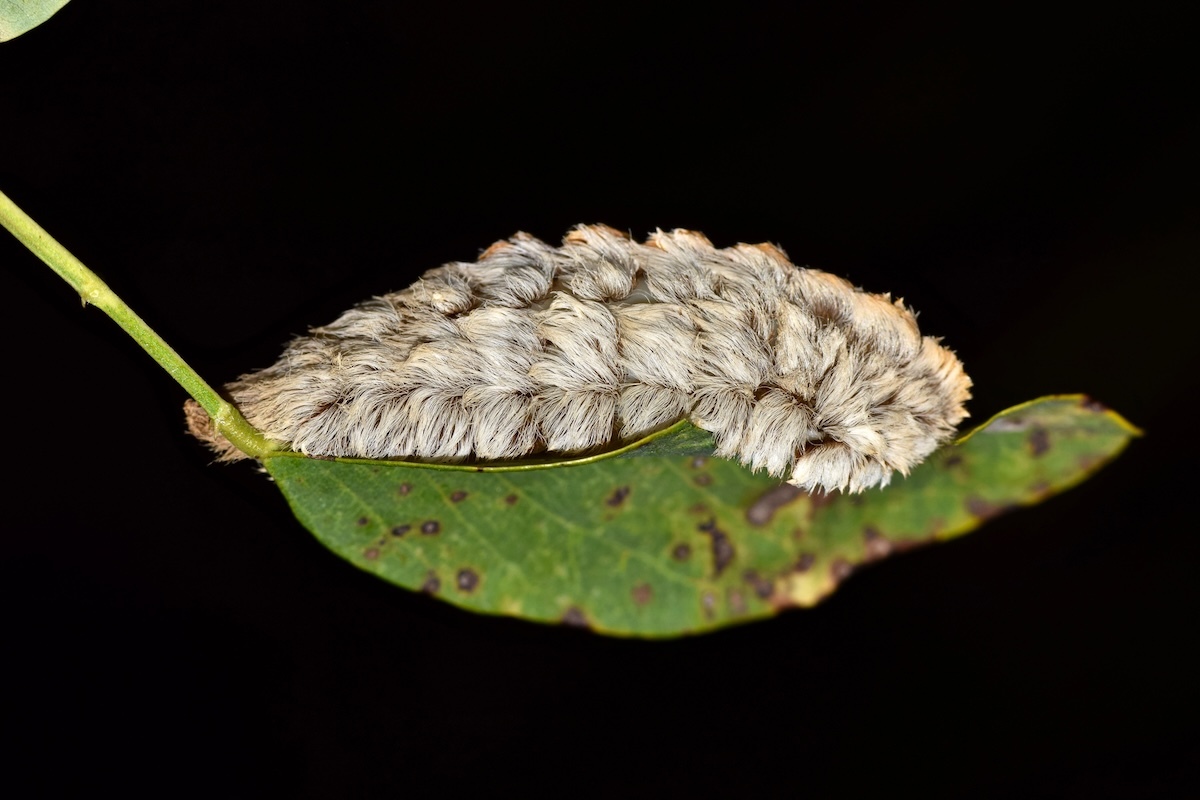 Photo Credit: Brett Hondow at Deposit Photos
In the sun-dappled woodlands of the southeastern United States, the Asp Caterpillar, scientifically known as Megalopyge, weaves its way through the leaves, a small yet striking figure in the vibrant tapestry of nature. With its fuzzy body that resembles a tiny, colorful pom-pom, this caterpillar captures the attention of anyone lucky enough to spot it. Its unique appearance, adorned with tufts of hair that can range from bright yellow to greenish hues, not only makes it a visual delight but also serves as a warning to potential predators. The Asp Caterpillar is not just a pretty face; it is a marvel of evolution, fascinating scientists and nature enthusiasts alike with its intriguing adaptations and behaviors.
As it munches on the leaves of hardwood trees, the Asp Caterpillar plays a vital role in its ecosystem, acting as both a herbivore and a food source for various predators. This little creature is a master of disguise, blending seamlessly into its surroundings, which helps it evade hungry birds and other threats. But beware! Those fuzzy hairs are not just for show; they can deliver a painful sting if touched, making the Asp Caterpillar a perfect example of nature’s clever defense mechanisms. Join us as we explore the life of this captivating insect, uncovering its secrets and the important role it plays in the world around us.
The Asp Caterpillar, scientifically known as Megalopyge, occupies a fascinating niche in the tree of life. This intriguing insect belongs to the class Insecta, which includes all insects, and is part of the order Lepidoptera, the group that encompasses butterflies and moths. What sets the Asp Caterpillar apart is its striking appearance and its notorious reputation for delivering a painful sting. With its vibrant colors and fuzzy body, it may look like a harmless fluffball, but it is a member of the family Megalopygidae, which is known for its venomous larvae. This unique combination of beauty and danger makes the Asp Caterpillar a captivating subject for both scientists and nature enthusiasts alike.
| Taxonomic Rank | Scientific Name | Meaning & Significance |
|---|---|---|
| Kingdom | Animalia | This name means “animals” in Latin, highlighting the Asp Caterpillar’s status as a living organism that consumes organic material and exhibits complex behaviors. |
| Phylum | Arthropoda | Derived from Greek, meaning “jointed feet,” this classification emphasizes the Asp Caterpillar’s segmented body and jointed limbs, which are characteristic of all arthropods. |
| Class | Insecta | This term comes from the Latin word for “cut,” referring to the segmented body structure of insects, including the Asp Caterpillar. |
| Order | Lepidoptera | From the Greek words for “scale” and “wing,” this name reflects the scaly wings of adult butterflies and moths, linking the Asp Caterpillar to its future form. |
| Family | Megalopygidae | This name means “large tuft,” which describes the fluffy appearance of the caterpillar, a feature that can be both attractive and deceptive. |
| Genus | Megalopyge | Similar to its family name, this term also refers to the “large tuft,” emphasizing the distinctive, hairy look of the caterpillar that can mislead potential predators. |
The classification of the Asp Caterpillar reveals much about its evolutionary journey. As a member of the Lepidoptera order, it shares a common ancestor with butterflies and moths, showcasing the diverse adaptations that have emerged over millions of years. Its unique features, such as the ability to deliver a painful sting, suggest a fascinating evolutionary strategy for survival, allowing it to deter predators while still thriving in its environment. This blend of beauty and danger not only captivates our imagination but also highlights the intricate relationships within the animal kingdom, reminding us of the wonders of evolution and the complexity of life on Earth.
The evolutionary journey of the Asp Caterpillar, belonging to the genus Megalopyge, stretches back millions of years, intertwining with the rich tapestry of life on Earth. This captivating insect is part of the family Megalopygidae, which has adapted and evolved through various environmental changes. As we explore its history, we uncover how this caterpillar has transformed over time, developing traits that enhance its survival in a world filled with challenges.
The ancestors of the Asp Caterpillar were likely similar to other early lepidopterans, the group that includes butterflies and moths. These early insects were small and primarily herbivorous, feeding on a variety of plants. Over time, as the environment changed, so did their adaptations. The Megalopygidae family began to diverge, leading to the development of specialized features. One significant transition was the evolution of their distinctive body shape and coloration, which helped them blend into their surroundings, a strategy known as camouflage. This adaptation allowed them to evade predators, increasing their chances of survival.
These evolutionary adaptations have played a crucial role in the survival of the Asp Caterpillar. By blending into their environment, they avoid detection by hungry birds and other predators. The painful sting from their spines serves as a powerful warning, discouraging many would-be attackers. Additionally, their ability to thrive on specific plants ensures they have a reliable food source, allowing them to grow and eventually transform into beautiful moths. Through these remarkable adaptations, the Asp Caterpillar continues to navigate the challenges of its environment, showcasing the wonders of evolution in action.
The Asp Caterpillar is a striking sight, with its fuzzy body that seems to invite curiosity. This caterpillar is small, weighing less than an ounce, yet it carries an air of intrigue with its unique appearance. Its body is covered in dense, hair-like structures that give it a soft, almost plush look. These hairs are not just for show; they play a crucial role in its survival. The caterpillar’s shape is elongated and somewhat cylindrical, allowing it to blend into its surroundings, which is essential for evading predators.
| Feature | Description |
|---|---|
| Size | Less than 1 ounce |
| Color | Varies, often blending with foliage |
| Skin Type | Furry body covered in dense hair-like structures |
The combination of its lightweight body and furry exterior serves multiple purposes. The soft hairs can deter potential predators, making the caterpillar less appealing to birds and other hungry animals. Additionally, the coloration of the Asp Caterpillar often mimics the leaves and branches of the plants it inhabits, providing excellent camouflage. This clever design allows it to thrive in its environment, showcasing the wonders of nature’s adaptations.
The Asp Caterpillar thrives in a variety of habitats that reflect its adaptability and resourcefulness. Picture a sun-dappled woodland, where trees stretch high into the sky, their leaves creating a lush canopy. Here, the Asp Caterpillar can be found nestled among the foliage, blending in with its surroundings. Alternatively, imagine open fields and vibrant gardens, where wildflowers sway in the breeze. These areas provide the perfect backdrop for the Asp Caterpillar to munch on leaves and grow, showcasing its ability to thrive in diverse environments.
The Asp Caterpillar prefers climates that offer a mix of warmth and moisture. It flourishes in areas where temperatures are mild to warm, allowing it to remain active and feed on a variety of plants. These caterpillars are often found in regions that experience seasonal changes, as they rely on the availability of food sources throughout the year. The combination of sunlight and shade in woodlands, along with the rich soil of gardens, creates an ideal environment for their growth and development.
To survive in these habitats, the Asp Caterpillar has developed several clever adaptations. Its fuzzy appearance not only makes it look appealing but also serves as a defense mechanism against predators. The soft, hair-like structures can deter animals that might want to snack on it. Additionally, its ability to camouflage among leaves and branches helps it avoid detection. By blending into its surroundings, the Asp Caterpillar can munch on its favorite plants while staying safe from hungry eyes.
The Asp Caterpillar leads a life filled with daily routines that revolve around its quest for survival. As a diurnal creature, it is most active during the day, basking in the warm sunlight while searching for food. Its primary activity involves munching on leaves, which provide the nutrients it needs to grow. This caterpillar is not just a passive eater; it carefully selects its meals, often opting for specific plants that offer the best nourishment. As the sun sets, the Asp Caterpillar finds a safe spot to rest, camouflaging itself among the foliage to avoid predators.
While the Asp Caterpillar is primarily solitary, it does exhibit interesting behaviors that reflect its individualistic lifestyle. Unlike some insects that thrive in large groups, the Asp Caterpillar prefers to navigate its world alone. This solitary nature allows it to avoid competition for food and reduces the risk of attracting attention from predators. However, it still communicates with its environment through subtle movements and chemical signals, which help it detect danger and find suitable food sources.
| Behavior Type | Description |
|---|---|
| Activity Patterns | Active during the day, primarily feeding on leaves and resting at night. |
| Social Structure | Solitary, avoiding competition and reducing predation risk. |
| Communication Methods | Uses subtle movements and chemical signals to interact with its environment. |
The behaviors of the Asp Caterpillar are finely tuned to ensure its survival in a world filled with challenges. By being active during the day, it maximizes its feeding opportunities while minimizing the risk of nighttime predators. Its solitary lifestyle not only helps it secure food without competition but also allows it to blend into its surroundings, making it less visible to those who might want to make a meal out of it. Through these clever adaptations, the Asp Caterpillar continues its journey toward becoming a beautiful moth, showcasing the wonders of nature’s design.
The Asp Caterpillar primarily feeds on the leaves of various trees, showcasing its herbivorous diet. This little muncher has a particular fondness for the foliage of hardwood trees, which provide both nourishment and a safe haven. As it navigates its leafy environment, the caterpillar uses its strong mandibles, or mouthparts, to chew through the tough plant material. This feeding behavior not only sustains the caterpillar but also plays a crucial role in its growth and development, allowing it to store energy for its transformation into a moth.
| Dietary Aspect | Details |
|---|---|
| Diet Type | Herbivore |
| Favorite Foods | Leaves of hardwood trees |
| Prey Items | Tree leaves |
| Hunting/Foraging Strategies | Chews through leaves using strong mandibles |
This diet shapes the Asp Caterpillar’s ecology and daily routine in significant ways. By consuming leaves, it helps regulate plant growth and contributes to the health of its ecosystem. The caterpillar’s feeding habits also influence its behavior, as it must constantly search for fresh leaves to sustain its energy levels. This quest for food not only supports its growth but also prepares it for the next stage of its life cycle, where it will emerge as a beautiful moth, ready to continue the cycle of life.
The mating behavior of the Asp Caterpillar is a captivating part of its life cycle. During the breeding season, which typically occurs in late spring to early summer, adult moths emerge from their pupal stage. Males are known to be quite active, fluttering around in search of females. Once a male finds a female, they engage in a courtship dance, which involves intricate movements and pheromone releases—chemical signals that attract mates. This dance is not just for show; it helps ensure that the pair is compatible for reproduction.
| Reproductive Aspect | Details |
|---|---|
| Gestation Period | Approximately 10 days |
| Litter Size | Up to 200 eggs |
| Age of Maturity | About 4 to 6 weeks |
| Name of Young | Caterpillars |
Once the female lays her eggs, they are often placed on the underside of leaves to protect them from predators. After about ten days, the eggs hatch into tiny caterpillars. These young caterpillars are voracious eaters, consuming leaves to fuel their growth. As they mature over the next few weeks, they will molt several times, shedding their skin to accommodate their growing bodies. This process is essential for their development into adult moths. Interestingly, the young caterpillars do not receive any parental care after hatching, relying solely on their instincts and the abundant foliage around them to thrive and eventually transform into the next generation of Asp Moths.
The Asp Caterpillar plays a crucial role in its ecosystem, serving as both a herbivore and a food source for various predators. Positioned in the middle of the food web, it munches on leaves while also attracting attention from animals that seek it out for a meal. This delicate balance is essential for maintaining the health of its habitat, but it also places the Asp Caterpillar in a precarious position.
To defend itself against these dangers, the Asp Caterpillar has developed some clever survival strategies. Its fuzzy appearance may seem inviting, but it actually serves as a warning sign to potential predators. The hairs on its body can deliver a painful sting, deterring many animals from taking a bite. Additionally, the caterpillar often blends into its surroundings, using camouflage to hide from watchful eyes. By combining these defensive behaviors, the Asp Caterpillar increases its chances of surviving in a world filled with hungry foes.
A keystone species is an organism that has a disproportionately large impact on its environment relative to its abundance. These species play critical roles in maintaining the structure of an ecosystem. The Asp Caterpillar, while not a traditional keystone species like wolves or sea otters, does contribute significantly to its habitat, particularly through its interactions with plants and predators.
The Asp Caterpillar primarily feeds on the leaves of various hardwood trees, which helps shape the plant community in its ecosystem. By munching on these leaves, it can influence which plants thrive and which ones struggle. This feeding behavior not only affects the trees but also creates opportunities for other species. For example, when the caterpillar consumes leaves, it can stimulate new growth, which may attract other herbivores and pollinators.
Moreover, the Asp Caterpillar serves as a vital food source for a range of predators, including birds and small mammals. This connection highlights its role in the food web, where it supports the survival of these animals. The caterpillar’s presence can help sustain predator populations, which in turn helps control herbivore numbers, maintaining a balance in the ecosystem.
If the Asp Caterpillar were to disappear, the effects could ripple through its ecosystem. Without this caterpillar, the trees it feeds on might become overgrown, leading to a decline in plant diversity. Predators that rely on the caterpillar for food would face challenges, potentially leading to their decline as well. This loss could disrupt the balance of the entire ecosystem, demonstrating how even the smallest creatures can play a vital role in the web of life.
The Asp Caterpillar, belonging to the genus Megalopyge, plays a vital role in its ecosystem, acting as both a herbivore and a food source for various predators. Found in diverse habitats like woodlands, fields, and gardens, this caterpillar contributes to the balance of its environment. By munching on leaves, it helps shape plant communities and influences the availability of resources for other species. Its presence is a reminder of how even the smallest creatures can have a significant impact on their surroundings.
| Ecosystem Service | Impact |
|---|---|
| Leaf Consumption | Regulates plant growth and health by feeding on leaves, which can promote new growth. |
| Food Source | Serves as a meal for birds and other predators, supporting the food web. |
| Soil Enrichment | Contributes to nutrient cycling when it excretes waste, enriching the soil. |
| Pollination Support | Indirectly aids pollinators by maintaining healthy plants that produce flowers. |
The Asp Caterpillar’s influence can be seen in various ways. For instance, as it feeds on the leaves of hardwood trees, it not only helps control the growth of these plants but also encourages the development of new shoots. This process can create a more diverse habitat for other organisms, including insects and birds that rely on a variety of plants for food and shelter. Additionally, when the caterpillar becomes a meal for birds, it transfers energy up the food chain, illustrating its role in sustaining other wildlife.
The broader ecological importance of the Asp Caterpillar cannot be overstated. By participating in the intricate web of life, it helps maintain the balance of its ecosystem. Its activities support plant health, provide nourishment for predators, and contribute to soil fertility. In this way, the Asp Caterpillar exemplifies how interconnected all living things are, reminding us that every species, no matter how small, plays a crucial part in the health of our planet.
Symbiosis is a captivating concept in nature that describes how different species interact and depend on one another. These relationships can take many forms, including mutualism, where both species benefit, parasitism, where one benefits at the other’s expense, and commensalism, where one benefits while the other is neither helped nor harmed. The Asp Caterpillar, known for its striking appearance and intriguing lifestyle, engages in various ecological relationships that highlight the interconnectedness of life.
| Species/Type | Relationship Type | Description |
|---|---|---|
| Ants | Mutualistic | Some Asp Caterpillars have a relationship with ants, which protect them from predators in exchange for sugary secretions the caterpillars produce. |
| Plants (Host Trees) | Commensal | The Asp Caterpillar feeds on the leaves of host trees, benefiting from the food source while the trees are generally unharmed. |
| Parasitoid Wasps | Parasitic | These wasps lay their eggs inside the caterpillar, and the larvae feed on it, ultimately leading to the caterpillar’s death. |
These relationships have evolved over time, shaped by the needs and survival strategies of each species involved. The mutualistic bond with ants, for example, showcases how cooperation can enhance survival chances for both parties. Meanwhile, the parasitic relationship with wasps illustrates the darker side of nature, where one species can exploit another for its own benefit. Understanding these interactions not only deepens our appreciation for the Asp Caterpillar but also highlights the delicate balance of ecosystems, where every species plays a role in the grand tapestry of life.
The Asp Caterpillar, known for its striking appearance and intriguing behaviors, is a creature that captivates both scientists and nature lovers alike. Here are some surprising facts that reveal just how extraordinary this little insect truly is.
The Asp Caterpillar, known scientifically as Megalopyge, has a long history of encounters with humans that stretches back through the ages. In various cultures, this striking caterpillar has been both admired and feared. Its fuzzy, almost inviting appearance can be deceiving, as it harbors potent venom in its spines. This duality has made it a subject of folklore and cautionary tales, where it symbolizes beauty that can also bring pain. Historically, people have marveled at its unique look, while also learning to respect its defensive capabilities, leading to a complex relationship that blends fascination with wariness.
In modern times, interactions between the Asp Caterpillar and humanity have evolved significantly. Conservation efforts are underway to protect its habitats, as urbanization and deforestation threaten its existence. However, conflicts arise when these caterpillars invade gardens or parks, prompting people to take action against them. Interestingly, some researchers are exploring the potential for domestication, aiming to study their life cycle and venom properties for medical advancements. This ongoing dialogue between humans and Asp Caterpillars highlights the need for balance, as we strive to coexist with this intriguing species while safeguarding our own interests.
As we look to the future, the relationship between humans and the Asp Caterpillar is poised for further evolution. With growing awareness of biodiversity and the importance of every species in our ecosystems, there is hope for a more harmonious coexistence. By fostering respect and understanding, we can appreciate the beauty of the Asp Caterpillar while also recognizing its role in nature. This journey of discovery invites us to learn from one another, ensuring that both humanity and the Asp Caterpillar can thrive together in a shared world.
The Asp Caterpillar, known scientifically as Megalopyge, currently holds a conservation status that is not formally listed by the International Union for Conservation of Nature (IUCN). This means that there is not enough data to assess its population trends accurately. As a result, the exact number of Asp Caterpillars in the wild remains undetermined, leaving scientists and conservationists with a sense of uncertainty about their future.
| Conservation Factor | Status/Details |
|---|---|
| IUCN Status | Not Listed |
| Population Estimates | Undetermined |
| Trend Direction | Unknown |
The main threats to the Asp Caterpillar stem from habitat loss and environmental changes. As urban areas expand and forests are cleared for agriculture or development, the natural habitats that these caterpillars rely on are shrinking. Additionally, climate change poses a significant risk, altering the delicate balance of ecosystems and potentially affecting the availability of food sources. These factors can lead to a decline in their populations, making it crucial to monitor their status.
Conservation efforts for the Asp Caterpillar are still in their infancy, primarily due to the lack of detailed information about their populations and habitats. However, raising awareness about the importance of preserving natural habitats can help protect this intriguing species. By promoting sustainable land use and encouraging the planting of native trees, we can create a more favorable environment for the Asp Caterpillar and other wildlife. The outlook for this species will depend on our collective efforts to understand and safeguard the ecosystems they inhabit.
| Question | Answer |
|---|---|
| What is the habitat of the Asp caterpillar? | The Asp caterpillar is commonly found in wooded areas, gardens, and parks across the southeastern United States. They prefer warm climates and are often seen on trees and shrubs where they can easily camouflage themselves. |
| What do Asp caterpillars eat? | Asp caterpillars primarily feed on the leaves of various trees and shrubs, including oak, sweetgum, and sycamore. Their diet helps them grow quickly, preparing them for their transformation into moths. |
| How do Asp caterpillars behave? | Asp caterpillars are known for their unique defensive behavior. When threatened, they may curl up and display their spiny bodies, which can deter predators. They are also quite solitary, preferring to munch on leaves alone. |
| How do Asp caterpillars reproduce? | After transforming into moths, female Asp moths lay eggs on the leaves of host plants. Once the eggs hatch, the tiny caterpillars emerge and begin their journey of growth and development. |
| What are the threats to Asp caterpillars? | While Asp caterpillars have few natural predators due to their venomous spines, they can still be threatened by environmental changes and habitat loss. Pesticides and pollution can also impact their populations. |
| What makes the Asp caterpillar interesting? | The Asp caterpillar is fascinating because of its venomous spines, which can cause a painful sting to humans. This unique adaptation helps protect them from predators and makes them one of the most intriguing caterpillars in North America. |
| How do Asp caterpillars defend themselves? | Asp caterpillars have long, hair-like spines that contain venom, which they use as a defense mechanism. When touched, these spines can inject a painful toxin, making them unappealing to potential predators. |