Taxonomy & Classification
- Kingdom
- Animalia
- Phylum
- Arthropoda
- Class
- Insecta
- Order
- Hemiptera
- Family
- Reduviidae
- Genus
- Reduvius
- Species
- Reduviidae

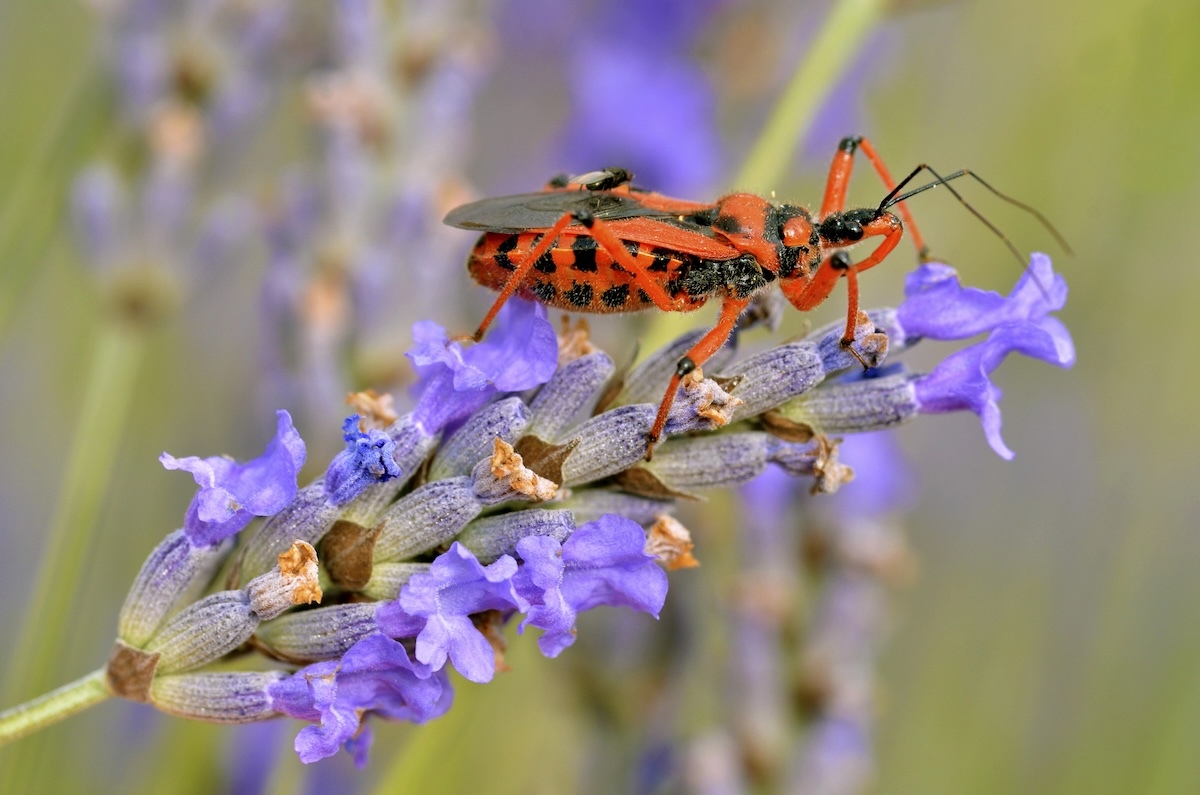 Photo Credit: Christian at Deposit Photos
In the sun-drenched corners of gardens and fields, the assassin bug, scientifically known as Reduviidae, lurks with an air of quiet confidence. With its sleek, elongated body and sharp mouthparts, this small predator is a master of stealth, blending seamlessly into its surroundings. Imagine a tiny ninja, poised and ready, waiting for the perfect moment to strike. Its striking appearance and remarkable hunting skills have captivated scientists and nature enthusiasts alike, making it a subject of fascination in the world of entomology.
As the sun rises, the assassin bug embarks on its daily adventure, navigating through vibrant flowers and tall grasses. Here, it plays a crucial role in the ecosystem, preying on a variety of insects and helping to keep pest populations in check. This tiny creature is not just a predator; it is a vital player in the intricate web of life. With its unique adaptations and behaviors, the assassin bug invites us to explore the wonders of nature, revealing the hidden dramas that unfold in our backyards and beyond. Join us as we delve deeper into the life of this extraordinary insect, uncovering the secrets of its survival and the impact it has on the world around us.
The assassin bug, belonging to the family Reduviidae, occupies a distinctive niche in the animal kingdom. These intriguing insects are known for their predatory behavior, using a specialized mouthpart called a proboscis to pierce and suck the fluids from their prey. With over 7,000 species worldwide, assassin bugs showcase a variety of shapes, sizes, and colors, making them a captivating subject for entomologists and nature enthusiasts alike. Their unique hunting strategy and impressive camouflage abilities set them apart in the vast tapestry of life.
| Taxonomic Rank | Scientific Name | Meaning & Significance |
|---|---|---|
| Kingdom | Animalia | The name “Animalia” comes from the Latin word “animalis,” meaning “having breath” or “living.” This classification includes all multicellular organisms that are capable of movement and responsive to their environment. |
| Phylum | Arthropoda | “Arthropoda” means “jointed legs” in Greek, highlighting the characteristic jointed appendages that define this diverse group, which includes insects, arachnids, and crustaceans. |
| Class | Insecta | The term “Insecta” is derived from the Latin word “insectum,” meaning “cut into sections.” This refers to the three-part body structure of insects, which includes the head, thorax, and abdomen. |
| Order | Hemiptera | “Hemiptera” translates to “half-wing” in Greek, a nod to the unique structure of their wings, which are often partially hardened and membranous, giving them a distinctive appearance. |
| Family | Reduviidae | The name “Reduviidae” comes from the Latin word “reducere,” meaning “to bring back.” This reflects the predatory nature of these bugs, as they “bring back” their prey to consume. |
| Genus | Reduvius | “Reduvius” is derived from the Latin word “reduvius,” which means “to strike back.” This is fitting for these insects, known for their swift and lethal hunting techniques. |
Understanding the taxonomic position of the assassin bug reveals much about its evolutionary journey. As members of the Hemiptera order, they share a lineage with other true bugs, which have adapted various feeding strategies over millions of years. Their predatory lifestyle and specialized adaptations, such as their piercing mouthparts, illustrate how evolution shapes the survival strategies of species. The assassin bug’s place in the tree of life not only highlights its unique characteristics but also connects it to a broader narrative of adaptation and survival in the natural world.
The evolutionary journey of the assassin bug, a member of the family Reduviidae, stretches back millions of years, intertwining with the history of insects themselves. These cunning predators have adapted and evolved through various environmental changes, showcasing a remarkable ability to survive and thrive in diverse habitats. Their lineage can be traced to ancient ancestors that roamed the Earth long before the rise of mammals, making them a fascinating subject of study in the world of entomology.
The earliest forms of assassin bugs likely resembled other primitive insects, with simple body structures and basic predatory habits. Over time, they underwent significant evolutionary transitions, developing specialized mouthparts known as proboscis. This elongated structure allows them to pierce the exoskeletons of their prey, injecting potent saliva that liquefies the insides, making it easier to consume. As they evolved, their hunting strategies became more sophisticated, leading to the development of camouflage techniques that help them blend into their surroundings, enhancing their ability to ambush unsuspecting victims.
These adaptations have been crucial for the survival of assassin bugs in a world filled with challenges. Their specialized mouthparts and hunting techniques allow them to efficiently capture prey, while their camouflage helps them avoid becoming a meal themselves. The agility and versatility in their diet ensure that they can thrive in various environments, from lush forests to arid deserts. As a result, assassin bugs continue to be a successful and enduring group within the insect kingdom, showcasing the power of evolution in shaping life on Earth.
The assassin bug is a striking insect that captures attention with its sleek, elongated body and predatory prowess. With a size that typically ranges from 1 to 10 milligrams, these bugs may be small, but they pack a punch in the world of insects. Their most distinctive feature is the long, piercing beak, or proboscis, which they use to inject venom into their prey. This beak is not just for show; it’s a powerful tool that allows them to subdue insects much larger than themselves. The overall impression of an assassin bug is one of stealth and efficiency, perfectly designed for a life of hunting.
| Feature | Description |
|---|---|
| Size | 1-10 milligrams |
| Color | Often brown or black, providing excellent camouflage |
| Skin Type | Exoskeleton, which protects their body and helps retain moisture |
| Most Distinctive Feature | Long piercing beak or proboscis for injecting venom |
The combination of their small size, muted colors, and specialized mouthparts makes assassin bugs formidable hunters. Their exoskeleton not only shields them from predators but also helps them blend into their surroundings, making them nearly invisible to both prey and threats. This clever design allows them to ambush unsuspecting insects, ensuring their survival in a world where every meal counts. With each feature working in harmony, the assassin bug exemplifies the beauty of nature’s engineering, showcasing how form and function come together in the wild.
The assassin bug thrives in a variety of habitats that paint a vivid picture of its adaptability. Picture a sun-drenched garden bursting with colorful flowers, or a sprawling field where tall grasses sway in the breeze. These bugs can also be found lurking in the shadows of dense forests, where the dappled sunlight creates a mosaic of light and dark. Their homes are often rich with life, providing plenty of opportunities for hunting and hiding.
Assassin bugs prefer warm climates, often found in areas where temperatures are mild to hot. They thrive in environments that offer a mix of sun and shade, as these conditions help regulate their body temperature. Moisture levels can vary, but they generally favor places where they can find both dry and humid spots. This flexibility allows them to adapt to different ecosystems, from lush forests to open grasslands.
These insects have developed remarkable adaptations to their surroundings. Their ability to camouflage themselves among leaves and flowers helps them ambush unsuspecting prey. With their long, slender bodies and specialized mouthparts, they can strike quickly and efficiently. This stealthy approach is essential for survival in diverse habitats, allowing them to blend in and become masters of their environment.
The daily life of an assassin bug is a blend of stealth, patience, and precision. These insects are primarily solitary hunters, spending much of their time lurking in wait for unsuspecting prey. With their keen eyesight and sharp instincts, they can spot potential meals from a distance. When hunger strikes, they spring into action, using their specialized mouthparts to inject venom into their victims, immobilizing them before enjoying a meal. This predatory routine is not just about survival; it’s a finely tuned dance of nature that showcases their remarkable hunting skills.
While assassin bugs are mostly solitary, they do exhibit interesting behaviors when it comes to their interactions with others of their kind. They don’t form social groups like some insects, but they can be found in the same area, especially when food is abundant. During mating season, males and females come together, engaging in a courtship ritual that involves intricate movements and pheromone signals. These chemical signals are like a secret language, helping them find each other in the vast world around them. Once mating is complete, the female lays her eggs in a safe spot, ensuring the next generation has a chance to thrive.
| Behavior Type | Description |
|---|---|
| Hunting | Assassin bugs are solitary hunters, using stealth to ambush prey. They inject venom to immobilize their victims before feeding. |
| Mating Rituals | During mating season, males and females engage in courtship displays, using movements and pheromones to attract each other. |
| Communication | They communicate primarily through chemical signals, which help them locate mates and establish territory. |
The behaviors of assassin bugs are finely tuned to ensure their survival in a world filled with challenges. Their solitary hunting strategy allows them to be efficient predators, while their mating rituals ensure the continuation of their species. By mastering the art of ambush and communication, these insects navigate their environment with skill, proving that even the smallest creatures can have a significant impact on their ecosystem.
The assassin bug is a true carnivore, meaning it primarily feeds on other animals. Its diet mainly consists of insects, which it skillfully hunts and captures. With its sharp mouthparts, the assassin bug injects a potent saliva into its prey, which helps to liquefy the insides, making it easier to consume. This clever feeding strategy allows the assassin bug to enjoy a meal of its favorite foods, which include a variety of smaller insects.
| Dietary Aspect | Details |
|---|---|
| Diet Type | Carnivore |
| Favorite Foods | Smaller insects, such as aphids and caterpillars |
| Prey Items | Various insects, including beetles and flies |
| Hunting Strategies | Stealthy ambush and quick strikes |
This diet plays a crucial role in the assassin bug’s ecology and daily routine. By preying on a range of insects, these bugs help control pest populations, contributing to the balance of their ecosystems. Their hunting behavior, characterized by patience and precision, allows them to thrive in diverse environments. As they go about their day, the assassin bug’s role as a predator not only shapes its own survival but also influences the health of the habitats they inhabit.
As the warm days of spring arrive, assassin bugs engage in a captivating courtship dance. Males often perform elaborate displays to attract females, showcasing their strength and agility. This breeding season is crucial, as it sets the stage for the next generation of these fascinating insects. Once a female selects a mate, the pair will mate, and the female will begin the process of laying her eggs, ensuring the continuation of their lineage.
| Reproductive Aspect | Details |
|---|---|
| Gestation Period | 2 weeks |
| Litter Size | 20 to 30 eggs |
| Age of Maturity | 4 to 6 weeks |
| Name of Young | Nymphs |
After the eggs hatch, the young assassin bugs, known as nymphs, emerge ready to face the world. These nymphs look like miniature versions of adults but lack fully developed wings. They begin their lives by feeding on small insects, honing their predatory skills as they grow. While assassin bugs do not provide direct parental care, the nymphs are equipped with instincts that guide them in their quest for survival. As they molt and mature over the next few weeks, they will eventually transform into fully grown adults, ready to continue the cycle of life in their vibrant ecosystems.
The assassin bug plays a vital role in the food web, acting as both predator and prey. These cunning insects are skilled hunters, feeding on a variety of smaller insects, which helps control pest populations. However, their position in the ecosystem also makes them targets for larger predators. Understanding the dangers they face is essential to appreciating their role in nature.
To survive these threats, assassin bugs have developed several clever defensive behaviors. They often rely on their camouflage, blending into their surroundings to avoid detection. Some species can even mimic the appearance of harmless insects, tricking predators into leaving them alone. Additionally, when threatened, they may use their sharp mouthparts to deliver a painful bite, deterring attackers. These strategies help them navigate the dangers of their environment, ensuring they continue to thrive in the wild.
A keystone species is an organism that has a disproportionately large impact on its environment relative to its abundance. In other words, if it were removed, the ecosystem would change dramatically. The assassin bug, with its role as a predator, qualifies as a keystone species in many ecosystems. By controlling the populations of other insects, it helps maintain a balance that supports a diverse range of life.
The ecological impact of the assassin bug is significant. As a carnivore, it primarily feeds on other insects, including pests that can damage crops and gardens. By keeping these populations in check, assassin bugs contribute to healthier plant communities. For example, in a garden, their presence can reduce the number of aphids, which are notorious for sucking the life out of plants. This not only benefits the plants but also the other animals that rely on them for food and shelter.
Moreover, assassin bugs serve as a food source for various birds and larger insects. Their role in the food web is crucial; without them, the predators that rely on them would struggle to find enough food. This ripple effect can lead to a decline in bird populations, which in turn affects the plants that depend on those birds for seed dispersal.
The assassin bug also plays a role in nutrient cycling. As it preys on insects, it helps break down organic matter, returning nutrients to the soil. This process is vital for maintaining soil health, which supports plant growth and, ultimately, the entire ecosystem.
If the assassin bug were to disappear, the consequences could be severe. Pest populations would likely explode, leading to increased damage to crops and gardens. This could result in a decline in plant health, affecting not only the plants themselves but also the animals that depend on them for food and habitat. The balance of the ecosystem would be disrupted, potentially leading to a cascade of extinctions and a loss of biodiversity. In essence, the absence of this small but mighty predator could create a ripple effect that alters the entire landscape of its habitat.
The assassin bug occupies a vital ecological niche as a predator in various habitats, including gardens, fields, grasslands, and forests. By preying on a wide range of insects, these remarkable bugs help maintain the balance of their ecosystems. Their presence ensures that populations of other insects do not explode, which could lead to overgrazing of plants and disruption of the food web. In this way, assassin bugs play a crucial role in promoting biodiversity and supporting healthy ecosystems.
| Ecosystem Service | Impact |
|---|---|
| Pest Control | Reduces populations of harmful insects, protecting plants and crops. |
| Food Source | Serves as prey for birds and other predators, contributing to the food web. |
| Soil Health | Encourages a balanced ecosystem that supports healthy soil through natural pest management. |
The influence of assassin bugs can be seen in their hunting techniques and the species they target. For instance, by feeding on aphids and caterpillars, they help protect plants from damage that these pests can cause. This not only benefits the plants but also the animals that rely on those plants for food. In gardens, the presence of assassin bugs can lead to healthier crops and more vibrant ecosystems, as they keep pest populations in check. Their predatory nature ensures that the balance of life is maintained, allowing various species to thrive.
The broader ecological importance of assassin bugs cannot be overstated. As keystone species, their role in controlling pest populations and serving as a food source for other animals highlights their significance in maintaining the health of ecosystems. Without these skilled hunters, the delicate balance of nature could be disrupted, leading to cascading effects throughout the food web. By understanding and appreciating the role of assassin bugs, we can better recognize the intricate connections that sustain life on our planet.
In the intricate web of life, symbiosis plays a crucial role in shaping the relationships between different species. Symbiosis refers to the close interactions between organisms, which can be beneficial, harmful, or neutral. These relationships can take many forms, such as mutualism, where both species gain advantages; parasitism, where one benefits at the expense of the other; and commensalism, where one species benefits while the other is neither helped nor harmed. The assassin bug, a skilled predator, engages in various ecological relationships that highlight the complexity of nature.
| Species/Type | Relationship Type | Description |
|---|---|---|
| Ants | Mutualistic | Some assassin bugs benefit from ants by receiving protection from predators in exchange for providing the ants with food sources, such as honeydew from aphids. |
| Aphids | Parasitic | Assassin bugs prey on aphids, feeding on them to sustain themselves, which can lead to a decline in aphid populations. |
| Plants | Commensal | Assassin bugs often inhabit plants, using them as a vantage point for hunting without affecting the plants themselves. |
These relationships have evolved over time, shaped by the needs and behaviors of the species involved. The mutualistic bond with ants showcases how cooperation can enhance survival, while the predatory nature of assassin bugs highlights the balance of ecosystems. By preying on aphids, they help control pest populations, benefiting plants and farmers alike. Meanwhile, their commensal relationship with plants allows them to thrive without causing harm. Such interactions illustrate the delicate dance of life, where each species plays a part in the grand story of nature.
Assassin bugs are not just your average insects; they are fascinating predators with some surprising traits that make them stand out in the animal kingdom. Here are some intriguing facts that will surely captivate nature enthusiasts of all ages.
Throughout history, assassin bugs have danced on the fringes of human awareness, often overlooked yet culturally significant in various regions. In some cultures, these insects have been associated with folklore and myth, symbolizing stealth and cunning. Their predatory nature has sparked curiosity and fear alike, as they are known for their ability to deliver a painful bite. In ancient times, people may have viewed them as omens or messengers, reflecting the complex relationship humans have had with nature’s more enigmatic creatures.
In modern times, the interactions between assassin bugs and humanity have evolved, particularly in the realms of agriculture and pest control. Farmers often welcome these insects into their fields, as they help manage pest populations by preying on harmful insects. However, there can be conflict when assassin bugs venture too close to human habitats, leading to unwanted encounters. While they are not domesticated, their role in natural pest management highlights the importance of understanding and preserving their populations. Conservation efforts are increasingly recognizing the value of these insects in maintaining ecological balance.
Looking ahead, the future of the relationship between assassin bugs and humanity holds promise. As awareness of biodiversity and ecological health grows, more people may come to appreciate these insects not just as pests but as vital players in our ecosystems. By fostering a deeper understanding of their role in nature, we can work towards a harmonious coexistence that benefits both humans and the remarkable world of insects. Embracing this relationship could lead to innovative solutions in agriculture and conservation, ensuring that assassin bugs continue to thrive alongside us.
The conservation status of the assassin bug is currently classified as “Least Concern” by the International Union for Conservation of Nature (IUCN). This means that, overall, these insects are not facing immediate threats that could lead to their extinction. However, specific population estimates remain unknown, making it difficult to assess their numbers accurately. While they are generally widespread and adaptable, ongoing monitoring is essential to ensure their populations remain stable.
| Conservation Factor | Status/Details |
|---|---|
| IUCN Status | Least Concern |
| Estimated Population Size | Unknown |
| Population Trend | Stable |
Despite their current stable status, assassin bugs face several threats that could impact their populations in the future. Habitat loss due to urbanization and agricultural expansion can reduce the areas where these insects thrive. Additionally, the use of pesticides in farming can harm not only the assassin bugs but also their prey, disrupting the delicate balance of the ecosystem. Climate change may also alter their habitats, affecting their survival and reproduction.
Conservation efforts for assassin bugs are not as prominent as for some other species, but awareness is growing. Protecting their habitats through sustainable practices and reducing pesticide use can help maintain healthy populations. Educating communities about the ecological role of these insects is also vital, as they contribute to pest control in gardens and fields. With continued attention and care, the outlook for assassin bugs remains positive, ensuring they continue to play their essential role in the ecosystem.
| Question | Answer |
|---|---|
| What is the habitat of the Assassin Bug? | Assassin Bugs can be found in a variety of habitats, including gardens, fields, grasslands, and forests. They thrive in places where they can easily find their prey and hide from predators. |
| What do Assassin Bugs eat? | Assassin Bugs are carnivores, meaning they primarily eat other insects. They use their long, piercing beak, called a proboscis, to inject venom into their prey, which helps to digest it before they consume it. |
| How do Assassin Bugs behave? | These bugs are known for their stealthy hunting techniques. They often lie in wait for unsuspecting insects to come close, then strike quickly to capture their meal. |
| How do Assassin Bugs reproduce? | Assassin Bugs reproduce by laying eggs, which can be found in clusters on leaves or other surfaces. After a few weeks, the eggs hatch into nymphs, which resemble miniature adults and will grow through several molts before reaching maturity. |
| What threats do Assassin Bugs face? | While Assassin Bugs are currently classified as Least Concern in terms of conservation status, they can face threats from habitat loss and pesticide use. These factors can reduce their food supply and living spaces. |
| What is an interesting characteristic of Assassin Bugs? | One of the most distinctive features of Assassin Bugs is their long proboscis, which they use to pierce and inject venom into their prey. This adaptation makes them effective hunters in the insect world. |
| Can Assassin Bugs be harmful to humans? | While Assassin Bugs are not typically dangerous to humans, their bite can be painful and may cause irritation. It's best to admire these fascinating creatures from a distance! |