Taxonomy & Classification
- Kingdom
- Animalia
- Phylum
- Mollusca
- Class
- Gastropoda
- Order
- Neogastropoda
- Family
- Nassariidae
- Genus
- Clea
- Species
- Clea helena

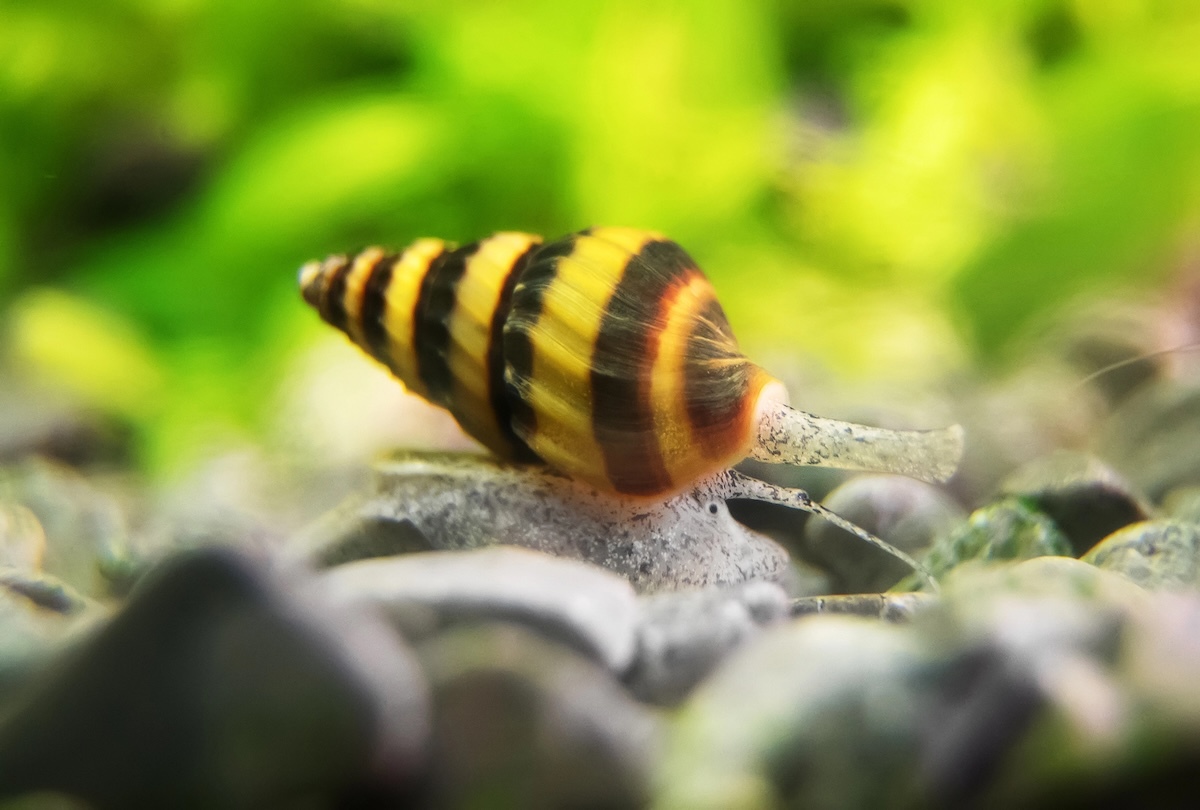 Photo Credit: mproduction at Deposit Photos
In the shimmering waters of tropical freshwater habitats, the Assassin Snail, scientifically known as Clea, glides with an elegance that captivates all who encounter it. Picture a serene river, its surface reflecting the dappled sunlight filtering through lush green leaves. Here, among the gentle currents and vibrant aquatic plants, the Assassin Snail makes its home, showcasing a sleek, elongated body and a striking spiral shell that serves as both armor and a work of art. This remarkable mollusk is not just a pretty face; it plays a vital role in its ecosystem, fascinating scientists and nature lovers alike with its unique hunting skills and nocturnal lifestyle.
As night falls and the world quiets, the Assassin Snail awakens, ready to embark on its nightly adventures. With a diet primarily consisting of smaller snails and worms, it employs clever techniques to hunt its prey, making it a true carnivore in the aquatic realm. This intriguing behavior highlights the delicate balance of life in its environment, where the Assassin Snail acts as both predator and prey. Its presence is a reminder of the intricate web of relationships that sustain the vibrant ecosystems of our planet, inviting us to explore and appreciate the wonders of the natural world.
The Assassin Snail, scientifically known as Clea, occupies a distinctive position in the animal kingdom. It belongs to the phylum Mollusca, which includes a vast array of soft-bodied animals like snails, clams, and octopuses. What sets the Assassin Snail apart is its predatory nature; unlike many of its fellow mollusks that primarily graze on algae or detritus, this snail actively hunts down its prey, which often includes other snails. This unique behavior not only makes it an intriguing subject of study but also highlights the diverse adaptations that have evolved within the animal kingdom.
| Taxonomic Rank | Scientific Name | Meaning & Significance |
|---|---|---|
| Kingdom | Animalia | This name signifies that the Assassin Snail is part of the broad group of multicellular organisms that are typically motile and consume organic material. |
| Phylum | Mollusca | Derived from the Latin word “mollis,” meaning soft, this classification reflects the soft-bodied nature of snails and their relatives. |
| Class | Gastropoda | This term comes from Greek, meaning “stomach foot,” which describes how these animals move using a muscular foot located on their belly. |
| Order | Neogastropoda | This name indicates a more advanced group of snails that have developed specialized feeding habits, including predation. |
| Family | Nassariidae | Named after the Latin word “nassarius,” meaning “nose,” this family includes snails known for their elongated shells and burrowing habits. |
| Genus | Clea | This name is derived from the Greek word “kleos,” meaning glory, possibly referring to the snail’s striking appearance and predatory prowess. |
Understanding the Assassin Snail’s classification reveals much about its evolutionary journey. As a member of the Neogastropoda order, it showcases adaptations that have allowed it to thrive as a predator in aquatic environments. This evolutionary path highlights the dynamic interplay between species and their habitats, illustrating how some mollusks have evolved from simple grazers to complex hunters. The Assassin Snail not only enriches our understanding of biodiversity but also serves as a reminder of the intricate relationships that exist within ecosystems.
The evolutionary journey of the Assassin Snail, belonging to the genus Clea, stretches back millions of years, tracing its roots through the rich tapestry of life in aquatic environments. These snails are part of the family Nassariidae, which has adapted to various habitats, showcasing the incredible diversity of mollusks. As we explore their history, we uncover a story of survival, adaptation, and the intricate dance of life in freshwater ecosystems.
Ancestral forms of the Assassin Snail likely emerged from early mollusks that inhabited ancient seas. Over time, these ancestors transitioned from marine to freshwater environments, adapting to new challenges and opportunities. This shift required significant changes in their physiology and behavior, allowing them to thrive in diverse habitats. The development of specialized feeding mechanisms, such as a long, extendable proboscis, enabled them to hunt for prey effectively. This adaptation was crucial as it allowed them to exploit a niche that few other snails could, feeding on smaller invertebrates and detritus.
The adaptations of the Assassin Snail have been vital for its survival in the ever-changing landscapes of freshwater ecosystems. By evolving specialized feeding techniques and protective features, these snails have carved out a niche that allows them to thrive where competition is fierce. Their ability to adapt not only showcases the resilience of life but also highlights the intricate connections within the web of nature, where every species plays a role in the balance of its environment.
The Assassin Snail is a captivating marvel of nature, showcasing a sleek and elongated body that glides gracefully through freshwater habitats. Its shell, a striking spiral, is not just a protective armor but also a work of art, featuring intricate patterns and colors that can mesmerize any observer. The overall impression is one of elegance combined with a hint of danger, as this snail is known for its predatory habits, making it a true survivor in its watery world.
| Feature | Description |
|---|---|
| Size | Typically ranges from 1 to 2 inches in length. |
| Color | Often displays a mix of yellow, brown, and black, creating a striking camouflage against the substrate. |
| Shell Type | Spiral-shaped, smooth, and glossy, providing both beauty and protection. |
| Skin Type | Soft-bodied with a moist texture, allowing for efficient movement through water. |
| Eyes | Located on stalks, giving it a wide field of vision to spot prey and predators. |
The combination of these features not only enhances the Assassin Snail’s aesthetic appeal but also plays a crucial role in its survival. The coloration helps it blend into its environment, making it less visible to both prey and potential threats. Its streamlined shell allows for swift movement, essential for catching unsuspecting prey like small fish and other snails. With its keen eyesight, the Assassin Snail can navigate its surroundings effectively, ensuring it remains a formidable predator in the aquatic ecosystem.
The Assassin Snail thrives in the warm embrace of tropical freshwater environments. Picture a serene river winding through lush greenery, or a tranquil lake shimmering under the sun. These snails make their homes in a variety of aquatic settings, from slow-moving streams to bustling canals. Their habitats are often rich with plant life, providing both shelter and food, creating a vibrant ecosystem where they can flourish.
To thrive, the Assassin Snail requires specific climate and environmental conditions. They prefer warm waters, typically found in tropical regions where temperatures are consistently mild. These snails enjoy environments with plenty of vegetation, as it offers them both hiding spots and a source of food. The water quality is also crucial; they need clean, well-oxygenated water to stay healthy and active.
Adaptation is key to the Assassin Snail’s success in these habitats. Their ability to camouflage among plants helps them avoid predators while they hunt for food. They have developed a unique feeding mechanism that allows them to consume other snails, making them effective hunters in their watery homes. This combination of stealth and specialized feeding habits ensures that they thrive in the diverse ecosystems of tropical freshwater.
As the sun sets and darkness blankets the water, the Assassin Snail begins its nightly adventures. These snails are nocturnal, meaning they are most active during the night. As the moonlight dances on the surface of their freshwater homes, they emerge from their hiding spots among rocks and plants. With a graceful glide, they search for food, primarily hunting down pesky pest snails. Their keen sense of smell helps them locate their prey, making them skilled hunters in the underwater world.
In the depths of their aquatic habitats, Assassin Snails are not solitary creatures. They thrive in social groups, often seen moving together in small clusters. This sociable behavior allows them to share information about food sources and potential dangers. When one snail finds a meal, others may quickly join in, creating a lively scene of synchronized feeding. They communicate through subtle movements and chemical signals, which help them maintain their social bonds and coordinate their activities.
| Behavior Type | Description |
|---|---|
| Activity Patterns | Nocturnal foraging for food, primarily hunting other snails. |
| Social Structure | Live in small groups, sharing information about food and safety. |
| Communication Methods | Use movements and chemical signals to interact with one another. |
In this vibrant underwater community, the behaviors of the Assassin Snail play a crucial role in their survival. By being active at night, they avoid many predators that hunt during the day. Their social nature not only enhances their hunting success but also fosters a sense of safety in numbers. Together, they navigate their environment, ensuring that they thrive in the rich tapestry of life beneath the water’s surface.
The Assassin Snail is a true carnivore, meaning it primarily feeds on other animals. Its diet mainly consists of smaller snails and worms, which it skillfully hunts in its freshwater habitat. With a specialized feeding strategy, the Assassin Snail uses its unique anatomy to capture and consume its prey. This fascinating predator plays a vital role in controlling the population of other snails, helping to maintain a balanced ecosystem.
| Dietary Aspect | Details |
|---|---|
| Diet Type | Carnivore |
| Favorite Foods | Smaller snails and worms |
| Prey Items | Other freshwater snails and aquatic worms |
| Hunting/Foraging Strategies | Utilizes a specialized radula to scrape and consume prey |
The diet of the Assassin Snail significantly influences its role in the ecosystem. By preying on other snails, it helps prevent overpopulation, which can lead to unhealthy water conditions. This daily routine of hunting at night not only ensures its survival but also contributes to the overall health of its aquatic environment. In this way, the Assassin Snail is not just a predator; it is a crucial player in the intricate web of life in freshwater ecosystems.
When it comes to the mating rituals of the Assassin Snail, things get quite intriguing. These snails typically engage in courtship during the warmer months, when conditions are just right for breeding. Males and females will often come together in a dance of sorts, where they extend their bodies and exchange pheromones—chemical signals that help them find a mate. This enchanting behavior sets the stage for reproduction, as the snails prepare to lay their eggs in a safe environment.
| Reproductive Aspect | Details |
|---|---|
| Gestation Period | Approximately 2 to 4 weeks |
| Litter Size | Up to 100 eggs |
| Age of Maturity | About 6 months |
| Name of Young | Juveniles |
Once the eggs are laid, they are often placed in a secure spot, like on the underside of leaves or rocks, where they are less likely to be disturbed. After a gestation period of about two to four weeks, the young snails, known as juveniles, emerge. These tiny snails are miniature versions of their parents and are ready to start their own adventures. While Assassin Snails do not provide direct parental care, the choice of a safe location for their eggs helps ensure that the young have a better chance of survival as they grow and mature into adults. In just about six months, these juveniles will reach sexual maturity, ready to continue the cycle of life in their aquatic world.
The Assassin Snail plays a vital role in its aquatic food web, acting as both a predator and prey. While it skillfully hunts smaller snails and worms, it also faces various threats from larger animals that see it as a meal. This delicate balance keeps the ecosystem in check, highlighting the interconnectedness of life in freshwater habitats.
To survive these dangers, the Assassin Snail has developed several clever strategies. Its hard, spiral shell provides a sturdy defense against many predators, allowing it to retreat inside when threatened. Additionally, its nocturnal lifestyle helps it avoid daytime hunters, as it ventures out to hunt and feed under the cover of darkness. By staying alert and using its natural camouflage, the Assassin Snail navigates the challenges of its environment, ensuring its place in the ecosystem.
A keystone species is an organism that has a disproportionately large impact on its environment relative to its abundance. This means that if it were removed, the ecosystem would change dramatically. The Assassin Snail, known scientifically as Clea, plays a significant role in its tropical freshwater habitats, making it a candidate for a keystone species. Its presence helps maintain the balance of the ecosystem, particularly through its predatory behavior.
The Assassin Snail is a carnivore, primarily feeding on smaller snails and worms. By preying on these organisms, it helps control their populations, preventing overpopulation that could lead to a decline in water quality and habitat health. For example, if smaller snails were to multiply unchecked, they could consume too much algae, disrupting the food web and harming other aquatic life. The Assassin Snail’s hunting habits ensure that these populations remain in check, promoting a balanced ecosystem.
Additionally, the Assassin Snail is sociable, often found in groups. This behavior can enhance its effectiveness as a predator, as they can work together to hunt and consume prey more efficiently. Their presence also provides food for larger predators in the ecosystem, creating a dynamic food web. This interconnectedness highlights the importance of the Assassin Snail in maintaining the health of its aquatic environment.
If the Assassin Snail were to disappear, the consequences could be severe. Without this predator, smaller snail and worm populations could explode, leading to overconsumption of algae and other plant life. This imbalance could result in decreased oxygen levels in the water, harming fish and other aquatic organisms. The loss of the Assassin Snail would ripple through the ecosystem, demonstrating just how vital this small creature is to the health and stability of its environment.
The Assassin Snail, known scientifically as Clea, plays a crucial role in its tropical freshwater ecosystem. This fascinating mollusk occupies a unique ecological niche as a predator, primarily feeding on smaller snails and worms. By controlling the population of these organisms, the Assassin Snail helps maintain a balanced environment. Its presence ensures that no single species dominates, allowing for a diverse community of aquatic life to thrive.
| Ecosystem Service | Impact |
|---|---|
| Population Control | Regulates the numbers of smaller snails and worms, preventing overpopulation. |
| Nutrient Cycling | Contributes to the breakdown of organic matter, enriching the water with nutrients. |
| Habitat Structure | Influences the physical environment by creating spaces for other organisms to thrive. |
| Food Source | Serves as prey for larger fish and other aquatic animals, supporting the food web. |
The impact of the Assassin Snail extends beyond its role as a predator. By keeping the populations of smaller snails in check, it helps prevent the spread of diseases that can occur when these populations explode. Additionally, as it consumes organic matter, the Assassin Snail aids in nutrient cycling, which is essential for the health of aquatic plants and other organisms. This process enriches the water, making it a more hospitable environment for a variety of life forms.
The broader ecological importance of the Assassin Snail cannot be overstated. As a keystone species, its presence is vital for maintaining the balance of its ecosystem. If the Assassin Snail were to disappear, the consequences could be severe, leading to overpopulation of certain species and a decline in biodiversity. This delicate balance highlights the interconnectedness of life in freshwater habitats, reminding us that even the smallest creatures can have a significant impact on their environment.
In the intricate web of life, symbiosis refers to the close interactions between different species, which can take on various forms. These relationships can be mutualistic, where both species benefit; parasitic, where one benefits at the expense of the other; or commensal, where one benefits while the other is neither helped nor harmed. The Assassin Snail, known for its predatory habits, engages in several fascinating ecological relationships that highlight the complexity of its environment.
| Species/Type | Relationship Type | Description |
|---|---|---|
| Smaller Snails | Predatory | The Assassin Snail preys on smaller snails, helping to control their populations in freshwater habitats. |
| Worms | Predatory | Worms are also part of the Assassin Snail’s diet, showcasing its role as a carnivore in the ecosystem. |
| Freshwater Plants | Commensal | While not directly interacting, the presence of Assassin Snails can help maintain healthy plant life by controlling algae and detritus. |
The relationships that the Assassin Snail has developed over time are a testament to the evolutionary pressures it has faced in its tropical freshwater habitat. By preying on smaller snails and worms, it not only secures its own survival but also helps maintain a balanced ecosystem. This balance is crucial, as it prevents any one species from overwhelming the environment. The commensal relationship with freshwater plants further illustrates how interconnected life can be, with each species playing a role in the health of its habitat. Through these interactions, the Assassin Snail exemplifies the beauty and complexity of nature’s partnerships.
The Assassin Snail, known for its intriguing hunting techniques and vibrant presence in freshwater habitats, is a captivating subject for nature enthusiasts. Here are some surprising facts that reveal just how extraordinary this little mollusk truly is.
Throughout history, the Assassin Snail has captured the imagination of many cultures, often symbolizing the delicate balance of life in aquatic ecosystems. In various regions, these snails have been admired for their unique hunting abilities and striking appearance. Ancient communities may have viewed them as omens or symbols of transformation, reflecting the mysteries of nature. Their presence in folklore and art highlights humanity’s long-standing fascination with the natural world, where even the smallest creatures can hold significant meaning.
In modern times, the relationship between humans and Assassin Snails has evolved, particularly in the context of conservation and aquarium keeping. As awareness of biodiversity grows, these snails are recognized for their role in maintaining healthy freshwater ecosystems. They help control populations of smaller snails, which can become pests in aquariums. However, conflicts arise when they are introduced to non-native environments, where they can disrupt local ecosystems. Responsible aquarium enthusiasts often seek to domesticate these snails, ensuring they thrive in controlled settings while minimizing their impact on wild populations.
Looking ahead, the future of the relationship between Assassin Snails and humanity holds promise and challenges. As we continue to explore the delicate balance of ecosystems, these snails may serve as indicators of environmental health. By fostering a deeper understanding of their role in nature, we can ensure that our interactions with them are beneficial for both the snails and the ecosystems they inhabit. With responsible practices and a commitment to conservation, we can appreciate the Assassin Snail not just as a captivating creature, but as a vital part of our shared planet.
The conservation status of the Assassin Snail, scientifically known as Clea, is currently classified as “Not Listed” by the International Union for Conservation of Nature (IUCN). This means that there is not enough information to determine whether the species is facing significant threats or if its population is stable. While specific population estimates are not available, the overall trend for the species remains unclear, leaving researchers and conservationists with questions about its long-term viability.
| Conservation Factor | Status/Details |
|---|---|
| IUCN Status | Not Listed |
| Population Estimates | Unknown |
| Trend Direction | Uncertain |
Despite its intriguing lifestyle, the Assassin Snail faces several threats that could impact its future. Habitat destruction is a significant concern, as freshwater ecosystems are often altered or polluted by human activities such as agriculture and urban development. Additionally, the introduction of invasive species can disrupt the delicate balance of these habitats, potentially leading to competition for resources. These factors can create challenges for the Assassin Snail, making it harder for them to thrive in their natural environments.
Conservation efforts for the Assassin Snail are still in their infancy, primarily due to the lack of detailed research on its population dynamics and habitat needs. However, raising awareness about the importance of freshwater ecosystems is crucial. Protecting these habitats not only benefits the Assassin Snail but also supports countless other species that share its environment. As scientists continue to study this fascinating mollusk, there is hope that targeted conservation strategies can be developed to ensure its survival and the health of the ecosystems it inhabits.
| Question | Answer |
|---|---|
| What is the natural habitat of the Assassin Snail? | Assassin Snails thrive in tropical freshwater environments. You can find them in rivers, lakes, reservoirs, canals, streams, and even in aquariums, where they help keep the ecosystem balanced. |
| What do Assassin Snails eat? | These snails are carnivores, meaning they primarily eat meat. Their diet mainly consists of other snails, which they hunt down using their specialized feeding structure called a radula, a tongue-like organ with tiny teeth. |
| How do Assassin Snails behave in their environment? | Assassin Snails are known for their unique hunting behavior. They are quite active and can often be seen moving around their habitat, searching for prey and exploring their surroundings. |
| How do Assassin Snails reproduce? | Assassin Snails are hermaphrodites, which means they have both male and female reproductive organs. They can mate with any other Assassin Snail, and after mating, they lay eggs that hatch into tiny snails. |
| What threats do Assassin Snails face? | While Assassin Snails are not currently listed as endangered, they can face threats from habitat destruction and pollution. Changes in water quality can impact their populations, as they rely on clean, freshwater environments. |
| What are some interesting characteristics of Assassin Snails? | One fascinating feature of Assassin Snails is their ability to hunt and consume other snails, which helps control snail populations in their habitat. They also have a beautiful, spiral-shaped shell that can vary in color, making them popular in aquariums. |
| Can Assassin Snails be kept in aquariums? | Yes, Assassin Snails are popular in home aquariums because they help keep the tank clean by eating unwanted pest snails. They are generally peaceful and can coexist with many other fish and invertebrates. |