Taxonomy & Classification
- Kingdom
- Animalia
- Phylum
- Chordata
- Class
- Actinopterygii
- Order
- Gadiformes
- Family
- Gadidae
- Genus
- Gadus
- Species
- Gadus morhua

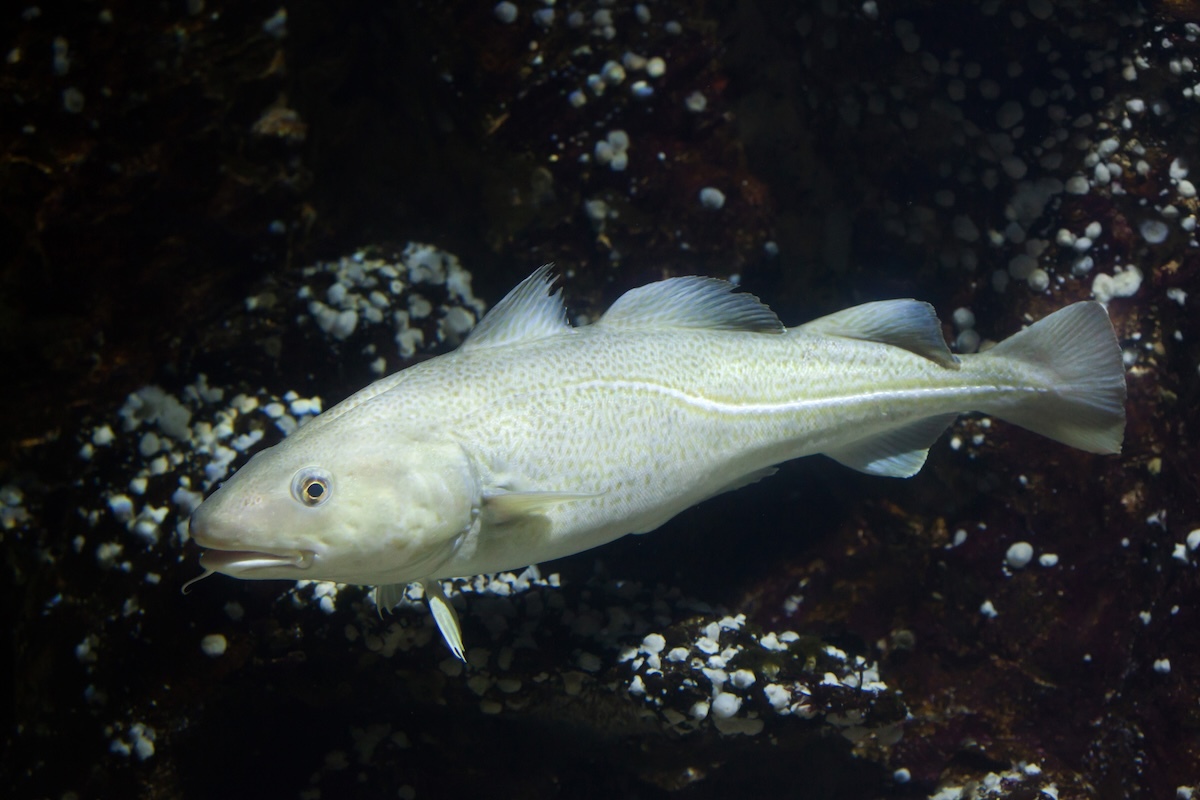 Photo Credit: wrangel at Deposit Photos
In the cool, shimmering waters of the North Atlantic Ocean swims the Atlantic cod, known scientifically as Gadus morhua. This fish is a true marvel of the marine world, boasting a robust, elongated body that can grow up to six feet long. With its mottled greenish-brown skin, dotted with lighter spots, the Atlantic cod blends seamlessly into its rocky underwater habitat. Imagine diving into the depths where sunlight dances through the waves, illuminating the vibrant life below. Here, the cod glides gracefully, a master of its domain, captivating both scientists and nature lovers alike.
What makes the Atlantic cod particularly intriguing is its role as a keystone species, meaning it has a significant impact on the ecosystem around it. As a carnivore, it feasts on smaller fish and invertebrates, helping to maintain the balance of marine life. But the cod is not just a predator; it is also prey for larger animals, creating a complex web of interactions beneath the surface. With a rich evolutionary history and a fascinating life cycle that includes unique mating behaviors, the Atlantic cod is more than just a fish; it is a vital player in the story of the ocean. Join us as we explore the life of this remarkable fish, uncovering its secrets and the challenges it faces in a changing world.
The Atlantic cod, a well-known fish in the North Atlantic Ocean, holds a special place in the animal kingdom. It belongs to the phylum Chordata, which includes all animals with a backbone, and is classified under the class Actinopterygii, meaning it has a skeleton made of bone and fins supported by rays. This fish is not just a staple in many diets; it also plays a crucial role in marine ecosystems. With its streamlined body and keen senses, the Atlantic cod is a master of its underwater world, showcasing the incredible diversity of life that thrives in our oceans.
| Taxonomic Rank | Scientific Name | Meaning & Significance |
|---|---|---|
| Kingdom | Animalia | This name signifies that Atlantic cod are part of the vast group of multicellular organisms known as animals, which are characterized by their ability to move and respond to their environment. |
| Phylum | Chordata | Chordata comes from the Latin word “chorda,” meaning “string” or “cord.” This refers to the notochord, a flexible rod that supports the body, which all members of this phylum possess at some stage of their development. |
| Class | Actinopterygii | This class name means “ray-finned fishes.” It highlights the structure of the fins, which are supported by bony rays, allowing for agile swimming and maneuverability in the water. |
| Order | Gadiformes | The name Gadiformes is derived from “Gadus,” the genus name for cod, and it includes fish that share similar features, such as a soft body and a prominent barbel, which is a small, whisker-like appendage. |
| Family | Gadidae | This family name comes from the Latin word “gadus,” which means “cod.” It groups together various species of cod and related fish, emphasizing their shared characteristics and ecological roles. |
| Genus | Gadus | The genus name Gadus is directly linked to the fish’s identity, as it is the Latin term for cod. This classification helps scientists understand the evolutionary relationships among different species of cod. |
Understanding the Atlantic cod’s classification reveals much about its evolutionary journey. As a member of the Chordata phylum, it shares a common ancestry with all vertebrates, including mammals, birds, and reptiles. Its position within the Actinopterygii class highlights its adaptations to life in water, showcasing the evolutionary innovations that have allowed fish to thrive in diverse aquatic environments. The Atlantic cod’s lineage reflects millions of years of adaptation, making it a fascinating example of how life evolves and diversifies in response to changing ecosystems.
The Atlantic cod, scientifically known as Gadus morhua, has a rich evolutionary history that stretches back millions of years. This fish has adapted to the ever-changing environments of the North Atlantic Ocean, evolving through various stages to become the species we recognize today. Its journey through time is a testament to the power of natural selection and the ability of life to thrive in diverse conditions.
The ancestors of Atlantic cod were likely small, primitive fish that swam in ancient seas. Over time, these early fish underwent significant changes, adapting to their surroundings. One major transition was the development of a more streamlined body shape, which allowed them to swim faster and catch prey more efficiently. As they evolved, they also developed specialized features, such as a larger mouth and sharper teeth, enabling them to become effective predators. These adaptations were crucial as they began to exploit a wider range of food sources, including smaller fish and crustaceans.
The adaptations of the Atlantic cod have played a vital role in its survival over the ages. By developing a streamlined body and a large mouth, it became a formidable predator in its habitat. Its ability to thrive in cold waters opened up vast feeding opportunities, while its high reproductive rate ensured that even in the face of environmental challenges, the species could continue to flourish. This combination of traits has allowed the Atlantic cod to remain a key player in the marine ecosystem, showcasing the wonders of evolution in action.
The Atlantic cod is a striking fish that commands attention in the chilly waters of the North Atlantic. With a robust, elongated body, it can grow quite large, often reaching lengths of up to 6 feet. Its skin is covered in smooth scales that shimmer in shades of greenish-brown, allowing it to blend seamlessly with the rocky ocean floor. One of its most distinctive features is the single barbel, a small, whisker-like appendage on its chin, which helps it sense its surroundings in the murky depths. This combination of size and unique features makes the Atlantic cod a fascinating sight beneath the waves.
| Feature | Description |
|---|---|
| Size | Can grow up to 6 feet long |
| Color | Greenish-brown with lighter spots |
| Skin Type | Covered in smooth scales |
| Distinctive Feature | Single barbel on its chin |
The Atlantic cod’s physical features are not just for show; they play vital roles in its survival. The coloration helps it camouflage against predators and prey alike, while the barbel enhances its ability to detect food in dark, murky waters. This combination of size, color, and sensory adaptation allows the Atlantic cod to thrive in its environment, making it a true marvel of the ocean.
The Atlantic cod thrives in the cool, nutrient-rich waters of the North Atlantic Ocean. Picture a vast underwater world where sunlight filters down through the waves, illuminating rocky seabeds and sandy bottoms. Here, the cod finds its home among kelp forests and coral reefs, where it can hide from predators and hunt for food. This environment is bustling with life, from tiny plankton to larger fish, creating a vibrant ecosystem that supports the cod’s needs.
The Atlantic cod prefers colder waters, typically ranging from 32 to 50 degrees Fahrenheit. These temperatures are ideal for its survival, as they help maintain the oxygen levels in the water, which is crucial for the fish’s metabolism. The cod also favors areas with plenty of structure, like rocky outcrops and underwater ledges, where it can find shelter and abundant food sources. The presence of phytoplankton, tiny plants that float in the ocean, supports the entire food web, providing the cod with the nutrients it needs to thrive.
Over time, the Atlantic cod has developed several adaptations to excel in its chilly habitat. Its streamlined body allows for swift movement through the water, while its keen sense of smell helps it locate prey even in murky conditions. The cod’s ability to tolerate a range of salinity levels, or saltiness in the water, means it can thrive in various environments, from coastal areas to deeper ocean waters. These traits not only enhance its survival but also make it a vital part of the marine ecosystem, contributing to the balance of life in the North Atlantic.
The Atlantic cod leads a life that is both active and strategic, primarily during the twilight hours of dawn and dusk. This crepuscular lifestyle means that these fish are most active when the sun is low on the horizon, taking advantage of the dim light to hunt for food and avoid predators. During the day, they often rest in the safety of rocky crevices or among seaweed, conserving energy for their evening excursions. As they glide through the water, they search for small fish, crustaceans, and other tasty morsels, using their keen senses to detect movement and vibrations in their environment.
Socially, Atlantic cod are known to form schools, which are groups of fish that swim together. This behavior is not just for companionship; it also provides safety in numbers. When in a school, individual cod can better evade predators, as the group creates confusion and makes it harder for a hungry fish to target a single individual. Within these schools, cod communicate through subtle movements and body language, signaling to one another when to change direction or when danger is near. This social structure helps them thrive in their underwater world, as they work together to find food and stay safe.
| Behavior Type | Description |
|---|---|
| Activity Patterns | Active during dawn and dusk, resting during the day in rocky crevices or seaweed. |
| Social Structure | Form schools for safety and foraging, enhancing their chances of survival. |
| Communication Methods | Use body language and movements to signal to each other, especially in schools. |
The behaviors of Atlantic cod are finely tuned to ensure their survival in the vast ocean. By being crepuscular, they maximize their hunting efficiency while minimizing the risk of being seen by predators. Their social structure allows them to work together, making it easier to find food and evade threats. In this way, the Atlantic cod exemplifies how cooperation and timing can lead to success in the wild, showcasing the intricate balance of life beneath the waves.
The Atlantic cod has a diverse diet that plays a crucial role in its survival and ecological interactions. This fish is primarily a carnivore, meaning it mainly eats other animals. It has a keen sense of smell and excellent vision, which help it locate prey in the murky depths of the ocean. Atlantic cod are opportunistic feeders, meaning they will eat whatever is available, including a variety of fish and invertebrates. Their feeding behavior is not just about survival; it also shapes their role in the marine ecosystem.
| Dietary Aspect | Details |
|---|---|
| Diet Type | Carnivore |
| Favorite Foods | Herring, capelin, mackerel, and small haddock |
| Prey Items | Invertebrates and various fish species |
| Hunting/Foraging Strategies | Uses keen senses to locate prey, often hunting in groups during twilight hours |
The diet of the Atlantic cod not only influences its own health and growth but also impacts the entire marine food web. By preying on smaller fish and invertebrates, cod help maintain the balance of marine populations. Their feeding habits also dictate their daily routines, as they are most active during dawn and dusk when their prey is plentiful. This strategic feeding behavior ensures that Atlantic cod remain a vital part of their oceanic habitat, contributing to the rich tapestry of life beneath the waves.
When it comes to reproduction, Atlantic cod have a fascinating approach that begins with their mating behavior. During the breeding season, which typically occurs in the winter months, male cod engage in a lively courtship. They use a series of sounds and movements to attract females, creating a spectacle in the chilly waters. Once a female is ready to spawn, she releases her eggs into the water, where males fertilize them. This process is known as external fertilization, meaning the eggs and sperm meet outside the bodies of the fish.
| Reproductive Aspect | Details |
|---|---|
| Gestation Period | Not applicable; eggs are fertilized externally |
| Litter Size | Up to several million eggs |
| Age of Maturity | 2-3 years old |
| Name of Young | Fry |
After the eggs are fertilized, they drift in the ocean currents, where they will hatch into tiny fry. These young fish are on their own from the moment they emerge, as Atlantic cod do not provide parental care. The fry are incredibly small and vulnerable, but they have a remarkable ability to adapt to their environment. As they grow, they begin to feed on tiny plankton and gradually shift to larger prey. Over time, these fry develop into juvenile cod and eventually mature into adults, continuing the cycle of life in the vast ocean. The journey from fry to fully-grown cod is a testament to the resilience and adaptability of this species in the ever-changing marine world.
The Atlantic cod occupies a vital role in the marine food web, serving as both predator and prey. These fish are important hunters, feasting on smaller fish and invertebrates, while also being a key food source for larger marine animals. This dual role helps maintain the balance of the ocean ecosystem, but it also places them in the crosshairs of various threats.
To survive these dangers, Atlantic cod have developed several defensive behaviors. They often rely on their ability to blend into their surroundings, using camouflage to hide from predators. Additionally, they can swim quickly to escape threats, darting away in a flash when danger approaches. By staying in schools, they also increase their chances of survival, as there is safety in numbers. These strategies help them navigate the challenges of their underwater world, but the ongoing threats they face remind us of the delicate balance of ocean life.
A keystone species is an organism that has a disproportionately large impact on its environment relative to its abundance. In simpler terms, if you remove a keystone species from an ecosystem, it can cause significant changes or even collapse. The Atlantic cod, known scientifically as Gadus morhua, qualifies as a keystone species in its marine habitat. Its presence and behavior influence the structure and health of the entire ecosystem in which it resides.
Atlantic cod play a crucial role in maintaining the balance of marine life. As a top predator, they help regulate the populations of smaller fish and invertebrates. For example, by preying on species like herring and capelin, cod prevent these populations from exploding, which could lead to overgrazing of plankton and other essential resources. This balance is vital for the health of the entire marine food web, as it ensures that no single species dominates the ecosystem.
Moreover, Atlantic cod are also prey for larger marine animals, such as seals and sharks. This dual role as both predator and prey highlights their importance in the food chain. When cod are abundant, they support a variety of other species, creating a rich and diverse marine environment. Their schooling behavior, where they swim in groups, also enhances their survival and influences the hunting strategies of their predators.
If Atlantic cod were to disappear from their ecosystem, the consequences would be profound. Without cod to keep smaller fish populations in check, these species could multiply unchecked, leading to overgrazing of vital resources like plankton. This imbalance could ripple through the food web, affecting not only other fish but also marine mammals and seabirds that rely on a diverse diet. Ultimately, the loss of Atlantic cod could destabilize the entire marine ecosystem, highlighting just how critical this fish is to the health of our oceans.
The Atlantic cod plays a pivotal role in its ecosystem, acting as a keystone species in the North Atlantic Ocean. This means that its presence significantly influences the structure and health of the marine environment. By being both a predator and prey, the Atlantic cod helps maintain the balance of various populations, ensuring that no single species dominates the ecosystem. Its interactions with other marine life create a dynamic web of relationships that supports biodiversity and the overall health of the ocean.
| Ecosystem Service | Impact |
|---|---|
| Predation | Controls populations of smaller fish and invertebrates, preventing overpopulation. |
| Prey for larger species | Serves as a food source for seals, seabirds, and larger fish, supporting higher trophic levels. |
| Nutrient cycling | Contributes to nutrient distribution through its feeding habits and waste, enriching the ecosystem. |
| Habitat formation | Influences the structure of the seabed by interacting with the environment, affecting habitats for other species. |
The Atlantic cod’s influence can be seen in various ways. For instance, as a predator, it helps regulate the populations of smaller fish like herring and capelin. This predation prevents these species from overwhelming the ecosystem, which could lead to a decline in the health of the marine environment. Additionally, when cod are consumed by larger predators, such as sharks and seals, they provide essential nutrients that support these higher-level consumers. The cod’s feeding habits also contribute to nutrient cycling, as their waste enriches the water, promoting the growth of phytoplankton, the foundation of the marine food web.
The broader ecological importance of the Atlantic cod cannot be overstated. By maintaining the balance of marine life, it supports a diverse array of species, from tiny plankton to massive whales. The health of the Atlantic cod population is a strong indicator of the overall well-being of the North Atlantic ecosystem. When cod populations decline, it can lead to cascading effects throughout the food web, impacting everything from fishery yields to the survival of marine mammals. Thus, protecting the Atlantic cod is crucial not only for its own survival but for the health of the entire oceanic environment.
In the intricate web of life beneath the waves, Atlantic cod engage in various ecological relationships with other species. These interactions can be classified into three main types: mutualism, parasitism, and commensalism. Mutualism is when both species benefit from the relationship, while parasitism involves one species benefiting at the expense of the other. Commensalism is a more neutral relationship, where one species benefits without significantly affecting the other. Understanding these connections helps us appreciate the delicate balance of marine ecosystems.
| Species/Type | Relationship Type | Description |
|---|---|---|
| Cleaner fish (e.g., wrasses) | Mutualistic | Cleaner fish remove parasites and dead skin from the cod, benefiting from a meal while helping the cod stay healthy. |
| Sea lice | Parasitic | Sea lice attach to the cod, feeding on its blood and tissues, which can harm the fish and affect its health. |
| Remoras | Commensal | Remoras attach themselves to the cod, gaining a free ride and access to food scraps without harming the cod. |
These relationships have evolved over time, shaped by the needs and behaviors of the species involved. The mutualistic bond between Atlantic cod and cleaner fish is a great example of how cooperation can enhance survival. Meanwhile, the presence of parasites like sea lice highlights the challenges cod face in their environment. Commensal relationships, such as those with remoras, show how some species can thrive alongside others without causing harm. Together, these interactions illustrate the complexity of marine life and the importance of each species in maintaining a healthy ecosystem.
The Atlantic cod is not just a staple of the ocean; it’s a fish with a rich history and some surprising traits that make it truly captivating. Let’s dive into some lesser-known facts about this remarkable fish that will intrigue nature lovers of all ages.
The Atlantic cod has been a vital part of human history for centuries, shaping cultures and economies across the North Atlantic. From the early days of Viking explorers to the bustling fishing ports of New England, this fish has been a source of sustenance and livelihood. Cod was so important that it even influenced trade routes and settlement patterns. In many coastal communities, it became a symbol of identity, celebrated in folklore and cuisine. The famous dish of fish and chips, for instance, showcases the cod’s enduring presence in our diets and traditions.
Today, the relationship between Atlantic cod and humanity is more complex, marked by both conservation efforts and challenges. Overfishing has led to significant declines in cod populations, prompting urgent calls for sustainable practices. Governments and organizations are working to restore cod stocks through regulations and marine protected areas. However, conflicts arise as fishermen seek to balance their livelihoods with the need to protect this iconic species. Some innovative approaches, like aquaculture, aim to domesticate cod, providing an alternative source of fish while alleviating pressure on wild populations.
Looking ahead, the future of the Atlantic cod and its relationship with humanity hinges on our ability to adapt and innovate. As we learn more about the ecological importance of this fish, we must also embrace sustainable fishing practices and support conservation efforts. By fostering a respectful and balanced relationship with the Atlantic cod, we can ensure that this remarkable species continues to thrive in our oceans, enriching both our diets and our cultural heritage for years to come.
The Atlantic cod is currently classified as “Vulnerable” according to the International Union for Conservation of Nature (IUCN). This status reflects significant declines in its population over the past few decades, primarily due to overfishing and environmental changes. Once abundant in the North Atlantic, the numbers of Atlantic cod have plummeted, leading to serious concerns about their long-term survival.
| Conservation Factor | Status/Details |
|---|---|
| IUCN Status | Vulnerable |
| Population Estimates | Significantly reduced; exact numbers vary by region |
| Trend Direction | Decreasing |
The main threats to Atlantic cod are primarily human-induced. Overfishing has been the most significant factor, as large-scale fishing operations have removed vast numbers of these fish from the ocean. Additionally, changes in ocean temperature and acidity, driven by climate change, can disrupt their breeding and feeding patterns. Habitat degradation, such as the destruction of spawning grounds, further complicates their recovery.
Conservation efforts are underway to help restore Atlantic cod populations. These include implementing stricter fishing regulations, establishing marine protected areas, and promoting sustainable fishing practices. Scientists and conservationists are working together to monitor cod stocks and understand their ecology better. While the road to recovery is challenging, there is hope that with continued efforts, the Atlantic cod can rebound and once again thrive in the waters of the North Atlantic.
| Question | Answer |
|---|---|
| What is the habitat of Atlantic Cod? | Atlantic Cod are typically found in the cold waters of the North Atlantic Ocean. They prefer areas with rocky or sandy bottoms where they can hide from predators and hunt for food. |
| What do Atlantic Cod eat? | These fish are carnivorous, meaning they primarily eat other animals. Their diet includes smaller fish, crustaceans, and even some mollusks, making them skilled hunters in their underwater world. |
| How do Atlantic Cod behave? | Atlantic Cod are known for their curious nature and can often be seen swimming in schools. They are also quite territorial, especially during breeding season, and will defend their space from other fish. |
| How do Atlantic Cod reproduce? | Atlantic Cod reproduce by spawning, which means they release eggs and sperm into the water. This usually happens in the spring, and a single female can lay millions of eggs, which float in the ocean until they hatch. |
| What threats do Atlantic Cod face? | Atlantic Cod are currently classified as vulnerable due to overfishing and habitat loss. Climate change also poses a threat, as it can alter their habitats and food sources, making survival more challenging. |
| What is a unique characteristic of Atlantic Cod? | One of the most distinctive features of Atlantic Cod is the single barbel located on their chin. This barbel helps them sense their environment and find food on the ocean floor. |
| How long do Atlantic Cod live? | Atlantic Cod can live for quite a long time, often reaching ages of 10 to 20 years. Some individuals have even been known to live up to 25 years in the right conditions. |