Taxonomy & Classification
- Kingdom
- Animalia
- Phylum
- Chordata
- Class
- Actinopterygii
- Order
- Acipenseriformes
- Family
- Acipenseridae
- Genus
- Acipenser
- Species
- Acipenser oxyrinchus oxyrinchus

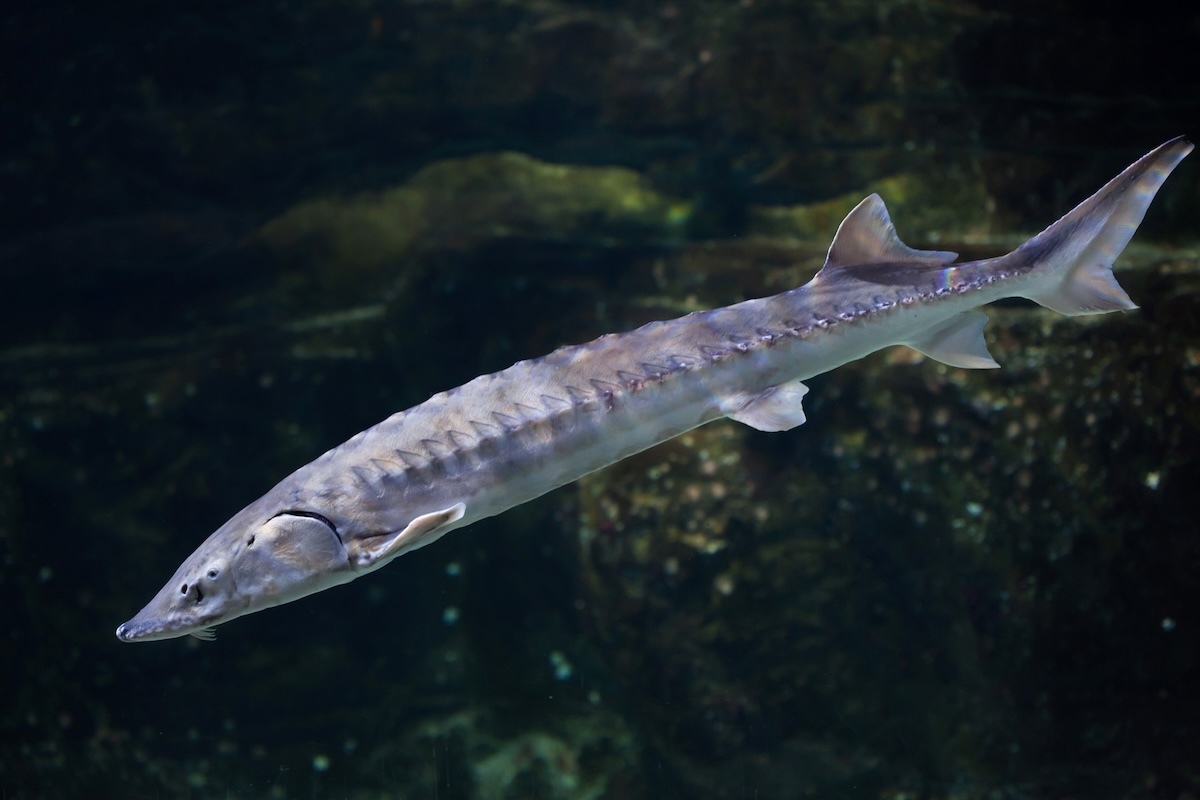 Photo Credit: wrangel at Deposit Photos
In the shimmering waters of the Atlantic Ocean, the Atlantic Sturgeon, known scientifically as Acipenser oxyrinchus, glides gracefully through its brackish habitat. This ancient fish, with its sleek, elongated body and distinctive bony plates, is a living link to a time when dinosaurs roamed the Earth. Imagine standing on the banks of a river, watching as this magnificent creature surfaces, its broad snout breaking the surface, revealing a mouth designed for foraging along the riverbed. With the ability to grow up to 14 feet long, the Atlantic Sturgeon is not just a sight to behold; it is a symbol of resilience and adaptability in the ever-changing aquatic world.
What makes the Atlantic Sturgeon particularly captivating to scientists and nature lovers alike is its remarkable journey through time and space. Having existed for over 200 million years, this fish has witnessed the rise and fall of entire ecosystems. Its unique adaptations, such as the ability to thrive in both salt and fresh water, showcase its evolutionary prowess. As it swims through estuaries and rivers, the Atlantic Sturgeon plays a vital role in its ecosystem, helping to maintain the balance of aquatic life. Yet, despite its impressive history and ecological importance, this species faces significant threats today, making its story one of both wonder and urgency. Join us as we dive deeper into the life of the Atlantic Sturgeon, exploring its habitat, behavior, and the challenges it faces in our modern world.
The Atlantic Sturgeon is a captivating member of the animal kingdom, sitting within the complex tree of life as a testament to ancient evolutionary history. This fish belongs to the Kingdom Animalia, which includes all animals, and is classified under the Phylum Chordata, meaning it has a backbone. What sets the Atlantic Sturgeon apart is its lineage; it is part of the Class Actinopterygii, which encompasses ray-finned fishes. This group is known for its diverse adaptations and includes many familiar species. The Atlantic Sturgeon is particularly notable for its long lifespan, sometimes living over 60 years, and its unique bony plates called scutes that protect its body, giving it a prehistoric appearance.
| Taxonomic Rank | Scientific Name | Meaning & Significance |
|---|---|---|
| Kingdom | Animalia | This name signifies that the Atlantic Sturgeon is part of the vast group of multicellular organisms known as animals, which are characterized by their ability to move and respond to their environment. |
| Phylum | Chordata | Chordata means “having a notochord,” a flexible rod that supports the body. In the case of the Atlantic Sturgeon, this notochord is replaced by a backbone as it matures, a key feature of vertebrates. |
| Class | Actinopterygii | This term translates to “ray-finned fishes,” referring to the bony rays that support the fins of these fish. The Atlantic Sturgeon showcases this characteristic with its well-defined fins, aiding in its swimming prowess. |
| Order | Acipenseriformes | This order includes sturgeons and paddlefish, and its name is derived from the Latin word “acipenser,” meaning sturgeon. This highlights the ancient lineage of these fish, which have existed for millions of years. |
| Family | Acipenseridae | Similar to the order, this family name also comes from “acipenser,” emphasizing the sturgeon’s unique adaptations and evolutionary significance within this group. |
| Genus | Acipenser | The genus name “Acipenser” is used to classify true sturgeons, which are known for their elongated bodies and distinctive bony scutes, linking them to their ancient ancestors. |
Understanding the Atlantic Sturgeon’s classification reveals much about its evolutionary journey. This fish has been swimming in our oceans for over 200 million years, making it a living link to the past. Its position in the tree of life highlights not only its resilience but also the adaptations that have allowed it to thrive in various environments. As we study the Atlantic Sturgeon, we gain insights into the ancient ecosystems it once inhabited and the ongoing changes in our aquatic world.
The Atlantic Sturgeon has a story that stretches back over 200 million years, making it one of the oldest fish species still swimming in our waters today. This ancient fish has witnessed the rise and fall of dinosaurs, the shifting of continents, and the evolution of countless other species. Its lineage is a living link to a time when the oceans were very different, showcasing the remarkable adaptability of life.
The ancestors of the Atlantic Sturgeon first appeared during the late Triassic period, a time when the Earth was dominated by reptiles. These early fish were quite different from their modern descendants, possessing bony structures rather than the cartilaginous skeletons seen in many fish today. As the ages progressed, sturgeons evolved to develop a more streamlined body shape, which allowed them to navigate the rivers and coastal waters more efficiently. Their transition from freshwater to brackish and saltwater environments marked a significant evolutionary step, enabling them to exploit a wider range of habitats and food sources.
These adaptations have been crucial for the Atlantic Sturgeon’s survival through the ages. Their protective scales and long lifespan help them withstand the challenges of their environment, while their migratory behavior allows them to access rich feeding grounds and suitable spawning habitats. The specialized feeding mechanisms ensure they can thrive in diverse conditions, making them resilient in the face of ecological changes. As they continue to navigate the waters of our rivers and oceans, the Atlantic Sturgeon remains a testament to the power of evolution and the enduring spirit of life.
The Atlantic Sturgeon is an impressive sight, embodying the essence of ancient aquatic life. With a streamlined body that can reach lengths of up to 14 feet, this fish glides through the water with grace and power. Its robust form is covered in bony plates, giving it a prehistoric appearance that hints at its long evolutionary journey. The sturgeon’s elongated snout and large, sensitive barbels help it navigate the murky waters of rivers and estuaries, where it forages for food.
| Feature | Description |
|---|---|
| Weight | 300-800 pounds |
| Skin Type | Boney plates instead of scales |
| Most Distinctive Feature | Bony scutes that provide protection |
These physical characteristics are not just for show; they play vital roles in the Atlantic Sturgeon’s survival. The bony plates, or scutes, act as armor, shielding the fish from predators in its riverine habitat. Its impressive weight and size allow it to navigate strong currents with ease, while the sensitive barbels help it detect food in dark waters. Together, these features create a formidable and well-adapted fish, perfectly suited to thrive in its environment.
The Atlantic Sturgeon thrives in a diverse range of habitats, primarily found in the vast Atlantic Ocean and the rivers that flow into it. These ancient fish prefer brackish waters, which are a mix of fresh and saltwater, often found in estuaries where rivers meet the sea. Picture a serene river mouth, where the gentle waves of the ocean kiss the freshwater currents, creating a rich environment teeming with life. Here, the sturgeon can navigate through the depths, searching for food and shelter among the underwater plants and rocky substrates.
The Atlantic Sturgeon requires specific climate and environmental conditions to thrive. They prefer cooler waters, typically ranging from 50 to 70 degrees Fahrenheit. These fish are sensitive to changes in temperature and salinity, which is the measure of salt in water. They often migrate between freshwater rivers for spawning and the salty depths of the ocean, showcasing their adaptability to different environments. Clean, well-oxygenated waters are essential for their survival, as pollution and habitat degradation can severely impact their populations.
Adapted to their unique habitats, Atlantic Sturgeons have developed several fascinating traits. Their bodies are built for life in both freshwater and saltwater, allowing them to travel long distances during their migrations. They possess a keen sense of smell, which helps them locate food like small fish and invertebrates. Additionally, their tough, bony plates, called scutes, provide protection from predators. This combination of physical adaptations and behavioral strategies enables the Atlantic Sturgeon to navigate the challenges of their ever-changing environments, ensuring their survival in a world that is constantly evolving.
The Atlantic Sturgeon leads a life that is both ancient and dynamic, filled with daily activities that reflect its unique adaptations. These fish are often found swimming in schools, which are groups that provide safety in numbers. During the day, they tend to be more active, foraging for food along the riverbeds and in coastal waters. Their diet mainly consists of small invertebrates and fish, which they filter from the water using their specialized mouths. As they glide through their habitats, they exhibit a graceful swimming style, often seen leaping out of the water, a behavior that may help them shake off parasites or communicate with others.
Socially, Atlantic Sturgeons are known to form schools, which can vary in size from just a few individuals to larger groups. This schooling behavior is crucial for their survival, as it helps protect them from predators. Within these schools, sturgeons display a fascinating social structure, often swimming in close proximity to one another. They communicate through subtle movements and body language, which can include changes in swimming speed or direction. This social interaction not only strengthens their bonds but also enhances their ability to find food and navigate their environment together.
| Behavior Type | Description |
|---|---|
| Activity Patterns | Active during the day, foraging for food along riverbeds and in coastal waters. |
| Social Structure | Forms schools that provide safety in numbers, varying in size from small groups to larger assemblies. |
| Communication Methods | Uses body language and swimming patterns to interact with other sturgeons in the school. |
The behaviors of the Atlantic Sturgeon are finely tuned to ensure their survival in a world that has changed dramatically over millions of years. By swimming in schools, they reduce the risk of predation and increase their chances of finding food. Their social interactions not only foster a sense of community but also enhance their ability to adapt to their environment. In this way, the Atlantic Sturgeon continues to thrive, a living link to the ancient waters of our planet.
The Atlantic Sturgeon has a varied diet that reflects its omnivorous nature, meaning it enjoys both plant and animal foods. This ancient fish primarily feeds on crustaceans, mollusks, sea worms, and smaller fish. It uses a unique feeding strategy called “benthic foraging,” which involves sifting through the sediment at the bottom of rivers and estuaries to find tasty morsels. With its sensitive barbels—whisker-like structures on its snout—the sturgeon can detect food hidden in the mud, making it a skilled forager in its aquatic environment.
| Dietary Aspect | Details |
|---|---|
| Diet Type | Omnivore |
| Favorite Foods | Crustaceans, mollusks, sea worms, smaller fish |
| Prey Items | Crabs, clams, shrimp, and various fish species |
| Hunting/Foraging Strategies | Benthic foraging, using barbels to detect food in sediment |
The diet of the Atlantic Sturgeon plays a crucial role in its ecology and daily routine. By feeding on a variety of organisms, it helps maintain the balance of the river and estuary ecosystems. This foraging behavior not only supports its own health but also influences the populations of its prey, showcasing the interconnectedness of life in aquatic habitats. As it swims through its environment, the sturgeon contributes to the vibrant tapestry of life beneath the water’s surface, reminding us of the importance of every species in our natural world.
As the seasons change and the waters warm, Atlantic Sturgeon embark on a remarkable journey to reproduce. These fish typically mate in the spring, when the rivers swell with melting snow and rain. During this time, males and females gather in specific spawning areas, often in freshwater rivers. Males will display their readiness by swimming alongside females, nudging them to encourage spawning. This courtship ritual is a vital part of their reproductive process, ensuring that the next generation of these ancient fish can thrive.
| Reproductive Aspect | Details |
|---|---|
| Gestation Period | Approximately 2 to 3 years |
| Litter Size | Up to 1 million eggs |
| Age of Maturity | 24-48 months |
| Name of Young | Fry |
After the eggs are fertilized, they drift downstream and settle into the riverbed, where they will hatch into tiny fry. These young sturgeon are on their own from the moment they emerge, relying on their instincts to find food and avoid predators. As they grow, they gradually adapt to their environment, transitioning from freshwater to brackish waters. While Atlantic Sturgeon do not provide parental care, their early life stages are crucial for survival, as they develop into the majestic adults that will one day return to the rivers to continue the cycle of life.
The Atlantic Sturgeon plays a vital role in its ecosystem, often found near the bottom of rivers and estuaries where it forages for food. As a large fish, it occupies a unique position in the food web, helping to maintain the balance of aquatic life. However, this ancient species faces numerous dangers that threaten its survival.
To defend against these threats, Atlantic Sturgeon have developed several survival strategies. They are known for their ability to swim in deeper waters, which can help them avoid predators and fishing nets. Additionally, their tough, bony plates, called scutes, provide a layer of protection against potential dangers. While these ancient fish face significant challenges, their resilience and adaptability are key to their ongoing survival in a changing world.
A keystone species is a vital part of its ecosystem, meaning its presence has a significant impact on the environment and other living things. The Atlantic Sturgeon qualifies as a keystone species due to its unique role in the aquatic ecosystems of the Atlantic Ocean and the rivers where it spawns. By influencing the structure and health of its habitat, this ancient fish helps maintain the balance of life in its surroundings.
The Atlantic Sturgeon contributes to its ecosystem in several important ways. As an omnivore, it feeds on a variety of organisms, including crustaceans, mollusks, and sea worms. By consuming these species, the sturgeon helps regulate their populations, preventing any one group from overwhelming the ecosystem. This feeding behavior also aids in nutrient cycling, as the sturgeon’s waste products enrich the water, promoting the growth of algae and other aquatic plants that serve as food for smaller fish and invertebrates.
Moreover, the sturgeon’s spawning activities in rivers create essential habitats for other species. When they migrate upstream to lay their eggs, they disturb the riverbed, which can help aerate the sediment and create a more suitable environment for the growth of aquatic plants. These plants, in turn, provide shelter and food for various fish and invertebrate species, enhancing biodiversity in the area.
The Atlantic Sturgeon also serves as an indicator species, meaning its health reflects the overall condition of the ecosystem. If the sturgeon population is thriving, it suggests that the water quality and habitat are suitable for other species as well. Conversely, a decline in sturgeon numbers can signal environmental issues that may affect many other organisms in the ecosystem.
If the Atlantic Sturgeon were to disappear, the effects would ripple through its ecosystem. Without this keystone species, the populations of its prey could explode, leading to imbalances that might harm other fish and aquatic life. The loss of spawning activities would also mean fewer habitats for various species, reducing biodiversity and weakening the overall health of the ecosystem. In essence, the disappearance of the Atlantic Sturgeon would not only affect its immediate environment but could also lead to broader ecological consequences, highlighting the interconnectedness of life in our waters.
The Atlantic Sturgeon plays a crucial role in its ecosystem, acting as a keystone species that helps maintain the balance of aquatic life. Found in the Atlantic Ocean and the rivers that flow into it, this ancient fish influences its environment in various ways. By foraging for food along the riverbed, it stirs up sediments and nutrients, which can benefit other organisms in the ecosystem. Its presence supports a diverse range of species, making it an essential part of the aquatic community.
| Ecosystem Service | Impact |
|---|---|
| Nutrient Cycling | Stirs up sediments, releasing nutrients that support plant growth. |
| Habitat Creation | Creates habitats for smaller fish and invertebrates by foraging. |
| Food Source | Serves as prey for larger predators, contributing to the food web. |
| Water Quality Improvement | Helps maintain water quality by controlling algae and detritus. |
The Atlantic Sturgeon’s foraging behavior is particularly impactful. As it searches for crustaceans, mollusks, and other food along the riverbed, it disturbs the sediment. This action not only releases nutrients into the water but also creates a more dynamic habitat for smaller fish and invertebrates. These organisms thrive in the enriched environment, which in turn attracts larger predators, creating a vibrant food web. The sturgeon’s presence can even help improve water quality by controlling algae growth, ensuring a healthier ecosystem for all.
The broader ecological importance of the Atlantic Sturgeon cannot be overstated. As a keystone species, its survival is linked to the health of the entire aquatic ecosystem. When populations of Atlantic Sturgeon decline, the ripple effects can be felt throughout the food web, impacting everything from plant life to larger fish species. Protecting this ancient fish is not just about preserving a single species; it’s about safeguarding the intricate web of life that depends on it. By understanding and valuing the Atlantic Sturgeon, we can work towards a healthier, more balanced environment for future generations.
In the intricate web of life, symbiosis refers to the close relationships between different species, where they interact in various ways. These interactions can be mutualistic, where both species benefit, parasitic, where one benefits at the expense of the other, or commensal, where one benefits while the other is neither helped nor harmed. The Atlantic Sturgeon, a remarkable fish that has roamed our waters for millions of years, engages in several of these relationships, showcasing the interconnectedness of aquatic ecosystems.
| Species/Type | Relationship Type | Description |
|---|---|---|
| Remora Fish | Mutualistic | Remoras attach themselves to the sturgeon, gaining protection and transportation, while the sturgeon benefits from the cleaning of parasites and debris. |
| Sea Lamprey | Parasitic | Sea lampreys attach to the sturgeon and feed on its blood, which can weaken the sturgeon and lead to health issues. |
| Barnacles | Commensal | Barnacles often cling to the sturgeon’s body, gaining a place to live and filter food from the water, while the sturgeon is generally unaffected. |
These relationships have evolved over time, shaped by the needs and adaptations of each species involved. The Atlantic Sturgeon, with its ancient lineage, has developed a unique role in its ecosystem, influencing and being influenced by the creatures around it. Mutualistic relationships, like that with remora fish, highlight the benefits of cooperation, while parasitic interactions, such as with sea lampreys, remind us of the challenges faced in the wild. Understanding these connections not only enriches our knowledge of the Atlantic Sturgeon but also emphasizes the importance of preserving the delicate balance of aquatic ecosystems.
The Atlantic Sturgeon is a fascinating fish that has been swimming in our oceans for millions of years. With its ancient lineage and unique adaptations, this remarkable species offers a glimpse into the past and plays a vital role in its ecosystem.
The Atlantic Sturgeon has a rich history intertwined with human culture, dating back centuries. Indigenous peoples along the Atlantic coast revered this ancient fish, often incorporating it into their diets and traditions. The sturgeon was not just a source of food; its roe, or eggs, became a delicacy, leading to the creation of caviar, a luxury item that has captivated palates around the world. As European settlers arrived, they too recognized the sturgeon’s value, leading to a surge in fishing that would dramatically impact the species. This long-standing relationship highlights the sturgeon’s significance in both ecological and cultural contexts.
Today, the interaction between Atlantic Sturgeon and humanity is complex and often fraught with challenges. While conservation efforts are underway to protect this endangered species, conflicts arise from habitat destruction, pollution, and overfishing. Many organizations are working tirelessly to restore sturgeon populations and their habitats, recognizing their vital role in the ecosystem. Some researchers are even exploring the possibility of domestication, aiming to breed sturgeon in controlled environments to reduce pressure on wild populations. This delicate balance between conservation and human activity underscores the need for sustainable practices that honor both the sturgeon and the ecosystems they inhabit.
Looking ahead, the future of the Atlantic Sturgeon and its relationship with humanity hinges on our ability to adapt and change. As we learn more about this ancient fish and its ecological importance, we have the opportunity to foster a more harmonious coexistence. By prioritizing conservation efforts and embracing sustainable practices, we can ensure that the Atlantic Sturgeon continues to thrive in our waters for generations to come. This journey of understanding and respect may not only save a species but also enrich our own lives as we reconnect with the natural world.
The Atlantic Sturgeon is currently classified as endangered, a status that reflects the significant challenges this ancient fish faces in the modern world. Once abundant along the Atlantic coast, its population has dramatically declined due to various human activities. While some estimates suggest that a few thousand individuals remain, the overall trend is concerning, with numbers continuing to fluctuate as conservation efforts are implemented.
| Conservation Factor | Status/Details |
|---|---|
| IUCN Status | Endangered |
| Population Estimates | Several thousand individuals |
| Trend Direction | Fluctuating, but generally declining |
The Atlantic Sturgeon faces numerous threats that have contributed to its endangered status. Habitat loss is a major concern, as river systems are altered for development, agriculture, and dam construction. These changes disrupt the sturgeon’s spawning grounds, making it harder for them to reproduce. Additionally, overfishing and bycatch—where unintended species are caught in fishing gear—further diminish their numbers. Pollution in rivers and coastal waters also poses a significant risk, affecting the health of these fish and their food sources.
Despite these challenges, there is hope for the Atlantic Sturgeon thanks to ongoing conservation efforts. Various organizations and government agencies are working to restore habitats, improve water quality, and regulate fishing practices to protect this ancient species. Public awareness campaigns are also crucial, as they help educate communities about the importance of the Atlantic Sturgeon and the need for its preservation. With continued dedication and support, there is a chance for this remarkable fish to rebound and thrive once more in its natural habitat.
| Question | Answer |
|---|---|
| Where do Atlantic Sturgeon live? | Atlantic Sturgeon are found in the Atlantic Ocean and migrate to rivers for spawning. They prefer freshwater environments during this time, often returning to the same rivers where they were born. |
| What do Atlantic Sturgeon eat? | These fish are omnivores, meaning they eat both plants and animals. Their diet mainly consists of small invertebrates, crustaceans, and some plant matter, which they filter from the water using their specialized mouths. |
| How do Atlantic Sturgeon behave? | Atlantic Sturgeon are known for their unique swimming patterns, often seen leaping out of the water. They are generally solitary creatures but can be found in small groups during migration or feeding. |
| How do Atlantic Sturgeon reproduce? | These fish reach sexual maturity between 10 to 20 years of age. During the spawning season, females release eggs into the water, where males fertilize them, often in the same rivers where they were born. |
| What threats do Atlantic Sturgeon face? | Atlantic Sturgeon are currently listed as endangered due to habitat loss, pollution, and overfishing. Dams and other barriers in rivers also prevent them from reaching their spawning grounds. |
| What is a unique characteristic of Atlantic Sturgeon? | One of the most distinctive features of Atlantic Sturgeon is their bony scutes, which are hard, plate-like structures instead of scales. These scutes help protect them from predators and give them a unique appearance. |
| How long can Atlantic Sturgeon live? | Atlantic Sturgeon can live for several decades, with some individuals reaching ages of 60 years or more. This long lifespan allows them to grow quite large, sometimes exceeding 14 feet in length. |