Taxonomy & Classification
- Kingdom
- Animalia
- Phylum
- Chordata
- Class
- Mammalia
- Order
- Artiodactyla
- Family
- Bovidae
- Genus
- Bos

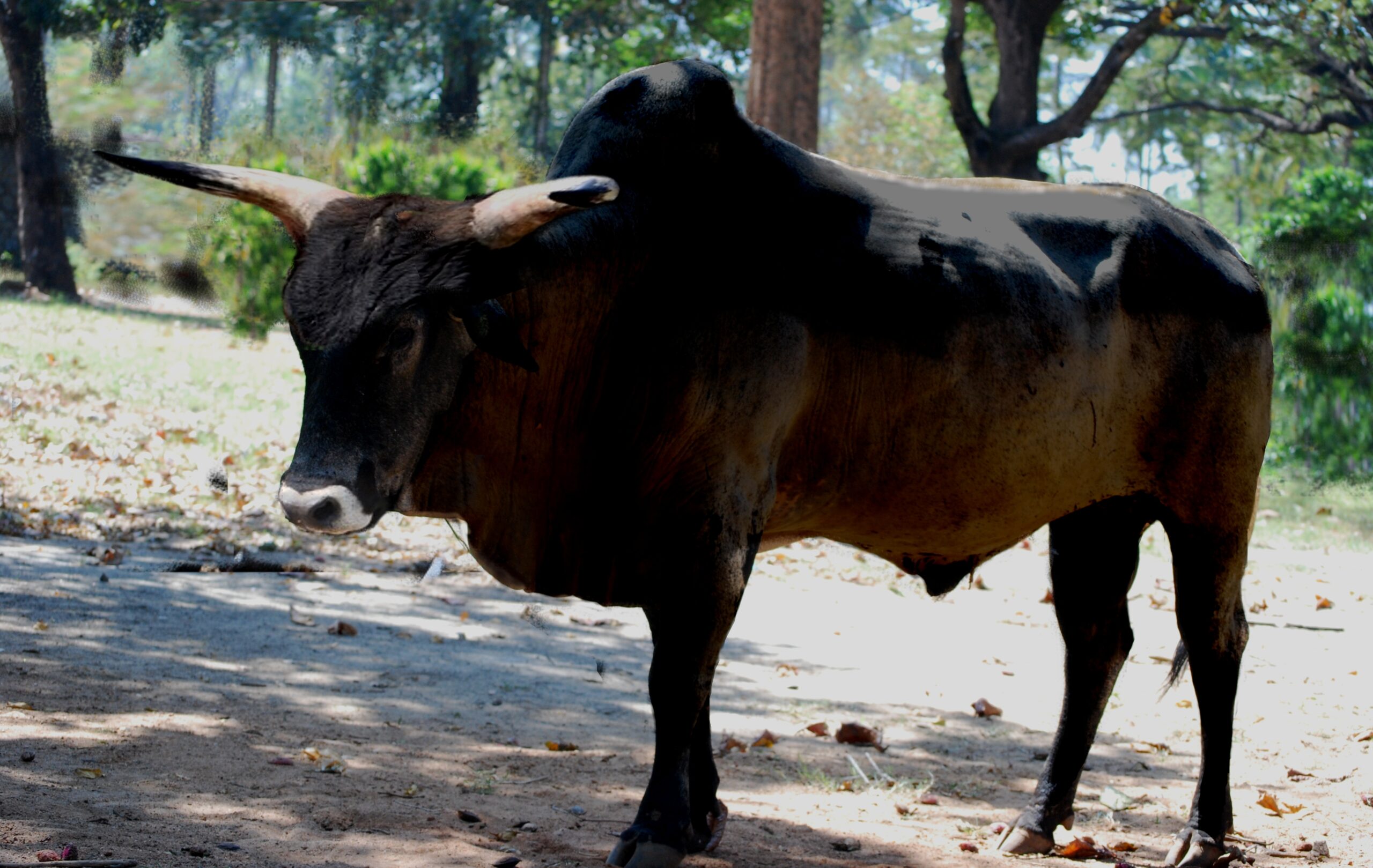 Photo Credit: Jochen Ackermann (User name: Altaileopard) / Wikimedia
In the heart of ancient Europe, the Aurochs, scientifically known as Bos primigenius, once roamed the vast grasslands and woodlands, a majestic symbol of the wild. Imagine standing on a sun-drenched plain, where the air is filled with the sounds of rustling leaves and distant animal calls. Suddenly, you spot a massive figure emerging from the tall grasses. With its powerful build, standing up to six feet tall at the shoulder, and long, curved horns that can reach impressive lengths, the Aurochs commands attention. Its dark, shaggy coat glistens in the sunlight, a testament to its strength and resilience in a world filled with challenges.
Scientists and nature enthusiasts alike are captivated by the Aurochs not just for its size, but for its role in the ecosystem. As a keystone species, the Aurochs helped shape its environment by grazing on grasses and shrubs, creating habitats for countless other species. This ancient bovine is more than just a fascinating relic of the past; it represents a link to our agricultural history, as it is the ancestor of modern cattle. The story of the Aurochs is a tale of survival, adaptation, and the intricate balance of nature, inviting us to explore the depths of its legacy and the lessons it holds for our world today.
The Aurochs, a magnificent ancestor of modern cattle, holds a special place in the tree of life. This ancient animal belongs to the Kingdom Animalia, which includes all animals, and is classified under the Phylum Chordata, meaning it has a backbone. As a member of the Class Mammalia, the Aurochs was warm-blooded and nursed its young with milk, just like today’s mammals. It falls within the Order Artiodactyla, which is home to even-toed ungulates, or hoofed animals, such as deer and pigs. The Aurochs is particularly significant because it represents the wild progenitor of domestic cattle, showcasing the deep connections between wild species and their domesticated descendants.
| Taxonomic Rank | Scientific Name | Meaning & Significance |
|---|---|---|
| Kingdom | Animalia | This name comes from the Latin word for “animal,” highlighting the Aurochs as part of the vast animal kingdom. |
| Phylum | Chordata | Derived from the Greek word “chordē,” meaning “string,” this refers to the Aurochs’ backbone, a key feature of all vertebrates. |
| Class | Mammalia | This term comes from the Latin “mamma,” meaning “breast,” indicating that Aurochs, like all mammals, fed their young with milk. |
| Order | Artiodactyla | From the Greek “artios,” meaning “even,” and “daktulos,” meaning “toes,” this name describes the Aurochs’ even-toed hooves. |
| Family | Bovidae | This name is derived from the Latin “bos,” meaning “cow,” which connects the Aurochs to its modern relatives in the cattle family. |
| Genus | Bos | Also from the Latin word for “cow,” this classification emphasizes the Aurochs’ role as a direct ancestor to domestic cattle. |
The classification of the Aurochs reveals much about its evolutionary journey. As a member of the Bovidae family, it shares a lineage with other ruminants, animals that digest their food in a unique way, allowing them to thrive in various environments. The Aurochs’ adaptation to its surroundings and its eventual domestication by humans illustrate the dynamic relationship between species and their habitats. Understanding its taxonomic position not only highlights the Aurochs’ significance in the animal kingdom but also sheds light on the broader story of evolution and the interconnectedness of life on Earth.
The story of the Aurochs begins millions of years ago, during the late Pleistocene epoch, around 2.5 million years ago. This period was marked by dramatic climate changes and the emergence of various large mammals. The Aurochs, scientifically known as Bos primigenius, evolved from a lineage of wild cattle that roamed the vast grasslands of Europe, Asia, and North Africa. As they adapted to their environments, these ancestors laid the groundwork for the domesticated cattle we know today.
The evolutionary journey of the Aurochs is a tale of adaptation and survival. Early ancestors of the Aurochs were smaller and less robust than their descendants. Over time, they developed larger bodies and impressive horns, which served both as tools for foraging and as weapons against predators. The transition from these early forms to the Aurochs involved significant changes in their diet and habitat preferences. As grasslands expanded, these animals became more specialized grazers, relying on tough grasses and shrubs. This shift not only influenced their physical characteristics but also their social structures, leading to herding behaviors that provided safety in numbers.
These adaptations were crucial for the Aurochs’ survival in a world filled with challenges. Their size and strength allowed them to dominate their habitats, while their impressive horns provided protection against predators. The ability to adapt to different environments ensured they could find food and shelter, no matter the conditions. Additionally, their social behavior fostered cooperation and safety within herds, making them resilient against the dangers of their time. The legacy of the Aurochs lives on, not only in the cattle we raise today but also in the lessons of evolution and adaptation they impart.
The Aurochs commands attention with its impressive stature and robust build. Standing between 1.2 to 1.8 meters tall at the shoulder, this ancient bovine could easily tower over a human. Its muscular frame, supported by sturdy legs, gives it a powerful presence in the wild. The Aurochs’ broad head is adorned with long, curved horns that can reach impressive lengths, adding to its majestic appearance. With a thick coat of hair, this animal is not just a sight to behold but also a marvel of adaptation to its environment.
| Feature | Description |
|---|---|
| Height | 1.2m – 1.8m (4ft – 6ft) |
| Weight | Up to 1,360kg (3,000lbs) |
| Skin Type | Hair |
| Most Distinctive Feature | Its impressive size |
The Aurochs’ formidable size and strength serve as vital tools for survival in the wild. Its height allows it to reach high vegetation, while its weight provides the muscle needed to fend off predators. The thick hair covering its body not only offers protection from harsh weather but also helps in camouflage among the grasses and forests it roamed. Together, these features create a powerful animal that was well-equipped to thrive in its natural habitat, making it a true giant of the ancient world.
The Aurochs roamed vast landscapes that were a blend of grasslands, floodplains, and light woodlands. Imagine wide-open spaces where tall grasses sway in the breeze, dotted with patches of trees that provide shade and shelter. These habitats were rich in vegetation, offering plenty of food for the Aurochs to graze on. The gentle sounds of flowing water from nearby rivers and streams would create a serene backdrop, making it an ideal home for this majestic animal.
To thrive, Aurochs needed a climate that was temperate, meaning it wasn’t too hot or too cold. They preferred areas with moderate rainfall, which helped keep the grasslands lush and green. These environments also had to provide enough space for them to roam freely, as Aurochs were social animals that often traveled in herds. The combination of open land and a stable climate allowed them to find food and water easily, essential for their survival.
Over time, Aurochs adapted beautifully to their habitats. Their strong bodies and powerful legs enabled them to traverse long distances in search of food. They developed a keen sense of smell to locate water sources, even from afar. Their thick fur helped them withstand varying temperatures, providing warmth during cooler months while allowing them to stay cool in the heat. These adaptations made the Aurochs not just survivors, but thriving inhabitants of their diverse environments.
The daily life of the Aurochs is a blend of grazing, socializing, and resting, all driven by the rhythms of nature. As dawn breaks, these majestic animals begin their day by foraging for food, munching on grasses and shrubs that fill their habitat. They are most active during the cooler parts of the day, often seeking shade during the heat of midday. Aurochs are not just solitary grazers; they thrive in herds, which provides safety in numbers. As the sun sets, they continue to graze, often moving to different areas to find fresh pastures, all while keeping a watchful eye for potential predators.
Social behavior is a cornerstone of Aurochs life. Living in herds allows them to establish strong bonds and a clear social structure. Within these groups, individuals communicate through a variety of vocalizations and body language. Mothers are particularly attentive to their calves, nurturing them and teaching them essential survival skills. The herd dynamics are fascinating, as they often work together to protect the young and vulnerable members from threats. This social interaction not only strengthens their bonds but also enhances their ability to thrive in the wild.
| Behavior Type | Description |
|---|---|
| Activity Patterns | Aurochs are primarily active during the early morning and late afternoon, grazing on grasses and shrubs while resting during the hottest part of the day. |
| Social Structure | They live in herds, which provide safety and support. The social hierarchy is often led by dominant individuals, usually older females. |
| Communication Methods | Aurochs communicate through vocalizations, such as low grunts and bellows, as well as through body language, helping them coordinate activities and alert each other to danger. |
The behaviors of the Aurochs are finely tuned to ensure their survival in the wild. By living in herds, they can protect each other from predators and share knowledge about food sources. Their communication skills help them stay connected, allowing them to respond quickly to threats. This combination of social interaction and strategic grazing not only sustains their population but also enriches the ecosystem they inhabit, showcasing the intricate balance of life in the natural world.
The Aurochs is an omnivore, which means it enjoys a varied diet that includes both plant and animal matter. This ancient bovine primarily feeds on grasses, leaves, and shrubs, but it also consumes fruits and nuts when available. Aurochs are known for their strong grazing behavior, using their powerful jaws to tear through tough vegetation. They spend a significant part of their day foraging, often moving in herds to find the best feeding spots. This social aspect of their feeding behavior not only helps them locate food more efficiently but also provides safety in numbers from potential predators.
| Dietary Aspect | Details |
|---|---|
| Diet Type | Omnivore |
| Favorite Foods | Grasses, leaves, fruits, and nuts |
| Prey Items | Occasionally small animals or insects |
| Hunting/Foraging Strategies | Grazing in herds, using strong jaws to tear vegetation |
The Aurochs’ diet plays a crucial role in shaping its ecology and daily routine. By grazing on a variety of plants, they help maintain the health of their grassland habitats, promoting biodiversity. Their foraging habits also influence the growth patterns of vegetation, creating a dynamic environment that supports other wildlife. As they move through their territory, Aurochs contribute to nutrient cycling, which is essential for the overall health of their ecosystem. This connection between diet and environment highlights the importance of the Aurochs in the natural world, showcasing how their feeding behavior impacts not just their own lives, but the lives of many other species as well.
The mating behavior of Aurochs is a captivating aspect of their life cycle. During the breeding season, which typically occurs in the spring, males engage in displays of strength and dominance to attract females. These displays can include bellowing, posturing, and even physical confrontations with other males. Once a female is receptive, she will mate with the dominant male, ensuring that her offspring have the best chance of survival.
| Reproductive Aspect | Details |
|---|---|
| Gestation Period | Approximately 9 months |
| Litter Size | Usually one calf |
| Age of Maturity | A few years |
| Name of Young | Calves |
After the calves are born, parental care becomes crucial for their survival. Aurochs mothers are attentive and protective, often staying close to their young for several months. The calves learn essential skills from their mothers, such as foraging for food and recognizing potential dangers in their environment. As they grow, these young Aurochs gradually gain independence, maturing into strong adults ready to take on the challenges of life in the wild. This nurturing process not only helps the calves thrive but also ensures the continuation of their lineage in the vast landscapes they call home.
The Aurochs, a powerful herbivore, plays a vital role in its ecosystem, sitting near the base of the food web. As a large grazing animal, it helps shape the landscape by consuming vast amounts of vegetation. This grazing not only provides food for itself but also creates habitats for other species. However, despite its size and strength, the Aurochs faces various dangers that threaten its survival.
To defend against these threats, Aurochs have developed several survival strategies. Their impressive size and strength allow them to fend off predators when necessary. When threatened, they can form tight groups, using their collective strength to deter attackers. Additionally, their keen senses help them detect danger early, giving them a chance to escape. By staying alert and using their natural defenses, Aurochs continue to navigate the challenges of their environment.
A keystone species is an organism that has a disproportionately large impact on its environment relative to its abundance. This means that if it were removed, the ecosystem would change dramatically. The Aurochs, an ancient ancestor of modern cattle, qualifies as a keystone species due to its significant role in shaping the landscapes it inhabited and influencing the lives of many other organisms.
The Aurochs played a crucial role in maintaining the health of grasslands, floodplains, and light woodlands. By grazing on grasses and shrubs, these massive animals helped control plant growth, preventing any single species from dominating the landscape. This grazing behavior not only promoted biodiversity by allowing various plant species to thrive but also created habitats for smaller animals and insects. For example, the open spaces created by their grazing provided nesting sites for ground-nesting birds and foraging areas for small mammals.
Moreover, the Aurochs contributed to nutrient cycling in their ecosystems. As they moved through their habitats, they trampled the ground, which helped aerate the soil and promote the growth of new plants. Their droppings enriched the soil with nutrients, supporting a diverse array of plant life. This, in turn, attracted a variety of herbivores and predators, creating a vibrant food web that relied on the Aurochs for stability.
If the Aurochs were to disappear, the consequences would be profound. Without their grazing, certain plant species could overtake the landscape, leading to a decline in biodiversity. This shift would not only affect the plants but also the animals that depend on a variety of habitats for survival. The entire ecosystem could become unbalanced, resulting in a loss of species and a decline in the overall health of the environment. The absence of this keystone species would echo through the food web, demonstrating just how interconnected life truly is.
The Aurochs, an ancient ancestor of modern cattle, plays a crucial role in shaping its ecosystem. As a large herbivore, it occupies a unique ecological niche, primarily in grasslands, floodplains, and light woodlands. By grazing on a variety of plants, the Aurochs helps maintain the balance of these habitats, promoting biodiversity and influencing the growth patterns of various plant species. Its presence not only supports the vegetation but also creates a dynamic environment for other animals and plants to thrive.
| Ecosystem Service | Impact |
|---|---|
| Grazing | Controls plant growth and promotes diverse plant communities. |
| Soil Aeration | Trampling helps to aerate the soil, improving water infiltration. |
| Nutrient Cycling | Manure enriches the soil, providing nutrients for plants. |
| Habitat Creation | Grazing creates open spaces that benefit other species. |
The influence of the Aurochs extends beyond its immediate actions. For instance, by grazing on grasses and shrubs, it prevents overgrowth, which can lead to a decline in plant diversity. This grazing behavior allows sunlight to reach the ground, encouraging the growth of various flowering plants that attract pollinators. Additionally, the Aurochs’ movement through its habitat helps to aerate the soil, making it easier for water to penetrate and nourish the roots of other plants. Its manure acts as a natural fertilizer, enriching the soil and supporting a healthy ecosystem.
The broader ecological importance of the Aurochs cannot be overstated. As a keystone species, its presence is vital for maintaining the health of its environment. If the Aurochs were to disappear, the balance of the ecosystem would be disrupted, leading to overgrown vegetation and a decline in biodiversity. This ancient bovine not only shapes its immediate surroundings but also supports a web of life that includes countless other species. By understanding the role of the Aurochs, we gain insight into the intricate connections that sustain our natural world.
In the intricate web of life, symbiosis plays a vital role in shaping ecosystems. This term refers to the close interactions between different species, which can be beneficial, harmful, or neutral. These relationships can be mutualistic, where both species gain advantages; parasitic, where one benefits at the expense of the other; or commensal, where one benefits while the other is neither helped nor harmed. The Aurochs, an ancient ancestor of modern cattle, engaged in various ecological partnerships that highlight the interconnectedness of life.
| Species/Type | Relationship Type | Description |
|---|---|---|
| Birds (e.g., oxpeckers) | Mutualistic | Oxpeckers feed on ticks and parasites found on the Aurochs, providing relief to the animal while enjoying a meal. |
| Plants (grasses and shrubs) | Mutualistic | The grazing of Aurochs helps maintain healthy grasslands, promoting new growth and benefiting the plant community. |
| Insects (e.g., flies) | Parasitic | Some insects lay eggs on the Aurochs, which can harm the animal as the larvae feed on its skin. |
| Small mammals (e.g., rodents) | Commensal | Rodents may take shelter in the burrows created by Aurochs, benefiting from protection without affecting the Aurochs. |
These relationships have evolved over time, shaped by the needs and behaviors of the species involved. The mutualistic partnerships, like those with oxpeckers and grasses, illustrate how cooperation can enhance survival and health for both parties. Meanwhile, parasitic interactions remind us that not all relationships are beneficial. Understanding these dynamics helps us appreciate the delicate balance of ecosystems, where each species, including the Aurochs, plays a crucial role in maintaining the health and diversity of their habitats.
The Aurochs, a powerful ancestor of modern cattle, once roamed the vast landscapes of Europe, Asia, and North Africa. This magnificent creature is not just a historical footnote; it has fascinating traits and a rich legacy that continue to intrigue nature enthusiasts today.
The Aurochs, a formidable ancestor of modern cattle, has a rich history intertwined with humanity. These majestic animals roamed the grasslands and forests of Europe, Asia, and North Africa, where they were not only a source of food but also a symbol of strength and power. Ancient cultures revered the Aurochs, often depicting them in cave paintings and mythology. Their impressive size and wild nature made them both awe-inspiring and fearsome, leading to encounters that shaped human societies. As people began to settle and farm, the relationship evolved, with the Aurochs becoming a vital part of agricultural life.
Today, the legacy of the Aurochs continues to influence our interactions with cattle. While the true Aurochs went extinct in the 17th century, their domesticated descendants still roam the earth. Conservation efforts aim to revive the traits of the Aurochs through selective breeding programs, creating breeds that resemble their wild ancestors. However, this relationship is not without conflict. As humans expand into natural habitats, the need for land often clashes with the needs of wildlife, including efforts to reintroduce Aurochs-like cattle into the wild. This delicate balance between conservation and agriculture highlights the ongoing challenges we face in preserving biodiversity while meeting human needs.
Looking ahead, the relationship between humans and the legacy of the Aurochs is poised for further evolution. As we grapple with the challenges of climate change and habitat loss, understanding the role of large herbivores in ecosystems becomes increasingly important. By learning from the past and embracing innovative conservation strategies, we can honor the Aurochs’ legacy while fostering a sustainable future for both wildlife and humanity. This journey invites us to explore how we can coexist with nature, ensuring that the stories of these magnificent animals continue to inspire generations to come.
The Aurochs, once a dominant presence in the landscapes of Europe, Asia, and North Africa, is now classified as extinct. This ancient ancestor of modern cattle was last seen in the early 17th century, and despite its historical significance, there are no remaining populations today. The extinction of the Aurochs marks a profound loss in biodiversity, as it played a crucial role in its ecosystem, influencing the vegetation and animal communities around it.
| Conservation Factor | Status/Details |
|---|---|
| IUCN Status | Extinct |
| Estimated Population Size | None |
| Trend Direction | Declining |
The main threats that led to the Aurochs’ extinction were primarily human activities. Overhunting and habitat loss due to agricultural expansion significantly reduced their numbers. As humans began to domesticate cattle, the Aurochs faced competition for resources and space. This combination of factors ultimately pushed them to the brink, leading to their disappearance from the wild.
Conservation efforts for the Aurochs are no longer applicable since the species is extinct. However, the legacy of the Aurochs lives on through modern cattle breeds, which are descendants of this magnificent animal. Some initiatives aim to recreate the Aurochs through selective breeding of existing cattle, hoping to bring back traits reminiscent of the original species. While the outlook for the Aurochs as a living species is bleak, these efforts highlight the importance of preserving biodiversity and learning from the past to protect our planet’s future.
| Question | Answer |
|---|---|
| What was the habitat of the Aurochs? | Aurochs roamed in grasslands, floodplains, and light woodlands. These environments provided them with plenty of space to graze and find shelter from predators. |
| What did Aurochs eat? | Aurochs were omnivores, meaning they ate both plants and small animals. Their diet mainly consisted of grasses, leaves, and fruits, which helped them thrive in their natural habitats. |
| How did Aurochs behave in the wild? | Aurochs were social animals that often traveled in herds. This behavior helped them protect each other from predators and find food more efficiently. |
| How did Aurochs reproduce? | Aurochs had a breeding season during which males would compete for the attention of females. After mating, females would give birth to a single calf after a gestation period of about nine months. |
| What threats did Aurochs face? | Aurochs faced several threats, including habitat loss and hunting by humans. These pressures ultimately led to their extinction in the 17th century. |
| What are some interesting characteristics of Aurochs? | Aurochs were known for their impressive size, standing up to six feet tall at the shoulder. They also had long, curved horns that could reach up to three feet in length, making them a striking presence in their environment. |
| Why are Aurochs important in history? | Aurochs are considered the ancestors of modern domestic cattle. Their domestication played a significant role in agriculture and the development of human societies. |