Taxonomy & Classification
- Kingdom
- Animalia
- Phylum
- Chordata
- Class
- Mammalia
- Order
- Carnivora
- Family
- Canidae
- Genus
- Canis
- Species
- Canis lupus

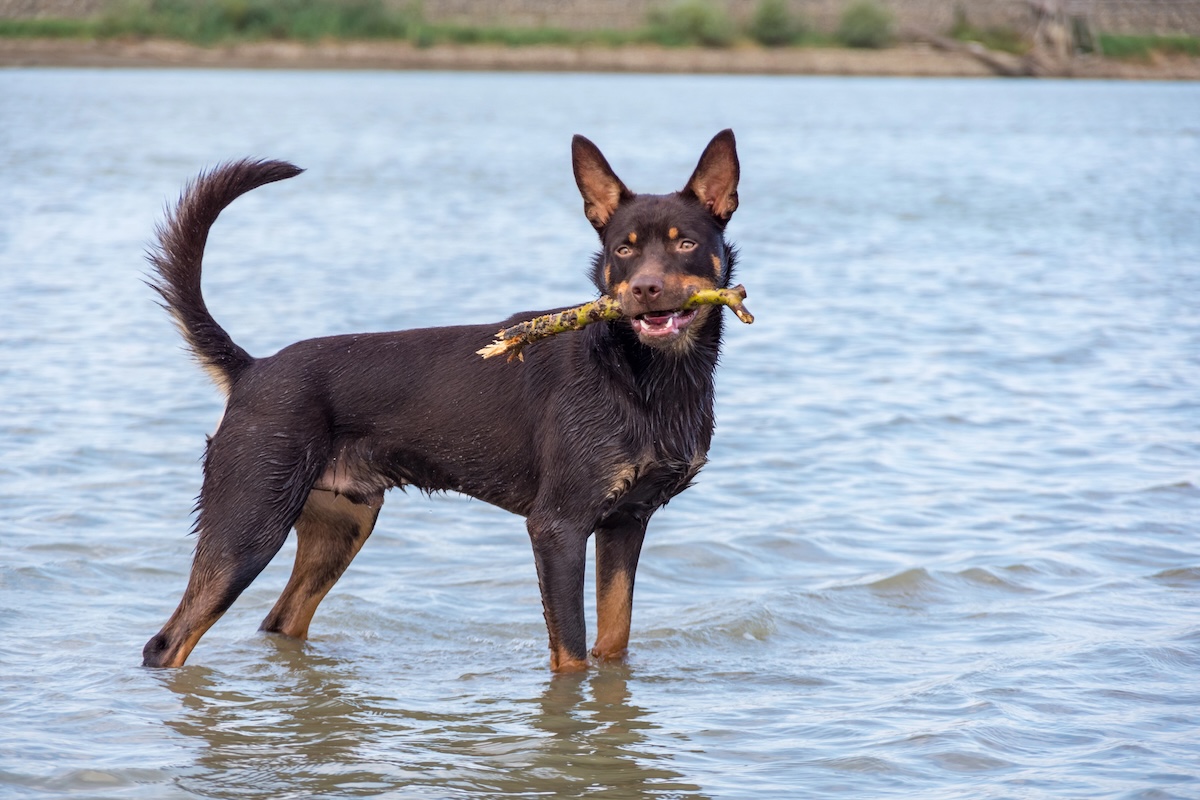 Photo Credit: bazilpp at Deposit Photos
In the sun-drenched fields of Australia, the Australian Kelpie Dog, scientifically known as Canis lupus familiaris, dances gracefully among the sheep, herding them with an instinctive precision that captivates all who witness it. With its sleek, athletic body and expressive ears that stand tall, the Kelpie is a picture of agility and intelligence. This breed, often seen bounding across vast pastures, is not just a working dog; it is a symbol of the deep bond between humans and animals, showcasing the remarkable ways they collaborate in the world of agriculture.
What makes the Australian Kelpie so intriguing to scientists and nature enthusiasts alike is its rich history and unique adaptations. Developed in the late 19th century, these dogs were bred specifically for their herding abilities, making them invaluable partners on farms and ranches. Their keen senses and boundless energy allow them to navigate the rugged Australian landscape with ease, while their friendly demeanor makes them beloved companions. As we explore the life of the Australian Kelpie, we will uncover the secrets of its behavior, diet, and the vital role it plays in maintaining the balance of its ecosystem, all while celebrating the spirit of this remarkable breed.
The Australian Kelpie Dog is a captivating member of the animal kingdom, nestled within the vast tree of life. This breed belongs to the Kingdom Animalia, which includes all animals, and is classified under the Phylum Chordata, meaning it has a backbone. As a member of the Class Mammalia, the Kelpie shares traits with all mammals, such as being warm-blooded and having fur. Its place in the Order Carnivora indicates that it is part of a group that primarily eats meat, although Kelpies are often known for their herding abilities rather than hunting. The Kelpie’s family, Canidae, includes familiar animals like wolves and domestic dogs, while its genus, Canis, encompasses various dog breeds. What makes the Kelpie particularly special is its incredible intelligence and agility, traits that have made it an exceptional working dog on Australian farms.
| Taxonomic Rank | Scientific Name | Meaning & Significance |
|---|---|---|
| Kingdom | Animalia | This name comes from the Latin word for “animal,” highlighting that Kelpies are part of the vast world of living creatures. |
| Phylum | Chordata | Derived from the Greek word “chordē,” meaning “string,” this refers to the backbone that all members of this group possess. |
| Class | Mammalia | This term comes from the Latin “mamma,” meaning “breast,” indicating that Kelpies, like all mammals, nurse their young. |
| Order | Carnivora | From the Latin “carnivorus,” meaning “meat-eater,” this classification reflects the Kelpie’s ancestral ties to meat-eating animals. |
| Family | Canidae | This name comes from the Latin “canis,” meaning “dog,” which connects Kelpies to their wild relatives like wolves and foxes. |
| Genus | Canis | Also derived from the Latin word for “dog,” this genus includes all domestic dogs, showcasing the Kelpie’s close relationship with other breeds. |
Understanding the Australian Kelpie’s classification reveals much about its evolutionary journey. As a member of the Canidae family, the Kelpie shares a common ancestry with wolves and other canines, which have adapted over time to various environments and roles. The Kelpie’s development as a herding dog in Australia highlights how domestication has shaped its behavior and skills, making it an invaluable partner for farmers. This classification not only connects the Kelpie to its wild relatives but also emphasizes the unique traits that have emerged through selective breeding, showcasing the incredible adaptability of dogs in response to human needs.
The Australian Kelpie Dog has a rich evolutionary history that traces back thousands of years. This breed emerged from a lineage of herding dogs that were developed to assist humans in managing livestock, particularly sheep, in the rugged landscapes of Australia. The timeline of the Kelpie’s evolution is intertwined with the arrival of European settlers in the 19th century, who brought various herding breeds to Australia, leading to the creation of this agile and intelligent dog.
The ancestors of the Kelpie were likely a mix of British herding dogs, such as the Collie and the Smithfield, which were bred for their herding instincts and adaptability. Over time, these dogs adapted to the harsh Australian environment, developing traits that made them exceptional workers. The Kelpie’s evolution was marked by a focus on agility, endurance, and a keen ability to respond to commands, which were essential for managing livestock over vast distances and varied terrains.
The adaptations of the Australian Kelpie Dog have played a crucial role in its survival and success as a herding breed. Their intelligence and strong herding instincts allow them to work closely with humans, forming a bond that enhances their effectiveness on the farm. Agility and endurance ensure they can handle the demanding tasks of herding livestock across challenging landscapes. As a result, the Kelpie has not only survived but thrived, becoming an essential partner for farmers in Australia and beyond.
The Australian Kelpie Dog is a striking figure, exuding both agility and strength. With a sleek, athletic build, this breed stands between 17 to 20 inches tall at the shoulder, making it a medium-sized dog that is perfectly designed for its herding duties. Its body is well-proportioned, with a deep chest and a strong back that allows for quick movements and endurance. The Kelpie’s expressive ears, which can be either erect or semi-erect, add to its alert and intelligent appearance, making it look ready for action at any moment.
| Feature | Description |
|---|---|
| Height | 17 to 20 inches |
| Weight | 25 to 45 pounds |
| Skin Type | Hair |
| Color | Commonly black, red, chocolate, or blue, often with tan markings |
| Body Structure | Well-proportioned, athletic build with a deep chest |
These physical features are not just for show; they serve vital purposes in the Kelpie’s life as a herding dog. The strong, muscular body allows for swift movements, essential for chasing and guiding livestock. Its keen senses and alert expression help it stay aware of its surroundings, making it an excellent worker on farms. The variety of colors, from black to red, not only adds to its charm but also helps it blend into different environments, whether in the sun-drenched Australian outback or the lush green fields. Each characteristic of the Australian Kelpie Dog is a testament to its adaptability and skill, making it a beloved companion and a hardworking partner.
The Australian Kelpie Dog thrives in the wide-open spaces of Australia, where the sun shines brightly over vast pastures and rolling hills. This breed is often found on farms and ranches, where it plays a crucial role in herding sheep and cattle. Picture a landscape dotted with eucalyptus trees, golden grasses swaying in the breeze, and the distant sound of livestock. The Kelpie is perfectly at home in this environment, where its energy and intelligence shine.
The climate where Kelpies are found is typically warm and dry, with plenty of sunshine. They are well-suited to the Australian outback, where temperatures can soar during the day and cool down at night. These dogs are resilient and can handle a range of weather conditions, but they thrive best in environments that allow them to be active and engaged. The open spaces and fresh air of rural Australia provide the perfect backdrop for their energetic lifestyle.
Over time, the Australian Kelpie has adapted beautifully to its surroundings. With a keen sense of smell and sharp instincts, it can navigate the rugged terrain with ease. Its short coat helps keep it cool under the hot sun, while its agile body allows for quick movements when herding livestock. This breed has developed a strong bond with its human companions, showcasing loyalty and intelligence that make it an invaluable partner on the farm. The Kelpie’s ability to work tirelessly in the fields is a testament to its remarkable adaptation to the Australian landscape.
The Australian Kelpie Dog leads a vibrant and active daily life, filled with purpose and energy. These dogs are known for their herding instincts, which means they spend much of their day working alongside farmers to manage livestock. Early mornings often find them bounding across fields, their keen eyes scanning for sheep or cattle. As the sun rises, Kelpies engage in a variety of tasks, from rounding up animals to guiding them to different pastures. Their agility and intelligence allow them to navigate the terrain with ease, making them invaluable partners in the agricultural world.
Socially, Kelpies are dynamic and engaging. They thrive in group settings, whether with other dogs or humans. Their natural instincts encourage them to form strong bonds with their handlers and fellow working dogs. This breed communicates through a mix of body language and vocalizations, using barks and yips to convey excitement or alertness. When working in teams, Kelpies display a remarkable ability to coordinate their movements, showcasing a social structure that emphasizes cooperation and trust. This teamwork is essential, as it allows them to effectively manage larger herds and respond to the needs of their human companions.
| Behavior Type | Description |
|---|---|
| Activity Patterns | Kelpies are highly active, engaging in herding, running, and playing throughout the day. They require regular exercise to maintain their physical and mental health. |
| Social Structure | These dogs thrive in social environments, forming strong bonds with their handlers and other dogs. They often work in teams, relying on each other for support. |
| Communication Methods | Kelpies use a combination of barks, yips, and body language to communicate. Their expressive nature helps them convey their needs and intentions effectively. |
The behaviors of the Australian Kelpie Dog are not just fascinating; they are crucial for survival in their working environment. Their ability to herd livestock efficiently ensures that they can help farmers manage their animals effectively, which in turn secures their place within the agricultural community. By fostering strong social bonds and utilizing effective communication, Kelpies not only enhance their own lives but also contribute significantly to the success of their human partners. This harmonious relationship showcases the remarkable adaptability and intelligence of this breed, making them a cherished part of the Australian landscape.
The Australian Kelpie Dog has a diverse diet that reflects its omnivorous nature, meaning it enjoys a variety of foods from both plant and animal sources. These dogs are often fed a balanced diet that includes high-quality commercial dog food, which provides essential nutrients. However, they are also known to scavenge and forage, taking advantage of their surroundings to find additional food sources. This adaptability in feeding behavior helps them thrive in various environments, especially on farms where they work.
| Dietary Aspect | Details |
|---|---|
| Diet Type | Omnivore |
| Favorite Foods | High-quality dog food, meat, vegetables, and grains |
| Prey Items | Small animals like rabbits and birds |
| Hunting/Foraging Strategies | Scavenging, foraging in fields, and working alongside humans |
The diet of the Australian Kelpie Dog plays a crucial role in shaping its ecology and daily routine. By being omnivorous, these dogs can adapt to different food sources, which is especially important in rural settings where they often work. Their ability to forage and scavenge not only supports their energy needs for herding and other activities but also helps maintain a balance in their environment by controlling small animal populations. This adaptability ensures that they remain healthy and active, ready to take on the challenges of their day.
The mating behavior of the Australian Kelpie Dog is both instinctual and fascinating. During the breeding season, which typically occurs in the spring and early summer, female Kelpies go into heat, a time when they are receptive to mating. Males are drawn to the scent of a female in heat, and they may display playful and energetic behaviors to attract her attention. This courtship can involve playful chasing and vocalizations, showcasing their lively personalities.
| Reproductive Aspect | Details |
|---|---|
| Gestation Period | Approximately 63 days |
| Litter Size | Average of 5 puppies |
| Age of Maturity | About 6 to 12 months |
| Name of Young | Puppies |
Once the puppies are born, the parental care provided by the mother is crucial for their development. She will nurse them, keeping them warm and safe during their early weeks. As the puppies grow, they begin to explore their surroundings, learning important social skills from their mother and siblings. By the time they reach maturity, around 6 to 12 months, they are ready to take on the world, often displaying the same energetic and hardworking traits that define the Australian Kelpie Dog. This nurturing process not only strengthens the bond between the mother and her young but also prepares the puppies for their future roles as loyal companions and skilled workers.
The Australian Kelpie Dog occupies a special place in the food web, primarily as a companion and working dog rather than a prey species. While they are not typically hunted by larger predators, they can still face dangers from various animals and environmental factors. Their role as herders means they often work in open fields, where they may encounter threats that could harm them or disrupt their work.
To defend themselves against these threats, Australian Kelpies rely on their keen instincts and agility. They are quick on their feet, allowing them to dodge potential dangers, and their strong herding instincts help them stay alert to their surroundings. When faced with a predator, a Kelpie may bark loudly to warn off intruders or use their speed to escape. Their intelligence also plays a crucial role; they can quickly assess situations and make decisions that enhance their chances of survival.
A keystone species is an organism that plays a critical role in maintaining the structure of an ecosystem. Its presence or absence can significantly impact the environment and the other species that inhabit it. While the Australian Kelpie Dog is not a traditional keystone species like wolves or sea otters, it does hold an important place in the ecosystems where it works, particularly in agricultural settings. By assisting in the management of livestock, Kelpies help maintain the balance of these environments.
The Australian Kelpie Dog is primarily known for its herding abilities, which are essential for farmers and ranchers. By efficiently managing sheep and cattle, Kelpies help prevent overgrazing, which can lead to soil erosion and habitat degradation. When livestock are well-managed, the land remains healthy, supporting a diverse range of plant and animal life. This balance is crucial for maintaining the overall health of the ecosystem.
Moreover, Kelpies contribute to the control of pest populations. By herding livestock and keeping them in designated areas, these dogs help reduce the chances of overpopulation of certain species, such as rodents, which can become problematic if left unchecked. This natural form of pest control is vital for protecting crops and maintaining the health of the land.
Kelpies also foster a symbiotic relationship with farmers. Their presence allows for more efficient farming practices, which can lead to increased productivity. Healthy farms can support a variety of wildlife, creating a rich tapestry of life that benefits the entire ecosystem.
If the Australian Kelpie Dog were to disappear, the consequences could be significant. Without these skilled herders, livestock management would become more challenging, potentially leading to overgrazing and land degradation. This could disrupt the delicate balance of the ecosystem, resulting in a decline in plant diversity and the animals that rely on those plants for food. The absence of Kelpies would not only affect farmers but also ripple through the entire ecosystem, highlighting the interconnectedness of all living things.
The Australian Kelpie Dog plays a vital role in shaping its ecosystem, particularly in agricultural settings. As a herding dog, it helps manage livestock, which in turn influences the health of grasslands and pastures. By guiding sheep and cattle, Kelpies ensure that these animals graze in a way that promotes the growth of vegetation. This behavior not only supports the animals’ well-being but also maintains the balance of the ecosystem, allowing various plant species to thrive.
| Ecosystem Service | Impact |
|---|---|
| Livestock Management | Helps maintain healthy grazing patterns, preventing overgrazing. |
| Soil Health | Encourages diverse plant growth, which improves soil stability and fertility. |
| Wildlife Habitat | Creates a balanced environment that supports various species, including insects and birds. |
| Carbon Sequestration | Promotes plant growth that captures carbon dioxide, helping to combat climate change. |
The influence of the Australian Kelpie extends beyond just herding. For instance, by controlling the movement of livestock, Kelpies help prevent soil erosion, which can occur when animals graze too heavily in one area. This careful management allows grasses and other plants to flourish, creating a healthier habitat for insects and small animals. Additionally, the presence of Kelpies can lead to a more diverse ecosystem, as their activities encourage a variety of plant species to grow, which in turn supports a wider range of wildlife.
The broader ecological importance of the Australian Kelpie Dog cannot be overstated. As a keystone species, its role in managing livestock and promoting healthy ecosystems has far-reaching effects. By ensuring that grazing patterns are sustainable, Kelpies contribute to the overall health of the environment, making it more resilient to changes and challenges. Their work not only benefits farmers and ranchers but also supports the intricate web of life that depends on balanced ecosystems. In this way, the Australian Kelpie Dog is not just a companion or a worker; it is a crucial player in the health of our planet.
In the intricate web of life, symbiosis refers to the close and often long-term interactions between different species. These relationships can take many forms, including mutualism, where both species benefit, commensalism, where one benefits while the other is neither helped nor harmed, and parasitism, where one species benefits at the expense of another. The Australian Kelpie Dog, known for its herding abilities and intelligence, engages in various ecological relationships that highlight the interconnectedness of life on Earth.
| Species/Type | Relationship Type | Description |
|---|---|---|
| Sheep | Mutualistic | The Kelpie helps herd sheep, making it easier for farmers to manage their flocks. In return, the sheep benefit from reduced stress and protection from predators. |
| Farmers | Mutualistic | Farmers rely on Kelpies for efficient livestock management, while the dogs receive food, shelter, and care from their human companions. |
| Wild Birds | Commensal | As Kelpies work in fields, they may disturb insects and small animals, which can attract birds looking for an easy meal. The birds benefit, while the Kelpie is unaffected. |
These relationships have evolved over time, shaped by the needs and behaviors of the species involved. The Australian Kelpie Dog’s role as a herding companion has not only enhanced its bond with farmers but has also contributed to the well-being of livestock. By working together, these species create a balanced ecosystem where each plays a vital part. The Kelpie’s ability to adapt and thrive in agricultural settings showcases the beauty of cooperation in nature, reminding us that every creature has a role to play in the grand tapestry of life.
The Australian Kelpie Dog is not just a hardworking herding companion; it’s a breed filled with surprises that reflect its unique adaptations and history. Here are some intriguing facts that showcase the Kelpie’s remarkable traits and contributions to the world around it.
The Australian Kelpie Dog has a storied history intertwined with human culture, particularly in Australia. Originally bred in the late 19th century, these dogs were developed to assist farmers in managing livestock, especially sheep. Their intelligence and agility made them invaluable partners on the vast Australian plains. Over time, Kelpies have become symbols of rural life, celebrated in art and folklore. Their ability to work closely with humans has fostered a deep bond, making them not just working dogs but also cherished family members.
Today, the relationship between Kelpies and humans continues to evolve. These dogs are not only essential in agricultural settings but also play roles in conservation efforts. For instance, Kelpies are often employed in wildlife management, helping to control feral animal populations that threaten native species. However, challenges arise as urbanization encroaches on their traditional roles, leading to conflicts between the needs of farmers and the encroachment of suburban development. Despite these challenges, Kelpies remain a testament to the enduring partnership between humans and animals, adapting to new environments and tasks.
As we look to the future, the bond between Australian Kelpies and humans is likely to deepen. With ongoing advancements in training and understanding of canine behavior, these dogs will continue to adapt to new roles in society. As urban areas expand, finding ways to integrate Kelpies into both rural and urban settings will be crucial. This relationship, built on mutual respect and cooperation, promises to thrive as we learn more about the incredible capabilities of these remarkable dogs.
The Australian Kelpie Dog currently holds a conservation status of “Not Listed,” which means it is not considered endangered or threatened at this time. This breed enjoys a stable population, primarily due to its popularity as a working dog on farms and ranches across Australia. While specific population estimates are not readily available, the Kelpie remains a well-loved companion and herder, ensuring its presence in both rural and urban settings.
| Conservation Factor | Status/Details |
|---|---|
| IUCN Status | Not Listed |
| Population Estimates | Not specifically estimated |
| Trend Direction | Stable |
Despite its stable status, the Australian Kelpie Dog faces some challenges. One of the main threats is the decline in traditional farming practices, which can reduce the demand for herding dogs. As agriculture evolves, some farmers may opt for technology over canine assistance, potentially leading to fewer working opportunities for Kelpies. Additionally, irresponsible breeding practices can lead to health issues within the breed, which may affect their overall population in the long run.
Conservation efforts for the Australian Kelpie Dog focus on promoting responsible breeding and ensuring that these dogs are valued for their unique skills. Organizations and breed clubs work to educate owners about proper care and training, helping to maintain the breed’s health and working abilities. As long as the Australian Kelpie continues to be appreciated for its herding talents and companionship, its outlook remains bright, ensuring that this spirited breed will thrive for generations to come.
| Question | Answer |
|---|---|
| What is the habitat of the Australian Kelpie? | The Australian Kelpie is a versatile dog that thrives in various environments, particularly on farms and ranches. They are often found in rural areas where they can work with livestock, but they also adapt well to suburban homes as long as they get enough exercise. |
| What do Australian Kelpies eat? | Australian Kelpies are omnivores, which means they eat both plant and animal-based foods. A balanced diet typically includes high-quality dog food, supplemented with meats, vegetables, and occasional treats to keep them healthy and energetic. |
| What is the behavior of an Australian Kelpie? | Kelpies are known for their intelligence and high energy levels. They are very trainable and excel in obedience, agility, and herding tasks, making them great companions for active families or working environments. |
| How do Australian Kelpies reproduce? | Like most dogs, Australian Kelpies reproduce through mating between a male and a female. The female typically goes into heat twice a year, and after a gestation period of about 63 days, she gives birth to a litter of puppies, usually ranging from 4 to 8 pups. |
| What threats do Australian Kelpies face? | While Australian Kelpies are not currently listed as endangered, they can face threats from overbreeding and poor breeding practices. Additionally, like all dogs, they are at risk of health issues if not properly cared for, including obesity and joint problems. |
| What are some interesting characteristics of Australian Kelpies? | Australian Kelpies are known for their incredible agility and stamina, making them excellent herders. They have a unique ability to work independently, often making decisions on their own while herding livestock, which showcases their intelligence and strong instincts. |
| How much exercise do Australian Kelpies need? | Australian Kelpies require a significant amount of exercise to stay healthy and happy. Daily activities like running, playing fetch, or participating in agility training are essential to keep their minds and bodies engaged. |