Taxonomy & Classification
- Kingdom
- Animalia
- Phylum
- Chordata
- Class
- Aves
- Order
- Charadriiformes
- Family
- Recurvirostridae
- Genus
- Recurvirostra
- Species
- Recurvirostra

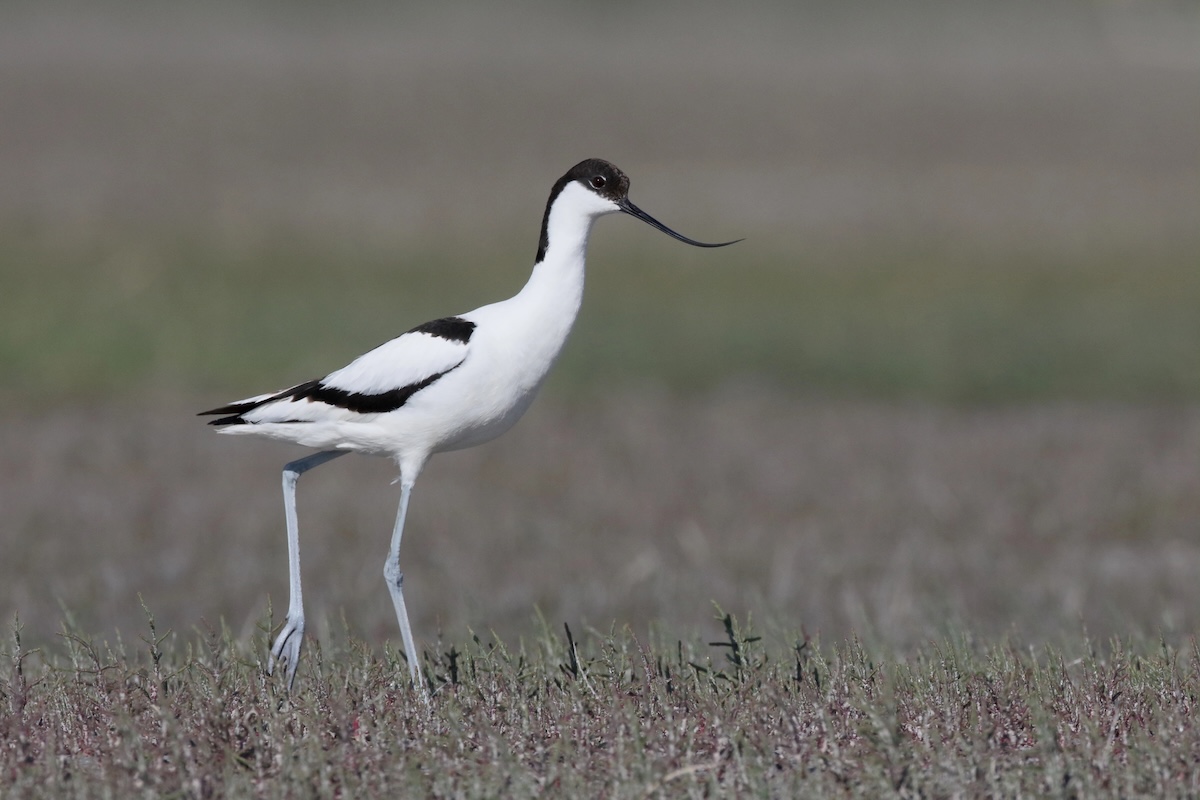 Photo Credit: mikelane45 at Deposit Photos
In the shimmering wetlands of North America and Europe, the avocet, scientifically known as Recurvirostra, stands out like a living brushstroke against the backdrop of nature. With its long, slender legs and strikingly curved bill, this elegant bird dances gracefully across the shallow waters, searching for its next meal. The avocet’s distinctive black-and-white plumage, coupled with its unique feeding technique, captures the attention of both scientists and nature enthusiasts alike. As it sweeps its bill through the water, it showcases a fascinating behavior that not only highlights its adaptability but also reveals the intricate balance of life in its wetland habitat.
Avocets thrive in temperate wetlands, where the land meets the water in a beautiful blend of ecosystems. Picture vast marshes and mudflats, where the gentle lapping of waves creates a soothing soundtrack to their daily activities. These birds are not just visually stunning; they play a vital role in their environment, acting as both predators and prey. Their diet primarily consists of small aquatic creatures, including insects and crustaceans, which they skillfully hunt in the shallows. As we explore the world of avocets, we will uncover their captivating behaviors, their role in the ecosystem, and the delicate balance they maintain in the wetlands they call home.
The avocet is a captivating bird that occupies a special place in the tree of life. Belonging to the kingdom Animalia, the phylum Chordata, and the class Aves, avocets are part of the order Charadriiformes, which includes shorebirds and gulls. What sets avocets apart is their long, slender, and upturned bills, which they use to sweep through shallow waters in search of small invertebrates. This unique feeding behavior, combined with their striking plumage, makes them not only visually stunning but also highly adapted to their wetland habitats.
| Taxonomic Rank | Scientific Name | Meaning & Significance |
|---|---|---|
| Kingdom | Animalia | This name signifies that avocets are part of the vast group of multicellular organisms that are primarily heterotrophic, meaning they obtain their food by consuming other organisms. |
| Phylum | Chordata | Chordata refers to animals that have a notochord, a flexible rod that supports the body. In avocets, this structure is present during their early development, showcasing their evolutionary link to other vertebrates. |
| Class | Aves | Aves is the class that includes all birds. The name comes from the Latin word for bird, highlighting the avocet’s feathers, beak, and ability to fly, which are characteristic of this class. |
| Order | Charadriiformes | This order includes shorebirds and is derived from the Greek word “charadrios,” meaning “of the shore.” Avocets are often found in coastal and wetland areas, perfectly fitting this description. |
| Family | Recurvirostridae | The family name comes from the Latin “recurvus,” meaning “curved back,” which refers to the avocet’s distinctive upturned bill, a key feature that aids in their feeding technique. |
| Genus | Recurvirostra | This genus name directly translates to “curved beak,” emphasizing the avocet’s most notable physical trait that sets it apart from other birds. |
Understanding the avocet’s classification reveals much about its evolutionary history. As a member of the Charadriiformes order, avocets share a lineage with a diverse group of birds that have adapted to life near water. Their specialized feeding habits and physical adaptations, such as their unique bill shape, illustrate how evolution has shaped their survival strategies in various environments. This fascinating journey through the tree of life highlights the intricate connections between species and the remarkable ways they have evolved to thrive in their habitats.
The evolutionary journey of the avocet stretches back millions of years, tracing its lineage through the complex tapestry of bird evolution. These elegant waders belong to the family Recurvirostridae and the genus Recurvirostra, which emerged during the late Eocene epoch, around 34 to 56 million years ago. As the Earth’s climate and landscapes transformed, so too did the ancestors of avocets, adapting to new environments and challenges.
The earliest relatives of avocets were likely small, shore-dwelling birds that foraged along coastlines and wetlands. Over time, these birds developed longer legs and specialized bills, allowing them to probe deeper into mud and sand for food. This transition marked a significant evolutionary step, as it enabled them to exploit a wider range of habitats and food sources. The distinctive upturned bill of modern avocets is a prime example of adaptation, allowing them to sweep through shallow waters to catch small invertebrates.
These evolutionary adaptations have been crucial for the survival of avocets in diverse environments. Their long legs allow them to navigate through varying water depths, while their specialized bills enable them to access food sources that other birds might miss. By living in social groups, they enhance their safety from predators and improve their foraging success. The striking coloration not only aids in camouflage but also plays a role in attracting mates. Finally, their migratory behavior ensures they can find the best habitats throughout the year, showcasing the remarkable ways in which evolution has shaped these elegant birds.
The avocet is a striking bird that captures attention with its graceful form and elegant movements. With long, slender legs that seem to dance above the water, it glides effortlessly across wetlands and shorelines. Its body is streamlined, allowing for quick and agile movements, while its distinctive upturned bill adds a touch of flair. This bill is not just for show; it plays a crucial role in the avocet’s feeding habits, allowing it to sift through mud and shallow waters for tasty morsels.
| Feature | Description |
|---|---|
| Weight | 140g – 400g (5oz – 14oz) |
| Skin Type | Feathers |
The avocet’s lightweight body and specialized features work together to enhance its survival in various environments. Its feathers provide insulation and waterproofing, keeping it warm and dry while foraging in chilly waters. The long legs allow it to wade into deeper areas where other birds might struggle, while the unique bill enables it to access food sources that are hidden beneath the surface. Together, these characteristics make the avocet a master of its habitat, perfectly adapted to thrive in the wetlands it calls home.
The avocet thrives in temperate wetlands, where the land meets the water in a beautiful blend of ecosystems. Picture vast, shallow marshes, mudflats, and coastal shores, where the gentle lapping of waves creates a soothing soundtrack. These habitats are often dotted with patches of grass and reeds, providing the perfect backdrop for the avocet’s graceful movements. As it wades through the water, its long, curved bill skims the surface, searching for tasty morsels hidden beneath.
The avocet prefers climates that are mild and temperate, which means it enjoys moderate temperatures and seasonal changes. These wetlands often experience a mix of sunny days and rainy spells, creating a rich environment for the insects and small crustaceans that make up its diet. The shallow waters are crucial, as they provide the ideal foraging grounds where avocets can easily find food while also offering safe nesting sites away from predators.
To thrive in these specific habitats, avocets have developed some clever adaptations. Their long legs allow them to wade into deeper waters without difficulty, while their unique, upturned bills are perfectly designed for sweeping through mud and water to catch small prey. This specialized feeding technique not only helps them find food but also allows them to exploit a niche that many other birds cannot. By perfectly fitting into their environment, avocets showcase the beauty of nature’s design and the intricate relationships between species and their habitats.
Avocets lead a lively daily life that revolves around their wetland habitats. As dawn breaks, these elegant birds begin their day by foraging for food in shallow waters. With their long, curved bills, they sweep through the mud and sand, searching for tasty morsels like insects, crustaceans, and small fish. Throughout the day, avocets engage in a variety of activities, including preening their feathers to keep them waterproof and socializing with their flock. As the sun sets, they often gather in groups, resting together on the shore or in the water, ready to start the cycle anew.
Social behavior is a key aspect of avocet life. These birds are highly social and prefer to live in flocks, which can range from a few individuals to hundreds during migration. This group dynamic helps them stay safe from predators, as there is safety in numbers. Avocets communicate with each other through a series of soft calls and body movements, signaling everything from alarm to contentment. When foraging, they often work together, moving in unison to cover more ground and find food more efficiently. This cooperative behavior not only strengthens their bonds but also enhances their chances of survival.
| Behavior Type | Description |
|---|---|
| Foraging | Avocets use their long, curved bills to sweep through mud and water, searching for insects and small fish. |
| Social Structure | They live in flocks, which provide safety from predators and enhance foraging efficiency. |
| Communication | Avocets communicate through soft calls and body language, helping to maintain group cohesion and alert others to danger. |
The behaviors of avocets are finely tuned to ensure their survival in the wild. By foraging in groups, they maximize their food intake while minimizing the risk of becoming prey. Their social interactions foster strong bonds within the flock, creating a supportive community that can respond quickly to threats. This combination of cooperation and communication not only helps them thrive in their habitats but also showcases the beauty of their daily lives.
Avocets are carnivorous birds that primarily feast on a variety of small aquatic creatures. Their diet mainly consists of insects, fish, and crustaceans, which they skillfully hunt in shallow waters. With their long, curved bills, avocets have a unique feeding technique. They sweep their bills back and forth through the water, stirring up mud and sand to uncover hidden prey. This behavior not only showcases their adaptability but also highlights their role as foragers in their wetland ecosystems.
| Dietary Aspect | Details |
|---|---|
| Diet Type | Carnivore |
| Favorite Foods | Insects, fish, crustaceans |
| Prey Items | Small aquatic creatures |
| Hunting/Foraging Strategies | Sweeping their curved bills through shallow water |
The avocet’s diet plays a crucial role in shaping its ecology and daily routine. By feeding on a variety of small animals, these birds help maintain the balance of their wetland habitats. Their foraging activities also influence the distribution of prey species, making them important players in their ecosystems. As they search for food, avocets not only sustain themselves but also contribute to the vibrant life of the wetlands they call home.
As the breeding season approaches, avocets engage in a captivating courtship display. Males perform elaborate dances, showcasing their striking plumage and graceful movements to attract females. This ritual often includes synchronized flights and gentle calls, creating a beautiful spectacle in the wetlands. Once a pair forms, they work together to establish a nesting territory, usually in shallow areas near water, where they can keep a watchful eye on their future brood.
| Reproductive Aspect | Details |
|---|---|
| Gestation Period | About 24 to 28 days |
| Litter Size | 3 to 4 eggs |
| Age of Maturity | 1 year |
| Name of Young | Chicks |
After the eggs hatch, both parents take on the important role of caring for their chicks. These fluffy, down-covered young are precocial, meaning they can walk and forage for food shortly after hatching. The parents guide them to shallow waters where they can find small insects and crustaceans. As the chicks grow, they learn essential survival skills from their parents, such as how to avoid predators and navigate their wetland home. By the time they reach maturity at about one year old, these young avocets are ready to embark on their own adventures, continuing the cycle of life in the vibrant ecosystems they inhabit.
Avocets play a vital role in their wetland ecosystems, acting as both predators and prey. As wading birds, they primarily feed on small aquatic creatures, which places them in the middle of the food web. This position means they help control populations of insects and crustaceans while also being a food source for larger predators. Their elegant presence in these habitats is not just beautiful; it’s essential for maintaining the balance of life in wetlands.
To survive against these threats, avocets have developed several clever strategies. When danger approaches, they often use distraction techniques, such as feigning injury to draw predators away from their nests. Their long legs allow them to quickly escape into deeper waters, where they can evade larger threats. Additionally, avocets are known to nest in colonies, which provides safety in numbers, making it harder for predators to target individual birds or their eggs. These behaviors showcase their adaptability and resilience in the face of challenges in their environment.
A keystone species is an organism that has a disproportionately large impact on its environment relative to its abundance. This means that if a keystone species were to disappear, the entire ecosystem could change dramatically. The avocet, with its unique feeding habits and role in wetland ecosystems, qualifies as a keystone species. By influencing the populations of other organisms and shaping the habitat, avocets play a crucial role in maintaining the balance of their environment.
Avocets primarily feed on small aquatic creatures, such as insects and crustaceans, which they skillfully hunt in shallow waters. By preying on these organisms, they help control their populations, preventing any one species from becoming too dominant. This balance is essential for the health of the wetland ecosystem, as it allows for a diverse range of species to thrive. Additionally, avocets are known to create feeding areas by stirring up sediment with their long, curved bills. This behavior not only helps them find food but also aerates the mud, promoting the growth of plants that provide habitat and food for other wildlife.
Moreover, avocets serve as indicators of environmental health. Their presence often signals a thriving wetland ecosystem, while a decline in their numbers can indicate problems such as pollution or habitat loss. This makes them important for conservation efforts, as protecting avocets can lead to the preservation of the entire wetland habitat. Their nesting habits also contribute to the ecosystem; by creating nests in the ground, they can influence the distribution of plant life in their breeding areas.
If avocets were to disappear from their habitats, the consequences could be severe. The populations of their prey could explode, leading to overgrazing of aquatic plants and a decline in water quality. This would not only affect other species that rely on these plants for food and shelter but could also disrupt the entire wetland ecosystem. The loss of avocets would ripple through the food web, demonstrating just how vital these elegant birds are to the health and stability of their environment.
The avocet plays a crucial role in its ecosystem, particularly in temperate wetlands where it resides. This elegant bird, with its long legs and distinctive curved bill, is not just a beautiful sight; it actively shapes the environment around it. By foraging for food in shallow waters, avocets help maintain the balance of aquatic life. Their feeding habits influence the populations of small fish, insects, and crustaceans, making them an integral part of the wetland food web.
| Ecosystem Service | Impact |
|---|---|
| Foraging | Controls populations of small aquatic creatures |
| Nutrient Cycling | Redistributes nutrients through their feeding and waste |
| Habitat Creation | Helps maintain wetland health, benefiting other species |
| Indicator Species | Reflects the health of wetland ecosystems |
Avocets influence their environment in several specific ways. As they wade through shallow waters, their foraging behavior stirs up sediment, which can help aerate the soil and promote the growth of aquatic plants. These plants, in turn, provide shelter and food for a variety of other species, creating a thriving habitat. Additionally, avocets serve as indicator species, meaning their presence or absence can signal changes in the health of the wetland ecosystem. If avocets are thriving, it often means the environment is in good shape.
The broader ecological importance of avocets cannot be overstated. As a keystone species, their activities support not only their own survival but also the well-being of countless other organisms in their habitat. By maintaining the balance of aquatic life and contributing to nutrient cycling, avocets help ensure that wetlands remain vibrant ecosystems. Protecting these birds and their habitats is essential for preserving the rich biodiversity that wetlands support, making avocets vital players in the natural world.
In the intricate web of life, many species form partnerships that enhance their survival and well-being. These relationships, known as symbiosis, can take various forms, including mutualism, where both species benefit, commensalism, where one benefits while the other is neither helped nor harmed, and parasitism, where one species benefits at the expense of the other. Understanding these connections helps us appreciate the delicate balance of ecosystems, especially in habitats like the temperate wetlands where avocets thrive.
| Species/Type | Relationship Type | Description |
|---|---|---|
| Small fish | Mutualistic | Avocets often forage in shallow waters where small fish stir up insects and crustaceans. The avocets benefit from the increased food availability, while the fish enjoy the protection of the avocets’ presence, which deters larger predators. |
| Water plants | Commensal | Avocets nest among water plants, which provide shelter and camouflage. The plants benefit from the nutrients in the avocets’ droppings, but the plants do not rely on the birds for their survival. |
| Ticks and parasites | Parasitic | While avocets are generally healthy, they can sometimes host ticks and other parasites. These organisms benefit by feeding on the avocets’ blood, which can weaken the birds if the infestation is severe. |
These relationships have evolved over time, shaped by the needs and behaviors of the species involved. Mutualistic partnerships, like those with small fish, highlight how cooperation can lead to greater success in finding food. Commensal relationships with water plants show how species can coexist, benefiting from each other without direct interaction. On the other hand, parasitic relationships remind us that not all interactions are beneficial. Understanding these dynamics helps us see how interconnected life is in wetlands, where every species plays a role in maintaining the health of the ecosystem.
Avocets are enchanting birds that captivate nature lovers with their striking appearance and fascinating behaviors. These elegant waders are not just beautiful; they also have some surprising traits that make them truly special.
Throughout history, avocets have danced through the pages of human culture, often symbolizing grace and beauty. Ancient civilizations admired these elegant birds, incorporating them into art and folklore. In some cultures, avocets were seen as messengers of good fortune, while in others, they represented the delicate balance of nature. Their striking appearance and unique behaviors have inspired poets and artists alike, making them a beloved subject in various forms of expression. As humans have explored wetlands, they have encountered avocets, leading to a rich tapestry of interactions that highlight our shared environment.
In modern times, the relationship between avocets and humanity has evolved, particularly in the realm of conservation. As wetlands face threats from urban development and climate change, efforts to protect these vital habitats have become crucial. Organizations and communities are working together to create safe spaces for avocets to thrive. However, conflicts can arise, especially when human activities disrupt their nesting sites or food sources. While avocets are not domesticated, they often find themselves in close proximity to human populations, leading to both challenges and opportunities for coexistence.
Looking ahead, the future of the avocet-human relationship holds promise, but it requires commitment and care. As awareness of environmental issues grows, more people are recognizing the importance of protecting avocets and their habitats. By fostering a sense of stewardship, we can ensure that these beautiful birds continue to grace our wetlands for generations to come. Together, we can create a world where avocets thrive alongside humanity, reminding us of the delicate balance we share with nature.
The avocet, a graceful wading bird known for its striking appearance, currently holds a conservation status of “Least Concern” according to the International Union for Conservation of Nature (IUCN). This means that, at present, the avocet is not facing an immediate threat of extinction. Population estimates suggest that their numbers are stable, and in some regions, they may even be increasing. This positive trend is encouraging, but ongoing monitoring is essential to ensure their continued well-being.
| Conservation Factor | Status/Details |
|---|---|
| IUCN Status | Least Concern |
| Population Estimates | Stable, with some regions showing increases |
| Trend Direction | Stable or increasing |
Despite their current stable status, avocets face several threats that could impact their populations in the future. Habitat loss is a significant concern, as wetlands are often drained for agriculture or urban development. Additionally, climate change poses risks by altering water levels and salinity in their habitats. Pollution from agricultural runoff can also affect the quality of the water and food sources that avocets rely on. These challenges highlight the importance of protecting their natural environments.
Conservation efforts are underway to safeguard avocets and their habitats. Organizations are working to restore wetlands and create protected areas where these birds can thrive. Public awareness campaigns aim to educate communities about the importance of preserving these ecosystems. With continued support and effective conservation strategies, the outlook for avocets remains hopeful, allowing future generations to enjoy the beauty of these elegant birds in their natural habitats.
| Question | Answer |
|---|---|
| What is the habitat of the Avocet? | Avocets are commonly found in temperate wetlands, which are areas where water covers the soil for part of the year. These habitats include marshes, mudflats, and shallow lakes, providing the perfect environment for foraging and nesting. |
| What do Avocets eat? | Avocets are carnivores, meaning they primarily eat small animals. Their diet mainly consists of insects, crustaceans, and other tiny invertebrates that they find in the mud or shallow water. |
| How do Avocets behave in their environment? | Avocets are known for their unique feeding behavior, where they sweep their long, curved bills through the water to catch food. They are social birds, often seen in groups, and they communicate with each other using a variety of calls. |
| How do Avocets reproduce? | During the breeding season, Avocets build their nests on the ground, usually in shallow water or on mudflats. The female lays about three to four eggs, and both parents take turns incubating them until they hatch. |
| What threats do Avocets face? | While Avocets are currently classified as Least Concern, they still face threats from habitat loss due to human activities like development and pollution. Additionally, climate change can impact their wetland habitats, affecting their food sources and nesting sites. |
| What are some interesting characteristics of Avocets? | One of the most striking features of Avocets is their long, slender legs and distinctive upturned bills, which help them forage in shallow waters. They also have beautiful plumage, with a mix of white and black feathers that make them stand out in their wetland homes. |
| Are Avocets migratory birds? | Yes, many Avocet species are migratory, traveling long distances between their breeding and wintering grounds. They typically migrate in flocks, using their strong social bonds to navigate and find food along the way. |