Taxonomy & Classification
- Kingdom
- Animalia
- Family
- Canidae
- Genus
- Canis

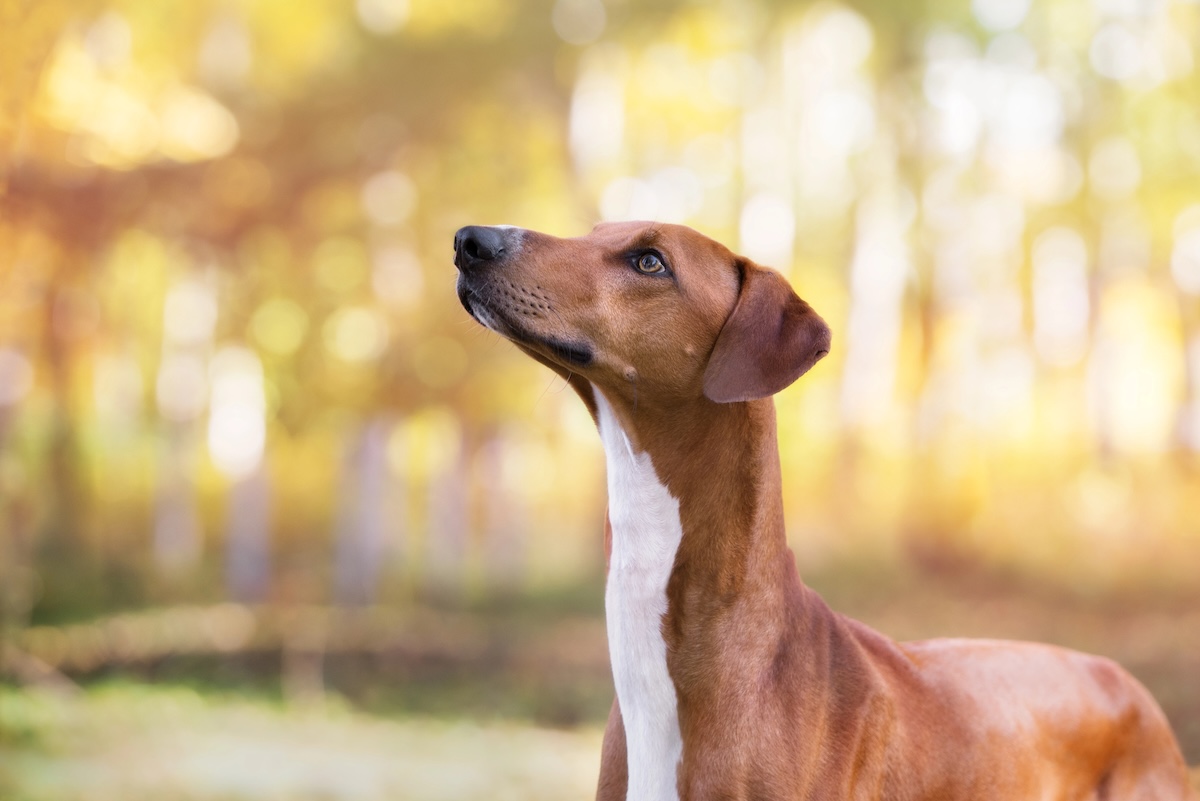 Photo Credit: ots photo at Deposit Photos
In the sun-drenched savannas of West Africa, the Azawakh, scientifically known as Canis lupus familiaris, stands as a testament to both beauty and agility. With its long, slender body and elegant gait, this breed is perfectly adapted to the vast, open landscapes it calls home. Picture a golden expanse dotted with sparse shrubs and rocky plateaus, where the Azawakh races across the terrain, its sleek coat shimmering in the sunlight. This remarkable dog, originally bred by the nomadic Tuareg people, is not just a sight to behold; it is a skilled hunter, known for its incredible speed and keen eyesight, making it a vital companion in the pursuit of game.
What truly captivates scientists and nature enthusiasts alike is the Azawakh’s unique blend of grace and strength. Its slender build is complemented by powerful muscles, allowing it to sprint at impressive speeds while maintaining agility. This breed’s keen instincts and loyalty have forged a deep bond with humans, showcasing a relationship that has evolved over centuries. As we delve deeper into the world of the Azawakh, we will explore its fascinating history, its role in the ecosystem, and the special connection it shares with the people of West Africa. Join us on this adventure to uncover the secrets of this extraordinary breed and the landscapes it inhabits.
The Azawakh is a captivating breed of dog that holds a special place in the animal kingdom. Taxonomically, it belongs to the Kingdom Animalia, which includes all animals, and is classified within the Family Canidae, the group that encompasses dogs, wolves, and foxes. Its Genus, Canis, is where we find familiar species like the domestic dog and the gray wolf. What sets the Azawakh apart is its elegant build and incredible speed, traits that have made it a prized companion for nomadic tribes in the Sahel region of Africa. This breed is not just a pet; it is a living testament to the deep bond between humans and animals, shaped by thousands of years of co-evolution.
| Taxonomic Rank | Scientific Name | Meaning & Significance |
|---|---|---|
| Kingdom | Animalia | This name comes from the Latin word for “animal,” highlighting the Azawakh’s place among all living creatures. |
| Family | Canidae | Derived from the Latin “canis,” meaning “dog,” this classification emphasizes the Azawakh’s close relationship with other dog species. |
| Genus | Canis | This term also comes from Latin, referring to dogs in general, which reflects the Azawakh’s shared ancestry with domestic dogs and wild canids. |
The classification of the Azawakh reveals much about its evolutionary journey. As a member of the Canidae family, it shares a common ancestor with wolves and other canids, showcasing traits that have been honed over generations. The Azawakh’s sleek physique and remarkable agility are adaptations that have allowed it to thrive in the harsh environments of the Sahel, where it has been used for hunting and protection. Understanding its taxonomic position not only highlights its unique characteristics but also connects it to a broader narrative of survival and adaptation in the animal kingdom.
The Azawakh, a striking breed of dog, has a rich evolutionary history that stretches back thousands of years. Originating in the arid regions of West Africa, this breed is believed to have descended from ancient hunting dogs that roamed the Sahara Desert. These early canines adapted to their harsh environment, developing traits that would help them thrive in the challenging landscapes of their homeland.
The ancestors of the Azawakh were likely part of a group of dogs that evolved alongside humans, serving as companions and hunting partners. Over time, these dogs underwent significant changes, adapting to the needs of the nomadic tribes of the Sahel region. As they were bred for speed and endurance, their physical characteristics began to shift, leading to the elegant and slender form we see today. This transformation was not just about looks; it was about survival in a landscape where agility and speed were crucial for hunting game and evading predators.
The adaptations of the Azawakh have played a crucial role in its survival. With its remarkable speed and agility, this breed can navigate the challenging terrains of the Sahara, chasing down prey with ease. Its lean physique and short coat help it endure the extreme temperatures of its environment, while its strong instincts ensure it remains a skilled hunter. Together, these traits not only define the Azawakh but also highlight the incredible journey of evolution that has shaped this extraordinary breed.
The Azawakh is a sight to behold, with a graceful and athletic build that speaks to its origins as a hunting dog in the vast landscapes of West Africa. This breed boasts a long, slender body that is both elegant and powerful, designed for speed and endurance. Its legs are tall and lean, allowing for impressive strides, while its deep chest provides ample lung capacity for running long distances. The overall impression is one of agility and strength, making the Azawakh a true marvel of canine form.
| Feature | Description |
|---|---|
| Size | Medium to large, typically standing between 24 to 29 inches tall at the shoulder. |
| Color | Varies widely, including shades of fawn, red, and brindle, often with white markings. |
| Skin Type | Fur, short and fine, which helps to keep the dog cool in hot climates. |
| Body Structure | Long and lean with a narrow waist, deep chest, and a straight back. |
| Head | Long and narrow with a slightly rounded skull, giving it a dignified appearance. |
| Ears | Long and floppy, hanging close to the head, which adds to its elegant look. |
These physical features work together harmoniously to enhance the Azawakh’s survival in its native environment. The long legs and lean body allow for swift movement across the rugged terrain, making it an excellent hunter. Its short fur is not just for aesthetics; it helps regulate body temperature in the heat of the African sun. The deep chest supports powerful lungs, enabling the Azawakh to chase prey over long distances without tiring easily. Each characteristic is a testament to the breed’s adaptation to its surroundings, showcasing the beauty of nature’s design.
The Azawakh calls the sun-drenched expanses of West Africa its home, where the landscape is a tapestry of golden savannas, rocky plateaus, and sparse shrublands. This breed thrives in open spaces, where it can run freely and explore its surroundings. The warm, dry climate of this region shapes not only the land but also the lifestyle of the Azawakh, making it a perfect companion for nomadic tribes who rely on its speed and agility for hunting.
The climate in these areas is typically hot and arid, with long dry seasons and brief rainy periods. Temperatures can soar during the day, often exceeding 100 degrees Fahrenheit (38 degrees Celsius). The Azawakh is well-suited to this environment, as it can tolerate high heat and has a low-maintenance coat that helps keep it cool. The sparse vegetation and open terrain provide ample opportunities for exercise and exploration, which are essential for this active breed.
Adaptations have finely tuned the Azawakh to its habitat. Its slender body and long legs allow for incredible speed, making it an efficient hunter in the vast landscapes. The breed’s keen eyesight helps it spot prey from a distance, while its endurance enables it to chase down animals across the open plains. These traits not only support its role as a hunting companion but also ensure its survival in the challenging conditions of West Africa.
The daily life of an Azawakh is a blend of energy and elegance, marked by a rhythm that reflects its heritage as a hunting companion. These dogs are known for their impressive speed and agility, often spending their mornings and afternoons engaged in playful bursts of activity. They love to run, chase, and explore their surroundings, utilizing their keen senses to investigate every nook and cranny of their environment. As the sun sets, they may settle down, enjoying moments of rest while remaining alert to any sounds or movements around them.
Socially, Azawakh dogs are known for their strong bonds with their human families and other dogs. They thrive in a group setting, often displaying a playful yet respectful demeanor towards their companions. These dogs communicate through a variety of vocalizations, including barks and howls, as well as body language, such as tail wagging and ear positioning. Their social structure is often hierarchical, with a clear understanding of roles within their pack, whether it includes humans or other dogs. This social nature not only fosters companionship but also enhances their ability to work together during hunting or play.
| Behavior Type | Description |
|---|---|
| Activity Patterns | Azawakh dogs are highly active, engaging in running and playing throughout the day, especially in open spaces where they can stretch their legs. |
| Social Structure | They form strong bonds with their families and other dogs, often establishing a hierarchy that helps maintain order and cooperation. |
| Communication Methods | Azawakh communicate through barks, howls, and body language, using their posture and movements to express emotions and intentions. |
The behaviors of the Azawakh are not just charming; they are essential for survival in their natural habitat. Their agility and speed allow them to chase down prey, while their social skills help them work effectively in groups. By maintaining strong relationships with their pack, they enhance their chances of success during hunts and ensure protection against potential threats. This combination of physical prowess and social intelligence makes the Azawakh a remarkable breed, perfectly adapted to its environment.
The Azawakh has a diverse diet that reflects its adaptability and resourcefulness. As an omnivore, it enjoys a variety of foods, which can include both plant-based items and animal proteins. This breed is known for its keen hunting instincts, often relying on its speed and agility to catch small game. In the wild, Azawakh dogs may hunt for rodents, birds, and even larger prey, depending on availability. Their ability to forage and scavenge also allows them to thrive in their natural habitat, where food sources can be unpredictable.
| Dietary Aspect | Details |
|---|---|
| Diet Type | Omnivore |
| Favorite Foods | Small mammals, birds, and plant matter |
| Prey Items | Rodents, hares, and various birds |
| Hunting/Foraging Strategies | Utilizes speed and agility to chase and catch prey |
The Azawakh’s diet plays a crucial role in shaping its ecology and daily routine. By being an omnivore, it can adapt to different environments and food availability, which is essential in the often harsh landscapes of West Africa. This flexibility not only supports its health and energy levels but also influences its social behavior, as hunting and foraging can be communal activities. The Azawakh’s ability to thrive on a varied diet ensures its survival and success in the wild, making it a vital part of its ecosystem.
The mating behavior of the Azawakh is as graceful as the breed itself. During the breeding season, which typically occurs once a year, males will engage in a courtship dance to attract females. This involves playful interactions and displays of agility, showcasing their strength and vitality. When a female is in heat, she emits pheromones, chemical signals that attract males. This period is crucial for the continuation of the breed, as it sets the stage for the next generation of these elegant dogs.
| Reproductive Aspect | Details |
|---|---|
| Gestation Period | Approximately 63 days |
| Litter Size | Usually 4 to 6 puppies |
| Age of Maturity | About 12 to 18 months |
| Name of Young | Puppies |
Once the puppies are born, the Azawakh mother takes on the role of a devoted caregiver. She provides warmth, nourishment, and protection to her young, ensuring they thrive in their early weeks. The puppies are born blind and deaf, relying entirely on their mother for survival. As they grow, they begin to explore their surroundings, developing their senses and social skills. By the time they reach maturity, they are not only physically capable but also well-socialized, ready to embrace the world with the same grace and agility that defines their breed. The bond between the mother and her puppies is strong, laying the foundation for their future as loyal companions.
The Azawakh occupies a unique position in the food web of its native West African habitat. As a breed originally developed for hunting, it is both a predator and prey. While it is agile and capable of chasing down game, it must also be wary of larger predators that share its environment. This dual role makes the Azawakh an interesting player in the complex interactions of nature.
To survive against these threats, the Azawakh employs a variety of defensive behaviors. Its speed and agility allow it to escape from larger predators, while its keen senses help it detect danger from afar. Additionally, the Azawakh often relies on its strong bond with humans for protection, as it is commonly used as a guardian dog. This partnership not only enhances its safety but also showcases the breed’s adaptability in a world filled with challenges.
A keystone species is an organism that plays a critical role in maintaining the structure of an ecosystem. Its presence or absence can significantly impact the environment and the other species that inhabit it. While the Azawakh is a fascinating breed of dog known for its agility and hunting prowess, it does not qualify as a keystone species. This is primarily because it is a domesticated animal, and its role in the ecosystem is largely influenced by human interaction rather than natural ecological processes.
Despite not being a keystone species, the Azawakh does have an ecological impact, particularly in the regions where it was originally bred. As a hunting dog, it helps control populations of various prey animals, which can prevent overgrazing and maintain a balance in the local flora. For example, by hunting small mammals, the Azawakh indirectly supports the growth of vegetation, which in turn provides habitat for other wildlife. This dynamic illustrates how even domesticated animals can influence their surroundings.
Moreover, the Azawakh’s presence can foster a unique relationship between humans and nature. In traditional settings, these dogs are often part of pastoralist communities, where they assist in herding livestock. This interaction helps maintain the health of both the livestock and the land, as the dogs encourage movement and grazing patterns that benefit the ecosystem.
The Azawakh also serves as a cultural symbol, representing the connection between people and their environment. This bond can lead to conservation efforts that protect not only the breed but also the habitats in which they thrive.
If the Azawakh were to disappear from its native habitat, the effects could ripple through the ecosystem. Without these dogs to manage prey populations, certain species might proliferate unchecked, leading to overgrazing and a decline in plant diversity. This could ultimately disrupt the balance of the ecosystem, affecting not just the flora but also the other animals that rely on those plants for food and shelter. The loss of the Azawakh would not only diminish a unique breed but could also alter the intricate web of life in its environment, highlighting the interconnectedness of all species, even those that are domesticated.
The Azawakh, a breed of dog native to the arid landscapes of West Africa, plays a significant role in its ecosystem. As a hunting companion, it has adapted to the unique challenges of its environment, influencing both the wildlife and the vegetation around it. This breed’s presence helps maintain a balance in the ecosystem, showcasing how even domesticated animals can shape their surroundings.
| Ecosystem Service | Impact |
|---|---|
| Predation | Controls populations of small mammals and birds, preventing overpopulation. |
| Companionship | Strengthens human-animal bonds, promoting conservation awareness. |
| Soil Aeration | Through their movement, they help aerate the soil, which benefits plant growth. |
| Seed Dispersal | May contribute to the spread of certain plant species through their foraging behavior. |
The Azawakh’s role as a predator is particularly noteworthy. By hunting small mammals, it helps regulate their populations, which in turn supports the health of the vegetation they feed on. This balance is crucial in preventing overgrazing, allowing plants to thrive and providing habitats for other species. Additionally, as these dogs roam their territory, they inadvertently aerate the soil, enhancing its quality and promoting the growth of diverse plant life.
The broader ecological importance of the Azawakh extends beyond its immediate environment. As a keystone species, its presence influences the dynamics of the ecosystem, affecting everything from plant health to the behavior of other animals. By fostering a healthy balance in their habitat, Azawakh dogs contribute to the resilience of their ecosystems, demonstrating how interconnected life can be in the natural world. Their existence reminds us that every species, no matter how domesticated, plays a vital role in the intricate web of life.
In the intricate web of life, symbiosis refers to the close and often long-term interactions between different species. These relationships can take many forms, including mutualism, where both species benefit, parasitism, where one benefits at the expense of the other, and commensalism, where one benefits while the other is neither helped nor harmed. Understanding these ecological relationships helps us appreciate how species like the Azawakh dog interact with their environment and other organisms, creating a dynamic balance in their habitats.
| Species/Type | Relationship Type | Description |
|---|---|---|
| Humans | Mutualistic | The Azawakh has a strong bond with humans, serving as a loyal companion and protector while benefiting from care, food, and shelter. |
| Small mammals (prey) | Predatory | As a hunting dog, the Azawakh preys on small mammals, benefiting from the food source while the prey suffers. |
| Parasites (fleas, ticks) | Parasitic | These organisms live on the Azawakh, feeding on its blood and potentially causing harm, while the dog provides a habitat for them. |
The evolution of these relationships is a fascinating journey through time. The Azawakh’s partnership with humans has developed over generations, as these dogs were bred for their hunting skills and companionship. This mutualistic relationship has allowed the Azawakh to thrive in various environments, while humans benefit from their loyalty and protective instincts. Meanwhile, the predatory relationship with small mammals showcases the natural instincts of the Azawakh, essential for its role as a hunter. Lastly, the presence of parasites highlights the challenges that come with living in close quarters with other species. Each of these interactions plays a vital role in shaping the Azawakh’s life and the ecosystem it inhabits, illustrating the complex dance of life in nature.
The Azawakh is a stunning breed of dog that not only captivates with its beauty but also boasts a fascinating history and unique traits. Originating from the arid regions of West Africa, this breed has adapted to its environment in remarkable ways. Here are some surprising facts that showcase the Azawakh’s extraordinary nature.
The Azawakh, a graceful breed of dog, has a long and storied relationship with humanity that dates back centuries. Originating in the Sahel region of West Africa, these dogs were traditionally bred by the Tuareg people, who relied on them for hunting and protection. The Azawakh’s keen eyesight and remarkable speed made it an invaluable companion in the vast, open landscapes where it could chase down game. Over time, this breed has become a symbol of cultural pride, representing the deep bond between the Tuareg and their environment. The Azawakh is not just a pet; it embodies the spirit of the nomadic lifestyle and the rich traditions of the people who raised it.
In today’s world, the interactions between Azawakh and humans have evolved, reflecting both challenges and opportunities. As urbanization spreads and traditional lifestyles change, the Azawakh faces new threats, including habitat loss and the risk of becoming a rare breed. However, many enthusiasts and breeders are working to preserve this unique dog, promoting responsible breeding practices and raising awareness about its cultural significance. Additionally, the Azawakh is increasingly recognized in dog shows and competitions, helping to foster appreciation for its beauty and abilities. Yet, conflicts can arise when these dogs are kept in environments that do not suit their energetic nature, leading to behavioral issues that can strain the human-animal relationship.
As we look to the future, the relationship between the Azawakh and humanity holds both promise and responsibility. With ongoing efforts to protect this breed and its cultural roots, there is hope for a thriving partnership that honors the past while adapting to modern challenges. By fostering understanding and respect for the Azawakh, we can ensure that this elegant dog continues to be a cherished companion and a symbol of the rich heritage from which it comes. Together, we can create a future where the Azawakh not only survives but flourishes alongside the people who have loved and relied on it for generations.
The Azawakh, a breed of dog known for its elegance and speed, currently holds a conservation status of “Not Evaluated” according to the International Union for Conservation of Nature (IUCN). This means that there has not yet been a formal assessment of its population trends or threats. While the breed is cherished in its native West Africa, where it has been a loyal hunting companion for centuries, the exact number of Azawakh dogs in existence remains unclear. As a result, understanding their population dynamics is essential for future conservation efforts.
| Conservation Factor | Status/Details |
|---|---|
| IUCN Status | Not Evaluated |
| Population Estimates | Unknown |
| Trend Direction | Unknown |
The main threats to the Azawakh include habitat loss and changes in traditional lifestyles. As urbanization spreads and agricultural practices evolve, the open spaces that these dogs thrive in are shrinking. Additionally, the breed faces competition from other dog breeds that are more commonly recognized and bred in various regions. This can lead to a decline in the Azawakh’s popularity and, consequently, its population.
Conservation efforts for the Azawakh are still in their infancy, but there is hope on the horizon. Awareness campaigns are beginning to emerge, focusing on the breed’s unique heritage and its role in local cultures. By promoting responsible breeding practices and encouraging the preservation of traditional lifestyles, there is potential for the Azawakh to flourish once again. With continued attention and care, this elegant breed may find its place not only in the hearts of dog lovers but also in the broader tapestry of biodiversity.
| Question | Answer |
|---|---|
| What is the habitat of the Azawakh? | The Azawakh is a breed of dog that originates from the Sahel region of Africa, particularly in countries like Mali, Niger, and Burkina Faso. They are traditionally used by nomadic tribes for hunting and guarding, thriving in open, arid landscapes. |
| What do Azawakh dogs eat? | Azawakh dogs are omnivores, which means they eat both plant and animal foods. A balanced diet for them typically includes high-quality dog food, meat, vegetables, and grains to ensure they get all the nutrients they need to stay healthy and active. |
| What is the behavior of the Azawakh? | Azawakh dogs are known for their loyalty and protective nature. They are often affectionate with their families but can be reserved or aloof with strangers, making them excellent watchdogs. |
| How do Azawakh dogs reproduce? | Like all dogs, Azawakh females go into heat approximately twice a year, during which they can mate with males. After a gestation period of about 63 days, the female gives birth to a litter of puppies, usually ranging from 4 to 8 pups. |
| What threats do Azawakh dogs face? | While the Azawakh breed itself is not currently evaluated for conservation status, they can face threats from habitat loss and changes in traditional lifestyles. Additionally, as a breed, they may be at risk from health issues if not bred responsibly. |
| What are some interesting characteristics of the Azawakh? | Azawakh dogs are known for their striking appearance, with long legs and a slim build, making them one of the fastest dog breeds. They also have a unique coat that can come in various colors, including fawn, brindle, and white markings. |
| Are Azawakh dogs good family pets? | Yes, Azawakh dogs can make great family pets, especially for active families. They require regular exercise and mental stimulation, so they thrive in environments where they can run and play, making them a good match for families who enjoy outdoor activities. |