Taxonomy & Classification
- Kingdom
- Animalia
- Phylum
- Chordata
- Class
- Mammalia
- Order
- Carnivora
- Family
- Mustelidae
- Genus
- Taxidiinae
- Species
- Taxidea Taxus

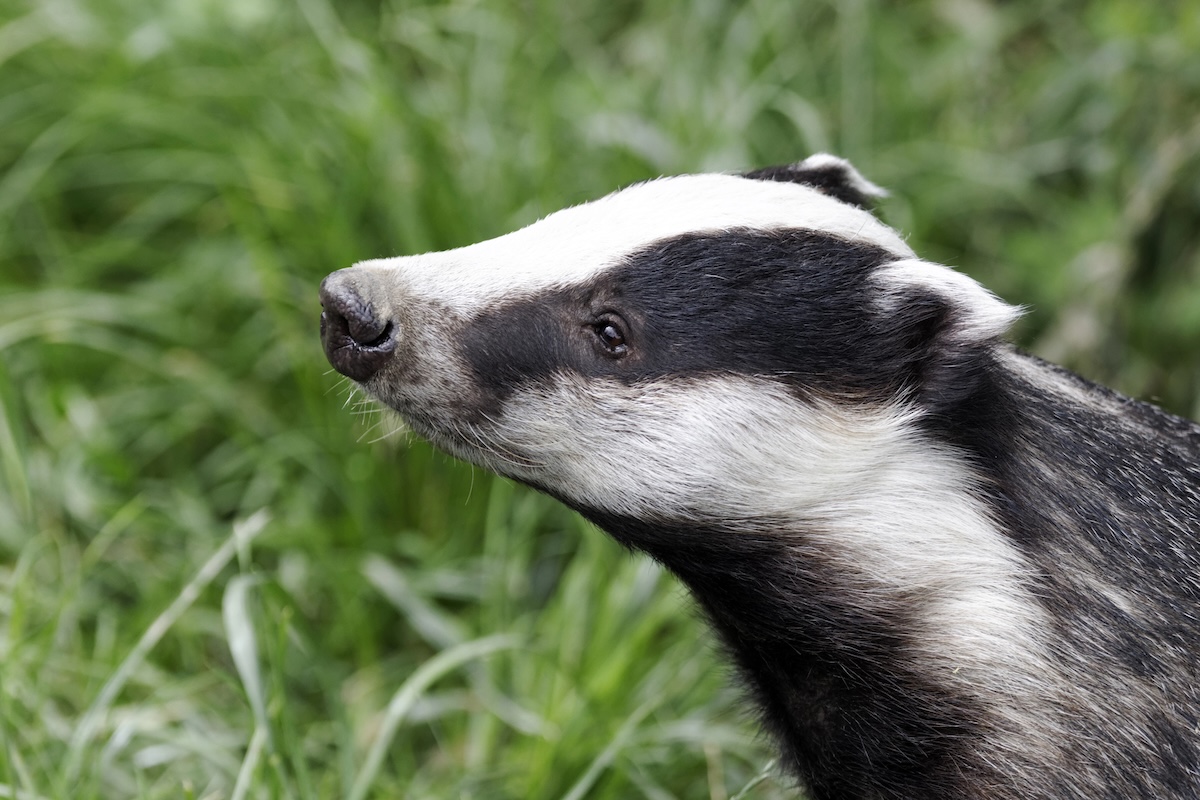 Photo Credit: mikelane45 at Deposit Photos
In the twilight of a cool evening, the badger, known scientifically as Meles meles, emerges from its burrow, ready to explore the world beyond. With its stout body and distinctive black-and-white facial markings, this remarkable mammal is a master of its environment. Badgers are built for digging, with powerful limbs and sharp claws that allow them to burrow deep into the earth, creating extensive tunnel systems. These tunnels serve as both homes and safe havens, showcasing the badger’s adaptability and resourcefulness in a variety of habitats, from woodlands to grasslands.
What makes the badger particularly captivating to scientists and nature enthusiasts alike is its role as a keystone species. This means that badgers have a significant impact on their ecosystem, helping to control populations of insects and small mammals while also contributing to soil health through their digging activities. As nocturnal creatures, they come alive at dusk, engaging in a nightly adventure filled with foraging and social interactions. Observing a badger in its natural habitat is like witnessing a small piece of nature’s intricate puzzle, where every action plays a part in the larger story of life on Earth.
The badger is a captivating member of the animal kingdom, sitting comfortably within the intricate web of life. Taxonomically, it belongs to the Kingdom Animalia, which includes all animals, and is classified under the Phylum Chordata, known for animals with a backbone. As a member of the Class Mammalia, badgers share traits like fur and the ability to nurse their young with milk. They are part of the Order Carnivora, which includes meat-eating mammals like lions and wolves. Specifically, badgers belong to the Family Mustelidae, a group that encompasses weasels, otters, and ferrets. This classification highlights their unique adaptations for a life spent digging and foraging, making them fascinating subjects of study in the animal world.
| Taxonomic Rank | Scientific Name | Meaning & Significance |
|---|---|---|
| Kingdom | Animalia | The name comes from the Latin word “animalis,” meaning “having breath,” which reflects the living nature of these organisms. |
| Phylum | Chordata | This term is derived from the Greek word “chordē,” meaning “string,” referring to the notochord, a flexible rod that supports the body in the early stages of development. |
| Class | Mammalia | From the Latin “mamma,” meaning “breast,” this name highlights the defining feature of mammals: the ability to produce milk for their young. |
| Order | Carnivora | Derived from the Latin “carnivorus,” meaning “meat-eating,” this classification emphasizes the dietary habits of these animals. |
| Family | Mustelidae | This name comes from the Latin “mustela,” meaning “weasel,” which reflects the family’s close relationship with weasels and their similar body shapes. |
| Genus | Taxidiinae | The name is derived from the Greek word “taxidion,” meaning “to arrange,” which may refer to the organized social structures seen in some badger species. |
The classification of badgers reveals much about their evolutionary journey. As members of the Mustelidae family, they share a common ancestor with other small carnivores, showcasing adaptations that have allowed them to thrive in various environments. Their digging prowess and social behaviors, such as living in groups called cete, highlight their evolutionary strategies for survival. Understanding where badgers fit in the tree of life not only enriches our knowledge of these intriguing animals but also illustrates the complex relationships that bind all living beings together.
The evolutionary journey of the badger stretches back millions of years, weaving through the tapestry of life on Earth. These tenacious mammals belong to the family Mustelidae, which includes weasels, otters, and ferrets. The ancestors of modern badgers first appeared during the late Eocene epoch, around 35 million years ago. Over time, they adapted to various environments, leading to the diverse species we see today.
The early ancestors of badgers were small, agile creatures that roamed the forests and grasslands. As they evolved, they developed traits that allowed them to thrive in different habitats. One significant transition occurred when they began to dig burrows, a behavior that provided safety from predators and harsh weather. This adaptation not only offered shelter but also allowed them to store food and raise their young in a protected environment.
These evolutionary adaptations have been crucial for the survival of badgers in a changing world. Their digging abilities not only provide shelter but also help them access food sources buried underground. The thick fur keeps them warm during chilly nights, while their varied diet ensures they can find nourishment in different environments. By living in social groups, badgers can work together to fend off threats, making them resilient and resourceful animals. Through these adaptations, badgers have carved out a niche in the ecosystem, showcasing the wonders of evolution in action.
The badger is a stout and sturdy animal, exuding a sense of ruggedness that perfectly suits its burrowing lifestyle. With a low-slung body and powerful limbs, it is built for digging and maneuvering through the earth. Its broad head, adorned with striking facial markings, gives it a distinctive appearance that is both charming and fierce. The badger’s short legs and stocky frame allow it to navigate its underground tunnels with ease, while its strong claws are perfectly adapted for excavating soil.
| Feature | Description |
|---|---|
| Weight | 2kg – 16kg (4lbs – 35lbs) |
| Skin Type | Fur |
These physical traits work together to create a formidable survivor in the wild. The badger’s weight range allows it to be both agile and powerful, making it capable of defending itself against predators. Its thick fur not only provides warmth during chilly nights but also offers protection from the elements as it digs through the earth. Each feature, from its muscular build to its sharp claws, plays a vital role in its ability to thrive in diverse habitats, whether in forests, grasslands, or even urban areas.
The badger thrives in a variety of habitats that paint a picture of its adaptability and resourcefulness. Imagine a landscape where woodlands meet open grasslands, dotted with marshes and thick brush. These environments provide the perfect mix of cover and food sources, allowing badgers to dig their homes and forage for tasty treats. Their burrows, often found beneath the roots of trees or in the soft earth of meadows, create a cozy sanctuary for these industrious animals.
Badgers prefer climates that offer a balance of warmth and moisture, which is why they are often found in temperate regions. They enjoy areas with rich soil, as this makes it easier for them to dig their burrows. These mammals are also quite resilient, able to withstand seasonal changes, from the chill of winter to the warmth of summer. Their habitats often experience a mix of sunny days and rainy spells, which helps maintain the lush vegetation they rely on for food and shelter.
To thrive in these diverse environments, badgers have developed several clever adaptations. Their strong limbs and sharp claws are perfect for digging, allowing them to create extensive burrow systems that can be several feet deep. These burrows not only serve as homes but also as safe havens from predators. Additionally, badgers have a keen sense of smell, which helps them locate food like insects, small mammals, and roots. This combination of physical traits and behaviors ensures that badgers can make the most of their varied habitats, turning challenges into opportunities for survival.
Badgers lead a life that is both intriguing and industrious. As nocturnal animals, they typically emerge from their burrows at dusk, ready to explore their surroundings. Their evenings are filled with activities like foraging for food, which includes a diet of insects, small mammals, and even roots or fruits. Badgers are known for their impressive digging skills, using their strong claws to unearth tasty treats hidden beneath the soil. As night deepens, they continue their search, often covering large distances in search of sustenance before retreating to their cozy dens by dawn.
While badgers are primarily solitary creatures, they do exhibit interesting social behaviors, especially during the breeding season. Males and females come together to mate, but outside of this time, they prefer to live alone. This solitary lifestyle allows them to establish and defend their territories, which they mark with scent to communicate their presence to others. When badgers do interact, it’s often through a series of vocalizations, body language, and scent marking, which helps them navigate their social world without the need for constant companionship.
| Behavior Type | Description |
|---|---|
| Foraging | Badgers search for food at night, digging for insects, small mammals, and plants. |
| Territorial Marking | They use scent to mark their territory, signaling to others that the area is occupied. |
| Vocal Communication | Badgers communicate through various sounds, including growls and grunts, to express their feelings. |
| Solitary Living | Outside of mating season, badgers prefer to live alone, which helps them avoid competition for resources. |
The behaviors of badgers are finely tuned to ensure their survival in the wild. By foraging at night, they avoid many daytime predators while taking advantage of the cover of darkness. Their solitary nature allows them to maintain control over their territory, ensuring they have access to food without the stress of competition. Through their unique communication methods, they can navigate their environment effectively, making them well-adapted to thrive in diverse habitats. In this way, badgers exemplify the balance of independence and instinct that characterizes many successful species in the animal kingdom.
The badger is an omnivore, which means it enjoys a varied diet that includes both plants and animals. This adaptable feeding behavior allows badgers to thrive in different environments. They are known for their digging skills, which they use to unearth tasty treats from the ground. With a keen sense of smell, badgers can locate worms, rodents, and even roots hidden beneath the surface. Their foraging often takes place at night, when they are most active, making them skilled nocturnal hunters.
| Dietary Aspect | Details |
|---|---|
| Diet Type | Omnivore |
| Favorite Foods | Worms, roots, and fruit |
| Prey Items | Rodents and insects |
| Hunting/Foraging Strategies | Digging and nocturnal foraging |
The badger’s diverse diet plays a crucial role in its ecology and daily routine. By consuming a mix of plant and animal matter, badgers help control populations of small rodents and insects, contributing to the balance of their ecosystem. Their nocturnal foraging habits also mean they are active when many other animals are resting, allowing them to exploit food sources that might be less accessible during the day. This adaptability not only supports their survival but also enriches the habitats they inhabit.
During the breeding season, which typically occurs in late winter to early spring, badgers engage in a fascinating courtship ritual. Males will often compete for the attention of females, showcasing their strength and agility. After a successful mating, the female will prepare for the arrival of her young, creating a cozy den where they can be safely born and raised. This den is usually located underground, providing protection from predators and harsh weather.
| Reproductive Aspect | Details |
|---|---|
| Gestation Period | About 7 to 8 weeks |
| Litter Size | Average of 3 |
| Age of Maturity | 1 to 2 years |
| Name of Young | Kids or cubs |
Once the young, known as cubs, are born, they are completely dependent on their mother for survival. The cubs are born blind and helpless, relying on their mother’s milk for nourishment. As they grow, they begin to explore their surroundings, learning essential skills like digging and foraging. The mother badger is a dedicated parent, teaching her cubs how to navigate the world around them. By the time they reach maturity at about one to two years old, these young badgers are ready to venture out on their own, continuing the cycle of life in the wild.
The badger plays a vital role in its ecosystem, sitting near the middle of the food web. As an omnivore, it helps control populations of insects, small mammals, and plants, contributing to the balance of its environment. However, this sturdy mammal faces various dangers that threaten its survival.
To defend itself against these threats, the badger relies on a combination of physical and behavioral strategies. Its powerful claws and strong body make it an excellent digger, allowing it to quickly burrow into the ground to escape predators. Badgers are also known for their fierce temperament; when cornered, they can be surprisingly aggressive. Additionally, their nocturnal lifestyle helps them avoid many daytime predators, giving them a better chance to thrive in their habitats.
A keystone species is an organism that has a disproportionately large impact on its environment relative to its abundance. This means that if it were removed, the ecosystem would change dramatically. Badgers, with their unique behaviors and ecological roles, qualify as keystone species in many of the habitats they occupy. Their activities help shape the environment, making them essential players in maintaining the balance of their ecosystems.
Badgers are known for their burrowing habits, which create homes for themselves and other animals. When they dig, they aerate the soil, allowing water and nutrients to penetrate deeper. This process benefits plants and other organisms that rely on healthy soil. Additionally, their burrows can become shelters for various creatures, including rabbits and foxes, providing safe havens from predators.
Moreover, as omnivores, badgers consume a wide range of foods, from insects to small mammals and even fruits. This diverse diet helps control populations of these species, preventing any one group from becoming too dominant. For example, by eating insects, badgers can help keep pest populations in check, which is crucial for the health of plants and crops in their habitats.
If badgers were to disappear from their ecosystems, the consequences could be severe. Without their burrowing activities, soil health would decline, leading to poorer plant growth and reduced habitat quality for many species. The absence of badgers would also allow certain populations, like insects or small mammals, to explode unchecked, potentially leading to overgrazing or crop damage. This ripple effect could disrupt the entire ecosystem, highlighting just how vital badgers are to the natural world.
The badger occupies a vital ecological niche, acting as a keystone species in its environment. This means that its presence and activities significantly shape the ecosystem around it. Badgers are found in diverse habitats, including woodlands, grasslands, marshes, and thick brush. Their burrowing behavior not only creates homes for themselves but also provides shelter for other animals. By digging and foraging, badgers influence the soil structure and nutrient cycling, making them essential players in maintaining the health of their ecosystems.
| Ecosystem Service | Impact |
|---|---|
| Soil Aeration | Badgers dig extensive burrows, which aerate the soil and improve water infiltration. |
| Prey Population Control | As omnivores, they help regulate populations of insects and small mammals. |
| Seed Dispersal | By consuming fruits and plants, badgers contribute to seed dispersal, promoting plant diversity. |
| Habitat Creation | Their burrows provide homes for various other species, enhancing biodiversity. |
Badgers influence their ecosystems in several specific ways. For instance, their burrowing activities create tunnels that not only serve as their homes but also become habitats for other creatures, such as rabbits and various insects. This interaction fosters a rich community of life beneath the surface. Additionally, by foraging for food, badgers help control insect populations, which can prevent overgrazing of plants and maintain a balanced ecosystem. Their varied diet, which includes fruits, roots, and small animals, allows them to play a role in both plant and animal population dynamics.
The broader ecological importance of badgers cannot be overstated. As a keystone species, their removal would lead to significant changes in their habitats, potentially causing declines in other species and altering the landscape itself. By maintaining soil health, controlling prey populations, and creating habitats for other animals, badgers contribute to a balanced and thriving ecosystem. Their presence is a reminder of how interconnected life is and how each species, no matter how small, plays a crucial role in the grand tapestry of nature.
In the intricate dance of nature, many species form partnerships that enhance their survival and well-being. These relationships, known as symbiosis, can take various forms, including mutualism, where both species benefit, commensalism, where one benefits while the other is unaffected, and parasitism, where one benefits at the expense of the other. Badgers, with their adaptable lifestyles, engage in several fascinating ecological relationships that highlight the interconnectedness of life.
| Species/Type | Relationship Type | Description |
|---|---|---|
| Worms | Mutualistic | Badgers dig in the soil, which helps aerate it. This activity allows worms to thrive, while badgers benefit from the worms as a food source. |
| Birds (e.g., Red-winged Blackbirds) | Commensal | Birds often follow badgers as they dig, catching insects and small animals that are disturbed by the badger’s movements. The birds gain food, while the badger remains unaffected. |
| Ticks | Parasitic | Ticks can latch onto badgers, feeding on their blood. This relationship is harmful to the badger, as it can lead to health issues. |
These relationships have evolved over time, shaped by the needs and behaviors of the species involved. Mutualistic partnerships, like that with worms, showcase how badgers contribute to their environment while reaping benefits in return. Commensal relationships, such as those with birds, highlight the clever ways animals can coexist and support one another without direct competition. However, parasitic relationships remind us that not all interactions are beneficial. Understanding these connections helps us appreciate the delicate balance of ecosystems and the roles each species plays in maintaining it.
Badgers are fascinating animals that often go unnoticed in the wild, but they have some surprising traits that make them truly remarkable. Here are a few intriguing facts that might just change the way you see these burrowing mammals.
Throughout history, badgers have held a special place in human culture and folklore. These stout, burrowing mammals have been depicted in stories and art, often symbolizing tenacity and resilience. In various cultures, badgers are seen as wise creatures, sometimes associated with the earth and the underworld. Ancient peoples revered them for their ability to dig deep into the ground, which was thought to connect the surface world with the hidden depths below. This cultural significance has woven badgers into the fabric of human storytelling, making them more than just animals but symbols of strength and survival.
In modern times, the relationship between badgers and humans has become more complex. While some people admire these animals for their ecological role, others view them as pests, especially in agricultural areas where they can damage crops or compete with livestock for food. Conservation efforts are underway in many regions to protect badger populations, as they face threats from habitat loss and road accidents. However, conflicts can arise when badgers dig up gardens or burrow under fences. Interestingly, some communities have embraced badgers, creating wildlife corridors to help them thrive alongside human development, showcasing a growing understanding of the importance of coexistence.
As we look to the future, the relationship between badgers and humanity is poised for evolution. With increasing awareness of biodiversity and the importance of healthy ecosystems, more people are recognizing the value of badgers in maintaining ecological balance. Education and outreach programs can help bridge the gap between human interests and wildlife needs, fostering a spirit of cooperation. By embracing sustainable practices and respecting the habitats of these remarkable animals, we can ensure that badgers continue to thrive alongside us, enriching our natural world for generations to come.
The conservation status of badgers is currently classified as Near Threatened. This means that while they are not yet endangered, their populations are facing challenges that could lead to a decline if not addressed. In various regions, badger populations are experiencing fluctuations, with some areas seeing stable numbers while others report worrying decreases. Understanding these trends is crucial for ensuring the future of these fascinating mammals.
| Conservation Factor | Status/Details |
|---|---|
| IUCN Status | Near Threatened |
| Population Estimates | Varies by region; some areas stable, others declining |
| Trend Direction | Mixed; some populations stable, others decreasing |
One of the main threats to badgers comes from habitat loss, primarily due to urban development and agricultural expansion. As humans build homes and farms, they encroach on the natural spaces where badgers thrive. Additionally, road traffic poses a significant danger, as many badgers are killed while crossing roads. Other threats include hunting and trapping, which can further reduce their numbers. These challenges highlight the need for awareness and action to protect these resilient animals.
Conservation efforts are underway to help safeguard badger populations and their habitats. Various organizations are working to create wildlife corridors, which are safe passages that allow animals to move between areas without the risk of roads or development. Public education campaigns also play a vital role in raising awareness about the importance of badgers in ecosystems. With continued efforts and community involvement, there is hope for a brighter future for badgers, ensuring they remain a part of our natural world for generations to come.
| Question | Answer |
|---|---|
| What is the habitat of a badger? | Badgers are found in a variety of habitats, including woodlands, grasslands, marshes, and brushy areas. They prefer places where they can dig and create burrows, which provide shelter and protection from predators. |
| What do badgers eat? | Badgers are omnivores, meaning they eat both plants and animals. Their diet includes insects, small mammals, fruits, and roots, allowing them to adapt to different environments and food availability. |
| How do badgers behave? | Badgers are known for their digging abilities and often create extensive burrow systems called setts. They are mostly nocturnal, meaning they are active at night, and they can be quite social, living in family groups. |
| How do badgers reproduce? | Badgers typically mate in late winter, and after a gestation period of about seven weeks, the female gives birth to a litter of 1 to 5 cubs in the spring. The young stay with their mother for several months, learning essential survival skills. |
| What threats do badgers face? | Badgers are considered near threatened due to habitat loss, hunting, and road accidents. As their natural habitats are destroyed or fragmented, their populations can decline, making conservation efforts important. |
| What are some interesting characteristics of badgers? | Badgers have strong, stocky bodies and powerful claws that make them excellent diggers. They also have a distinctive black and white facial pattern, which helps them stand out in their environment. |
| Can badgers be found in urban areas? | Yes, badgers can sometimes be found in urban areas, especially if there are green spaces or parks nearby. They adapt well to different environments, but they still need access to food and places to dig. |