Taxonomy & Classification
- Kingdom
- Animalia
- Phylum
- Arthropoda
- Class
- Insecta
- Order
- Lepidoptera
- Family
- Psychidae
- Genus
- Thyridopteryx

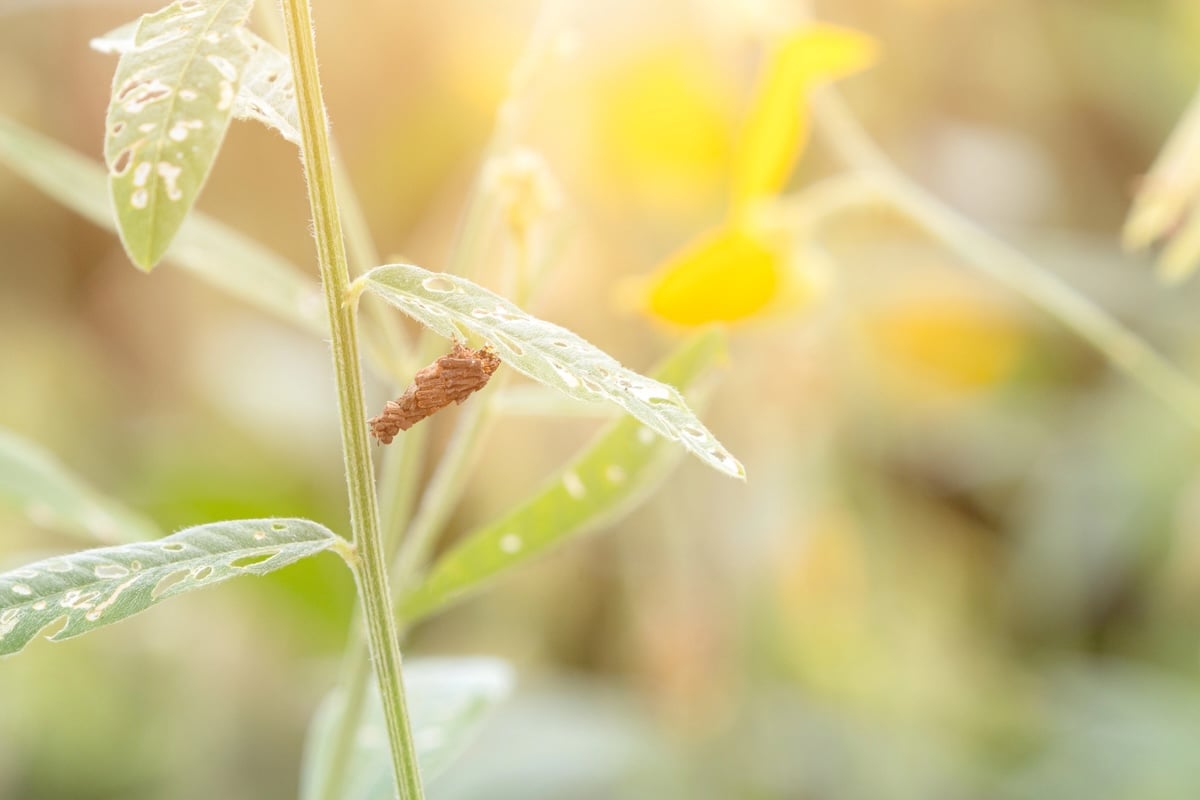 Photo Credit: supawitsre at Deposit Photos
In the heart of a sun-dappled forest, the Bagworm Moth, or Thyridopteryx, weaves a life that is as enchanting as it is mysterious. Picture a quiet glade where towering evergreens stand sentinel, their needles whispering secrets to the wind. Here, the Bagworm Moth makes its home, but not in the way you might expect. Unlike most moths that flit about in the night, this fascinating insect spends much of its life in a protective case made from twigs and leaves, camouflaging itself against the backdrop of its leafy surroundings. This unique adaptation not only shields it from predators but also sparks the curiosity of scientists and nature lovers alike.
What truly captivates observers is the Bagworm Moth’s remarkable life cycle. The females, which are wingless and remain in their cozy bags, never take to the skies, while the males, adorned with delicate wings, embark on aerial quests to find their mates. This striking contrast between the two sexes adds a layer of intrigue to their story. As they munch on the foliage of evergreens, these moths play a vital role in their ecosystem, helping to maintain the health of the forest. With each gentle rustle of leaves, the Bagworm Moth invites us to explore the wonders of nature, reminding us that even the smallest creatures can have a big impact on the world around us.
The Bagworm Moth, scientifically known as Thyridopteryx, occupies a fascinating niche in the tree of life. This intriguing insect belongs to the Kingdom Animalia, which includes all animals, and is classified under the Phylum Arthropoda, home to creatures with exoskeletons, segmented bodies, and jointed legs. As a member of the Class Insecta, it shares its world with millions of other insects. What sets the Bagworm Moth apart is its unique lifestyle; the larvae create protective cases from silk and plant materials, resembling little bags that hang from trees. This clever adaptation not only provides camouflage but also shields them from predators, making them a captivating example of nature’s ingenuity.
| Taxonomic Rank | Scientific Name | Meaning & Significance |
|---|---|---|
| Kingdom | Animalia | The name means “animals” in Latin, highlighting the diverse group of living organisms that share characteristics like mobility and complex behaviors. |
| Phylum | Arthropoda | This term comes from Greek, meaning “jointed feet,” which refers to the jointed limbs that are a hallmark of this group, including insects, arachnids, and crustaceans. |
| Class | Insecta | Derived from the Latin word for “cut,” this name reflects the segmented body structure of insects, which is divided into distinct sections. |
| Order | Lepidoptera | This name means “scale wings” in Greek, referring to the tiny scales that cover the wings of butterflies and moths, giving them their vibrant colors and patterns. |
| Family | Psychidae | The name comes from the Greek word “psyche,” meaning “soul” or “mind,” possibly alluding to the mysterious and often hidden lives of these moths. |
| Genus | Thyridopteryx | This name combines Greek words meaning “door” and “wing,” which may refer to the unique wing structure of the moths in this genus. |
The classification of the Bagworm Moth reveals much about its evolutionary journey. As part of the Lepidoptera order, it shares a lineage with butterflies and other moths, showcasing the incredible diversity of adaptations that have evolved over millions of years. The protective cases made by the larvae not only serve as a survival mechanism but also highlight the intricate relationships between species and their environments. Understanding where the Bagworm Moth fits in the grand tapestry of life helps us appreciate the complexity and interconnectedness of all living things.
The evolutionary journey of the Bagworm Moth, belonging to the genus Thyridopteryx, stretches back millions of years, intertwining with the history of its environment. These moths are part of the family Psychidae, which has adapted to various habitats across the globe. Their story is one of transformation, showcasing how life can evolve in response to changing conditions and challenges.
The ancestors of Bagworm Moths were likely more similar to other primitive moths, with less specialized lifestyles. Over time, they developed a unique way of life that involved creating protective cases from materials found in their surroundings, such as leaves and twigs. This adaptation not only provided camouflage from predators but also helped them survive in diverse environments. As they evolved, their life cycle became more specialized, with larvae that construct these bags to shield themselves during their vulnerable stages. This transition marked a significant shift in their survival strategy, allowing them to thrive in various ecosystems.
These adaptations have been vital for the Bagworm Moth’s survival. By building protective cases, they not only shield themselves from predators but also create a microhabitat that can help regulate temperature and moisture. Their ability to adapt their diet allows them to thrive in various environments, ensuring they can find food even when conditions change. Overall, the evolutionary story of the Bagworm Moth is a testament to the power of adaptation in the natural world, showcasing how life can flourish in even the most challenging circumstances.
The Bagworm Moth presents a curious sight, especially when you catch a glimpse of its unique life cycle. These moths are not your typical fluttering insects; instead, the females spend their entire lives encased in protective sacs made from silk and bits of plant material. This gives them a rather unusual appearance, as they resemble small, camouflaged bags hanging from branches. The males, on the other hand, are more traditional in form, sporting delicate wings and a slender body, ready to take flight in search of a mate.
| Feature | Description |
|---|---|
| Size | Females can reach up to 2 inches long, while males are smaller, typically around 0.5 inches. |
| Color | Females are often brown or gray, blending seamlessly with their surroundings, while males display lighter, more vibrant colors. |
| Skin Type | Females have a tough, protective outer layer formed from silk and plant debris, while males have soft, delicate wings. |
| Wings | Males possess long, feathery wings that allow them to fly, while females are wingless and remain in their protective sacs. |
The physical features of the Bagworm Moth are not just for show; they serve vital purposes in the survival of the species. The females’ protective sacs act as a fortress against predators, allowing them to remain safe while they develop. Their coloration helps them blend into the environment, making it difficult for hungry eyes to spot them. Meanwhile, the males’ ability to fly enables them to seek out females, ensuring the continuation of their lineage. Together, these adaptations create a fascinating balance between vulnerability and survival in the wild.
The Bagworm Moth thrives in a world filled with evergreens and a variety of shrubs and trees. Picture a lush forest where tall pines and spruces stretch toward the sky, their needles creating a soft, green canopy. Beneath this leafy shelter, the ground is dotted with smaller bushes and shrubs, providing the perfect hiding spots for these crafty moths. As they dangle from their silk-woven bags, they blend seamlessly into their surroundings, making them hard to spot for both predators and curious onlookers.
These moths prefer climates that offer a mix of warmth and moisture, which is essential for their development. They are often found in areas where the temperature is mild, allowing the trees and shrubs to flourish. The presence of evergreens is particularly important, as these trees provide both food and shelter. The Bagworm Moth’s habitat is typically found in regions that experience distinct seasons, which helps regulate the life cycle of these fascinating insects.
Over time, the Bagworm Moth has developed clever adaptations to thrive in its chosen environment. Its ability to camouflage itself within its silk bag, made from bits of leaves and twigs, is a brilliant survival strategy. This disguise not only protects it from predators but also helps it blend into the foliage, making it less noticeable. Additionally, the moth’s life cycle is synchronized with the growth patterns of its host plants, ensuring that it has access to food and shelter throughout its life stages. This remarkable relationship with its habitat showcases the Bagworm Moth’s ability to adapt and flourish in the wild.
The Bagworm Moth leads a life that is both intriguing and structured, primarily active during the day, or diurnal, as it flits about its forest home. Each day begins with the sun’s warm rays, prompting these moths to emerge from their protective silk cases, which they cleverly construct from twigs and leaves. As they explore their surroundings, they search for food, primarily munching on the foliage of trees and shrubs. This daily routine is not just about feeding; it also involves finding mates and preparing for the next stage of their life cycle.
Socially, Bagworm Moths exhibit fascinating group dynamics. They often gather in large numbers, creating what is known as an infestation. This clustering behavior can provide safety in numbers, as it makes it harder for predators to target individual moths. Within these groups, communication is subtle but effective. While they may not chirp or buzz like some insects, they can sense pheromones—chemical signals released by others—to find mates and establish their presence in the area. This social structure helps them thrive in their environment, ensuring that they can reproduce and continue their lineage.
| Behavior Type | Description |
|---|---|
| Activity Patterns | Bagworm Moths are diurnal, meaning they are active during the day, foraging for food and mates. |
| Social Structure | They often form infestations, gathering in large groups for safety and reproductive purposes. |
| Communication Methods | They use pheromones to communicate with one another, helping to attract mates and signal their presence. |
The behaviors of Bagworm Moths are essential for their survival. By being active during the day, they maximize their chances of finding food and mates. Their social structure not only provides protection from predators but also enhances their reproductive success. Through effective communication, they can navigate their environment and ensure that their species continues to thrive in the lush habitats they call home.
The Bagworm Moth primarily feeds on plant material, making it a herbivore. These moths have a particular fondness for the leaves of various trees and shrubs, especially evergreens like pines and spruces. As larvae, they create protective cases from silk and bits of plant material, which they carry around as they munch on foliage. This clever strategy not only provides them with food but also offers camouflage from predators, allowing them to blend into their surroundings while they feast.
| Dietary Aspect | Details |
|---|---|
| Diet Type | Herbivore |
| Favorite Foods | Leaves of evergreens, particularly pines and spruces |
| Prey Items | None, as they do not consume other animals |
| Hunting/Foraging Strategies | Larvae create silk cases from plant material for protection while feeding |
This diet plays a crucial role in the Bagworm Moth’s ecology and daily routine. By feeding on the leaves of trees, they help shape the plant community in their habitat. Their feeding habits can influence tree growth and health, as well as provide a food source for other animals. The Bagworm Moth’s unique lifestyle, including its protective case and herbivorous diet, allows it to thrive in its environment while contributing to the intricate web of life in the forest.
When it comes to the Bagworm Moth’s mating rituals, the scene is set during the warm months of late spring to early summer. Males, with their wings, take to the skies in search of females, who remain stationary in their protective silk cases. The males use their keen sense of smell to locate the females, drawn in by pheromones, which are chemical signals that attract mates. Once a male finds a female, he will mate with her, ensuring the continuation of their species.
| Reproductive Aspect | Details |
|---|---|
| Gestation Period | Approximately 2 to 3 weeks |
| Litter Size | Up to 1,000 eggs |
| Age of Maturity | About 2 months |
| Name of Young | Caterpillar |
After mating, the female Bagworm Moth lays a staggering number of eggs, often up to 1,000, inside her silk case. Once the eggs hatch, the young caterpillars emerge and begin their journey of growth. These caterpillars are quite independent and start feeding on nearby foliage right away. As they munch on leaves, they grow rapidly, shedding their skin several times in a process called molting. This stage is crucial as they prepare to transform into adult moths, eventually emerging from their cases to continue the cycle of life. The Bagworm Moth’s life is a testament to the wonders of nature, showcasing how each generation contributes to the ongoing story of their species.
The Bagworm Moth plays a vital role in its ecosystem, serving as both a herbivore and a food source for various predators. By munching on the leaves of trees and shrubs, it helps maintain the health of its habitat. However, this little moth is not without its challenges. It faces numerous dangers that threaten its survival, making it an important part of the food web.
To defend itself against these threats, the Bagworm Moth has developed some clever survival strategies. One of its most notable tactics is its ability to camouflage. The moths create protective cases from silk and bits of leaves, blending seamlessly into their surroundings. This disguise helps them avoid detection by hungry predators. Additionally, the females, which are wingless, remain hidden in their cases, further reducing their chances of being spotted. By using these strategies, the Bagworm Moth can navigate the dangers of its environment and continue its life cycle.
A keystone species is an organism that has a disproportionately large impact on its environment relative to its abundance. These species play a crucial role in maintaining the structure of an ecological community. The Bagworm Moth, while not a classic keystone species like wolves or sea otters, does have significant ecological effects, particularly in its habitat of evergreens and various shrubs and trees.
The Bagworm Moth primarily feeds on the leaves of trees, especially evergreens like pines and spruces. By consuming these leaves, it helps regulate plant growth and can influence the overall health of the forest. When populations of Bagworm Moths increase, they can lead to what is known as an infestation. This can result in significant leaf loss for the trees, which may seem harmful at first. However, this feeding behavior can also promote new growth and diversity in the plant community, as trees respond to the loss by producing new leaves and branches.
Moreover, the Bagworm Moth serves as a food source for various predators, including birds and other insects. This connection creates a ripple effect throughout the food web. When Bagworm Moths are abundant, they provide a reliable meal for these predators, supporting their populations. Conversely, if Bagworm Moths were to decline, it could lead to a decrease in the number of these predators, disrupting the balance of the ecosystem.
If Bagworm Moths were to disappear from their ecosystems, the consequences could be far-reaching. Without these moths, trees might experience unchecked growth, leading to overcrowding and competition for resources. This could reduce the overall health of the forest. Additionally, the predators that rely on Bagworm Moths for food would struggle to find enough sustenance, potentially leading to declines in their populations. The intricate web of life that connects plants, herbivores, and predators would be disrupted, highlighting the importance of even the smallest players in our natural world.
The Bagworm Moth, known scientifically as Thyridopteryx, plays a vital role in its ecosystem, particularly in forested areas filled with evergreens and various shrubs. As a herbivore, it primarily feeds on the leaves of trees, which helps shape the plant community and influences the overall health of its habitat. By munching on foliage, the Bagworm Moth not only sustains itself but also contributes to the balance of plant life, making it an important player in the intricate web of life.
| Ecosystem Service | Impact |
|---|---|
| Leaf Consumption | Helps control plant growth and promotes biodiversity by allowing different species to thrive. |
| Food Source | Serves as a meal for various predators, including birds and small mammals, supporting the food chain. |
| Soil Enrichment | Decomposing bagworm cases contribute organic matter to the soil, enhancing its fertility. |
| Pollination Support | While not direct pollinators, their presence encourages a healthy ecosystem that supports pollinators. |
The influence of the Bagworm Moth extends beyond its immediate feeding habits. For instance, when these moths consume leaves, they can help prevent any one species from dominating the landscape. This allows a variety of plants to flourish, which in turn supports a diverse array of insects, birds, and other wildlife. Additionally, the cases that the larvae create from twigs and leaves eventually break down, enriching the soil with nutrients. This process is essential for maintaining healthy plant growth and soil quality.
The broader ecological importance of the Bagworm Moth cannot be overstated. As a keystone species, it plays a crucial role in maintaining the structure of its ecosystem. By influencing plant diversity and serving as a food source for various animals, the Bagworm Moth helps sustain the delicate balance of life in its habitat. Its presence is a reminder of how interconnected all living things are, and how even the smallest creatures can have a significant impact on the environment.
In the intricate web of life, symbiosis refers to the close and often long-term interactions between different species. These relationships can take many forms, including mutualism, where both species benefit, parasitism, where one benefits at the expense of the other, and commensalism, where one benefits while the other is neither helped nor harmed. The Bagworm Moth, with its unique lifestyle and habitat preferences, engages in various ecological relationships that highlight the complexity of nature.
| Species/Type | Relationship Type | Description |
|---|---|---|
| Plants (e.g., evergreens) | Mutualistic | The Bagworm Moth feeds on the leaves of these plants, which helps control their growth. In return, the moth benefits from the nutrients it derives from the foliage. |
| Predators (e.g., birds) | Parasitic | While the Bagworm Moth serves as a food source for various birds, this relationship is detrimental to the moth, as it can lead to its demise. |
| Fungi | Commensal | Some Bagworm Moths may inadvertently carry fungal spores on their bodies, which can help the fungi spread without affecting the moth. |
These relationships have evolved over time, shaped by the needs and survival strategies of the species involved. The Bagworm Moth’s interactions with plants not only provide it with sustenance but also play a role in maintaining the health of its ecosystem. Meanwhile, its position in the food web highlights the delicate balance of predator and prey. Understanding these connections helps us appreciate the intricate dance of life that sustains our natural world.
The Bagworm Moth, a captivating insect of the genus Thyridopteryx, has some surprising traits that make it stand out in the world of moths. From its unique lifestyle to its fascinating adaptations, these little creatures are full of surprises.
The Bagworm Moth, known scientifically as Thyridopteryx, has a long history of interaction with humans that dates back centuries. In various cultures, these moths have been both admired and misunderstood. Their unique appearance, especially the protective silk cases they create, has inspired folklore and artistic expressions. In some regions, these cases are even collected and used in crafts, showcasing the moth’s role in human creativity. However, their presence in gardens and forests has also led to concerns, as they can defoliate trees, prompting a mix of fascination and frustration among those who encounter them.
Today, the relationship between Bagworm Moths and humanity is complex. While they are often viewed as pests due to their potential to damage ornamental trees and shrubs, there is also a growing awareness of their ecological importance. Conservation efforts are increasingly recognizing the role of Bagworm Moths in maintaining healthy ecosystems. By feeding on plant material, they help control plant growth and provide food for various predators. However, in urban areas, conflicts can arise when these moths invade gardens, leading to a push for more sustainable pest management practices that respect both the moths and the environment.
Looking ahead, the future of the Bagworm Moth and its relationship with humanity will likely hinge on our ability to balance ecological health with human interests. As awareness of biodiversity grows, there may be more efforts to appreciate these moths not just as pests, but as vital components of our ecosystems. By fostering a deeper understanding of their role in nature, we can create a more harmonious coexistence, ensuring that both Bagworm Moths and humans thrive together in our shared environment.
The conservation status of the Bagworm Moth, scientifically known as Thyridopteryx, is currently classified as “Not Listed” by the International Union for Conservation of Nature (IUCN). This means that there is not enough information to determine whether the species is at risk of extinction. While population estimates are not readily available, the Bagworm Moth appears to be stable in many of its habitats, particularly in areas rich with evergreens and shrubs. However, ongoing monitoring is essential to ensure that any potential threats are addressed before they impact the population.
| Conservation Factor | Status/Details |
|---|---|
| IUCN Status | Not Listed |
| Population Estimates | Not Available |
| Trend Direction | Stable |
Despite its current stability, the Bagworm Moth faces several threats that could impact its future. Habitat loss is a significant concern, as urban development and deforestation can reduce the availability of the trees and shrubs these moths rely on for food and shelter. Additionally, climate change poses a risk by altering the ecosystems where they thrive, potentially affecting their life cycles and food sources. Pesticides used in agriculture can also harm Bagworm Moths, as these chemicals may not only kill them directly but can also disrupt their food supply.
Conservation efforts for the Bagworm Moth are not yet widespread, primarily due to its current status of not being listed as threatened. However, maintaining healthy forest ecosystems is crucial for the survival of this species. Encouraging sustainable land use practices and protecting natural habitats can help ensure that the Bagworm Moth continues to thrive. As we learn more about this intriguing insect, it becomes increasingly important to monitor its populations and habitats, ensuring that future generations can appreciate the wonders of the natural world.
| Question | Answer |
|---|---|
| What is the habitat of the Bagworm Moth? | Bagworm Moths are commonly found in areas with evergreens and various shrubs and trees. They prefer habitats where they can easily camouflage themselves among the foliage, which helps protect them from predators. |
| What do Bagworm Moths eat? | Bagworm Moths are herbivores, meaning they primarily feed on plant material. Their diet consists mainly of leaves from trees and shrubs, which they consume while they are in their larval stage. |
| How do Bagworm Moths behave? | Bagworm Moths are known for their unique behavior of creating protective sacs from silk and plant materials. The larvae live inside these sacs, which they carry around as they feed, providing them with safety from predators. |
| How do Bagworm Moths reproduce? | Female Bagworm Moths remain in their protective sacs for their entire lives and do not fly. Males, on the other hand, emerge from their pupal cases, fly to find females, and mate before dying shortly after. |
| What threats do Bagworm Moths face? | While Bagworm Moths are not currently listed as endangered, they can face threats from predators like birds and parasitic insects. Additionally, habitat destruction can impact their populations by reducing the availability of suitable plants for feeding and shelter. |
| What is an interesting characteristic of Bagworm Moths? | One of the most distinctive features of Bagworm Moths is that females live in protective sacs throughout their lives. This unique adaptation not only provides safety but also makes them less mobile compared to their male counterparts. |
| How long do Bagworm Moths live? | The lifespan of Bagworm Moths varies, but typically, the entire life cycle from egg to adult can take several months to a year. The larvae spend most of their time in their sacs, while adults have a much shorter lifespan, especially the males. |