Taxonomy & Classification
- Kingdom
- Animalia
- Phylum
- Chordata
- Class
- Mammalia
- Order
- Chiroptera
- Family
- Microchiroptera
- Genus
- Emballonuridae
- Species
- Chiroptera

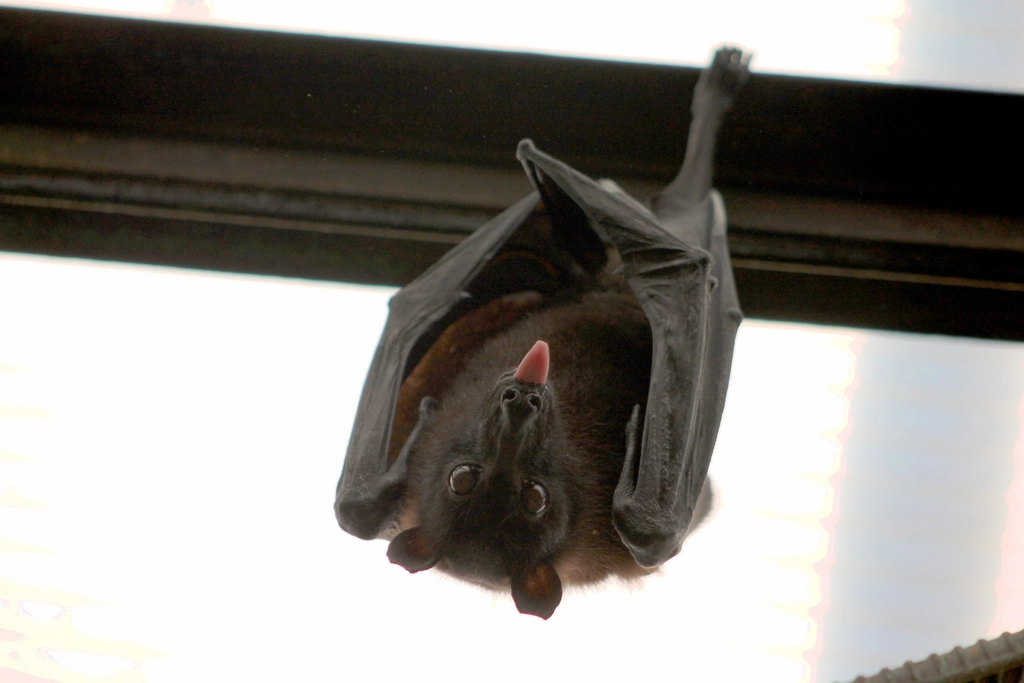 Photo Credit: Rawpixel
In the twilight hours, as the sun dips below the horizon, the world transforms into a magical realm where the air buzzes with life. Here, we meet the bat, or Chiroptera, which means “hand wing” in Greek. With its delicate wings stretching out like a finely crafted tapestry, this remarkable mammal takes to the skies, showcasing a blend of agility and grace that captivates both scientists and nature lovers alike. Bats are not just creatures of the night; they are vital players in our ecosystems, helping to control insect populations and pollinate plants, making them essential for a healthy environment.
Imagine a lush forest, where the leaves rustle softly in the evening breeze. As darkness falls, bats emerge from their roosts, often hanging upside down in cozy clusters within tree hollows or caves. Their large, expressive eyes and sensitive ears allow them to navigate through the night with astonishing precision, using echolocation—a natural sonar system that helps them locate food and avoid obstacles. This ability to “see” with sound is just one of the many features that make bats so intriguing. With over 1,400 species worldwide, each bat has its own unique traits and behaviors, from the tiny bumblebee bat to the majestic flying fox. As we delve deeper into the world of bats, we will uncover their fascinating lives, the roles they play in our ecosystems, and the challenges they face in a rapidly changing world.
Bats hold a special place in the tree of life, showcasing a remarkable blend of characteristics that set them apart from other mammals. They belong to the order Chiroptera, which means “hand wing” in Greek, highlighting their unique adaptation of wings formed from elongated fingers covered by a thin membrane of skin. This adaptation allows bats to be the only mammals capable of sustained flight, making them a fascinating subject of study in both biology and ecology. With over 1,400 species, bats are incredibly diverse, playing vital roles in ecosystems as pollinators, seed dispersers, and natural pest controllers.
| Taxonomic Rank | Scientific Name | Meaning & Significance |
|---|---|---|
| Kingdom | Animalia | This name comes from the Latin word for “animal,” emphasizing that bats are part of the vast group of living organisms that are multicellular and capable of movement. |
| Phylum | Chordata | Derived from the Latin “chorda,” meaning “string,” this term refers to animals that have a notochord, a flexible rod that supports the body, at some stage of development. |
| Class | Mammalia | This name comes from the Latin “mamma,” meaning “breast,” highlighting that all mammals, including bats, nurse their young with milk produced by mammary glands. |
| Order | Chiroptera | From the Greek words “cheir” (hand) and “pteron” (wing), this name reflects the unique wing structure of bats, which are essentially modified hands. |
| Family | Microchiroptera | This term combines “micro,” meaning small, and “chiroptera,” indicating that this family includes smaller bats, which are often insectivorous, feeding on a variety of insects. |
| Genus | Emballonuridae | Derived from the Greek “emballonuros,” meaning “pouch,” this name refers to the distinctive throat pouch found in some species of this family, used for communication. |
The classification of bats reveals a rich evolutionary history that connects them to both ancient reptiles and modern mammals. Their unique adaptations for flight and echolocation—using sound waves to navigate and hunt—demonstrate how evolution can shape life in extraordinary ways. As members of the mammalian class, bats share common traits with other mammals, yet their specialized features highlight the incredible diversity of life on Earth. Understanding where bats fit in the tree of life not only deepens our appreciation for these remarkable animals but also underscores their importance in maintaining healthy ecosystems.
The evolutionary journey of bats stretches back over 50 million years, placing them among the most ancient of flying mammals. Emerging during the Eocene epoch, these fascinating animals have undergone significant transformations that have allowed them to thrive in diverse environments. Their story is one of adaptation, innovation, and survival, showcasing how life can take to the skies in unexpected ways.
Bats are believed to have evolved from small, tree-dwelling mammals that lived in the shadows of dinosaurs. These early ancestors were likely insectivorous, meaning they primarily fed on insects. As the world changed and the dinosaurs disappeared, these mammals began to develop unique adaptations. One of the most significant transitions was the evolution of wings. Unlike birds, bats have wings formed from a thin membrane of skin stretched between elongated fingers. This adaptation allowed them to master the art of flight, giving them access to new food sources and habitats.
Bats’ evolutionary adaptations have been crucial for their survival in a changing world. Their ability to fly opens up vast territories for foraging, while echolocation allows them to hunt effectively in the dark. Living in colonies enhances their social interactions and safety, and their diverse diets enable them to thrive in various ecosystems. Hibernation strategies help them endure harsh conditions, ensuring that these remarkable mammals continue to flourish across the globe.
Bats are enchanting animals that capture our imagination with their graceful, agile forms. Their bodies are designed for flight, featuring elongated fingers that stretch out their wings, which are made of a thin membrane of skin. This unique structure allows them to navigate through the night sky with incredible precision. With sizes ranging from tiny species weighing just a couple of grams to larger ones that can reach up to a kilogram, bats come in a variety of shapes and sizes, each adapted to their specific environments and lifestyles.
| Feature | Description |
|---|---|
| Weight | 2g – 1,000g (0.07oz – 35oz) |
| Skin Type | Fur |
| Wingspan | Varies widely, from 20 cm (8 in) to over 1.5 m (5 ft) |
| Color | Ranges from browns and blacks to grays and even reds |
| Body Shape | Streamlined with a small head and large ears |
The combination of their lightweight bodies and flexible wings allows bats to perform acrobatic maneuvers in the air, making them expert flyers. Their fur not only provides insulation but also helps with camouflage against predators. The variety in size and color among different bat species reflects their adaptability to diverse habitats, from dense forests to urban areas. Together, these features enable bats to thrive in their environments, showcasing the incredible ways nature equips animals for survival.
Bats are often found in a variety of habitats, but they particularly thrive in woodlands and caves. Imagine a lush forest filled with tall trees, where the sunlight filters through the leaves, creating a dappled pattern on the forest floor. Here, bats can roost in the hollows of trees or hang upside down from branches, blending seamlessly into their surroundings. Caves, on the other hand, provide a dark, cool refuge where bats can gather in large colonies, creating a symphony of chirps and squeaks as they communicate with one another.
Bats prefer climates that offer a mix of warm and cool temperatures, as well as a reliable source of food. They thrive in areas where insects are abundant, especially during the warmer months when food is plentiful. Many species are also sensitive to humidity levels, as they need a certain amount of moisture in the air to help regulate their body temperature. Caves provide a stable environment, protecting bats from harsh weather conditions like heavy rain or extreme heat.
To survive in these diverse habitats, bats have developed some impressive adaptations. Their echolocation ability allows them to navigate and hunt for food in complete darkness, making caves an ideal home. In woodlands, their keen eyesight helps them spot insects flitting about in the twilight. Additionally, their flexible wings enable them to maneuver swiftly through trees and around obstacles, ensuring they can find food and evade predators. These adaptations not only help bats thrive in their chosen environments but also make them essential players in the ecosystems they inhabit.
Bats lead a life filled with activity, especially as the sun sets and darkness blankets the world. During the day, they roost in cozy clusters, often hanging upside down in caves or tree hollows. As night falls, they awaken, stretching their wings and preparing for a night of foraging. Their primary activities include hunting for insects, navigating through the air using echolocation, and socializing with their fellow bats. This nocturnal lifestyle allows them to avoid many predators and take advantage of the abundance of food available at night.
Social behavior among bats is quite intricate and fascinating. Many species live in large colonies, sometimes numbering in the thousands. These groups provide safety in numbers, as they can alert each other to danger. Bats communicate through a variety of sounds, from high-pitched calls to soft chirps, which help them maintain social bonds and coordinate their activities. Within these colonies, bats often engage in grooming behaviors, which strengthen their relationships and promote a sense of community. This social structure is vital for their survival, as it enhances their ability to find food and evade threats.
| Behavior Type | Description |
|---|---|
| Activity Patterns | Bats are primarily nocturnal, meaning they are active at night. They spend their days roosting and resting, then emerge at dusk to hunt for insects. |
| Social Structure | Many bats live in large colonies, which can provide safety and support. These groups often consist of related individuals, enhancing their social bonds. |
| Communication Methods | Bats use a range of vocalizations, including echolocation clicks and social calls, to navigate, find food, and interact with one another. |
The behaviors bats exhibit are not just interesting; they are essential for their survival. By living in packs, they can better protect themselves from predators and share information about food sources. Their ability to communicate effectively ensures that they can coordinate their activities, making them more efficient hunters. In a world filled with challenges, these social dynamics and behavioral patterns help bats thrive, showcasing the incredible adaptability of these flying mammals.
Bats are fascinating omnivores, meaning they enjoy a varied diet that includes both plants and animals. Their feeding behavior is as diverse as their habitats. Some bats hunt insects, while others prefer fruits or even small vertebrates like mice and frogs. This adaptability allows them to thrive in different environments, making them skilled foragers and hunters.
| Dietary Aspect | Details |
|---|---|
| Diet Type | Omnivore |
| Favorite Foods | Fruits, insects, small mammals, and frogs |
| Prey Items | Mice, frogs, and various insects |
| Hunting/Foraging Strategies | Using echolocation to locate prey and foraging in trees for fruit |
This diverse diet plays a crucial role in the ecosystem. By consuming insects, bats help control pest populations, which can benefit farmers and gardeners. Their fruit-eating habits also aid in seed dispersal, promoting plant growth and biodiversity. As they flit through the night sky, their feeding routines shape not only their own lives but also the health of the environments they inhabit.
Bats have intriguing mating behaviors that vary among species, but many engage in elaborate courtship rituals. During the breeding season, which typically occurs in spring, males often compete for the attention of females through vocalizations and displays. Some species even form temporary colonies to attract mates. This lively season is a time of excitement, as bats prepare to bring new life into the world.
| Reproductive Aspect | Details |
|---|---|
| Gestation Period | 6 to 8 weeks |
| Litter Size | 1 |
| Age of Maturity | 6 to 12 months |
| Name of Young | Pup |
Once the pups are born, bat mothers provide dedicated care. After a short gestation period, usually lasting between six to eight weeks, a single pup is born. These tiny, helpless young rely entirely on their mothers for warmth and nourishment. As they grow, the mothers teach them essential skills, like flying and foraging for food. By the time they reach six to twelve months of age, the pups are ready to venture out on their own, fully equipped to navigate the night sky and find their place in the world. This nurturing process highlights the strong bond between bat mothers and their young, ensuring the survival of the next generation.
Bats play a crucial role in the food web, acting as both predators and prey. As insectivores, many bat species help control insect populations, including pests that can harm crops. However, they are also vulnerable to a variety of threats, making their survival a delicate balance within their ecosystems.
To defend themselves against these dangers, bats have developed several clever survival strategies. Many species use echolocation, a technique where they emit high-frequency sounds that bounce off objects, helping them navigate and avoid predators in the dark. Additionally, some bats roost in hard-to-reach places, like high caves or dense foliage, making it difficult for predators to find them. When threatened, certain bats can also play dead or emit distress calls to alert other bats of danger. These adaptations showcase their resilience and ingenuity in the face of challenges.
A keystone species is a vital part of an ecosystem, meaning its presence and activities have a significant impact on the environment and other living things. Bats qualify as a keystone species due to their essential roles in pollination, seed dispersal, and insect population control. Without bats, many ecosystems would struggle to maintain their balance, showcasing just how important these flying mammals are to the health of our planet.
Bats contribute to their ecosystems in several remarkable ways. For instance, many bat species are expert pollinators, helping plants reproduce by transferring pollen from one flower to another as they feed on nectar. This is especially crucial for plants that bloom at night, which rely on bats for their survival. Additionally, bats are key players in seed dispersal. When they consume fruits, they help spread seeds across vast areas, allowing new plants to grow in different locations. This process is vital for maintaining biodiversity in forests and other habitats.
Bats also play a significant role in controlling insect populations. As omnivores, they consume vast quantities of insects, including pests that can damage crops and spread diseases. A single bat can eat thousands of insects in one night, making them natural pest controllers. This not only benefits farmers but also helps maintain the balance of the ecosystem by preventing any one species from overwhelming the environment.
If bats were to disappear from their ecosystems, the consequences would be dire. Without their pollination services, many plants would struggle to reproduce, leading to a decline in plant diversity. This, in turn, would affect the animals that rely on those plants for food and shelter. The absence of bats would also result in a surge of insect populations, which could lead to increased crop damage and the spread of diseases. Overall, the loss of bats would create a ripple effect, disrupting the delicate balance of nature and threatening the health of entire ecosystems.
Bats occupy a crucial ecological niche, acting as both pollinators and pest controllers in their environments. These remarkable mammals are often found in woodlands and caves, where they roost during the day and emerge at night to hunt for food. Their unique adaptations, such as echolocation, allow them to navigate and find prey in complete darkness. By fulfilling these roles, bats help maintain the balance of their ecosystems, making them indispensable to the health of the environment.
| Ecosystem Service | Impact |
|---|---|
| Insect Control | Bats consume vast quantities of insects, including agricultural pests, helping to reduce the need for chemical pesticides. |
| Pollination | Some bat species are important pollinators for plants, aiding in the reproduction of various flowers and fruits. |
| Seed Dispersal | Bats contribute to forest regeneration by dispersing seeds through their droppings, promoting plant diversity. |
Bats influence their ecosystems in several specific ways. For instance, a single bat can eat thousands of insects in one night, significantly lowering the population of pests that can damage crops. This natural pest control is vital for farmers, as it reduces reliance on chemical pesticides, which can harm other wildlife and the environment. Additionally, certain bat species, like the Mexican long-nosed bat, are key pollinators for plants such as agave, which is essential for making tequila. By visiting these flowers, bats help ensure that these plants can reproduce and thrive.
The broader ecological importance of bats cannot be overstated. As keystone species, their presence supports a wide range of other organisms, from the plants they pollinate to the insects they consume. The health of bat populations is often an indicator of ecosystem health, as they are sensitive to environmental changes. Protecting bats and their habitats is crucial not only for their survival but also for the overall balance of the ecosystems they inhabit. By understanding and appreciating the vital roles bats play, we can work towards conserving these fascinating creatures and the environments they help sustain.
Symbiosis is a fascinating concept in nature that describes how different species interact and depend on one another. These relationships can take many forms, including mutualism, where both species benefit, parasitism, where one benefits at the other’s expense, and commensalism, where one benefits while the other is neither helped nor harmed. Bats, with their diverse lifestyles and habitats, engage in various symbiotic relationships that highlight the interconnectedness of life in ecosystems.
| Species/Type | Relationship Type | Description |
|---|---|---|
| Fruit Trees | Mutualistic | Bats help pollinate flowers and disperse seeds, while the trees provide food in the form of fruit. |
| Insects | Mutualistic | Bats consume large quantities of insects, helping to control pest populations, while benefiting from a reliable food source. |
| Birds (like the Red-winged Blackbird) | Commensal | Some bats roost in trees where birds nest, providing protection for the bats while the birds are unaffected. |
| Fungi (like Histoplasma capsulatum) | Parasitic | This fungus can infect bats, causing a disease known as histoplasmosis, which can be harmful to the bats. |
These relationships have evolved over millions of years, shaped by the needs and behaviors of the species involved. Mutualistic partnerships, like those between bats and fruit trees, showcase how cooperation can lead to thriving ecosystems. Bats not only gain nourishment but also play a vital role in the health of their habitats. Meanwhile, parasitic relationships remind us that nature is a complex web of interactions, where survival often hinges on the delicate balance between benefit and harm. Understanding these connections helps us appreciate the intricate dance of life that bats and their partners engage in every day.
Bats are truly extraordinary animals that often surprise us with their unique traits and behaviors. Here are some intriguing facts that showcase just how remarkable these flying mammals can be.
Throughout history, bats have danced in the shadows of human culture, often evoking a mix of fear and fascination. In ancient civilizations, these nocturnal flyers were seen as symbols of mystery and transformation. For instance, in Chinese culture, bats represent good fortune and happiness, while in Western folklore, they are frequently associated with the supernatural, often linked to witches and the night. This complex relationship has shaped how humans perceive bats, leading to both reverence and misunderstanding.
In modern times, our interactions with bats have evolved significantly. While some people still harbor fears about these creatures, many are now recognizing their ecological importance. Bats are vital for pest control, consuming vast quantities of insects, which helps farmers and gardeners alike. However, conflicts arise when bats roost in buildings, leading to concerns about health risks and property damage. Conservation efforts are underway to protect bat populations, especially as many species face threats from habitat loss and diseases like white-nose syndrome, a fungal infection that has devastated bat colonies across North America.
As we look to the future, the relationship between bats and humanity holds both challenges and opportunities. With increasing awareness of their ecological roles, more people are advocating for bat conservation. Education plays a crucial role in dispelling myths and fostering appreciation for these remarkable mammals. By working together to protect bat habitats and promote coexistence, we can ensure that future generations will continue to marvel at the wonders of bats, embracing them as allies in our shared environment.
Bats are currently classified as “Least Concern” on the IUCN Red List, which means they are not facing an immediate threat of extinction. However, this status can be misleading, as many bat populations are experiencing declines in certain regions. Factors such as habitat loss, climate change, and diseases like white-nose syndrome are impacting their numbers. While some species thrive, others are struggling, making it essential to monitor their populations closely.
| Conservation Factor | Status/Details |
|---|---|
| IUCN Status | Least Concern |
| Population Estimates | Varies by species; some populations are declining |
| Trend Direction | Mixed; some species stable, others decreasing |
The main threats to bats are diverse and often interconnected. Habitat destruction, primarily due to urban development and agriculture, reduces the natural spaces where bats roost and forage. Additionally, climate change alters their habitats and food availability. One of the most alarming threats is white-nose syndrome, a fungal disease that has devastated bat populations in North America. This disease affects hibernating bats, causing them to wake up too early and deplete their energy reserves, leading to starvation.
Conservation efforts are underway to protect bat populations and their habitats. Organizations are working to raise awareness about the importance of bats in ecosystems, emphasizing their roles as pollinators and pest controllers. Initiatives include habitat restoration, monitoring populations, and research on diseases like white-nose syndrome. The outlook for bats varies by species, but with continued efforts and public support, there is hope for stabilizing and even increasing their populations in the future.
| Question | Answer |
|---|---|
| Where do bats live? | Bats can be found in a variety of habitats, including woodlands, caves, and even urban areas. They often roost in dark places during the day, such as tree hollows or under bridges, where they feel safe from predators. |
| What do bats eat? | Bats are omnivores, which means they eat a mix of foods. Their diet can include insects, fruits, nectar, and even small animals, depending on the species. Some bats are excellent pollinators, helping plants grow by spreading pollen as they feed. |
| How do bats behave? | Bats are known for their unique flying abilities and echolocation, which is a way of using sound to navigate and find food. They emit high-pitched sounds that bounce off objects, helping them "see" their surroundings in the dark. Many bats are social creatures, living in large colonies. |
| How do bats reproduce? | Bats typically mate in the fall, but the female stores the sperm until spring when she is ready to fertilize her eggs. After a gestation period of about two to six months, depending on the species, a single pup is usually born. Mothers are very caring, often nursing their young for several weeks. |
| What threats do bats face? | Bats face several threats, including habitat loss due to deforestation and urban development. They are also affected by diseases like white-nose syndrome, which has devastated some populations. Pesticides can harm bats by reducing their food supply and causing health issues. |
| What are some interesting characteristics of bats? | Bats are the only mammals capable of sustained flight, thanks to their unique wing structure made of skin stretched over elongated fingers. They play crucial roles in ecosystems, such as controlling insect populations and pollinating plants. Some species can live for over 30 years! |
| Are bats dangerous to humans? | Most bats are not dangerous to humans and are actually beneficial. They help control insect populations and pollinate plants. However, some bats can carry diseases like rabies, so it's important to avoid handling them if you find one. |