Taxonomy & Classification
- Kingdom
- Animalia
- Phylum
- Chordata
- Class
- Aves
- Order
- Passeriformes
- Family
- Ploceidae
- Genus
- Ploceus
- Species
- Ploceus philippinus

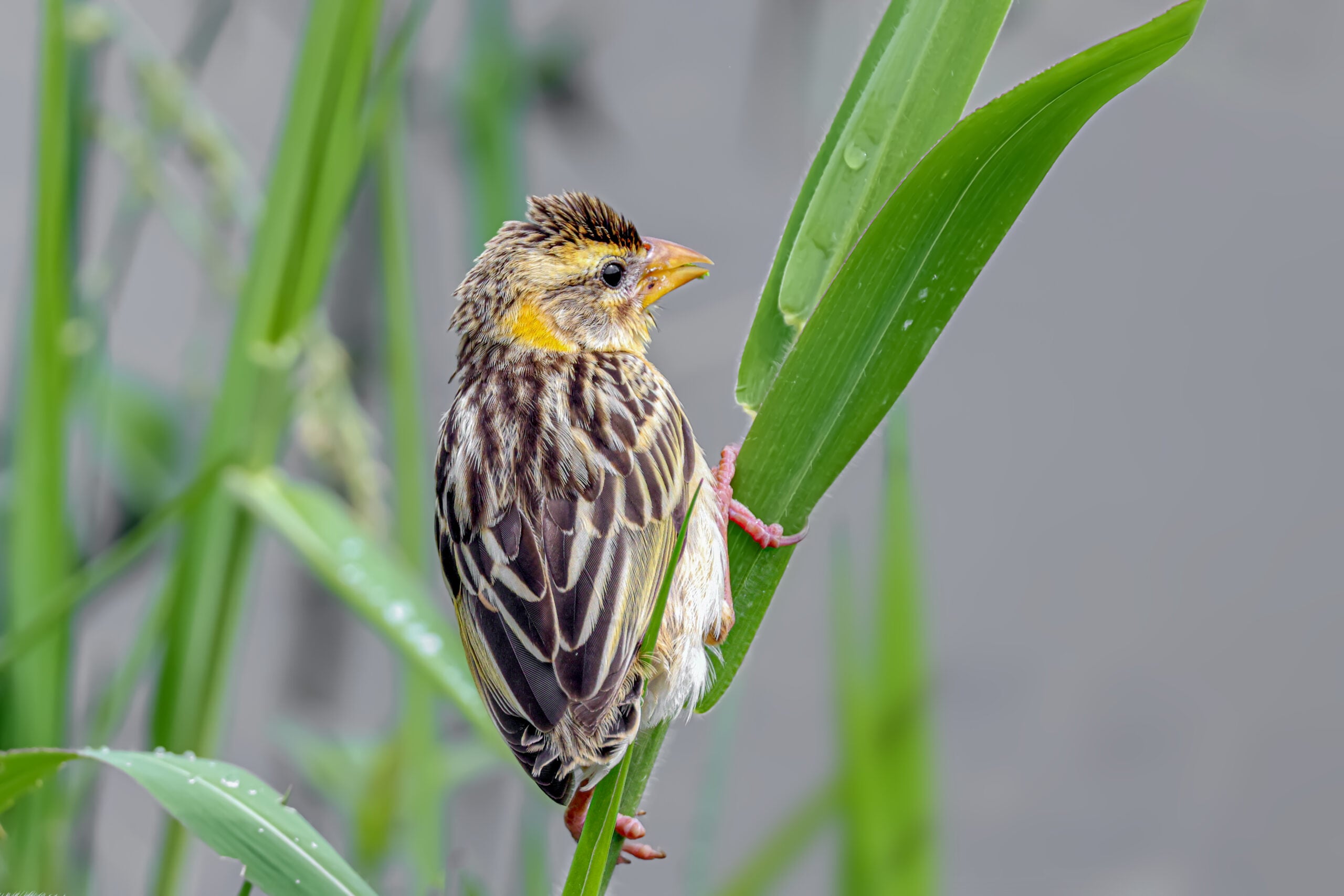 Photo Credit: Drsssuresh1961 / Wikimedia
In the sun-drenched fields of South Asia, the Baya, scientifically known as Ploceus philippinus, flits gracefully among the tall grasses and swaying reeds. This small bird, measuring about 15 centimeters or 6 inches in height, is a vibrant splash of color against the green backdrop, with its striking yellow plumage and dark eye-catching markings. The Baya is not just a pretty sight; it captivates scientists and nature lovers alike with its remarkable nesting skills and lively behavior.
As the day begins, the Baya’s cheerful song fills the air, echoing through the fields as it searches for seeds and insects to fuel its energetic lifestyle. These birds are known for their intricate nests, woven with remarkable precision from grass and leaves, often hanging from the branches of trees like delicate ornaments. This unique nesting behavior not only showcases their creativity but also plays a vital role in their survival, providing protection from predators. With its charming personality and essential role in the ecosystem, the Baya is a delightful reminder of the wonders of nature, inviting us to explore the vibrant world around us.
The Baya, a small and vibrant bird, holds a special place in the tree of life. Classified within the kingdom Animalia, it belongs to the phylum Chordata, which includes all animals with a backbone. As a member of the class Aves, or birds, the Baya showcases the incredible diversity of life on Earth. What sets this bird apart is its remarkable nest-building ability, where it weaves intricate hanging nests from grass and leaves. This behavior not only highlights its intelligence but also its adaptability to various environments, making it a fascinating subject for both scientists and nature enthusiasts alike.
| Taxonomic Rank | Scientific Name | Meaning & Significance |
|---|---|---|
| Kingdom | Animalia | The name “Animalia” comes from the Latin word “animalis,” meaning “having breath” or “living.” This reflects the essential characteristic of all animals: they breathe and are alive. |
| Phylum | Chordata | “Chordata” is derived from the Latin word “chorda,” meaning “string.” This refers to the notochord, a flexible rod that provides support and is a key feature during the early development of these animals. |
| Class | Aves | The term “Aves” comes from the Latin word for bird. This classification highlights the unique characteristics of birds, such as feathers and the ability to fly. |
| Order | Passeriformes | “Passeriformes” translates to “sparrow-like,” from the Latin “passer,” which means “sparrow.” This order includes the majority of bird species, known for their perching habits and diverse vocalizations. |
| Family | Ploceidae | The name “Ploceidae” comes from the Greek word “plokē,” meaning “to weave.” This is fitting, as many birds in this family, including the Baya, are known for their intricate nest-building skills. |
| Genus | Ploceus | “Ploceus” is derived from the Greek word “plokē,” again emphasizing the weaving behavior of these birds. It highlights their unique nesting habits that are a hallmark of their survival strategy. |
Understanding the Baya’s classification reveals much about its evolutionary journey. As a member of the Ploceidae family, it shares a lineage with other weaver birds, showcasing a fascinating adaptation to their environments. The ability to construct complex nests not only aids in reproduction but also reflects the evolutionary pressures these birds have faced over time. This intricate relationship between behavior and environment underscores the dynamic nature of evolution, illustrating how species adapt and thrive in their habitats. The Baya is not just a bird; it is a testament to the wonders of life and the intricate web of connections that bind all living things.
The Baya, a small yet striking bird, has a rich evolutionary history that stretches back millions of years. This journey begins in the lush landscapes of South Asia, where its ancestors adapted to diverse environments. Over time, these birds evolved unique traits that helped them thrive in their habitats, showcasing the incredible power of natural selection.
The Baya’s lineage can be traced to early members of the Ploceidae family, which includes weaver birds known for their intricate nests. These ancestors were likely small, social birds that lived in colonies, much like their modern descendants. As they adapted to their surroundings, they developed specialized beaks for seed-eating, allowing them to exploit a variety of food sources. The transition from simple nesting behaviors to the complex, woven nests we see today marks a significant evolutionary leap. This change not only provided better protection for their young but also showcased their remarkable building skills, which are a hallmark of the Baya’s identity.
The adaptations of the Baya have been crucial for its survival in the wild. Their ability to build complex nests not only protects their young but also demonstrates their intelligence and creativity. Social behavior enhances their chances of finding food and avoiding predators, while their specialized beaks ensure they can thrive on a diet of seeds. The vibrant plumage and vocal skills further enrich their social interactions, making them not just survivors but also fascinating members of the avian world. Through these evolutionary changes, the Baya has carved out a successful niche, showcasing the wonders of nature’s design.
The Baya is a small bird that captures attention with its vibrant colors and charming form. Standing at about 15 centimeters tall, or roughly 6 inches, it has a compact body that is both agile and graceful. Its most striking feature is the bright yellow plumage that adorns its feathers, making it a dazzling sight against the green backdrop of its natural habitat. With a lightweight frame of just 28 grams, or 1 ounce, the Baya flits through the air with ease, showcasing its lively spirit and energetic personality.
| Feature | Description |
|---|---|
| Height | 15 cm (6 in) |
| Weight | 28 g (1 oz) |
| Most Distinctive Feature | Bright yellow plumage |
The Baya’s bright yellow feathers serve more than just an aesthetic purpose; they play a crucial role in its survival. This vivid coloration helps attract mates during the breeding season, ensuring the continuation of its species. Additionally, the Baya’s lightweight body allows it to navigate through dense vegetation with agility, making it easier to escape predators. Together, these features create a bird that is not only beautiful but also well-adapted to thrive in its environment.
The Baya bird thrives in a variety of habitats that paint a picture of vibrant life and natural beauty. Picture expansive grasslands dotted with tall grasses swaying in the breeze, farmlands rich with crops, and forests that provide shelter and nesting sites. These environments are alive with the sounds of chirping and rustling, creating a perfect backdrop for the Baya’s lively antics. Its colorful plumage stands out against the greens and browns of its surroundings, making it a delightful sight for anyone lucky enough to spot one.
The Baya prefers warm climates, often found in regions where the temperature is mild to hot. It thrives in areas with plenty of sunlight, which helps it find food and build its nests. These birds are often seen near water sources, as they rely on nearby wetlands or rivers for drinking and foraging. The combination of open spaces and access to water creates an ideal environment for the Baya to flourish.
To adapt to its diverse habitats, the Baya has developed some clever strategies. Its nesting behavior is particularly fascinating; it weaves intricate, hanging nests from grass and other plant materials, often suspended from tree branches. This not only protects its young from predators but also provides a cozy home that blends seamlessly into the environment. The Baya’s ability to thrive in both agricultural and natural settings showcases its resilience and resourcefulness, allowing it to make the most of the world around it.
The Baya bird starts its day with the sun, flitting about its grassy habitat in search of food. These small, lively birds are often seen foraging for seeds and insects, which make up a significant part of their diet. As the morning light breaks, they engage in a series of energetic activities, including preening their feathers and singing melodious tunes. Their songs are not just for show; they play a crucial role in attracting mates and establishing territory. Throughout the day, Baya birds can be spotted weaving intricate nests, a skill that showcases their remarkable dexterity and creativity.
Socially, Baya birds are quite gregarious, often found in flocks that can number in the hundreds. These flocks provide safety in numbers, allowing them to watch for predators while they feed. Within these groups, a hierarchy often emerges, with dominant birds taking the lead during foraging and nesting activities. Communication is key in these social structures, and Baya birds use a variety of calls and body language to convey messages. From warning signals to playful chirps, their interactions are lively and full of energy, creating a vibrant community atmosphere.
| Behavior Type | Description |
|---|---|
| Foraging | Baya birds search for seeds and insects, often in groups, which helps them find food more efficiently. |
| Nesting | They build elaborate nests using grass and other materials, showcasing their skill and creativity. |
| Social Structure | Flocks consist of hundreds of birds, with a hierarchy that influences feeding and nesting behaviors. |
| Communication | They use a variety of calls and body language to interact, warn of danger, and attract mates. |
The behaviors of Baya birds are not just fascinating; they are essential for their survival. By foraging in groups, they increase their chances of finding food while also keeping an eye out for predators. Their intricate nests provide safe havens for their young, ensuring that the next generation has a secure start in life. Through their social interactions and communication, Baya birds strengthen their bonds, creating a supportive community that enhances their overall resilience in the wild.
The Baya bird has a diverse diet that reflects its adaptability and resourcefulness. As an omnivore, it enjoys a mix of plant and animal foods, which allows it to thrive in various environments. This small bird is particularly fond of seeds and grains, but it also supplements its diet with insects and even small frogs. By foraging in its grassy habitat, the Baya cleverly finds food to fuel its energetic lifestyle.
| Dietary Aspect | Details |
|---|---|
| Diet Type | Omnivore |
| Favorite Foods | Seeds, grains, insects |
| Prey Items | Frogs and other small animals |
| Hunting/Foraging Strategies | Forages in grasslands and farmlands, often searching for seeds and insects |
The Baya’s varied diet plays a crucial role in its ecology and daily routine. By consuming both plant and animal matter, it helps maintain the balance of its ecosystem, contributing to seed dispersal and controlling insect populations. This adaptability not only supports its survival but also influences its social behavior, as these birds often forage in groups, making their search for food a lively and communal activity.
During the breeding season, which typically occurs from April to August, Baya birds engage in a captivating courtship ritual. Males are particularly active during this time, showcasing their vibrant plumage and performing intricate songs to attract females. They build elaborate nests, often hanging them from the tips of tall grasses or reeds, creating a stunning display that not only serves as a home but also as a symbol of their fitness and creativity. Once a female is attracted, she inspects the nest, and if she approves, they mate, marking the beginning of a new generation.
| Reproductive Aspect | Details |
|---|---|
| Gestation Period | About 12 to 14 days |
| Litter Size | 3 to 5 eggs |
| Age of Maturity | Approximately 6 months |
| Name of Young | Chicks |
After the eggs hatch, both parents take on the responsibility of caring for their chicks. The young Baya birds are born blind and helpless, relying entirely on their parents for food and protection. As they grow, they develop their feathers and learn to fly, gradually becoming more independent. The nurturing environment provided by their parents is crucial for their survival, as it helps them learn essential skills for life outside the nest. By the time they reach maturity at around six months, these young birds are ready to embark on their own adventures, continuing the cycle of life in the vibrant world of the Baya.
The Baya bird occupies a crucial role in its ecosystem, nestled within the food web as both a forager and a potential prey item. This small, colorful bird is a delightful sight in its grassy habitats, but it is not without its challenges. As it flits about searching for seeds and insects, it must remain vigilant against various predators that see it as a tasty meal.
To survive these threats, the Baya employs several clever strategies. Its small size allows it to dart quickly through the grass, making it harder for predators to catch it. Additionally, the Baya often builds its nests high in trees or tall grasses, providing a safe haven for its young. By staying alert and using its agility, the Baya can navigate the dangers of its environment, ensuring its place in the vibrant tapestry of life.
A keystone species is an organism that plays a critical role in maintaining the structure of its ecosystem. This means that its presence and activities significantly influence the environment and the other species living there. The Baya, a small and colorful bird found in South Asia, qualifies as a keystone species due to its unique behaviors and interactions within its habitat.
The Baya bird is known for its impressive nest-building skills, creating intricate hanging nests that can be seen swaying in the breeze. These nests not only provide shelter for the Baya but also offer a safe haven for other small creatures. For example, insects and small mammals may find refuge in the abandoned nests, contributing to the biodiversity of the area. Additionally, the Baya’s foraging habits help control insect populations, as it feeds on various seeds and insects, keeping the ecosystem balanced.
Moreover, the Baya plays a role in seed dispersal. As it moves through grasslands and farmlands, it consumes seeds and later excretes them in different locations. This process helps plants to spread and grow in new areas, promoting plant diversity and health in the ecosystem. The Baya’s activities, therefore, not only support its survival but also enhance the overall vitality of its environment.
If the Baya were to disappear from its ecosystem, the effects would ripple through the environment. Without its nest-building activities, many small animals would lose their homes, leading to a decline in their populations. The absence of the Baya would also mean an increase in insect numbers, which could harm crops and disrupt the balance of the ecosystem. Furthermore, the loss of this bird would affect the plants that rely on it for seed dispersal, potentially leading to reduced plant diversity. In essence, the disappearance of the Baya would create a cascade of changes, highlighting its vital role in maintaining the health and balance of its habitat.
The Baya bird, with its vibrant plumage and lively behavior, occupies a vital ecological niche in its habitat. Found in grasslands, farmlands, and forests across South Asia, this small avian marvel plays a significant role in shaping its environment. By foraging for seeds and insects, the Baya helps control insect populations while also dispersing seeds, which promotes plant growth. Its activities create a dynamic balance in the ecosystem, making it an essential player in the natural world.
| Ecosystem Service | Impact |
|---|---|
| Seed Dispersal | Helps in the growth of new plants, contributing to biodiversity. |
| Pest Control | Reduces insect populations, benefiting agricultural crops. |
| Nesting Material Provider | Uses grasses and reeds to build nests, which can provide habitats for other species. |
| Soil Aeration | Foraging behavior helps to aerate the soil, improving its quality. |
The Baya’s influence extends beyond its immediate actions. For instance, when it builds its intricate nests, often hanging from tall grasses or reeds, it not only creates a safe space for its young but also offers shelter to various insects and small animals. These nests can become microhabitats, supporting a range of life forms. Additionally, as the Baya forages, it inadvertently aerates the soil, enhancing its fertility and promoting the growth of diverse plant species. This interplay of activities showcases how the Baya contributes to a thriving ecosystem.
The broader ecological importance of the Baya cannot be overstated. As a keystone species, its presence helps maintain the balance of its habitat. By supporting plant growth and controlling pest populations, the Baya ensures that its environment remains healthy and vibrant. This small bird exemplifies how even the tiniest creatures can have a profound impact on the world around them, reminding us of the interconnectedness of all living things. In the grand tapestry of nature, the Baya weaves a thread that supports life in many forms, highlighting the importance of every species in our ecosystems.
In the intricate web of life, symbiosis plays a crucial role in shaping the relationships between different species. Symbiosis refers to the close interactions between organisms, which can be beneficial, harmful, or neutral. These relationships can be classified into three main types: mutualism, where both species benefit; parasitism, where one species benefits at the expense of another; and commensalism, where one species benefits while the other is neither helped nor harmed. Understanding these connections helps us appreciate the delicate balance of ecosystems and the roles that various species play within them.
| Species/Type | Relationship Type | Description |
|---|---|---|
| Grass | Mutualistic | Baya birds build their nests in tall grasses, which provide shelter and protection. In return, the birds help control insect populations that may harm the grass. |
| Insects | Mutualistic | Baya birds feed on insects, helping to keep their populations in check. This benefits the ecosystem by maintaining a balance between plant and insect life. |
| Predators (e.g., snakes) | Parasitic | While not a direct relationship, Baya birds can fall prey to snakes and other predators, which can negatively impact their populations. |
| Other birds | Commensal | Baya birds often share their habitat with other bird species. While they may not directly benefit from each other, their presence can create a more diverse ecosystem. |
These relationships have evolved over time, shaped by the needs and behaviors of the species involved. Mutualistic partnerships, like those between Baya birds and grasses or insects, enhance survival and reproductive success for both parties. Meanwhile, parasitic interactions remind us of the challenges that species face in the wild. By understanding these connections, we can see how the Baya bird and its companions contribute to a thriving ecosystem, highlighting the importance of every species in maintaining the balance of nature.
The Baya bird, with its striking yellow plumage and lively personality, is a true marvel of nature. This small avian wonder is not just a pretty face; it has some surprising traits that make it stand out in the animal kingdom.
The Baya bird, known for its vibrant yellow plumage and intricate nest-building skills, has woven itself into the cultural fabric of South Asia for centuries. Historically, these birds have been admired for their artistic nests, which dangle like delicate ornaments from tall grasses and trees. In many communities, the Baya symbolizes creativity and resourcefulness, inspiring local folklore and art. People have long marveled at their elaborate courtship displays, where males sing and perform acrobatic flights to attract mates, making them a beloved subject in poetry and storytelling.
In modern times, the relationship between Baya birds and humans has evolved, reflecting both cooperation and conflict. As agricultural practices expand, Baya birds often find themselves in close proximity to human settlements, where they forage for seeds in farmlands. While this can lead to beneficial interactions, such as pest control, it can also result in challenges. Farmers sometimes view them as pests, as they may damage crops while searching for food. Conservation efforts are underway to protect their habitats, ensuring that these charming birds continue to thrive alongside human activities. Some communities even engage in sustainable practices that promote coexistence, recognizing the ecological importance of the Baya.
As we look to the future, the relationship between Baya birds and humanity holds promise. With increasing awareness of environmental issues, more people are recognizing the importance of preserving natural habitats. By fostering a spirit of coexistence, we can ensure that these vibrant birds continue to enchant future generations. Through education and sustainable practices, we can celebrate the Baya not just as a beautiful bird, but as a vital part of our shared ecosystem. Together, we can create a world where both humans and Baya birds thrive in harmony.
The Baya bird currently holds a conservation status of “Least Concern,” according to the International Union for Conservation of Nature (IUCN). This means that, at present, the species is not facing an immediate threat of extinction. However, specific population estimates remain unknown, making it challenging to assess trends accurately. While the Baya is generally stable, ongoing monitoring is essential to ensure that its populations continue to thrive in their natural habitats.
| Conservation Factor | Status/Details |
|---|---|
| IUCN Status | Least Concern |
| Estimated Population Size | Unknown |
| Population Trend | Stable |
Despite its current stable status, the Baya faces several threats that could impact its future. Habitat loss is a significant concern, primarily due to agricultural expansion and urban development. As fields are converted into urban areas or intensively farmed, the natural grasslands and wetlands that the Baya relies on for nesting and foraging are diminished. Additionally, pesticide use in agriculture can reduce the availability of insects, which are a vital food source for these birds.
Conservation efforts are underway to protect the Baya and its habitats. Initiatives aimed at preserving grassland ecosystems and promoting sustainable agricultural practices are crucial for the long-term survival of this species. By raising awareness about the importance of biodiversity and the role of the Baya in its ecosystem, conservationists hope to foster a greater appreciation for these vibrant birds. With continued efforts, the outlook for the Baya remains positive, ensuring that future generations can enjoy the sight of these lively birds flitting through their natural landscapes.
| Question | Answer |
|---|---|
| What is the habitat of the Baya? | The Baya is commonly found in grasslands, farmlands, and forests. These environments provide the necessary resources for nesting and foraging, making them ideal for this vibrant bird. |
| What does the Baya eat? | Baya birds are omnivores, which means they eat both plants and animals. Their diet mainly consists of seeds, grains, and insects, allowing them to thrive in various habitats. |
| What are some interesting behaviors of the Baya? | Baya birds are known for their remarkable nesting behavior. Males weave intricate nests from grass and other materials, often hanging them from tree branches to protect against predators. |
| How do Baya birds reproduce? | During the breeding season, male Baya birds attract females by showcasing their bright yellow plumage and singing melodious songs. After mating, the female builds the nest and lays eggs, which both parents help to care for. |
| What threats do Baya birds face? | While the Baya is currently classified as Least Concern, they face threats from habitat loss due to agriculture and urban development. These changes can reduce their nesting sites and food sources. |
| What is the most distinctive feature of the Baya? | The Baya is easily recognized by its bright yellow plumage, especially in males during the breeding season. This striking color not only attracts mates but also makes them stand out in their natural habitat. |
| Are Baya birds social? | Yes, Baya birds are quite social and often found in flocks. They communicate with each other through various calls and songs, which helps strengthen their social bonds. |