Taxonomy & Classification
- Kingdom
- Animalia
- Phylum
- Chordata
- Class
- Mammalia
- Order
- Carnivora
- Family
- Canidae
- Genus
- Canis
- Species
- Canis lupus

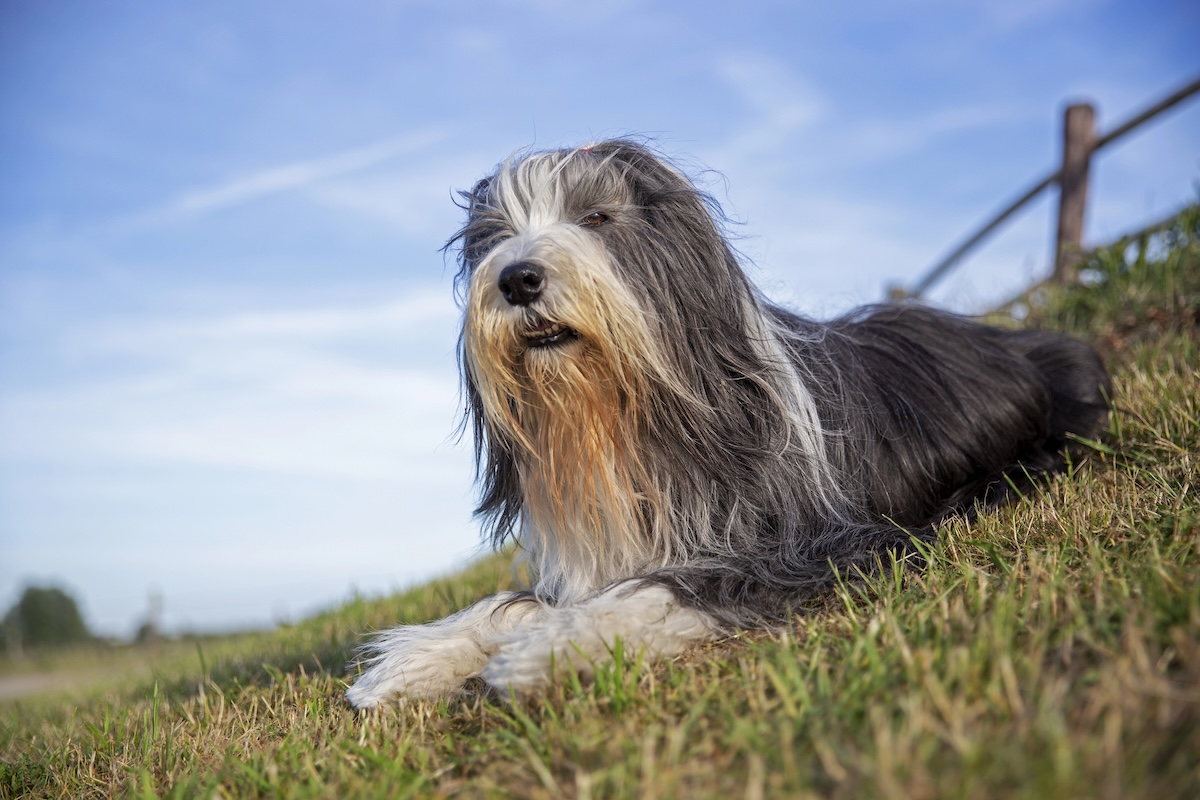 Photo Credit: EDFoto at Deposit Photos
In the rolling hills of Scotland, where the air is crisp and the grass sways gently in the breeze, the Bearded Collie, or Canis lupus familiaris, dances through the meadows with uncontainable joy. This lively breed, often affectionately called the “Beardie,” is known for its long, shaggy coat that flows like a soft curtain in the wind. With its expressive eyes and playful demeanor, the Bearded Collie captures the hearts of everyone it meets, making it a beloved companion for families and adventurers alike.
What makes the Bearded Collie truly captivating is not just its fluffy appearance but also its spirited personality. These dogs are bundles of energy, always eager to explore their surroundings and engage in playful antics. Their intelligence shines through in their ability to learn new tricks and commands, making them not only delightful pets but also fascinating subjects for scientists studying canine behavior. As we delve deeper into the world of the Bearded Collie, we will uncover the secrets of its history, its role in human lives, and the unique traits that make this breed a cherished part of the animal kingdom.
The Bearded Collie, a lively and intelligent breed, holds a special place in the animal kingdom. Taxonomically, it belongs to the Kingdom Animalia, which includes all animals, and is classified under the Phylum Chordata, meaning it has a backbone. This breed is part of the Class Mammalia, indicating it is a mammal that nurses its young with milk. Within the Order Carnivora, which encompasses meat-eating animals, the Bearded Collie is further categorized in the Family Canidae, the group that includes dogs, wolves, and foxes. Its scientific name, Canis familiaris, reflects its close relationship with humans and its domesticated nature. What makes the Bearded Collie particularly interesting is its history as a herding dog, showcasing traits like agility and intelligence that have been honed over generations.
| Taxonomic Rank | Scientific Name | Meaning & Significance |
|---|---|---|
| Kingdom | Animalia | This name comes from the Latin word “animalis,” meaning “having breath,” which highlights the living nature of all animals. |
| Phylum | Chordata | Derived from the Latin “chorda,” meaning “string,” this term refers to animals with a notochord, a flexible rod that supports the body. |
| Class | Mammalia | This name comes from “mamma,” the Latin word for “breast,” emphasizing the characteristic of mammals to nurse their young. |
| Order | Carnivora | From the Latin “carnivorus,” meaning “meat-eating,” this classification includes animals that primarily consume meat. |
| Family | Canidae | This name is derived from “canis,” the Latin word for “dog,” representing the family of dogs, wolves, and foxes. |
| Genus | Canis | Also from the Latin word for “dog,” this genus includes all domestic dogs and their wild relatives. |
| Species | Canis familiaris | This scientific name means “domesticated dog,” highlighting the Bearded Collie’s long-standing relationship with humans. |
Understanding the Bearded Collie’s classification reveals much about its evolutionary journey. As a member of the Canidae family, it shares a common ancestor with wolves and other canines, showcasing traits that have been selectively bred for companionship and herding abilities. This lineage not only highlights the Bearded Collie’s adaptability but also its deep-rooted connection to human culture, making it a beloved member of many families around the world. The Bearded Collie’s unique characteristics, from its shaggy coat to its playful demeanor, are a testament to the fascinating interplay between nature and nurture in the world of domesticated animals.
The Bearded Collie, a spirited and affectionate dog breed, has a rich evolutionary history that traces back thousands of years. This timeline begins with the domestication of wolves, which occurred around 15,000 to 30,000 years ago. As humans began to settle and farm, they sought out animals that could assist them, leading to the development of various dog breeds, including the ancestors of the Bearded Collie.
The Bearded Collie’s lineage can be linked to herding dogs that were bred in Scotland. These early dogs were likely a mix of various breeds, including the Old English Sheepdog and other local herding breeds. Over time, selective breeding focused on traits that made these dogs excellent companions and workers. Their ability to herd sheep and cattle in the rugged Scottish terrain was crucial, as it required agility, intelligence, and a friendly disposition.
These adaptations have played a vital role in the survival and success of the Bearded Collie. Their thick coat not only shields them from the elements but also helps them blend into their surroundings while herding. The strong herding instinct ensures they can effectively manage livestock, a skill that has been passed down through generations. Coupled with their intelligence and high energy, these traits make the Bearded Collie not just a working dog but also a beloved family member, capable of thriving in both rural and urban settings.
The Bearded Collie is a striking dog that captures attention with its lively demeanor and fluffy appearance. This breed boasts a well-proportioned body, standing at a medium height that gives it a sturdy yet agile look. Its long, flowing coat, which can sway gently as it moves, adds to its charm, making it seem almost like a dancing cloud. With a strong, muscular build, the Bearded Collie is designed for both endurance and playfulness, embodying the spirit of a true companion.
| Feature | Description |
|---|---|
| Size | Medium, typically weighing between 45 to 55 pounds |
| Color | Varies widely, including shades of brown, black, blue, and fawn, often with white markings |
| Skin Type | Hair, with a long, shaggy coat that is water-resistant |
| Body Structure | Well-proportioned with a strong, muscular build |
| Head | Broad with a distinctive beard and expressive eyes |
The Bearded Collie’s physical features are not just for show; they serve important purposes in its life. The long, shaggy coat helps protect the dog from harsh weather, keeping it warm and dry during outdoor adventures. Its strong build allows for agility and stamina, making it an excellent herder and companion. The expressive eyes and broad head give it a friendly appearance, inviting interaction and affection from humans. Together, these characteristics create a breed that is not only beautiful but also well-suited for an active lifestyle, thriving in both work and play.
The Bearded Collie, often affectionately called the “Beardie,” thrives in a variety of environments, but it is particularly fond of open spaces where it can run and play. Picture rolling hills, lush green pastures, and wide-open fields. This breed is known for its herding background, so it feels right at home in rural settings, where it can engage in its natural instincts. The Bearded Collie’s playful spirit and boundless energy make it a perfect companion for families who enjoy outdoor adventures.
The Bearded Collie prefers a temperate climate, which means it enjoys moderate temperatures—not too hot and not too cold. This breed is quite adaptable, but it thrives best in environments that offer a mix of sunshine and shade. The ideal setting would have grassy areas for running and playing, as well as some shelter from harsh weather. Rainy days are not a problem for these dogs, as their thick, water-resistant coat helps keep them dry and comfortable.
Over time, the Bearded Collie has developed several adaptations that help it flourish in its chosen habitats. Its long, shaggy coat not only provides insulation against the cold but also protects it from the elements, such as rain and wind. Additionally, its strong legs and agile body allow it to navigate various terrains, whether it’s a muddy field or a rocky hillside. This breed’s keen intelligence and friendly nature make it a wonderful companion, ready to explore the great outdoors alongside its human friends.
The Bearded Collie leads a vibrant daily life filled with energy and curiosity. Each day begins with a burst of enthusiasm as these dogs wake up ready to explore their surroundings. They thrive on activity, often engaging in playful romps around the yard or park. Their natural herding instincts come into play as they chase after balls or even their human companions, showcasing their agility and speed. Throughout the day, Bearded Collies enjoy a mix of playtime, training sessions, and quiet moments of rest, all while keeping a watchful eye on their environment.
Socially, Bearded Collies are known for their friendly and affectionate nature. They form strong bonds with their families and often see themselves as part of the pack. This breed is highly social, enjoying the company of both humans and other animals. They communicate through a variety of vocalizations, including barks and playful growls, which help them express their feelings and needs. Their playful demeanor encourages interaction, making them excellent companions for children and other pets. In group settings, Bearded Collies display a natural hierarchy, often taking on roles that suit their personalities, whether as the playful instigator or the calm observer.
| Behavior Type | Description |
|---|---|
| Activity Patterns | Bearded Collies are energetic and require regular exercise, including walks, playtime, and mental stimulation through training. |
| Social Structure | They thrive in family settings, forming strong bonds with humans and other pets, often viewing themselves as part of the group. |
| Communication Methods | These dogs use a mix of barks, growls, and body language to express their emotions and needs, fostering interaction with their companions. |
The behaviors of Bearded Collies are not just for fun; they play a crucial role in their survival. Their high energy levels and need for social interaction help them stay physically fit and mentally sharp, which is essential for a breed originally developed for herding. By forming strong social bonds, they create a supportive environment that enhances their well-being. This combination of playfulness and social structure ensures that Bearded Collies remain happy, healthy, and ready to face the world alongside their human friends.
The Bearded Collie is an omnivore, which means it enjoys a varied diet that includes both plant and animal foods. This breed has a hearty appetite and thrives on a balanced mix of proteins, carbohydrates, and fats. Bearded Collies are known for their playful and energetic nature, which requires them to consume enough nutrients to fuel their active lifestyle. They often obtain their food through their human companions, who provide them with high-quality dog food, but they also enjoy the occasional treat of fruits and vegetables.
| Dietary Aspect | Details |
|---|---|
| Diet Type | Omnivore |
| Favorite Foods | High-quality dog food, fruits like apples and blueberries, and vegetables such as carrots |
| Prey Items | Small animals like rabbits or rodents, if they were to hunt |
| Hunting/Foraging Strategies | Typically relies on humans for food, but in a wild setting, they would use their agility and keen senses to chase small prey |
The Bearded Collie’s diet plays a crucial role in its ecology and daily routine. With their omnivorous nature, they adapt well to various environments, making them versatile companions. Their energetic lifestyle means they need regular meals to maintain their health and vitality. This diet not only supports their playful antics but also strengthens their bond with humans, as mealtime often becomes a shared experience filled with love and care.
When it comes to mating, Bearded Collies exhibit playful and affectionate behaviors. The breeding season typically occurs in the spring and fall, when the female is in heat, a time when she is ready to mate. During this period, males may show increased interest, often engaging in playful courtship rituals. These interactions help strengthen the bond between potential mates, setting the stage for successful reproduction.
| Reproductive Aspect | Details |
|---|---|
| Gestation Period | Approximately 63 days |
| Litter Size | Average of 7 puppies |
| Age of Maturity | About 12 to 18 months |
| Name of Young | Puppies |
Once the puppies are born, the Bearded Collie parents take their roles seriously. The mother is particularly attentive, nursing her young and keeping them warm and safe. As the puppies grow, they begin to explore their surroundings, learning important social skills from their mother and siblings. This nurturing environment is crucial for their development, helping them transition from playful pups to well-adjusted adults. By the time they reach maturity, these dogs are not only physically ready but also equipped with the social skills needed to thrive in their future homes.
The Bearded Collie, often known for its friendly and playful nature, occupies a unique position in the food web. As a domesticated dog breed, it is primarily a companion animal, but it still shares its environment with various wild animals. While it is not a predator, it can be vulnerable to certain threats in its surroundings, especially when roaming in open spaces or rural areas.
To defend themselves against these dangers, Bearded Collies rely on their keen senses and agility. Their alertness helps them detect potential threats early, allowing them to escape or seek safety. Additionally, their friendly and social nature often leads them to stay close to their human companions, who provide protection. When faced with danger, these dogs may bark loudly to alert others, using their vocalizations as a warning signal. With their playful spirit and strong bond with humans, Bearded Collies navigate their world with a mix of caution and curiosity, ensuring they stay safe while enjoying their adventures.
A keystone species is an organism that plays a crucial role in maintaining the structure of its ecosystem. These species have a disproportionately large impact on their environment relative to their abundance. While the Bearded Collie is a beloved dog breed known for its playful and affectionate nature, it does not qualify as a keystone species. This is primarily because it is a domesticated animal, living alongside humans rather than in a wild ecosystem where it would influence other species and environmental processes.
Even though Bearded Collies do not fit the keystone species definition, they can still have an impact on their surroundings. For instance, as omnivores, they contribute to the balance of their immediate environment by helping to control populations of small animals and insects. Their playful nature encourages outdoor activity, which can foster a connection between humans and nature, promoting conservation efforts. Additionally, their presence in a household can lead to increased awareness of responsible pet ownership and the importance of animal welfare.
If Bearded Collies were to disappear, the immediate effects would be felt primarily in human households rather than in a natural ecosystem. Families would lose a loyal companion, and the bond between humans and pets would weaken. Additionally, the absence of this breed could lead to a decline in community events centered around dog ownership, reducing opportunities for people to connect with nature and each other. While the ecological impact might be minimal, the social and emotional void left by their absence would be significant.
The Bearded Collie, often known for its playful spirit and fluffy coat, occupies a fascinating ecological niche as a domesticated dog breed. While they may not be wild animals, their presence in human environments can significantly influence local ecosystems. These dogs are not just companions; they interact with their surroundings in ways that can affect other species and the environment itself. Their playful nature and energetic lifestyle encourage outdoor activities, promoting a connection between humans and nature.
| Ecosystem Service | Impact |
|---|---|
| Companionship | Strengthens human-animal bonds, encouraging outdoor activities and conservation awareness. |
| Soil Aeration | As they run and play, Bearded Collies can help aerate the soil, promoting healthier plant growth. |
| Wildlife Interaction | They can influence local wildlife behavior, either by chasing or by coexisting peacefully. |
| Seed Dispersal | Through their diet, they may inadvertently help in seed dispersal, aiding plant diversity. |
Bearded Collies are more than just adorable pets; they actively shape their environments. For instance, when they romp through fields and gardens, their playful antics can help aerate the soil, allowing water and nutrients to reach plant roots more effectively. This natural soil aeration can lead to healthier vegetation, which in turn supports a variety of insects and other wildlife. Additionally, their omnivorous diet means they may consume fruits and seeds, helping to disperse these plants throughout their territory, promoting biodiversity.
The broader ecological importance of Bearded Collies extends beyond their immediate surroundings. By fostering a love for nature in their human companions, they encourage outdoor exploration and conservation efforts. Their interactions with the environment can create a ripple effect, inspiring people to care for local ecosystems. In this way, Bearded Collies play a vital role in connecting humans to the natural world, reminding us of the importance of all species in maintaining a balanced ecosystem.
In the intricate web of life, symbiosis plays a vital role in shaping the relationships between different species. Symbiosis refers to the close interactions between organisms, which can be beneficial, harmful, or neutral. These relationships can be classified into three main types: mutualism, where both species benefit; parasitism, where one species benefits at the expense of another; and commensalism, where one species benefits while the other is neither helped nor harmed. Understanding these connections helps us appreciate the balance of ecosystems and the roles that various species, including the Bearded Collie, play within them.
| Species/Type | Relationship Type | Description |
|---|---|---|
| Humans | Mutualistic | Bearded Collies provide companionship and assistance in herding, while humans offer food, shelter, and care. |
| Fleas | Parasitic | Fleas can infest Bearded Collies, feeding on their blood and causing discomfort and potential health issues. |
| Birds | Commensal | Birds may perch on Bearded Collies while they are outdoors, benefiting from the dog’s movement to find insects without affecting the dog. |
The evolution of these relationships is a testament to the adaptability of species. Over time, Bearded Collies have developed a strong bond with humans, leading to a mutually beneficial partnership that enhances both their lives. While the relationship with parasites like fleas can be detrimental, it highlights the importance of maintaining health and hygiene in pets. Commensal relationships, such as those with birds, showcase the interconnectedness of life, where one species can thrive without impacting the other. These interactions not only enrich the lives of Bearded Collies but also contribute to the overall health of their ecosystems.
The Bearded Collie, often affectionately called the “Beardie,” is a lively and intelligent breed that has captured the hearts of many. With its fluffy coat and playful spirit, this dog has some surprising traits that make it truly special.
These delightful dogs are not just pets; they are a blend of history, agility, and companionship, making them a fascinating breed to learn about and love.
The Bearded Collie, often affectionately known as the “Beardie,” has a long and storied relationship with humanity that dates back centuries. Originating in Scotland, these dogs were bred primarily for herding sheep and cattle. Their intelligence and agility made them invaluable to farmers, who relied on their keen instincts to manage livestock across the rugged Scottish landscape. Over time, the Bearded Collie became more than just a working dog; it evolved into a beloved companion, celebrated for its friendly disposition and playful nature. This cultural significance is reflected in various Scottish traditions, where the breed is often featured in folklore and local events.
Today, the interactions between Bearded Collies and humans have expanded beyond herding and companionship. Many Beardies are now involved in various canine sports, such as agility and obedience competitions, showcasing their intelligence and athleticism. Additionally, they play a role in therapy and assistance work, providing comfort and support to those in need. However, like many domesticated breeds, they face challenges, including the risk of overbreeding and health issues. Responsible breeding practices and awareness of their needs are essential to ensure that these dogs continue to thrive alongside their human families.
Looking ahead, the future of the Bearded Collie and its relationship with humanity appears bright, provided that we prioritize their well-being. As more people recognize the importance of responsible pet ownership, the bond between Beardies and their families will only strengthen. With ongoing education about their care and training, these spirited dogs will continue to enrich our lives, reminding us of the joy and companionship that animals bring. Together, we can ensure that the Bearded Collie remains a cherished member of our communities for generations to come.
The Bearded Collie, a spirited and affectionate dog breed, currently holds a conservation status of “Not Listed” according to the International Union for Conservation of Nature (IUCN). This means that there are no immediate concerns regarding their population numbers on a global scale. However, like many breeds, they face challenges that can affect their numbers and overall health. While specific population estimates are not readily available, the trend appears stable, thanks to dedicated breeders and enthusiasts who work to maintain the breed’s vitality.
| Conservation Factor | Status/Details |
|---|---|
| IUCN Status | Not Listed |
| Population Estimates | Not specifically available |
| Trend Direction | Stable |
One of the main threats to the Bearded Collie is the risk of genetic health issues that can arise from a limited gene pool. As a breed that has been carefully cultivated, they can sometimes suffer from inherited conditions, such as hip dysplasia or eye disorders. Additionally, the increasing popularity of mixed-breed dogs can overshadow pure breeds like the Bearded Collie, leading to a decline in their numbers if not carefully managed. Responsible breeding practices are essential to ensure the health and longevity of this charming breed.
Conservation efforts for the Bearded Collie focus on promoting responsible breeding and raising awareness about the breed’s unique qualities. Organizations dedicated to the breed work tirelessly to educate potential owners about the importance of adopting from reputable breeders. By fostering a strong community of Bearded Collie enthusiasts, these efforts help ensure that the breed remains healthy and vibrant for future generations. With continued dedication, the outlook for the Bearded Collie remains positive, allowing this delightful breed to thrive alongside its human companions.
| Question | Answer |
|---|---|
| What is the habitat of a Bearded Collie? | Bearded Collies are a domesticated dog breed, so they live in human homes rather than in the wild. They thrive in various environments, from urban apartments to rural farms, as long as they have space to play and exercise. |
| What do Bearded Collies eat? | Bearded Collies are omnivores, which means they eat both plant and animal foods. A balanced diet for them typically includes high-quality dog food, meats, vegetables, and some grains to keep them healthy and energetic. |
| What is the behavior of Bearded Collies like? | Bearded Collies are known for their friendly and playful nature. They are intelligent and eager to please, making them great companions for families and active individuals. They also enjoy being part of the family activities. |
| How do Bearded Collies reproduce? | Like all dogs, Bearded Collies reproduce through mating between a male and a female. The female typically goes into heat twice a year, and after a gestation period of about 63 days, she gives birth to a litter of puppies, usually ranging from 4 to 8 pups. |
| What threats do Bearded Collies face? | Bearded Collies are not currently listed as endangered, but they can face threats like health issues and irresponsible breeding practices. Common health concerns include hip dysplasia and eye problems, so it's important for owners to choose reputable breeders. |
| What are some interesting characteristics of Bearded Collies? | One fascinating trait of Bearded Collies is their distinctive shaggy coat, which helps protect them from harsh weather. They are also known for their agility and love for outdoor activities, making them excellent companions for hiking and playing fetch. |
| How much exercise do Bearded Collies need? | Bearded Collies are energetic dogs that require regular exercise to stay healthy and happy. Daily walks, playtime, and mental stimulation through training or games are essential to keep them engaged and prevent boredom. |