Taxonomy & Classification
- Kingdom
- Animalia
- Phylum
- Chordata
- Class
- Aves
- Order
- Accipitriformes
- Family
- Accipitridae
- Genus
- Gypaetus
- Species
- Gypaetus barbatus

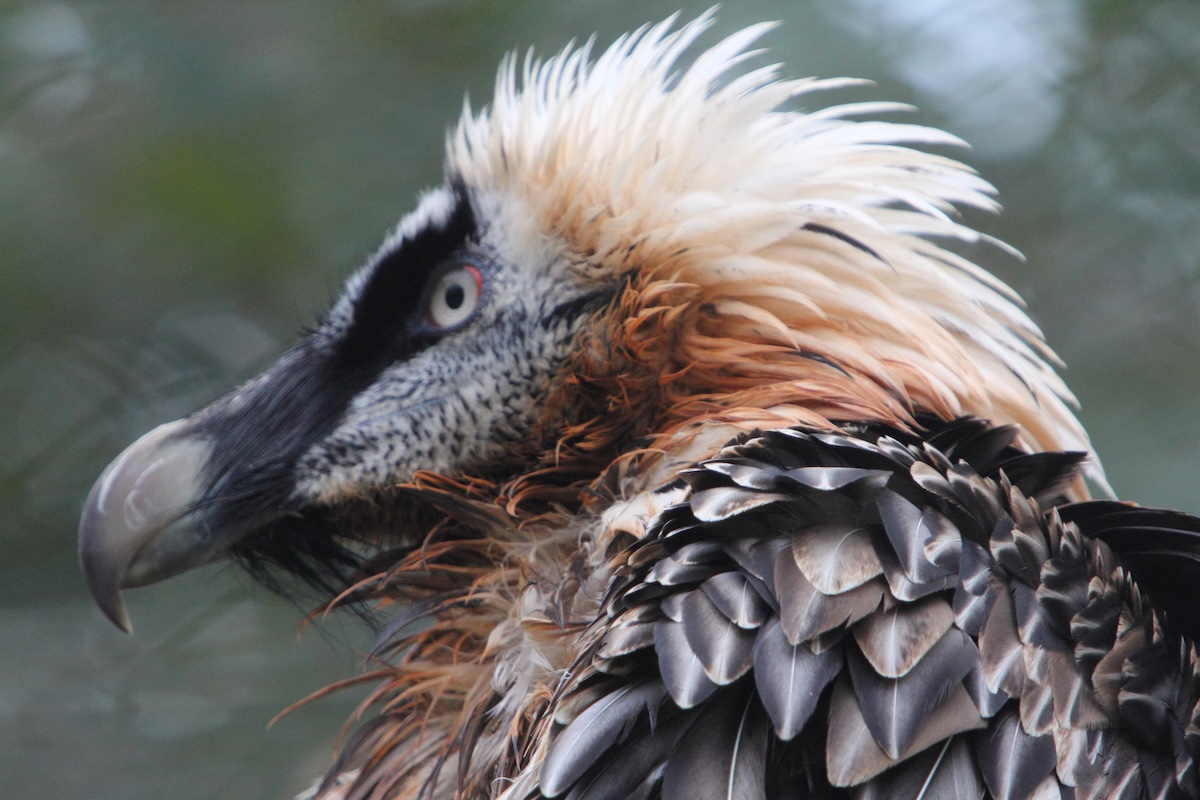 Photo Credit: hadot1 at Deposit Photos
In the rugged heights of the Alps and the craggy cliffs of the Himalayas, the Bearded Vulture, or Gypaetus barbatus, reigns as a master of the skies. With a wingspan that can stretch an impressive 9 feet, this magnificent bird glides effortlessly above the rocky terrain, its striking appearance capturing the attention of all who are lucky enough to witness it. The Bearded Vulture is easily recognized by its distinctive feathered beard, which gives it a regal look, and its striking reddish-brown plumage that contrasts beautifully with the blue sky. This bird is not just a visual marvel; it plays a crucial role in its ecosystem, acting as a scavenger that helps keep the environment clean.
What makes the Bearded Vulture particularly fascinating to scientists and nature enthusiasts alike is its unique diet. Unlike most vultures that feast on carrion, the Bearded Vulture has a special affinity for bones. It has been known to drop large bones from great heights onto rocks to break them open, allowing it to access the nutritious marrow inside. This behavior not only showcases its intelligence and problem-solving skills but also highlights its vital role in the food web. As a keystone species, the Bearded Vulture helps recycle nutrients back into the ecosystem, making it an essential player in maintaining the balance of life in its mountainous habitat. Join us as we explore the captivating world of the Bearded Vulture, uncovering its behaviors, challenges, and the conservation efforts aimed at protecting this extraordinary bird.
The Bearded Vulture, scientifically known as Gypaetus barbatus, occupies a fascinating niche in the tree of life. This majestic bird is part of the Accipitriformes order, which includes eagles, hawks, and kites. What sets the Bearded Vulture apart is its unique diet, primarily consisting of bones. Unlike most birds of prey that feast on meat, this vulture has adapted to a specialized feeding strategy, using its powerful beak to break open bones and extract the nutritious marrow inside. This remarkable adaptation not only highlights its role in the ecosystem as a scavenger but also showcases its evolutionary journey.
| Taxonomic Rank | Scientific Name | Meaning & Significance |
|---|---|---|
| Kingdom | Animalia | This classification includes all animals, highlighting the Bearded Vulture’s status as a living organism within the vast animal kingdom. |
| Phylum | Chordata | Chordata refers to animals with a backbone, emphasizing the Bearded Vulture’s complex structure and evolutionary advancements. |
| Class | Aves | Aves is the class of birds, indicating that the Bearded Vulture shares characteristics like feathers and the ability to fly. |
| Order | Accipitriformes | This order includes birds of prey, showcasing the Bearded Vulture’s predatory nature, even if its diet is quite different from typical hunters. |
| Family | Accipitridae | Accipitridae encompasses hawks and eagles, linking the Bearded Vulture to other powerful birds known for their keen eyesight and hunting skills. |
| Genus | Gypaetus | The genus name Gypaetus is derived from the Greek word for vulture, reflecting its scavenging lifestyle and ecological role. |
| Species | Gypaetus barbatus | The species name barbatus means “bearded” in Latin, referring to the distinctive feathered throat that gives this vulture its name. |
The classification of the Bearded Vulture reveals much about its evolutionary history. As a member of the Accipitridae family, it shares a lineage with other birds of prey, yet its specialized feeding habits and unique adaptations set it apart. This bird’s ability to thrive in rugged mountain environments and its reliance on bones for sustenance illustrate how evolution shapes species to fit their ecological niches. The Bearded Vulture is not just a survivor; it is a testament to the incredible diversity of life and the intricate connections that bind all living things in the natural world.
The evolutionary journey of the Bearded Vulture, or Gypaetus barbatus, stretches back millions of years, weaving through the tapestry of time and adaptation. This bird, known for its striking appearance and unique feeding habits, has evolved in the high mountain ranges of Europe, Asia, and Africa. Its lineage can be traced to ancient raptors that soared the skies long before modern birds took flight, showcasing a remarkable story of survival and specialization.
Ancestral forms of the Bearded Vulture likely shared traits with other birds of prey, but over time, they developed distinct characteristics that set them apart. One major transition occurred as they adapted to a scavenging lifestyle, primarily feeding on bones. This shift required not only a change in diet but also the evolution of powerful beaks and digestive systems capable of processing hard materials. As they evolved, these birds became masters of the high-altitude environment, developing adaptations that allowed them to thrive in rugged terrains where few other species could survive.
These evolutionary adaptations have been crucial for the Bearded Vulture’s survival in challenging environments. By developing specialized feeding techniques and social behaviors, they have carved out a niche that allows them to thrive where other scavengers might struggle. Their ability to soar at high altitudes and their unique dietary preferences have made them not just survivors, but also vital players in their ecosystems, helping to recycle nutrients and maintain the balance of life in their mountainous habitats.
The Bearded Vulture is a stunning sight to behold, with a body that commands attention in the skies. This bird boasts a wingspan that can reach up to 9 feet, allowing it to soar gracefully over rugged mountain landscapes. Its robust frame is complemented by a powerful beak, designed for its unique diet of bones. The Bearded Vulture’s striking appearance is further enhanced by its distinctive black bristly feathers that frame its bill, giving it a rugged, almost majestic look.
| Feature | Description |
|---|---|
| Weight | 10 to 17 lbs |
| Skin Type | Feathers |
| Most Distinctive Feature | Black bristly feathers under its bill |
The Bearded Vulture’s features are not just for show; they play vital roles in its survival. The large wingspan allows for effortless gliding, conserving energy as it searches for food. The powerful beak is perfectly adapted for breaking down bones, its primary food source, while the bristly feathers under its bill may help protect its face during feeding. Together, these characteristics make the Bearded Vulture a master of its mountainous habitat, showcasing the beauty of evolution in action.
The Bearded Vulture thrives in some of the most breathtaking landscapes on Earth. Picture soaring rocky cliffs that rise dramatically against the sky, surrounded by vast shrublands and patches of dense forests. These rugged terrains provide the perfect backdrop for this magnificent bird, where it can glide effortlessly on thermal updrafts, searching for food and surveying its territory. The combination of steep cliffs and open spaces creates an ideal environment for the Bearded Vulture to nest and hunt.
The climate in these regions varies widely, but the Bearded Vulture prefers areas that are generally dry and sunny. It thrives in high altitudes, often found at elevations between 3,000 to 5,000 meters (about 9,800 to 16,400 feet). These heights offer cooler temperatures and less vegetation, which suits the bird’s hunting style. The Bearded Vulture is well adapted to the harsh conditions of its mountainous home, where it can find the remains of animals, its primary food source.
Adaptation is key to the survival of the Bearded Vulture in these challenging habitats. Its impressive wingspan allows for efficient soaring, conserving energy as it glides over vast distances in search of carrion. The bird’s keen eyesight helps it spot food from great heights, while its strong beak is perfectly designed for breaking bones, allowing it to access the nutritious marrow inside. These adaptations not only make the Bearded Vulture a master of its environment but also a vital part of the ecosystem, helping to clean up the landscape by consuming animal remains.
The Bearded Vulture leads a life that is both solitary and social, depending on the time of year and the availability of food. Typically, these magnificent birds begin their day at dawn, soaring high above the rugged mountains where they make their home. With their impressive wingspan, they glide effortlessly, scanning the ground for potential meals. Their diet primarily consists of bones, which they cleverly drop from great heights to break them open and access the nutritious marrow inside. This unique feeding strategy showcases their intelligence and adaptability, allowing them to thrive in their challenging environments.
Socially, Bearded Vultures exhibit interesting dynamics, often seen in pairs, especially during the breeding season. These pairs are known to engage in elaborate courtship displays, which include aerial acrobatics and synchronized flying. While they are generally solitary outside of breeding, they can sometimes be found in small groups when food is abundant. Communication among these birds is vital; they use a variety of vocalizations and body language to express their needs and establish territory. This social behavior not only strengthens pair bonds but also helps them navigate their mountainous habitats.
| Behavior Type | Description |
|---|---|
| Feeding | Bearded Vultures primarily feed on bones, dropping them from heights to access the marrow inside. |
| Social Structure | They are mostly solitary or found in pairs, especially during breeding season. |
| Communication | These birds use vocalizations and body language to communicate with each other and establish territory. |
| Territorial Behavior | Bearded Vultures defend their nesting areas and food sources from other birds, ensuring their survival. |
The behaviors of the Bearded Vulture are finely tuned to ensure their survival in the wild. Their unique feeding habits allow them to exploit a food source that many other scavengers overlook, while their social interactions help them maintain strong pair bonds and defend their territory. By mastering the art of flight and communication, these birds navigate their rugged habitats with grace and skill, embodying the spirit of resilience in the face of nature’s challenges.
The Bearded Vulture has a diet that is quite specialized, primarily focusing on the remains of large animals. This impressive bird is a carnivore, meaning it mainly eats meat. However, what sets it apart is its unique preference for bones. Bearded Vultures are known to consume the bones of dead animals, which they can digest thanks to their strong stomach acids. They often hunt for tortoises, mammals, and birds, using their keen eyesight to spot potential meals from high in the sky.
| Dietary Aspect | Details |
|---|---|
| Diet Type | Carnivore |
| Favorite Foods | Bones of large animals, tortoises, mammals, and birds |
| Prey Items | Dead animals, particularly those with substantial bone content |
| Hunting/Foraging Strategies | Soars high to spot carcasses, drops bones from heights to break them open |
This specialized diet plays a crucial role in the Bearded Vulture’s ecology. By consuming bones, they help recycle nutrients back into the ecosystem, making them vital for the health of their habitats. Their daily routine revolves around searching for food, often soaring for hours to find the best feeding spots. This not only shapes their behavior but also influences the dynamics of the ecosystems they inhabit, as they help keep the environment clean and balanced.
During the breeding season, which typically occurs between late winter and early spring, Bearded Vultures engage in elaborate courtship displays. These displays often include aerial acrobatics, where the male and female soar together, showcasing their strength and agility. They may also perform synchronized dives and climbs, which not only strengthen their bond but also help them establish territory. Once a pair has formed, they will return to the same nesting site year after year, often on high cliffs or rocky ledges, where they feel safe from predators.
| Reproductive Aspect | Details |
|---|---|
| Gestation Period | About 54 days |
| Litter Size | 1-2 eggs |
| Age of Maturity | 5-6 years |
| Name of Young | Chick |
After the eggs hatch, both parents take an active role in caring for their chicks. The young Bearded Vultures are born covered in downy feathers and are completely dependent on their parents for food and protection. The parents will regurgitate food, primarily bones and meat, to feed their growing chicks. As the young birds develop, they begin to explore their surroundings and practice their flying skills. By the time they reach maturity at around five to six years old, they are ready to take on the skies independently, continuing the cycle of life in the rugged landscapes they call home.
The Bearded Vulture holds a vital position in the food web as a scavenger, primarily feeding on the bones of large animals. This unique diet not only helps keep ecosystems clean but also plays a crucial role in nutrient cycling. By consuming bones, the Bearded Vulture ensures that nutrients are returned to the soil, supporting the growth of plants and the animals that depend on them. However, this majestic bird faces several dangers that threaten its survival.
To defend itself against these threats, the Bearded Vulture has developed several survival strategies. It often nests in remote, inaccessible cliffs, making it harder for predators and humans to reach them. Additionally, this bird is known for its impressive flying skills, allowing it to soar high above potential dangers. When faced with threats, it can also use its keen eyesight to spot danger from afar, giving it time to escape. Through these adaptations, the Bearded Vulture continues to navigate the challenges of its environment, showcasing the resilience of nature.
A keystone species is an organism that has a disproportionately large impact on its environment relative to its abundance. The Bearded Vulture, or Gypaetus barbatus, certainly qualifies as a keystone species in its ecosystem. This magnificent bird plays a crucial role in maintaining the balance of its habitat, particularly in mountainous regions where it thrives.
One of the most significant ways the Bearded Vulture influences its ecosystem is through its scavenging behavior. By primarily feeding on the bones of large animals, it helps to recycle nutrients back into the environment. When these bones are consumed, the vulture breaks them down, allowing essential minerals to return to the soil. This process supports plant growth and, in turn, benefits other animals that rely on those plants for food and shelter.
Additionally, the Bearded Vulture’s presence can help control populations of other scavengers. By being a top scavenger, it ensures that no single species dominates the scavenging niche. This balance is vital for the health of the ecosystem, as it prevents overpopulation of certain species that could lead to resource depletion. Furthermore, the vulture’s nesting habits in rocky cliffs provide a safe habitat for other birds and small mammals, contributing to biodiversity in the area.
If the Bearded Vulture were to disappear, the consequences could be dire. Without this scavenger, the bones of large animals would accumulate, leading to a slower decomposition process. This could result in nutrient depletion in the soil, negatively affecting plant life and, consequently, the entire food web. Other scavengers might overpopulate, creating competition for resources and disrupting the delicate balance of the ecosystem. The loss of the Bearded Vulture would not only diminish the beauty of the landscape but also threaten the health of the entire environment it supports.
The Bearded Vulture, or Gypaetus barbatus, plays a crucial role in its ecosystem, acting as a natural cleaner and recycler of nutrients. This magnificent bird primarily inhabits rocky cliffs, shrublands, and forests, where it thrives in high-altitude environments. By feeding on the bones of large animals, it helps maintain the balance of its habitat, ensuring that nutrients are returned to the soil and supporting the growth of various plant species. Its unique dietary habits make it an essential player in the ecological web, influencing both the flora and fauna around it.
| Ecosystem Service | Impact |
|---|---|
| Scavenging | Removes carcasses, preventing the spread of disease. |
| Nutrient Cycling | Breaks down bones, returning essential nutrients to the soil. |
| Habitat Maintenance | Supports the health of plant life by enriching the soil. |
| Food Source for Other Species | Provides food for smaller scavengers and decomposers. |
The Bearded Vulture’s influence can be seen in various ways. For instance, when it consumes the bones of large mammals, it not only cleans up the environment but also aids in the decomposition process. As the bones are broken down, they release vital minerals back into the ecosystem, which helps nourish the plants that grow in the area. Additionally, the presence of this bird can attract other scavengers, such as smaller vultures and even mammals like foxes, who benefit from the leftovers. This interconnectedness highlights how one species can impact many others in its habitat.
The broader ecological importance of the Bearded Vulture cannot be overstated. As a keystone species, its activities help shape the structure of its ecosystem, influencing everything from soil health to the diversity of plant and animal life. By ensuring that dead animals are efficiently processed, the Bearded Vulture supports a thriving community of organisms, all of which rely on the delicate balance of their environment. In this way, the Bearded Vulture is not just a solitary scavenger; it is a vital component of the intricate web of life that sustains its mountainous home.
In the intricate web of life, symbiosis refers to the close interactions between different species, which can take many forms. These relationships can be mutualistic, where both species benefit, parasitic, where one benefits at the other’s expense, or commensal, where one benefits while the other is neither helped nor harmed. The Bearded Vulture, with its unique ecological role, engages in various partnerships that highlight the complexity of nature and the interconnectedness of all living things.
| Species/Type | Relationship Type | Description |
|---|---|---|
| Other scavengers (e.g., jackals, foxes) | Mutualistic | Bearded Vultures often share feeding sites with other scavengers. While the vultures focus on bones, smaller scavengers can access the softer tissues, benefiting from the same food source. |
| Large herbivores (e.g., deer, cattle) | Commensal | As large herbivores move through their habitats, they can inadvertently expose carrion. Bearded Vultures take advantage of this by scavenging on the remains, benefiting without affecting the herbivores. |
| Parasites (e.g., ticks) | Parasitic | While not a direct relationship with other species, Bearded Vultures can host parasites like ticks, which benefit from feeding on the bird’s blood, potentially harming the vulture in the process. |
These relationships have evolved over time, shaped by the needs and behaviors of the species involved. The mutualistic interactions between Bearded Vultures and other scavengers illustrate how cooperation can enhance survival in challenging environments. Meanwhile, the commensal relationship with large herbivores showcases the clever ways animals can exploit opportunities in their surroundings. Even the parasitic connections remind us that nature is a balance of give and take, where every species plays a role in the grand tapestry of life. Understanding these dynamics not only enriches our appreciation of the Bearded Vulture but also highlights the importance of preserving the ecosystems they inhabit.
The Bearded Vulture, or Gypaetus barbatus, is a captivating bird that holds many secrets in its soaring flight and unique lifestyle. Here are some surprising facts that showcase just how extraordinary this bird truly is.
The Bearded Vulture, known scientifically as Gypaetus barbatus, has long captured the imagination of humans throughout history. In various cultures, this striking bird has been seen as a symbol of strength and resilience. Ancient peoples often revered it, associating it with the divine and incorporating it into their myths and legends. In some regions, the Bearded Vulture was believed to possess healing powers, while in others, it was seen as a guardian of the mountains. These historical encounters have woven a rich tapestry of cultural significance, highlighting the deep connection between this magnificent bird and humanity.
Today, the relationship between the Bearded Vulture and humans is complex and multifaceted. Conservation efforts are underway to protect this species, which has faced significant threats from habitat loss and poisoning. In some areas, local communities have embraced the Bearded Vulture as a symbol of their natural heritage, promoting eco-tourism and awareness campaigns. However, conflicts can arise, particularly when these birds scavenge near livestock, leading to tensions between farmers and conservationists. While domestication is not a factor for the Bearded Vulture, its interactions with humans continue to evolve as we strive to find a balance between protecting wildlife and supporting local livelihoods.
As we look to the future, the relationship between the Bearded Vulture and humanity holds promise. With continued conservation efforts and a growing appreciation for biodiversity, there is hope for a harmonious coexistence. By fostering understanding and respect for this remarkable bird, we can ensure that future generations will not only witness the Bearded Vulture soaring through the skies but also recognize its vital role in our ecosystems. Together, we can celebrate the beauty of nature and work towards a sustainable future for both wildlife and people.
The Bearded Vulture, or Gypaetus barbatus, currently holds a conservation status of Near Threatened. This means that while the species is not yet at critical risk, it faces challenges that could lead to a decline in its population if not addressed. Recent estimates suggest that there are between 1,675 and 6,700 individuals remaining in the wild. Although some populations are stable, others are experiencing declines, highlighting the need for ongoing conservation efforts.
| Conservation Factor | Status/Details |
|---|---|
| IUCN Status | Near Threatened |
| Estimated Population Size | 1,675-6,700 |
| Population Trend | Varies by region; some stable, others declining |
The main threats to the Bearded Vulture include habitat loss, poisoning, and human disturbance. As natural landscapes are altered for agriculture or urban development, these birds lose their nesting and foraging areas. Additionally, the use of lead ammunition can poison vultures that scavenge on carcasses. Human activities, such as hiking and climbing in their breeding areas, can also disrupt their nesting success, making it harder for them to raise their young.
Conservation efforts are underway to protect the Bearded Vulture and its habitat. Organizations are working to raise awareness about the importance of this species and its role in the ecosystem. Initiatives include habitat restoration, legal protections, and community engagement to reduce human-wildlife conflict. With continued support and effective conservation strategies, there is hope that the Bearded Vulture can thrive once more, soaring majestically across the skies of its mountainous homes.
| Question | Answer |
|---|---|
| What is the habitat of the Bearded Vulture? | The Bearded Vulture prefers rocky cliffs, shrublands, and forests. These areas provide the high vantage points and nesting sites they need to thrive in the wild. |
| What does the Bearded Vulture eat? | This bird is a carnivore, meaning it primarily eats meat. Its favorite food is bones, which it drops from great heights to break them open and access the nutritious marrow inside. |
| How does the Bearded Vulture behave in the wild? | Bearded Vultures are known for their solitary nature, often seen soaring alone in the sky. They are also very territorial, defending their nesting areas from other birds. |
| How do Bearded Vultures reproduce? | These birds typically mate for life and build their nests on high cliffs. The female usually lays one to two eggs, and both parents take turns incubating them until they hatch. |
| What threats do Bearded Vultures face? | Bearded Vultures are currently classified as Near Threatened. Their main threats include habitat loss, poisoning from carcasses, and human disturbance in their nesting areas. |
| What is a unique characteristic of the Bearded Vulture? | One of the most distinctive features of the Bearded Vulture is the black bristly feathers under its bill. These feathers give the bird its name and help it look fierce and impressive. |
| How do Bearded Vultures contribute to their ecosystem? | Bearded Vultures play a crucial role in their ecosystem by cleaning up animal remains. By consuming bones and carcasses, they help prevent the spread of disease and recycle nutrients back into the environment. |