Taxonomy & Classification
- Kingdom
- Animalia
- Phylum
- Chordata
- Class
- Mammalia
- Order
- Carnivora
- Family
- Canidae
- Genus
- Canis
- Species
- Canis Lupus

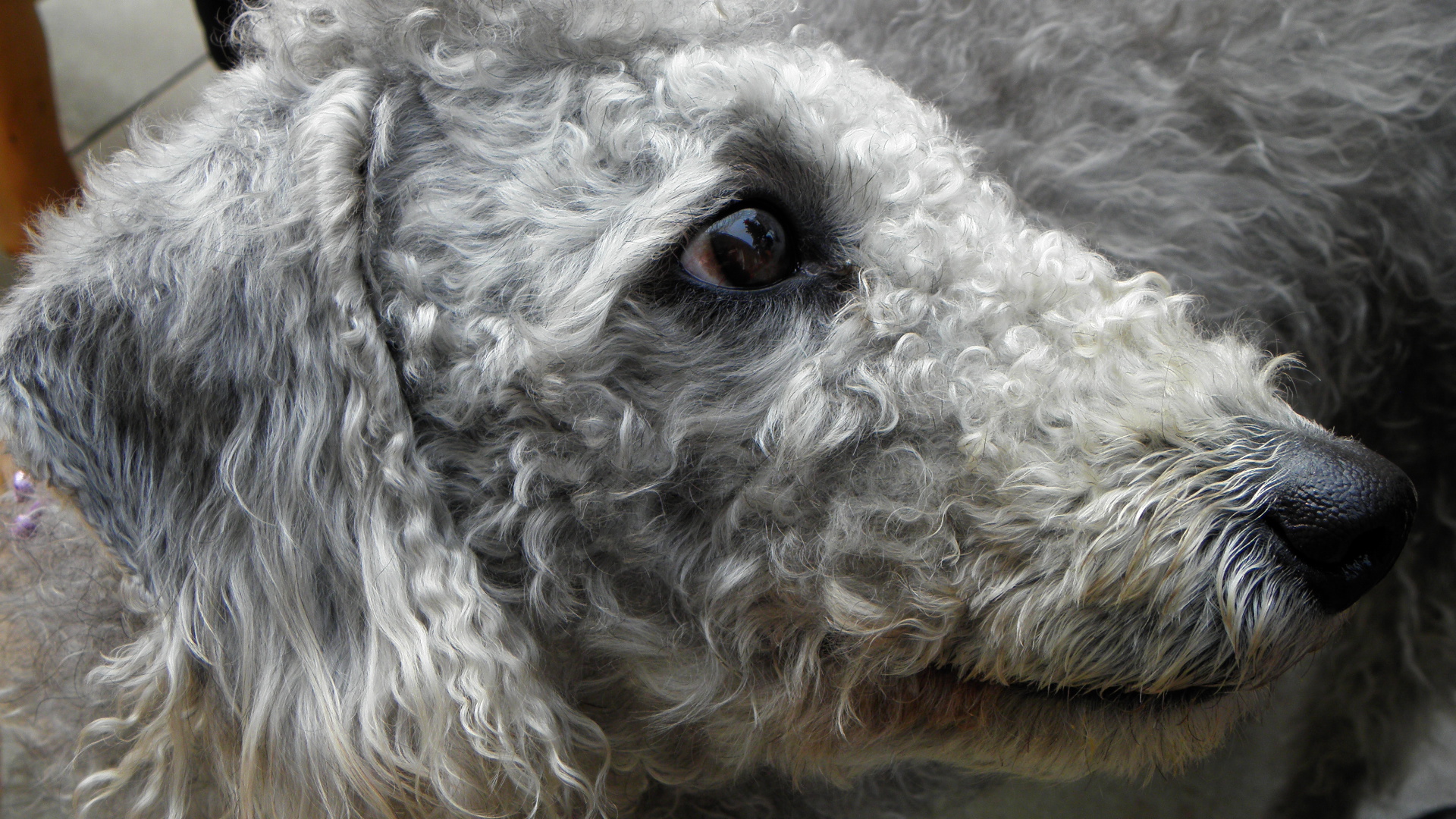 Photo Credit: Panoramio upload bot / Wikimedia Commons
In the heart of Northumberland, England, where the rolling hills meet the rugged landscape, the Bedlington Terrier, scientifically known as Melopsittacus undulatus, prances with a spirited grace. This small yet striking breed is often mistaken for a lamb due to its soft, curly coat and elegant, arched back. With its unique appearance and lively personality, the Bedlington Terrier captures the hearts of dog lovers and scientists alike, sparking curiosity about its origins and behavior.
As the sun rises over the lush countryside, the Bedlington Terrier can be seen bounding through fields, its playful energy radiating as it explores its surroundings. This breed, originally developed for hunting small game, showcases a blend of agility and strength, making it a remarkable companion for both adventure and relaxation. Its keen intelligence and affectionate nature have made it a beloved family pet, while its fascinating history as a working dog continues to intrigue those who study canine evolution. With each wag of its tail, the Bedlington Terrier invites us to delve deeper into the world of dogs, revealing the intricate connections between humans and their furry friends.
The Bedlington Terrier is a captivating member of the animal kingdom, nestled within the intricate web of life. Taxonomically, it belongs to the Kingdom Animalia, which includes all animals, and it is classified under the Phylum Chordata, meaning it has a backbone. This breed is part of the Class Mammalia, indicating it is a mammal that nurses its young with milk. Within the Order Carnivora, which encompasses meat-eating animals, the Bedlington Terrier is further categorized in the Family Canidae, the group that includes dogs, wolves, and foxes. Its Genus, Canis, is where it shares its lineage with domestic dogs and their wild relatives. What sets the Bedlington Terrier apart is its distinctive lamb-like appearance, characterized by a soft, curly coat and a unique, elegant silhouette, making it a true standout among dog breeds.
| Taxonomic Rank | Scientific Name | Meaning & Significance |
|---|---|---|
| Kingdom | Animalia | This name comes from the Latin word “animalis,” meaning “having breath,” which reflects the living, breathing nature of all animals. |
| Phylum | Chordata | Derived from the Greek word “chordē,” meaning “string,” this term refers to animals with a notochord, a flexible rod that supports the body, a key feature in vertebrates. |
| Class | Mammalia | This name comes from the Latin “mamma,” meaning “breast,” highlighting the defining characteristic of mammals: the ability to nurse their young. |
| Order | Carnivora | From the Latin “carnivorus,” meaning “meat-eating,” this classification includes animals that primarily consume meat, showcasing their predatory adaptations. |
| Family | Canidae | This name is derived from the Latin “canis,” meaning “dog,” which encompasses all dog-like mammals, emphasizing their shared ancestry and traits. |
| Genus | Canis | Also from the Latin word for “dog,” this genus includes domestic dogs and their wild relatives, highlighting the Bedlington Terrier’s close ties to other canines. |
The classification of the Bedlington Terrier reveals a rich evolutionary history that connects it to a diverse lineage of mammals. As a member of the Canidae family, it shares traits with both domestic dogs and their wild ancestors, showcasing the adaptability and variety found within this group. The Bedlington’s unique appearance and friendly demeanor are not just a product of breeding but also a reflection of its evolutionary journey, where physical traits and behaviors have been shaped by both natural and human influences. Understanding its place in the tree of life helps us appreciate the intricate relationships among species and the fascinating story of how this charming breed came to be.
The Bedlington Terrier’s evolutionary journey is a tale that stretches back several centuries, rooted in the rich tapestry of canine history. This breed emerged in the early 19th century in the mining town of Bedlington, Northumberland, England. Originally bred for hunting small game and controlling vermin, the Bedlington Terrier has undergone significant changes over time, adapting to both its environment and the needs of its human companions.
The ancestors of the Bedlington Terrier can be traced to various terrier breeds, particularly those used for hunting and ratting. These early dogs were valued for their agility and tenacity, traits that were essential for chasing down small animals. Over time, selective breeding focused on enhancing specific characteristics, such as a distinctive lamb-like appearance and a friendly disposition. This transformation marked a major evolutionary transition, as the breed began to stand out not just for its utility but also for its unique looks and temperament.
These adaptations have played a crucial role in the Bedlington Terrier’s survival and success. The combination of a protective coat, sharp senses, and a friendly demeanor has allowed this breed to thrive in various environments, from bustling homes to the great outdoors. As a result, the Bedlington Terrier has not only maintained its historical purpose but has also become a beloved companion, showcasing the remarkable interplay between evolution and human companionship.
The Bedlington Terrier is a striking dog that captures attention with its elegant, lamb-like appearance. Its body is compact yet athletic, showcasing a graceful blend of strength and agility. With a distinctive arched back and a refined neck, this breed exudes a sense of nobility. The Bedlington’s head is particularly notable, featuring a narrow, wedge-shaped skull that gives it a unique profile. Its expressive eyes, often dark and sparkling, add to its charm, making it a delightful companion.
| Feature | Description |
|---|---|
| Size | Medium-sized, typically weighing between 17 to 23 pounds. |
| Color | Commonly found in shades of blue, liver, or sandy, often with white markings. |
| Skin Type | Covered in a soft, curly coat that resembles a lamb’s fleece. |
| Body Structure | Compact and muscular with a distinctive arched back. |
| Head Shape | Narrow and wedge-shaped, contributing to its unique profile. |
These physical features not only make the Bedlington Terrier visually appealing but also serve important functions. The soft, curly coat helps protect the dog from harsh weather, while its compact body allows for agility and speed, essential traits for a breed originally developed for hunting and ratting. The unique head shape and expressive eyes enhance its ability to communicate with humans, fostering a strong bond with its family. Together, these characteristics create a breed that is not only beautiful but also well-suited for a variety of activities and environments.
The Bedlington Terrier, a small yet spirited breed, thrives in a variety of environments, often found in cozy homes and lively neighborhoods. Originally bred in the mining regions of Northumberland, England, these dogs are well-suited to both urban and rural settings. Their playful nature and affectionate demeanor make them beloved companions, whether they are frolicking in a grassy park or snuggling on a warm couch.
This breed enjoys a temperate climate, which means they are happiest in areas that experience mild weather. They adapt well to both cooler and warmer temperatures, but they thrive best when they have a comfortable indoor space to retreat to during extreme weather. A well-ventilated area is ideal, as it helps keep them cool in the summer and cozy in the winter.
The Bedlington Terrier has developed a few clever adaptations to fit into its chosen habitats. With a soft, curly coat that resembles that of a lamb, it not only provides warmth but also helps protect against the elements. This unique fur requires regular grooming, which keeps it healthy and prevents matting. Their energetic nature and playful spirit make them excellent companions for families, allowing them to flourish in various living situations while bringing joy to those around them.
The daily life of a Bedlington Terrier is a delightful mix of energy, playfulness, and companionship. These spirited dogs start their day with a burst of enthusiasm, often greeting their humans with wagging tails and eager barks. Morning walks are a must, as they love to explore their surroundings, sniffing out new scents and meeting other dogs. Throughout the day, they enjoy a variety of activities, from chasing after toys to engaging in playful wrestling matches with family members. Their keen intelligence means they thrive on mental stimulation, so puzzle toys and training sessions are also part of their routine.
Socially, Bedlington Terriers are known for their friendly and affectionate nature. They bond closely with their families and often seek out companionship, whether from humans or other pets. These dogs are generally good with children, displaying a gentle demeanor that makes them excellent playmates. In group settings, they exhibit a playful hierarchy, often taking turns leading the fun. Their communication is rich and varied, using barks, whines, and body language to express their feelings and needs. This social behavior not only strengthens their bonds with family members but also helps them navigate interactions with other dogs.
| Behavior Type | Description |
|---|---|
| Activity Patterns | Bedlington Terriers are active and playful, enjoying daily walks, playtime, and mental challenges. They require regular exercise to stay healthy and happy. |
| Social Structure | These dogs thrive in social settings, forming strong bonds with their families and often getting along well with other pets. They enjoy being part of the group. |
| Communication Methods | Bedlington Terriers communicate through a mix of barks, whines, and body language, using these signals to express excitement, curiosity, or the need for attention. |
In the wild, social behaviors and communication are vital for survival, and the Bedlington Terrier’s friendly nature and strong bonds with their families mirror this instinct. By engaging in play and forming connections, they not only enhance their own well-being but also create a supportive environment that fosters cooperation and understanding. This blend of social interaction and playful energy ensures that they remain not just beloved pets but also resilient companions in the ever-changing landscape of life.
The Bedlington Terrier is an omnivore, which means it enjoys a varied diet that includes both plant and animal foods. This breed has a hearty appetite and thrives on a balanced mix of proteins, carbohydrates, and fats. Typically, they are fed high-quality dog food that provides essential nutrients, but they also love the occasional treat, such as fruits and vegetables. Their feeding behavior is influenced by their playful and energetic nature, as they often look for food during their active playtime.
| Dietary Aspect | Details |
|---|---|
| Diet Type | Omnivore |
| Favorite Foods | High-quality dog food, fruits, and vegetables |
| Prey Items | Small rodents and insects |
| Hunting/Foraging Strategies | Active searching during play, sniffing out food |
The Bedlington Terrier’s diet plays a crucial role in shaping its ecology and daily routine. With their energetic lifestyle, they require a balanced diet to maintain their health and vitality. This breed’s foraging behavior not only keeps them active but also stimulates their minds, making mealtime an exciting part of their day. By enjoying a variety of foods, they are well-equipped to adapt to different environments, ensuring they remain happy and healthy companions.
When it comes to mating, Bedlington Terriers exhibit behaviors that are both instinctual and social. The breeding season typically occurs in the spring, when the days grow longer and warmer. During this time, males become more active and may display playful, exuberant behavior to attract females. Once a female is in heat, which is a period when she is fertile and can conceive, the male will court her with affectionate gestures and playful antics. This courtship can be quite charming, as both dogs engage in a dance of sorts, showcasing their energy and enthusiasm.
| Reproductive Aspect | Details |
|---|---|
| Gestation Period | Approximately 63 days |
| Litter Size | Average of 4 puppies |
| Age of Maturity | About 6 to 12 months |
| Name of Young | Puppies |
After the puppies are born, the mother Bedlington Terrier takes on the role of a dedicated caregiver. She provides warmth, nourishment, and protection to her young, ensuring they thrive in their early days. The puppies are born blind and deaf, relying entirely on their mother for survival. As they grow, they begin to open their eyes and ears, exploring their surroundings with curiosity. By the time they reach maturity, around 6 to 12 months, they have developed into lively, playful companions, ready to embark on their own adventures. The bond between the mother and her puppies is strong, showcasing the nurturing instincts that are vital for their development into healthy adult dogs.
The Bedlington Terrier, while primarily a beloved companion, occupies a unique niche in the food web. As a domesticated breed, it is not a natural predator in the wild, but it can still face dangers from various sources. In urban and rural settings alike, these spirited dogs may encounter threats from larger animals or even human-related hazards. Understanding these dangers helps us appreciate the resilience and adaptability of this charming breed.
To defend themselves against these threats, Bedlington Terriers often rely on their agility and keen senses. Their quick reflexes allow them to dart away from danger, while their alertness helps them detect potential predators before it’s too late. Additionally, their strong bond with humans provides a layer of protection, as they are often kept indoors or supervised during outdoor activities. With their spirited nature and clever instincts, Bedlington Terriers navigate their world with a mix of caution and confidence, ensuring their survival in a variety of environments.
A keystone species is a vital part of its ecosystem, playing a crucial role in maintaining the structure and balance of its environment. These species have a disproportionately large impact on their surroundings compared to their abundance. While the Bedlington Terrier is a charming and spirited breed, it does not qualify as a keystone species. This small dog, primarily a companion animal, does not significantly influence its ecosystem in the way that, say, wolves or sea otters do.
The Bedlington Terrier’s role in its environment is more about companionship and interaction with humans than ecological impact. As a domesticated breed, it thrives in homes and neighborhoods, where it brings joy and energy to families. While it may chase small animals or play in the yard, its influence on local wildlife and plant life is minimal. Unlike wild animals that shape their habitats through predation or competition, the Bedlington Terrier’s activities are largely confined to human environments, where it serves as a beloved pet rather than an ecological force.
However, the presence of Bedlington Terriers can still have some indirect effects on their surroundings. For instance, their playful nature encourages outdoor activities, which can lead to increased human interaction with nature. This can foster a greater appreciation for local ecosystems and wildlife. Additionally, as omnivores, they may contribute to the local food web in small ways, such as through their diet, which can include various plant and animal matter.
If Bedlington Terriers were to disappear from their environments, the immediate impact would be felt most strongly by their human companions. Families would lose a source of joy and companionship, and the social fabric of communities that cherish these dogs would be altered. While the broader ecosystem might not experience drastic changes, the absence of such a spirited breed could diminish the connection people feel to nature and the outdoors, highlighting the importance of all species, even those that seem less significant in ecological terms.
The Bedlington Terrier, a small yet spirited breed, plays a fascinating role in its ecosystem, particularly as a companion animal. While it may not be a wild creature roaming vast landscapes, its presence in human environments contributes to the balance of urban and suburban ecosystems. By engaging with its surroundings, the Bedlington Terrier helps shape social dynamics and influences the behavior of other species, including humans. This breed’s playful nature and energetic disposition encourage outdoor activities, promoting a healthier lifestyle for its owners and fostering connections within communities.
| Ecosystem Service | Impact |
|---|---|
| Companionship | Enhances human well-being and social interactions. |
| Pest Control | Helps manage small rodent populations through instinctual hunting behaviors. |
| Encouraging Outdoor Activity | Promotes exercise and outdoor exploration for owners and families. |
| Community Engagement | Fosters social connections among dog owners and non-owners alike. |
The Bedlington Terrier’s influence can be seen in various ways. For instance, its natural instinct to chase small animals can help keep rodent populations in check, which is beneficial for gardens and parks. Additionally, the breed’s playful demeanor encourages families to spend more time outdoors, whether it’s through walks, playdates, or dog parks. This not only enhances the physical health of its owners but also strengthens community bonds as people come together to enjoy the company of their furry friends.
In a broader ecological context, the Bedlington Terrier serves as a reminder of the interconnectedness of species within urban environments. By promoting outdoor activity and social interaction, this breed contributes to healthier communities and encourages a greater appreciation for nature. As companion animals, Bedlington Terriers help bridge the gap between humans and the natural world, highlighting the importance of coexistence and the positive impacts that pets can have on our lives and ecosystems.
In the intricate dance of nature, symbiosis refers to the close relationships between different species, where they interact in ways that can be beneficial, harmful, or neutral. These ecological relationships are essential for the balance of ecosystems, allowing species to thrive together. For the Bedlington Terrier, a charming breed known for its unique appearance and lively personality, these partnerships can be found in various forms, showcasing the interconnectedness of life.
| Species/Type | Relationship Type | Description |
|---|---|---|
| Humans | Mutualistic | Bedlington Terriers provide companionship and loyalty to humans, while receiving care, food, and shelter in return. |
| Other Dogs | Commensal | When socialized, Bedlington Terriers often play and interact with other dogs, benefiting from companionship without significantly impacting the other dogs. |
| Fleas | Parasitic | Fleas can infest Bedlington Terriers, feeding on their blood and causing discomfort, which is harmful to the dog. |
These relationships have evolved over time, shaped by the needs and behaviors of the Bedlington Terrier and the species it interacts with. The bond with humans is particularly strong, as these dogs have been bred for companionship, creating a symbiotic relationship where both parties benefit. Meanwhile, interactions with other dogs can enhance their social skills, while the presence of parasites like fleas highlights the challenges of living in a shared environment. Understanding these dynamics helps us appreciate the Bedlington Terrier’s role in the broader tapestry of life, reminding us that every species plays a part in the grand story of nature.
The Bedlington Terrier is a breed that often surprises people with its rich history and unique characteristics. Known for its distinctive appearance and lively personality, this dog has more to offer than meets the eye.
The Bedlington Terrier has a storied history that intertwines closely with humanity, dating back to its origins in the early 19th century in Northumberland, England. Initially bred for hunting small game, these dogs were valued for their agility and tenacity. Their unique appearance, reminiscent of a lamb, has made them a cultural icon, often featured in art and literature. As companions, they have captured the hearts of many, becoming symbols of loyalty and affection. Their presence in homes has not only provided companionship but has also influenced social interactions, showcasing the deep bond between humans and dogs.
Today, the relationship between Bedlington Terriers and people continues to evolve. These dogs are not just pets; they are often seen as family members, participating in various activities that strengthen their connection with humans. Bedlington Terriers are known for their playful nature and intelligence, making them excellent companions for families and individuals alike. However, like many breeds, they face challenges such as health issues and the need for proper training and socialization. Their role in therapy and assistance work highlights their adaptability and the positive impact they can have on human lives, bridging the gap between species in meaningful ways.
As we look to the future, the relationship between Bedlington Terriers and humanity is likely to deepen. With ongoing efforts in responsible breeding and training, these dogs can continue to thrive as beloved companions. Their unique qualities and adaptability will ensure they remain a cherished part of many families. As we learn more about their needs and behaviors, we can foster a relationship that not only benefits the dogs but also enriches our lives, creating a harmonious partnership that spans generations.
The Bedlington Terrier currently holds a conservation status of “Not Listed,” which means it is not considered endangered or threatened at this time. This breed has maintained a stable population, primarily due to its popularity as a companion animal. While specific population estimates are not readily available, the Bedlington Terrier enjoys a dedicated following among dog enthusiasts, which helps ensure its continued presence in homes around the world.
| Conservation Factor | Status/Details |
|---|---|
| IUCN Status | Not Listed |
| Population Estimates | Not specifically available |
| Trend Direction | Stable |
Despite its stable status, the Bedlington Terrier faces some challenges that could impact its future. One of the main threats is the potential for genetic health issues, which can arise from a limited gene pool. Responsible breeding practices are essential to maintain the breed’s health and vitality. Additionally, as with many dog breeds, the Bedlington Terrier can be at risk of abandonment or neglect if not properly cared for, especially as lifestyle changes occur in families.
Conservation efforts for the Bedlington Terrier focus on responsible breeding and education about the breed’s needs. Organizations dedicated to the breed work tirelessly to promote health screenings and responsible ownership. The outlook for the Bedlington Terrier remains positive, as long as enthusiasts continue to advocate for their well-being and ensure that these charming dogs are cared for in loving homes. With ongoing support, this breed can thrive for generations to come.
| Question | Answer |
|---|---|
| What is the habitat of a Bedlington Terrier? | The Bedlington Terrier is a breed of small dog that thrives in a home environment. They are adaptable and can live comfortably in apartments or houses, as long as they get enough exercise and mental stimulation. |
| What do Bedlington Terriers eat? | Bedlington Terriers are omnivores, which means they eat both plant and animal-based foods. A balanced diet typically includes high-quality dog food, fresh vegetables, and occasional treats, ensuring they get the nutrients they need to stay healthy. |
| What is the behavior of a Bedlington Terrier? | Bedlington Terriers are known for their friendly and affectionate nature. They are playful and energetic, making them great companions for families, but they also require consistent training and socialization to ensure they behave well around others. |
| How do Bedlington Terriers reproduce? | Like all dogs, Bedlington Terriers reproduce through mating between a male and a female. The female typically has a gestation period of about 63 days before giving birth to a litter of puppies, which can range from three to seven pups. |
| What threats do Bedlington Terriers face? | Bedlington Terriers are not currently listed as endangered, but they can face health issues like any breed. Common concerns include genetic conditions such as copper toxicosis, which affects their liver, so responsible breeding and regular veterinary check-ups are important. |
| What are some interesting characteristics of Bedlington Terriers? | One of the most distinctive features of Bedlington Terriers is their unique, lamb-like appearance due to their curly coat. They are also known for their agility and speed, making them excellent at dog sports and activities. |
| How much exercise do Bedlington Terriers need? | Bedlington Terriers require regular exercise to keep them healthy and happy. Daily walks, playtime, and mental challenges are essential to prevent boredom and ensure they remain well-behaved companions. |