Taxonomy & Classification
- Kingdom
- Animalia
- Phylum
- Chordata
- Class
- Mammalia
- Order
- Artiodactyla
- Family
- Bovidae
- Genus
- Bos x Bison
- Species
- Bos taurus × Bison bison

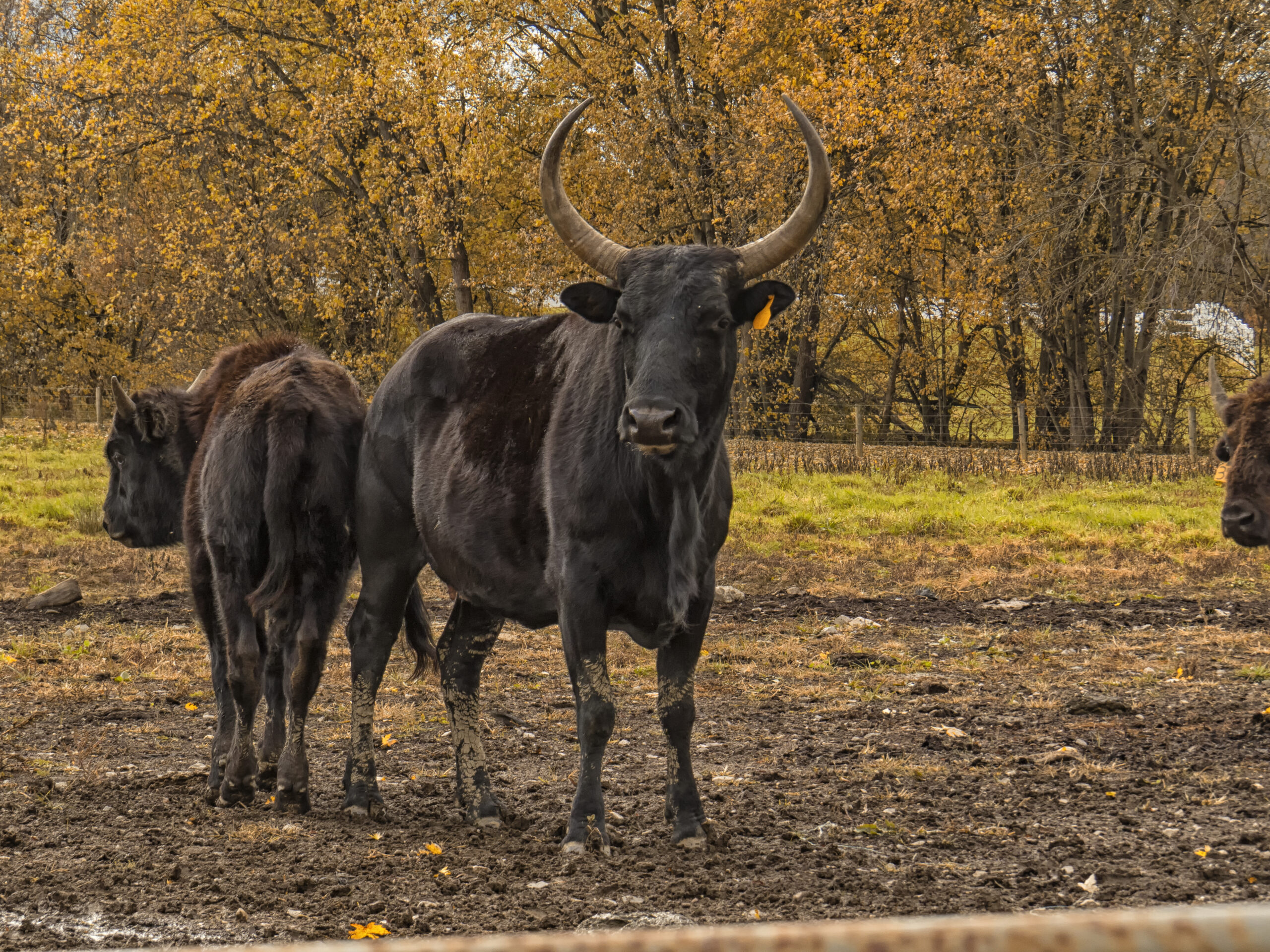 Photo Credit: Oaktree b / Wikimedia Commons
In the vast, sun-drenched pastures of North America, a remarkable hybrid roams: the Beefalo, scientifically known as Bos x Bison. This unique animal is a striking blend of domestic cattle and American bison, showcasing a powerful physique that combines the muscular build of its bison parent with the more docile features of cattle. With their impressive height of about 4.6 feet at the shoulder and a coat that can range from dark brown to a lighter tan, Beefalo are not just visually captivating; they also embody a fascinating story of adaptation and survival.
As they graze peacefully on the lush grasses, their strong, curved horns and sturdy legs hint at their wild ancestry. Scientists and nature enthusiasts alike are drawn to Beefalo for their intriguing role in agriculture and ecology. These hybrids are not only resilient animals, thriving in various habitats, but they also play a vital part in maintaining the balance of their ecosystems. By grazing on grasses and other vegetation, Beefalo help shape the landscape, promoting healthy growth and supporting a diverse range of wildlife. Their presence in the fields is a reminder of the intricate connections between species and the importance of understanding the natural world around us.
Beefalo, a hybrid of domestic cattle and American bison, occupies a unique niche in the animal kingdom. This fascinating animal is classified within the family Bovidae, which includes other hoofed mammals like cows and antelopes. What sets Beefalo apart is its blend of traits from both parent species, combining the hardiness of bison with the docility of cattle. This hybridization not only showcases the adaptability of these animals but also highlights the intricate relationships within the tree of life, where species can interbreed and create new forms.
| Taxonomic Rank | Scientific Name | Meaning & Significance |
|---|---|---|
| Kingdom | Animalia | This name comes from the Latin word “animalis,” meaning “having breath” or “living.” It signifies all living organisms that are multicellular and capable of movement. |
| Phylum | Chordata | Derived from the Latin “chorda,” meaning “string,” this term refers to animals that possess a notochord, a flexible rod that supports the body during development. This includes all vertebrates, like Beefalo. |
| Class | Mammalia | This name comes from the Latin “mamma,” meaning “breast,” highlighting the defining feature of mammals: females possess mammary glands to nurse their young. |
| Order | Artiodactyla | From the Greek “artios,” meaning “even,” and “daktulos,” meaning “finger,” this order includes animals with an even number of toes, like Beefalo, which have two main weight-bearing toes. |
| Family | Bovidae | This name is derived from the Latin “bos,” meaning “cow,” and refers to the group of hoofed animals that includes cattle, bison, and antelopes, all of which share similar characteristics. |
| Genus | Bos x Bison | This designation indicates the hybrid nature of Beefalo, combining the genus name for domestic cattle (Bos) with that of the American bison (Bison), reflecting its mixed ancestry. |
Understanding Beefalo’s classification reveals much about its evolutionary history. As a hybrid, it represents a fascinating intersection of two distinct lineages: the domesticated traits of cattle and the wild resilience of bison. This blend not only showcases the adaptability of these animals but also emphasizes the dynamic nature of evolution, where species can evolve and change through interbreeding. Beefalo stands as a testament to the complexity of life on Earth, reminding us that the tree of life is not just a simple structure but a rich tapestry of connections and adaptations.
The evolutionary journey of Beefalo is a captivating tale that begins with the ancient ancestors of modern cattle and bison. This hybrid animal, scientifically known as Bos x Bison, emerged relatively recently in the grand timeline of evolution. The story unfolds in North America, where the domestication of cattle began around 10,000 years ago, and the American bison roamed the plains long before that. The intersection of these two species led to the creation of Beefalo, a blend of strength and adaptability.
To understand how Beefalo came to be, we must first look back at its ancestors. The domestic cattle we know today descended from wild aurochs, which were large, powerful animals that thrived in various environments. Meanwhile, the American bison, a symbol of the Great Plains, evolved to withstand harsh climates and vast landscapes. Over time, as humans began to domesticate cattle for agriculture, they sought to combine the hardiness of bison with the docility of cattle. This led to the intentional breeding of these two species, resulting in the Beefalo we see today.
The adaptations that Beefalo have developed over time have played a crucial role in their survival. Their hybrid vigor allows them to grow faster and healthier, while their adaptability means they can thrive in diverse habitats. The ability to forage effectively ensures they can find food even in challenging environments. Additionally, their cold tolerance and reduced disease susceptibility make them resilient against the elements and health threats. Together, these traits not only help Beefalo survive but also enable them to flourish in the wild and on farms, showcasing the incredible power of evolution and hybridization.
Beefalo present a striking blend of strength and grace, standing at an impressive height of about 4.6 feet at the shoulder. Their robust bodies are a harmonious mix of the muscular build of bison and the more refined structure of domestic cattle. With a weight range of 900 to 2,000 pounds, these animals exude power, making them a formidable presence on the plains. Their thick, shaggy hair adds to their rugged appearance, providing insulation against harsh weather while also giving them a distinctive look that sets them apart from their parent species.
| Feature | Description |
|---|---|
| Height | 4.6 feet at the shoulder |
| Weight | 900 to 2,000 pounds |
| Skin Type | Thick, shaggy hair |
The combination of their impressive height and substantial weight allows Beefalo to navigate diverse terrains with ease, whether they are grazing in open fields or traversing rugged landscapes. Their thick hair not only serves as a protective layer against the elements but also helps them maintain body heat, making them well-suited for various climates. Together, these features create a resilient animal that thrives in the wild, showcasing the remarkable adaptability of this hybrid species.
Beefalo thrive in a variety of habitats, but they are most commonly found on farms and ranches across North America. Picture wide-open pastures dotted with patches of grass, where these animals roam freely under the vast sky. The landscape is often a mix of rolling hills and flat plains, providing ample space for grazing. These environments are not just beautiful; they are essential for the health and well-being of Beefalo, allowing them to exhibit their natural behaviors.
Beefalo prefer climates that offer a balance of warmth and coolness, making temperate regions ideal for their needs. They thrive in areas where the weather can change with the seasons, enjoying warm summers and cold winters. This adaptability allows them to graze on fresh grass during the growing season and forage for hay or other feed when the snow blankets the ground. The environmental conditions they require include open spaces with access to water, as hydration is crucial for their health.
These animals have developed several adaptations to flourish in their chosen habitats. Their thick fur helps insulate them against the cold, while their strong legs allow them to traverse various terrains with ease. Beefalo are also known for their ability to graze on a wide range of vegetation, which is vital for survival in different environments. This flexibility in diet and resilience to changing weather patterns make them well-suited to life on farms and ranches, where they can thrive alongside humans and other livestock.
Beefalo lead a daily life that is both structured and dynamic, filled with activities that reflect their hybrid nature. As the sun rises, these animals begin their day by grazing on the lush grasses that blanket their pastures. They spend several hours munching on vegetation, which is essential for their diet. This grazing is not just about eating; it’s a social event where they often move together as a group, enjoying the company of their herd. Throughout the day, they may also engage in resting, wallowing in the dirt to keep cool, and occasionally playing, especially the younger members of the group.
Social behavior is a cornerstone of Beefalo life. They thrive in herds, which provide safety in numbers against potential predators. Within these groups, a clear social structure emerges, often led by a dominant female. This hierarchy helps maintain order and ensures that resources are shared fairly. Communication among Beefalo is vital; they use a variety of sounds, body language, and even scent marking to convey messages. Whether it’s a low grunt to signal contentment or a more urgent call to alert the herd of danger, these interactions strengthen their bonds and enhance group cohesion.
| Behavior Type | Description |
|---|---|
| Grazing | Beefalo spend a significant part of their day eating grass and other vegetation, which is crucial for their health. |
| Resting | After grazing, they often lie down to rest, conserving energy and staying cool. |
| Herd Dynamics | Beefalo live in herds, with a social structure often led by a dominant female, ensuring safety and resource sharing. |
| Communication | They communicate through sounds, body language, and scent marking, which helps maintain group cohesion. |
The behaviors of Beefalo are not just interesting; they are essential for survival. By living in herds, they can protect each other from predators and find food more efficiently. Their social interactions foster strong relationships, which are crucial for raising young and maintaining a healthy group. Each activity, from grazing to communicating, plays a role in ensuring that these remarkable hybrids thrive in their environment.
Beefalo are herbivores, which means they primarily eat plants. Their diet mainly consists of grasses, hay, and other vegetation. These animals are well-adapted to grazing, using their strong teeth to clip and chew tough plant material. Beefalo spend a significant portion of their day foraging for food, often moving in herds to find the best grazing spots. This social behavior not only helps them locate food more efficiently but also provides safety in numbers from potential predators.
| Dietary Aspect | Details |
|---|---|
| Diet Type | Herbivore |
| Favorite Foods | Grasses, hay, and various types of vegetation |
| Prey Items | None, as they do not eat meat |
| Hunting/Foraging Strategies | Grazing in herds, using strong teeth to clip grass |
The diet of Beefalo plays a crucial role in shaping their ecology and daily routine. By grazing on grasses and other plants, they help maintain the health of their habitats, promoting new growth and supporting a diverse ecosystem. Their foraging habits also influence the distribution of plant species in their environment. As they move through their pastures, Beefalo contribute to the balance of their ecosystem, ensuring that both they and the plants they rely on can thrive together.
When it comes to mating, Beefalo exhibit behaviors similar to both their cattle and bison ancestors. The breeding season typically occurs in the late summer to early fall, when males, known as bulls, become more active and vocal. They engage in displays of strength and dominance to attract females, or cows. This can include bellowing, pawing at the ground, and even sparring with other bulls. Once a cow is ready to mate, she will signal her interest, and the pair will mate, leading to the development of a new generation.
| Reproductive Aspect | Details |
|---|---|
| Gestation Period | 283 days |
| Litter Size | 1 |
| Age of Sexual Maturity | 6-15 months |
| Name of Young | Calf |
After a lengthy gestation period of about 283 days, a single calf is born. This young Beefalo is quite vulnerable at first, but the care it receives from its mother is crucial for survival. The mother is attentive, providing warmth and protection while teaching her calf essential skills for life. As the calf grows, it begins to graze alongside its mother, learning to forage for food and navigate its environment. By the time it reaches sexual maturity, usually between 6 to 15 months, the young Beefalo is well-prepared to thrive in the wild or on a ranch, continuing the cycle of life for this fascinating hybrid.
Beefalo, a hybrid of domestic cattle and American bison, occupies a special place in the food web. As herbivores, they primarily feed on grasses and other vegetation, making them a vital part of their ecosystem. However, like all animals, they face various dangers that can threaten their survival.
To defend themselves against these threats, Beefalo have developed several survival strategies. Their size and strength allow them to stand their ground against predators, while their herd behavior provides safety in numbers. When danger approaches, they often gather together, using their powerful bodies to intimidate attackers. Additionally, their keen senses help them detect threats early, giving them a chance to escape to safer areas. Through these behaviors, Beefalo navigate the challenges of their environment, ensuring their continued existence in the wild.
A keystone species is an organism that plays a critical role in maintaining the structure of its ecosystem. This means that its presence or absence can significantly impact the environment and other species living there. Beefalo, a hybrid of domestic cattle and American bison, does not typically qualify as a keystone species. While they do influence their surroundings, their role is not as pivotal as that of true keystone species like wolves or sea otters, which have a more profound effect on the balance of their ecosystems.
Beefalo primarily inhabit farms, where they graze on grasses and other vegetation. Their herbivorous diet helps control plant growth, preventing any one species from dominating the landscape. This grazing behavior promotes biodiversity, allowing various plant species to thrive. In turn, a diverse plant community supports a wider range of insects, birds, and other wildlife, creating a more balanced ecosystem.
Additionally, Beefalo contribute to soil health through their waste. Their manure acts as a natural fertilizer, enriching the soil with nutrients that plants need to grow. This process not only benefits the crops on farms but also supports the overall health of the ecosystem. Furthermore, their herd behavior can influence the movement of other animals, as they create pathways through the grasslands that other species may follow.
If Beefalo were to disappear from their habitats, the effects could ripple through the ecosystem. Without their grazing, certain plant species might overgrow, leading to a decline in biodiversity. This could disrupt the balance of the ecosystem, affecting not only the plants but also the animals that rely on them for food and shelter. The loss of Beefalo would mean less nutrient-rich soil, which could impact crop yields on farms. In essence, while Beefalo may not be a keystone species, their presence still plays a valuable role in the health and balance of their environment.
Beefalo, a hybrid of domestic cattle and American bison, plays a significant role in shaping its ecosystem, particularly in agricultural settings. As herbivores, these animals graze on grasses and other vegetation, influencing plant growth and distribution. Their unique combination of traits from both parent species allows them to thrive in various environments, making them important contributors to the health of their habitats. By maintaining grasslands, Beefalo help support a diverse range of wildlife and plant species, creating a balanced ecosystem.
| Ecosystem Service | Impact |
|---|---|
| Grazing | Controls plant growth and promotes biodiversity by preventing overgrowth of certain species. |
| Nutrient Cycling | Contributes to soil health through manure, which enriches the soil with essential nutrients. |
| Habitat Creation | Creates open spaces that benefit other species, allowing for a variety of plants and animals to thrive. |
| Carbon Sequestration | Helps in capturing carbon dioxide from the atmosphere, contributing to climate regulation. |
Beefalo’s grazing habits are particularly influential in maintaining the balance of their ecosystems. By consuming grasses, they prevent certain plants from dominating the landscape, which allows a variety of other species to flourish. This grazing behavior not only supports the growth of diverse plant life but also creates habitats for insects, birds, and small mammals. Additionally, their manure acts as a natural fertilizer, enriching the soil and promoting healthy plant growth. This cycle of grazing and nutrient replenishment is vital for sustaining the agricultural environments where Beefalo are commonly found.
The broader ecological importance of Beefalo extends beyond their immediate surroundings. As a keystone species, their presence can significantly influence the health and stability of entire ecosystems. By supporting biodiversity and enhancing soil quality, Beefalo contribute to the resilience of agricultural landscapes. This resilience is crucial in the face of climate change and habitat loss, as it helps maintain the delicate balance of nature. In essence, Beefalo are not just livestock; they are essential players in the intricate web of life that sustains our planet.
In the intricate web of life, symbiosis refers to the close interactions between different species, which can take on various forms. These relationships can be mutualistic, where both species benefit, parasitic, where one benefits at the other’s expense, or commensal, where one benefits while the other is neither helped nor harmed. Understanding these connections helps us appreciate the balance of ecosystems and the roles that different animals, including hybrids like Beefalo, play within them.
| Species/Type | Relationship Type | Description |
|---|---|---|
| Birds (e.g., cattle egrets) | Mutualistic | These birds often follow Beefalo, feeding on insects that are stirred up as the animals graze. The Beefalo benefit from having fewer pests around them. |
| Parasites (e.g., ticks) | Parasitic | Ticks can latch onto Beefalo, feeding on their blood. This relationship harms the Beefalo, as it can lead to health issues. |
| Plants (e.g., grasses) | Mutualistic | As Beefalo graze, they help control plant growth, which can promote a diverse ecosystem. In return, the grasses benefit from being trimmed, allowing for new growth. |
These relationships have evolved over time, shaped by the needs and behaviors of the species involved. For instance, the mutualistic bond between Beefalo and birds like cattle egrets showcases how different species can work together for mutual benefit. Meanwhile, the presence of parasites like ticks highlights the challenges that come with living in a shared environment. Overall, these interactions not only enhance the survival of Beefalo but also contribute to the health and balance of their ecosystems, demonstrating the interconnectedness of life on Earth.
Beefalo are a captivating blend of domestic cattle and American bison, and they hold some surprising secrets that even seasoned nature enthusiasts might not know.
These intriguing facts about Beefalo reveal just how remarkable this hybrid truly is, showcasing their unique adaptations and the important role they play in both agriculture and the environment.
The relationship between Beefalo and humanity is steeped in history and cultural significance. These fascinating hybrids, born from the union of domestic cattle and American bison, emerged in the late 20th century as a response to the need for hardier livestock. Early encounters with bison were often marked by conflict, as settlers sought to tame the wild herds that roamed the plains. Over time, Beefalo became symbols of resilience and adaptability, representing a blend of agricultural innovation and the rich heritage of the American West. Their unique lineage has sparked interest in both farming communities and conservationists, highlighting the complex interplay between humans and these remarkable animals.
Today, interactions with Beefalo are multifaceted, encompassing conservation efforts, agricultural practices, and even conflicts over land use. Farmers appreciate Beefalo for their ability to thrive in diverse environments, often requiring less feed than traditional cattle while producing leaner meat. However, this hybrid also raises questions about biodiversity and the preservation of pure bison populations. As Beefalo are increasingly integrated into ranching operations, they serve as a bridge between the wild and domesticated worlds, prompting discussions about sustainable farming and wildlife conservation. The balance between utilizing these animals for food and ensuring their ecological role is a delicate one, reflecting broader themes in our relationship with nature.
As we look to the future, the relationship between Beefalo and humanity is poised for evolution. With growing awareness of environmental issues and the importance of biodiversity, these hybrids may play a crucial role in sustainable agriculture. By fostering a deeper understanding of their ecological impact, we can ensure that Beefalo continue to thrive alongside us. This partnership has the potential to inspire new ways of thinking about livestock, conservation, and our shared responsibility to protect the natural world. Together, we can navigate the challenges and opportunities that lie ahead, creating a harmonious balance between human needs and the health of our ecosystems.
Beefalo, the hybrid offspring of domestic cattle and American bison, currently hold a conservation status that is not formally listed by the International Union for Conservation of Nature (IUCN). This means that there is no specific assessment of their population trends or threats at a global level. While the exact number of Beefalo is unknown, they are primarily found on farms and ranches across North America, where they are bred for various purposes, including meat production. Their population is influenced by agricultural practices and consumer demand, but overall, they do not face the same level of scrutiny as many endangered species.
| Conservation Factor | Status/Details |
|---|---|
| IUCN Status | Not Listed |
| Estimated Population Size | Unknown |
| Population Trend | Stable, but varies with agricultural practices |
Beefalo face several challenges that can impact their population and well-being. One of the main threats is habitat loss due to agricultural expansion and urban development. As more land is converted for farming or housing, the natural spaces where Beefalo could thrive become limited. Additionally, hybrid animals like Beefalo may face genetic challenges, as their mixed ancestry can lead to health issues if not managed properly. Competition with other livestock for resources can also pose a threat, as can changes in consumer preferences that affect their breeding and farming.
Conservation efforts for Beefalo are not as pronounced as those for endangered species, but there are still steps being taken to ensure their well-being. Farmers and ranchers who raise Beefalo often focus on sustainable practices that promote healthy populations. By maintaining genetic diversity and providing adequate habitats, these efforts can help stabilize their numbers. The outlook for Beefalo largely depends on agricultural trends and consumer interest, but with responsible management, they can continue to thrive in their unique niche within the farming landscape.
| Question | Answer |
|---|---|
| What is a Beefalo? | A Beefalo is a hybrid animal created by crossing a domestic cow with a bison. This unique mix combines the hardiness of bison with the docility of cattle, making them well-suited for various farming environments. |
| Where do Beefalo live? | Beefalo are primarily found on farms, where they are raised for their meat and other products. They thrive in open pastures and grasslands, which provide ample space for grazing. |
| What do Beefalo eat? | Beefalo are herbivores, meaning they primarily eat plants. Their diet consists mainly of grasses, hay, and other vegetation, which helps them grow strong and healthy. |
| How do Beefalo behave? | Beefalo are generally social animals that prefer to live in herds. They exhibit behaviors similar to both cattle and bison, such as grazing together and establishing social hierarchies within their groups. |
| How do Beefalo reproduce? | Beefalo reproduce similarly to domestic cattle. The female Beefalo, called a cow, typically gives birth to one calf after a gestation period of about nine months, just like regular cows. |
| What threats do Beefalo face? | While Beefalo are not currently listed as endangered, they can face threats from habitat loss and competition with other livestock. Additionally, improper management can lead to health issues within herds. |
| What are some interesting characteristics of Beefalo? | Beefalo are known for their impressive strength and adaptability. They can withstand harsher climates than regular cattle, thanks to their bison heritage, making them a resilient choice for farmers. |