Taxonomy & Classification
- Kingdom
- Animalia
- Phylum
- Chordata
- Class
- Mammalia
- Order
- Carnivora
- Family
- Canidae
- Genus
- Canis
- Species
- Canis lupus familiaris

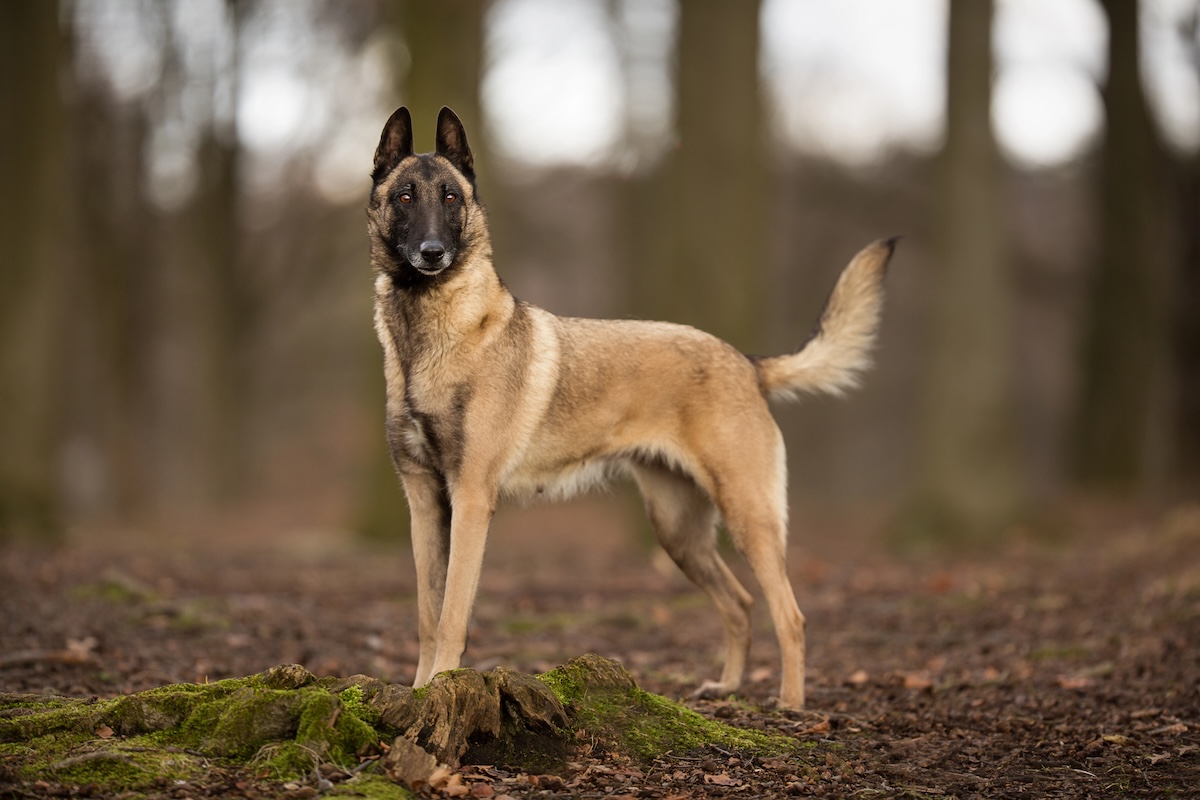 Photo Credit: Bigandt at Deposit Photos
In the heart of Belgium, where rolling fields meet quaint villages, the Belgian Malinois, scientifically known as Canis lupus familiaris, stands as a testament to the bond between humans and dogs. With its sleek, athletic frame and expressive, intelligent eyes, this breed is not just a companion but a remarkable working dog. The Malinois is often seen bounding through open spaces, its coat shimmering in shades of fawn and black, as it effortlessly navigates the terrain with agility and grace. This breed’s keen sense of smell and sharp instincts make it a favorite among police and military units, captivating both scientists and dog lovers alike.
What truly sets the Belgian Malinois apart is its extraordinary intelligence and unwavering loyalty. These dogs thrive on mental and physical challenges, making them exceptional partners in various roles, from herding livestock to serving in search-and-rescue missions. Their high energy levels and eagerness to learn create a dynamic that keeps trainers and owners engaged. As we delve deeper into the world of the Belgian Malinois, we will explore its fascinating history, unique behaviors, and the vital role it plays in our lives, revealing why this breed continues to capture the hearts of many around the globe.
The Belgian Malinois is a captivating member of the animal kingdom, known for its intelligence, agility, and strong work ethic. This breed belongs to the family Canidae, which includes all dogs, wolves, and foxes. What sets the Belgian Malinois apart is its exceptional ability to perform tasks such as herding, protection, and search-and-rescue operations. With a keen sense of smell and a high energy level, these dogs are often seen in police and military roles, showcasing their unique skills and versatility.
| Taxonomic Rank | Scientific Name | Meaning & Significance |
|---|---|---|
| Kingdom | Animalia | This name signifies that the Belgian Malinois is part of the vast group of multicellular organisms that are primarily heterotrophic, meaning they consume other organisms for energy. |
| Phylum | Chordata | Chordata refers to animals that have a notochord, a flexible rod that supports the body. In the case of the Malinois, this structure is present during its early development, showcasing its vertebrate lineage. |
| Class | Mammalia | Mammalia indicates that the Belgian Malinois is a mammal, characterized by having fur or hair and the ability to nurse its young with milk, a trait that connects it to all warm-blooded animals. |
| Order | Carnivora | Carnivora means “meat-eater,” highlighting the Malinois’s evolutionary adaptations for hunting and consuming other animals, a trait shared with its wild relatives like wolves. |
| Family | Canidae | Canidae is the family that includes dogs, wolves, and foxes. This classification emphasizes the Malinois’s close relationship with other canines, sharing common ancestors and behaviors. |
| Genus | Canis | Canis translates to “dog” in Latin, which directly connects the Belgian Malinois to its domestic roots and its wild relatives, such as the gray wolf. |
Understanding the Belgian Malinois’s taxonomic classification reveals much about its evolutionary history. As a member of the Canidae family, it shares a common ancestry with wolves and other canines, which explains its strong instincts and social behaviors. The Malinois’s classification within the order Carnivora highlights its adaptations for a predatory lifestyle, while its place in the class Mammalia connects it to a broader group of warm-blooded animals. This rich evolutionary background not only informs us about the breed’s physical traits and behaviors but also underscores its remarkable capabilities as a working dog.
The Belgian Malinois has a rich evolutionary history that traces back thousands of years. This breed is part of the Canidae family, which includes wolves, foxes, and domestic dogs. The journey of the Malinois begins with its ancestors, who roamed the earth long before humans began to domesticate animals. Over time, selective breeding and environmental pressures shaped the Malinois into the agile and intelligent working dog we know today.
The story of the Belgian Malinois starts with ancient wolves, the forebears of all domestic dogs. These wolves adapted to various environments, leading to the emergence of different breeds. As humans began to settle and farm, they sought out dogs that could assist them. The Malinois, along with other Belgian herding breeds, was developed in the late 19th century in Belgium. Farmers needed dogs that could herd sheep and protect livestock, so they selected for traits like intelligence, speed, and a strong instinct to work alongside humans.
The adaptations of the Belgian Malinois have been crucial for its survival and success in various roles. Its intelligence and strong work ethic allow it to excel in demanding environments, whether herding livestock or serving in law enforcement. The agility and endurance of the breed enable it to perform tasks that require quick movements and sustained effort. These traits not only make the Malinois a valuable partner for humans but also ensure its continued relevance in a world that increasingly relies on skilled working dogs.
The Belgian Malinois is a striking dog that commands attention with its athletic build and keen expression. This breed stands proudly at a height of about 22 to 26 inches at the shoulder, giving it a well-proportioned and muscular appearance. Its body is square-shaped, which means it is almost as long as it is tall, allowing for both speed and agility. The Malinois has a strong neck that leads to a refined head, featuring a sharp, intelligent gaze that reflects its alert nature.
| Feature | Description |
|---|---|
| Size | Height: 22-26 inches; Weight: 40-80 pounds |
| Color | Fawn to mahogany with a black mask |
| Coat | Short, straight, and dense, providing protection |
| Skin Type | Covered in fur, with a double coat for insulation |
| Eyes | Dark, almond-shaped, conveying alertness |
| Ears | Pointed and erect, enhancing hearing |
The physical features of the Belgian Malinois are not just for show; they serve important survival purposes. The short, dense coat protects against various weather conditions, while the strong, muscular body allows for quick movements and agility, essential for herding and protection tasks. Its keen eyesight and acute hearing make it an excellent working dog, capable of detecting changes in its environment. Together, these traits create a breed that is not only beautiful but also highly functional, making the Belgian Malinois a true partner in both work and play.
The Belgian Malinois is a breed that thrives in a variety of environments, often found in settings that allow for both physical activity and mental stimulation. These dogs are commonly seen in urban areas, where they can engage in training and work, as well as in rural settings, where they can run and play freely. Their natural agility and intelligence make them well-suited for diverse habitats, from bustling cities to open fields.
The Belgian Malinois prefers climates that are moderate, as they are not overly tolerant of extreme temperatures. They thrive in environments that offer a mix of sunshine and shade, allowing them to stay active without overheating. These dogs enjoy outdoor activities, so a temperate climate with plenty of opportunities for exercise is ideal. They are also quite adaptable, able to handle a range of weather conditions as long as they are given proper care.
Adaptation is key for the Belgian Malinois, and this breed has developed traits that help it excel in various habitats. Their short, dense coat provides protection against the elements while keeping them cool during warmer months. Additionally, their high energy levels and strong work ethic make them excellent companions for active families or individuals. Whether they are herding sheep in the countryside or serving alongside law enforcement, the Belgian Malinois has proven to be a versatile and resilient breed, perfectly suited to its surroundings.
The daily life of a Belgian Malinois is a whirlwind of energy, focus, and engagement. These dogs thrive on routine, often starting their day with a brisk walk or a jog alongside their human companions. Their keen senses are always on alert, making them excellent watchdogs. After some exercise, they enjoy a mix of playtime and training sessions, where their intelligence shines. Whether it’s fetching a ball or learning a new command, the Belgian Malinois is always eager to participate. As the day unfolds, they balance their time between active play and moments of rest, recharging for the next adventure.
Socially, Belgian Malinois are known for their strong bonds with their families. They are pack animals at heart, which means they thrive in a group setting. This breed is often very protective of their loved ones, displaying loyalty and affection. They communicate through a variety of methods, including barking, body language, and even facial expressions. When interacting with other dogs, they can be playful yet assertive, establishing their place in the social hierarchy. Their ability to read social cues makes them adept at navigating both human and canine relationships.
| Behavior Type | Description |
|---|---|
| Activity Patterns | Belgian Malinois require regular exercise, often engaging in activities like running, fetching, and agility training. They thrive on physical challenges that stimulate their minds and bodies. |
| Social Structure | These dogs form strong bonds with their human families and can be protective. They enjoy being part of a pack, whether with humans or other dogs, and often take on roles within their social group. |
| Communication Methods | Belgian Malinois use a combination of barking, body language, and facial expressions to communicate. They are skilled at reading the emotions of their humans and other animals, which helps them navigate social situations. |
The behaviors of the Belgian Malinois are not just charming; they are essential for survival. Their high energy levels and intelligence allow them to excel in various roles, from working dogs in law enforcement to beloved family pets. By forming strong social bonds and effectively communicating, they ensure their place within their human families and canine communities. This combination of traits not only enriches their lives but also enhances the lives of those around them, making the Belgian Malinois a truly remarkable companion.
The Belgian Malinois is an omnivore, which means it enjoys a varied diet that includes both plant and animal sources. This breed typically thrives on high-quality dog food that provides the necessary nutrients for its active lifestyle. In addition to commercial dog food, Belgian Malinois may also enjoy treats like fruits and vegetables, which can be a fun way to add variety to their meals. Their feeding behavior is influenced by their energetic nature, requiring a diet that supports their stamina and agility.
| Dietary Aspect | Details |
|---|---|
| Diet Type | Omnivore |
| Favorite Foods | High-quality dog food, fruits, and vegetables |
| Prey Items | Small mammals, birds, and insects |
| Hunting/Foraging Strategies | Active foraging, using keen senses to locate food |
The diet of a Belgian Malinois plays a crucial role in shaping its ecology and daily routine. With their high energy levels, these dogs require a balanced intake of nutrients to maintain their health and performance. Their omnivorous diet allows them to adapt to various environments, making them versatile companions for active families or working roles. By foraging and exploring their surroundings, they not only satisfy their hunger but also engage their minds, keeping them sharp and ready for action.
The mating behavior of the Belgian Malinois is both instinctual and strategic. During the breeding season, which typically occurs once a year, female Malinois go into heat, a period when they are fertile and can conceive. Males are drawn to females in heat by their scent and will often display playful and assertive behaviors to attract their attention. This courtship can involve playful interactions and a display of agility, showcasing the male’s fitness as a potential mate.
| Reproductive Aspect | Details |
|---|---|
| Gestation Period | Approximately 63 days |
| Litter Size | Typically 6 to 10 puppies |
| Age of Maturity | About 12 to 18 months |
| Name of Young | Puppies |
Once the puppies are born, the parental care provided by the mother is crucial for their survival and development. The mother Belgian Malinois is highly attentive, nursing her young and keeping them warm and safe. As the puppies grow, they begin to explore their surroundings, developing their social skills and learning from their mother. By the time they reach maturity, around 12 to 18 months, they are ready to take on the world, equipped with the skills and instincts necessary to thrive. The bond formed during this early stage is vital, as it shapes their behavior and personality, preparing them for their roles as loyal companions and working dogs.
The Belgian Malinois occupies a unique position in the food web, primarily as a domesticated animal that relies on humans for care and protection. While they are not wild animals, their instincts and behaviors are shaped by their ancestry, which includes working alongside humans in various roles, such as herding and protection. In the wild, their ancestors would have faced natural predators, but today, the threats to Belgian Malinois often come from human-related activities and environmental factors.
To defend themselves against these threats, Belgian Malinois exhibit a range of behaviors that showcase their intelligence and agility. They are known for their alertness and keen senses, which help them detect danger early. When faced with a threat, they may bark loudly to warn their owners or use their speed and agility to escape. Additionally, their strong bond with humans often leads them to rely on their owners for protection, making them not just survivors but also loyal companions who thrive in safe environments.
A keystone species is an organism that plays a critical role in maintaining the structure of an ecosystem. Its presence or absence can significantly impact the environment and the other species living there. While the Belgian Malinois is a remarkable dog breed known for its intelligence and agility, it does not qualify as a keystone species. This is primarily because it is a domesticated animal that relies on humans for care and does not have a direct role in the natural ecosystems like wild animals do.
However, the Belgian Malinois does have an important impact in specific contexts, particularly in human-managed environments. For instance, these dogs are often employed in roles such as search and rescue, police work, and military operations. Their keen sense of smell and high energy levels allow them to assist in locating missing persons or detecting illegal substances. In these scenarios, they help maintain safety and order, indirectly influencing the well-being of both humans and wildlife.
In addition to their work in law enforcement and rescue, Belgian Malinois can also contribute to the health of their environments through their roles in herding and protecting livestock. By managing herds, they help prevent overgrazing, which can lead to soil erosion and habitat degradation. This balance is crucial for maintaining healthy ecosystems, especially in agricultural areas where livestock and wildlife coexist.
If the Belgian Malinois were to disappear, the effects would be felt primarily in the areas where they serve. Search and rescue operations might become less efficient, leading to longer response times in emergencies. Law enforcement agencies could struggle to detect illegal activities as effectively, potentially increasing crime rates. Additionally, without these dogs to manage livestock, farmers might face challenges in maintaining their herds, which could lead to environmental issues like overgrazing. While the Belgian Malinois may not be a keystone species in the wild, its contributions to human society and managed ecosystems are undeniably significant.
The Belgian Malinois, while primarily known as a working dog, plays an intriguing role in shaping its ecosystem. As a domesticated breed, it interacts closely with humans and other animals, influencing various aspects of the environment around it. These dogs are often employed in roles such as search and rescue, police work, and even therapy, which allows them to impact both human communities and wildlife. Their intelligence and agility enable them to adapt to different environments, making them valuable partners in various ecological settings.
| Ecosystem Service | Impact |
|---|---|
| Search and Rescue | Helps locate missing persons, aiding in community safety and environmental awareness. |
| Wildlife Management | Assists in tracking and monitoring wildlife populations, contributing to conservation efforts. |
| Therapy and Support | Provides emotional support, improving mental health and community well-being. |
| Training and Obedience | Encourages responsible pet ownership, promoting harmony between humans and animals. |
In specific examples, Belgian Malinois are often used in search and rescue missions after natural disasters, helping to locate survivors trapped under debris. Their keen sense of smell and strong work ethic make them exceptional at this task. Additionally, they are employed in wildlife management programs, where they assist in tracking endangered species or monitoring animal populations. This not only helps scientists gather important data but also raises awareness about conservation efforts. Their presence in therapy settings, such as hospitals or schools, can significantly enhance emotional well-being, showcasing their ability to connect with humans on a deeper level.
The broader ecological importance of the Belgian Malinois extends beyond their immediate tasks. By fostering a connection between humans and the natural world, these dogs encourage responsible stewardship of the environment. Their roles in search and rescue, wildlife management, and therapy highlight the interconnectedness of species and the importance of collaboration in maintaining healthy ecosystems. As we continue to explore the relationship between humans and animals, the Belgian Malinois stands out as a bridge, reminding us of the vital roles that all creatures play in our shared environment.
In the intricate web of life, symbiosis refers to the close interactions between different species, which can take many forms. These relationships can be mutualistic, where both species benefit, parasitic, where one benefits at the expense of the other, or commensal, where one benefits while the other is neither helped nor harmed. The Belgian Malinois, a highly intelligent and versatile dog breed, engages in various ecological relationships that highlight the interconnectedness of life. These partnerships not only showcase the adaptability of the Malinois but also illustrate the broader dynamics of ecosystems.
| Species/Type | Relationship Type | Description |
|---|---|---|
| Humans | Mutualistic | Belgian Malinois assist humans in various roles, such as search and rescue, police work, and service animals, while receiving care, training, and companionship in return. |
| Other Dogs | Commensal | When socialized, Belgian Malinois can form packs with other dogs, benefiting from companionship and social learning without significantly impacting the other dogs. |
| Fleas | Parasitic | Fleas can infest Belgian Malinois, feeding on their blood and causing discomfort, while the dog suffers from itching and potential health issues. |
The evolution of these relationships has been shaped by the needs and behaviors of both the Belgian Malinois and the species it interacts with. Over time, the bond between humans and Malinois has deepened, leading to a partnership that enhances the capabilities of both. As these dogs excel in roles that require intelligence and agility, they also benefit from the care and protection provided by humans. Meanwhile, the interactions with other dogs and even parasites illustrate the complex nature of life, where each species plays a role in the ecosystem. Understanding these relationships helps us appreciate the delicate balance of nature and the importance of every creature within it.
The Belgian Malinois is not just a stunning dog; it’s a breed packed with surprises that can captivate anyone interested in the animal kingdom. Known for their intelligence and agility, these dogs have a rich history and unique traits that make them stand out.
The Belgian Malinois has a storied history intertwined with humanity, dating back to its origins in Belgium during the late 19th century. Initially bred as a herding dog, this breed quickly gained recognition for its intelligence and versatility. The Malinois became a symbol of loyalty and service, often seen working alongside farmers and shepherds. Over time, its cultural significance expanded, as these dogs were adopted by police and military forces around the world. Their keen senses and strong work ethic made them invaluable partners in various roles, from search and rescue to protection.
Today, the relationship between Belgian Malinois and humans continues to evolve. These dogs are not only cherished family pets but also play crucial roles in conservation efforts and law enforcement. Their ability to detect drugs, explosives, and even certain diseases showcases their remarkable skills. However, this relationship is not without challenges. In some cases, the high energy and intelligence of the Malinois can lead to behavioral issues if not properly managed. As more people recognize the breed’s potential, responsible training and socialization become essential to ensure a harmonious coexistence.
Looking ahead, the future of the Belgian Malinois and humanity appears bright. As our understanding of animal behavior and training techniques improves, we can foster even deeper connections with these remarkable dogs. With responsible ownership and continued education, the Malinois will likely remain a steadfast companion and a vital asset in various fields. Together, humans and Belgian Malinois can navigate the challenges of the modern world, creating a partnership that benefits both species.
The Belgian Malinois is currently not listed as endangered, and its population remains stable. This breed is popular worldwide, especially in roles such as police and military work, which has contributed to its visibility and demand. While specific population estimates can be challenging to pinpoint due to their widespread presence, the overall trend indicates a healthy population, thanks in part to responsible breeding practices.
| Conservation Factor | Status/Details |
|---|---|
| IUCN Status | Not Evaluated |
| Population Estimates | Stable, with no specific global estimates available |
| Trend Direction | Stable |
Despite their stable status, Belgian Malinois face several challenges. One of the main threats is irresponsible breeding, which can lead to health issues and temperament problems. Additionally, as a breed that thrives on mental and physical stimulation, many Malinois end up in shelters when their needs are not met. This can lead to an increase in abandonment, especially if they are not placed in suitable homes that understand their energetic nature.
Conservation efforts for the Belgian Malinois focus on promoting responsible breeding and educating potential owners about the breed’s needs. Organizations and breed clubs work tirelessly to ensure that these dogs are placed in homes where they can thrive. The outlook for the Belgian Malinois remains positive, as long as awareness continues to grow about their care and the importance of responsible ownership. With the right support, this intelligent and agile breed will continue to flourish alongside humans.
| Question | Answer |
|---|---|
| What is the habitat of a Belgian Malinois? | Belgian Malinois are domesticated dogs, so they live in human homes rather than in the wild. They thrive in various environments, from urban apartments to rural homes, as long as they have enough space to exercise and play. |
| What do Belgian Malinois eat? | Belgian Malinois are omnivores, which means they eat both plant and animal-based foods. A balanced diet typically includes high-quality dog food, meats, vegetables, and some grains to keep them healthy and energetic. |
| What is the behavior of a Belgian Malinois? | Belgian Malinois are known for their intelligence and high energy levels. They are very active and require regular exercise, making them great companions for people who enjoy outdoor activities. They are also loyal and protective, often forming strong bonds with their families. |
| How do Belgian Malinois reproduce? | Like all dogs, Belgian Malinois reproduce through mating between a male and a female. The female typically goes into heat twice a year, and after a gestation period of about 63 days, she gives birth to a litter of puppies, usually ranging from 5 to 10 pups. |
| What threats do Belgian Malinois face? | As a breed, Belgian Malinois face threats such as overbreeding and poor breeding practices, which can lead to health issues. Additionally, they can be at risk of abandonment if their high energy and training needs are not met, leading to behavioral problems. |
| What are some interesting characteristics of Belgian Malinois? | Belgian Malinois are often used in police and military work due to their keen sense of smell and trainability. They are also known for their distinctive fawn-colored coat with a black mask, making them easily recognizable among dog breeds. |
| How much exercise do Belgian Malinois need? | Belgian Malinois require a significant amount of exercise, typically at least 1 to 2 hours a day. They enjoy activities like running, agility training, and playing fetch, which help keep them physically and mentally stimulated. |