Taxonomy & Classification
- Kingdom
- Animalia
- Phylum
- Chordata
- Class
- Aves
- Order
- Coraciiformes
- Family
- Alcedinidae
- Genus
- Megaceryle
- Species
- Megaceryle alcyon

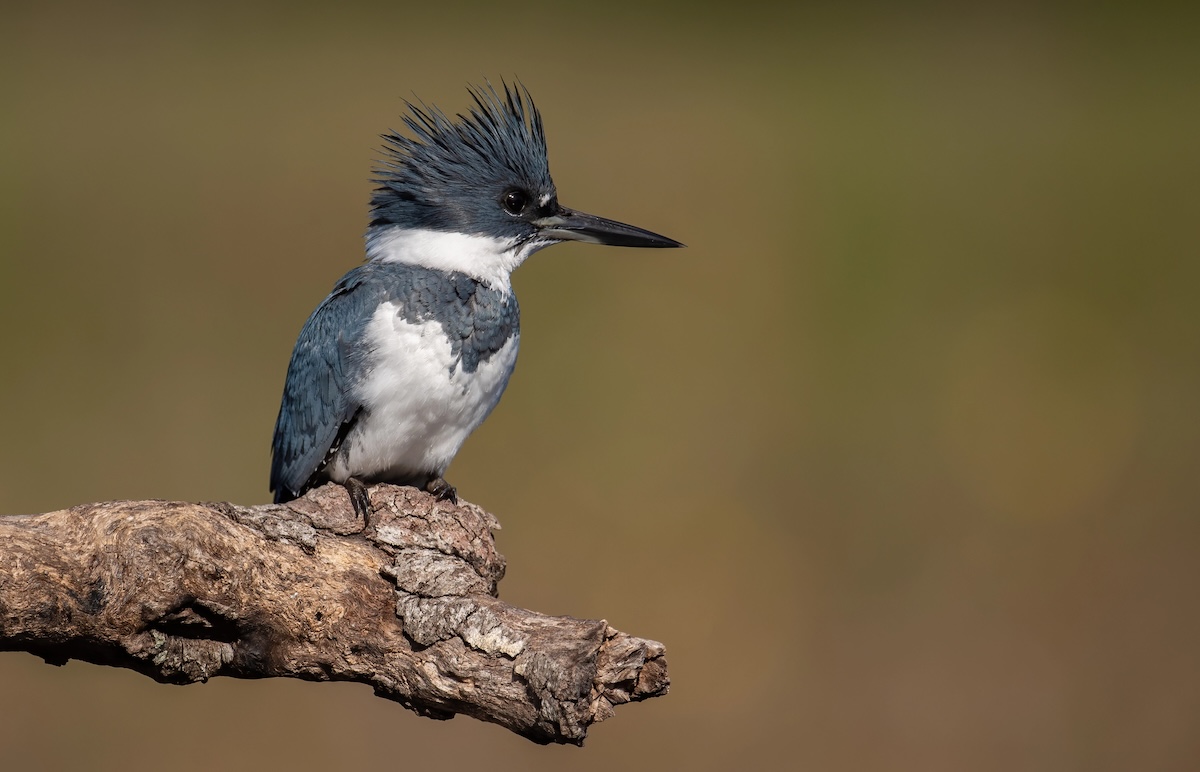 Photo Credit: Collins93 at Deposit Photos
In the shimmering light of dawn, the Belted Kingfisher, known scientifically as Megaceryle alcyon, perches on a low-hanging branch above a sparkling river. With its striking blue-gray plumage and a distinctive white collar, this medium-sized bird is a true marvel of nature. Its sharp, dagger-like bill is perfectly designed for its favorite pastime: diving into the water to catch fish. As it scans the surface with keen eyes, the kingfisher embodies both grace and precision, captivating anyone lucky enough to witness its hunting prowess.
These vibrant birds thrive in habitats where water meets lush greenery, often found along rivers, lakes, and coastal areas. Their energetic lifestyle is filled with acrobatic displays and lively calls that echo through the air. Scientists and nature enthusiasts alike are drawn to the Belted Kingfisher not just for its beauty, but also for its role in the ecosystem. As a skilled predator, it helps maintain the balance of aquatic life, making it a vital player in its environment. Join us as we dive deeper into the world of the Belted Kingfisher, exploring its fascinating behaviors, diet, and the unique relationships it forms within its habitat.
The Belted Kingfisher is a captivating bird that holds a special place in the tree of life. Belonging to the kingdom Animalia, this striking avian species is part of the phylum Chordata, which includes all animals with a backbone. It is classified under the class Aves, meaning it is a bird, and it falls within the order Coraciiformes, a group that also includes colorful birds like kingfishers and rollers. What sets the Belted Kingfisher apart is its distinctive appearance, featuring a shaggy crest and a bold blue-gray plumage, along with its remarkable hunting skills. This bird is known for diving into water to catch fish, showcasing its impressive adaptability and specialized hunting techniques.
| Taxonomic Rank | Scientific Name | Meaning & Significance |
|---|---|---|
| Kingdom | Animalia | This name signifies that the Belted Kingfisher is part of the vast group of multicellular organisms known as animals. |
| Phylum | Chordata | Chordata means “having a notochord,” which is a flexible rod that supports the body, a feature present in all vertebrates, including this kingfisher. |
| Class | Aves | Aves is the Latin word for birds, highlighting the Belted Kingfisher’s feathered nature and ability to fly. |
| Order | Coraciiformes | This order includes birds known for their vibrant colors and unique behaviors, reflecting the kingfisher’s striking appearance and lifestyle. |
| Family | Alcedinidae | Alcedinidae refers to the family of kingfishers, which are known for their fishing prowess and often colorful plumage. |
| Genus | Megaceryle | Megaceryle combines Greek roots meaning “large” and “kingfisher,” indicating the size and distinctive traits of this particular kingfisher. |
Understanding the Belted Kingfisher’s classification reveals much about its evolutionary journey. As a member of the Alcedinidae family, it shares a lineage with other kingfishers, showcasing adaptations that have allowed it to thrive in various habitats. Its position within the order Coraciiformes connects it to a diverse group of birds, emphasizing the evolutionary innovations that have led to its unique hunting strategies and physical characteristics. This classification not only highlights the kingfisher’s biological relationships but also underscores the intricate web of life that connects all living beings.
The evolutionary journey of the Belted Kingfisher stretches back millions of years, weaving through the rich tapestry of avian history. This bird, known scientifically as Megaceryle alcyon, is part of the family Alcedinidae, which includes kingfishers and their relatives. The ancestors of modern kingfishers began to diverge from other birds during the late Cretaceous period, around 100 million years ago, as they adapted to life near water.
Early kingfisher-like birds were small, agile, and primarily insectivorous, feeding on the abundant insects that thrived in lush, wet environments. Over time, these ancestors developed specialized hunting techniques, allowing them to dive into water to catch fish. This transition marked a significant evolutionary step, as it required adaptations in both their physical structure and behavior. Their beaks became longer and sharper, perfect for snatching slippery prey, while their feet evolved to be less webbed, allowing for better perching and maneuvering.
These adaptations have been crucial for the survival of the Belted Kingfisher. The combination of a specialized beak and keen eyesight allows it to thrive in aquatic habitats, where fish are plentiful. By nesting in burrows, they protect their young from threats, ensuring the continuation of their lineage. Each evolutionary change has helped this bird not only to survive but to flourish in diverse environments, showcasing the incredible power of adaptation in the natural world.
The Belted Kingfisher is a stunning sight to behold, with its bold colors and dynamic form. This medium-sized bird boasts a stocky body that is perfectly designed for its aquatic lifestyle. Its head is adorned with a striking crest, which can be raised or lowered, giving it a distinctive look. With a long, sharp bill that resembles a dagger, the kingfisher is well-equipped for catching fish, its primary food source. The combination of its sturdy build and agile wings allows it to dive gracefully into the water, making it a master of its environment.
| Feature | Description |
|---|---|
| Weight | Around 55 ounces |
| Skin Type | Feathers |
| Color | Bright blue above, white below, with a distinctive rufous (reddish-brown) band across the chest |
| Size | Approximately 13 to 14 inches in length |
| Bill | Long and pointed, ideal for catching fish |
These features work together to create a bird that is not only visually striking but also highly functional. The vibrant blue and white plumage helps the Belted Kingfisher blend into its watery surroundings while also signaling its presence to potential mates. Its powerful bill is perfectly suited for snatching fish from the water, while its sturdy body allows for quick, agile movements both in the air and underwater. Each characteristic plays a vital role in the kingfisher’s survival, making it a true marvel of nature.
The Belted Kingfisher thrives in a vibrant tapestry of habitats that are closely tied to water. Picture a lively riverbank, where the gentle flow of water meets lush greenery. These birds are often found perched on branches overhanging streams, lakes, and ponds, scanning the water for fish. Their homes are typically framed by a mix of open areas and dense vegetation, providing both hunting grounds and nesting sites. The sound of rushing water and the rustle of leaves create a perfect backdrop for these skilled hunters.
To flourish in these environments, the Belted Kingfisher prefers areas with clear, shallow waters where fish are abundant. They thrive in regions that experience a range of temperatures, from the chilly northern climates to the warmer southern areas. These birds are often found in places with minimal human disturbance, as they rely on the natural balance of their ecosystems. The presence of trees and shrubs near water is essential, as these provide both shelter and perches for hunting.
Adaptation is key to the Belted Kingfisher’s success in its watery world. With its sharp eyesight, this bird can spot fish from high above, diving with precision to catch its meal. Its strong, pointed beak is perfectly designed for grasping slippery fish, while its sturdy body allows for agile flight. The kingfisher’s nesting habits also reflect its environment; it digs burrows into sandy banks, creating safe spaces for its young. This clever use of its surroundings showcases how well the Belted Kingfisher has adapted to life near water, making it a true master of its habitat.
The Belted Kingfisher leads a lively and energetic daily life, filled with activities that revolve around water. As dawn breaks, these birds take to the skies, their sharp eyes scanning the surface of rivers, lakes, and streams for fish. With a keen sense of sight, they can spot their slippery prey from high above. Once they identify a target, they dive with precision, plunging into the water to catch their meal. After a successful hunt, they often perch on a nearby branch, where they can enjoy their catch and keep an eye out for any potential threats.
While the Belted Kingfisher is primarily a solitary bird, it does engage in social interactions during the mating season. Males and females come together to establish territories and attract partners through a series of calls and displays. These vocalizations can be quite loud and are essential for communication, helping to define their space and signal their presence to others. Outside of breeding time, these birds prefer to keep to themselves, focusing on their individual hunting and foraging activities.
| Behavior Type | Description |
|---|---|
| Hunting | Belted Kingfishers hunt by diving into the water to catch fish, using their sharp eyesight to spot prey from above. |
| Social Structure | These birds are mostly solitary, except during mating season when they come together to find partners and establish territories. |
| Communication | They use loud calls and displays to communicate with each other, especially during the breeding season to attract mates and defend territory. |
The behaviors of the Belted Kingfisher are finely tuned to ensure their survival in the wild. Their solitary hunting strategy allows them to be stealthy and efficient, while their social interactions during mating season help them find partners and raise young. By mastering the art of fishing and maintaining their territories, these birds thrive in their aquatic habitats, showcasing the delicate balance of nature’s design.
The Belted Kingfisher is an omnivorous bird, meaning it enjoys a varied diet that includes both animal and plant matter. However, its primary focus is on catching fish, which it does with impressive skill. With keen eyesight, the kingfisher perches on a branch or a rock above the water, scanning for movement below. When it spots a fish, it dives headfirst into the water, using its sharp beak to snatch up its prey. This hunting technique showcases the bird’s agility and precision, making it a master of its aquatic domain.
| Dietary Aspect | Details |
|---|---|
| Diet Type | Omnivore |
| Favorite Foods | Fish, crustaceans, lizards, small mammals |
| Prey Items | Primarily fish, but also includes crustaceans and small reptiles |
| Hunting/Foraging Strategies | Perches above water to spot prey, dives headfirst to catch fish |
The diet of the Belted Kingfisher plays a crucial role in its daily routine and the ecosystem it inhabits. By feeding on fish and other aquatic creatures, it helps maintain the balance of these populations, ensuring that no single species dominates the environment. This bird’s hunting habits also influence the behavior of its prey, creating a dynamic interaction in the food web. As it dives and catches its meals, the kingfisher not only sustains itself but also contributes to the vibrant life of the waterways it calls home.
As spring arrives, the Belted Kingfisher begins its courtship rituals, which are as lively as the bird itself. Males perform impressive aerial displays, diving and swooping to attract a mate. Once a pair forms, they work together to find a suitable nesting site, often along riverbanks or in sandy banks. This breeding season is a time of excitement and preparation, as the couple gets ready to welcome new life into the world.
| Reproductive Aspect | Details |
|---|---|
| Gestation Period | Approximately 3 weeks |
| Litter Size | 3 to 6 eggs |
| Age of Maturity | 1 year |
| Name of Young | Chicks, nestlings |
After the eggs hatch, both parents take on the important role of caring for their young. The chicks, or nestlings, are born helpless and rely entirely on their parents for food and protection. As they grow, they develop their feathers and learn to fly, a crucial step toward independence. By the time they reach maturity at about one year old, these young kingfishers are ready to embark on their own adventures, continuing the cycle of life in the vibrant ecosystems they inhabit.
The Belted Kingfisher occupies a vital role in its ecosystem, sitting near the top of the food web. This striking bird is a skilled hunter, primarily feeding on fish, which makes it an important player in maintaining the balance of aquatic life. However, like many creatures, it faces various dangers that threaten its survival.
To defend itself against these threats, the Belted Kingfisher employs several clever strategies. Its sharp eyesight allows it to spot predators from a distance, giving it time to escape. When threatened, it can quickly dive into the water or fly to dense vegetation for cover. Additionally, its nesting sites are often located in hard-to-reach areas, such as riverbanks, which helps protect its young from potential dangers. Through these behaviors, the Belted Kingfisher showcases its resilience and adaptability in the face of challenges.
A keystone species is a vital part of its ecosystem, meaning its presence and activities have a significant impact on the environment and other organisms. The Belted Kingfisher, with its unique hunting habits and role in the food web, qualifies as a keystone species. By controlling fish populations and influencing the health of aquatic ecosystems, this striking bird plays a crucial role in maintaining the balance of its habitat.
The Belted Kingfisher primarily feeds on fish, which it catches with remarkable precision. By preying on certain fish species, it helps regulate their populations, preventing any one species from becoming too dominant. This balance is essential for the overall health of aquatic ecosystems, as it allows for a diverse range of species to thrive. Additionally, the kingfisher’s hunting activities can indirectly benefit other animals. For example, when it catches fish, it often leaves behind scraps that smaller birds and mammals can scavenge, providing them with a food source.
Moreover, the presence of the Belted Kingfisher can indicate the health of its environment. These birds are sensitive to pollution and habitat degradation, so their presence often signals a clean and thriving ecosystem. When kingfishers are abundant, it suggests that fish populations are healthy and that the water quality is good. This makes them important indicators for conservation efforts, helping scientists monitor the state of freshwater habitats.
If the Belted Kingfisher were to disappear, the effects could ripple through its ecosystem. Fish populations might grow unchecked, leading to overpopulation and a decline in water quality due to overgrazing of aquatic plants. This imbalance could harm other species that rely on a diverse and healthy environment. Additionally, the absence of this bird would mean fewer food sources for scavengers, disrupting the food web further. In essence, the loss of the Belted Kingfisher would create a cascade of changes, highlighting just how interconnected life in an ecosystem truly is.
The Belted Kingfisher plays a crucial role in its ecosystem, acting as both a predator and a contributor to the health of aquatic environments. This striking bird is often found near rivers, lakes, and ponds, where it hunts for fish and other small creatures. By controlling fish populations, the Belted Kingfisher helps maintain a balanced ecosystem, ensuring that no single species dominates the waterways. Its presence indicates a healthy habitat, as these birds thrive in clean, well-oxygenated waters.
| Ecosystem Service | Impact |
|---|---|
| Fish Population Control | Regulates the number of fish, preventing overpopulation and promoting biodiversity. |
| Indicator of Water Quality | Presence signals a healthy aquatic environment, as they require clean water to thrive. |
| Prey for Other Species | Serves as a food source for larger birds and mammals, contributing to the food web. |
| Habitat Creation | By nesting near water, they influence the vegetation and structure of riverbanks. |
The Belted Kingfisher’s hunting habits significantly influence its surroundings. As it dives into the water to catch fish, it disturbs the aquatic environment, which can stir up nutrients and support the growth of plants and algae. This activity not only benefits the kingfisher but also creates a more dynamic ecosystem for other species. Additionally, their nesting sites, often burrowed into riverbanks, can alter the landscape, providing shelter for various organisms and contributing to the overall health of the habitat.
In a broader ecological context, the Belted Kingfisher is a keystone species, meaning its activities have a ripple effect throughout its environment. By regulating fish populations and serving as an indicator of water quality, this bird helps maintain the delicate balance of its ecosystem. The health of the Belted Kingfisher population can reflect the state of the waterways it inhabits, making it an important species for conservation efforts. Protecting this vibrant bird not only safeguards its future but also ensures the well-being of the entire aquatic ecosystem it supports.
In the intricate web of nature, animals often form partnerships that can be beneficial, harmful, or neutral. These relationships, known as symbiosis, play a crucial role in maintaining the balance of ecosystems. For the Belted Kingfisher, these interactions can vary widely, showcasing the diverse ways species can coexist. From mutualistic relationships, where both parties gain advantages, to parasitic ones, where one benefits at the other’s expense, the Belted Kingfisher navigates its environment with a keen awareness of its neighbors.
| Species/Type | Relationship Type | Description |
|---|---|---|
| Fish | Mutualistic | The presence of the Belted Kingfisher helps control fish populations, which can lead to healthier aquatic ecosystems. |
| Other Birds | Commensal | While hunting, the kingfisher may benefit from the alarm calls of other birds, alerting it to potential dangers. |
| Parasites (like mites) | Parasitic | Some parasites may inhabit the feathers of the kingfisher, drawing nutrients from the bird without providing any benefit. |
Through the ages, these relationships have evolved, shaped by the needs and behaviors of the species involved. The Belted Kingfisher’s interactions with fish help maintain a balance in aquatic life, while its connections with other birds can enhance its survival. Even the less favorable relationships, like those with parasites, highlight the complexities of life in the wild. Each partnership, whether beneficial or not, contributes to the rich tapestry of the ecosystem, demonstrating how interconnected all living things truly are.
The Belted Kingfisher is a striking bird that captures the imagination of nature lovers with its vibrant colors and dynamic hunting skills. This fascinating avian species is not just a pretty face; it has some surprising traits that make it truly special.
The Belted Kingfisher has long been a source of inspiration and intrigue for humans. Historically, these birds have been depicted in various cultures, symbolizing agility and resourcefulness. Native American tribes often regarded the kingfisher as a messenger of good fortune, while in literature, it has appeared as a symbol of determination and focus. The striking appearance of the Belted Kingfisher, with its vibrant blue and white plumage, has made it a favorite among birdwatchers and artists alike, fostering a deep connection between humanity and this remarkable bird.
In modern times, the relationship between the Belted Kingfisher and humans has evolved, particularly in the context of conservation efforts. As urban development encroaches on natural habitats, these birds face challenges such as habitat loss and pollution. Conservationists are working diligently to protect waterways and restore habitats, ensuring that the kingfisher can thrive. However, conflicts can arise when human activities, like fishing or boating, disrupt the kingfisher’s hunting grounds. While domestication is not applicable to this wild bird, its presence in urban parks and gardens highlights the importance of coexistence and respect for wildlife.
As we look to the future, the relationship between the Belted Kingfisher and humanity holds promise. With increased awareness of environmental issues, more people are advocating for the protection of natural habitats. By fostering a sense of stewardship for our ecosystems, we can ensure that the Belted Kingfisher continues to thrive alongside us. Together, we can create a world where both humans and wildlife flourish, celebrating the beauty and diversity of nature.
The Belted Kingfisher is currently classified as “Least Concern” by the International Union for Conservation of Nature (IUCN). This means that, overall, the species is not facing immediate threats to its survival. With an estimated population of around 1.8 million individuals, the Belted Kingfisher appears to be stable, and its numbers are not declining significantly. This is good news for bird enthusiasts and conservationists alike, as it suggests that these vibrant birds continue to thrive in their natural habitats.
| Conservation Factor | Status/Details |
|---|---|
| IUCN Status | Least Concern |
| Estimated Population Size | 1.8 million |
| Population Trend | Stable |
The main threats to the Belted Kingfisher primarily stem from habitat loss and pollution. As rivers and lakes are altered for human use, such as through dam construction or urban development, the natural environments that these birds rely on can be disrupted. Additionally, water pollution can affect fish populations, which are a key part of the kingfisher’s diet. When fish are scarce or unhealthy, it can impact the bird’s ability to thrive and reproduce.
Conservation efforts for the Belted Kingfisher focus on protecting their habitats and ensuring clean water sources. Organizations and local communities are working together to preserve wetlands and riverbanks, which are essential for the kingfisher’s survival. By maintaining healthy ecosystems, we can help ensure that these striking birds continue to grace our waterways for generations to come. The outlook for the Belted Kingfisher remains positive, as long as we remain vigilant in our conservation efforts.
| Question | Answer |
|---|---|
| What is the habitat of the Belted Kingfisher? | The Belted Kingfisher is commonly found near water bodies such as rivers, lakes, and ponds. They prefer areas with plenty of fish, as this is their main food source, and often nest in burrows along the banks of these waterways. |
| What does the Belted Kingfisher eat? | This bird is an omnivore, meaning it eats a variety of foods. Its diet mainly consists of fish, but it also enjoys insects, crustaceans, and small amphibians, making it a versatile hunter. |
| How does the Belted Kingfisher behave? | Belted Kingfishers are known for their distinctive, loud calls and energetic behavior. They are often seen diving into the water to catch fish, and they can be quite territorial, defending their hunting grounds from other birds. |
| How do Belted Kingfishers reproduce? | During the breeding season, which typically occurs in spring, male kingfishers perform courtship displays to attract females. They create nests by digging burrows in sandy banks, where the female lays 5 to 7 eggs that both parents help incubate. |
| What threats do Belted Kingfishers face? | While the Belted Kingfisher is currently listed as Least Concern, they still face threats from habitat destruction and pollution. Changes in water quality and availability can impact their food sources, making it harder for them to thrive. |
| What are some interesting characteristics of the Belted Kingfisher? | One fascinating feature of the Belted Kingfisher is its striking plumage, which includes a blue-gray body and a distinctive ruff of feathers around its neck. Additionally, they have excellent eyesight, allowing them to spot fish from high above the water. |
| Are Belted Kingfishers social birds? | Belted Kingfishers are generally solitary, especially when hunting. However, during the breeding season, they may be seen in pairs or small family groups, as both parents care for the young. |