Taxonomy & Classification
- Kingdom
- Animalia
- Phylum
- Chordata
- Class
- Mammalia
- Order
- Carnivora
- Family
- Canidae
- Genus
- Canis
- Species
- Canis lupus familiaris

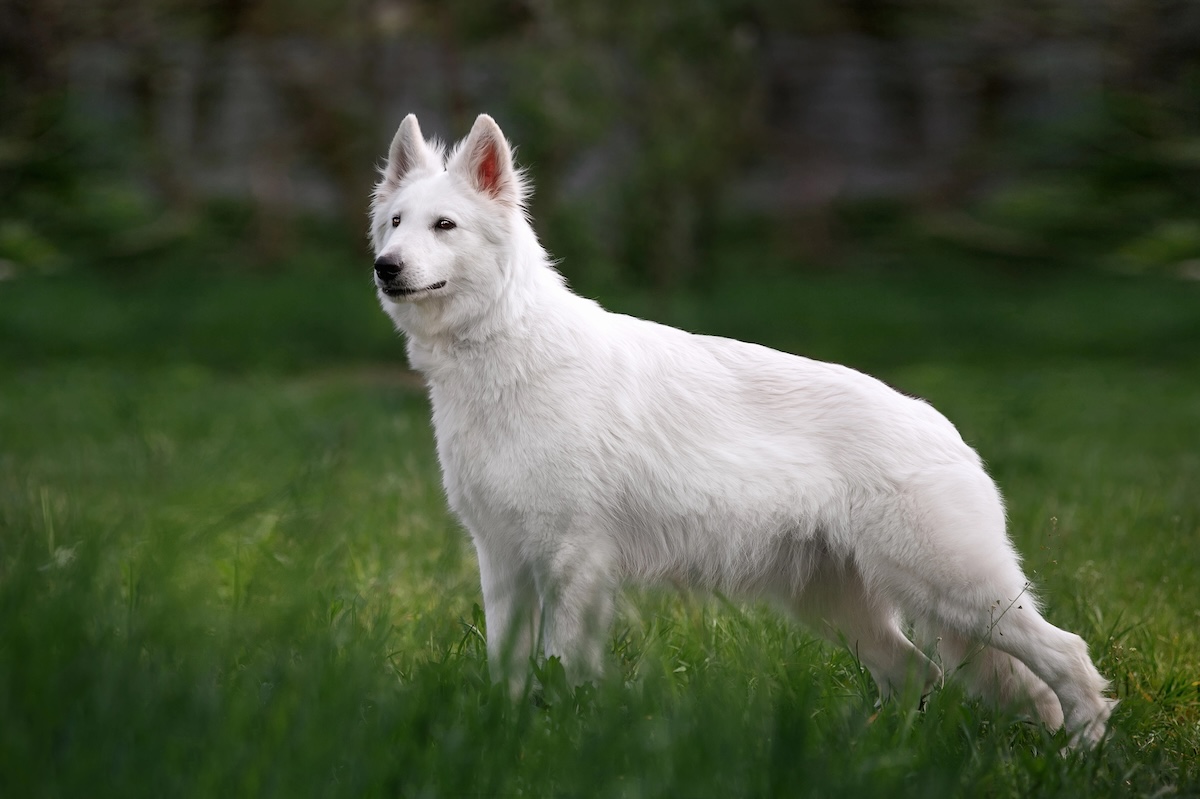 Photo Credit: yurkovska at Deposit Photos
In the serene landscapes of Switzerland, the Berger Blanc Suisse, or Swiss White Shepherd, stands out with its striking white coat and graceful demeanor. Imagine a scene where rolling hills meet lush meadows, and the sun casts a golden hue over the tranquil surroundings. Here, this elegant breed roams freely, its athletic build and keen intelligence making it a captivating sight. With a coat as pure as freshly fallen snow, the Berger Blanc Suisse is not just a beautiful dog; it embodies a rich history and a unique connection to its environment that fascinates both scientists and nature enthusiasts alike.
What makes the Berger Blanc Suisse particularly intriguing is its blend of loyalty and versatility. This breed is known for its high energy and playful spirit, thriving in active households where it can engage in various activities. Its keen senses and intelligence allow it to excel in tasks ranging from herding to search and rescue. As we delve deeper into the world of the Swiss White Shepherd, we will explore its evolutionary journey, physical characteristics, and the vital role it plays in both human lives and the ecosystem. Join us on this adventure to uncover the many layers of this remarkable breed, where beauty meets purpose in the heart of nature.
The Berger Blanc Suisse, or Swiss White Shepherd, occupies a distinctive place in the animal kingdom. This breed belongs to the family Canidae, which includes all dogs, wolves, and foxes. What sets the Berger Blanc Suisse apart is its striking white coat and gentle temperament, traits that have made it a beloved companion and working dog. As a member of the Carnivora order, it shares a lineage with other meat-eating mammals, yet its friendly nature and loyalty to humans highlight the unique bond that has developed between dogs and people over thousands of years.
| Taxonomic Rank | Scientific Name | Meaning & Significance |
|---|---|---|
| Kingdom | Animalia | This term means “animals” and includes all multicellular organisms that are not plants, fungi, or bacteria. It signifies the Berger Blanc Suisse’s place among living beings that can move and respond to their environment. |
| Phylum | Chordata | Chordata refers to animals with a backbone. This classification highlights the Berger Blanc Suisse’s complex structure, allowing for agility and strength, essential traits for a herding dog. |
| Class | Mammalia | Mammals are warm-blooded animals that have fur or hair and typically give live birth. This classification emphasizes the Berger Blanc Suisse’s nurturing qualities and its role as a family companion. |
| Order | Carnivora | Carnivora includes meat-eating mammals. While the Berger Blanc Suisse may not primarily hunt, this classification reflects its ancestral traits and instincts, such as strong senses and a keen ability to track. |
| Family | Canidae | The Canidae family encompasses dogs, wolves, and foxes. This connection reveals the Berger Blanc Suisse’s social nature and pack mentality, traits inherited from its wild ancestors. |
| Genus | Canis | Canis means “dog” in Latin. This name signifies the Berger Blanc Suisse’s close relationship with domestic dogs and its shared characteristics with other breeds in the genus. |
Understanding the taxonomic classification of the Berger Blanc Suisse provides insight into its evolutionary journey. As a member of the Canidae family, it shares a common ancestry with wolves and other canines, showcasing the adaptability and diversity of this group. The breed’s unique traits, such as its striking appearance and friendly demeanor, have been shaped by both natural selection and human influence, illustrating the deep connection between humans and dogs throughout history. This classification not only highlights the Berger Blanc Suisse’s physical characteristics but also its role as a loyal companion, reflecting the remarkable journey of domestication that has unfolded over millennia.
The evolutionary journey of the Berger Blanc Suisse, or Swiss White Shepherd, is a captivating tale that stretches back thousands of years. This breed is a part of the Canidae family, which includes not only domestic dogs but also their wild relatives like wolves and foxes. The story of the Berger Blanc Suisse begins with the domestication of wolves, a process that started around 15,000 years ago. Over time, selective breeding led to the development of various dog breeds, each adapted to specific roles and environments.
The ancestors of the Berger Blanc Suisse can be traced back to the German Shepherd, a breed known for its intelligence and versatility. In the early 20th century, breeders in Switzerland sought to create a dog that retained the German Shepherd’s qualities but with a striking white coat. This transition marked a significant shift, as the focus on coat color and temperament led to the establishment of the Berger Blanc Suisse as a distinct breed. The breed was officially recognized in the 1970s, showcasing the culmination of years of careful breeding and selection.
These adaptations have played a crucial role in the Berger Blanc Suisse’s survival and success as a breed. The combination of intelligence and a strong work ethic allows them to perform various tasks, from herding livestock to serving as loyal family pets. Their striking appearance not only sets them apart but also helps them stand out in a crowd, making them a favorite among dog enthusiasts. With their friendly nature and adaptability, the Berger Blanc Suisse continues to thrive in diverse environments, showcasing the remarkable journey of evolution that has shaped them into the beloved breed they are today.
The Berger Blanc Suisse, or Swiss White Shepherd, presents a striking silhouette that captures attention with its elegant and athletic build. This breed boasts a well-proportioned body, combining strength and grace. With a strong, straight back and a deep chest, it exudes confidence and agility. The long, bushy tail adds to its overall charm, often held high, signaling a friendly and alert demeanor. Its expressive eyes, usually dark and almond-shaped, radiate intelligence and warmth, making it a beloved companion.
| Feature | Description |
|---|---|
| Size | Medium to large, typically weighing between 50 to 90 pounds. |
| Color | Pure white coat, which can range from snowy white to a slightly cream hue. |
| Skin Type | Double coat, consisting of a soft undercoat and a longer, straight outer coat. |
| Eyes | Dark, almond-shaped eyes that convey a sense of alertness and intelligence. |
| Ears | Triangular and erect, giving the dog an attentive appearance. |
These physical features not only create an appealing aesthetic but also serve important functions in the Berger Blanc Suisse’s life. The double coat provides insulation against cold weather, keeping the dog warm during chilly Swiss winters. The breed’s strong build and agile frame allow it to navigate various terrains with ease, whether in the mountains or open fields. Its keen eyesight and alert ears enhance its ability to detect changes in the environment, making it an excellent guardian and companion. Together, these characteristics make the Berger Blanc Suisse a versatile and resilient breed, perfectly adapted to both work and play.
The Berger Blanc Suisse, also known as the Swiss White Shepherd, thrives in the picturesque landscapes of Switzerland. This breed is often found in the rolling hills, lush meadows, and serene forests that characterize the Swiss countryside. With its striking white coat blending seamlessly into the snowy mountain backdrop, the Berger Blanc Suisse is perfectly at home in this stunning environment. The breed’s natural instincts and playful demeanor make it a delightful companion in both rural and suburban settings.
The climate in these regions is quite varied, ranging from cool alpine conditions to milder temperate zones. The Berger Blanc Suisse enjoys a climate that allows for both warm summers and cold winters, as it is well-suited to adapt to different temperatures. This breed thrives in environments where it can engage in outdoor activities, benefiting from fresh air and plenty of space to roam. The natural surroundings provide ample opportunities for exercise and play, which are essential for their physical and mental well-being.
Adaptations have played a crucial role in the Berger Blanc Suisse’s ability to flourish in these habitats. Its thick, double coat not only provides insulation against the cold but also protects it from the sun during warmer months. This breed is known for its agility and endurance, allowing it to navigate the diverse terrains of its homeland with ease. Additionally, the Berger Blanc Suisse has a keen sense of smell and strong instincts, making it an excellent working dog, whether in herding livestock or serving as a loyal family companion.
The Berger Blanc Suisse, or Swiss White Shepherd, leads a vibrant daily life filled with activity and engagement. These dogs are known for their high energy levels, which means they thrive on regular exercise and mental stimulation. A typical day might start with an early morning walk, where they eagerly explore their surroundings, sniffing out new scents and greeting fellow canines. After their morning adventure, they often enjoy playtime, whether it’s chasing a ball in the yard or engaging in interactive games with their human companions. As the day unfolds, they may participate in training sessions, showcasing their intelligence and eagerness to learn new commands and tricks.
Social behavior is a cornerstone of the Berger Blanc Suisse’s daily life. These dogs are naturally inclined to form strong bonds with their families and often display a protective nature towards their loved ones. They thrive in social settings, whether it’s playing with other dogs at the park or participating in family activities. Their communication is rich and varied, using barks, body language, and even facial expressions to convey their feelings. This breed is known for its loyalty and affection, making them not just pets but true companions who enjoy being part of a pack.
| Behavior Type | Description |
|---|---|
| Activity Patterns | Engages in daily walks, playtime, and training sessions to maintain physical and mental health. |
| Social Structure | Forms strong bonds with family members and enjoys being part of a social group, whether with humans or other dogs. |
| Communication Methods | Uses a combination of barks, body language, and facial expressions to express emotions and needs. |
The behaviors of the Berger Blanc Suisse are not just for fun; they play a crucial role in their survival. Their high energy and intelligence help them adapt to various environments, while their social nature fosters strong relationships that can be vital in times of need. By staying active and engaged, these dogs not only enhance their own well-being but also contribute to the harmony of their human families. In essence, their daily activities and social interactions are key to thriving in both the wild and domestic settings.
The Berger Blanc Suisse, or Swiss White Shepherd, has a varied diet that reflects its omnivorous nature. This means it enjoys a mix of both plant and animal foods. While these dogs are primarily known for their loyalty and intelligence, their feeding behavior is equally interesting. They are opportunistic eaters, which means they will take advantage of whatever food sources are available. This adaptability helps them thrive in different environments, whether they are at home or out exploring the great outdoors.
| Dietary Aspect | Details |
|---|---|
| Diet Type | Omnivore |
| Favorite Foods | Meat, vegetables, and grains |
| Prey Items | Small mammals, birds, and insects |
| Hunting/Foraging Strategies | Scavenging and exploring their surroundings |
This diverse diet plays a crucial role in shaping the Berger Blanc Suisse’s ecology and daily routine. Their ability to consume a wide range of foods allows them to adapt to various habitats and conditions. This flexibility not only supports their health but also influences their behavior, as they often engage in foraging activities that keep them active and mentally stimulated. Whether they are sniffing out a tasty treat in the backyard or enjoying a hearty meal at home, their omnivorous diet is a key part of what makes them such lively and engaging companions.
The mating behavior of the Berger Blanc Suisse is both instinctual and social. During the breeding season, which typically occurs once a year, these dogs engage in courtship rituals that can include playful interactions and vocalizations. The male often displays his interest by showing off his strength and agility, while the female may exhibit specific body language to signal her readiness. This bonding period is crucial, as it helps establish a strong connection between the pair before they mate.
| Reproductive Aspect | Details |
|---|---|
| Gestation Period | Approximately 63 days |
| Litter Size | Typically 5 to 8 puppies |
| Age of Maturity | About 12 to 18 months |
| Name of Young | Puppies |
Once the puppies are born, parental care becomes a vital part of their development. The mother is particularly attentive, nursing her young and keeping them warm and safe. During the first few weeks, the puppies are entirely dependent on her for food and protection. As they grow, they begin to explore their surroundings, learning important social skills from both their mother and siblings. By the time they reach maturity, they have developed into confident and well-adjusted adults, ready to take on the world alongside their human companions.
The Berger Blanc Suisse, or Swiss White Shepherd, holds a significant role in its ecosystem, primarily as a top-tier predator. This breed is known for its intelligence and agility, allowing it to navigate various environments with ease. While they are not at the top of the food chain like wolves, they are skilled hunters and protectors, often working alongside humans to manage livestock and guard properties. However, like all animals, they face dangers from both natural predators and human-related threats.
To survive these threats, the Berger Blanc Suisse employs a variety of defensive behaviors. Their keen senses allow them to detect danger early, giving them a chance to escape or seek shelter. Additionally, their strong pack mentality means they often work together with other dogs or humans to fend off potential threats. With their loyalty and protective instincts, these dogs are not just survivors; they are also guardians, ready to defend their territory and loved ones against any danger that may arise.
A keystone species is an organism that plays a critical role in maintaining the structure of an ecosystem. Its presence or absence can significantly impact the environment and the other species living there. The Berger Blanc Suisse, or Swiss White Shepherd, while not a wild animal, can still be considered a keystone in certain contexts, particularly in human-managed ecosystems. This breed’s behavior and interactions with other species can influence the dynamics of its surroundings, especially in agricultural or pastoral settings.
In its role as a companion and working dog, the Berger Blanc Suisse helps manage livestock, which can have a profound effect on the ecosystem. By herding sheep or cattle, these dogs assist in controlling animal populations and preventing overgrazing. This, in turn, allows vegetation to thrive, supporting a diverse range of plant and animal life. Additionally, their protective instincts help safeguard livestock from predators, which can stabilize the local food web.
Moreover, the Berger Blanc Suisse’s omnivorous diet means it can adapt to various food sources, including scraps from human activities. This adaptability can help reduce waste in agricultural settings, as these dogs can consume leftovers that might otherwise go to waste. Their presence encourages responsible farming practices, promoting a healthier ecosystem overall.
If the Berger Blanc Suisse were to disappear from its ecosystem, the balance could be disrupted. Without these dogs to manage livestock, overgrazing might occur, leading to soil erosion and loss of plant diversity. This could create a ripple effect, impacting other species that rely on those plants for food and habitat. Additionally, without their protective presence, livestock could become more vulnerable to predators, potentially leading to population declines. The absence of this breed would not only affect the immediate environment but could also alter the dynamics of human-animal relationships in agricultural settings.
The Berger Blanc Suisse, or Swiss White Shepherd, occupies a vital ecological niche as a domesticated breed that interacts closely with its environment. While primarily a companion animal, this breed influences its ecosystem in various ways, from its role in human activities to its interactions with wildlife. As a highly intelligent and active dog, the Berger Blanc Suisse contributes to the balance of its surroundings, showcasing how even domesticated animals can have significant ecological impacts.
| Ecosystem Service | Impact |
|---|---|
| Predation | Helps control populations of small mammals and pests. |
| Companionship | Enhances human well-being and promotes outdoor activities. |
| Guarding | Protects livestock and property, reducing the need for chemical deterrents. |
| Socialization | Encourages community interactions and responsible pet ownership. |
The Berger Blanc Suisse’s influence can be seen in various specific examples. For instance, as a natural protector, this breed often guards livestock, which helps farmers maintain healthy herds without resorting to harmful chemicals or traps. Their presence can deter predators, allowing for a more balanced ecosystem where both livestock and wildlife can thrive. Additionally, their playful and energetic nature encourages families to engage in outdoor activities, fostering a connection with nature that benefits both humans and the environment.
The broader ecological importance of the Berger Blanc Suisse extends beyond its immediate interactions. By promoting responsible pet ownership and encouraging outdoor exploration, this breed helps cultivate a deeper appreciation for nature among people. As communities become more aware of their local ecosystems, they are more likely to engage in conservation efforts, ensuring that both wildlife and domesticated animals can coexist harmoniously. In this way, the Berger Blanc Suisse serves as a bridge between humans and the natural world, highlighting the interconnectedness of all living beings.
No response
The Berger Blanc Suisse, or Swiss White Shepherd, is a captivating breed that not only enchants dog lovers but also plays a significant role in its environment. Here are some surprising facts that showcase the intriguing aspects of this remarkable breed.
The Berger Blanc Suisse, or Swiss White Shepherd, has a rich history intertwined with humanity that dates back to its origins in Switzerland. This breed was developed in the late 20th century from the German Shepherd, with a focus on creating a dog that was not only visually striking but also possessed a gentle temperament. The breed’s striking white coat and loyal nature have made it a beloved companion in many households. Culturally, the Berger Blanc Suisse symbolizes loyalty and protection, often appearing in Swiss folklore and art, where it is celebrated for its beauty and intelligence.
Today, the relationship between the Berger Blanc Suisse and humans continues to evolve. These dogs are not only cherished as family pets but also serve in various roles, including search and rescue, therapy, and assistance for people with disabilities. However, this bond is not without its challenges. As urbanization increases, conflicts can arise when these dogs are not given enough space to exercise and socialize. Domestication has led to a reliance on humans for care and companionship, which can sometimes create tension if the needs of the breed are not met.
Looking ahead, the future of the Berger Blanc Suisse and humanity appears promising, but it requires mutual understanding and respect. As more people recognize the breed’s unique qualities, there is potential for deeper connections and greater appreciation for their role in our lives. Education about their needs and characteristics will be essential in fostering a harmonious relationship. By ensuring that these dogs receive proper training, socialization, and care, we can continue to enjoy the companionship of the Berger Blanc Suisse while also respecting their instincts and natural behaviors. Together, we can create a future where both humans and these magnificent dogs thrive.
The Berger Blanc Suisse, or Swiss White Shepherd, currently faces a conservation status that is not widely recognized on a global scale. While this breed is not classified as endangered, its population is relatively small and concentrated primarily in Europe. As a result, the overall trend in their numbers is stable, but localized declines can occur due to various factors, including breeding practices and demand for the breed.
| Conservation Factor | Status/Details |
|---|---|
| IUCN Status | Not Evaluated |
| Population Estimates | Approximately 10,000 worldwide |
| Trend Direction | Stable |
One of the main threats to the Berger Blanc Suisse is the limited genetic diversity within the breed. This can lead to health issues and a reduced ability to adapt to changing environments. Additionally, irresponsible breeding practices can exacerbate these problems, as some breeders may prioritize appearance over health. Furthermore, as demand for specific breeds fluctuates, the Berger Blanc Suisse may face challenges in finding suitable homes, which can impact their population stability.
Conservation efforts for the Berger Blanc Suisse are primarily focused on responsible breeding and education about the breed’s needs. Organizations dedicated to the breed work to promote best practices among breeders and ensure that puppies are raised in healthy environments. As awareness grows, the outlook for the Berger Blanc Suisse remains cautiously optimistic, with a commitment to preserving the breed’s unique characteristics while ensuring their health and well-being.
| Question | Answer |
|---|---|
| What is the habitat of the Berger Blanc Suisse? | The Berger Blanc Suisse, also known as the White Swiss Shepherd, is a breed that originated in Switzerland. They are primarily kept as companion animals and thrive in homes with ample space for exercise and play. |
| What do Berger Blanc Suisse dogs eat? | These dogs are omnivores, which means they can eat both plant and animal-based foods. A balanced diet typically includes high-quality dog food, fresh vegetables, and occasional treats to keep them healthy and happy. |
| What is the behavior of the Berger Blanc Suisse? | Berger Blanc Suisse dogs are known for their friendly and gentle nature. They are intelligent and eager to please, making them great family pets and excellent companions for children. |
| How do Berger Blanc Suisse dogs reproduce? | Like all dogs, Berger Blanc Suisse reproduce through mating. The female typically goes into heat twice a year, and after a gestation period of about 63 days, she gives birth to a litter of puppies, usually ranging from 5 to 10 pups. |
| What threats do Berger Blanc Suisse dogs face? | While the Berger Blanc Suisse is generally a healthy breed, they can be prone to certain genetic conditions, such as hip dysplasia. Additionally, like all dogs, they face threats from neglect, poor breeding practices, and lack of socialization. |
| What are some interesting characteristics of the Berger Blanc Suisse? | This breed is known for its striking white coat, which is not only beautiful but also serves as a reflection of their Swiss heritage. They are also highly trainable and excel in various dog sports, including obedience and agility. |
| How much exercise do Berger Blanc Suisse dogs need? | Berger Blanc Suisse dogs are active and require regular exercise to stay healthy and happy. Daily walks, playtime, and mental stimulation through training or games are essential to keep them engaged and prevent boredom. |