Taxonomy & Classification
- Kingdom
- Animalia
- Phylum
- Chordata
- Class
- Mammalia
- Order
- Carnivora
- Family
- Canidae
- Genus
- Canis
- Species
- Canis Lupus

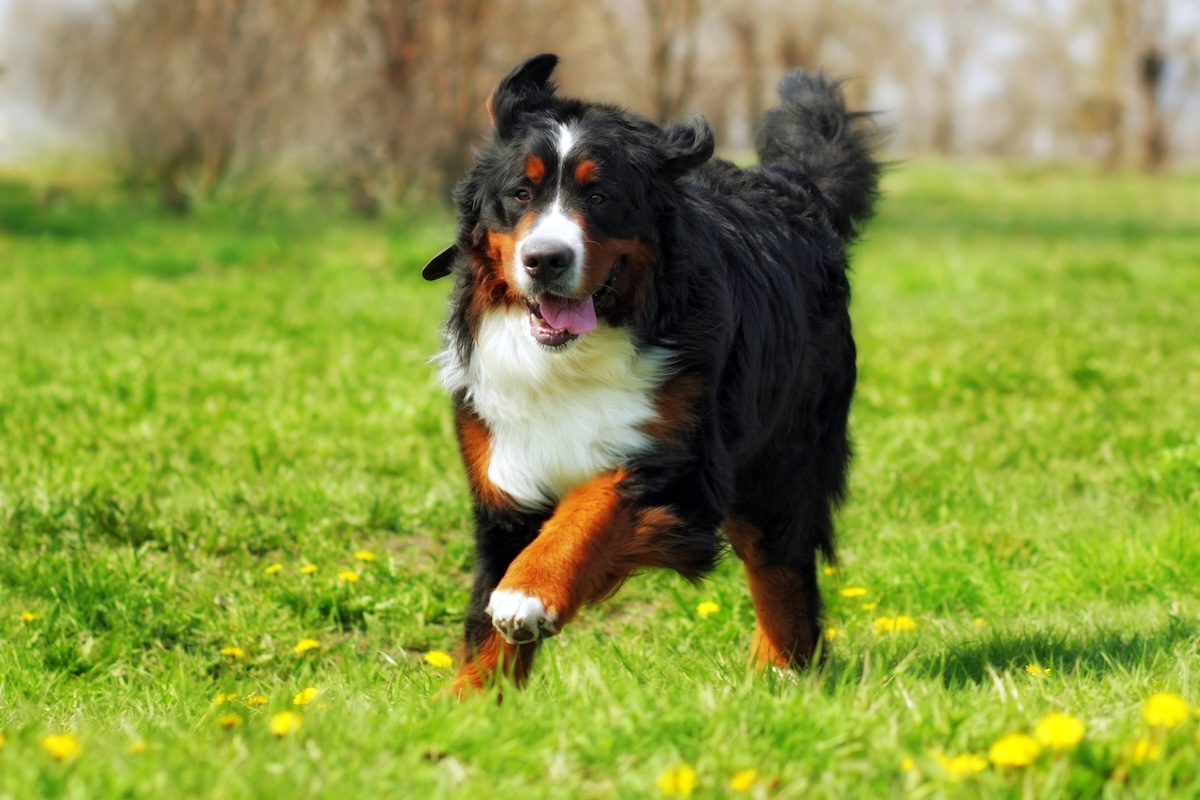 Photo Credit: Garosha at Deposit Photos
In the heart of the Swiss Alps, where the air is crisp and the meadows are painted with wildflowers, the Bernese Mountain Dog, or Canis lupus familiaris, stands as a majestic symbol of strength and loyalty. With its striking tri-color coat of black, white, and rust, this gentle giant captures the attention of anyone lucky enough to witness it in its natural habitat. Imagine a scene where these dogs trot alongside farmers, their powerful legs propelling them over rocky terrain as they guide herds of cattle through the lush valleys. Their friendly eyes and wagging tails tell a story of companionship and hard work, making them beloved members of both the family and the farming community.
What makes the Bernese Mountain Dog particularly intriguing to scientists and nature enthusiasts alike is not just its impressive size and beauty, but also its rich history and unique role in the ecosystem. Bred for herding and pulling carts, these dogs have a remarkable ability to adapt to their surroundings, showcasing intelligence and a strong work ethic. Their endearing personalities, combined with their impressive physical traits, create a captivating blend that draws people into their world. As we explore the life of the Bernese Mountain Dog, we will uncover the secrets of its evolution, behavior, and the special bond it shares with humans, revealing why this breed continues to hold a special place in our hearts.
The Bernese Mountain Dog is a captivating member of the animal kingdom, nestled within the vast tree of life. This breed belongs to the family Canidae, which includes all dogs, wolves, and foxes. What sets the Bernese Mountain Dog apart is its striking tri-color coat and gentle temperament, making it a beloved companion and working dog. Originating from the Swiss Alps, these dogs were bred for herding and pulling carts, showcasing their strength and intelligence. Their unique combination of physical traits and friendly nature makes them a standout in the canine world.
| Taxonomic Rank | Scientific Name | Meaning & Significance |
|---|---|---|
| Kingdom | Animalia | This term means “animals” in Latin, highlighting that Bernese Mountain Dogs are part of the vast group of multicellular organisms that are typically mobile and consume organic material for energy. |
| Phylum | Chordata | Chordata refers to animals with a notochord, a flexible rod that supports the body. In dogs, this structure is present during development, showcasing their evolutionary link to vertebrates. |
| Class | Mammalia | Mammalia means “mammals,” which are warm-blooded animals that have fur or hair and typically give live birth. This classification emphasizes the Bernese Mountain Dog’s nurturing qualities and parental care. |
| Order | Carnivora | Carnivora, meaning “meat-eaters,” includes animals that primarily consume meat. While Bernese Mountain Dogs enjoy a varied diet, this classification connects them to their ancestors who were hunters. |
| Family | Canidae | Canidae is the family that encompasses dogs, wolves, and foxes. This name reflects their shared characteristics, such as social behavior and pack dynamics, which are evident in the Bernese Mountain Dog’s friendly nature. |
| Genus | Canis | Canis translates to “dog” in Latin, representing the genus that includes domestic dogs and their wild relatives. This classification highlights the Bernese Mountain Dog’s close relationship with other dog breeds. |
Understanding the Bernese Mountain Dog’s taxonomic classification reveals much about its evolutionary history. As a member of the Canidae family, it shares a lineage with both wild and domestic canines, showcasing traits that have been honed over thousands of years. This breed’s origins in the Swiss Alps not only shaped its physical characteristics but also its temperament, making it a loyal and hardworking companion. By tracing its place in the tree of life, we can appreciate the rich tapestry of evolution that has led to the beloved Bernese Mountain Dog we know today.
The story of the Bernese Mountain Dog begins thousands of years ago, tracing back to the ancient herding dogs of the Swiss Alps. These dogs were bred for their strength, intelligence, and ability to work alongside humans. As they evolved, they adapted to the harsh mountain environment, developing traits that would help them thrive in both their roles as herders and companions.
The ancestors of the Bernese Mountain Dog were likely large, sturdy dogs that descended from the Molosser group, a type of dog known for its powerful build and gentle temperament. Over time, these dogs were selectively bred by farmers in the Bern region of Switzerland. This breeding focused on enhancing their herding abilities, as well as their loyalty and protective instincts. The result was a dog that not only excelled in managing livestock but also became a beloved family member.
The adaptations of the Bernese Mountain Dog have played a crucial role in its survival and success. Their strong build and thick coat not only help them endure the cold, but also enable them to perform demanding tasks like pulling carts and herding livestock. Their gentle temperament and intelligence make them not just effective workers, but also cherished family pets. This blend of physical prowess and amiable nature has allowed the Bernese Mountain Dog to thrive alongside humans for generations, solidifying its place in both the working world and our hearts.
The Bernese Mountain Dog is a striking figure, exuding both strength and grace. With a sturdy, muscular build, this breed stands tall and proud, often reaching heights of 23 to 28 inches at the shoulder. Their broad, powerful chest and strong legs give them the ability to navigate rugged terrains, making them excellent working dogs in the Swiss Alps. The combination of their large size and gentle demeanor creates an impressive yet approachable presence that captures the hearts of many.
| Feature | Description |
|---|---|
| Size | Large, typically 23 to 28 inches tall at the shoulder |
| Color | Tri-color coat featuring black, white, and rust |
| Skin Type | Hair, with a thick double coat for insulation |
| Build | Muscular and sturdy, with a broad chest and strong legs |
| Tail | Long and bushy, often carried low |
The Bernese Mountain Dog’s physical features are not just for show; they serve important purposes in their daily lives. Their thick double coat provides insulation against cold weather, allowing them to thrive in snowy environments. The strong legs and broad chest enable them to pull heavy loads and navigate steep hills, which was essential for their historical role as farm and draft dogs. Together, these characteristics create a breed that is not only beautiful but also perfectly adapted to the challenges of their mountainous homeland.
The Bernese Mountain Dog calls the stunning landscapes of Switzerland its home. Picture the majestic Swiss Alps, where rolling hills meet towering peaks, and lush green meadows stretch as far as the eye can see. This breed thrives in a picturesque environment filled with vibrant wildflowers and cool, crisp air. The backdrop of snow-capped mountains and serene lakes creates a perfect setting for these dogs, who were originally bred to work alongside farmers and herders in this breathtaking region.
The climate in these areas is quite varied, with cold winters and mild summers. Bernese Mountain Dogs are well-suited to this environment, as they have thick, double coats that keep them warm in chilly temperatures. They enjoy the fresh mountain air and the opportunity to romp in the snow. However, they also appreciate the sunny days of summer, where they can bask in the warmth while still having access to cool, shady spots.
Over time, the Bernese Mountain Dog has adapted beautifully to its alpine habitat. Their sturdy build and strong legs allow them to navigate rocky terrains with ease, while their thick fur protects them from harsh weather conditions. These dogs are not just beautiful; they are also incredibly resilient, able to thrive in both the cold of winter and the warmth of summer. Their history as working dogs has shaped them into loyal companions, perfectly suited for life in the stunning Swiss landscape.
The daily life of a Bernese Mountain Dog is a blend of playfulness, loyalty, and hard work. These dogs thrive on routine, often starting their day with a hearty breakfast followed by a brisk walk or a romp in the yard. Their natural instincts as herders shine through as they enjoy activities that engage their minds and bodies. Whether it’s chasing after a ball, exploring the great outdoors, or simply lounging with their family, Bernese Mountain Dogs are always ready for the next adventure. Their playful nature is balanced by moments of calm, where they love to relax and soak up affection from their human companions.
Socially, Bernese Mountain Dogs are known for their friendly and gentle demeanor. They are pack animals at heart, which means they thrive in a family environment. These dogs form strong bonds with their human families and often get along well with other pets. Their social behavior is characterized by a desire to be included in family activities, whether it’s a hike in the woods or a cozy movie night on the couch. They communicate through a variety of methods, including playful barks, tail wags, and even gentle nudges, ensuring that their needs and feelings are understood by those around them.
| Behavior Type | Description |
|---|---|
| Activity Patterns | Bernese Mountain Dogs enjoy a mix of exercise and relaxation, often engaging in outdoor activities like hiking and playing fetch, followed by long naps. |
| Social Structure | These dogs thrive in family settings, forming strong bonds with humans and other pets, and often displaying protective instincts towards their loved ones. |
| Communication Methods | They express themselves through barks, body language, and affectionate gestures, ensuring their needs are communicated effectively to their families. |
The behaviors of Bernese Mountain Dogs are not just charming; they play a crucial role in their survival and well-being. Their social nature helps them bond with their families, making them excellent companions and protectors. By engaging in physical activities, they maintain their health and fitness, which is essential for a breed known for its strength. Their ability to communicate effectively ensures that they can express their needs, whether it’s for playtime or rest. In essence, these behaviors not only enrich their lives but also strengthen the connections they have with the world around them.
The Bernese Mountain Dog is an omnivore, which means it enjoys a varied diet that includes both plant and animal foods. This breed has a hearty appetite and thrives on a balanced mix of proteins, carbohydrates, and fats. In the wild, their ancestors would have scavenged and foraged, but today, they often rely on their human companions for meals. Their diet typically consists of high-quality dog food, which can include meat, grains, and vegetables, ensuring they get all the nutrients they need to stay healthy and active.
| Dietary Aspect | Details |
|---|---|
| Diet Type | Omnivore |
| Favorite Foods | Meat, grains, vegetables |
| Prey Items | Small mammals, birds (in a wild setting) |
| Hunting/Foraging Strategies | Scavenging and foraging, relying on human-provided meals |
This diverse diet not only supports the Bernese Mountain Dog’s robust physique but also influences its daily activities. With plenty of energy from their meals, these dogs are ready for play, work, and companionship. Their ability to adapt to different food sources allows them to thrive in various environments, making them well-suited for life alongside humans in both rural and urban settings. The bond they share with their owners is often strengthened during mealtime, as they eagerly await their next delicious dish.
When it comes to mating, Bernese Mountain Dogs exhibit behaviors that are both instinctual and social. The breeding season typically occurs once a year, usually in the spring. During this time, females go into heat, a period when they are fertile and can conceive. Males are drawn to the scent of a female in heat, and their courtship often involves playful interactions and displays of affection. This bonding process is essential, as it helps ensure a strong connection between the pair, which can be beneficial for the future care of their young.
| Reproductive Aspect | Details |
|---|---|
| Gestation Period | Approximately 63 days |
| Litter Size | Average of 7 puppies |
| Age of Maturity | About 2 years |
| Name of Young | Puppies |
Once the puppies are born, the care provided by their parents is crucial for their development. The mother, or dam, is particularly attentive, nursing her young and keeping them warm and safe. Bernese Mountain Dog puppies are born blind and deaf, relying entirely on their mother for nourishment and protection. As they grow, they begin to explore their surroundings, developing their senses and social skills. By the time they reach maturity at around two years old, they have transformed from tiny, helpless puppies into strong, loyal companions, ready to take on the world alongside their human families.
The Bernese Mountain Dog, a gentle giant of the canine world, occupies a unique position in the food web. While these dogs are domesticated and primarily live alongside humans, they still share their environment with various wildlife. In the wild, they would be considered prey for larger predators, but their size and strength also allow them to assert themselves in certain situations.
To defend against these threats, Bernese Mountain Dogs rely on their size and strength, often using their bark to ward off potential dangers. They are also known for their loyalty and protective instincts, which can help them stay safe in the presence of threats. When faced with danger, they may choose to retreat to familiar surroundings or seek the comfort of their human companions. This combination of physical prowess and social behavior helps them navigate the challenges of their environment, ensuring they remain the beloved companions they are known to be.
A keystone species is an organism that plays a critical role in maintaining the structure of an ecosystem. Its presence or absence can significantly impact the environment and other species within it. While the Bernese Mountain Dog is a beloved breed known for its loyalty and strength, it does not qualify as a keystone species. This is primarily because it is a domesticated animal that relies on humans for care and does not have a direct influence on the natural ecosystem in the way that true keystone species do.
In the Swiss Alps, where the Bernese Mountain Dog originated, these dogs were bred for herding and guarding livestock. Their role in human agriculture has been significant, helping to manage sheep and cattle. By assisting farmers, they indirectly support the local ecosystem by ensuring that livestock are kept safe from predators and that grazing patterns are maintained. This can help prevent overgrazing, which can lead to soil erosion and habitat loss for other wildlife.
Moreover, Bernese Mountain Dogs are known for their friendly and social nature, which can foster community interactions among people in rural areas. This social aspect can lead to increased awareness and conservation efforts for the natural habitats surrounding these communities. When people come together to care for their dogs and the land, they often become more invested in protecting the environment.
If Bernese Mountain Dogs were to disappear, the effects would ripple through their communities. Farmers might struggle to manage their livestock effectively, leading to potential overgrazing and habitat degradation. This could disrupt the balance of the local ecosystem, affecting not only the plants and animals that rely on healthy pastures but also the farmers and communities that depend on these resources. The loss of this breed would not only be felt in the fields but also in the hearts of those who cherish their companionship.
The Bernese Mountain Dog, a beloved breed originating from the Swiss Alps, plays a significant role in its ecosystem. As a working dog, it was historically bred for herding livestock and pulling carts, which means it has developed a strong connection to the land and the animals it helps manage. This connection allows the Bernese Mountain Dog to influence its environment in various ways, contributing to the balance of the ecosystems it inhabits.
| Ecosystem Service | Impact |
|---|---|
| Livestock Management | Helps keep herds together, reducing stress on animals and promoting healthier livestock. |
| Soil Aeration | While playing and moving through fields, they help aerate the soil, which can improve plant growth. |
| Companionship | Provides emotional support to humans, fostering a bond that encourages outdoor activities and conservation efforts. |
| Wildlife Interaction | Can deter certain wildlife from encroaching on farmland, helping to maintain a balance between domestic and wild species. |
The Bernese Mountain Dog’s influence extends beyond just herding. For instance, their presence on farms can lead to healthier livestock, as these dogs help keep animals calm and organized. This not only benefits the animals but also supports farmers in maintaining a sustainable agricultural practice. Additionally, as these dogs roam through fields and meadows, they naturally aerate the soil, which can enhance the growth of plants and contribute to a thriving ecosystem. Their friendly nature encourages families to spend more time outdoors, fostering a love for nature and conservation.
In a broader ecological context, the Bernese Mountain Dog serves as a keystone species in its environment. By managing livestock and interacting with both domestic and wild animals, they help maintain the balance of their ecosystems. Their role in promoting healthy agricultural practices and encouraging outdoor activities highlights the interconnectedness of species and the importance of every animal in sustaining the health of our planet. The Bernese Mountain Dog is not just a companion; it is a vital part of the ecological tapestry that supports life in the Swiss Alps and beyond.
In the intricate web of life, symbiosis refers to the close interactions between different species, where each can play a role in the survival and well-being of the other. These relationships can take many forms, including mutualism, where both species benefit, commensalism, where one benefits while the other is neither helped nor harmed, and parasitism, where one benefits at the expense of the other. Understanding these connections helps us appreciate the delicate balance of ecosystems and the roles that various species, including the Bernese Mountain Dog, play within them.
| Species/Type | Relationship Type | Description |
|---|---|---|
| Humans | Mutualistic | Bernese Mountain Dogs assist humans in herding and guarding livestock, while humans provide food, shelter, and companionship. |
| Livestock (e.g., sheep) | Commensal | While herding, Bernese Mountain Dogs help manage livestock, benefiting from their presence without harming them. |
| Ticks | Parasitic | Ticks can latch onto Bernese Mountain Dogs, feeding on their blood, which can harm the dogs if not managed. |
These relationships have evolved over time, shaped by the needs and behaviors of the species involved. The bond between Bernese Mountain Dogs and humans is particularly strong, as these dogs were bred to work alongside people in the Swiss Alps. This partnership not only enhances the dogs’ lives but also provides essential support to farmers and herders. Meanwhile, the interactions with livestock and even parasites illustrate the complex dynamics of nature, where each species finds its niche. Understanding these connections enriches our appreciation for the Bernese Mountain Dog and the broader ecosystem in which it thrives.
The Bernese Mountain Dog is not just a beautiful breed; it’s a fascinating blend of history, strength, and personality that captures the hearts of many. Here are some surprising facts that showcase the remarkable traits of this gentle giant.
The bond between the Bernese Mountain Dog and humanity stretches back centuries, rooted in the rugged landscapes of Switzerland. These dogs were originally bred by farmers to assist with herding cattle and pulling carts, making them invaluable companions in agricultural life. Their striking tri-color coats and gentle demeanor have made them not just working dogs but also cherished family pets. In Swiss culture, they symbolize strength and loyalty, often depicted in art and folklore, showcasing their deep connection to the people who raised them.
Today, Bernese Mountain Dogs continue to play a significant role in human lives, both as beloved pets and as working dogs. Their friendly nature makes them excellent therapy animals, providing comfort and companionship to those in need. However, their size and energy can sometimes lead to challenges in urban settings, where space is limited. As we navigate the complexities of modern life, the relationship between these dogs and humans evolves, highlighting the importance of responsible ownership and training. This breed’s adaptability allows them to thrive in various environments, from bustling cities to serene countryside.
As we look to the future, the relationship between Bernese Mountain Dogs and humans is poised for growth. With increasing awareness of animal welfare and the importance of training, more families are embracing these gentle giants as part of their lives. As we learn to appreciate their needs and strengths, we can ensure that this bond remains strong and mutually beneficial. Together, we can create a world where Bernese Mountain Dogs continue to thrive alongside us, enriching our lives with their loyalty and love.
The Bernese Mountain Dog currently holds a conservation status of “Not Listed,” which means it is not considered endangered or threatened at this time. This breed enjoys a stable population, particularly in its native Switzerland and in various parts of the world where it is cherished as a family pet and working dog. While there are no significant population declines reported, the breed’s popularity can fluctuate based on trends in dog ownership and breeding practices.
| Conservation Factor | Status/Details |
|---|---|
| IUCN Status | Not Listed |
| Population Estimates | Stable, with no specific numbers available |
| Trend Direction | Stable |
One of the main threats to the Bernese Mountain Dog is the risk of health issues that can arise from breeding practices. Like many purebred dogs, they are prone to certain genetic conditions, such as hip dysplasia and certain types of cancer. These health concerns can affect their quality of life and longevity. Additionally, as demand for this breed increases, irresponsible breeding can lead to a rise in health problems, which is a significant concern for the breed’s future.
Conservation efforts for the Bernese Mountain Dog focus on responsible breeding practices and health screenings to ensure the well-being of the breed. Organizations and breed clubs are working to educate breeders and potential owners about the importance of genetic testing and ethical breeding. With these efforts in place, the outlook for the Bernese Mountain Dog remains positive, as long as the community continues to prioritize the health and happiness of these beloved companions.
| Question | Answer |
|---|---|
| What is the habitat of the Bernese Mountain Dog? | The Bernese Mountain Dog is a breed that originated in Switzerland. They were bred to work on farms in the Swiss Alps, helping with herding cattle and pulling carts. |
| What do Bernese Mountain Dogs eat? | Bernese Mountain Dogs are omnivores, which means they eat both plants and animals. A balanced diet for them typically includes high-quality dog food, meats, vegetables, and grains to keep them healthy and strong. |
| What is the behavior of Bernese Mountain Dogs? | These dogs are known for their gentle and friendly nature. They are very social and enjoy being around people, making them great family pets. They can also be protective, which makes them good watchdogs. |
| How do Bernese Mountain Dogs reproduce? | Like all dogs, Bernese Mountain Dogs reproduce through mating. The female goes into heat about twice a year, and after a gestation period of about 63 days, she gives birth to a litter of puppies, usually ranging from 4 to 8 pups. |
| What threats do Bernese Mountain Dogs face? | While Bernese Mountain Dogs are not listed as endangered, they can face health issues like hip dysplasia and certain cancers. Responsible breeding and regular veterinary care can help reduce these risks. |
| What are some interesting characteristics of Bernese Mountain Dogs? | Bernese Mountain Dogs are known for their striking tri-color coat, which is black, white, and rust. They are also quite large, often weighing between 70 to 115 pounds, and are known for their calm demeanor, making them excellent companions. |
| How much exercise do Bernese Mountain Dogs need? | These dogs require regular exercise to stay healthy and happy. Daily walks, playtime, and mental stimulation are important, as they are active and intelligent dogs that thrive on interaction. |