Taxonomy & Classification
- Kingdom
- Animalia
- Phylum
- Chordata
- Class
- Actinopterygii
- Order
- Perciformes
- Family
- Osphronemidae
- Genus
- Betta
- Species
- Betta splendens

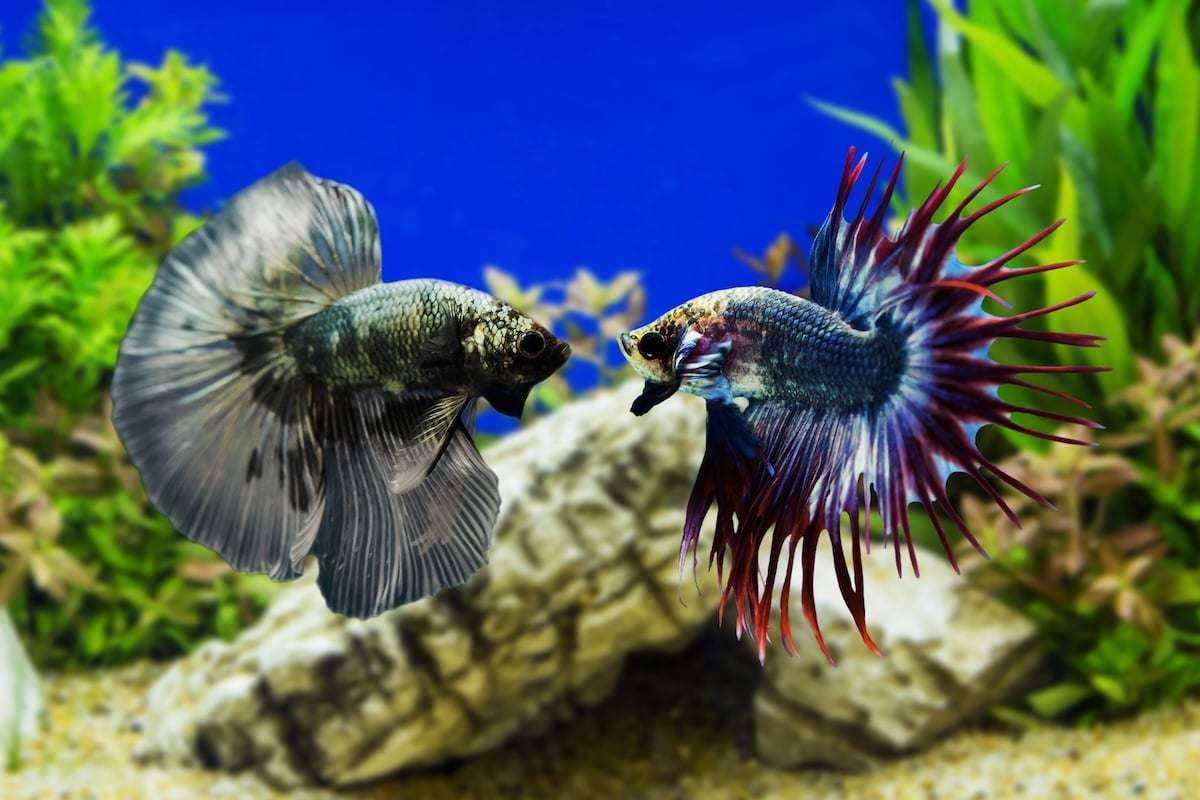 Photo Credit: subinpumsom on Deposit Photos
In the shimmering waters of Southeast Asia, the Betta fish, scientifically known as Betta splendens, dances through its lush habitat, captivating all who catch a glimpse. Picture a tranquil marsh, where sunlight filters through the vibrant green leaves, casting playful shadows on the surface of the water. Here, the Betta fish flaunts its stunning colors, with iridescent scales that shimmer like jewels and long, flowing fins that trail behind it like a delicate silk scarf. This striking appearance is not just for show; it plays a crucial role in their survival and social interactions.
What makes the Betta fish truly intriguing is its complex behavior and fierce personality. Known for their territorial nature, male Bettas often engage in dramatic displays of color and fin expansion to assert dominance over their space. This captivating behavior has earned them the nickname “Siamese fighting fish,” as they are known to engage in spirited battles when placed together. Scientists and nature enthusiasts alike are drawn to these vibrant fish, not only for their beauty but also for their rich history and the vital role they play in their ecosystems. As we dive deeper into the world of Betta fish, we will explore their unique adaptations, fascinating life cycle, and the challenges they face in the wild.
The Betta fish, also known as the Siamese fighting fish, occupies a fascinating niche in the tree of life. This vibrant species belongs to the kingdom Animalia, which includes all animals, and is classified under the phylum Chordata, meaning it has a backbone. Betta fish are part of the class Actinopterygii, which encompasses ray-finned fishes, a group characterized by their bony fins. What sets Betta fish apart is their striking colors and elaborate fins, as well as their aggressive behavior, especially among males. This unique combination of beauty and fierceness has made them popular in aquariums around the world.
| Taxonomic Rank | Scientific Name | Meaning & Significance |
|---|---|---|
| Kingdom | Animalia | This name signifies that Betta fish are part of the vast group of multicellular organisms known as animals. |
| Phylum | Chordata | Chordata means “having a notochord,” which is a flexible rod that supports the body, a feature present in all vertebrates, including Betta fish. |
| Class | Actinopterygii | This term translates to “ray-finned fishes,” highlighting the structure of their fins, which are supported by bony rays. |
| Order | Perciformes | Meaning “perch-like,” this order includes many familiar fish, indicating that Betta fish share traits with other popular species. |
| Family | Osphronemidae | This family name comes from the Greek word for “scent,” referring to the fish’s ability to detect chemicals in the water, which is crucial for their survival. |
| Genus | Betta | The name Betta is derived from the Malay word “betah,” which means “warrior,” a nod to the fish’s fierce nature during fights. |
The classification of Betta fish reveals much about their evolutionary journey. As members of the Osphronemidae family, they have developed specialized adaptations, such as the labyrinth organ, which allows them to breathe air directly from the surface. This adaptation is particularly useful in their natural habitats, where water conditions can fluctuate. Understanding their taxonomic position not only highlights their physical characteristics but also sheds light on their behaviors and ecological roles, illustrating how they have evolved to thrive in diverse environments.
The evolutionary journey of the Betta fish, or Siamese fighting fish, stretches back millions of years, tracing its roots to the lush waterways of Southeast Asia. This captivating species belongs to the family Osphronemidae and the genus Betta, which diverged from other fish families during the late Miocene epoch, around 5 to 10 million years ago. As the environment changed, these fish adapted to survive in the diverse habitats of rice paddies, swamps, and slow-moving streams.
The ancestors of Betta fish were likely less colorful and more subdued in behavior compared to their modern descendants. Over time, they developed vibrant colors and elaborate fins, traits that not only attract mates but also serve as a means of communication. One major evolutionary transition was the development of labyrinth organs, specialized structures that allow Betta fish to breathe air directly from the surface. This adaptation is crucial for survival in oxygen-poor waters, enabling them to thrive where other fish might struggle.
These adaptations have been vital for the Betta fish’s survival in their natural habitats. The ability to breathe air allows them to inhabit shallow waters where other fish cannot survive, while their striking colors and territorial behaviors ensure they can find mates and defend their space. As a result, Betta fish have not only thrived in the wild but have also captured the hearts of fish enthusiasts around the world, showcasing the incredible power of evolution in shaping life.
The Betta fish, or Siamese fighting fish, is a dazzling spectacle of nature. With its elongated body and flowing fins, it glides through the water like a living jewel. These fish can grow up to three inches long, but their vibrant colors and intricate patterns make them appear larger than life. The combination of their sleek, streamlined shape and the dramatic flair of their fins creates an impression of elegance and power, especially when they flare up in displays of aggression.
| Feature | Description |
|---|---|
| Size | Up to 3 inches long |
| Color | Brilliant hues including red, blue, green, and purple |
| Skin Type | Covered in scales |
| Most Distinctive Feature | Long, flowing tail fin |
The Betta’s striking colors serve a dual purpose: they attract potential mates and warn rivals of their fierce nature. Their long, flowing fins not only enhance their beauty but also help them maneuver gracefully through their aquatic environment. This combination of vibrant coloration and impressive fin structure is essential for survival, allowing them to thrive in the competitive waters of Southeast Asia. Whether displaying their colors to impress a mate or defending their territory, Betta fish are a stunning example of how form and function come together in the animal kingdom.
The Betta fish, also known as the Siamese fighting fish, thrives in a world of lush greenery and shimmering waters. Picture a tranquil landscape filled with marshes, where the sun filters through the leaves, casting dappled light on the surface of slow-moving streams. These vibrant fish call home the shallow waters of flood plains and paddy fields, where they can dart among the plants and find plenty of hiding spots. Their habitat is a vibrant tapestry of life, teeming with insects and other small creatures that make up their diet.
Betta fish prefer warm, shallow waters, typically ranging from 75 to 82 degrees Fahrenheit. They thrive in environments with plenty of vegetation, which provides both shelter and breeding grounds. The water in their habitats is often soft and slightly acidic, with a pH level between 6.5 and 7.5. These conditions help support the delicate balance of life in their watery homes, allowing them to flourish.
To survive in these specific habitats, Betta fish have developed some impressive adaptations. Their labyrinth organ, a special structure that allows them to breathe air from the surface, is crucial for life in oxygen-poor waters. This adaptation enables them to thrive in environments where other fish might struggle. Additionally, their vibrant colors and long fins not only attract mates but also help them blend into the lush surroundings, providing camouflage from predators. In this way, the Betta fish has become a true master of its watery domain.
The daily life of a Betta fish, or Siamese fighting fish, is a vibrant tapestry of activity and interaction. These colorful fish are most active during the early morning and late afternoon, darting around their aquatic homes with energy and grace. They spend their time exploring their surroundings, flaring their fins and displaying their brilliant colors. This behavior not only showcases their beauty but also serves as a way to establish dominance and territory. Betta fish are known for their curious nature, often investigating any changes in their environment, whether it’s a new decoration in their tank or the presence of a human nearby.
Socially, Betta fish are quite complex. While they are often solitary and territorial, especially males, they do exhibit interesting social behaviors when it comes to their interactions. In the wild, male Bettas will fiercely defend their territory from other males, using their vibrant colors and elaborate fin displays to intimidate rivals. However, they can coexist peacefully with females and certain other species, provided there is enough space. Communication among Betta fish is primarily visual, relying on body language and color changes to convey emotions and intentions. When a Betta feels threatened, it may flare its fins and display its colors to assert dominance or ward off intruders.
| Behavior Type | Description |
|---|---|
| Activity Patterns | Betta fish are most active during dawn and dusk, exploring their environment and displaying their colors. |
| Social Structure | Male Bettas are territorial and often solitary, while females can coexist peacefully in groups. |
| Communication Methods | They use body language and color changes to communicate, especially during displays of dominance or courtship. |
The behaviors of Betta fish are not just for show; they play a crucial role in their survival. By establishing territories, they ensure access to resources like food and breeding opportunities. Their vibrant displays and communication methods help them navigate social interactions, whether it’s asserting dominance or attracting a mate. In the intricate dance of life beneath the water’s surface, these behaviors are essential for thriving in their natural habitats.
The Betta fish, or Siamese fighting fish, is a carnivore, which means it primarily eats meat. In the wild, these vibrant fish hunt for small prey like zooplankton, tiny crustaceans, and various larvae. Their feeding behavior is quite fascinating; they are known to be opportunistic feeders, meaning they will take advantage of whatever food is available in their environment. With their keen eyesight and quick reflexes, Betta fish can spot their prey and dart after it, showcasing their agility and hunting skills.
| Dietary Aspect | Details |
|---|---|
| Diet Type | Carnivore |
| Favorite Foods | Zooplankton, small crustaceans, larvae |
| Prey Items | Small aquatic organisms |
| Hunting/Foraging Strategies | Opportunistic feeding, quick darting movements |
This diet plays a crucial role in shaping the Betta fish’s ecology and daily routine. By consuming small aquatic organisms, they help control the populations of these creatures, maintaining a balance in their habitat. Their active hunting behavior not only keeps them fit but also influences their social interactions, as they often compete for food. This dynamic lifestyle ensures that Betta fish remain vibrant and healthy, thriving in their lush environments.
When it comes to romance in the underwater world, Betta fish, or Siamese fighting fish, have a captivating courtship ritual. During the breeding season, which typically occurs in warmer months, males become particularly vibrant, showcasing their brilliant colors and elaborate fins to attract females. The male will perform a dazzling dance, flaring his fins and swimming in circles to impress a potential mate. Once a female shows interest, the pair engages in a series of intricate movements, culminating in the male wrapping his body around hers. This dance is not just for show; it sets the stage for the next exciting phase of their life cycle.
| Reproductive Aspect | Details |
|---|---|
| Gestation Period | 1 to 2 days |
| Litter Size | 20 to 100 eggs |
| Age of Maturity | 3 to 6 months |
| Name of Young | Fry |
After the eggs are fertilized, the male Betta takes on a crucial role in caring for the young. He collects the eggs, which are sticky and adhere to plants or other surfaces, and places them in a bubble nest he has created. This nest is made of air bubbles and serves as a safe haven for the developing fry. Once the eggs hatch, the tiny fry emerge, ready to explore their watery world. The male continues to protect them, guiding them back to the nest if they stray too far. As the fry grow, they begin to swim freely and start to develop their own vibrant colors. With time, they will mature into the stunning adults that make Betta fish so beloved in aquariums around the world.
The Betta fish, or Siamese fighting fish, plays a vital role in its aquatic ecosystem. As a carnivorous species, it occupies a position in the food web where it preys on small organisms while also being vulnerable to various predators. This delicate balance is crucial for maintaining the health of its habitat, which is often threatened by human activities.
To defend itself against these threats, the Betta fish has developed several survival strategies. Its vibrant colors and flowing fins can serve as a distraction, allowing it to escape from predators. Additionally, Betta fish are known for their territorial behavior, especially males, who will fiercely defend their space against intruders. This assertiveness helps them maintain their territory and avoid confrontations with larger threats. By using these tactics, Betta fish navigate the challenges of their environment, showcasing their resilience in the face of danger.
A keystone species is an organism that has a disproportionately large impact on its environment relative to its abundance. This means that if it were removed, the ecosystem would change dramatically. The Betta fish, or Siamese fighting fish, while captivating and colorful, does not qualify as a keystone species. Its role in the ecosystem is important, but it does not hold the same critical position as species like sea otters or wolves, which help maintain the balance of their ecosystems.
In its natural habitat, the Betta fish contributes to the aquatic food web. As a carnivore, it preys on small organisms such as zooplankton and larvae, helping to control their populations. This predation is essential for maintaining a balanced ecosystem, as it prevents any one species from becoming too dominant. Additionally, Betta fish are territorial, which means they establish and defend their own areas. This behavior can influence the distribution of other fish species in their environment, as they create zones where only certain species can thrive.
Moreover, Betta fish inhabit marshes, flood plains, and paddy fields, which are rich ecosystems that support a variety of life. By living in these areas, they help to maintain the health of their habitats. Their presence can indicate the quality of the water and the overall health of the ecosystem. When Betta fish thrive, it often means that the environment is in good condition, benefiting other species that share their habitat.
If Betta fish were to disappear from their ecosystems, the effects could ripple through the food web. Without them, populations of their prey could explode, leading to imbalances that might harm other aquatic life. Additionally, the absence of Betta fish could alter the dynamics of territorial behavior among fish species, potentially leading to overcrowding in certain areas. This could disrupt the delicate balance of their habitats, affecting not just fish but also the plants and animals that rely on these ecosystems for survival.
The Betta fish, or Siamese fighting fish, plays a vital role in its ecosystem, particularly in the marshes, flood plains, and paddy fields of Southeast Asia. This colorful fish is not just a pretty face; it occupies an ecological niche that helps maintain the balance of its watery home. As a carnivore, it feeds on small organisms, which keeps populations of these creatures in check. This predatory behavior contributes to the overall health of the aquatic environment, ensuring that no single species overwhelms the ecosystem.
| Ecosystem Service | Impact |
|---|---|
| Prey Regulation | Controls populations of small aquatic organisms, preventing overpopulation. |
| Nutrient Cycling | Contributes to the breakdown of organic matter, enriching the water with nutrients. |
| Habitat Structure | Creates spaces for other species by interacting with aquatic plants. |
| Food Source | Serves as prey for larger fish and birds, supporting the food web. |
In their natural habitats, Betta fish influence their surroundings in several ways. By preying on small zooplankton and larvae, they help maintain a balanced ecosystem. This predation prevents any one species from dominating the environment, which is crucial for biodiversity. Additionally, as they swim among aquatic plants, they can help aerate the water and promote the growth of beneficial microorganisms. These interactions create a dynamic environment where various species can thrive together.
The broader ecological importance of the Betta fish extends beyond its immediate surroundings. As a keystone species, its presence is essential for the stability of the ecosystem. If Betta fish were to disappear, the balance of their habitats could shift dramatically, leading to overpopulation of certain species and a decline in others. This ripple effect highlights how interconnected life is in these ecosystems, reminding us that even the smallest creatures can have a significant impact on the health of our planet.
In the intricate web of life, symbiosis refers to the close interactions between different species, which can take on various forms. These relationships can be mutualistic, where both species benefit, parasitic, where one benefits at the other’s expense, or commensal, where one benefits while the other is neither helped nor harmed. Understanding these connections helps us appreciate the delicate balance of ecosystems, where every creature plays a role, including the vibrant Betta fish, or Siamese fighting fish.
| Species/Type | Relationship Type | Description |
|---|---|---|
| Water Snails | Mutualistic | Betta fish and water snails often coexist in the same habitat. The snails help keep the environment clean by eating algae, while the Betta fish benefit from a healthier living space. |
| Aquatic Plants | Commensal | Betta fish thrive among aquatic plants, which provide shelter and breeding grounds. The plants benefit from the nutrients released by the fish, but the plants do not rely on the fish for survival. |
| Parasites (e.g., flukes) | Parasitic | Some parasites, like flukes, can attach to Betta fish, feeding on their blood or tissues. This relationship harms the Betta fish, making it weaker and more susceptible to disease. |
These relationships have evolved over time, shaped by the needs and behaviors of the species involved. The mutualistic bond with water snails highlights how cooperation can enhance survival, while the reliance on aquatic plants showcases the importance of habitat complexity. On the other hand, parasitic relationships remind us of the challenges that can arise in nature. Each interaction, whether beneficial or harmful, plays a crucial role in the ecosystem, illustrating the interconnectedness of life in the watery realms where Betta fish reside.
Betta fish, also known as Siamese fighting fish, are not just beautiful; they are full of surprises that make them truly captivating. These vibrant creatures have a rich history and fascinating behaviors that can intrigue both young nature enthusiasts and seasoned biologists alike.
The Betta fish, or Siamese fighting fish, has a long and colorful history intertwined with human culture. Originating from the lush waterways of Southeast Asia, these striking fish have been admired for centuries. In Thailand, they are celebrated not only for their beauty but also for their spirited nature, leading to their use in traditional fish fights. These contests, while controversial, highlight the deep connection between Betta fish and human society, where they symbolize strength and resilience. Over time, they have also become popular pets around the world, captivating fish enthusiasts with their vibrant colors and unique personalities.
Today, the relationship between Betta fish and humanity is multifaceted. While many people keep them as pets, there are growing concerns about their conservation. Habitat destruction and overbreeding for specific traits have put pressure on wild populations. In response, some organizations are working to promote sustainable practices and educate pet owners about responsible care. Additionally, the domestication of Betta fish has led to a variety of breeds, each with distinct colors and fin shapes, making them a favorite in aquariums. However, this popularity can sometimes lead to conflicts, as improper care and overcrowding can harm these delicate creatures.
As we look to the future, the relationship between Betta fish and humanity holds both promise and challenges. With increased awareness of their needs and the importance of conservation, there is hope for a more sustainable coexistence. By fostering a deeper understanding of these remarkable fish, we can ensure that they continue to thrive in both the wild and in our homes. The journey of the Betta fish is a reminder of the beauty of nature and the responsibility we share in protecting it.
The Betta fish, commonly known as the Siamese fighting fish, currently holds a conservation status of Vulnerable according to the International Union for Conservation of Nature (IUCN). This means that while they are not yet endangered, their populations are declining and face significant threats. The vibrant colors and unique behaviors of these fish have made them popular in aquariums worldwide, but this popularity can also lead to overexploitation and habitat loss.
| Conservation Factor | Status/Details |
|---|---|
| IUCN Status | Vulnerable |
| Population Estimates | Decreasing |
| Trend Direction | Declining |
One of the main threats to Betta fish is habitat destruction. As wetlands and rice paddies are drained for agriculture and urban development, these fish lose their natural homes. Additionally, pollution from chemicals and waste can contaminate their waters, making it difficult for them to thrive. Overfishing, driven by the demand for Betta fish in the aquarium trade, also poses a significant risk to their populations. These factors combined create a challenging environment for the species to survive and reproduce.
Conservation efforts are underway to help protect the Betta fish and its habitat. Organizations are working to raise awareness about the importance of preserving wetlands and promoting sustainable practices in fish farming. By educating the public and encouraging responsible pet ownership, these initiatives aim to ensure that future generations can enjoy the beauty of Betta fish in their natural environments. With continued efforts, there is hope that the population of these stunning fish can stabilize and even recover.