Taxonomy & Classification
- Kingdom
- Animalia
- Phylum
- Chordata
- Class
- Aves
- Order
- Passeriformes
- Family
- Paridae
- Genus
- Poecile
- Species
- Poecile atricapillus

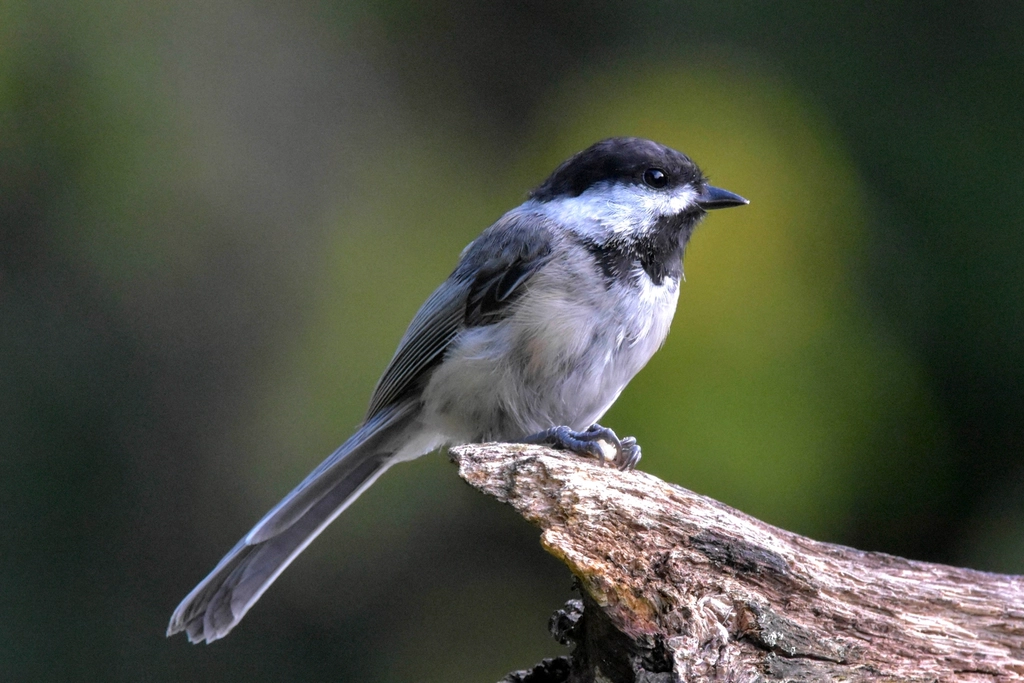 Photo Credit: Rawpixel
In the heart of North America’s woodlands, the Black-Capped Chickadee, or Poecile atricapillus, flits about with a playful spirit that captures the imagination. With its distinctive black cap and bib, contrasting white cheeks, and soft gray body, this small bird is a delightful sight against the backdrop of vibrant green leaves and the gentle sway of branches. Imagine walking through a sun-dappled forest, where the air is filled with the cheerful “chick-a-dee-dee-dee” call that gives this bird its name. It’s a sound that brings a smile to the faces of both seasoned birdwatchers and curious children alike.
What makes the Black-Capped Chickadee so captivating is not just its charming appearance but also its remarkable intelligence and adaptability. These little birds are known for their acrobatic skills, often hanging upside down as they search for insects or seeds. They thrive in a variety of habitats, from dense forests to suburban backyards, showcasing their ability to coexist with humans. Scientists and nature enthusiasts are drawn to their fascinating behaviors, such as their unique way of storing food for the winter and their complex social structures. As we explore the world of the Black-Capped Chickadee, we’ll uncover the secrets of its life cycle, diet, and the vital role it plays in its ecosystem, revealing just how interconnected our natural world truly is.
The Black-Capped Chickadee is a small, lively bird that holds a special place in the animal kingdom. Scientifically classified within the Kingdom Animalia, this charming avian belongs to the Phylum Chordata, which includes all animals with a backbone. As a member of the Class Aves, or birds, it showcases the unique adaptations that allow it to thrive in various environments. The Black-Capped Chickadee is particularly known for its distinctive black cap and bib, white cheeks, and soft gray body, making it easily recognizable. Its cheerful “chick-a-dee-dee-dee” call is not just a delightful sound; it serves as a sophisticated communication tool, revealing its intelligence and social nature.
| Taxonomic Rank | Scientific Name | Meaning & Significance |
|---|---|---|
| Kingdom | Animalia | This term means “animals” in Latin, highlighting the Black-Capped Chickadee’s status as a living organism that consumes organic material and breathes oxygen. |
| Phylum | Chordata | Derived from the Greek word “chordē,” meaning “string,” this name refers to the presence of a notochord, a flexible rod that supports the body, found in all vertebrates, including this bird. |
| Class | Aves | This Latin word means “birds,” emphasizing the unique characteristics of this group, such as feathers, beaks, and the ability to lay eggs. |
| Order | Passeriformes | Commonly known as perching birds or songbirds, this name comes from the Latin “passer,” meaning “sparrow,” and highlights their diverse vocal abilities and adaptations for life in trees. |
| Family | Paridae | This name is derived from the Latin word “parus,” which refers to small birds, emphasizing the chickadee’s small size and its close relatives, like titmice. |
| Genus | Poecile | From the Greek word “poikilos,” meaning “variegated” or “diverse,” this name reflects the variety of colors and patterns found in the species within this genus. |
The classification of the Black-Capped Chickadee reveals much about its evolutionary journey. As a member of the Paridae family, it shares a lineage with other small, social birds that have adapted to life in forests and woodlands. This evolutionary history is marked by the development of traits that enhance survival, such as their ability to store food and communicate effectively. Understanding its taxonomic position not only highlights the chickadee’s unique features but also connects it to a broader narrative of avian evolution, showcasing the intricate web of life that exists in our world.
The evolutionary journey of the Black-Capped Chickadee stretches back millions of years, intertwining with the history of birds as a whole. This small songbird, part of the Paridae family, has adapted to various environments across North America. Its lineage can be traced to the early ancestors of modern birds, which emerged after the age of dinosaurs, around 66 million years ago. As these early birds evolved, they developed traits that would help them thrive in changing habitats.
The ancestors of the Black-Capped Chickadee were likely small, insect-eating birds that lived in forested areas. Over time, they adapted to a variety of ecological niches, leading to the emergence of the Paridae family, which includes not only chickadees but also titmice. One major transition in their evolution was the development of their distinctive vocalizations. These calls, which include the famous “chick-a-dee-dee-dee,” serve as both communication and warning signals, helping them navigate their social structures and alert others to potential dangers.
These adaptations have been crucial for the Black-Capped Chickadee’s survival. Their flexible diet allows them to exploit different food sources, especially when resources are scarce. Social behavior enhances their chances of finding food and avoiding predators, while their vocal skills strengthen community ties. Finally, their insulating feathers ensure they can endure harsh winters, making them resilient in the face of environmental challenges. Together, these traits have helped the Black-Capped Chickadee thrive in diverse habitats, from dense forests to suburban backyards.
The Black-Capped Chickadee is a delightful little bird that captures the eye with its striking appearance. Measuring just 4 to 6 inches in height, it is small enough to flit about with agility, yet its presence is anything but subtle. This lively songbird boasts a round body, a short tail, and a slightly chunky build, giving it a plump and cheerful look. Its most distinctive feature is the bold color pattern that adorns its feathers, making it a favorite among birdwatchers and nature enthusiasts alike.
| Feature | Description |
|---|---|
| Height | 4 – 6 inches |
| Weight | 0.36 ounces |
| Skin Type | Feathers |
| Color Pattern | Black cap and bib, white cheeks, and grayish wings and back |
The combination of these features not only makes the Black-Capped Chickadee visually appealing but also serves important survival purposes. The black cap and bib help it blend into the shadows of tree branches, providing camouflage from predators. Meanwhile, the white cheeks stand out against the dark background, making it easier for fellow chickadees to recognize each other. Its lightweight body allows for quick movements through trees and shrubs, while its feathers provide insulation against the cold, ensuring this spirited bird thrives in various environments.
The Black-Capped Chickadee thrives in a variety of habitats that paint a picture of vibrant life. Imagine walking through a forest filled with tall deciduous trees, their leaves rustling gently in the breeze, or a cozy backyard adorned with colorful flowers and bird feeders. These lively birds are often seen flitting from branch to branch, their cheerful calls echoing through the air. They love to explore gardens and parks, where they can find plenty of food and shelter among the greenery.
The Black-Capped Chickadee prefers climates that offer a mix of warm summers and cold winters. They are well-suited to regions where temperatures can drop significantly, as they have developed strategies to cope with the chill. These birds thrive in environments that provide ample food sources, such as insects and seeds, and they often seek out areas with dense foliage for protection from harsh weather and predators.
Adaptation is key to the Black-Capped Chickadee’s success in its habitats. These birds have evolved to be incredibly resourceful, using their sharp memories to locate hidden food supplies during the winter months. Their ability to tolerate cold temperatures is impressive; they can lower their body temperature at night to conserve energy. With their friendly demeanor and adaptability, Black-Capped Chickadees have become a beloved sight in both wild and urban settings, bringing joy to those who encounter them.
The Black-Capped Chickadee starts its day with a burst of energy, flitting from branch to branch in search of breakfast. These small birds are known for their acrobatic skills, often hanging upside down to reach seeds and insects. As the sun rises, they sing their cheerful “chick-a-dee-dee-dee” call, a sound that not only announces their presence but also serves as a warning to others about potential dangers. Throughout the day, they engage in foraging, exploring their surroundings for food, and taking short flights to gather sustenance. Their keen eyesight helps them spot hidden seeds and insects, making them efficient foragers.
Socially, Black-Capped Chickadees are quite the chatterboxes. They thrive in groups, often forming flocks with other chickadees and even mixing with other bird species. This social behavior is essential for their survival, as it allows them to share information about food sources and potential threats. When one chickadee spots a predator, it will call out to alert the others, creating a network of communication that keeps the flock safe. Their playful interactions, including chasing each other and engaging in friendly squabbles, strengthen their bonds and create a lively atmosphere in the trees.
| Behavior Type | Description |
|---|---|
| Foraging | Chickadees search for seeds and insects, often hanging upside down to reach food. |
| Social Structure | They live in flocks, promoting safety in numbers and sharing information about food and predators. |
| Communication | Their distinctive “chick-a-dee-dee-dee” call conveys messages about danger and social interactions. |
The behaviors of the Black-Capped Chickadee are not just charming; they are vital for their survival. By foraging in groups, they increase their chances of finding food and staying safe from predators. Their communication skills help them navigate their environment and maintain strong social ties, which are crucial for thriving in the wild. Each day is a dance of activity and interaction, ensuring that these delightful birds continue to flourish in their habitats.
The Black-Capped Chickadee is an omnivorous bird, meaning it enjoys a varied diet that includes both plant and animal matter. This little avian is particularly fond of insects, which provide essential protein, especially during the breeding season when they need extra energy. Chickadees are known for their clever foraging techniques, often searching for food in trees and shrubs. They can be seen hanging upside down or darting quickly from branch to branch, using their sharp beaks to extract seeds and insects from crevices.
| Dietary Aspect | Details |
|---|---|
| Diet Type | Omnivore |
| Favorite Foods | Seeds, berries, and insects |
| Prey Items | Insects, including caterpillars and beetles |
| Hunting/Foraging Strategies | Flitting between branches, hanging upside down, and using sharp beaks to extract food |
The diet of the Black-Capped Chickadee plays a crucial role in its daily life and the ecosystem it inhabits. By consuming insects, these birds help control pest populations, making them valuable allies in maintaining a healthy environment. Their foraging habits also contribute to seed dispersal, as they often stash away seeds for later consumption. This behavior not only supports their survival but also aids in the growth of new plants, showcasing the interconnectedness of life in their forest homes.
As spring arrives, the Black-Capped Chickadee begins its enchanting courtship rituals. Males are known for their lively songs, which they use to attract females and establish their territory. Once a pair forms, they engage in a delightful dance of mutual preening and feeding, strengthening their bond. The breeding season typically kicks off in late March to early April, when the days grow longer and warmer, signaling the perfect time to start a family.
| Reproductive Aspect | Details |
|---|---|
| Gestation Period | About 12 days |
| Litter Size | 3 to 8 eggs |
| Age of Maturity | About 1 year |
| Name of Young | Hatchling, chick, or fledgling |
Once the eggs hatch, the real adventure begins. The female takes on the primary role of caregiver, diligently feeding her young with a diet rich in insects and seeds. The chicks grow rapidly, developing feathers and strength as they prepare to leave the nest. After about two weeks, they fledge, or leave the nest, but they still rely on their parents for food and guidance. This nurturing phase is crucial, as the young Black-Capped Chickadees learn essential survival skills before venturing out on their own. With the support of their parents, they transform from tiny hatchlings into independent adults, ready to explore the world around them.
The Black-Capped Chickadee plays a vital role in its ecosystem, acting as both predator and prey. This small bird feasts on insects and seeds, helping to control insect populations and disperse plant seeds. However, it also finds itself on the menu for various predators, making it an important link in the food web.
To survive these threats, the Black-Capped Chickadee has developed clever defensive behaviors. It often uses its agility to dart quickly between branches, making it hard for predators to catch it. When danger is near, these birds can freeze in place, blending into their surroundings. They also communicate with a variety of calls, alerting others in their flock to potential threats. By staying vigilant and using their wits, Black-Capped Chickadees navigate the challenges of their environment, ensuring their survival in a world full of dangers.
A keystone species is an organism that has a disproportionately large impact on its environment relative to its abundance. In simpler terms, if you remove a keystone species, the entire ecosystem can change dramatically. The Black-Capped Chickadee, with its lively presence and essential behaviors, qualifies as a keystone species in its habitat. This small bird plays a crucial role in maintaining the balance of its ecosystem, influencing both plant and animal life around it.
One of the most significant ways the Black-Capped Chickadee impacts its environment is through its diet. As an omnivore, it consumes a variety of foods, including insects, seeds, and berries. By feeding on insects, these birds help control pest populations, which can otherwise explode and damage plants. Additionally, when they eat seeds and berries, they contribute to seed dispersal. This means that as they move from one place to another, they help spread the next generation of plants, promoting biodiversity in their habitats.
The social behavior of Black-Capped Chickadees also enhances their ecological role. These birds often forage in groups, which allows them to be more effective at finding food. Their collective vigilance helps them spot predators more quickly, which benefits not only themselves but also other species in the area. This social structure creates a dynamic environment where various species can thrive together, showcasing the interconnectedness of life in their ecosystem.
If the Black-Capped Chickadee were to disappear, the effects would ripple through its ecosystem. Without these birds to manage insect populations, pests could multiply unchecked, leading to potential damage to plants and trees. The loss of seed dispersal would hinder the growth of new plants, reducing biodiversity and altering the landscape. Additionally, the absence of this sociable bird would disrupt the social dynamics among other species, leading to a less vibrant and interconnected community. In essence, the disappearance of the Black-Capped Chickadee would create a less balanced and less healthy ecosystem.
The Black-Capped Chickadee occupies a vital ecological niche, acting as both a forager and a seed disperser in its environment. This small bird thrives in forests filled with deciduous and coniferous trees, as well as in gardens and parks. Its presence contributes to the health of these ecosystems, making it an important player in the intricate web of life. By feeding on insects and seeds, the chickadee helps maintain a balance in the populations of various species, ensuring that no single group dominates the ecosystem.
| Ecosystem Service | Impact |
|---|---|
| Insect Control | Reduces pest populations by feeding on insects. |
| Seed Dispersal | Helps in the growth of new plants by spreading seeds. |
| Food Source | Serves as prey for larger birds and mammals, supporting the food chain. |
| Habitat Indicator | Indicates the health of forest ecosystems, as they thrive in healthy environments. |
The Black-Capped Chickadee’s influence can be seen in various ways. For instance, by consuming a wide range of insects, it helps keep pest populations in check, which is crucial for the health of trees and plants. When these birds forage for seeds, they often cache, or store, them in different locations. This behavior not only provides them with food during the winter months but also aids in the growth of new plants, as some of the seeds are forgotten and eventually sprout. Their lively presence in gardens and parks also attracts other wildlife, creating a bustling community of animals that rely on one another.
The broader ecological importance of the Black-Capped Chickadee cannot be overstated. As a keystone species, its activities support the overall health of its habitat. By controlling insect populations and facilitating plant growth, these birds contribute to a balanced ecosystem that benefits countless other species. Their cheerful calls and energetic movements remind us of the interconnectedness of life, highlighting how even the smallest creatures can have a significant impact on the world around us.
In the intricate web of nature, symbiosis plays a crucial role in the survival and thriving of various species. Symbiosis refers to the close and often long-term interactions between different biological species. These relationships can take many forms, including mutualism, where both species benefit, parasitism, where one benefits at the expense of the other, and commensalism, where one benefits while the other is neither helped nor harmed. The Black-Capped Chickadee, a lively little bird, engages in several fascinating partnerships that illustrate these ecological relationships.
| Species/Type | Relationship Type | Description |
|---|---|---|
| Red-breasted Nuthatch | Mutualistic | Both birds forage together, benefiting from shared knowledge of food sources and safety from predators. |
| Eastern Bluebird | Commensal | Chickadees may nest near bluebirds, gaining protection from predators while bluebirds are unaffected. |
| Brown-headed Cowbird | Parasitic | Cowbirds lay their eggs in chickadee nests, leading to competition for resources as the chickadees raise the cowbird chicks. |
The evolution of these relationships showcases the adaptability and interconnectedness of species in the wild. Over time, the Black-Capped Chickadee has developed these partnerships to enhance its survival and reproductive success. By foraging alongside other birds, it gains valuable insights into food availability and predator threats. Meanwhile, the presence of parasitic species like the Brown-headed Cowbird highlights the challenges that come with living in a diverse ecosystem. Each interaction, whether beneficial or detrimental, shapes the lives of these birds and contributes to the rich tapestry of life in their habitats.
The Black-Capped Chickadee is a small bird that brings joy to many nature lovers with its cheerful presence and lively antics. This charming little creature is full of surprises that reveal just how remarkable it truly is.
The Black-Capped Chickadee has long been a beloved companion to humans, weaving its way into our history and culture. Native to North America, this cheerful little bird has inspired countless stories and songs. Indigenous peoples often viewed the chickadee as a symbol of joy and resilience, reflecting its ability to thrive in diverse environments. As settlers moved across the continent, they too found delight in the chickadee’s friendly demeanor and distinctive call, which sounds like its name—“chick-a-dee-dee-dee.” This charming bird has become a familiar sight in backyards and parks, reminding us of the beauty of nature in our everyday lives.
Today, the relationship between Black-Capped Chickadees and humans continues to evolve. Many people actively participate in birdwatching and feeding, creating a bond with these lively creatures. Conservation efforts are underway to protect their habitats, especially as urban development encroaches on their natural environments. However, conflicts can arise when chickadees nest in places that humans find inconvenient, such as in eaves or vents. Despite these challenges, the chickadee remains a symbol of adaptability, often seen flitting around feeders, bringing joy to those who take the time to observe them.
Looking ahead, the future of the Black-Capped Chickadee and humanity appears promising. As awareness of environmental issues grows, more people are likely to engage in conservation efforts that benefit not only chickadees but also the broader ecosystem. By fostering a deeper connection with these birds, we can learn to appreciate the delicate balance of nature and our role in preserving it. The cheerful call of the Black-Capped Chickadee will continue to echo through our backyards, reminding us of the joy and wonder that nature brings to our lives.
The Black-Capped Chickadee is currently classified as “Least Concern” by the International Union for Conservation of Nature (IUCN). This means that, overall, the species is not facing immediate threats to its survival. With an estimated population size of around 41 million individuals, these lively birds are thriving in their habitats across North America. Their numbers remain stable, allowing them to continue delighting birdwatchers and nature enthusiasts alike.
| Conservation Factor | Status/Details |
|---|---|
| IUCN Status | Least Concern |
| Estimated Population Size | 41 million |
| Population Trend | Stable |
Despite their healthy population, Black-Capped Chickadees face several challenges. Habitat loss due to urban development and deforestation can disrupt their nesting sites and food sources. Additionally, climate change poses a threat by altering the ecosystems they depend on, potentially affecting their migration patterns and food availability. Predation from larger birds and domestic cats also contributes to their vulnerability, reminding us that even common species can face pressures in a changing world.
Conservation efforts for the Black-Capped Chickadee focus on habitat preservation and restoration. By protecting forests and natural areas, we can ensure that these charming birds have the environments they need to thrive. Birdwatching communities and organizations often engage in educational programs to raise awareness about the importance of these birds and their habitats. With continued support and conservation initiatives, the outlook for the Black-Capped Chickadee remains bright, allowing future generations to enjoy their cheerful presence in the wild.
| Question | Answer |
|---|---|
| What is the habitat of the Black-Capped Chickadee? | The Black-Capped Chickadee thrives in forests filled with deciduous and coniferous trees. You can also find them in gardens, parks, and even backyards, making them a familiar sight in many areas. |
| What does the Black-Capped Chickadee eat? | This little bird is an omnivore, which means it eats a variety of foods. Its diet includes seeds, insects, and berries, allowing it to adapt to different environments and seasons. |
| How does the Black-Capped Chickadee behave? | Black-Capped Chickadees are known for their curious and friendly nature. They often flit about in small groups, and their distinctive "chick-a-dee-dee-dee" call is a way to communicate with each other. |
| How do Black-Capped Chickadees reproduce? | During the breeding season, female Black-Capped Chickadees build nests in tree cavities or birdhouses. They typically lay between 5 to 8 eggs, which they incubate for about 12 days before the chicks hatch. |
| What threats do Black-Capped Chickadees face? | While the Black-Capped Chickadee is currently listed as Least Concern, they face threats from habitat loss and harsh weather conditions. Predators like hawks and cats can also pose risks to their survival. |
| What is a distinctive feature of the Black-Capped Chickadee? | One of the most striking features of the Black-Capped Chickadee is its bold color pattern. With a black cap and bib, white cheeks, and a soft gray body, they are easily recognizable and a delight to observe. |
| Can Black-Capped Chickadees remember where they store food? | Yes! Black-Capped Chickadees have excellent memories and can remember the locations of thousands of food caches. This skill helps them survive during the winter months when food is scarce. |