Taxonomy & Classification
- Kingdom
- Animalia
- Phylum
- Arthropoda
- Class
- Insecta
- Order
- Lepidoptera
- Family
- Papilionidae
- Genus
- Papilio
- Species
- Papilio polyxenes

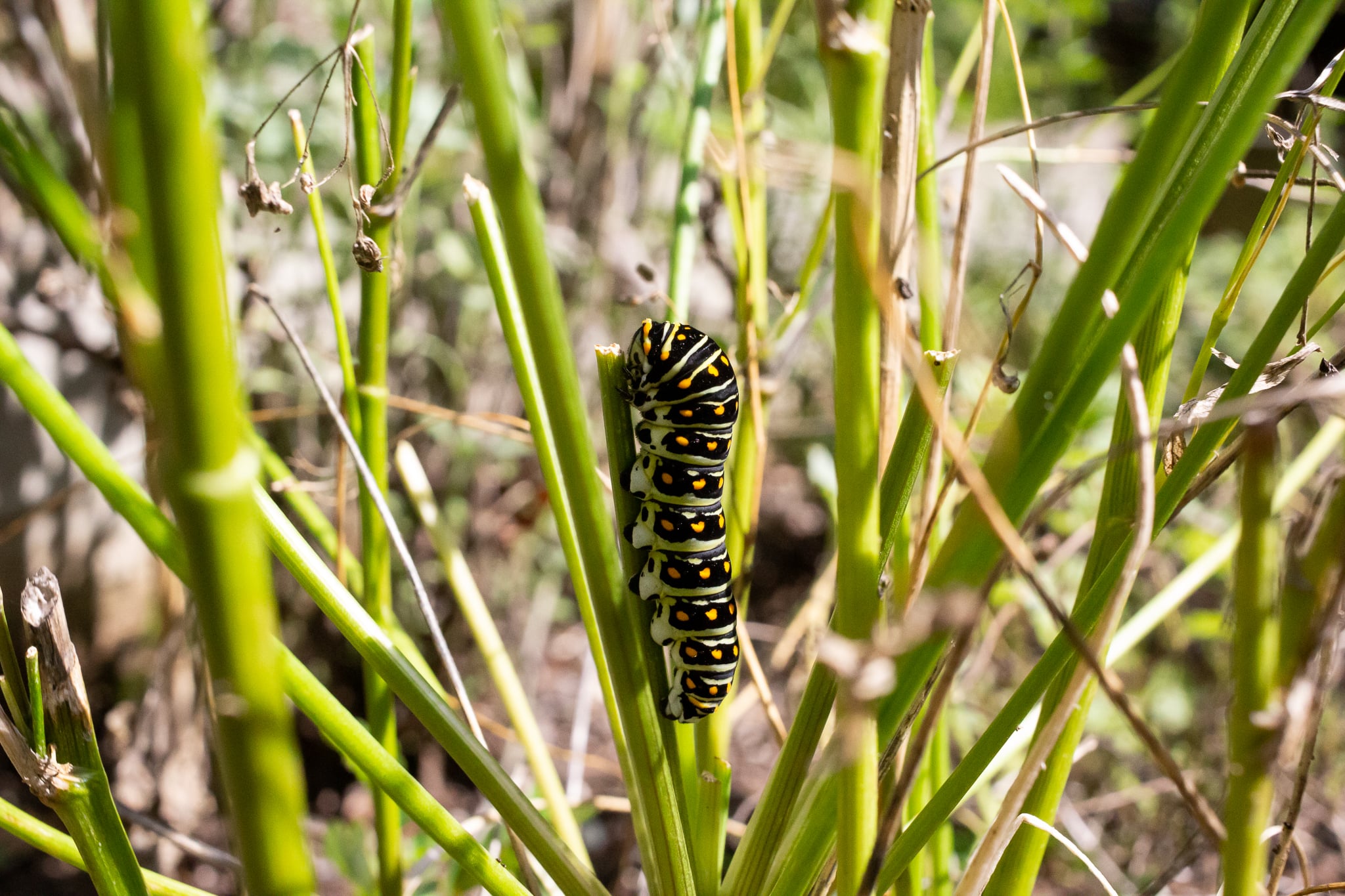
In the lush embrace of gardens and fields, the Black Swallowtail Caterpillar, or Papilio polytes, makes its home, captivating all who encounter it. With its vibrant green body adorned with striking yellow and black markings, this caterpillar is a true marvel of nature. Its most distinctive feature is a pair of scent organs called osmeteria, which it can extend when threatened, releasing a pungent liquid to deter predators. This clever defense mechanism not only showcases the caterpillar’s ingenuity but also highlights the intricate ways animals adapt to survive in their environments.
As the Black Swallowtail Caterpillar munches on the leaves of plants in the Apiaceae family, it plays a vital role in the ecosystem, transforming sunlight and nutrients into energy. This herbivorous lifestyle not only supports its growth but also contributes to the health of the plants it feeds on. Scientists and nature enthusiasts alike are drawn to this caterpillar, not just for its beauty but for its fascinating life cycle and the important role it plays in the web of life. Join us as we explore the world of the Black Swallowtail Caterpillar, uncovering the secrets of its behavior, diet, and the remarkable journey it undertakes to become a stunning butterfly.
The Black Swallowtail Caterpillar, known scientifically as Papilio polytes, occupies a fascinating niche in the tree of life. It belongs to the Kingdom Animalia, which includes all animals, and is part of the Phylum Arthropoda, home to creatures with exoskeletons and jointed legs. This caterpillar is a member of the Class Insecta, which encompasses all insects, and it falls under the Order Lepidoptera, the group that includes butterflies and moths. What makes the Black Swallowtail particularly interesting is its ability to mimic other species for protection, showcasing the incredible adaptability of life forms in nature.
| Taxonomic Rank | Scientific Name | Meaning & Significance |
|---|---|---|
| Kingdom | Animalia | The name means “animals” in Latin, highlighting the diverse group of living organisms that share certain characteristics, such as being multicellular and capable of movement. |
| Phylum | Arthropoda | This term comes from Greek, meaning “jointed feet,” which refers to the jointed limbs that are a defining feature of this group, including insects, arachnids, and crustaceans. |
| Class | Insecta | Derived from the Latin word “insectum,” meaning “cut into,” this name reflects the segmented bodies of insects, which are divided into three main parts: head, thorax, and abdomen. |
| Order | Lepidoptera | This name comes from the Greek words “lepido,” meaning “scale,” and “ptera,” meaning “wings.” It refers to the tiny scales that cover the wings of butterflies and moths, giving them their vibrant colors. |
| Family | Papilionidae | The name is derived from the Latin word “papilio,” meaning “butterfly.” This family includes some of the largest and most colorful butterflies, known for their striking patterns. |
| Genus | Papilio | This genus name also comes from the Latin “papilio,” emphasizing the butterfly’s identity and its close relation to other butterflies within this group. |
The classification of the Black Swallowtail Caterpillar reveals much about its evolutionary journey. As a member of the Papilionidae family, it shares a lineage with other butterflies that have developed remarkable adaptations for survival. The ability to mimic other species not only showcases its evolutionary ingenuity but also highlights the intricate relationships between organisms in their ecosystems. Understanding its place in the tree of life helps us appreciate the complex web of interactions that sustain biodiversity on our planet.
The evolutionary journey of the Black Swallowtail Caterpillar, or Papilio polytes, stretches back millions of years, intertwining with the history of butterflies and moths. This captivating insect belongs to the family Papilionidae, which has been around since the late Cretaceous period, roughly 100 million years ago. As flowering plants began to diversify, so too did the insects that relied on them, leading to a rich tapestry of life that includes the Black Swallowtail.
The ancestors of modern butterflies were likely small, drab insects that emerged during the age of dinosaurs. Over time, these early lepidopterans (the group that includes butterflies and moths) evolved vibrant colors and intricate patterns, which helped them attract mates and evade predators. The Black Swallowtail’s lineage showcases significant transitions, such as the development of specialized mouthparts for sipping nectar and the ability to undergo complete metamorphosis. This process involves transforming from a caterpillar to a pupa, and finally into a beautiful adult butterfly, allowing for distinct life stages that can exploit different resources.
These evolutionary adaptations have played a crucial role in the survival of the Black Swallowtail Caterpillar. By developing effective camouflage and warning coloration, it can evade predators while feeding on specific host plants that provide nourishment. The ability to undergo metamorphosis allows it to transition into a form that can escape threats and reproduce, ensuring the continuation of its lineage. Each of these traits has been finely tuned over generations, enabling the Black Swallowtail to thrive in a world filled with challenges.
The Black Swallowtail Caterpillar is a striking sight, showcasing a blend of colors and textures that make it both beautiful and intriguing. Its body is elongated and segmented, resembling a small, plump tube. This caterpillar can grow to about 2 to 3 inches long, making it a noticeable presence among the leaves it inhabits. The skin is covered in a tough exoskeleton, which provides protection and support, while its vibrant hues of green, yellow, and black create a stunning visual display that can easily catch the eye of curious observers.
| Feature | Description |
|---|---|
| Weight | Less than 1 ounce |
| Skin Type | Exoskeleton |
| Color | Bright green with yellow and black markings |
| Distinctive Feature | Pair of scent organs called osmeterium that release a foul-smelling liquid when threatened |
These features work together to create a caterpillar that is not only visually appealing but also well-equipped for survival. The bright green color helps it blend in with the leaves, making it less visible to predators. When threatened, the osmeterium springs into action, releasing a strong-smelling liquid that can deter potential attackers. This combination of camouflage and defense mechanisms allows the Black Swallowtail Caterpillar to thrive in its environment, showcasing the wonders of nature’s design.
The Black Swallowtail Caterpillar thrives in a vibrant tapestry of habitats, often found in gardens, fields, and along roadsides. These lively environments are rich with lush greenery, where the caterpillar can munch on its favorite plants. Imagine a sunny day, with the air filled with the sweet scent of blooming flowers and the gentle rustle of leaves. This is where the Black Swallowtail Caterpillar feels right at home, surrounded by the plants it loves most.
The climate in these regions plays a crucial role in the caterpillar’s life. It prefers warm, temperate conditions, where the sun shines brightly and the temperatures are mild. These environments provide the perfect backdrop for the caterpillar to grow and develop. The presence of its host plants, like fennel, parsley, and dill, is essential, as they not only offer food but also shelter from predators.
Adaptation is key for the Black Swallowtail Caterpillar, allowing it to thrive in its chosen habitats. Its ability to blend in with the foliage helps it avoid hungry eyes, while its diet of aromatic plants provides both nourishment and a defense mechanism. When threatened, the caterpillar can even mimic the appearance of bird droppings, a clever trick that keeps it safe from predators. This combination of camouflage and dietary choices ensures that the Black Swallowtail Caterpillar can flourish in the diverse landscapes it calls home.
The daily life of a Black Swallowtail Caterpillar is a blend of quiet munching and careful hiding. As a nocturnal creature, it spends the day resting among the leaves, camouflaged against predators. When night falls, it awakens to feast on the tender foliage of its favorite plants, such as parsley and dill. This caterpillar is a voracious eater, consuming large amounts of leaves to fuel its growth. Each day is a cycle of eating, resting, and growing, all while staying alert to the dangers that lurk nearby.
While the Black Swallowtail Caterpillar is primarily solitary, it does share its habitat with others of its kind. However, they do not form social groups or colonies. Instead, each caterpillar goes about its business independently, focusing on its own survival. When they encounter one another, they tend to ignore each other, as their main concern is finding enough food and avoiding predators. This solitary lifestyle allows them to minimize competition for resources, ensuring that each caterpillar can thrive in its own space.
| Behavior Type | Description |
|---|---|
| Feeding | The caterpillar feeds primarily at night, munching on leaves to gain energy for growth. |
| Resting | During the day, it remains still and hidden among the foliage to avoid detection by predators. |
| Solitary Living | Black Swallowtail Caterpillars do not form groups; they live alone to reduce competition for food. |
| Camouflage | They rely on their ability to blend in with their surroundings to protect themselves from threats. |
These behaviors are crucial for the caterpillar’s survival. By feeding at night, it avoids many daytime predators, while its solitary nature helps it secure enough food without competing with others. Camouflage further enhances its chances of staying safe, allowing it to grow and eventually transform into a beautiful butterfly. Each aspect of its daily life is finely tuned to ensure it can thrive in the wild, preparing for the next stage of its incredible journey.
The Black Swallowtail Caterpillar is a dedicated herbivore, meaning it primarily feeds on plant material. Its diet consists mainly of leaves from plants in the Apiaceae family, which includes favorites like fennel, parsley, and dill. These caterpillars are skilled foragers, using their strong mandibles to munch through the tender leaves. As they grow, they consume large quantities of foliage, which provides the nutrients they need to transform into beautiful butterflies.
| Dietary Aspect | Details |
|---|---|
| Diet Type | Herbivore |
| Favorite Foods | Leaves from plants in the Apiaceae family, such as fennel, parsley, and dill |
| Prey Items | Primarily plant leaves |
| Hunting/Foraging Strategies | Uses strong mandibles to chew through leaves, often camouflaged to avoid predators |
This diet plays a crucial role in the ecology of the Black Swallowtail Caterpillar. By feeding on specific plants, it helps control the growth of these species, contributing to the balance of its habitat. Additionally, the nutrients gained from its leafy meals are essential for its development, allowing it to grow and eventually metamorphose into a stunning butterfly. The caterpillar’s feeding habits not only shape its own life cycle but also influence the surrounding ecosystem, making it an important player in the natural world.
The mating behavior of the Black Swallowtail Caterpillar, or Papilio polytes, is a crucial part of its life cycle. During the breeding season, which typically occurs in warm months, adult butterflies engage in a captivating courtship dance. Males flutter around females, showcasing their vibrant colors and performing aerial displays to attract a mate. Once a female selects a male, they mate, and she begins the important task of laying eggs on suitable host plants, ensuring the next generation has the right food source upon hatching.
| Reproductive Aspect | Details |
|---|---|
| Gestation Period | About 4 to 10 days |
| Litter Size | 20 to 30 eggs |
| Age of Maturity | 1 week |
| Name of Young | Caterpillars |
Once the eggs hatch, the young caterpillars emerge and begin their journey of growth. These tiny caterpillars are voracious eaters, munching on the leaves of their host plants to fuel their development. As they grow, they undergo a process called molting, where they shed their skin several times to accommodate their increasing size. While the Black Swallowtail Caterpillar does not receive direct parental care after the eggs are laid, the choice of host plant is vital for the survival of the young. By selecting nutritious plants, the mother ensures that her offspring have the best chance of thriving and eventually transforming into the stunning butterflies they are destined to become.
The Black Swallowtail Caterpillar plays a vital role in the food web, serving as both a herbivore and a food source for various predators. As it munches on leaves, it transforms energy from plants into a form that can be consumed by other animals. This delicate balance is essential for maintaining the ecosystem, but it also places the caterpillar in a precarious position, where it must constantly evade threats to survive.
To defend itself against these dangers, the Black Swallowtail Caterpillar employs several clever strategies. One of its most effective tactics is camouflage, blending in with the leaves and twigs of its surroundings to avoid detection. Additionally, when threatened, it can mimic the appearance of a snake, raising its front end and displaying eye spots that can startle potential predators. These survival techniques, combined with its ability to thrive in diverse habitats, help ensure that this caterpillar continues its journey toward becoming a beautiful butterfly.
A keystone species is an organism that has a disproportionately large impact on its environment relative to its abundance. This means that if it were removed, the ecosystem would change dramatically. The Black Swallowtail Caterpillar, or Papilio polytes, while not a classic keystone species, plays an important role in its ecosystem, particularly in the habitats where it thrives, such as gardens and fields filled with plants from the Apiaceae family.
The Black Swallowtail Caterpillar primarily feeds on the leaves of plants like fennel, parsley, and dill. By consuming these plants, it helps control their growth, preventing any one species from dominating the landscape. This feeding behavior supports a diverse plant community, which in turn provides habitat and food for other organisms. For example, the caterpillar’s presence can encourage a variety of pollinators, like bees and butterflies, to visit the area, enhancing the overall health of the ecosystem.
Additionally, the Black Swallowtail Caterpillar serves as a food source for various predators, including birds and other insects. This makes it an integral part of the food web, linking plant life to higher trophic levels. Its role as prey helps maintain the balance of species in its environment, ensuring that predator populations remain stable. Furthermore, the caterpillar’s transformation into a butterfly contributes to the pollination of plants, further supporting biodiversity.
If the Black Swallowtail Caterpillar were to disappear, the effects could ripple through its ecosystem. Without this caterpillar, the plants it feeds on might grow unchecked, potentially outcompeting other species and reducing biodiversity. Predators that rely on the caterpillar for food would face challenges, possibly leading to declines in their populations. The absence of this caterpillar could also mean fewer butterflies, which play a vital role in pollination. Overall, the loss of the Black Swallowtail Caterpillar would disrupt the delicate balance of its ecosystem, highlighting the interconnectedness of all living things.
The Black Swallowtail Caterpillar, known scientifically as Papilio polytes, plays a vital role in its ecosystem, particularly in gardens and fields where it thrives. As a herbivore, it primarily feeds on plants from the Apiaceae family, which includes favorites like fennel, parsley, and dill. By munching on these plants, the caterpillar not only sustains itself but also influences the growth and health of these plants, shaping the environment around it. This interaction highlights its ecological niche, where it contributes to the balance of plant life and serves as a food source for various predators.
| Ecosystem Service | Impact |
|---|---|
| Herbivory | Controls plant growth and diversity |
| Food Source | Supports predators like birds and other insects |
| Pollination | Encourages flowering plants through its life cycle |
| Soil Health | Contributes to nutrient cycling through waste |
The influence of the Black Swallowtail Caterpillar extends beyond its immediate diet. As it feeds on plants, it helps regulate their growth, preventing any one species from dominating the landscape. This balance is crucial for maintaining biodiversity, which is the variety of life in a particular habitat. Additionally, the caterpillar serves as a food source for birds and other predators, creating a link in the food web that supports a range of wildlife. Its presence can even encourage the flowering of plants, as the caterpillar’s life cycle interacts with the ecosystem in ways that promote pollination.
The broader ecological importance of the Black Swallowtail Caterpillar cannot be overstated. As a keystone species, its role in the ecosystem is significant; if it were to disappear, the effects would ripple through the food web, impacting not just the plants it feeds on but also the animals that rely on it for sustenance. By shaping plant communities and supporting various wildlife, the Black Swallowtail Caterpillar helps maintain the health and resilience of its environment, reminding us of the intricate connections that sustain life on our planet.
In the intricate web of life, symbiosis refers to the close interactions between different species, which can take many forms. These relationships can be mutualistic, where both species benefit, parasitic, where one benefits at the other’s expense, or commensal, where one benefits while the other is neither helped nor harmed. The Black Swallowtail Caterpillar, known scientifically as Papilio polytes, engages in various ecological relationships that highlight the complexity of nature and the interconnectedness of life.
| Species/Type | Relationship Type | Description |
|---|---|---|
| Plants in the Apiaceae family (e.g., fennel, parsley, dill) | Mutualistic | The caterpillar feeds on these plants, which helps it grow and develop. In return, the caterpillar may help the plants by promoting pollination when it transforms into a butterfly. |
| Predatory wasps | Parasitic | Some wasps lay their eggs on or inside the caterpillar. The wasp larvae then consume the caterpillar, which ultimately harms it. |
| Ants | Commensal | Ants may protect the caterpillar from predators in exchange for sugary secretions it produces. The caterpillar benefits from the protection, while the ants gain a food source. |
These relationships have evolved over time, shaped by the needs and survival strategies of each species involved. The mutualistic bond between the Black Swallowtail Caterpillar and its host plants allows the caterpillar to thrive, while the plants benefit from the potential pollination by adult butterflies. Meanwhile, the parasitic relationship with wasps illustrates the harsh realities of nature, where survival often comes at a cost. The commensal relationship with ants showcases how different species can coexist, with one gaining protection without harming the other. Together, these interactions highlight the delicate balance of ecosystems and the importance of each species in maintaining that balance.
The Black Swallowtail Caterpillar is not just a pretty face in the garden; it has some surprising traits that make it truly special. Let’s dive into some intriguing facts about this colorful caterpillar that will captivate nature lovers of all ages.
The Black Swallowtail Caterpillar, known scientifically as Papilio polytes, has a rich history intertwined with human culture. For centuries, these vibrant caterpillars have captivated the imaginations of people around the world. In various cultures, they symbolize transformation and beauty, reflecting the caterpillar’s metamorphosis into a stunning butterfly. Ancient civilizations often viewed butterflies as messengers of the gods, and the Black Swallowtail, with its striking colors, was no exception. Its presence in gardens and fields has inspired artists and poets alike, making it a beloved figure in folklore and art.
Today, our interactions with the Black Swallowtail Caterpillar are multifaceted, ranging from conservation efforts to gardening practices. As awareness of environmental issues grows, many people are taking steps to protect these caterpillars and their habitats. Home gardeners often plant host plants, like parsley and dill, to attract them, creating a welcoming environment for these beautiful insects. However, challenges remain, as urbanization and pesticide use can threaten their populations. Some enthusiasts even engage in raising caterpillars at home, fostering a deeper connection with nature and promoting awareness about the importance of butterflies in our ecosystems.
As we look to the future, the relationship between humans and the Black Swallowtail Caterpillar holds great promise. With increasing interest in sustainable gardening and biodiversity, more people are likely to embrace practices that support these caterpillars and their habitats. Education and awareness will play crucial roles in fostering a deeper appreciation for these remarkable insects. By nurturing our connection with the natural world, we can ensure that the Black Swallowtail Caterpillar continues to thrive, enchanting future generations with its beauty and resilience.
The Black Swallowtail Caterpillar, or Papilio polytes, currently holds a conservation status of “Least Concern.” This means that, overall, it is not considered at risk of extinction. While specific population estimates are difficult to determine, the species appears to be stable across its range. This is encouraging news for butterfly enthusiasts and nature lovers alike, as it suggests that these colorful caterpillars continue to thrive in their natural habitats.
| Conservation Factor | Status/Details |
|---|---|
| IUCN Status | Least Concern |
| Population Estimates | Undetermined |
| Trend Direction | Stable |
Despite its current stable status, the Black Swallowtail Caterpillar faces several threats that could impact its future. Habitat loss is a significant concern, as urban development and agricultural expansion can reduce the availability of the plants it relies on for food. Additionally, pesticide use can harm not only the caterpillars but also their adult butterfly counterparts, disrupting the delicate balance of their ecosystems. Climate change also poses a risk, as shifting weather patterns can affect the availability of suitable habitats and food sources.
Conservation efforts are underway to ensure the continued survival of the Black Swallowtail Caterpillar. Many organizations are working to protect natural habitats and promote the planting of native plants that caterpillars and butterflies depend on. Educational programs are also helping to raise awareness about the importance of these insects in our ecosystems. With ongoing efforts and a supportive public, the outlook for the Black Swallowtail Caterpillar remains hopeful, allowing future generations to enjoy the beauty and wonder of this vibrant species.
| Question | Answer |
|---|---|
| What is the habitat of the Black Swallowtail Caterpillar? | Black Swallowtail Caterpillars are commonly found in gardens and fields where their host plants grow. They prefer plants in the Apiaceae family, which includes fennel, parsley, and dill. |
| What do Black Swallowtail Caterpillars eat? | These caterpillars are herbivores, meaning they only eat plants. Their diet mainly consists of the leaves of their host plants, which provide the nutrients they need to grow and develop. |
| How do Black Swallowtail Caterpillars behave when threatened? | When threatened, Black Swallowtail Caterpillars display a fascinating behavior. They have a pair of scent organs called osmeterium that can release a foul-smelling liquid to deter predators. |
| How do Black Swallowtail Caterpillars reproduce? | Black Swallowtail Caterpillars undergo a complete metamorphosis, which includes four stages: egg, larva (caterpillar), pupa (chrysalis), and adult butterfly. After mating, female butterflies lay eggs on suitable host plants, where the caterpillars will hatch and begin their life cycle. |
| What are the main threats to Black Swallowtail Caterpillars? | While Black Swallowtail Caterpillars are currently classified as Least Concern, they face threats from predators like birds and wasps. Additionally, habitat loss and pesticide use can impact their populations. |
| What is an interesting characteristic of Black Swallowtail Caterpillars? | One of the most distinctive features of Black Swallowtail Caterpillars is their osmeterium. This unique organ not only helps them defend against predators but also makes them look more intimidating with its bright colors when it is extended. |
| How long do Black Swallowtail Caterpillars stay in the caterpillar stage? | Black Swallowtail Caterpillars typically remain in the caterpillar stage for about 10 to 14 days. During this time, they grow rapidly, shedding their skin several times before pupating. |