Taxonomy & Classification
- Kingdom
- Animalia
- Phylum
- Chordata
- Class
- Mammalia
- Order
- Carnivora
- Family
- Canidae
- Genus
- Canis
- Species
- Canis lupus

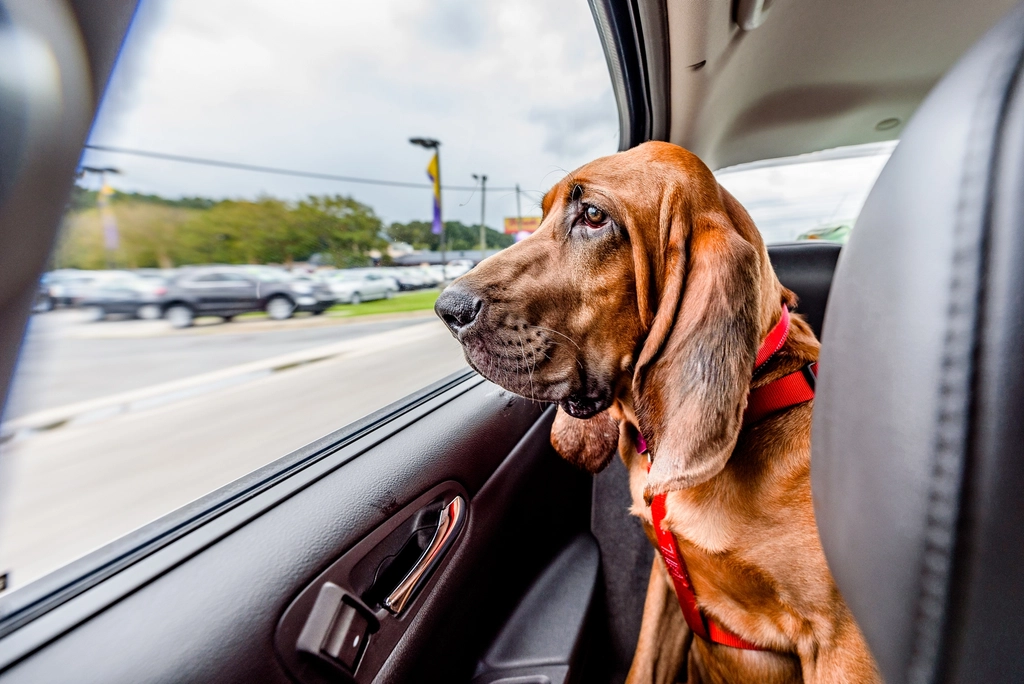 Photo Credit: Rawpixel
In the heart of lush woodlands and sprawling fields, the Bloodhound, scientifically known as Canis lupus familiaris, roams with an air of purpose. This remarkable breed, often recognized by its droopy ears and soulful eyes, is a master tracker, renowned for its extraordinary sense of smell. Imagine a scene where the sun filters through the leaves, casting dappled shadows on the ground, as this noble dog follows a scent trail with unwavering determination. Its keen nose, equipped with an astonishing 300 million scent receptors, allows it to detect even the faintest of odors, making it a favorite among search and rescue teams and law enforcement.
What makes the Bloodhound truly captivating is not just its impressive olfactory abilities but also its rich history and deep bond with humans. Bred by monks in medieval Belgium, these dogs were originally used for tracking game, and their skills have only sharpened over the centuries. As they navigate their environment, their strong, muscular build and gentle demeanor create a striking contrast, showcasing both strength and sensitivity. Whether they are bounding through open fields or quietly sniffing the ground, Bloodhounds embody a spirit of adventure and loyalty that enchants both scientists and nature enthusiasts alike. In this article, we will explore the fascinating world of the Bloodhound, delving into its unique characteristics, behavior, and the vital role it plays in our lives.
The Bloodhound, a remarkable breed known for its incredible sense of smell, occupies a special place in the animal kingdom. Taxonomically, it belongs to the Kingdom Animalia, which includes all animals, and is classified under the Phylum Chordata, meaning it has a backbone. This breed is part of the Class Mammalia, indicating it is a mammal that gives birth to live young and nurses them with milk. Within the Order Carnivora, which includes meat-eating animals, the Bloodhound is further categorized in the Family Canidae, the group that encompasses dogs, wolves, and foxes. Its scientific name, Canis lupus familiaris, highlights its close relationship with wolves and domestic dogs, showcasing its unique role as a scent-tracking companion.
| Taxonomic Rank | Scientific Name | Meaning & Significance |
|---|---|---|
| Kingdom | Animalia | This name signifies that Bloodhounds are part of the vast group of living organisms known as animals. |
| Phylum | Chordata | Chordata means “having a notochord,” which is a flexible rod that supports the body, a feature that all vertebrates share. |
| Class | Mammalia | Mammalia refers to mammals, animals that possess mammary glands to feed their young with milk. |
| Order | Carnivora | Carnivora, meaning “meat-eaters,” includes animals that primarily consume meat, although many have varied diets. |
| Family | Canidae | Canidae is the family of dogs, wolves, and foxes, highlighting the Bloodhound’s close genetic ties to these animals. |
| Genus | Canis | Canis translates to “dog” in Latin, emphasizing the Bloodhound’s domesticated nature and its role as a companion animal. |
| Species | Canis lupus familiaris | This name indicates that the Bloodhound is a subspecies of the gray wolf, showcasing its domesticated lineage. |
The classification of the Bloodhound reveals much about its evolutionary history. As a member of the Canidae family, it shares a common ancestor with wolves, which explains its keen hunting instincts and strong social behaviors. The Bloodhound’s exceptional olfactory abilities, or sense of smell, have been honed over generations, making it an invaluable partner in tracking and search-and-rescue operations. Understanding its taxonomic position not only highlights its biological traits but also connects us to the broader story of how domesticated animals have evolved alongside humans, adapting to our needs while retaining their wild heritage.
The Bloodhound’s evolutionary journey is a captivating tale that stretches back thousands of years. This breed, known for its extraordinary olfactory abilities, is part of the Canidae family, which includes wolves, foxes, and domestic dogs. The story of the Bloodhound begins in ancient times, where its ancestors roamed the earth alongside early humans, forming a bond that would shape both species.
The Bloodhound’s lineage can be traced to the early domesticated dogs that emerged from wolves around 15,000 years ago. These early canines were likely drawn to human settlements, scavenging for food and gradually becoming companions. Over time, selective breeding led to the development of various dog breeds, including those with specialized skills. The Bloodhound, in particular, was bred for its keen sense of smell, which was essential for tracking game and locating lost individuals. This specialization marked a significant evolutionary transition, as the breed’s physical and behavioral traits became finely tuned for scent detection.
The adaptations of the Bloodhound have played a vital role in its survival and success as a breed. Their incredible sense of smell not only aids in hunting but also makes them invaluable in search and rescue missions, helping to locate missing persons. The physical traits, such as their loose skin and droopy ears, enhance their tracking abilities, while their friendly disposition allows them to work closely with humans. Together, these characteristics have ensured that the Bloodhound remains a cherished and effective partner in various roles throughout history.
The Bloodhound is a striking dog that captures attention with its impressive physique and soulful expression. With a strong, muscular build, this breed stands tall and proud, exuding both grace and power. Its long, droopy ears frame a face that seems to carry the weight of its keen sense of smell, while its deep-set eyes convey a gentle yet determined spirit. The Bloodhound’s body is well-proportioned, with a broad chest and sturdy legs that allow it to cover ground quickly, making it an exceptional tracker.
| Feature | Description |
|---|---|
| Size | Large, typically weighing between 80 to 110 pounds |
| Color | Commonly seen in black and tan, liver and tan, or red |
| Skin Type | Hair, with a short, dense coat that is weather-resistant |
| Head | Long and narrow with a pronounced stop, giving it a distinguished look |
| Ears | Long, droopy ears that help capture scent particles |
| Eyes | Deep-set and expressive, often with a gentle, pleading gaze |
These physical features work together to create a dog that is not only beautiful but also highly functional. The Bloodhound’s large size and strong build enable it to traverse various terrains with ease, while its long ears and deep-set eyes enhance its ability to track scents. The short, dense coat protects it from the elements, allowing it to work in diverse weather conditions. Each characteristic is finely tuned for survival, making the Bloodhound a master of scent detection and a loyal companion.
The Bloodhound thrives in a variety of environments, but it is most commonly associated with areas where it can utilize its exceptional sense of smell. These dogs are often found in open fields, wooded areas, and even urban settings, where they can track scents over long distances. Their keen noses make them invaluable in search and rescue operations, as well as in tracking down lost individuals or criminals. Picture a lush forest or a sprawling countryside, where the Bloodhound can roam freely, nose to the ground, following trails that only it can detect.
Bloodhounds prefer climates that allow them to be active and engaged. They thrive in temperate regions, where the weather is neither too hot nor too cold. While they can adapt to various conditions, they do best in environments that offer a mix of sun and shade, allowing them to cool down after a vigorous tracking session. Rainy days can be a bonus for these dogs, as wet ground helps to carry scents more effectively, making their tracking even more precise.
Adaptation is key for the Bloodhound, and this breed has developed several traits that help it excel in its habitats. Their long, droopy ears and loose skin are not just for show; these features help to trap scent particles, enhancing their already powerful sense of smell. Additionally, their strong legs and endurance allow them to cover large distances while tracking. Whether in a dense forest or an open field, the Bloodhound’s physical attributes and keen instincts make it a master of scent detection, perfectly suited to its diverse environments.
The daily life of a Bloodhound is a blend of activity, exploration, and keen observation. These dogs are known for their strong work ethic and love for adventure. Each day typically begins with a morning walk, where they eagerly sniff the ground, taking in a world of scents that tell stories of other animals and people. After their morning exercise, Bloodhounds often engage in playful activities, whether chasing a ball or romping around with their human companions. As the day unfolds, they may settle into a routine of napping, interspersed with bursts of energy as they explore their surroundings, always on the lookout for new smells and experiences.
Socially, Bloodhounds are friendly and enjoy the company of both humans and other dogs. They thrive in a pack environment, where they can interact and play with their canine friends. This breed is known for its gentle demeanor, making them excellent companions for families. Bloodhounds communicate through a variety of vocalizations, including barks and howls, which can express excitement or alertness. Their social structure is often based on a hierarchy, where they learn to respect the leadership of their human family members while also forming bonds with other dogs in their pack.
| Behavior Type | Description |
|---|---|
| Activity Patterns | Bloodhounds are active and require regular exercise, often engaging in long walks and play sessions to keep their energy levels balanced. |
| Social Structure | These dogs thrive in social settings, forming strong bonds with humans and other dogs, and often display a pack mentality. |
| Communication Methods | Bloodhounds use a range of vocalizations, including barks and howls, to express their feelings and alert their owners to changes in their environment. |
The behaviors of Bloodhounds are not just for fun; they play a crucial role in their survival. Their strong sense of smell allows them to track scents over great distances, making them invaluable in search and rescue operations. Their social nature helps them work effectively in teams, whether with humans or other dogs, enhancing their ability to solve problems and navigate challenges. By understanding their environment and communicating effectively, Bloodhounds ensure they remain connected to their pack, which is essential for their well-being and success in the wild.
The Bloodhound is an omnivore, which means it enjoys a varied diet that includes both plant and animal matter. This breed is particularly known for its keen sense of smell, which plays a crucial role in how it finds food. While Bloodhounds are often associated with tracking scents, they also have a taste for a range of foods, from meats to vegetables. Their feeding behavior is influenced by their environment and the availability of food sources, making them adaptable eaters.
| Dietary Aspect | Details |
|---|---|
| Diet Type | Omnivore |
| Favorite Foods | Meat, vegetables, and commercial dog food |
| Prey Items | Small mammals, birds, and sometimes scavenged food |
| Hunting/Foraging Strategies | Utilizes strong sense of smell to track scents and locate food |
The Bloodhound’s diet not only supports its physical health but also shapes its daily activities and social interactions. By foraging and hunting, these dogs engage in behaviors that keep them mentally stimulated and physically active. Their ability to track scents allows them to explore their surroundings in search of food, which is essential for their well-being. This connection between diet and behavior highlights the importance of a balanced diet in maintaining the Bloodhound’s energetic and inquisitive nature.
The Bloodhound’s mating behavior is as intriguing as its famous nose. Breeding season typically occurs once a year, often in the spring. During this time, males will display their interest through vocalizations and by marking their territory. Females, on the other hand, will go into heat, signaling their readiness to mate. This courtship ritual is not just about finding a partner; it’s a vital part of ensuring the survival of the breed.
| Reproductive Aspect | Details |
|---|---|
| Gestation Period | Approximately 63 days |
| Litter Size | Average of 7 puppies |
| Age of Maturity | About 6 to 12 months |
| Name of Young | Puppies |
Once the puppies are born, the nurturing process begins. Bloodhound mothers are attentive and protective, ensuring their young are safe and well-fed. The puppies rely on their mother’s milk for nourishment during the first few weeks of life. As they grow, they start to explore their surroundings, developing their senses and social skills. By the time they reach maturity, usually around six to twelve months, they are ready to embrace the world, carrying forward the legacy of their remarkable breed.
The Bloodhound, with its incredible sense of smell, plays a vital role in the food web, primarily as a companion and working dog rather than a prey species. While it is not a natural predator, it can still face dangers from larger animals and environmental threats. Understanding these risks helps us appreciate the challenges this breed encounters in its daily life.
To defend itself against these threats, the Bloodhound relies on its keen instincts and strong social bonds with humans. When faced with danger, it often seeks the safety of its owner or a familiar environment. Additionally, its impressive tracking skills allow it to navigate away from potential hazards, using its powerful nose to detect scents that lead to safety. By staying alert and aware of its surroundings, the Bloodhound can effectively avoid many of the dangers it encounters in the wild and urban settings alike.
A keystone species is an organism that has a disproportionately large impact on its environment relative to its abundance. These species help maintain the structure of an ecosystem, influencing the types and numbers of other species present. While the Bloodhound is not a wild animal in the traditional sense, its role as a tracking dog does have significant implications for human interactions with wildlife and the management of ecosystems.
Bloodhounds are renowned for their extraordinary sense of smell, which can be up to 100,000 times more sensitive than that of humans. This remarkable ability allows them to track scents over long distances and even days after a person has passed through an area. In doing so, Bloodhounds assist in search and rescue operations, helping locate missing persons and lost animals. Their tracking skills can also be utilized in wildlife management, where they help monitor animal populations and movements, providing valuable data for conservation efforts.
Moreover, Bloodhounds can play a role in controlling invasive species. By tracking and locating these non-native animals, they can help wildlife officials take action to protect native ecosystems. Their presence in various environments can also foster a greater appreciation for wildlife, encouraging people to engage in conservation activities.
If Bloodhounds were to disappear from our world, the effects could ripple through various ecosystems and human communities. Search and rescue operations would become more challenging, potentially leading to longer response times and lower success rates in finding missing individuals. Wildlife management efforts might suffer without their tracking expertise, making it harder to monitor and protect vulnerable species. Additionally, the absence of Bloodhounds could diminish public engagement in conservation, as fewer people would be inspired to appreciate the natural world through the lens of these incredible dogs. In essence, while they may not be a traditional keystone species, Bloodhounds contribute significantly to the balance and health of both human and animal communities.
The Bloodhound plays a significant role in its ecosystem, primarily through its exceptional tracking abilities. This breed is not just a companion; it serves as a vital tool for humans in various fields, including search and rescue operations, law enforcement, and wildlife management. By utilizing its extraordinary sense of smell, the Bloodhound helps locate missing persons, track down criminals, and even assist in conservation efforts. Its ecological niche is defined by its ability to connect humans with the natural world, making it an invaluable partner in maintaining safety and understanding wildlife dynamics.
| Ecosystem Service | Impact |
|---|---|
| Tracking and locating | Helps find missing persons and track wildlife, aiding in conservation efforts. |
| Wildlife management | Assists in monitoring animal populations and their movements. |
| Search and rescue | Plays a crucial role in locating lost individuals in various terrains. |
| Community safety | Enhances public safety by aiding law enforcement in tracking criminals. |
The Bloodhound’s influence extends beyond its immediate tasks. For instance, when a Bloodhound is used in search and rescue missions, it not only helps reunite families but also provides valuable data about human interactions with the environment. In wildlife management, these dogs can track endangered species, helping conservationists understand their habits and habitats. This information is crucial for developing strategies to protect these animals and their ecosystems. Moreover, by assisting law enforcement, Bloodhounds contribute to community safety, which indirectly supports the stability of local ecosystems by fostering a sense of security among residents.
The broader ecological importance of the Bloodhound cannot be overstated. As a keystone species in its own right, this breed helps maintain the balance between humans and nature. By facilitating the tracking of both people and wildlife, Bloodhounds promote awareness and appreciation of biodiversity. Their work encourages responsible stewardship of the environment, reminding us that every creature, no matter how domesticated, has a role to play in the intricate web of life. In this way, the Bloodhound not only shapes its immediate surroundings but also inspires a deeper connection to the natural world for all of us.
In the intricate web of life, symbiosis refers to the close relationships between different species that can benefit one or both parties involved. These ecological partnerships can take many forms, including mutualism, where both species gain advantages; commensalism, where one benefits while the other is neither helped nor harmed; and parasitism, where one species benefits at the expense of the other. Understanding these relationships helps us appreciate the balance of ecosystems and the roles various species play within them.
| Species/Type | Relationship Type | Description |
|---|---|---|
| Humans | Mutualistic | Bloodhounds assist humans in tracking scents, while humans provide care and companionship. |
| Other dogs | Commensal | Bloodhounds may share living spaces with other dog breeds, benefiting from social interactions without impacting them. |
| Parasites (e.g., fleas) | Parasitic | Fleas can live on Bloodhounds, feeding on their blood, which harms the dog while benefiting the flea. |
These relationships have evolved over time, shaped by the needs and behaviors of the species involved. Bloodhounds, with their exceptional tracking abilities, have formed a strong bond with humans, who rely on their skills for search and rescue missions. This partnership not only enhances the Bloodhound’s role in society but also ensures their well-being through human care. Meanwhile, the presence of parasites like fleas highlights the challenges that can arise in nature, reminding us that not all relationships are beneficial. Understanding these dynamics helps us appreciate the complexity of life and the interconnectedness of all species.
The Bloodhound is not just a dog; it’s a living legend known for its extraordinary tracking abilities and rich history. This breed has captivated humans for centuries, and its unique traits are sure to amaze nature enthusiasts of all ages.
The Bloodhound has a long and storied history intertwined with humanity, dating back to medieval Europe. Originally bred by monks in Belgium, these dogs were prized for their exceptional sense of smell, which made them invaluable for tracking game and even criminals. Their ability to follow a scent trail over great distances has earned them a place in folklore and literature, often depicted as loyal companions and skilled hunters. This cultural significance is reflected in their name, which comes from “blooded hound,” indicating their noble lineage. Throughout history, Bloodhounds have not only served as hunting partners but have also become symbols of loyalty and perseverance.
In modern times, the relationship between Bloodhounds and humans has evolved, showcasing both cooperation and challenges. These dogs are often employed in search and rescue operations, helping locate missing persons or track down fugitives. Their keen sense of smell, which can detect scents days or even weeks old, makes them essential in law enforcement. However, the increasing urbanization and habitat loss pose challenges for these dogs, as they require space to roam and explore. Domestication has also led to a need for responsible ownership, ensuring that Bloodhounds receive proper training and socialization to thrive in human environments.
As we look to the future, the bond between Bloodhounds and humans is likely to deepen, driven by advancements in training and technology. With ongoing efforts in conservation and responsible breeding, these remarkable dogs can continue to play vital roles in our lives. By fostering a greater understanding of their needs and capabilities, we can ensure that Bloodhounds remain not just companions, but also partners in our adventures and challenges. Together, we can celebrate the unique relationship that has flourished for centuries, paving the way for a harmonious coexistence.
The Bloodhound, a breed celebrated for its incredible tracking abilities, currently holds a conservation status of “Not Listed.” This means that it is not considered endangered or threatened at this time. Population trends for Bloodhounds are stable, as they are popular as both working dogs and family pets. Their unique skills and friendly nature have kept their numbers steady, allowing them to thrive in various environments alongside humans.
| Conservation Factor | Status/Details |
|---|---|
| IUCN Status | Not Listed |
| Population Estimates | Stable, specific numbers not available |
| Trend Direction | Stable |
Despite their stable status, Bloodhounds face some challenges. One of the main threats to their well-being is the potential for overbreeding, which can lead to health issues. Additionally, as with many dog breeds, they can be affected by changes in human lifestyles, such as urbanization, which may limit their access to open spaces for exercise and exploration. Responsible breeding practices and proper care are essential to ensure that Bloodhounds remain healthy and happy.
Conservation efforts for Bloodhounds focus primarily on responsible breeding and education about their care. Organizations dedicated to dog welfare work to promote best practices among breeders and owners. By ensuring that Bloodhounds are bred for health and temperament, these efforts help maintain the breed’s popularity and vitality. With continued attention and care, the outlook for Bloodhounds remains positive, allowing them to continue their legacy as exceptional companions and skilled working dogs.
| Question | Answer |
|---|---|
| What is the habitat of a Bloodhound? | Bloodhounds are not tied to a specific habitat like many wild animals. Instead, they are domesticated dogs that thrive in human environments, often found in homes, parks, and areas where they can exercise and explore. |
| What do Bloodhounds eat? | Bloodhounds are omnivores, which means they eat both plants and animals. Their diet typically consists of high-quality dog food, which can include meat, grains, and vegetables, ensuring they get the nutrients they need to stay healthy and active. |
| What is the behavior of a Bloodhound? | Bloodhounds are known for their friendly and gentle nature. They are social dogs that enjoy being around people and other animals, but they can also be quite independent and stubborn, especially when they catch a scent they want to follow. |
| How do Bloodhounds reproduce? | Like all dogs, Bloodhounds reproduce through mating. The female goes into heat about twice a year, and if she mates successfully, she will give birth to a litter of puppies after about 63 days of pregnancy. |
| What threats do Bloodhounds face? | As a domesticated breed, Bloodhounds face fewer threats in the wild compared to wild animals. However, they can be at risk from neglect, poor breeding practices, and health issues like hip dysplasia and obesity if not cared for properly. |
| What are some interesting characteristics of Bloodhounds? | Bloodhounds are famous for their incredible sense of smell, which is one of the best among all dog breeds. They can track scents that are days or even weeks old, making them invaluable in search and rescue operations. |
| How do Bloodhounds use their sense of smell? | Bloodhounds use their powerful sense of smell to track scents over long distances. Their large, droopy ears and loose skin help capture scent particles, allowing them to follow trails that are often undetectable to humans and other animals. |