Taxonomy & Classification
- Kingdom
- Animalia
- Phylum
- Chordata
- Class
- Actinopterygii
- Order
- Acanthuriformes
- Family
- Acanthuridae
- Genus
- Acanthurus
- Species
- Acanthurus coeruleus

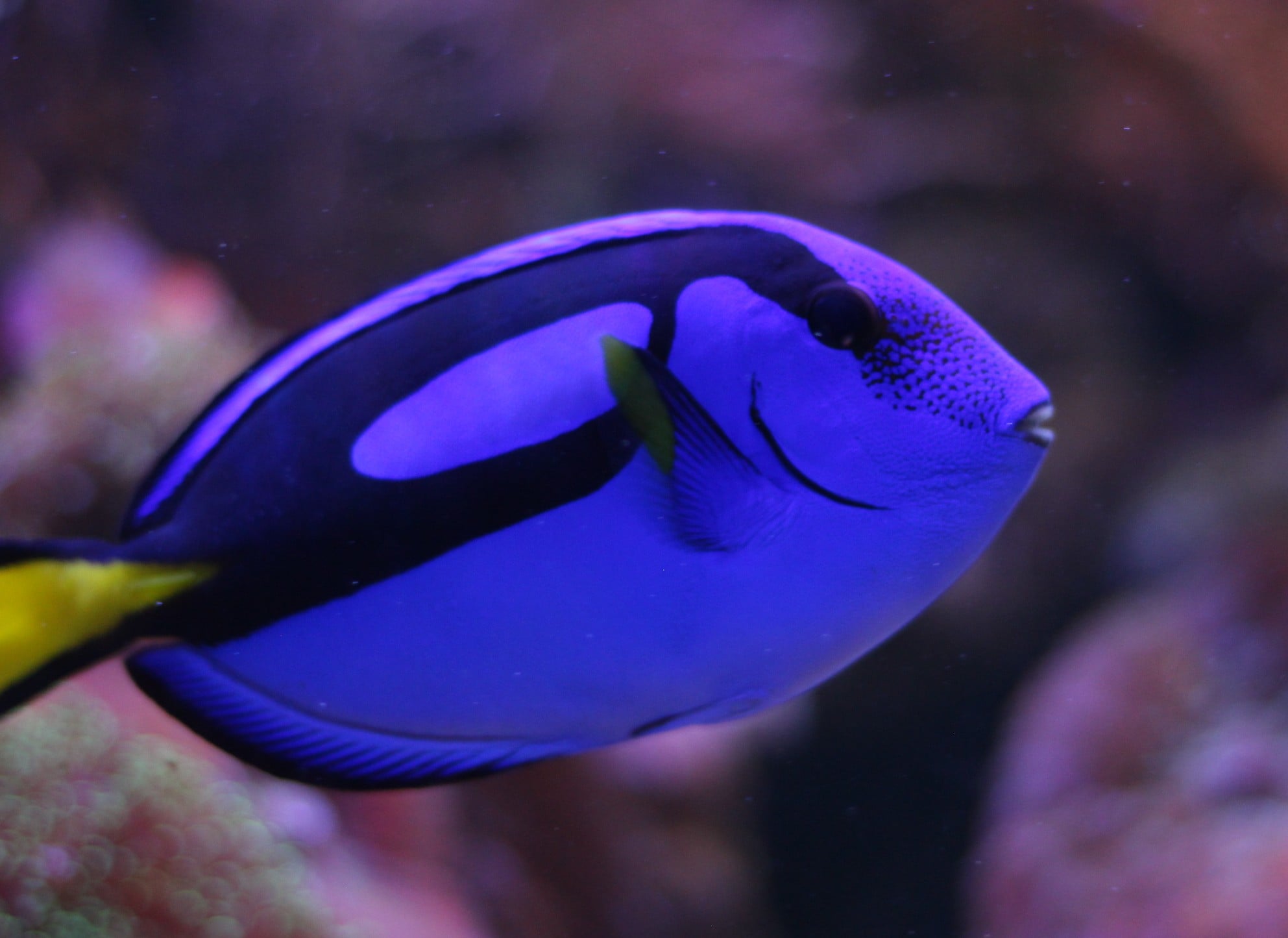 Photo Credit: Przemek Pietrak / Wikimedia
In the shimmering waters of the Caribbean, the Blue Tang, scientifically known as Acanthurus coeruleus, dances among the coral reefs, a living jewel of the ocean. With its brilliant cobalt blue body and striking yellow tail, this fish is not just a feast for the eyes; it plays a vital role in its underwater community. As it glides gracefully through the warm, sunlit waters, the Blue Tang captures the attention of scientists and nature enthusiasts alike, who are drawn to its vibrant colors and fascinating behaviors.
The Blue Tang thrives in the bustling ecosystems of coral reefs, where it forages for algae, its primary food source. This herbivorous diet helps maintain the health of the reef by controlling algae growth, making the Blue Tang an essential player in its environment. Its streamlined shape allows it to navigate swiftly through the intricate maze of coral, while its social nature often sees it swimming in small groups, adding to the lively atmosphere of its home. As we explore the life of the Blue Tang, we will uncover the secrets of its behavior, diet, and the important role it plays in the delicate balance of marine ecosystems.
The Blue Tang, known scientifically as Acanthurus coeruleus, occupies a fascinating position in the tree of life. This vibrant fish belongs to the kingdom Animalia, which includes all animals, and is part of the phylum Chordata, meaning it has a backbone. What sets the Blue Tang apart is its striking blue coloration and the distinctive yellow tail spine, often referred to as a “scalpel.” This feature not only adds to its beauty but also serves as a defense mechanism against predators. The Blue Tang is a member of the family Acanthuridae, which is known for its herbivorous diet and social behavior, making it a key player in the coral reef ecosystem.
| Taxonomic Rank | Scientific Name | Meaning & Significance |
|---|---|---|
| Kingdom | Animalia | This term means “animals” in Latin, encompassing all multicellular organisms that are not plants, fungi, or bacteria. |
| Phylum | Chordata | Derived from the Greek word “chordē,” meaning “string,” this refers to animals with a notochord, a flexible rod that supports the body. |
| Class | Actinopterygii | This class includes “ray-finned fishes,” which have fins supported by bony rays, allowing for agile swimming. |
| Order | Acanthuriformes | From the Greek “akanthos,” meaning “thorn,” this order includes fish with spiny structures, like the Blue Tang’s sharp tail spine. |
| Family | Acanthuridae | This family name also comes from “akanthos,” highlighting the spiny features of these fish, which are often herbivorous. |
| Genus | Acanthurus | Meaning “thorn tail,” this genus name reflects the sharp, scalpel-like structure found on the tails of its members, used for defense. |
| Species | coeruleus | This Latin word means “blue,” aptly describing the fish’s vibrant coloration that makes it so recognizable in its habitat. |
Understanding the Blue Tang’s classification reveals much about its evolutionary journey. As a member of the Acanthuridae family, it shares common traits with other herbivorous fish, which have adapted to thrive in coral reef environments. The unique adaptations, such as its bright coloration and defensive spines, highlight the evolutionary pressures these fish have faced in their habitats. This classification not only helps scientists understand the Blue Tang’s role in the ecosystem but also illustrates the intricate connections among species in the vast tapestry of life.
The evolutionary journey of the Blue Tang, or Acanthurus coeruleus, stretches back millions of years, tracing its lineage through the vibrant waters of the world’s oceans. This fish, with its striking blue body and yellow tail, is a member of the Acanthuridae family, which includes other surgeonfish. The story of the Blue Tang is one of adaptation and survival, shaped by the ever-changing marine environment.
The ancestors of the Blue Tang likely swam the seas during the late Cretaceous period, around 100 million years ago. These early fish were quite different from the Blue Tang we know today. Over time, they evolved various traits that allowed them to thrive in diverse habitats. One major transition was the development of specialized fins and body shapes that improved their swimming efficiency. This adaptation helped them navigate through coral reefs, where they find food and shelter.
These adaptations have been crucial for the Blue Tang’s survival in the competitive and often perilous world of coral reefs. Their bright colors not only attract mates but also help them evade predators, while their sharp spines offer a means of defense. By feeding on algae, they play a vital role in maintaining the health of their ecosystem, preventing overgrowth that can suffocate coral. Together, these traits illustrate how the Blue Tang has successfully navigated the challenges of its environment, ensuring its place in the vibrant tapestry of marine life.
The Blue Tang is a dazzling spectacle of the ocean, instantly recognizable for its vibrant blue body and striking yellow tail. This fish has a streamlined shape, allowing it to glide gracefully through the water. Its body is adorned with smooth, overlapping scales that shimmer in the sunlight, creating a mesmerizing display of color. The Blue Tang’s most distinctive feature is its caudal spines, sharp structures located near the tail that serve both as a defense mechanism and a tool for navigation in its coral reef habitat.
| Feature | Description |
|---|---|
| Size | Typically grows to about 12 inches (30 cm) in length. |
| Color | Brilliant blue body with a bright yellow tail and a black ‘palette’ design on its side. |
| Skin Type | Covered in smooth, overlapping scales that reflect light beautifully. |
| Distinctive Feature | Caudal spines, which are sharp and help deter predators. |
These features work together to create a fish that is not only visually stunning but also well-equipped for survival. The vibrant colors of the Blue Tang help it blend into the colorful coral reefs, providing camouflage from predators. Meanwhile, the caudal spines act as a formidable defense, deterring potential threats. This combination of beauty and practicality allows the Blue Tang to thrive in its underwater world, showcasing the incredible adaptations that nature has crafted over time.
The Blue Tang, with its brilliant blue hue and sunny yellow tail, thrives in the warm, shallow waters of coral reefs. These underwater gardens are bustling with life, providing a colorful backdrop for the Blue Tang as it swims among the corals and rocks. The reefs are not just beautiful; they are also rich in food sources, making them the perfect home for this lively fish. The gentle currents and sunlight filtering through the water create an ideal environment for the Blue Tang to flourish.
Blue Tangs prefer warm waters, typically ranging from 75 to 82 degrees Fahrenheit (24 to 28 degrees Celsius). They thrive in areas with plenty of sunlight, which helps the coral reefs grow and provides the algae they feed on. The reefs also offer shelter from predators, making these vibrant ecosystems essential for the Blue Tang’s survival. The water is usually clear, allowing the sunlight to penetrate and support the growth of the algae that are a key part of their diet.
To adapt to their lively reef habitats, Blue Tangs have developed several interesting traits. Their bright colors not only help them blend in with the vibrant corals but also play a role in communication with other fish. They are equipped with sharp spines on their tails, which they can use for defense against predators. This combination of camouflage and protection allows them to navigate their bustling homes with confidence, ensuring they can find food and avoid danger in the colorful underwater world they call home.
The Blue Tang, or Acanthurus coeruleus, leads a lively and active daily life in the warm, sunlit waters of coral reefs. As a diurnal fish, it is most active during the day, spending its hours foraging for food and exploring its vibrant surroundings. These fish are known for their agile swimming, darting in and out of coral formations, which not only helps them find tasty algae but also provides shelter from potential predators. Their daily routine is a blend of feeding, social interactions, and occasional rest periods, all crucial for their well-being.
Socially, Blue Tangs exhibit a mix of solitary and schooling behaviors. While they can often be seen swimming alone, they also enjoy the company of others, especially when foraging for food. In groups, they communicate through body language and color changes, signaling their mood and intentions. This social dynamic allows them to share information about food sources and potential threats, enhancing their chances of survival in the bustling reef environment.
| Behavior Type | Description |
|---|---|
| Feeding | Blue Tangs primarily graze on algae, using their specialized teeth to scrape it off rocks and coral. |
| Social Structure | They can be solitary or found in small schools, often depending on food availability and safety in numbers. |
| Communication | These fish use body movements and color changes to express emotions and alert others to danger. |
The behaviors of Blue Tangs are finely tuned to ensure their survival in the competitive coral reef ecosystem. By being active during the day, they maximize their foraging opportunities while avoiding nocturnal predators. Their ability to adapt between solitary and social living allows them to thrive in various situations, whether they are seeking food or evading threats. This blend of behaviors not only supports their individual health but also contributes to the overall balance of their vibrant underwater community.
The Blue Tang has a primarily herbivorous diet, meaning it mainly eats plant material. This vibrant fish is known for its love of algae, which it grazes on from rocks and coral surfaces. Using its specialized teeth, which are sharp and comb-like, the Blue Tang scrapes off algae, making it a crucial player in maintaining the health of coral reef ecosystems. By keeping algae growth in check, it helps ensure that corals can thrive, creating a balanced underwater environment.
| Dietary Aspect | Details |
|---|---|
| Diet Type | Herbivorous |
| Favorite Foods | Algae, particularly filamentous algae |
| Prey Items | Primarily algae; occasionally small invertebrates |
| Hunting/Foraging Strategies | Grazes on algae from rocks and coral surfaces using specialized teeth |
The Blue Tang’s diet plays a vital role in its daily routine and the overall health of its coral reef habitat. By feeding on algae, it not only sustains itself but also helps prevent algal overgrowth, which can smother corals and disrupt the delicate balance of the reef ecosystem. This relationship highlights the interconnectedness of marine life, where each species, including the Blue Tang, contributes to the vibrant tapestry of ocean life.
When it comes to reproduction, Blue Tangs have a fascinating approach. These colorful fish typically breed during the warmer months, often coinciding with the full moon. During this time, males and females engage in a lively courtship dance, swimming together in circles and displaying their vibrant colors. This behavior not only strengthens their bond but also signals to other fish that they are ready to mate. Once the moment is right, the female releases her eggs into the water, while the male simultaneously releases sperm to fertilize them. This synchronized spawning is crucial for ensuring that the eggs have the best chance of developing into healthy young.
| Reproductive Aspect | Details |
|---|---|
| Gestation Period | Not applicable; eggs hatch shortly after fertilization |
| Litter Size | Thousands of eggs per spawning |
| Age of Maturity | 1 to 2 years |
| Name of Young | Fry |
After the eggs are fertilized, they float freely in the water, where they will hatch into tiny fry. These young Blue Tangs are incredibly vulnerable at this stage, relying on the currents to carry them to safer areas, like coral reefs, where they can find shelter and food. Interestingly, Blue Tangs do not provide parental care after spawning, which means the fry must fend for themselves right from the start. As they grow, they gradually develop the vibrant colors and characteristics of adult Blue Tangs. With time, they learn to navigate their environment, forage for algae, and avoid predators, ultimately becoming the stunning fish that grace our oceans.
The Blue Tang, or Acanthurus coeruleus, plays a vital role in the coral reef ecosystem, serving as both a grazer of algae and a prey species for various marine animals. Positioned in the food web, it helps maintain the health of coral reefs by controlling algae growth, which can otherwise overwhelm these delicate environments. However, this vibrant fish faces numerous dangers that threaten its survival.
To defend itself against these threats, the Blue Tang employs several clever strategies. Its bright coloration can serve as a warning to potential predators, signaling that it may be toxic or unpalatable. Additionally, Blue Tangs are known to hide among the crevices of coral reefs, using their agility to dart away from danger. They also have sharp spines on their tails, which can deter attackers. By combining these defensive behaviors with their role in the ecosystem, Blue Tangs continue to navigate the challenges of their underwater world.
A keystone species is a vital part of its ecosystem, meaning its presence and activities have a significant impact on the environment and other species. The Blue Tang, scientifically known as Acanthurus coeruleus, qualifies as a keystone species in its coral reef habitat. This vibrant fish plays a crucial role in maintaining the balance of its ecosystem, influencing both the health of the reef and the diversity of marine life that depends on it.
One of the most important ways the Blue Tang impacts its environment is through its diet. As a herbivore, it primarily feeds on algae, which helps control algal growth on coral reefs. By grazing on these algae, Blue Tangs prevent them from overwhelming the corals, which can lead to coral bleaching and death. This grazing behavior not only supports the health of the corals but also creates a more diverse habitat for other marine species. When corals thrive, they provide shelter and food for countless fish and invertebrates, creating a bustling underwater community.
Additionally, Blue Tangs contribute to nutrient cycling within the reef ecosystem. As they consume algae, they also produce waste that enriches the surrounding water with nutrients. This nutrient input supports the growth of other marine plants and organisms, further enhancing the biodiversity of the reef. Moreover, Blue Tangs serve as prey for larger predators, such as groupers and barracudas, making them an integral part of the food web. Their presence helps sustain the populations of these predators, which in turn influences the overall dynamics of the reef ecosystem.
If Blue Tangs were to disappear from their ecosystem, the consequences would be dire. Without these fish to graze on algae, the reefs could become overrun with algae, choking out the corals and leading to their decline. This would not only affect the corals but also the myriad of species that rely on them for shelter and food. The entire marine community would suffer, leading to a less diverse and less resilient ecosystem. In essence, the loss of the Blue Tang would ripple through the reef, demonstrating just how crucial this small but mighty fish is to the health of its underwater world.
The Blue Tang, scientifically known as Acanthurus coeruleus, plays a crucial role in its ecosystem, particularly within coral reefs. This vibrant fish occupies a unique ecological niche as a herbivore, primarily feeding on algae. By grazing on these plant-like organisms, Blue Tangs help maintain the balance of the reef environment. Without their constant munching, algae could overgrow and smother corals, disrupting the delicate balance of life in these underwater ecosystems.
| Ecosystem Service | Impact |
|---|---|
| Algae Control | Prevents algal overgrowth, allowing corals to thrive. |
| Food Source | Serves as prey for larger marine animals, supporting the food web. |
| Habitat Structure | Contributes to the health of coral reefs, which provide shelter for many species. |
| Biological Indicator | Reflects the health of the reef ecosystem, signaling changes in environmental conditions. |
The influence of Blue Tangs extends beyond their grazing habits. For instance, their feeding helps to keep coral reefs clean and healthy, which is essential for the survival of countless marine species. When Blue Tangs consume algae, they not only prevent it from choking corals but also create a more hospitable environment for other organisms, such as small fish and invertebrates. This interaction showcases the interconnectedness of life in the reef, where each species plays a part in maintaining the overall health of the ecosystem.
In a broader sense, the Blue Tang’s role as a keystone species highlights its importance in marine ecosystems. By regulating algae growth and serving as a food source for larger predators, Blue Tangs help sustain the intricate web of life that coral reefs support. Their presence is a vital indicator of reef health, reminding us of the delicate balance that exists in these vibrant underwater worlds. Protecting Blue Tangs and their habitats is essential for preserving the rich biodiversity of our oceans.
In the vibrant world of coral reefs, the Blue Tang, or Acanthurus coeruleus, engages in various ecological relationships that highlight the beauty of symbiosis. Symbiosis is a term that describes the close interactions between different species, which can be beneficial, harmful, or neutral. These relationships are essential for the health of the ecosystem, as they help maintain balance and promote biodiversity. The Blue Tang, with its striking colors and lively behavior, forms partnerships that illustrate the interconnectedness of marine life.
| Species/Type | Relationship Type | Description |
|---|---|---|
| Cleaner Wrasse | Mutualistic | The Blue Tang visits cleaner wrasse, small fish that eat parasites off its skin. In return, the wrasse gets a meal, while the Blue Tang enjoys better health. |
| Coral | Commensal | Blue Tangs often swim among coral structures. The coral provides shelter and protection, while the Blue Tang helps keep algae in check, benefiting the coral. |
| Sea Urchins | Parasitic | While not a direct relationship, Blue Tangs can sometimes feed on sea urchins, which can lead to overgrazing and negatively impact the urchin population. |
These relationships have evolved over time, shaped by the needs and behaviors of the species involved. Mutualistic partnerships, like that with cleaner wrasse, enhance the health of the Blue Tang, allowing it to thrive in its environment. Commensal relationships with coral provide safety and a habitat for the fish, while the coral benefits from the algae control. However, the parasitic interactions remind us that not all relationships are beneficial. Understanding these dynamics helps us appreciate the delicate balance of life in coral reefs and the importance of preserving these ecosystems for future generations.
The Blue Tang, also known as Acanthurus coeruleus, is not just a pretty face in the ocean; it has some surprising traits that make it truly special. Here are a few intriguing facts that will captivate nature enthusiasts of all ages.
The Blue Tang, or Acanthurus coeruleus, has long captured the imagination of people around the world. Historically, these vibrant fish have been featured in various cultures, often symbolizing the beauty and mystery of the ocean. In some Pacific Island cultures, the Blue Tang is celebrated in art and folklore, representing the rich marine life that sustains local communities. Their striking colors and graceful movements have made them popular in aquariums, where they serve as a reminder of the underwater world’s splendor.
Today, the relationship between Blue Tangs and humanity is more complex. As awareness of marine conservation grows, efforts are being made to protect these fish and their habitats. Unfortunately, Blue Tangs face threats from overfishing and habitat destruction, particularly due to coral reef degradation. In some regions, they are collected for the aquarium trade, which can lead to population declines if not managed sustainably. Conservationists are working to promote responsible practices and educate the public about the importance of preserving coral reefs, where Blue Tangs thrive.
As we look to the future, the relationship between Blue Tangs and humanity holds both promise and challenges. With increased awareness of environmental issues, there is hope for better conservation practices that protect these beautiful fish and their habitats. By fostering a deeper understanding of the interconnectedness of marine life, we can ensure that future generations will continue to marvel at the Blue Tang and the vibrant ecosystems they inhabit. Together, we can work towards a sustainable future where both humans and Blue Tangs thrive in harmony.
The Blue Tang, scientifically known as Acanthurus coeruleus, currently holds a conservation status of “Least Concern” according to the International Union for Conservation of Nature (IUCN). This means that, at present, the species is not facing an immediate threat of extinction. Population estimates suggest that Blue Tangs are relatively stable, although localized declines may occur due to specific environmental pressures. Overall, their numbers are sufficient to maintain a healthy population in their natural habitats.
| Conservation Factor | Status/Details |
|---|---|
| IUCN Status | Least Concern |
| Population Estimates | Stable, but localized declines may occur |
| Trend Direction | Stable |
Despite their current stable status, Blue Tangs face several significant threats. One of the primary dangers comes from habitat loss, particularly due to coral reef degradation. Coral reefs, where these fish thrive, are increasingly threatened by climate change, pollution, and destructive fishing practices. Additionally, the aquarium trade poses a risk, as many Blue Tangs are captured for home aquariums, which can lead to overfishing in certain areas. These pressures can disrupt their populations and the delicate balance of their ecosystems.
Conservation efforts are underway to protect the Blue Tang and its habitat. Marine protected areas (MPAs) are being established to safeguard coral reefs and the diverse life they support. These areas help to reduce human impact and allow ecosystems to recover. Public awareness campaigns also play a crucial role in educating people about the importance of preserving marine environments. With continued efforts and responsible practices, the outlook for the Blue Tang remains hopeful, ensuring that future generations can enjoy the beauty of these vibrant fish in their natural habitats.
| Question | Answer |
|---|---|
| What is the natural habitat of the Blue Tang? | The Blue Tang, also known as the Palette Surgeonfish, thrives in warm, shallow waters of coral reefs. They are commonly found in the Indo-Pacific region, where they enjoy the protection and food sources provided by the vibrant reef ecosystem. |
| What do Blue Tangs eat? | Blue Tangs are herbivores, meaning they primarily eat plant material. Their diet mainly consists of algae, which they graze on from rocks and coral surfaces, helping to keep the reef clean and healthy. |
| How do Blue Tangs behave in the wild? | Blue Tangs are known for their lively and social behavior. They often swim in small groups, using their sharp caudal spines for defense against predators, and they communicate with each other through body language and color changes. |
| How do Blue Tangs reproduce? | Blue Tangs reproduce through a process called spawning, where males and females release their eggs and sperm into the water simultaneously. This usually occurs during the warmer months, and the fertilized eggs float to the surface, where they hatch into tiny larvae. |
| What threats do Blue Tangs face? | While Blue Tangs are currently classified as Least Concern, they face threats from habitat loss due to coral reef degradation and overfishing. Additionally, they are often collected for the aquarium trade, which can impact their populations in the wild. |
| What is a unique characteristic of the Blue Tang? | One of the most distinctive features of the Blue Tang is its bright blue color and the sharp spines located near its tail, known as caudal spines. These spines can be used for defense, making the Blue Tang a striking yet formidable fish in its underwater world. |
| Can Blue Tangs change color? | Yes, Blue Tangs can change their color slightly based on their mood or environment. This ability helps them communicate with other fish and can also serve as a form of camouflage to blend in with their surroundings. |