Taxonomy & Classification
- Kingdom
- Animalia
- Phylum
- Chordata
- Class
- Mammalia
- Order
- Carnivora
- Family
- Felidae
- Genus
- Felis
- Species
- Felis catus

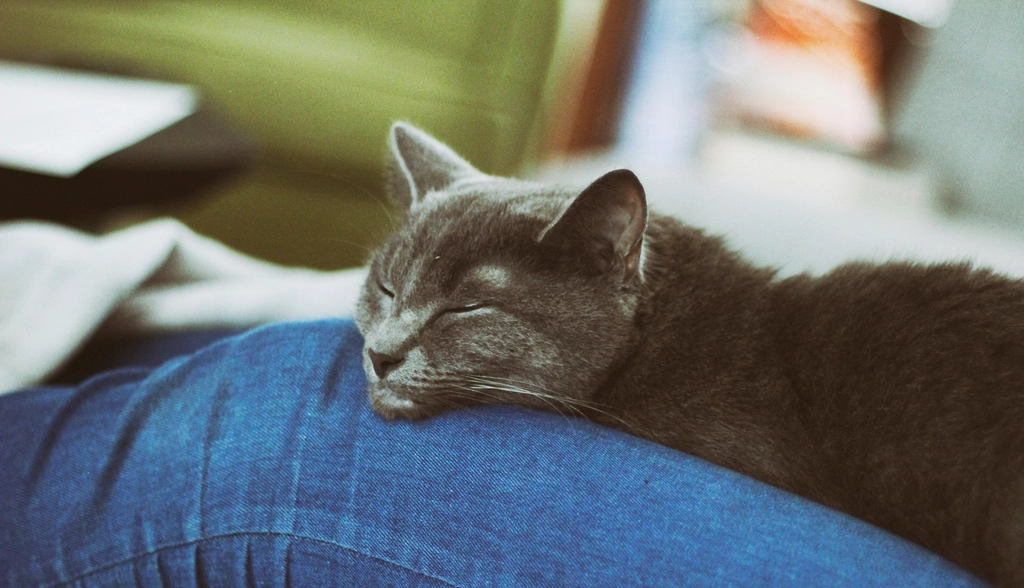 Photo Credit: Rawpixel
In the heart of Mumbai, India, the Bombay cat, scientifically known as Felis catus, weaves through the vibrant tapestry of urban life. With its sleek, jet-black coat that glistens like polished obsidian, this medium-sized feline captures the attention of anyone lucky enough to spot it. Its striking golden eyes, reminiscent of glowing amber, seem to hold the secrets of the bustling city around it. The Bombay cat is not just a pretty face; it is a blend of elegance and strength, a creature that embodies the spirit of its lively environment.
What makes the Bombay cat particularly intriguing to scientists and nature lovers alike is its unique history and adaptability. This breed was developed in the mid-20th century, combining the traits of the Burmese and American Shorthair, resulting in a cat that is not only beautiful but also possesses a playful and affectionate personality. As these cats roam the streets and alleys of Mumbai, they engage in a daily dance of survival, showcasing their hunting skills and social behaviors. Their presence in this bustling metropolis highlights the intricate relationship between urban life and the natural world, making the Bombay cat a fascinating subject for study and admiration.
Bombay, also known as the Bombay cat, occupies a special place in the tree of life. This breed is a member of the animal kingdom, specifically classified under the Kingdom Animalia. What sets the Bombay apart is its striking appearance and playful personality, which combine the sleek elegance of a miniature panther with the affectionate nature of a domestic cat. With its glossy black coat and captivating copper eyes, the Bombay is not just a pretty face; it also has a rich lineage that connects it to both the Burmese and American Shorthair breeds, showcasing a blend of beauty and charm.
| Taxonomic Rank | Scientific Name | Meaning & Significance |
|---|---|---|
| Kingdom | Animalia | This term means “animals” in Latin, highlighting that Bombays are part of the vast group of living organisms that are multicellular and consume organic material for energy. |
| Phylum | Chordata | Chordata refers to animals that have a notochord, a flexible rod that supports the body. In Bombays, this is evident in their well-structured spine, which allows for agility and grace. |
| Class | Mammalia | Mammals are warm-blooded animals that have fur or hair and typically give live birth. The Bombay, with its soft coat, fits perfectly into this category, showcasing the nurturing traits of mammals. |
| Order | Carnivora | Carnivora includes meat-eating mammals. While Bombays enjoy a varied diet, their ancestors were skilled hunters, a trait that still influences their playful and predatory behaviors. |
| Family | Felidae | The Felidae family encompasses all cats, big and small. The Bombay’s sleek body and sharp reflexes are reminiscent of its wild relatives, emphasizing its feline heritage. |
| Genus | Felis | Felis is the genus that includes small cats. This classification highlights the Bombay’s domestic nature while connecting it to its wild ancestors, showcasing its adaptability and charm. |
Understanding the Bombay’s classification reveals much about its evolutionary journey. As a member of the Felidae family, it shares a lineage with both domestic and wild cats, illustrating how domestication has shaped its traits over time. The Bombay’s playful demeanor and affectionate nature are a testament to the bond it has formed with humans, while its physical characteristics echo the wild instincts of its ancestors. This blend of history and evolution makes the Bombay not just a pet, but a living link to the diverse world of felines.
The evolutionary journey of the Bombay cat is a captivating tale that begins in the distant past, tracing back to the Felidae family, which includes all modern cats. This lineage diverged from other carnivorous mammals around 10 to 15 million years ago. The Bombay cat, a relatively recent breed, was developed in the mid-20th century, specifically in the 1950s, by crossing the Burmese cat with the American Shorthair. This blend of ancestry has given the Bombay its distinctive features and personality traits.
The ancestral forms of the Bombay cat can be traced back to wild felines that roamed the earth long before domestication. Early cats were agile hunters, adapting to various environments and developing traits that would help them survive. Over time, these ancestors evolved into different species, each with unique adaptations. The transition from wild to domesticated cats marked a significant shift, as humans began to selectively breed for specific characteristics, such as coat color and temperament. The Bombay cat emerged from this selective breeding, showcasing a sleek, black coat and a playful, affectionate nature.
These adaptations have played a crucial role in the Bombay cat’s survival and popularity. The combination of a striking appearance, friendly demeanor, and intelligence makes them not only appealing companions but also well-suited to thrive in a human-dominated world. As they continue to evolve alongside us, Bombays remind us of the intricate connections between nature and nurture, showcasing how selective breeding can shape the future of a species.
The Bombay cat is a striking blend of elegance and strength, with a body that exudes both grace and power. This breed is medium-sized, typically weighing between 8 to 15 pounds, which gives it a sturdy yet agile appearance. Its sleek, muscular frame is complemented by a rounded head and expressive eyes that sparkle with curiosity. The short, glossy coat, reminiscent of a mini panther, adds to its allure, making the Bombay not just a pet but a captivating companion.
| Feature | Description |
|---|---|
| Weight | 8 to 15 lbs. |
| Skin Type | Hair |
The combination of a solid build and a luxurious coat serves important purposes in the life of a Bombay cat. Their muscular structure allows for agile movements, making them excellent climbers and jumpers, which is essential for hunting and exploring their environment. The short hair not only enhances their sleek appearance but also helps regulate body temperature, keeping them comfortable in various climates. Together, these features create a breed that is not only visually stunning but also perfectly adapted to thrive in both playful and adventurous settings.
The Bombay cat calls the bustling city of Mumbai, the capital of Maharashtra, India, its home. This vibrant metropolis is a tapestry of life, where the sounds of honking rickshaws and the aroma of street food fill the air. Amidst the urban landscape, the Bombay cat thrives, often found lounging in cozy apartments or exploring the lively streets. The warm, tropical climate of Mumbai, with its mix of modern skyscrapers and historic architecture, provides a unique backdrop for this charming breed.
The climate in Mumbai is characterized by high humidity and temperatures that typically range from 75°F to 90°F (24°C to 32°C) throughout the year. The monsoon season, which brings heavy rains from June to September, creates a lush environment that supports a variety of flora and fauna. These conditions are ideal for the Bombay cat, as they prefer warm, comfortable spaces where they can bask in the sun and stay active.
Adapted to this lively urban habitat, the Bombay cat has developed a playful and sociable nature. Its sleek, short coat is perfect for the warm climate, requiring minimal grooming. This breed is also known for its affectionate personality, making it a beloved companion in bustling households. With a keen sense of curiosity, the Bombay cat navigates its environment with ease, whether it’s climbing to a sunny windowsill or chasing after a playful shadow.
In the heart of Mumbai, the daily life of the Bombay cat unfolds like a vibrant tapestry. As the sun rises, these sleek felines stretch and shake off the remnants of sleep, ready to embrace the bustling world around them. They often begin their day with a playful romp, darting through narrow alleyways and leaping onto sun-warmed rooftops. Their keen senses guide them as they explore their territory, sniffing out intriguing scents and keeping a watchful eye for potential prey. Throughout the day, they alternate between energetic play and leisurely lounging, soaking up the warmth of the sun.
Social behavior among Bombay cats is as dynamic as the city they inhabit. These cats are known for their affectionate nature, often forming strong bonds with their human companions and other pets. They thrive on interaction, frequently engaging in playful chases or gentle wrestling matches with their feline friends. Communication is key in their social structure; they use a variety of vocalizations, from soft purrs to assertive meows, to express their needs and emotions. This social network not only enhances their well-being but also fosters a sense of community among the cats in their environment.
| Behavior Type | Description |
|---|---|
| Activity Patterns | Bombay cats are active during the day, engaging in play and exploration, while also enjoying long periods of rest in sunny spots. |
| Social Structure | These cats often form close bonds with humans and other pets, creating a supportive social network that enhances their happiness. |
| Communication Methods | They communicate through a range of sounds, including purring, meowing, and body language, to express their feelings and needs. |
In this lively urban environment, the behaviors of Bombay cats are not just charming quirks; they are essential for survival. Their playful nature helps them hone their hunting skills, while their social interactions foster strong relationships that provide emotional support. By navigating their world with curiosity and connection, these cats not only thrive in the bustling streets of Mumbai but also enrich the lives of those around them.
The Bombay cat has a diverse diet that reflects its adaptable nature. As an omnivore, it enjoys a mix of both animal and plant-based foods. This breed is known for its playful hunting behavior, often stalking and pouncing on toys or small creatures. In the urban environment of Mumbai, Bombays may also scavenge for food, showcasing their resourcefulness in finding meals. Their keen senses help them locate food, whether it’s a tasty morsel left behind by humans or a small insect scurrying across the ground.
| Dietary Aspect | Details |
|---|---|
| Diet Type | Omnivore |
| Favorite Foods | Fish, poultry, and small mammals |
| Prey Items | Rodents, insects, and birds |
| Hunting/Foraging Strategies | Stalking, pouncing, and scavenging |
The Bombay cat’s varied diet plays a crucial role in its ecology and daily routine. By being an omnivore, it can thrive in different environments, whether it’s hunting in the wild or foraging in urban settings. This flexibility not only helps the Bombay adapt to its surroundings but also influences its social behavior, as it often interacts with humans and other animals in search of food. The ability to find sustenance in diverse ways allows the Bombay to maintain its playful and energetic lifestyle, making it a beloved companion in many households.
The mating behavior of the Bombay cat is as captivating as its sleek appearance. During the breeding season, which typically occurs in the spring, these cats become more vocal and affectionate. Males often engage in playful displays to attract females, showcasing their agility and strength. Once a female is in heat, she may mate with multiple males, which can lead to a diverse litter of kittens. This season of love and competition is crucial for ensuring the survival of the next generation.
| Reproductive Aspect | Details |
|---|---|
| Gestation Period | Approximately 63-65 days |
| Litter Size | Average of 6 kittens |
| Age of Maturity | About 5-12 months |
| Name of Young | Kittens |
Once the kittens are born, the mother cat takes on the role of a dedicated caregiver. She keeps her young ones safe and warm, nursing them until they are old enough to eat solid food. As the kittens grow, they begin to explore their surroundings, learning essential skills through play and interaction with their mother. This nurturing phase is vital, as it helps them develop the confidence and abilities they need to thrive as independent adults. By the time they reach maturity, these young Bombays are ready to embrace the world, carrying on the legacy of their vibrant breed.
In the intricate web of life, the Bombay cat holds a unique position as both a predator and prey. These agile felines are skilled hunters, often stalking small mammals and birds in their urban environment. However, their sleek bodies and playful nature also make them targets for larger predators. Understanding the dangers they face is crucial for appreciating their role in the ecosystem.
To survive these dangers, Bombay cats have developed a range of defensive behaviors. Their keen senses allow them to detect threats from a distance, while their agility helps them escape quickly. When cornered, they may use their sharp claws and quick reflexes to defend themselves. Additionally, their natural curiosity often leads them to explore safe hiding spots, ensuring they can evade potential dangers in their bustling city habitat.
A keystone species is an organism that plays a critical role in maintaining the structure of an ecosystem. Its presence or absence can significantly impact the environment and the other species that inhabit it. The Bombay cat, while not a traditional keystone species like wolves or sea otters, does have an important role in its urban ecosystem. This breed, with its unique behaviors and interactions, contributes to the balance of life in the bustling city of Mumbai.
In the vibrant streets of Mumbai, the Bombay cat influences its surroundings in several ways. As an omnivore, it helps control the populations of small mammals and birds, which can otherwise become overabundant. By hunting these animals, the Bombay cat maintains a balance that prevents any one species from dominating the ecosystem. Additionally, its playful nature encourages interaction with humans, fostering a sense of community and connection to nature in an urban setting. This interaction can lead to increased awareness and appreciation for wildlife among city dwellers.
The Bombay cat also contributes to the local food web. When it preys on rodents, it helps keep these populations in check, which can reduce the spread of disease and damage to crops. Furthermore, as it scavenges for food, it aids in the decomposition process, breaking down organic matter and returning nutrients to the soil. This cycle is essential for the health of the urban environment, promoting plant growth and supporting other wildlife.
If the Bombay cat were to disappear from its urban habitat, the effects could be significant. Without this feline’s hunting prowess, rodent populations might surge, leading to increased competition for food and resources among other species. This imbalance could disrupt the local ecosystem, resulting in a decline in plant health and a ripple effect that impacts various organisms. The absence of the Bombay cat would not only alter the dynamics of the urban environment but also diminish the connection between people and the natural world around them.
Bombay, the bustling capital of Maharashtra, India, is not just a vibrant city filled with people and culture; it also plays a crucial role in shaping its local ecosystem. This urban environment is a unique ecological niche where diverse species coexist, influenced by the city’s dynamic landscape. The interplay between human activity and nature creates a rich tapestry of life, where both flora and fauna adapt to thrive amidst the hustle and bustle.
| Ecosystem Service | Impact |
|---|---|
| Pollination | Supports plant reproduction, leading to diverse vegetation. |
| Habitat Creation | Urban green spaces provide homes for various species. |
| Waste Decomposition | Microorganisms break down organic matter, enriching soil. |
| Air Quality Improvement | Plants filter pollutants, enhancing urban air quality. |
| Water Regulation | Natural areas help manage stormwater and reduce flooding. |
In this vibrant city, specific examples of ecological influence can be seen everywhere. The presence of parks and gardens, like the famous Hanging Gardens, creates habitats for birds, insects, and small mammals. These green spaces not only provide a refuge for wildlife but also serve as essential areas for pollination, helping plants reproduce and flourish. Additionally, the diverse plant life in Bombay contributes to improved air quality by filtering out harmful pollutants, making the city a healthier place for its inhabitants.
The broader ecological importance of Bombay extends beyond its immediate environment. As a keystone area, the city influences surrounding regions by supporting migratory species and maintaining biodiversity. The interactions between urban wildlife and human activities highlight the delicate balance of ecosystems. By understanding and appreciating this relationship, we can work towards a more sustainable future, ensuring that both nature and urban life can thrive together in harmony.
In the intricate dance of nature, symbiosis refers to the close relationships between different species that can benefit one or both parties involved. These ecological partnerships can take many forms, including mutualism, where both species gain advantages; commensalism, where one benefits while the other is neither helped nor harmed; and parasitism, where one species benefits at the expense of the other. Understanding these relationships helps us appreciate the complexity of ecosystems and the interconnectedness of life.
| Species/Type | Relationship Type | Description |
|---|---|---|
| Bombay Cat and Humans | Mutualistic | Bombay cats provide companionship and emotional support to their human owners, while humans offer food, shelter, and care in return. |
| Bombay Cat and Urban Rodents | Predatory | As skilled hunters, Bombay cats help control the population of urban rodents, benefiting the ecosystem by keeping these populations in check. |
| Bombay Cat and Fleas | Parasitic | Fleas can infest Bombay cats, feeding on their blood and causing discomfort, which is harmful to the cat. |
These relationships have evolved over time, shaped by the needs and behaviors of the species involved. The bond between Bombay cats and humans, for instance, has deepened as people have come to appreciate the joy and companionship these cats bring into their lives. Meanwhile, the predatory relationship with urban rodents showcases the cat’s natural instincts, helping to maintain balance in their environment. Understanding these connections not only highlights the adaptability of the Bombay cat but also emphasizes the importance of preserving the delicate web of life in which they thrive.
Bombay, a vibrant city in India, is not just known for its bustling streets and rich culture; it also has a fascinating natural world that captivates nature enthusiasts. Here are some surprising facts about this remarkable place that highlight its unique ecological features.
The relationship between the Bombay cat and humanity is steeped in history and cultural significance. Originating in the vibrant city of Mumbai, India, these sleek felines have long been cherished companions. Their striking appearance, reminiscent of a miniature panther, has captured the hearts of many. Historically, Bombay cats were bred to resemble the black leopard, symbolizing elegance and mystery. This connection to the wild has made them not just pets, but also cultural icons, appearing in art and literature, and embodying the spirit of the bustling city they hail from.
In contemporary times, the interactions between Bombay cats and humans have evolved, reflecting both harmony and conflict. As beloved pets, they are often seen lounging in homes, providing companionship and joy. However, the urban environment of Mumbai presents challenges, such as overpopulation and the struggle for resources. Some Bombay cats find themselves in shelters, while others roam the streets, navigating the complexities of city life. Conservation efforts are underway to ensure their well-being, focusing on responsible breeding and adoption practices. This delicate balance between domestication and the wild continues to shape their existence alongside humans.
As we look to the future, the bond between Bombay cats and humanity holds great potential. With increasing awareness of animal welfare, more people are likely to embrace responsible pet ownership. This could lead to a healthier population of Bombay cats, both in homes and in the streets of Mumbai. By fostering a deeper understanding of their needs and behaviors, we can ensure that these enchanting felines continue to thrive alongside us, enriching our lives with their playful spirit and unique charm.
The conservation status of the Bombay cat is currently classified as “Not Listed” by the International Union for Conservation of Nature (IUCN). This means that there is not enough data to determine its risk of extinction. While the population of Bombay cats is not specifically quantified, they are generally considered to be stable in domestic environments. However, as urban areas continue to expand, the dynamics of their populations may shift, requiring ongoing observation and care.
| Conservation Factor | Status/Details |
|---|---|
| IUCN Status | Not Listed |
| Population Estimates | Not specifically quantified |
| Trend Direction | Stable |
Despite their stable status, Bombay cats face several threats that could impact their well-being. Urbanization is a significant concern, as expanding cities can lead to habitat loss and increased competition for resources. Additionally, the risks of road traffic and predation from larger animals can pose dangers to these agile felines. Moreover, the health of domestic cats can be compromised by factors such as overpopulation and inadequate veterinary care, which can lead to disease spread and reduced life expectancy.
Conservation efforts for the Bombay cat primarily focus on responsible pet ownership and community awareness. Educating the public about the importance of spaying and neutering can help control the population and reduce the number of stray cats. Local animal shelters and rescue organizations play a vital role in promoting the welfare of these cats, ensuring they receive proper care and attention. With continued efforts to protect their urban habitats and promote responsible practices, the outlook for the Bombay cat remains hopeful, allowing these charming companions to thrive alongside their human friends.
| Question | Answer |
|---|---|
| What is the habitat of Bombay? | Bombay, also known as Mumbai, is located on the western coast of India in the state of Maharashtra. It is a bustling metropolis characterized by a mix of urban landscapes, beaches, and coastal areas. |
| What does Bombay eat? | Bombay is an omnivore, which means it eats a variety of foods. This includes fruits, vegetables, and even small animals, making it adaptable to different environments and food sources. |
| What are some behaviors of Bombay? | Bombay is known for its social nature, often seen in groups. They are also quite curious and intelligent, which helps them navigate their urban surroundings and find food. |
| How does Bombay reproduce? | Bombay typically reproduces through live births, with females giving birth to a small number of young at a time. The young are cared for by their mothers until they are old enough to fend for themselves. |
| What threats does Bombay face? | Bombay faces several threats, including habitat loss due to urban development and pollution. These factors can impact their food sources and living conditions, making survival more challenging. |
| What are some interesting characteristics of Bombay? | One fascinating characteristic of Bombay is its adaptability to urban life. They have learned to thrive in crowded environments, often using human structures for shelter and food. |
| Is Bombay endangered? | Currently, Bombay is not listed as endangered. However, ongoing urbanization and environmental changes could pose future risks to its population and habitat. |