Taxonomy & Classification
- Kingdom
- Animalia
- Phylum
- Chordata
- Class
- Aves
- Order
- Pelecaniformes
- Family
- Sulidae
- Genus
- Sula

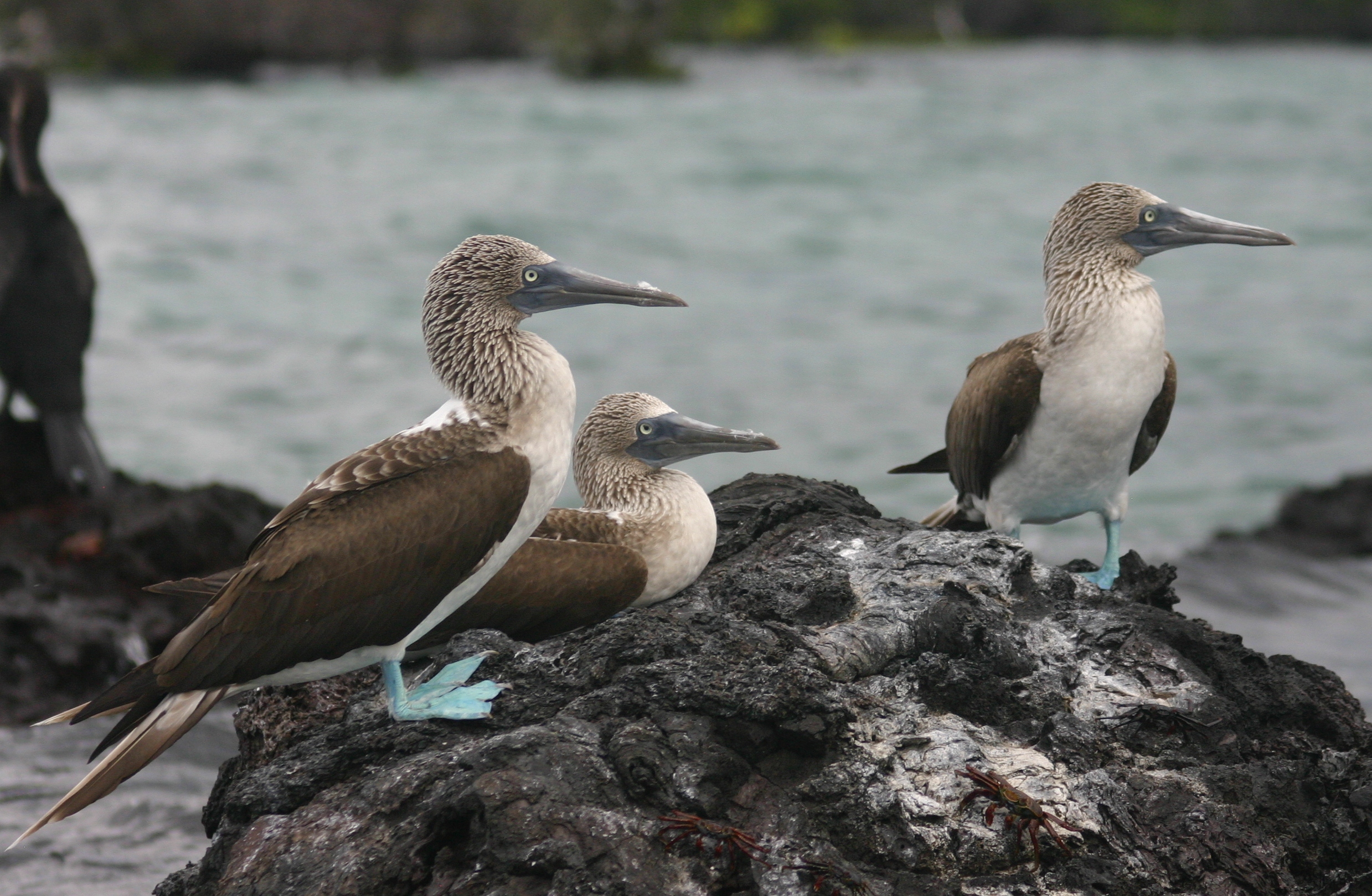 Photo Credit: Charles J. Sharp / Wikimedia
Meet the Booby, scientifically known as Sula, a group of seabirds that brings a splash of color and charm to the sunlit shores of tropical islands. Picture a Booby soaring gracefully above the sparkling blue waters, its sleek body gliding effortlessly through the air. With its striking plumage, which can range from brilliant white to deep blue, this bird is not just a feast for the eyes but also a marvel of nature. Its long wings and pointed beak are perfectly designed for diving into the ocean, where it hunts for fish and squid with remarkable precision.
What makes the Booby particularly captivating to scientists and nature lovers alike is its unique behavior and social interactions. These birds are known for their elaborate courtship displays, which include synchronized diving and intricate dances that showcase their agility and grace. Living in colonies, they engage in lively social interactions, making their coastal habitats vibrant and full of life. As we explore the world of the Booby, we will uncover the secrets of its diet, reproduction, and the vital role it plays in the marine ecosystem, revealing why this bird is more than just a pretty face in the avian world.
The Booby, a captivating bird belonging to the family Sulidae, occupies a distinctive place in the tree of life. This family includes several species known for their striking appearance and remarkable diving abilities. Boobies are part of the class Aves, which encompasses all birds, and they are particularly noted for their strong, pointed wings and webbed feet, adaptations that make them exceptional fliers and swimmers. Their playful behavior and vibrant plumage not only make them a delight to observe but also highlight their unique evolutionary adaptations within the avian world.
| Taxonomic Rank | Scientific Name | Meaning & Significance |
|---|---|---|
| Kingdom | Animalia | This name signifies that Boobies are part of the vast group of multicellular organisms that are primarily heterotrophic, meaning they consume other organisms for energy. |
| Phylum | Chordata | Chordata refers to animals that possess a notochord, a flexible rod that supports the body, at some stage of their development. This group includes all vertebrates, like Boobies, which have a backbone. |
| Class | Aves | Aves is the class that includes all birds. The name comes from the Latin word for bird, highlighting their unique adaptations for flight, such as feathers and hollow bones. |
| Order | Pelecaniformes | This order includes birds with webbed feet and long bills, like pelicans and herons. The name reflects their shared characteristics, particularly their fishing habits. |
| Family | Sulidae | Sulidae is derived from the Latin word “sula,” meaning “gannet.” This name emphasizes the family’s connection to seabirds that are excellent divers and fishers. |
| Genus | Sula | The genus name Sula is thought to come from the Arabic word for “to dive,” which perfectly describes the Booby’s impressive hunting technique of plunging into the water to catch fish. |
Understanding the Booby’s classification reveals much about its evolutionary journey. As a member of the Sulidae family, it shares a common ancestry with other seabirds that have adapted to life over the ocean. The adaptations that define Boobies, such as their diving prowess and social behaviors, reflect millions of years of evolution, allowing them to thrive in their marine environments. This classification not only highlights their physical traits but also underscores their role in the ecosystem, where they contribute to the balance of marine life.
The evolutionary journey of the Booby, a member of the Sulidae family, stretches back millions of years, intertwining with the history of seabirds. These birds have adapted to life over the oceans, evolving from land-dwelling ancestors into expert fliers and divers. Their lineage showcases a fascinating transition from terrestrial habitats to the vast marine environments they now call home.
The earliest ancestors of the Booby likely resembled small, land-based birds that lived in trees and on the ground. Over time, as some species ventured closer to the coast, they began to adapt to a life spent over water. This shift marked a significant evolutionary transition, leading to the development of features that would help them thrive in their new environment. As they became more reliant on the ocean for food, their bodies transformed, becoming streamlined for efficient flight and diving.
These adaptations have been crucial for the Booby’s survival in the competitive marine environment. Their webbed feet and sharp eyesight make them exceptional hunters, while their long wings allow them to travel vast distances in search of food. The colorful plumage not only attracts mates but also indicates their fitness, ensuring that the strongest individuals pass on their genes. Through these evolutionary changes, Boobies have become well-suited to their oceanic lifestyle, thriving in a world where adaptability is key.
The Booby is a striking bird that captures attention with its sleek body and vibrant colors. Standing between 25 and 36 inches tall, it boasts a streamlined form that is perfectly designed for life at sea. With a wingspan that can stretch impressively wide, this bird is built for gliding gracefully over ocean waves. Its long, pointed wings and sharp beak give it an air of elegance, while its sturdy legs and webbed feet are essential for diving into the water to catch fish.
| Feature | Description |
|---|---|
| Height | 64cm – 91cm (25in – 36in) |
| Weight | 0.9kg – 1.8kg (2lbs – 3.9lbs) |
| Skin Type | Feathers |
The Booby’s physical features are not just for show; they play vital roles in its survival. Its lightweight body allows for agile flight, making it easier to spot schools of fish from above. The webbed feet are perfect for swift swimming, enabling the Booby to dive deep into the ocean to catch its prey. The feathers, often adorned with bright colors, help with insulation and waterproofing, keeping the bird warm and dry as it navigates the chilly waters. Together, these characteristics create a bird that is not only beautiful but also exceptionally well-adapted to its marine environment.
The Booby finds its home in the sun-drenched realms of subtropical and tropical islands, where the azure waters meet sandy shores. These islands are often surrounded by vibrant coral reefs, creating a rich tapestry of life both above and below the waves. The Booby thrives in these coastal environments, where it can dive and fish with remarkable agility. Nesting on rocky cliffs or sandy beaches, these birds create a lively scene filled with their playful antics and striking colors.
The climate of these islands is typically warm and inviting, with plenty of sunshine and gentle breezes. The Booby enjoys a tropical environment where temperatures remain mild throughout the year. These areas often experience seasonal rains, which help sustain the lush vegetation that provides shelter and nesting materials. The surrounding waters are rich in fish, making it an ideal hunting ground for these agile birds.
To thrive in such dynamic habitats, the Booby has developed several fascinating adaptations. Its long wings and streamlined body allow for swift and graceful flight, essential for catching fish while diving. The Booby’s webbed feet make it an excellent swimmer, enabling it to navigate the ocean with ease. Additionally, its keen eyesight helps it spot prey from great heights, ensuring it can find food in the vast expanse of the sea. These adaptations not only enhance its survival but also make it a captivating sight against the backdrop of its tropical home.
The daily life of a Booby is a blend of adventure and social interaction, filled with activities that revolve around the ocean. These birds are often seen diving gracefully into the water to catch fish, their primary food source. They are skilled hunters, using their keen eyesight to spot schools of fish from above. After a successful catch, they may spend time preening their feathers, ensuring they remain waterproof and ready for their next dive. Throughout the day, they can be found resting on rocky outcrops or sandy beaches, soaking up the sun and recharging for their next foray into the sea.
Socially, Boobies are quite engaging and thrive in flocks. They often gather in groups, which not only provides safety in numbers but also enhances their hunting efficiency. Within these flocks, they communicate through a variety of calls and body movements, signaling to one another about food sources or potential threats. This social structure fosters strong bonds among individuals, allowing them to work together when foraging and to protect each other from predators. Their interactions are lively, filled with playful displays and synchronized movements that strengthen their community ties.
| Behavior Type | Description |
|---|---|
| Activity Patterns | Boobies dive into the ocean to catch fish, often seen hunting in groups to increase their success rate. |
| Social Structure | They live in flocks, which helps them stay safe from predators and enhances their hunting efficiency. |
| Communication Methods | Boobies use a mix of vocal calls and body language to communicate with each other, signaling food sources and threats. |
The behaviors of Boobies are not just fascinating; they are essential for survival. By working together in flocks, they can hunt more effectively and protect themselves from dangers lurking in the ocean. Their social interactions and communication skills help them thrive in their vibrant island habitats, ensuring that they continue to flourish in the wild. Each dive, call, and playful interaction plays a crucial role in their daily lives, weaving a tapestry of survival that is as intricate as it is beautiful.
The Booby is a carnivorous bird that thrives on a diet primarily composed of fish and squid. With its keen eyesight and impressive diving skills, it hunts for its meals in the open ocean. These birds are known for their spectacular plunge-diving technique, where they dive from great heights to catch their slippery prey. This feeding behavior not only showcases their agility but also highlights their role as skilled hunters in the marine ecosystem.
| Dietary Aspect | Details |
|---|---|
| Diet Type | Carnivore |
| Favorite Foods | Flying Fish, Sardines, Anchovies, Squid |
| Prey Items | Small fish and cephalopods |
| Hunting/Foraging Strategies | Plunge-diving from heights to catch fish |
The Booby’s diet plays a crucial role in its daily routine and the broader marine ecosystem. By feeding on small fish and squid, these birds help maintain the balance of marine life, ensuring that fish populations do not grow too large. Their hunting techniques also influence the behavior of their prey, creating a dynamic interaction in the ocean. As they dive and soar above the waves, the Booby not only sustains itself but also contributes to the vibrant tapestry of life in the sea.
During the breeding season, which varies by species and location, Boobies engage in elaborate courtship displays to attract mates. These displays often include synchronized diving, intricate dances, and vibrant vocalizations. Once a pair forms a bond, they will typically mate for life, returning to the same nesting sites year after year. This strong partnership is essential for raising their young, as both parents play a crucial role in the nurturing process.
| Reproductive Aspect | Details |
|---|---|
| Gestation Period | Approximately 40 to 45 days |
| Litter Size | Usually one egg, occasionally two |
| Age of Maturity | About 3 to 5 years |
| Name of Young | Chick |
After the eggs hatch, both parents are deeply involved in caring for their chicks. They take turns feeding the young by regurgitating partially digested fish, which provides essential nutrients for growth. The chicks are covered in soft down feathers and are initially helpless, relying entirely on their parents for warmth and protection. As they grow, they develop their feathers and learn to fly, eventually becoming independent. This nurturing phase is vital, as it helps the young Boobies gain the skills they need to thrive in the wild, ensuring the continuation of their species.
The Booby plays a vital role in the marine food web, acting as both predator and prey. As a skilled hunter, it dives into the ocean to catch fish and squid, showcasing its impressive agility. However, this beautiful bird is not without its dangers. It faces threats from various predators and environmental challenges that can impact its survival.
To defend against these threats, Boobies have developed several survival strategies. They often nest in colonies, which provides safety in numbers, making it harder for predators to target individual birds. When threatened, adult Boobies can dive into the water, using their remarkable swimming abilities to evade danger. Additionally, their striking coloration can help them blend into the ocean waves, making it difficult for predators to spot them. Through these clever adaptations, Boobies continue to thrive in their vibrant marine environments.
A keystone species is an organism that has a disproportionately large impact on its environment relative to its abundance. This means that the presence or absence of a keystone species can significantly alter the structure and health of its ecosystem. The Booby, with its role as a predator in marine environments, qualifies as a keystone species. By influencing the populations of fish and squid, it helps maintain the balance of the marine food web.
Boobies are skilled hunters, diving into the ocean to catch their prey. This hunting behavior not only affects the populations of fish and squid but also influences the species that rely on these fish for survival. For example, when Boobies are abundant, they can help control the numbers of smaller fish, preventing overpopulation and ensuring that the ecosystem remains healthy. Their presence encourages a diverse range of marine life, as various species adapt to the availability of prey.
Moreover, Boobies contribute to nutrient cycling in their habitats. When they feed, they often leave behind waste that enriches the surrounding waters. This nutrient input can stimulate the growth of phytoplankton, the tiny plants that form the base of the oceanic food chain. Healthy phytoplankton populations support a variety of marine organisms, from small fish to larger mammals, creating a vibrant ecosystem.
If Boobies were to disappear from their ecosystems, the consequences could be severe. Without these birds to regulate fish and squid populations, certain species might explode in numbers, leading to imbalances that could harm other marine life. The nutrient cycling process would also be disrupted, potentially diminishing the health of the waters and affecting the entire food web. In essence, the absence of Boobies would ripple through the ecosystem, highlighting their crucial role in maintaining the delicate balance of marine environments.
The Booby plays a vital role in its ecosystem, particularly in the subtropical and tropical islands it calls home. As a carnivorous bird, it occupies a specific ecological niche where it helps maintain the balance of marine life. By preying on fish and squid, the Booby influences the populations of these species, ensuring that no single type becomes too dominant. This balance is crucial for the health of the entire marine ecosystem, as it allows for a diverse range of species to thrive.
| Ecosystem Service | Impact |
|---|---|
| Predation | Controls fish and squid populations, preventing overpopulation. |
| Nutrient Cycling | Contributes to nutrient distribution through waste, enriching the marine environment. |
| Food Source | Serves as prey for larger predators, supporting the food web. |
| Habitat Indicator | Indicates the health of marine ecosystems, as their presence reflects biodiversity. |
The Booby’s influence extends beyond just its role as a predator. For instance, when it dives into the ocean to catch its meals, it stirs up nutrients from the seabed, which can promote the growth of phytoplankton. This tiny plant life forms the foundation of the marine food web, supporting everything from small fish to large whales. Additionally, the Booby’s presence can attract other species, creating a bustling community around the islands where they nest and feed.
Understanding the Booby’s broader ecological importance reveals how interconnected life is in these vibrant ecosystems. As a keystone species, the Booby’s activities help shape the environment in ways that benefit many other organisms. By maintaining the balance of marine populations and contributing to nutrient cycling, the Booby ensures that its island habitats remain rich and diverse. This highlights the importance of protecting these birds and their environments, as their well-being is closely tied to the health of the entire ecosystem.
In the intricate web of life, symbiosis refers to the close and often long-term interactions between different species. These relationships can take many forms, including mutualism, where both species benefit, parasitism, where one benefits at the expense of the other, and commensalism, where one benefits while the other is neither helped nor harmed. Understanding these ecological relationships helps us appreciate how species like the Booby interact with their environment and other organisms, creating a dynamic balance in their ecosystems.
| Species/Type | Relationship Type | Description |
|---|---|---|
| Remora Fish | Mutualistic | Remora fish attach themselves to the Booby, gaining protection and transportation while helping to keep the Booby’s skin clean by eating parasites. |
| Sea Turtles | Commensal | Boobies often perch on sea turtles, gaining a vantage point for spotting fish without harming the turtles. |
| Ticks | Parasitic | Ticks can latch onto Boobies, feeding on their blood and potentially harming their health. |
These relationships have evolved over time, shaped by the needs and behaviors of the species involved. The mutualistic bond between the Booby and the Remora fish showcases how cooperation can enhance survival for both parties. Meanwhile, the commensal relationship with sea turtles highlights the Booby’s adaptability in seeking advantageous perches. On the flip side, parasitic relationships, like those with ticks, remind us that not all interactions are beneficial. Each of these connections plays a crucial role in the ecosystem, illustrating the delicate balance of life in the vibrant habitats where Boobies thrive.
The Booby is not just a bird with a funny name; it’s a fascinating creature with some surprising traits that make it stand out in the avian world. Here are some intriguing facts that will surely captivate nature enthusiasts of all ages.
Throughout history, the Booby has captured the imagination of people around the world. These striking birds, known for their vibrant plumage and unique behaviors, have often been featured in folklore and art. In many cultures, they symbolize freedom and adventure, reflecting humanity’s deep connection to the sea. Early explorers and sailors encountered these birds on remote islands, often noting their fearless nature and curious demeanor. This led to a variety of cultural interpretations, from being seen as omens of good fortune to symbols of the wild, untamed spirit of the ocean.
In modern times, the relationship between Boobies and humans has evolved significantly. Conservation efforts are underway to protect their habitats, especially as climate change and human activities threaten their nesting sites. While some communities celebrate these birds as part of their natural heritage, others face conflicts with them, particularly in fishing areas where Boobies compete for the same fish. Interestingly, there are also efforts to study and understand their behaviors, which can lead to better coexistence strategies. However, the challenge remains to balance human interests with the need to preserve these remarkable birds and their ecosystems.
Looking ahead, the future of the Booby and its relationship with humanity hinges on our ability to adapt and learn. As we face environmental challenges, fostering a deeper understanding of these birds can lead to innovative solutions that benefit both wildlife and people. By embracing conservation efforts and promoting coexistence, we can ensure that future generations will continue to marvel at the beauty and grace of the Booby, celebrating its role in our shared world.
The Booby, a captivating seabird, currently holds a conservation status of “Least Concern” according to the International Union for Conservation of Nature (IUCN). This means that, at present, the species is not facing an immediate threat of extinction. Population estimates suggest that Booby numbers are stable, allowing them to thrive in their natural habitats. However, ongoing monitoring is essential to ensure that these populations remain healthy and robust.
| Conservation Factor | Status/Details |
|---|---|
| IUCN Status | Least Concern |
| Population Estimates | Stable, specific numbers vary by species |
| Trend Direction | Stable |
Despite their current stable status, Boobies face several threats that could impact their populations in the future. One of the main challenges is habitat loss, often caused by human activities such as coastal development and pollution. Additionally, climate change poses a significant risk, as rising ocean temperatures can affect fish availability, which is crucial for their diet. Furthermore, invasive species, such as rats and cats, can prey on Booby eggs and chicks, further threatening their survival.
Conservation efforts are underway to protect Booby populations and their habitats. Organizations are working to monitor their numbers and educate local communities about the importance of these birds in marine ecosystems. By promoting sustainable fishing practices and protecting nesting sites, conservationists aim to ensure that Boobies continue to soar over the oceans for generations to come. With ongoing efforts and awareness, the outlook for these remarkable birds remains hopeful.
| Question | Answer |
|---|---|
| What is the habitat of the Booby? | Boobies are found on subtropical and tropical islands around the world. They prefer coastal areas where they can easily access the ocean for feeding and nesting. |
| What do Boobies eat? | Boobies are carnivores, which means they primarily eat other animals. Their diet mainly consists of fish, which they catch by diving into the water from the air. |
| How do Boobies behave? | Boobies are known for their playful and social behavior. They often gather in large colonies, where they can be seen engaging in courtship displays and taking turns diving for food. |
| How do Boobies reproduce? | Boobies typically mate for life and return to the same nesting sites each year. They lay one to three eggs, which both parents take turns incubating until they hatch. |
| What threats do Boobies face? | While Boobies are currently classified as Least Concern, they face threats from habitat loss and climate change. Additionally, invasive species can disrupt their nesting sites and food sources. |
| What are some interesting characteristics of Boobies? | Boobies are famous for their striking blue feet, which play a role in attracting mates. They are also excellent divers, capable of plunging into the ocean at high speeds to catch fish. |
| How do Boobies care for their young? | After the eggs hatch, both parents are involved in feeding and protecting the chicks. They regurgitate food for their young, ensuring they get the nutrients they need to grow strong. |