Taxonomy & Classification
- Kingdom
- Animalia
- Phylum
- Chordata
- Class
- Mammalia
- Order
- Carnivora
- Family
- Canidae
- Genus
- Canis
- Species
- Canis lupus

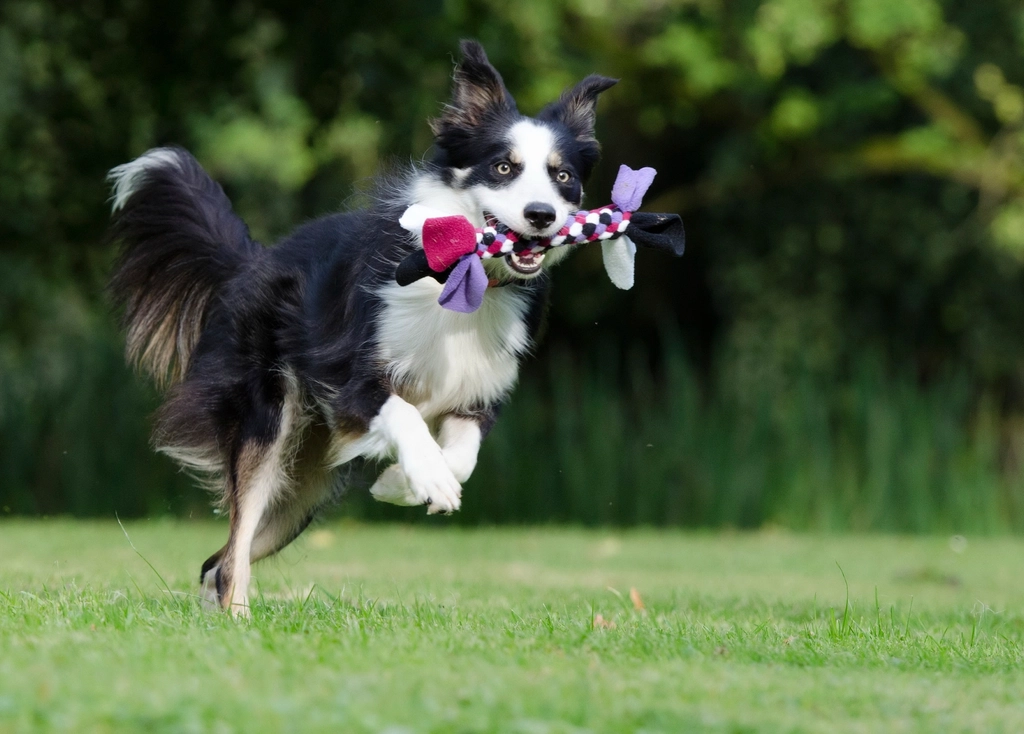 Photo Credit: Rawpixel
In the rolling hills of the British Isles, the Border Collie, scientifically known as Canis lupus familiaris, dances through the fields with a grace that captivates all who watch. With its striking black and white coat, often adorned with splashes of color, this breed is a picture of agility and intelligence. Its keen eyes, always alert, scan the landscape, ready to spring into action at a moment’s notice. This remarkable dog is not just a herder of sheep; it is a master of communication, using a complex language of barks, body movements, and even eye contact to guide its flock.
What makes the Border Collie so intriguing to scientists and nature enthusiasts alike is its unparalleled intelligence and work ethic. These dogs are known for their ability to learn commands quickly and solve problems, often outsmarting their human companions. Their energy is boundless, and they thrive on challenges, making them not only exceptional herders but also stars in dog sports and agility competitions. As we explore the world of the Border Collie, we will uncover the secrets behind their extraordinary abilities, their deep-rooted history with humans, and the vital role they play in our ecosystems. Join us on this adventure to discover why the Border Collie is more than just a pet; it is a true partner in the dance of life.
The Border Collie is a captivating member of the animal kingdom, nestled within the vast tree of life. This intelligent and energetic breed belongs to the family Canidae, which includes all dogs, wolves, foxes, and other canids. What sets the Border Collie apart is its exceptional herding ability, honed over generations to work alongside humans in managing livestock. With a keen sense of intelligence and an eagerness to learn, these dogs are often considered the most trainable of all breeds, showcasing a unique blend of agility and instinct that makes them stand out in the canine world.
| Taxonomic Rank | Scientific Name | Meaning & Significance |
|---|---|---|
| Kingdom | Animalia | This rank includes all animals, highlighting the Border Collie’s status as a living organism that moves and interacts with its environment. |
| Phylum | Chordata | Chordata means “having a notochord,” which is a flexible rod that supports the body. This feature is a key characteristic of vertebrates, including the Border Collie. |
| Class | Mammalia | Mammalia refers to mammals, animals that have fur or hair and produce milk for their young. The Border Collie, like all dogs, is warm-blooded and nurtures its puppies with milk. |
| Order | Carnivora | Carnivora means “meat-eaters,” a group that includes animals adapted for hunting and consuming other animals. While Border Collies are primarily known for herding, they share this lineage with other carnivorous mammals. |
| Family | Canidae | Canidae is the family of dogs, wolves, and foxes. The name reflects their shared characteristics, such as social behavior and pack dynamics, which are evident in the Border Collie’s herding instincts. |
| Genus | Canis | Canis means “dog” in Latin, encompassing all domestic dogs and their wild relatives. This classification emphasizes the Border Collie’s close relationship with other dog breeds and their common ancestry. |
Understanding the Border Collie’s taxonomic classification reveals much about its evolutionary journey. As a member of the Canidae family, it shares a lineage with wolves and other canids, showcasing traits that have been refined through domestication and selective breeding. The Border Collie’s herding instincts and intelligence are not just products of training; they are deeply rooted in its ancestry, reflecting the long-standing partnership between humans and dogs. This connection highlights how the Border Collie has evolved to become not only a skilled worker but also a beloved companion, bridging the gap between the wild and the domestic.
The evolutionary journey of the Border Collie is a tale that stretches back thousands of years, intertwining with the history of domesticated dogs. This breed, known for its intelligence and herding abilities, descends from ancient wolves that roamed the Earth. The domestication of these wolves began around 15,000 to 30,000 years ago, as humans transitioned from nomadic lifestyles to settled farming communities. Over time, selective breeding shaped the traits we see in Border Collies today.
The ancestors of the Border Collie were likely medium-sized wolves, which adapted to living alongside humans. As people began to herd livestock, they needed dogs that could assist them. This led to the development of various herding breeds, including the Border Collie. The breed’s evolution was marked by a focus on intelligence, agility, and a strong work ethic. These traits were essential for managing flocks of sheep, especially in the rugged terrains of the Scottish borders, where the breed was refined.
The adaptations of the Border Collie have played a vital role in its survival and success as a herding dog. Their intelligence and strong work ethic make them invaluable partners for farmers and ranchers, while their agility and endurance allow them to excel in various environments. These traits not only ensure their effectiveness in herding but also contribute to their popularity as family pets and competitors in dog sports. The Border Collie’s evolutionary story is a testament to the bond between humans and dogs, showcasing how selective breeding can enhance specific traits for practical purposes.
The Border Collie is a striking dog that captures attention with its athletic build and lively demeanor. Standing between 18 to 22 inches tall at the shoulder, this breed boasts a well-proportioned body that is both agile and strong. Their sleek, muscular frame is designed for speed and endurance, making them exceptional herders and companions. With a keen expression and alert posture, Border Collies exude intelligence and energy, ready to spring into action at a moment’s notice.
| Feature | Description |
|---|---|
| Height | 18-22 inches |
| Skin Type | Hair |
| Color | Commonly black and white, but can also be red, blue, or merle |
| Weight | 30-45 pounds |
| Body Structure | Muscular and agile, with a balanced build |
These physical features work together to create a dog that is not only beautiful but also highly functional. The Border Collie’s muscular body allows for quick movements and agility, essential for herding livestock across varied terrains. Their thick, weather-resistant coat, which can come in a variety of colors, helps protect them from the elements while also providing camouflage in natural settings. This combination of strength, speed, and adaptability makes the Border Collie a remarkable partner for both work and play, showcasing the perfect blend of form and function in the animal kingdom.
The Border Collie thrives in a variety of environments, but it is most commonly associated with the rolling hills and open pastures of rural landscapes. Picture vast green fields dotted with sheep, where these agile dogs dart and weave with incredible speed and precision. Their natural habitat is often characterized by wide-open spaces that allow them to showcase their herding instincts, making them a perfect fit for farms and ranches.
Border Collies prefer climates that are temperate, meaning they enjoy moderate weather—not too hot and not too cold. They are well-suited to environments where they can be active outdoors, as they require plenty of exercise to stay healthy and happy. These dogs are also quite adaptable, able to handle a range of conditions, but they thrive best in areas where they can run freely and engage in their natural herding behaviors.
Over time, Border Collies have developed remarkable adaptations that help them excel in their chosen habitats. Their keen intelligence allows them to learn commands quickly, making them exceptional working dogs. Their strong, agile bodies are built for speed and endurance, enabling them to cover large distances while herding livestock. Additionally, their thick double coat provides insulation against varying weather conditions, ensuring they remain comfortable whether it’s a chilly morning or a warm afternoon. This combination of traits makes the Border Collie not just a pet, but a vital partner in agricultural settings around the world.
The daily life of a Border Collie is a whirlwind of activity, energy, and intelligence. These dogs thrive on routine, often starting their day with an early morning romp in the yard or a brisk walk. Their keen senses are always on alert, ready to engage with the world around them. Throughout the day, they might participate in herding exercises, agility training, or simply play fetch with their favorite human. Border Collies are known for their boundless enthusiasm, and their playful antics can turn even the most mundane moments into an adventure.
Social behavior is a cornerstone of the Border Collie’s life. These dogs are incredibly social animals, forming strong bonds with their human families and other pets. They thrive in environments where they can interact with others, whether it’s playing with fellow dogs at the park or working alongside their owners on a farm. Their group dynamics are fascinating; they often take on roles that suit their personalities, whether as the leader guiding the herd or the playful companion keeping spirits high. Communication is key in their interactions, and they use a mix of barks, body language, and even eye contact to convey their feelings and intentions.
| Behavior Type | Description |
|---|---|
| Activity Patterns | Border Collies require regular exercise and mental stimulation, engaging in activities like herding, running, and playing games. They thrive on tasks that challenge their intelligence. |
| Social Structure | These dogs are pack animals, often forming close-knit relationships with their human families and other pets. They enjoy being part of a group and often take on roles within that group. |
| Communication Methods | Border Collies communicate through a combination of vocalizations, body language, and eye contact. They are adept at reading human emotions and responding accordingly. |
The behaviors of Border Collies are not just for fun; they play a vital role in their survival and well-being. Their intelligence and social nature help them navigate their environments, whether they are herding livestock or bonding with their families. By staying active and engaged, these dogs not only maintain their physical health but also their mental sharpness. This combination of traits ensures that Border Collies remain not just companions but also valuable partners in various tasks, showcasing the incredible bond between humans and dogs.
The Border Collie is an omnivore, which means it enjoys a varied diet that includes both plant and animal sources. This breed is known for its high energy levels, so it requires a balanced diet to fuel its active lifestyle. Typically, Border Collies thrive on high-quality dog food that contains proteins, carbohydrates, and fats. They are also known to enjoy treats like fruits and vegetables, which can provide essential vitamins and minerals.
| Dietary Aspect | Details |
|---|---|
| Diet Type | Omnivore |
| Favorite Foods | High-quality dog food, fruits like apples and blueberries, vegetables like carrots and peas |
| Prey Items | Small mammals, birds, and sometimes insects |
| Hunting/Foraging Strategies | Border Collies use their intelligence and agility to chase and herd prey, often working in teams with humans or other dogs |
This diverse diet not only supports the Border Collie’s energetic nature but also plays a crucial role in its ecological interactions. By foraging and hunting, these dogs help manage local wildlife populations, while their relationship with humans often leads to cooperative herding activities. This partnership shapes their daily routine, as they engage in both play and work, ensuring they remain physically and mentally stimulated.
When it comes to mating, Border Collies exhibit interesting behaviors that are both instinctual and social. The breeding season typically occurs in the spring and early summer, when the days are longer and warmer. During this time, female Border Collies go into heat, a period when they are fertile and can conceive. Males are drawn to females in heat by their scent and will often display playful and assertive behaviors to attract their attention. This courtship can involve playful interactions, vocalizations, and even some light wrestling, all part of their natural instincts to bond and mate.
| Reproductive Aspect | Details |
|---|---|
| Gestation Period | Approximately 63 days |
| Litter Size | Average of 6 puppies |
| Age of Maturity | About 12 to 15 months |
| Name of Young | Puppies |
Once the puppies are born, the mother takes on the vital role of caregiver. She provides warmth, nourishment, and protection to her young, ensuring they thrive in their early days. The puppies are born blind and deaf, relying entirely on their mother for survival. As they grow, they begin to open their eyes and ears, exploring their surroundings with curiosity. The mother teaches them essential skills, such as socialization and basic commands, which are crucial for their development into well-adjusted adults. By the time they reach maturity, these puppies will have transformed into energetic and intelligent companions, ready to take on the world alongside their human families.
The Border Collie, a highly intelligent and energetic breed, occupies a unique position in the food web. While these dogs are domesticated and primarily live alongside humans, they still face various dangers in their environment. In the wild, they can be vulnerable to predators, and even in suburban settings, they encounter threats that can impact their well-being. Understanding these dangers helps us appreciate the resilience and adaptability of this remarkable breed.
To defend themselves against these threats, Border Collies rely on their keen instincts and agility. Their herding background equips them with quick reflexes and the ability to assess situations rapidly. When faced with danger, they may use their speed to escape or employ their intelligence to navigate tricky environments. Additionally, their strong bond with humans often leads them to seek protection from their owners, showcasing their loyalty and trust. This combination of instincts and learned behaviors helps Border Collies thrive despite the challenges they may encounter.
A keystone species is a vital part of its ecosystem, playing a crucial role in maintaining the structure and balance of that environment. These species have a disproportionately large impact on their surroundings compared to their abundance. While the Border Collie is an extraordinary breed known for its intelligence and herding abilities, it does not qualify as a keystone species. This is primarily because it is a domesticated dog, relying on humans for its survival and not directly influencing the natural ecosystem in the same way that wild keystone species do.
However, Border Collies do have an important role in agricultural ecosystems, particularly in managing livestock. Their herding instincts help keep sheep and cattle in line, which can prevent overgrazing in pastures. By guiding these animals, Border Collies help maintain the health of grasslands, allowing vegetation to thrive and supporting a variety of other wildlife. This interaction can lead to a more balanced ecosystem, where plants and animals coexist harmoniously.
In addition to their herding duties, Border Collies can also contribute to pest control on farms. By keeping livestock in check, they help reduce the chances of overpopulation of certain species that could otherwise become problematic. This natural balance is essential for maintaining the health of the land and the animals that inhabit it. Furthermore, their presence can enhance the bond between humans and nature, encouraging sustainable farming practices that benefit the environment.
If Border Collies were to disappear from agricultural settings, the consequences could be significant. Without their herding skills, livestock might roam freely, leading to overgrazing and degradation of pastures. This could result in soil erosion and a decline in plant diversity, which would ultimately affect other species that rely on those plants for food and habitat. The delicate balance of the ecosystem could be disrupted, highlighting the interconnectedness of all species, even those that are domesticated.
The Border Collie plays a significant role in shaping its ecosystem, particularly in agricultural settings. As a working dog breed, it is primarily known for its herding abilities, which help manage livestock such as sheep and cattle. This breed’s intelligence and agility allow it to navigate complex terrains and respond to commands, making it an invaluable partner for farmers. By assisting in the management of these animals, Border Collies help maintain the balance of their environment, ensuring that grazing patterns are sustainable and that the land remains healthy.
| Ecosystem Service | Impact |
|---|---|
| Herding Livestock | Controls animal movement, preventing overgrazing and promoting land health. |
| Soil Aeration | Encourages natural soil aeration through the movement of livestock, enhancing plant growth. |
| Wildlife Management | Helps keep wild animal populations in check by managing livestock, reducing competition for resources. |
| Human-Animal Bond | Strengthens the connection between humans and nature, fostering stewardship of the land. |
In practical terms, Border Collies influence their surroundings in various ways. For instance, when herding sheep, they guide the flock to graze in specific areas, allowing certain patches of grass to recover while others are utilized. This rotational grazing not only benefits the livestock but also promotes biodiversity in the ecosystem. Additionally, by keeping livestock in check, these dogs help prevent overgrazing, which can lead to soil erosion and habitat degradation. Their presence encourages farmers to adopt more sustainable practices, ultimately benefiting the entire landscape.
The broader ecological importance of Border Collies extends beyond their immediate tasks. As keystone species, they help maintain the delicate balance of agricultural ecosystems. By ensuring that livestock is managed effectively, they contribute to healthier pastures and more resilient landscapes. This, in turn, supports a variety of other species, from insects to larger wildlife, creating a thriving environment. The partnership between Border Collies and humans exemplifies how animals can play a crucial role in environmental stewardship, reminding us of the interconnectedness of all living things.
In the intricate web of life, symbiosis refers to the close interactions between different species, which can take many forms. These relationships can be mutualistic, where both species benefit, parasitic, where one benefits at the expense of the other, or commensal, where one benefits while the other is neither helped nor harmed. The Border Collie, known for its intelligence and herding skills, engages in various ecological relationships that highlight the interconnectedness of life on Earth.
| Species/Type | Relationship Type | Description |
|---|---|---|
| Sheep | Mutualistic | Border Collies help shepherds manage sheep, while the sheep provide the dogs with a purpose and companionship. |
| Farmers | Mutualistic | Farmers rely on Border Collies for efficient herding, while the dogs receive food, shelter, and care in return. |
| Wild Birds | Commensal | Border Collies may disturb insects and small animals while herding, allowing birds to feed on the exposed prey without affecting the dogs. |
These relationships have evolved over time, shaped by the needs and behaviors of both the Border Collie and the species it interacts with. The partnership with sheep and farmers showcases a beautiful example of mutual benefit, where both parties thrive through cooperation. Meanwhile, the commensal relationship with wild birds highlights how even unintentional actions can create opportunities for other species. Understanding these connections deepens our appreciation for the natural world and the roles each species plays in maintaining ecological balance.
The Border Collie is not just a dog; it’s a remarkable blend of intelligence, agility, and history that has captivated animal lovers for generations. This breed is known for its herding skills, but there’s so much more to discover about these incredible canines.
The Border Collie has a rich history intertwined with humanity, dating back to its origins as a herding dog in the British Isles. These dogs were bred for their exceptional intelligence and agility, traits that made them invaluable to farmers and shepherds. Over the centuries, Border Collies have become cultural icons, often celebrated in literature and art for their loyalty and work ethic. Their ability to understand complex commands and their strong bond with humans have made them not just working dogs, but beloved companions.
Today, the relationship between Border Collies and humans continues to evolve. These dogs are not only essential in agricultural settings, helping to manage livestock, but they also play significant roles in various canine sports and activities. Their intelligence makes them excellent candidates for training in search and rescue operations, therapy work, and even assistance for people with disabilities. However, this close relationship can sometimes lead to conflicts, especially when their high energy levels and need for mental stimulation are not met, resulting in behavioral issues.
As we look to the future, the bond between Border Collies and humans is likely to deepen. With advancements in training techniques and a growing understanding of canine behavior, we can expect even more collaborative roles for these remarkable dogs. As society continues to recognize the importance of mental and physical stimulation for pets, the Border Collie will remain a symbol of the incredible partnership that can exist between humans and animals. Together, they will navigate the challenges and joys of life, proving that the connection between species can be both profound and transformative.
The Border Collie, a breed celebrated for its intelligence and agility, currently holds a conservation status of “Not Listed.” This means that it is not considered endangered or threatened at this time. Population trends for Border Collies are generally stable, as they are popular pets and working dogs around the world. Their adaptability and strong bond with humans contribute to their continued presence in various environments, from farms to family homes.
| Conservation Factor | Status/Details |
|---|---|
| IUCN Status | Not Listed |
| Population Estimates | Stable, with no specific estimates available |
| Trend Direction | Stable |
Despite their stable status, Border Collies face some challenges. One of the main threats to their well-being is the risk of overbreeding, which can lead to health issues and genetic problems. Additionally, as more people opt for low-maintenance pets, the demand for high-energy breeds like the Border Collie may fluctuate. This can impact their population dynamics, especially if fewer people are willing to invest the time and energy required to care for such an active breed.
Conservation efforts for the Border Collie primarily focus on responsible breeding practices and education about the breed’s needs. Organizations and breeders are working to ensure that these dogs are bred for health and temperament, rather than just appearance. The outlook for the Border Collie remains positive, as their popularity and versatility continue to thrive. With proper care and attention, this breed will likely remain a cherished companion and working dog for years to come.
| Question | Answer |
|---|---|
| What is the habitat of a Border Collie? | Border Collies are primarily working dogs, bred for herding livestock. They thrive in environments where they can be active and engaged, such as farms or open fields, but they can also adapt to family homes with enough exercise and mental stimulation. |
| What do Border Collies eat? | Border Collies are omnivores, which means they eat both plants and animals. A balanced diet typically includes high-quality dog food, which can consist of meat, vegetables, and grains to ensure they get all the nutrients they need for their active lifestyle. |
| What is the behavior of a Border Collie? | Border Collies are known for their intelligence and high energy levels. They are very trainable and often excel in obedience and agility competitions, but they require regular exercise and mental challenges to prevent boredom and destructive behavior. |
| How do Border Collies reproduce? | Like all dogs, Border Collies reproduce through mating between a male and a female. The female typically goes into heat twice a year, and after a gestation period of about 63 days, she gives birth to a litter of puppies, usually ranging from 4 to 8 pups. |
| What threats do Border Collies face? | While Border Collies are not considered endangered, they can face threats from overbreeding and poor breeding practices. Additionally, if not properly cared for, they may suffer from health issues related to their high activity levels, such as hip dysplasia. |
| What are some interesting characteristics of Border Collies? | Border Collies are often regarded as one of the smartest dog breeds, capable of learning commands and tricks quickly. They are also known for their unique "herding" instinct, which can lead them to try to herd children, other pets, or even objects around the house! |
| How much exercise do Border Collies need? | Border Collies require a significant amount of exercise—at least one to two hours a day. They enjoy activities like running, playing fetch, and participating in agility training, which helps keep them physically fit and mentally stimulated. |