Taxonomy & Classification
- Kingdom
- Animalia
- Phylum
- Chordata
- Class
- Reptilia
- Order
- Testudines
- Family
- Emydidae
- Genus
- Terrapene
- Species
- Terrapene carolina

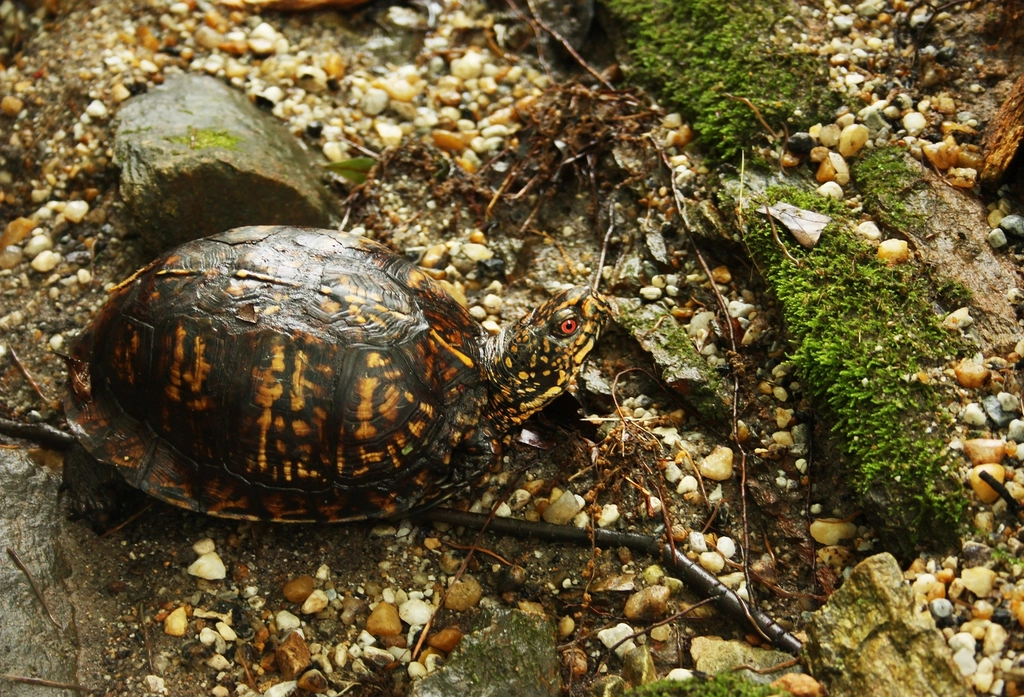 Photo Credit: Rawpixel
In the heart of a sun-dappled forest, the box turtle, scientifically known as Terrapene carolina, ambles through a world rich with life. With its sturdy, rounded shell adorned in a patchwork of earthy browns and vibrant yellows, this little reptile is a delightful sight against the backdrop of lush greenery. As it moves slowly across the forest floor, the box turtle’s unique ability to retract its head and limbs into its shell offers it a clever defense against predators. This fascinating adaptation not only protects it but also makes it a subject of interest for scientists and nature lovers alike.
Box turtles are more than just charming; they play a vital role in their ecosystems. As omnivores, they feast on a varied diet that includes plants, insects, and even small animals, helping to maintain the balance of their habitats. Their presence as both foragers and seed dispersers contributes to the health of the forest, making them essential players in the intricate web of life. With their gentle demeanor and intriguing behaviors, box turtles invite us to explore the wonders of nature, reminding us of the delicate connections that sustain our world.
The box turtle, a charming and resilient member of the animal kingdom, holds a special place in the tree of life. Taxonomically, it belongs to the Kingdom Animalia, which includes all animals, and is classified under the Phylum Chordata, known for creatures with a backbone. As a member of the Class Reptilia, box turtles are cold-blooded reptiles, and they fall under the Order Testudines, which encompasses all turtles and tortoises. What sets box turtles apart is their ability to completely retract into their shells, a unique defense mechanism that not only protects them from predators but also helps them retain moisture in their often dry habitats.
| Taxonomic Rank | Scientific Name | Meaning & Significance |
|---|---|---|
| Kingdom | Animalia | This name comes from the Latin word “animalis,” meaning “having breath,” highlighting the living, breathing nature of all animals. |
| Phylum | Chordata | Derived from the Greek word “chordē,” meaning “string,” this refers to the notochord, a flexible rod that is a key feature in the development of vertebrates. |
| Class | Reptilia | From the Latin “reptilis,” meaning “creeping,” this class includes animals that typically crawl or move close to the ground. |
| Order | Testudines | This name comes from the Latin “testudo,” meaning “tortoise,” which reflects the hard shell that characterizes all turtles. |
| Family | Emydidae | Derived from the Greek word “emys,” meaning “freshwater turtle,” this family includes many aquatic and semi-aquatic turtles. |
| Genus | Terrapene | This name comes from the Latin word “terra,” meaning “earth,” which is fitting for these turtles that often inhabit terrestrial environments. |
Understanding the box turtle’s classification reveals much about its evolutionary journey. As a member of the Emydidae family, it shares a lineage with other freshwater and semi-aquatic turtles, showcasing adaptations that have allowed it to thrive in diverse habitats. The box turtle’s unique shell and terrestrial lifestyle highlight its evolutionary response to environmental pressures, such as predation and habitat changes. This classification not only helps us appreciate the box turtle’s place in nature but also emphasizes the intricate connections among all living organisms on our planet.
The evolutionary journey of the box turtle stretches back millions of years, weaving through the tapestry of time to reveal a lineage that has adapted to a variety of environments. These turtles belong to the family Emydidae and the genus Terrapene, with their ancestors first appearing during the late Cretaceous period, around 75 million years ago. This was a time when dinosaurs roamed the Earth, and the world was a very different place.
The ancestors of box turtles were likely similar to other early turtles, which had a more open shell structure. Over time, these turtles began to develop a more domed shell, a significant evolutionary transition that provided better protection against predators. This change allowed them to retreat into their shells more effectively, a behavior that is still seen today. As they evolved, box turtles also adapted to a terrestrial lifestyle, moving away from their aquatic origins. This shift required new adaptations, such as stronger limbs for walking on land and a more efficient way to regulate their body temperature.
The adaptations of the box turtle have been crucial for its survival in a variety of habitats, from forests to grasslands. Their ability to retreat into their shells not only protects them from predators but also helps them endure harsh weather conditions. With their sturdy limbs and long lifespan, box turtles have successfully navigated the challenges of their environments, showcasing the power of evolution in shaping life on Earth. As they continue to thrive, these turtles remind us of the intricate connections between adaptation and survival in the natural world.
The box turtle is a delightful sight, with a sturdy, rounded body that exudes both charm and resilience. Its most striking feature is its colorful shell, which can be a mosaic of earthy browns, vibrant yellows, and deep greens. This hard outer shell, known as a carapace, serves as a protective fortress, allowing the turtle to retreat inside when danger approaches. With a weight ranging from half a pound to two pounds, these turtles are small enough to be easily overlooked yet robust enough to thrive in their habitats.
| Feature | Description |
|---|---|
| Weight | 0.5 lbs to 2 lbs |
| Skin Type | Hard outer shell |
| Most Distinctive Feature | Colorful shell |
The combination of a colorful shell and a hard exterior not only makes the box turtle visually appealing but also plays a crucial role in its survival. The vibrant patterns can help it blend into the dappled light of the forest floor, providing camouflage from predators. Meanwhile, the tough shell acts as a shield against threats, allowing the turtle to retreat into its protective home when it senses danger. Together, these features create a perfect balance of beauty and defense, showcasing nature’s clever designs for survival.
The box turtle thrives in a variety of habitats that paint a picture of lush greenery and gentle sunlight. Imagine wandering through a sun-dappled forest, where the ground is soft with fallen leaves and the air is filled with the sounds of chirping birds. These turtles can also be found in open fields, where wildflowers bloom and the grass sways in the breeze. Surprisingly, they even make their homes in residential neighborhoods, often seen meandering through gardens or basking on warm sidewalks. This adaptability allows them to blend into different environments, making them a common sight in many areas.
Box turtles prefer climates that offer a mix of warmth and moisture. They thrive in areas where the temperature is mild, typically ranging from 70 to 85 degrees Fahrenheit. These turtles enjoy environments with plenty of shade, as they are sensitive to extreme heat. They also need access to water sources, like ponds or streams, to stay hydrated and help regulate their body temperature. The combination of these elements creates a perfect setting for their daily activities, from foraging for food to soaking up the sun.
To survive in their diverse habitats, box turtles have developed some clever adaptations. Their hard, domed shells provide excellent protection from predators, allowing them to retreat into their shells when threatened. This ability to close up tight is a key feature that gives them their name. Additionally, their diet is quite varied, consisting of plants, insects, and even small animals, which helps them thrive in different environments. With these adaptations, box turtles can navigate the challenges of their surroundings, making them resilient residents of forests, fields, and even our backyards.
The box turtle’s daily life is a blend of slow-paced exploration and careful foraging. As the sun rises, these turtles emerge from their cozy hiding spots, often nestled under leaves or logs. They spend their mornings basking in the warm sunlight, which helps them regulate their body temperature. This basking behavior is crucial for their health, as box turtles are ectothermic, meaning they rely on external heat sources to warm their bodies. After soaking up the sun, they wander through their habitat, searching for tasty treats like juicy berries, tender plants, and even small insects.
While box turtles are primarily solitary creatures, they do have interesting interactions with one another, especially during the breeding season. Males may engage in gentle head-bobbing displays to attract females, showcasing their vibrant personalities. Although they prefer to roam alone, box turtles can sometimes be spotted in the same area, especially when food is plentiful. Their social behavior is subtle, relying on body language and scent to communicate. This means they are more about quiet encounters than boisterous gatherings, making their social life a bit of a mystery.
| Behavior Type | Description |
|---|---|
| Activity Patterns | Box turtles are most active during the day, basking in the sun and foraging for food. They tend to be less active during extreme temperatures, seeking shelter to stay cool or warm. |
| Social Structure | These turtles are generally solitary, preferring to live and forage alone. They may come together during mating season but otherwise maintain a low profile. |
| Communication Methods | Box turtles communicate through body language, such as head movements and postures, as well as through scent marking to establish territory and attract mates. |
The behaviors of box turtles are finely tuned to ensure their survival in the wild. By basking in the sun, they maintain their body temperature, which is essential for their metabolism. Their solitary nature allows them to avoid competition for food and reduces the risk of predation. When they do interact, especially during mating, their subtle communication methods help them navigate their social world without drawing too much attention. This careful balance of behaviors not only supports their individual needs but also contributes to the overall health of their populations in the wild.
The box turtle is an omnivore, which means it enjoys a varied diet that includes both plants and animals. This adaptability allows it to thrive in different environments. Box turtles are known for their foraging behavior, often seen slowly wandering through their habitats in search of food. They use their keen sense of smell and sight to locate tasty treats, whether it’s a juicy berry or a wriggling insect. Their diet is not only diverse but also reflects the changing seasons, as they take advantage of whatever is available at different times of the year.
| Dietary Aspect | Details |
|---|---|
| Diet Type | Omnivore |
| Favorite Foods | Fruits, flowers, and roots |
| Prey Items | Insects and amphibians |
| Hunting/Foraging Strategies | Slow movement, keen sense of smell, and sight |
The box turtle’s diet plays a crucial role in its ecology and daily routine. By consuming a mix of plant and animal matter, it helps to control insect populations and disperse seeds, contributing to the health of its ecosystem. This foraging lifestyle also means that box turtles must be active during the day, taking advantage of sunlight to warm their bodies and find food. Their varied diet not only sustains them but also connects them to the intricate web of life in their habitats, making them important players in their environment.
As spring arrives and the days grow warmer, box turtles begin their courtship rituals. Males often engage in a series of displays to attract females, including head bobbing and gentle nudging. Once a pair has formed, they mate, and the female will later lay her eggs in a carefully chosen spot, often in soft, sandy soil. This breeding season is crucial for the continuation of their species, as it sets the stage for the next generation of these delightful reptiles.
| Reproductive Aspect | Details |
|---|---|
| Gestation Period | 50-90 days |
| Litter Size | 3-8 eggs |
| Age of Maturity | 5 years |
| Name of Young | Hatchlings |
After the eggs are laid, the female box turtle leaves them to develop on their own, showing little to no parental care. The hatchlings emerge after their gestation period, ready to face the world. These tiny turtles are miniature versions of adults, equipped with instincts that guide them to find food and shelter. As they grow, they learn to navigate their environment, gradually maturing into the resilient adults that roam the forests and fields. The journey from hatchling to adult is filled with challenges, but it is a vital part of the box turtle’s life cycle, ensuring the survival of this enchanting species.
The box turtle plays a vital role in its ecosystem, often serving as both prey and a seed disperser. Positioned in the middle of the food web, these turtles help maintain the balance of their habitats. They consume a variety of plants and small animals, which in turn supports the larger predators that rely on them for food. However, this charming reptile faces several dangers that threaten its survival.
To defend themselves against these threats, box turtles have developed some clever survival strategies. When faced with danger, they can retreat into their hard shells, which act like a protective fortress. This ability to close up tight helps shield them from predators. Additionally, their slow and deliberate movements allow them to blend into their surroundings, making it harder for hungry eyes to spot them. By using these tactics, box turtles can navigate the challenges of their environment and continue to thrive in the wild.
A keystone species is an organism that has a disproportionately large impact on its environment relative to its abundance. This means that if a keystone species were to disappear, the entire ecosystem could change dramatically. The box turtle, with its unique behaviors and ecological roles, qualifies as a keystone species in many of its habitats. Its presence helps maintain the balance of the ecosystems it inhabits, making it an essential player in the natural world.
Box turtles contribute to their ecosystems in several important ways. As omnivores, they consume a variety of plants and small animals, which helps control the populations of these organisms. By eating fruits and seeds, they also play a crucial role in seed dispersal. This means that when they munch on berries or other fruits, they help spread the plants’ seeds across the landscape, allowing new plants to grow in different areas. This process is vital for maintaining plant diversity and ensuring that forests and fields remain healthy and vibrant.
Additionally, box turtles serve as prey for larger animals, such as raccoons and foxes. Their presence in the food web supports these predators, which rely on them for sustenance. This relationship helps maintain the balance of predator and prey populations, ensuring that no single species dominates the ecosystem. Furthermore, by digging in the soil while foraging, box turtles help aerate the ground, promoting healthy soil and plant growth.
If box turtles were to vanish from their habitats, the effects would ripple through the ecosystem. Without these turtles, plant populations could decline due to reduced seed dispersal, leading to less biodiversity. This decline could affect the animals that rely on those plants for food, creating a chain reaction that disrupts the entire food web. Predators that depend on box turtles for sustenance would also struggle to find enough food, potentially leading to their decline as well. In essence, the disappearance of box turtles would create a less balanced and less vibrant ecosystem, highlighting their vital role in nature.
The box turtle occupies a vital ecological niche, acting as both a forager and a seed disperser in its environment. Found in forests, fields, and even residential neighborhoods, these turtles contribute to the health of their ecosystems in numerous ways. Their omnivorous diet allows them to consume a variety of plants and small animals, which helps regulate populations and promotes biodiversity. By foraging for food, box turtles also help aerate the soil, making it easier for plants to grow.
| Ecosystem Service | Impact |
|---|---|
| Seed Dispersal | Helps plants reproduce by spreading seeds through their droppings. |
| Soil Aeration | Improves soil quality and promotes healthy plant growth. |
| Prey for Predators | Serves as a food source for larger animals, maintaining the food web. |
| Decomposition | Contributes to nutrient cycling by consuming decaying organic matter. |
Box turtles influence their surroundings in specific and meaningful ways. For instance, when they munch on fruits and berries, they not only enjoy a tasty meal but also help plants by spreading their seeds far and wide. This process is crucial for the growth of new plants, ensuring that forests and fields remain vibrant and diverse. Additionally, as they dig through the soil in search of food, they create small burrows that allow air and water to penetrate deeper, benefiting the roots of nearby plants.
The broader ecological importance of box turtles cannot be overstated. As a keystone species, their presence supports a balanced ecosystem. If box turtles were to disappear, the effects would ripple through their habitats, potentially leading to a decline in plant diversity and an imbalance in the food web. By understanding and appreciating the role of box turtles, we can better protect these remarkable animals and the ecosystems they help sustain.
In the intricate web of life, symbiosis plays a crucial role in shaping the relationships between different species. Symbiosis refers to the close interactions between organisms, which can be beneficial, harmful, or neutral. These ecological relationships can be classified into three main types: mutualism, where both species benefit; commensalism, where one species benefits while the other is neither helped nor harmed; and parasitism, where one species benefits at the expense of the other. The box turtle, with its gentle demeanor and adaptable nature, engages in various partnerships that highlight the beauty of these interactions.
| Species/Type | Relationship Type | Description |
|---|---|---|
| Plants (e.g., wildflowers) | Mutualistic | Box turtles help disperse seeds as they forage, allowing plants to spread and thrive in new areas. |
| Small insects (e.g., ants) | Commensal | Box turtles may inadvertently carry insects on their shells, providing them a ride without affecting the turtle. |
| Parasites (e.g., ticks) | Parasitic | Ticks can latch onto box turtles, feeding on their blood, which can harm the turtles if the infestation is severe. |
These relationships have evolved over time, shaped by the needs and behaviors of the species involved. The mutualistic bond between box turtles and plants is particularly fascinating, as it not only aids the turtles in finding food but also supports plant reproduction. Meanwhile, the commensal relationships with insects show how life can be interconnected in surprising ways. However, the presence of parasites reminds us that not all interactions are beneficial. Understanding these dynamics helps us appreciate the delicate balance of ecosystems and the roles that each species plays in maintaining that balance.
Box turtles are not just adorable; they are full of surprises that make them truly captivating. These little reptiles have a wealth of interesting traits and behaviors that showcase their adaptability and unique role in nature.
Throughout history, box turtles have captivated human imagination and culture. These charming reptiles have appeared in folklore, art, and even as symbols of wisdom and longevity. Many Native American tribes revered box turtles, seeing them as sacred creatures that embody the earth’s stability. Their unique ability to retract into their shells has made them a symbol of protection and resilience. As humans have encountered box turtles in their natural habitats, they have often been inspired by their slow, deliberate movements and vibrant shells, leading to a deep-rooted appreciation for these creatures.
In modern times, the relationship between box turtles and humans has evolved, reflecting both cooperation and conflict. Conservation efforts are underway to protect these turtles from habitat loss and illegal pet trade. Many organizations work tirelessly to educate the public about the importance of preserving their natural environments. However, box turtles often face challenges from urban development, which encroaches on their habitats. Some people even attempt to domesticate them, believing they can make good pets, but this can lead to health issues for the turtles and disrupt their natural behaviors.
Looking ahead, the future of the box turtle and humanity’s relationship will depend on our commitment to conservation and education. As we learn more about these fascinating reptiles, we can foster a deeper understanding of their role in our ecosystems. By protecting their habitats and promoting responsible pet ownership, we can ensure that box turtles continue to thrive alongside us. Together, we can create a world where these resilient creatures are celebrated and preserved for generations to come.
The box turtle is currently classified as Vulnerable, indicating that its populations are at risk of decline. With an estimated population size of fewer than 10,000 individuals, these turtles face significant challenges in their natural habitats. As human activities continue to encroach upon their environments, the future of box turtles hangs in a delicate balance, prompting conservationists to take action to protect these charming reptiles.
| Conservation Factor | Status/Details |
|---|---|
| IUCN Status | Vulnerable |
| Population Estimates | Less than 10,000 |
| Trend Direction | Declining |
The main threats to box turtles stem from habitat loss, road mortality, and illegal collection for the pet trade. As urban areas expand, the forests and fields that box turtles call home are often destroyed or fragmented. This not only reduces their living space but also makes it harder for them to find food and mates. Additionally, many turtles fall victim to cars while crossing roads, and some are taken from the wild to be sold as pets, further diminishing their numbers.
Conservation efforts are underway to help protect box turtles and their habitats. Organizations are working to raise awareness about the importance of these turtles in their ecosystems and to promote safe road crossings. Habitat restoration projects aim to create safe spaces for box turtles to thrive. With continued support and action, there is hope that the box turtle population can stabilize and even recover, allowing future generations to enjoy the beauty of these remarkable reptiles.
| Question | Answer |
|---|---|
| What is the habitat of Box Turtles? | Box turtles are commonly found in forests, fields, and even residential neighborhoods. They prefer areas with plenty of vegetation and access to water, as these environments provide food and shelter. |
| What do Box Turtles eat? | Box turtles are omnivores, which means they eat both plants and animals. Their diet includes fruits, vegetables, insects, and even small animals like worms and snails, making them quite adaptable in their food choices. |
| How do Box Turtles behave? | Box turtles are generally slow-moving and spend a lot of time foraging for food. They are also known for their shy nature and will often retreat into their shells when they feel threatened. |
| How do Box Turtles reproduce? | Box turtles typically mate in the spring and summer. After mating, the female lays eggs in a nest she digs in the ground, and the eggs usually hatch after about 60 days, depending on the temperature and conditions. |
| What threats do Box Turtles face? | Box turtles are considered vulnerable due to habitat loss, road mortality, and illegal pet trade. Their slow reproduction rate makes it difficult for populations to recover from these threats. |
| What is a distinctive feature of Box Turtles? | The most distinctive feature of Box turtles is their colorful shells, which can have intricate patterns and bright colors. This not only makes them beautiful but also helps them blend into their surroundings for protection. |
| Can Box Turtles live a long time? | Yes, Box turtles can live for several decades, with some individuals reaching over 50 years of age. This long lifespan makes them a unique and interesting species in the animal kingdom. |