Taxonomy & Classification
- Kingdom
- Animalia
- Phylum
- Chordata
- Class
- reptilia
- Family
- Diplodocidae
- Genus
- Brontosaurus
- Species
- Brontosaurus excelsus, Brontosaurus parvis, Brontosaurus yahnahpin

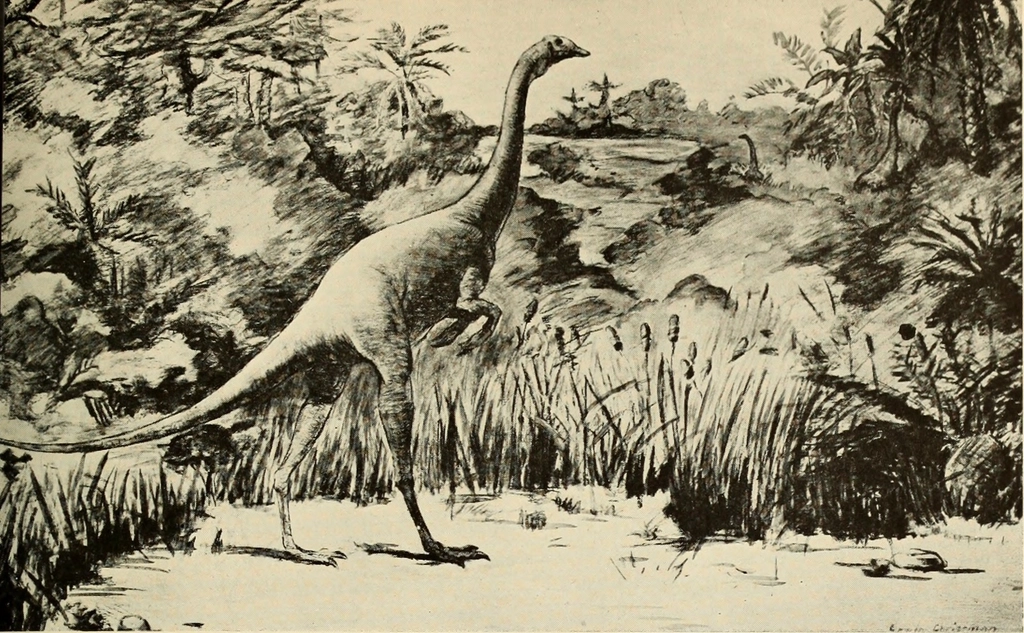 Photo Credit: Rawpixel
In the lush, green landscapes of the late Jurassic period, the Brontosaurus, scientifically known as Brontosaurus excelsus, roamed majestically. Imagine a creature stretching up to 75 feet long, its long neck gracefully arching as it reaches for the tender leaves of towering conifers. With a massive body supported by sturdy legs, this gentle giant moved through its habitat, leaving a trail of swaying ferns in its wake. The sight of such a colossal dinosaur, with its long tail trailing behind, is enough to spark wonder in anyone who imagines it.
What makes the Brontosaurus so captivating to scientists and nature enthusiasts alike is not just its size, but its role in the ecosystem. As a herbivore, it played a crucial part in shaping its environment, munching on vast amounts of vegetation and helping to maintain the balance of its ecosystem. This dinosaur’s unique adaptations, like its long neck that allowed it to reach high into the trees, showcase the incredible ways life evolves to thrive in different habitats. The Brontosaurus continues to inspire curiosity and awe, reminding us of the diverse and dynamic world that once existed on our planet.
The Brontosaurus, a giant long-necked dinosaur, holds a special place in the tree of life. It belongs to the family Diplodocidae, which is part of the larger group known as Sauropodomorpha. These massive herbivores roamed the Earth during the Late Jurassic period, around 154 to 150 million years ago. What makes Brontosaurus particularly intriguing is its impressive size, with some individuals reaching lengths of up to 75 feet! This colossal creature is not just a marvel of size; it also showcases the incredible diversity of life that once thrived on our planet.
| Taxonomic Rank | Scientific Name | Meaning & Significance |
|---|---|---|
| Kingdom | Animalia | This classification includes all animals, highlighting Brontosaurus as a member of the animal kingdom. |
| Phylum | Chordata | Chordata means “having a notochord,” a flexible rod that supports the body, which Brontosaurus had during its development. |
| Class | Reptilia | Reptilia refers to reptiles, a group characterized by scaly skin and laying eggs, which includes Brontosaurus. |
| Family | Diplodocidae | This family name means “double beam,” referring to the unique structure of the bones in the tail of these dinosaurs. |
| Genus | Brontosaurus | Brontosaurus translates to “thunder lizard,” a name inspired by its massive size and the rumbling sound it might have made as it moved. |
Understanding where Brontosaurus fits in the taxonomic hierarchy reveals much about its evolutionary journey. As a member of the Diplodocidae family, it shares characteristics with other long-necked dinosaurs, showcasing adaptations for a herbivorous diet. This classification not only highlights its physical traits but also connects it to a broader lineage of reptiles that thrived in prehistoric ecosystems. The Brontosaurus, with its thunderous presence, reminds us of the incredible diversity and complexity of life that has existed on Earth, shaping the world we know today.
The story of Brontosaurus unfolds during the late Jurassic period, around 150 million years ago. This was a time when dinosaurs roamed the Earth in diverse forms, and the landscape was filled with lush vegetation. As one of the largest land animals to ever exist, Brontosaurus was part of a remarkable evolutionary journey that shaped its unique characteristics and adaptations.
Brontosaurus evolved from earlier sauropods, which were long-necked dinosaurs that first appeared in the late Triassic period. These ancestors were smaller and less specialized than their gigantic descendants. Over millions of years, they underwent significant changes, developing longer necks and tails, which allowed them to reach high into trees for food and maintain balance. This transition was crucial, as it enabled them to exploit a variety of plant life, from treetops to low-lying ferns.
The evolution of Brontosaurus also involved changes in its body structure. Its massive size, supported by sturdy legs, helped it fend off predators and dominate its environment. Additionally, the development of a long, whip-like tail served as both a defense mechanism and a tool for communication among herd members.
These adaptations were vital for Brontosaurus’s survival in a world filled with challenges. Its long neck and massive size allowed it to thrive in a competitive environment, while its tail provided both protection and social interaction. Together, these traits made Brontosaurus a true giant of the Jurassic landscape, showcasing the incredible power of evolution in shaping life on Earth.
The Brontosaurus is an awe-inspiring sight, towering over the landscape with its massive frame and long, graceful neck. Imagine a creature that stretches up to 75 feet in length, with a body that resembles a colossal, living bridge. Its sturdy legs support a weight of 15 to 19 tons, allowing it to move with surprising grace despite its size. The long neck, its most distinctive feature, extends high into the air, enabling this gentle giant to reach the treetops for a feast of leaves and foliage.
| Feature | Description |
|---|---|
| Size | Up to 75 feet long |
| Weight | 15-19 tons |
| Most Distinctive Feature | Long neck |
| Skin Type | Rough, scaly skin |
| Color | Likely a muted green or brown for camouflage |
The combination of these features makes the Brontosaurus not just a marvel of nature, but also a master of survival. Its long neck allows it to access food high in the trees, giving it an advantage over other herbivores that can only reach lower vegetation. The rough, scaly skin likely provided protection from predators and the elements, while its muted colors helped it blend into the lush, prehistoric environment. Together, these characteristics paint a picture of a creature perfectly adapted to thrive in its world, a true giant of the Jurassic age.
The Brontosaurus thrived in lush, green environments that were abundant during the late Jurassic period. Picture vast floodplains dotted with towering conifers and ferns, where the air was thick with humidity and the ground was rich with nutrients. These gentle giants roamed through forests and open plains, munching on the plentiful vegetation that surrounded them. Their long necks allowed them to reach high into the trees or sweep low to the ground, making the most of their leafy buffet.
The climate in these regions was warm and temperate, with plenty of rainfall to support the dense plant life. The environment was often humid, creating a perfect setting for the lush greenery that Brontosaurus depended on for food. This climate allowed for a diverse ecosystem, where not only dinosaurs but also various other prehistoric creatures thrived alongside them.
To survive in such habitats, Brontosaurus developed several adaptations. Its long neck was a key feature, enabling it to reach high branches and graze on treetops that other herbivores couldn’t access. Additionally, its massive body helped it to store energy from the abundant plant life, allowing it to sustain itself in a world where food was plentiful but competition was fierce. These adaptations made the Brontosaurus a true master of its environment, perfectly suited to the rich landscapes it called home.
As the sun rises over the lush, green landscapes of the late Jurassic period, the Brontosaurus begins its day. This colossal dinosaur, with its long neck and massive body, spends most of its time munching on the abundant vegetation that surrounds it. With a diet primarily consisting of leaves, ferns, and other plant material, the Brontosaurus uses its impressive height to reach the treetops, where the tastiest greens await. Throughout the day, it moves slowly but steadily, grazing and occasionally shifting to new feeding grounds in search of fresh foliage.
Brontosaurus is not a solitary creature; it thrives in social groups known as herds. These herds can consist of dozens of individuals, providing safety in numbers. By staying close to one another, Brontosaurus can watch for predators like the fearsome Allosaurus. Communication among herd members is vital, and they likely used a combination of low-frequency sounds and body language to convey messages. This social structure helps them maintain strong bonds and coordinate their movements, ensuring that everyone stays safe while feeding and traveling.
| Behavior Type | Description |
|---|---|
| Feeding Patterns | Brontosaurus spends most of its day grazing on leaves and ferns, using its long neck to reach high vegetation. |
| Social Structure | These dinosaurs live in herds, which provide safety from predators and help them find food more efficiently. |
| Communication Methods | Brontosaurus likely communicated through low-frequency sounds and body movements, helping them stay connected within the herd. |
The behaviors of the Brontosaurus are finely tuned to ensure its survival in a world filled with challenges. By forming herds, these gentle giants can protect one another from predators while maximizing their foraging efficiency. Their ability to communicate and work together not only strengthens their social bonds but also enhances their chances of thriving in the lush environments they call home. In the grand tapestry of the Jurassic world, the daily life of the Brontosaurus is a testament to the power of cooperation and adaptation.
The Brontosaurus was a true giant of the Jurassic period, primarily feeding on a diet of plants. As a herbivore, it relied on its long neck to reach high into the trees and graze on leaves, ferns, and other vegetation. This feeding behavior allowed it to access food sources that many other dinosaurs could not, giving it a significant advantage in its lush environment. With its massive size, the Brontosaurus could consume large quantities of plant material each day, fueling its enormous body.
| Dietary Aspect | Details |
|---|---|
| Diet Type | Herbivore |
| Favorite Foods | Leaves, ferns, and conifer needles |
| Prey Items | None, as it does not eat meat |
| Hunting/Foraging Strategies | Uses its long neck to reach high vegetation and forages in large areas |
The Brontosaurus’s diet played a crucial role in shaping its ecology and daily routine. By consuming vast amounts of plant material, it helped maintain the balance of its environment, promoting the growth of various plant species. This massive dinosaur spent much of its day foraging, which not only provided the energy it needed but also influenced the plant life around it. In this way, the Brontosaurus was not just a consumer of plants but an important player in the ecosystem, helping to create a vibrant and diverse habitat for other creatures.
When it comes to mating, Brontosaurus likely engaged in some interesting behaviors during the breeding season. This period would have been marked by displays of strength and size, as males competed for the attention of females. Imagine a scene where these enormous dinosaurs, with their long necks and massive bodies, would engage in gentle but powerful interactions, perhaps even vocalizing to attract mates. The breeding season would have been a time of excitement, as these gentle giants prepared to bring new life into the world.
| Reproductive Aspect | Details |
|---|---|
| Gestation Period | Approximately 12 to 13 months |
| Litter Size | Typically one young |
| Age of Maturity | About 10 to 15 years |
| Name of Young | Calf |
Once the young Brontosaurus, known as a calf, is born, it enters a world filled with towering plants and vast landscapes. The calves would have relied heavily on their mothers for nourishment and protection during their early years. Parental care was crucial, as these young dinosaurs needed time to grow and develop their strength. As they matured, they would learn to forage for food and navigate their environment, eventually becoming the majestic adults that roamed the Earth millions of years ago. The bond between mother and calf was likely strong, ensuring that the next generation of Brontosaurus could thrive in their lush, prehistoric world.
The Brontosaurus, a colossal herbivore of the late Jurassic period, occupies a significant position in the food web. As a plant-eater, it primarily feeds on leaves and ferns, making it a vital part of its ecosystem. However, being large does not mean it is free from danger. In fact, this gentle giant faces several threats from predators and environmental challenges that can impact its survival.
To defend itself against these threats, the Brontosaurus relies on its sheer size and strength. With its towering height, it can reach high foliage, making it less accessible to many predators. Additionally, its long neck allows it to spot danger from afar. When threatened, it may use its powerful tail as a weapon, swinging it to deter attackers. Furthermore, living in herds provides safety in numbers, as they can work together to watch for predators and protect the young. Through these strategies, the Brontosaurus navigates the challenges of its prehistoric world, showcasing the resilience of life in the face of danger.
A keystone species is an organism that plays a crucial role in maintaining the structure of its ecosystem. Its presence and activities significantly influence the types and numbers of other species in that environment. The Brontosaurus, with its massive size and herbivorous diet, can be considered a keystone species of its time. By feeding on a variety of plants, it helped shape the vegetation of the late Jurassic period, influencing the entire ecosystem around it.
The ecological impact of the Brontosaurus was profound. As a large herbivore, it consumed vast amounts of foliage, which prevented any single plant species from dominating the landscape. This grazing behavior promoted biodiversity, allowing various plants to thrive. Additionally, the Brontosaurus likely contributed to seed dispersal. As it moved through its habitat, it would have eaten fruits and plants, and later excreted the seeds in different locations, helping new plants to grow in diverse areas.
Moreover, the sheer size of the Brontosaurus would have created a unique environment for smaller animals. Its presence could have provided shelter and food sources for various species, from insects to smaller mammals. The fallen leaves and branches from the trees it fed on would have created rich ground cover, supporting a variety of life forms.
If the Brontosaurus had disappeared from its ecosystem, the consequences would have been significant. Without this giant herbivore, certain plant species might have overgrown, leading to a decline in biodiversity. The loss of seed dispersal would have hindered the growth of new plants, disrupting the balance of the ecosystem. Smaller animals that relied on the Brontosaurus for shelter and food would have struggled to survive, potentially leading to a ripple effect that could alter the entire food web. In essence, the absence of the Brontosaurus would have created a less diverse and less resilient environment.
The Brontosaurus, a colossal herbivore from the late Jurassic period, played a vital role in shaping its ecosystem. As a massive plant-eater, it occupied a unique ecological niche, primarily feeding on the abundant vegetation of its time. This giant dinosaur’s long neck allowed it to reach high into trees, accessing leaves and ferns that many other herbivores could not. By doing so, the Brontosaurus not only sustained itself but also influenced the growth patterns of the plants it consumed, creating a dynamic relationship with its environment.
| Ecosystem Service | Impact |
|---|---|
| Vegetation Control | Maintains plant diversity by preventing any single species from dominating. |
| Seed Dispersal | Helps spread seeds through its droppings, promoting new plant growth. |
| Soil Aeration | Its movement through the landscape helps to aerate the soil, improving plant health. |
| Habitat Creation | Creates open spaces in forests, allowing sunlight to reach the ground and supporting other species. |
The influence of the Brontosaurus on its environment can be seen in various ways. For instance, as it grazed on the treetops, it encouraged the growth of lower shrubs and grasses, which in turn provided food and shelter for smaller animals. Additionally, the seeds it ingested and later excreted contributed to the spread of diverse plant species across the landscape. This process not only enriched the ecosystem but also created a more balanced habitat for other creatures, from insects to smaller herbivores.
The broader ecological importance of the Brontosaurus cannot be overstated. As a keystone species, its presence helped maintain the structure and diversity of its ecosystem. By shaping the plant life and creating habitats for other animals, the Brontosaurus ensured a thriving community of organisms. This intricate web of life highlights how even the largest creatures can have profound effects on their surroundings, reminding us of the interconnectedness of all living things in the natural world.
In the intricate web of life, symbiosis refers to the close relationships between different species that can benefit one or both parties involved. These ecological partnerships can take various forms, including mutualism, where both species gain advantages; commensalism, where one benefits while the other is neither helped nor harmed; and parasitism, where one species benefits at the expense of another. Understanding these relationships helps us appreciate how species like the Brontosaurus interacted with their environment and other organisms during the late Jurassic period.
| Species/Type | Relationship Type | Description |
|---|---|---|
| Ferns | Mutualistic | Brontosaurus fed on ferns, helping to spread their spores through its droppings, which allowed new ferns to grow in different areas. |
| Insects | Commensal | Insects may have lived on the Brontosaurus, feeding on parasites or dead skin without affecting the dinosaur. |
| Predatory Dinosaurs | Parasitic | While not a direct relationship, predatory dinosaurs could have posed a threat to young Brontosaurus, benefiting from their size and vulnerability. |
These relationships evolved over millions of years, shaped by the needs and behaviors of the species involved. The Brontosaurus, as a massive herbivore, played a crucial role in its ecosystem, influencing plant growth and distribution. In turn, the plants and smaller creatures adapted to thrive alongside this gentle giant. Such partnerships highlight the interconnectedness of life, where each species contributes to the balance of its environment, ensuring survival and prosperity for all.
The Brontosaurus, often celebrated for its impressive size and long neck, is a dinosaur that continues to capture the imagination of both young and old. While many people know about its massive frame, there are some surprising facts that reveal just how extraordinary this creature truly was.
The Brontosaurus, a colossal dinosaur that roamed the Earth over 150 million years ago, has left an indelible mark on human culture and imagination. From the moment paleontologists unearthed its massive bones in the late 19th century, this gentle giant has captured the hearts of many. It has appeared in countless books, movies, and educational materials, symbolizing the grandeur of the prehistoric world. The Brontosaurus represents not just a fascinating creature of the past, but also a bridge to understanding the history of life on Earth, inspiring curiosity and wonder in people of all ages.
Today, the relationship between humans and the Brontosaurus is largely one of fascination and education, as this dinosaur no longer walks the Earth. However, its legacy continues to influence how we think about conservation and the protection of modern-day species. Museums and educational programs strive to teach about the importance of biodiversity and the need to preserve habitats that support living creatures. While we cannot domesticate or interact with Brontosaurus directly, we can learn from its story to better understand the impact of human activity on the environment and the importance of protecting the ecosystems that sustain life.
As we look to the future, the legacy of the Brontosaurus reminds us of the importance of preserving our planet’s biodiversity. While this magnificent dinosaur may be long gone, its story encourages us to protect the living creatures that share our world today. By learning from the past, we can foster a deeper appreciation for the natural world and work towards a future where all species, great and small, can thrive. The relationship between humanity and the Brontosaurus, though rooted in history, continues to inspire a commitment to conservation and a curiosity about the wonders of life on Earth.
The Brontosaurus, a magnificent dinosaur from the late Jurassic period, is no longer a living species, so it does not have a conservation status in the traditional sense. Instead, it exists in the realm of paleontology, where scientists study its fossils to understand its life and environment. Since Brontosaurus went extinct around 150 million years ago, there are no current population trends to report. However, its legacy continues to inspire curiosity and wonder about the prehistoric world.
| Conservation Factor | Status/Details |
|---|---|
| IUCN Status | Extinct |
| Population Estimates | N/A |
| Trend Direction | N/A |
The main threats to the Brontosaurus were not human-related, as it lived millions of years before our time. Instead, natural events like climate change, volcanic eruptions, and changes in vegetation likely played significant roles in its extinction. As the environment shifted, the lush habitats that supported these massive herbivores may have dwindled, leading to challenges in finding food and shelter.
While we cannot conserve the Brontosaurus itself, its story teaches us valuable lessons about the importance of biodiversity and the fragility of ecosystems. Today, conservation efforts focus on protecting living species and their habitats to prevent similar extinctions. By studying the past, we can better understand how to safeguard the future of our planet’s incredible wildlife. The legacy of the Brontosaurus reminds us of the wonders of evolution and the need to cherish the diverse life forms that share our world today.
| Question | Answer |
|---|---|
| What was the habitat of Brontosaurus? | Brontosaurus lived in what is now North America during the late Jurassic period, around 150 million years ago. It roamed lush, forested areas near rivers and floodplains, where it could find plenty of food and water. |
| What did Brontosaurus eat? | Brontosaurus was a herbivore, meaning it primarily ate plants. Its long neck allowed it to reach high into trees to munch on leaves, as well as graze on low-lying vegetation. |
| How did Brontosaurus behave? | Brontosaurus was likely a social dinosaur, often found in groups. This behavior may have helped protect them from predators and allowed them to communicate with each other. |
| How did Brontosaurus reproduce? | Like all dinosaurs, Brontosaurus laid eggs to reproduce. The exact nesting habits are not well understood, but it is believed they may have built nests in sandy areas to protect their eggs. |
| What were the threats to Brontosaurus? | Brontosaurus faced threats from large carnivorous dinosaurs, such as Allosaurus, which hunted them. Additionally, environmental changes could have impacted their food supply and habitat. |
| What is an interesting characteristic of Brontosaurus? | One of the most distinctive features of Brontosaurus is its long neck, which could reach lengths of up to 30 feet! This adaptation allowed it to access a wide range of vegetation, making it a successful herbivore. |
| How did Brontosaurus move? | Brontosaurus was a quadruped, meaning it walked on all four legs. Its massive size and strong legs helped it support its weight and move through its environment, although it was not the fastest dinosaur. |