Taxonomy & Classification
- Kingdom
- Animalia
- Phylum
- Chordata
- Class
- Actinopterygii
- Order
- Salmoniformes
- Family
- Salmonidae
- Genus
- Salvelinus
- Species
- Salvelinus forntinalis

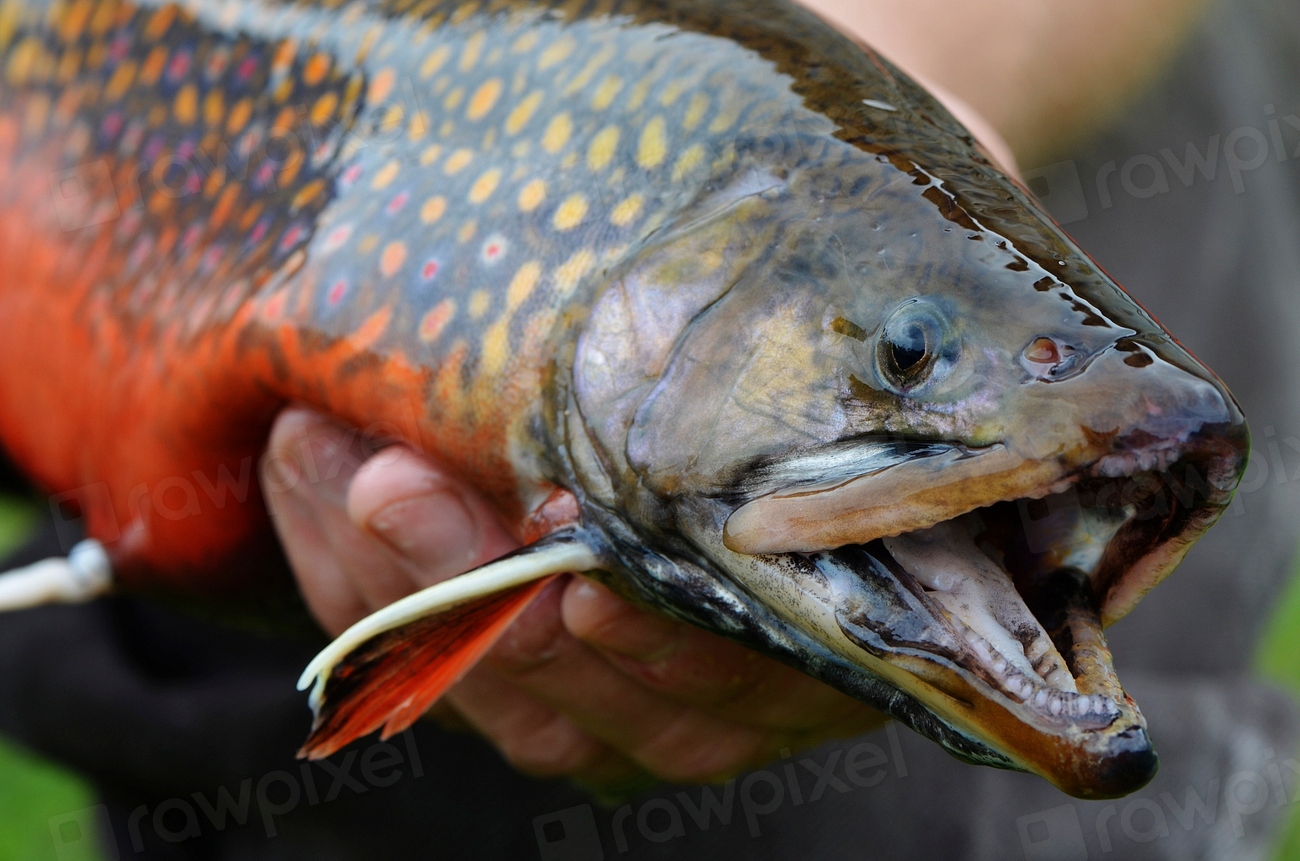 Photo Credit: U.S. Fish and Wildlife Service / Rawpixel
In the cool, clear waters of North America’s mountain streams, the Brook Trout, or Salvelinus fontinalis, glides gracefully through its aquatic realm. With its strikingly vibrant colors—iridescent greens and blues adorned with bright red spots—this fish is a living jewel of freshwater ecosystems. As sunlight filters through the trees, dappling the water’s surface, the Brook Trout becomes a master of camouflage, blending seamlessly with the pebbled riverbed. This enchanting creature not only captivates the eyes of nature enthusiasts but also intrigues scientists who study its role in the delicate balance of aquatic life.
Brook Trout thrive in pristine environments, often found in cold, oxygen-rich waters where they can dart among rocks and vegetation. Their streamlined bodies allow them to navigate swiftly, making them adept hunters of insects and smaller fish. As they swim, they play a vital role in their ecosystem, acting as both predator and prey. This duality is part of what makes the Brook Trout so fascinating; it is a keystone species, meaning its presence significantly influences the health of its habitat. As we dive deeper into the world of the Brook Trout, we will explore its life cycle, behaviors, and the challenges it faces in a changing environment, revealing the intricate connections that sustain this beautiful fish and its watery home.
The Brook Trout, known scientifically as Salvelinus fontinalis, occupies a special place in the tree of life. This fish belongs to the Kingdom Animalia, which includes all animals, and is part of the Phylum Chordata, meaning it has a backbone. What sets Brook Trout apart is its vibrant coloration and adaptability to cold, freshwater environments. As a member of the family Salmonidae, which includes salmon and other trout, Brook Trout showcases the incredible diversity of life in aquatic ecosystems. Its unique adaptations not only help it thrive in its habitat but also make it a favorite among anglers and nature enthusiasts alike.
| Taxonomic Rank | Scientific Name | Meaning & Significance |
|---|---|---|
| Kingdom | Animalia | This name comes from the Latin word “animalis,” meaning “having breath” or “living.” It signifies all living organisms that are not plants or fungi. |
| Phylum | Chordata | Derived from the Greek word “chorde,” meaning “string,” this term refers to animals with a notochord, a flexible rod that supports the body, which in vertebrates becomes the backbone. |
| Class | Actinopterygii | This class name means “ray-finned fishes,” highlighting the structure of their fins, which are supported by bony rays, allowing for agile swimming. |
| Order | Salmoniformes | This order includes fish that are closely related to salmon and trout, named for their resemblance to these well-known species. |
| Family | Salmonidae | The name comes from the Latin “salmo,” meaning “salmon.” This family is known for its economic and ecological importance, including species that migrate between freshwater and saltwater. |
| Genus | Salvelinus | This genus name is derived from the Latin word for “trout,” and it includes species that are often found in cold, clear waters, emphasizing their preference for pristine habitats. |
| Species | fontinalis | This species name comes from the Latin word “fontinalis,” meaning “of springs,” reflecting the Brook Trout’s natural habitat in cold, spring-fed streams and lakes. |
Understanding the Brook Trout’s classification reveals much about its evolutionary journey. As a member of the Salmonidae family, it shares a common ancestor with other fish that have adapted to life in freshwater environments. This lineage highlights the importance of cold, clean water habitats for survival and reproduction. The Brook Trout’s unique adaptations, such as its ability to thrive in diverse aquatic ecosystems, showcase the intricate connections between species and their environments, reminding us of the delicate balance of nature.
The evolutionary journey of the Brook Trout, or Salvelinus fontinalis, stretches back millions of years, weaving through the complex tapestry of life in freshwater ecosystems. This fish is a member of the Salmonidae family, which includes other well-known species like salmon and char. The story of the Brook Trout is one of adaptation and survival, shaped by changing environments and the challenges of life in cold, clear streams and lakes.
The ancestors of Brook Trout emerged during the late Cretaceous period, around 100 million years ago. These early fish were part of a lineage that would eventually give rise to various species of salmonids. Over time, as the Earth’s climate shifted and glaciers advanced and retreated, the Brook Trout adapted to thrive in the cooler waters of North America. One significant transition occurred when these fish developed the ability to tolerate a range of freshwater habitats, from fast-flowing streams to still lakes. This adaptability allowed them to spread across diverse landscapes, from the Appalachian Mountains to the northern reaches of Canada.
These adaptations have been crucial for the Brook Trout’s survival in a world that is constantly changing. Their preference for cold water ensures they remain in environments that support their growth, while their vibrant coloration helps them blend into their surroundings, making them less visible to predators. The ability to eat a wide range of foods means they can thrive even when certain prey is scarce. By creating nests for their eggs, they increase the likelihood of their young surviving to adulthood. All these traits combined have allowed the Brook Trout to not only endure but flourish in the diverse aquatic habitats they call home.
The Brook Trout is a stunning fish that captures the eye with its vibrant colors and sleek form. Its body is streamlined, allowing it to glide effortlessly through the cool, clear waters of streams and lakes. Typically, these fish range from 1 to 7 pounds, making them a delightful catch for anglers. Their shape is designed for speed and agility, with a slightly flattened head and a tapered tail that helps propel them through their aquatic environment.
| Feature | Description |
|---|---|
| Size | 1-7 pounds |
| Color | Dark green to blue-green on the back, with a lighter belly and vibrant orange or red spots |
| Skin Type | Scales |
| Body Shape | Streamlined and tapered for efficient swimming |
| Fins | Soft, rounded fins with a distinctive white edge |
The Brook Trout’s striking coloration serves a dual purpose: it not only dazzles the eyes of onlookers but also provides excellent camouflage among the pebbles and plants of its freshwater habitat. The dark green and blue-green hues blend seamlessly with the rocky riverbeds, while the bright spots can confuse predators and prey alike. Its streamlined body and powerful tail enable swift movements, allowing it to escape threats and chase down smaller fish. Together, these features make the Brook Trout a master of its environment, perfectly adapted to thrive in the cool, flowing waters it calls home.
The Brook Trout thrives in the cool, clear waters of freshwater streams, rivers, and lakes. Picture a serene mountain stream, where sunlight dances on the surface, and the gentle sound of flowing water fills the air. These fish prefer habitats with plenty of rocks and vegetation, which provide shelter and places to hide from predators. The water is often surrounded by lush forests, creating a peaceful and vibrant ecosystem.
Brook Trout are sensitive to their environment and require specific conditions to thrive. They prefer water temperatures between 50 and 60 degrees Fahrenheit, which is cool enough to keep them comfortable. These fish also need well-oxygenated water, meaning the water is rich in oxygen, which is essential for their survival. Clean, clear waters with a good flow help maintain these conditions, making their habitats pristine and healthy.
To survive in these specific environments, Brook Trout have developed several adaptations. Their streamlined bodies allow them to swim swiftly against currents, while their keen eyesight helps them spot food and avoid danger. They also have a unique ability to tolerate cold water, which is crucial for their survival in the chilly streams and lakes they call home. These adaptations not only help them thrive but also make them an important part of the freshwater ecosystems they inhabit.
The Brook Trout leads a life that is both dynamic and adaptable, filled with daily activities that revolve around its freshwater habitat. As dawn breaks, these fish become active, swimming through the cool waters in search of food. Their diet mainly consists of insects, small crustaceans, and even smaller fish. During the day, they often find refuge in shaded areas or near underwater structures like rocks and fallen branches, where they can rest and stay hidden from predators. As evening approaches, they become more active again, darting about to catch their next meal.
Socially, Brook Trout exhibit a fascinating mix of solitary and group behaviors. While they are often seen swimming alone, they can also form loose groups, especially in areas rich in food. These gatherings are not permanent; rather, they change based on the availability of resources and environmental conditions. When in groups, Brook Trout communicate through subtle body movements and changes in their swimming patterns, signaling to one another about food sources or potential threats. This social flexibility allows them to adapt to their surroundings and maximize their chances of survival.
| Behavior Type | Description |
|---|---|
| Activity Patterns | Active during dawn and dusk, resting in shaded areas during the day. |
| Social Structure | Primarily solitary but can form loose groups based on food availability. |
| Communication Methods | Utilizes body movements and swimming patterns to signal to others. |
The behaviors of Brook Trout are finely tuned to ensure their survival in the wild. By being active during specific times and utilizing both solitary and group dynamics, they can effectively hunt for food while minimizing the risk of predation. Their ability to communicate through subtle movements helps them navigate their environment and respond to changes, making them resilient inhabitants of freshwater ecosystems. This blend of adaptability and social interaction is key to thriving in the ever-changing world of streams and lakes.
The Brook Trout is a carnivorous fish, meaning it primarily eats other animals. Its diet is quite varied, as it is an opportunistic feeder. This means that it will take advantage of whatever food is available in its environment. Brook Trout are known to hunt for small fish, insects, and even crustaceans. They are skilled at using their keen eyesight to spot prey, often lurking in the shadows of rocks or vegetation before darting out to catch their next meal.
| Dietary Aspect | Details |
|---|---|
| Diet Type | Carnivore |
| Favorite Foods | Small fish, insects, and crustaceans |
| Prey Items | Mayflies, caddisflies, and minnows |
| Hunting/Foraging Strategies | Ambush tactics and active swimming |
The diet of the Brook Trout plays a crucial role in its ecology and daily routine. By feeding on a variety of prey, it helps maintain the balance of the aquatic ecosystem. This fish not only contributes to controlling insect populations but also serves as a food source for larger predators, such as birds and mammals. Its feeding habits shape its behavior, as it must constantly be on the lookout for food while also avoiding becoming a meal itself. This delicate dance of predator and prey is what makes the Brook Trout an integral part of its freshwater habitat.
As the seasons change and the water cools, Brook Trout begin their enchanting mating rituals. This typically occurs in the fall, when males display vibrant colors to attract females. They engage in a captivating dance, often circling each other in shallow gravel beds. The male will create a nest, called a redd, by using his tail to clear away debris, providing a safe spot for the eggs. This courtship is not just about beauty; it’s a crucial part of ensuring the survival of the next generation.
| Reproductive Aspect | Details |
|---|---|
| Gestation Period | 90-100 days |
| Litter Size | Varies, often hundreds to thousands of eggs |
| Age of Sexual Maturity | Two to three years |
| Name of Young | Fry |
Once the eggs are laid and fertilized, the female Brook Trout carefully covers them with gravel to protect them from predators. After about three months, the eggs hatch into tiny fish called fry. These little ones are incredibly vulnerable at first, relying on their yolk sacs for nourishment until they can swim freely and start foraging for food. As they grow, they begin to develop the striking colors and patterns that make Brook Trout so beautiful. While the adult fish do not provide direct care for their young, the choice of a safe nesting site is a vital part of ensuring that the fry have the best chance to thrive in their aquatic world.
The Brook Trout, a beautiful inhabitant of freshwater ecosystems, plays a vital role in the food web. As both predator and prey, it helps maintain the balance of aquatic life. These fish feast on insects, small fish, and crustaceans, while also serving as a meal for larger animals. This interconnectedness highlights the importance of Brook Trout in their environment, where they contribute to the health of their habitats.
To survive against these threats, Brook Trout have developed several clever strategies. They often seek refuge in the cover of rocks and vegetation, which helps them evade predators. Their ability to blend into their surroundings, thanks to their mottled skin, makes it harder for hungry eyes to spot them. Additionally, Brook Trout are known to be quick swimmers, darting away at the first sign of danger. These adaptations, combined with their keen senses, allow them to navigate the challenges of their environment and continue to thrive in the wild.
A keystone species is a vital part of its ecosystem, one that has a disproportionately large impact on its environment compared to its abundance. The Brook Trout, or Salvelinus fontinalis, certainly qualifies as a keystone species in its freshwater habitats. This fish not only influences the populations of other aquatic organisms but also helps shape the overall health of the ecosystems it inhabits.
Brook Trout play a significant role in controlling insect populations. As carnivores, they feast on a variety of smaller creatures, including insects and other fish. By keeping these populations in check, Brook Trout help maintain a balanced food web. For example, when Brook Trout thrive, they reduce the number of insects like mayflies and caddisflies, which can otherwise explode in numbers and disrupt the ecosystem.
Moreover, Brook Trout serve as a food source for larger predators, such as birds of prey and mammals like otters. Their presence supports a diverse range of wildlife, creating a rich tapestry of life in their habitats. Additionally, their spawning activities contribute to nutrient cycling in streams. When they lay eggs, the nutrients from their bodies enrich the surrounding water, benefiting other aquatic life forms.
If Brook Trout were to disappear from their ecosystems, the consequences would be profound. Insect populations could surge, leading to imbalances that affect water quality and the health of other aquatic species. Larger predators that rely on Brook Trout for food would struggle to find sustenance, potentially leading to declines in their populations as well. The overall biodiversity of freshwater ecosystems would suffer, highlighting just how crucial this beautiful fish is to its environment.
The Brook Trout, known scientifically as Salvelinus fontinalis, plays a crucial role in its freshwater ecosystem. As a keystone species, it helps maintain the balance of life in streams, rivers, and lakes. This fish not only serves as a predator, keeping populations of smaller fish and aquatic insects in check, but it also acts as prey for larger animals, creating a dynamic web of interactions. By influencing both the populations of its prey and the species that rely on it for food, the Brook Trout shapes its environment in significant ways.
| Ecosystem Service | Impact |
|---|---|
| Predation | Controls populations of smaller fish and aquatic insects, promoting biodiversity. |
| Prey for larger species | Provides a food source for birds, mammals, and larger fish, supporting higher trophic levels. |
| Habitat structure | Influences the physical environment by creating habitats through its feeding and nesting behaviors. |
| Nutrient cycling | Contributes to nutrient distribution in the ecosystem through its feeding habits and waste products. |
The influence of the Brook Trout extends beyond its immediate interactions. For instance, by preying on insects like mayflies and caddisflies, it helps regulate their populations, which in turn affects the overall health of the aquatic ecosystem. When Brook Trout thrive, they indicate a healthy environment, as they require clean, cold water to survive. Their presence can signal to scientists and conservationists that the ecosystem is functioning well. Additionally, when they spawn, they create gravel nests that can provide shelter for other aquatic organisms, further enhancing habitat complexity.
The broader ecological importance of the Brook Trout cannot be overstated. As a keystone species, its health reflects the overall condition of freshwater ecosystems. Protecting this fish means safeguarding the intricate web of life that depends on it. By ensuring that Brook Trout populations remain stable, we help maintain the balance of aquatic ecosystems, which are vital for countless other species, including humans. The Brook Trout is not just a beautiful fish; it is a vital player in the story of life in our freshwater environments.
In the intricate web of life, symbiosis refers to the close interactions between different species, which can take many forms. These relationships can be mutualistic, where both species benefit, parasitic, where one benefits at the other’s expense, or commensal, where one benefits while the other is neither helped nor harmed. The Brook Trout, a captivating inhabitant of freshwater ecosystems, engages in various ecological partnerships that highlight the interconnectedness of life in its habitat.
| Species/Type | Relationship Type | Description |
|---|---|---|
| Mayflies | Mutualistic | Brook Trout feed on mayflies, while mayflies benefit from clean water, which is essential for their larvae. |
| Leeches | Parasitic | Leeches attach to Brook Trout to feed on their blood, which can weaken the fish. |
| Freshwater Shrimp | Commensal | Freshwater shrimp often share the same habitat as Brook Trout, benefiting from the shelter provided by the fish without affecting them. |
These relationships have evolved over time, shaped by the needs and behaviors of the species involved. The Brook Trout’s role as both predator and prey creates a dynamic balance in its ecosystem. By feeding on mayflies, it helps control their populations, while the presence of leeches serves as a reminder of the challenges these fish face. Meanwhile, the shrimp find a safe haven among the trout, illustrating how life thrives in shared spaces. Together, these interactions contribute to the health and stability of freshwater environments, showcasing the beauty of nature’s partnerships.
The Brook Trout is a captivating fish that not only enchants anglers but also plays a vital role in its freshwater habitat. Here are some surprising facts that showcase the wonders of this remarkable species.
The Brook Trout, or Salvelinus fontinalis, has a long and storied relationship with humanity that dates back centuries. Indigenous peoples of North America revered this fish, not only for its beauty but also as a vital food source. The shimmering colors of the Brook Trout, with its speckled skin and vibrant hues, have inspired countless stories and traditions. As settlers arrived, they too recognized the trout’s importance, often seeking it out for sustenance and recreation. This fish has woven itself into the cultural fabric of many communities, symbolizing the connection between people and the natural world.
Today, the interactions between Brook Trout and humans are complex and multifaceted. Conservation efforts are underway to protect their habitats, as pollution and climate change threaten their populations. Anglers continue to pursue Brook Trout, enjoying the thrill of fishing while also contributing to local economies. However, conflicts arise when habitat destruction occurs due to urban development or agriculture. Some people have even attempted to domesticate Brook Trout for aquaculture, raising them in controlled environments. This has sparked debates about the best ways to balance human needs with the preservation of wild populations.
Looking ahead, the future of the Brook Trout and its relationship with humanity will depend on our collective choices. As we face environmental challenges, it is crucial to foster a sense of stewardship for these beautiful fish and their habitats. By promoting sustainable practices and respecting the delicate balance of ecosystems, we can ensure that future generations will continue to enjoy the splendor of Brook Trout in their natural waters. Together, we can create a harmonious relationship that honors both the fish and the people who cherish them.
The Brook Trout, or Salvelinus fontinalis, currently holds a conservation status of “Least Concern” according to the International Union for Conservation of Nature (IUCN). This means that, overall, the species is not facing an immediate threat of extinction. However, population trends can vary significantly across different regions. In some areas, Brook Trout populations are stable, while in others, they are declining due to various environmental pressures.
| Conservation Factor | Status/Details |
|---|---|
| IUCN Status | Least Concern |
| Population Estimates | Varies by region; some areas stable, others declining |
| Trend Direction | Mixed; stable in some regions, declining in others |
The main threats to Brook Trout include habitat loss, pollution, and climate change. As human activities expand, many freshwater habitats are altered or destroyed, making it difficult for these fish to thrive. Pollution from agricultural runoff can contaminate their waters, affecting their health and food sources. Additionally, rising water temperatures due to climate change can push Brook Trout out of their preferred cool-water habitats, leading to further population declines.
Conservation efforts are underway to protect and restore Brook Trout populations. Many organizations are working to improve water quality and restore natural habitats. These initiatives often involve replanting native vegetation along stream banks and reducing pollution from nearby farms. The outlook for Brook Trout remains cautiously optimistic, as dedicated conservationists continue to advocate for their protection and the health of their ecosystems. With ongoing efforts, there is hope that these beautiful fish will continue to flourish in their natural habitats for generations to come.
| Question | Answer |
|---|---|
| What is the natural habitat of Brook Trout? | Brook Trout are typically found in cold, clear streams and rivers, as well as in lakes. They prefer areas with plenty of rocks and vegetation, which provide shelter and places to hide from predators. |
| What do Brook Trout eat? | As carnivores, Brook Trout primarily feed on insects, small fish, and crustaceans. They are known to be opportunistic feeders, meaning they will eat whatever is available in their environment. |
| How do Brook Trout behave in their environment? | Brook Trout are generally solitary fish, often found hiding in the shadows of rocks or under overhanging vegetation. They are also known for their territorial nature, especially during the breeding season. |
| How do Brook Trout reproduce? | Brook Trout typically spawn in the fall, when females lay eggs in gravel nests called redds. Males will then fertilize the eggs, and the young fish will hatch in the spring, ready to start their journey in the water. |
| What threats do Brook Trout face? | Brook Trout are threatened by habitat loss, pollution, and competition from non-native species. Climate change also poses a risk, as warmer water temperatures can be harmful to their survival. |
| What are some interesting characteristics of Brook Trout? | Brook Trout are known for their stunning coloration, featuring a dark green or blue back with vibrant red and orange spots. They are also one of the few trout species that can tolerate slightly warmer waters, making them adaptable to changing environments. |
| Are Brook Trout considered endangered? | Brook Trout are currently classified as "Least Concern" by conservation organizations. This means they are not at immediate risk of extinction, but their populations can be affected by environmental changes and human activities. |