Taxonomy & Classification
- Kingdom
- Animalia
- Phylum
- Arthropoda
- Class
- Arachnida
- Order
- Ixodida
- Family
- Ixodidae
- Genus
- Rhipicephalus
- Species
- Rhipicephalus sanguineus

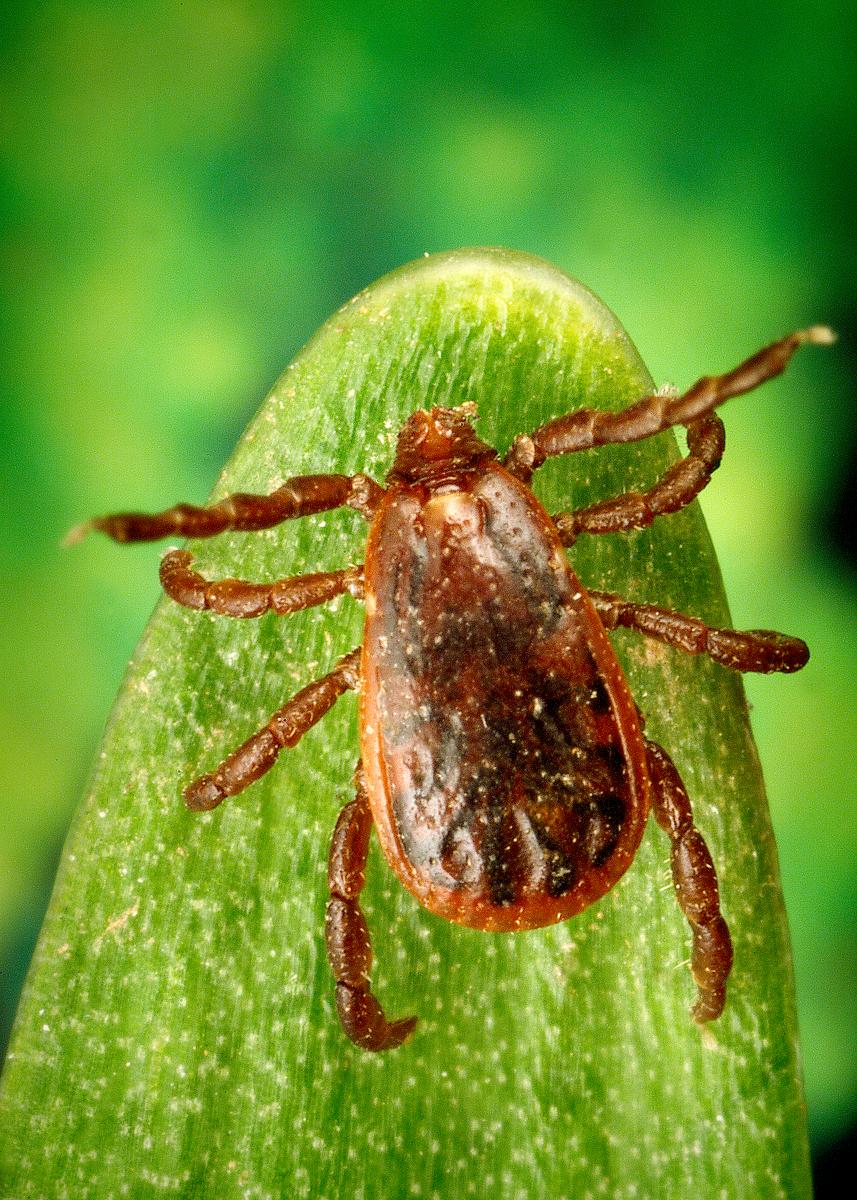 Photo Credit: Centers for Disease Control and Prevention / Rawpixel
In the warm embrace of a sunlit backyard, the Brown Dog Tick, or Rhipicephalus sanguineus, quietly awaits its next meal. This small arachnid, often overlooked, has a narrow, almost rectangular body that blends seamlessly into its surroundings. With a keen sense of opportunity, it perches on blades of grass or the edges of a dog’s favorite resting spot, ready to latch onto its furry host. The tick’s unique mouthpart, called a hypostome, is specially designed for feeding, allowing it to anchor itself securely while it draws blood. This seemingly simple act is a vital part of its life cycle and a fascinating glimpse into the intricate relationships within nature.
Scientists and nature enthusiasts alike are captivated by the Brown Dog Tick not just for its role as a parasite, but also for its impact on the ecosystem. These tiny creatures are more than just pests; they are part of a complex web of life that includes various hosts and predators. Their presence can influence the health of dog populations and even the spread of diseases. As we explore the world of Rhipicephalus sanguineus, we will uncover the secrets of its behavior, life cycle, and the delicate balance it maintains within its environment. Join us on this adventure to discover how a small tick can have a big impact on the world around us.
The Brown Dog Tick, scientifically known as Rhipicephalus sanguineus, occupies a fascinating niche in the tree of life. This small but significant arachnid belongs to the kingdom Animalia, which includes all animals, and is part of the phylum Arthropoda, the group that encompasses insects, spiders, and crustaceans. What sets the Brown Dog Tick apart is its close association with humans and domestic animals, particularly dogs. This tick is not just a bloodsucker; it plays a role in the transmission of diseases, making it a noteworthy subject of study in both veterinary and human medicine.
| Taxonomic Rank | Scientific Name | Meaning & Significance |
|---|---|---|
| Kingdom | Animalia | The name “Animalia” comes from the Latin word “animalis,” meaning “having breath” or “living.” This reflects the vital, breathing nature of all animals. |
| Phylum | Arthropoda | “Arthropoda” means “jointed legs” in Greek, highlighting the defining feature of this group: their segmented bodies and jointed appendages, which allow for remarkable mobility. |
| Class | Arachnida | The term “Arachnida” is derived from the Greek word “arachne,” meaning “spider.” This class includes spiders, scorpions, and ticks, all of which share a similar body structure with eight legs. |
| Order | Ixodida | “Ixodida” refers to ticks, and its name is rooted in the Latin word “ixodes,” which means “tick.” This order is characterized by blood-feeding habits and a lifecycle that includes multiple stages. |
| Family | Ixodidae | The name “Ixodidae” comes from the Latin “ixodes,” again referring to ticks. This family includes hard-bodied ticks, known for their ability to attach firmly to their hosts. |
| Genus | Rhipicephalus | “Rhipicephalus” is derived from Greek, meaning “back head,” which describes the shape of the tick’s body. This genus includes several species that are important in veterinary medicine. |
| Species | sanguineus | The species name “sanguineus” means “blood-red” in Latin, a nod to the tick’s color when engorged with blood, which is a key characteristic of its feeding behavior. |
Understanding the Brown Dog Tick’s classification reveals much about its evolutionary journey. As a member of the arachnids, it shares a common ancestor with spiders and scorpions, showcasing the diverse adaptations that have allowed these creatures to thrive in various environments. The Brown Dog Tick’s specialized feeding habits and its close relationship with mammals highlight its evolutionary success in exploiting available resources. This classification not only helps scientists understand its biology but also emphasizes the importance of studying such organisms in the context of health and disease.
The evolutionary journey of the Brown Dog Tick, or Rhipicephalus sanguineus, stretches back millions of years, intertwining with the history of its hosts and the environments they inhabit. Ticks, as a group, have been around for at least 100 million years, evolving alongside mammals and birds. This long timeline has allowed them to adapt to various ecological niches, making them resilient survivors in a changing world.
The ancestors of modern ticks were likely small, simple organisms that fed on the blood of early reptiles. Over time, these ancestral forms developed specialized mouthparts, allowing them to pierce the skin of their hosts more effectively. This adaptation was crucial for their survival, as it enabled them to access a rich source of nutrients. As mammals began to dominate the planet, ticks like the Brown Dog Tick transitioned to feeding on these warm-blooded animals, which provided a more stable environment and a consistent food supply.
The Brown Dog Tick has also undergone significant changes in its reproductive strategies. Unlike some of its relatives, which lay hundreds of eggs at once, the Brown Dog Tick has adapted to produce fewer eggs but invests more energy in each one, increasing the chances of survival for its offspring. This shift reflects a broader evolutionary trend toward ensuring the success of the next generation in a competitive world.
These evolutionary adaptations have played a vital role in the survival of the Brown Dog Tick. By developing specialized mouthparts, it can feed more effectively, ensuring it gets the nutrients it needs to thrive. Its ability to withstand different environmental conditions allows it to inhabit diverse areas, while its close relationship with humans and pets has created new opportunities for reproduction and feeding. Together, these traits have made the Brown Dog Tick a successful and enduring species in the ever-changing tapestry of life.
The Brown Dog Tick presents a striking appearance that captures attention with its narrow, almost rectangular body. This small arachnid, often found in close association with dogs, has a shape that allows it to navigate through fur and other tight spaces with ease. Its exoskeleton, a hard outer shell, provides protection while also giving it a somewhat glossy look. When you spot one, you might notice its legs extending outward, ready to grasp onto a host, making it a master of cling.
| Feature | Description |
|---|---|
| Size | Typically ranges from 3 to 5 millimeters in length |
| Color | Reddish-brown, which helps it blend into its environment |
| Skin Type | Exoskeleton, providing durability and protection |
| Body Shape | Narrow and almost rectangular, aiding in movement through fur |
These physical features work together to enhance the Brown Dog Tick’s survival skills. The narrow body shape allows it to easily maneuver through the dense fur of its canine hosts, while the reddish-brown color helps it remain inconspicuous in its surroundings. The tough exoskeleton not only shields it from potential threats but also supports its ability to latch onto a host for feeding. Together, these adaptations make the Brown Dog Tick a well-equipped parasite, perfectly suited for its life alongside dogs.
The Brown Dog Tick thrives in a variety of environments, often found in close proximity to human dwellings and their furry companions. Picture a warm, sunny backyard where dogs play, or a cozy garage filled with tools and old furniture. These ticks love to hide in tall grass, shrubs, and even inside homes, making them quite adaptable. Their presence is often felt in places where dogs roam, as they latch onto their hosts for a meal.
The Brown Dog Tick prefers warm climates, thriving in temperatures between 70°F and 90°F (21°C to 32°C). They are particularly fond of humid environments, which help them stay hydrated. These ticks can often be found in areas with plenty of shade, where they can avoid the harsh rays of the sun. Their ability to adapt to both indoor and outdoor settings allows them to survive in various environmental conditions, making them quite resilient.
Over time, the Brown Dog Tick has developed several adaptations that help it flourish in its chosen habitats. For instance, its ability to reproduce quickly means that even if conditions change, their population can rebound swiftly. They are also skilled at detecting their hosts through heat and carbon dioxide, allowing them to find dogs and other animals with ease. This combination of adaptability and keen senses ensures that the Brown Dog Tick remains a common presence in many regions around the world.
The daily life of a Brown Dog Tick is a blend of patience and opportunism. These tiny arachnids spend most of their time waiting for a host to come by. They often perch on blades of grass or the edges of surfaces, ready to latch onto a passing dog or other warm-blooded animal. Once they find a host, they engage in a feeding frenzy, using their specialized mouthparts to pierce the skin and consume blood. This feeding process can take several days, during which they remain attached, growing larger and more engorged.
While Brown Dog Ticks are primarily solitary creatures, their interactions with hosts create a unique social dynamic. They do not form groups or colonies like some other insects. Instead, they rely on the presence of their hosts for survival. When a dog is nearby, multiple ticks may gather on the same animal, but they do not communicate or cooperate with one another. Each tick is focused on its own survival, using its keen sense of smell to detect carbon dioxide and body heat from potential hosts.
| Behavior Type | Description |
|---|---|
| Feeding | Ticks attach to a host and feed on blood, which can take several days. |
| Solitary | Brown Dog Ticks do not live in groups; they are primarily solitary. |
| Host Detection | They use their senses to detect carbon dioxide and body heat from potential hosts. |
| Opportunistic | Ticks wait patiently for a host to pass by, showing a high level of patience. |
The behaviors of the Brown Dog Tick are finely tuned for survival in their environment. By remaining solitary and opportunistic, they maximize their chances of finding a host. Their ability to detect the presence of warm-blooded animals ensures they can latch on and feed effectively. This strategy not only sustains them but also allows them to thrive in close proximity to human habitats, where their hosts are plentiful. In the intricate web of life, the Brown Dog Tick plays its role with quiet efficiency, demonstrating the delicate balance of nature.
The Brown Dog Tick is an omnivorous parasite that primarily feeds on the blood of mammals, especially dogs. These tiny arachnids have a specialized mouthpart called a hypostome, which allows them to anchor themselves securely to their host while they feed. Once they find a suitable host, they can consume a significant amount of blood, which is essential for their growth and reproduction. This feeding behavior is not just a meal; it’s a critical part of their life cycle, allowing them to develop from larvae to nymphs and finally to adults.
| Dietary Aspect | Details |
|---|---|
| Diet Type | Omnivore |
| Favorite Foods | Blood from mammals, particularly dogs |
| Prey Items | Primarily dogs, but can also feed on other mammals |
| Hunting/Foraging Strategies | Waits on vegetation for a host to pass by, then attaches and feeds |
This blood-feeding diet plays a crucial role in the ecology of the Brown Dog Tick. By relying on dogs and other mammals for sustenance, these ticks can influence the health of their hosts and even contribute to the spread of diseases. Their daily routine revolves around finding a host, feeding, and then laying eggs, which can lead to a rapid increase in their population. Understanding their diet helps us appreciate their role in the ecosystem and the importance of managing their presence, especially in areas where pets are common.
The mating behavior of the Brown Dog Tick is quite intriguing. During the breeding season, which can occur year-round in warm climates, male ticks seek out females to mate. After a successful courtship, the female will take a blood meal, which is essential for her to produce eggs. Once she has fed, she can lay hundreds of eggs, ensuring the continuation of her species. This reproductive strategy allows for a high number of offspring, increasing the chances of survival in their environment.
| Reproductive Aspect | Details |
|---|---|
| Gestation Period | 1-30 days |
| Litter Size | Hundreds of eggs |
| Age of Maturity | 30-600 days |
| Name of Young | Larvae |
Once the eggs hatch, the young ticks, known as larvae, begin their journey into the world. These tiny creatures are not born with the ability to feed on blood immediately; they must first find a host. After feeding, they will molt, shedding their skin to grow into nymphs. This process continues until they reach adulthood. Interestingly, Brown Dog Ticks do not provide parental care after laying their eggs, but their high reproductive output helps ensure that some of the young will survive to adulthood, continuing the cycle of life.
The Brown Dog Tick plays a crucial role in the food web, primarily as a host for various parasites and as a food source for larger predators. While these tiny arachnids are often seen as pests, they are also part of a larger ecosystem. Their presence can influence the populations of the animals that prey on them, creating a delicate balance in nature.
To defend themselves against these threats, Brown Dog Ticks have developed several survival strategies. They often hide in the fur of their hosts, making it difficult for predators to find them. Additionally, their small size and ability to blend into their surroundings help them avoid detection. When faced with danger, ticks can also drop off their host and remain dormant until the threat has passed, allowing them to survive in a variety of environments. These clever tactics ensure that they can continue their life cycle, even in the face of numerous challenges.
A keystone species is a vital part of its ecosystem, meaning its presence or absence can significantly impact the environment and other living things. The Brown Dog Tick, or Rhipicephalus sanguineus, does not fit the traditional definition of a keystone species. While it plays important roles in its habitat, such as being a food source for certain predators and a vector for diseases, it does not have the same level of influence on the ecosystem as true keystone species like wolves or sea otters.
Despite not being a keystone species, the Brown Dog Tick has notable ecological impacts. For instance, it serves as a food source for various birds and small mammals, contributing to the food web. These ticks are also known to transmit diseases like Lyme disease and Rocky Mountain spotted fever, which can affect not only dogs but also humans and other animals. This transmission can alter population dynamics, as sick animals may be less able to survive and reproduce.
Additionally, the Brown Dog Tick’s omnivorous diet, primarily consisting of blood from mammals, helps regulate host populations. By feeding on dogs and other animals, these ticks can influence the health and behavior of their hosts. When a tick population is high, it can lead to increased stress and illness in the host animals, which can ripple through the ecosystem.
If the Brown Dog Tick were to disappear, the effects could be complex. Some predators that rely on ticks for food might struggle to find enough to eat, potentially leading to declines in their populations. On the other hand, the absence of these ticks could reduce the spread of tick-borne diseases, benefiting both humans and pets. However, the balance of the ecosystem could shift, as other parasites might fill the void left by the ticks, leading to unforeseen consequences. The interconnectedness of life means that every species, even the smallest, plays a role in the grand tapestry of nature.
The Brown Dog Tick, known scientifically as Rhipicephalus sanguineus, plays a crucial role in its ecosystem, acting as both a predator and prey. This small arachnid is found in various habitats around the world, often in close association with dogs and human dwellings. By feeding on the blood of mammals, particularly dogs, these ticks influence the health of their hosts and the surrounding environment. Their presence can indicate the health of local wildlife populations and the balance of the ecosystem.
| Ecosystem Service | Impact |
|---|---|
| Parasite Regulation | Controls host populations by affecting the health of mammals. |
| Food Source | Serves as a meal for various predators, including birds and small mammals. |
| Indicator Species | Reflects the health of the environment and the presence of other wildlife. |
| Soil Health | Contributes to nutrient cycling through decomposition of organic matter. |
The influence of the Brown Dog Tick extends beyond its immediate interactions. For instance, when these ticks feed on dogs, they can transmit diseases like Lyme disease and Rocky Mountain spotted fever. This not only affects the health of the dogs but can also have ripple effects on human health, as these diseases can be transmitted to people. Additionally, the ticks themselves are a food source for various birds and small mammals, creating a link in the food web that supports biodiversity.
Understanding the broader ecological importance of the Brown Dog Tick reveals its role as a keystone species. By regulating host populations and serving as a food source, these ticks help maintain the balance of their ecosystems. Their presence can indicate changes in environmental health, making them valuable indicators for scientists studying ecosystem dynamics. In this way, the Brown Dog Tick is not just a pest; it is a vital player in the intricate web of life that sustains our planet.
In the intricate web of life, symbiosis refers to the close interactions between different species, which can take on various forms. These relationships can be mutualistic, where both species benefit; parasitic, where one benefits at the expense of the other; or commensal, where one benefits while the other is neither helped nor harmed. The Brown Dog Tick, known scientifically as Rhipicephalus sanguineus, exemplifies these relationships through its interactions with various hosts and other organisms in its environment.
| Species/Type | Relationship Type | Description |
|---|---|---|
| Dogs | Parasitic | The Brown Dog Tick feeds on the blood of dogs, benefiting from the nutrients while potentially harming the host by causing irritation or transmitting diseases. |
| Other Ticks | Commensal | In some cases, Brown Dog Ticks may share a host with other tick species, where one species benefits from the host while the other is unaffected. |
| Pathogens (like bacteria) | Parasitic | Ticks can carry and transmit pathogens, such as those causing Lyme disease, benefiting from the host’s blood while harming the host’s health. |
The evolution of these relationships has shaped the survival strategies of the Brown Dog Tick and its partners. Over time, ticks have adapted to exploit their hosts effectively, developing specialized mouthparts for feeding and mechanisms to evade the host’s immune responses. These interactions highlight the delicate balance of ecosystems, where the presence of one species can significantly influence the health and behavior of others. Understanding these relationships not only sheds light on the life of the Brown Dog Tick but also emphasizes the interconnectedness of all living things in our world.
The Brown Dog Tick, known scientifically as Rhipicephalus sanguineus, is a small but intriguing arachnid that often goes unnoticed. However, this tiny creature has some surprising traits that make it a fascinating subject for nature enthusiasts.
The Brown Dog Tick, or Rhipicephalus sanguineus, has a long history of interaction with humans, dating back thousands of years. These tiny arachnids have been known to hitch rides on our beloved canine companions, making them a common sight in homes and communities. In many cultures, ticks have been viewed with a mix of fear and fascination. They are often associated with the spread of diseases, which has led to a cultural understanding of their potential dangers. This relationship has sparked various folklore and myths, as people have sought to explain the mysterious bites and illnesses that can arise from these tiny bloodsuckers.
Today, the relationship between Brown Dog Ticks and humans is complex and multifaceted. On one hand, they are seen as pests that can transmit diseases like Lyme disease and Rocky Mountain spotted fever, which can affect both dogs and humans. On the other hand, they play a role in the ecosystem, serving as food for various predators. In urban areas, efforts to control tick populations have become essential for public health, leading to increased awareness and education about tick prevention. Additionally, conservationists are studying the impact of climate change on tick behavior and distribution, as warmer temperatures may expand their range and influence their interactions with both wildlife and humans.
As we look to the future, the relationship between Brown Dog Ticks and humanity will likely continue to evolve. With ongoing research and advancements in veterinary medicine, we may find new ways to manage tick populations and reduce the risk of disease transmission. Public awareness campaigns will remain vital in educating people about the importance of tick prevention, especially as climate change alters tick habitats. By fostering a better understanding of these small arachnids, we can work towards a healthier coexistence, ensuring that both humans and their furry friends can enjoy the great outdoors safely.
The Brown Dog Tick, or Rhipicephalus sanguineus, currently holds a conservation status of “Not Listed” according to the International Union for Conservation of Nature (IUCN). This means that there is not enough data to assess its risk of extinction. While population estimates are challenging to determine due to their widespread presence, these ticks are generally abundant in areas where dogs are common. However, trends in their populations can fluctuate based on environmental conditions and the health of their hosts.
| Conservation Factor | Status/Details |
|---|---|
| IUCN Status | Not Listed |
| Population Estimates | Widespread and abundant in suitable habitats |
| Trend Direction | Variable, influenced by host availability and environmental factors |
The main threats to the Brown Dog Tick are closely tied to its relationship with domestic animals, particularly dogs. Changes in pet ownership, urbanization, and climate can impact their habitats and the availability of hosts. Additionally, the use of pesticides to control tick populations can inadvertently affect their numbers. While these measures aim to protect pets from tick-borne diseases, they can also disrupt the delicate balance of the ecosystem in which these ticks thrive.
Conservation efforts for the Brown Dog Tick are not specifically targeted, given its current status. However, raising awareness about tick prevention and control can help maintain healthy populations of both ticks and their hosts. As long as there are dogs and suitable environments, the Brown Dog Tick is likely to persist. Understanding their role in the ecosystem can foster a more balanced approach to managing their populations while ensuring the health of our furry companions.
| Question | Answer |
|---|---|
| Where do Brown Dog Ticks live? | Brown Dog Ticks are found worldwide, thriving in warm climates. They often inhabit areas where dogs are present, such as homes, kennels, and yards. |
| What do Brown Dog Ticks eat? | These ticks are omnivores, meaning they feed on the blood of various animals. Their primary hosts are dogs, but they can also bite humans and other mammals. |
| How do Brown Dog Ticks behave? | Brown Dog Ticks are known for their questing behavior, where they climb onto grass or shrubs to wait for a host to pass by. They are most active during warm months and can be quite persistent in finding a meal. |
| How do Brown Dog Ticks reproduce? | Female Brown Dog Ticks lay thousands of eggs after mating, often in hidden areas like cracks and crevices. The eggs hatch into larvae, which then seek out hosts to feed on and grow into adults. |
| What threats do Brown Dog Ticks face? | While Brown Dog Ticks are not currently listed as endangered, they can be affected by environmental changes and pest control measures. Their populations can also decline due to the use of tick prevention products on pets. |
| What is a distinctive feature of Brown Dog Ticks? | One of the most distinctive features of Brown Dog Ticks is their narrow, almost rectangular body shape. This unique shape helps them fit into tight spaces, making it easier to hide from predators. |
| Can Brown Dog Ticks transmit diseases? | Yes, Brown Dog Ticks can transmit several diseases, including Rocky Mountain spotted fever and ehrlichiosis. These diseases can affect both dogs and humans, making it important to control tick populations. |