Taxonomy & Classification
- Kingdom
- Animalia
- Phylum
- Chordata
- Class
- Aves
- Order
- Psittaciformes
- Family
- Psittacidae
- Genus
- Melopsittacus
- Species
- Melopsittacus undulatus

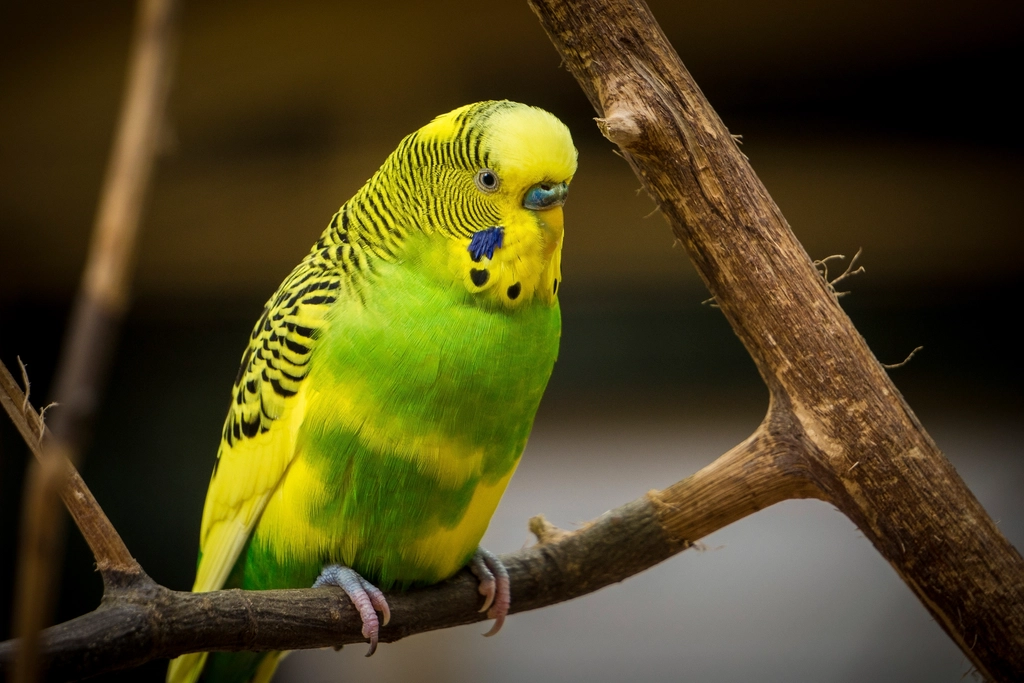 Photo Credit: Rawpixel
In the sun-drenched expanses of Australia, the Budgerigar, scientifically known as Melopsittacus undulatus, flits through the air with a burst of color and energy. These small parrots, often called budgies, are a delightful sight against the backdrop of open woodlands and grassy plains. With their vibrant green and yellow feathers, accented by striking black markings, they embody the spirit of their native habitat. Their playful chirps and whistles fill the air, creating a lively symphony that captures the attention of anyone nearby.
What makes budgies particularly captivating to scientists and nature lovers alike is not just their beauty, but their social behavior and adaptability. Living in flocks, these birds exhibit a range of interactions that showcase their intelligence and strong social bonds. They communicate through a variety of sounds and body language, making their daily lives a fascinating study in avian social dynamics. As we explore the world of the Budgerigar, we will uncover the secrets of their diet, breeding habits, and the vital role they play in their ecosystem, revealing why these charming little parrots have won the hearts of people around the globe.
The Budgerigar, often affectionately called a “budgie,” holds a special place in the animal kingdom, nestled within the vibrant world of birds. Scientifically classified under the kingdom Animalia, this small parakeet is a member of the phylum Chordata, which includes all animals with a backbone. What makes budgies particularly captivating is their intelligence and social nature, often forming strong bonds with their human companions. Their ability to mimic sounds and even human speech adds to their charm, making them one of the most popular pet birds worldwide.
| Taxonomic Rank | Scientific Name | Meaning & Significance |
|---|---|---|
| Kingdom | Animalia | This term means “animals” in Latin, highlighting that budgies are part of the vast group of living organisms that are multicellular and capable of movement. |
| Phylum | Chordata | Derived from the Greek word “chordē,” meaning “string,” this classification indicates that budgies possess a notochord, a flexible rod that supports their body during development. |
| Class | Aves | This Latin word means “birds,” signifying that budgerigars are warm-blooded, feathered creatures with wings, adapted for flight. |
| Order | Psittaciformes | From the Greek “psittakos,” meaning “parrot,” this order includes all parrots, known for their strong, curved beaks and zesty personalities. |
| Family | Psittacidae | This family name refers to the true parrots, emphasizing their colorful plumage and social behavior, traits that are evident in budgies. |
| Genus | Melopsittacus | Meaning “song parrot” in Greek, this name reflects the melodious sounds and vocal abilities that budgerigars are famous for. |
Understanding the Budgerigar’s classification reveals much about its evolutionary journey. As a member of the Psittaciformes order, budgies share a common ancestor with other parrots, which evolved to thrive in diverse environments, particularly in Australia, where they are native. Their social structures and vocal skills have developed over time, allowing them to communicate effectively within flocks. This rich evolutionary history not only highlights their adaptability but also underscores the intricate connections among species in the animal kingdom.
The evolutionary journey of the Budgerigar, or budgie, stretches back millions of years, tracing its roots to the diverse family of parrots known as Psittacidae. This family emerged during the late Eocene epoch, around 34 million years ago, when the world was a very different place. As the climate shifted and forests expanded, these colorful birds began to adapt to their surroundings, leading to the vibrant species we see today.
Ancestral forms of the budgerigar were likely small, arboreal birds that thrived in the lush forests of Australia. Over time, they transitioned from living in dense woodlands to more open habitats, such as grasslands and scrublands. This shift was crucial, as it allowed them to exploit new food sources, primarily seeds and fruits. Their beaks evolved to become strong and curved, perfect for cracking open tough seeds. Additionally, their social behavior became more pronounced, with flocks forming for protection and companionship, which is a hallmark of budgie life today.
These adaptations have been vital for the budgerigar’s survival in the wild. Their strong beaks enable them to access food that many other birds cannot, while their vibrant colors and social structures enhance their chances of finding mates and avoiding predators. The ability to mimic sounds not only enriches their social interactions but also helps them thrive alongside humans, making budgerigars one of the most beloved pet birds around the world. Through millions of years of evolution, these small parrots have become perfectly suited to their environments, showcasing the wonders of nature’s adaptability.
The Budgerigar, or budgie, is a small yet striking bird that captures the eye with its lively colors and playful demeanor. Standing at about 15 to 20 centimeters tall, these charming parrots are compact and agile, making them delightful companions. Their bodies are slender and streamlined, allowing for quick movements as they flit from perch to perch. With a wingspan that can stretch impressively, budgies are built for flight, showcasing their vibrant plumage against the sky.
| Feature | Description |
|---|---|
| Height | 15cm – 20cm (5.9in – 7.8in) |
| Weight | 30g – 40g (1oz – 1.4oz) |
| Skin Type | Feathers |
The combination of their lightweight bodies and colorful feathers serves multiple purposes in the wild. The bright hues of their plumage not only attract potential mates but also help them blend into the vibrant landscapes of their native Australia, where they often inhabit grasslands and open woodlands. Their feathers, which provide insulation and aid in flight, are essential for their survival, allowing them to navigate their environment with agility and grace. Together, these features make the Budgerigar a marvel of nature, perfectly adapted to thrive in its surroundings.
The Budgerigar, often known as the budgie, thrives in a lively and colorful habitat that paints a picture of the Australian outback. Imagine vast stretches of open woodlands and grassy plains, where the sun shines brightly and the air is filled with the sounds of chirping birds. These cheerful little parrots are often found near water sources, such as rivers and lakes, where they can drink and bathe. Their natural environment is a blend of greenery and open skies, making it a perfect playground for these social birds.
Budgerigars prefer a warm climate, which is typical of their native regions. They thrive in areas that experience moderate rainfall, as this helps maintain the lush grasslands they love. The temperature in their habitat can vary, but they generally enjoy sunny days and mild nights. This environment allows them to forage for seeds and insects, which are essential for their diet. The presence of water is crucial, as it not only provides hydration but also serves as a place for them to socialize and play.
Adaptation is key to the budgie’s success in its habitat. These birds have developed a keen ability to find food in open spaces, using their sharp eyesight to spot seeds scattered across the ground. Their social nature means they often travel in flocks, which helps them stay safe from predators. Budgerigars are also known for their playful behavior, which is not just for fun; it helps them bond with each other and learn about their surroundings. This combination of social skills and adaptability makes them perfectly suited to life in the wild, where they can thrive and flourish.
Budgerigars, or budgies, lead vibrant and active daily lives filled with social interactions and playful behaviors. As members of a flock, these small parrots thrive on companionship and spend their days engaging in various activities. From dawn until dusk, they flit about, foraging for seeds and grains, preening their feathers, and chattering with their friends. Their routine is a delightful mix of eating, playing, and resting, all while keeping a watchful eye on their surroundings for any signs of danger.
Social behavior is at the heart of a budgie’s life. These birds are incredibly social creatures, often found in large groups that can number in the hundreds. Within their flocks, they establish a complex social structure, where each bird has its place. Budgies communicate through a variety of sounds, from soft chirps to loud squawks, helping them maintain their bonds and coordinate activities. Grooming each other, known as allopreening, is another important aspect of their social life, reinforcing friendships and ensuring that everyone looks their best.
| Behavior Type | Description |
|---|---|
| Foraging | Budgies search for seeds and grains, often working together to find food sources. |
| Social Structure | Flocks have a hierarchy, with dominant birds leading and others following. |
| Communication | They use a range of sounds to express emotions and alert others to danger. |
| Allopreening | Budgies groom each other, which strengthens social bonds and keeps feathers clean. |
The behaviors of budgerigars are not just for fun; they play a crucial role in their survival. By living in flocks, budgies can better protect themselves from predators, as there are more eyes to spot danger. Their social interactions help them find food more efficiently and ensure that they remain healthy and happy. In the wild, these daily activities and strong social ties are essential for thriving in their natural habitat, making the budgie a true testament to the power of community in the animal kingdom.
Budgerigars, or budgies, are delightful little birds with a varied diet that reflects their omnivorous nature. This means they enjoy a mix of foods, including seeds, fruits, and even insects. In the wild, budgies are expert foragers, using their sharp beaks to crack open seeds and nibble on berries. They often search for food in flocks, which not only makes the hunt more fun but also helps them stay safe from predators. Their playful and curious personalities drive them to explore their surroundings, ensuring they find the tastiest treats available.
| Dietary Aspect | Details |
|---|---|
| Diet Type | Omnivore |
| Favorite Foods | Seeds, fruits, and berries |
| Prey Items | Insects |
| Hunting/Foraging Strategies | Foraging in flocks, using sharp beaks to crack seeds |
The diet of budgerigars plays a crucial role in their ecology and daily routines. By feeding on a variety of foods, they help to disperse seeds and maintain the health of their habitat. Their foraging behavior not only supports their own nutritional needs but also contributes to the balance of the ecosystem. As they flit from tree to tree, munching on fruits and seeds, they embody the lively spirit of the Australian outback, reminding us of the intricate connections between animals and their environments.
When it comes to love and family, Budgerigars have a charming and lively approach. Their breeding season typically occurs during the warmer months, when food is plentiful and the days are longer. During this time, male budgies engage in a delightful courtship dance, showcasing their vibrant feathers and performing acrobatic displays to attract a mate. Once a pair has formed a bond, they become devoted partners, often seen preening each other and sharing food, which strengthens their connection.
| Reproductive Aspect | Details |
|---|---|
| Gestation Period | 18 days |
| Litter Size | 3 to 8 eggs |
| Age of Maturity | 5 to 6 months |
| Name of Young | Chicks |
Once the eggs are laid, the female budgie takes on the role of incubator, keeping the eggs warm and safe until they hatch. After about 18 days, the tiny chicks emerge, covered in soft down feathers and completely dependent on their parents. Both the mother and father budgie play an essential role in caring for their young, feeding them a nutritious diet of regurgitated seeds and soft foods. As the chicks grow, they begin to develop their feathers and learn to fly, gradually gaining independence. By around 5 to 6 months, they are ready to venture out on their own, fully equipped with the skills they need to thrive in the world. This nurturing process not only strengthens the family bond but also ensures the continuation of their vibrant lineage.
In the intricate web of life, Budgerigars occupy a unique position as both prey and a vibrant part of their ecosystem. These small, colorful parrots are primarily herbivores, feasting on seeds and fruits, but they also face a variety of dangers in the wild. As they flit through the Australian outback, their bright plumage can attract attention from predators, making them vulnerable despite their agility and social nature.
To survive these threats, Budgerigars have developed several clever strategies. They often flock together, which not only enhances their social bonds but also increases their chances of spotting danger. When a predator approaches, they can quickly take to the skies, using their swift flight to evade capture. Additionally, their ability to blend into the foliage helps them stay hidden from prying eyes. With these defensive behaviors, Budgerigars showcase their resilience and adaptability in the face of challenges.
A keystone species is a vital part of its ecosystem, playing a crucial role in maintaining the structure and balance of that environment. If removed, the entire ecosystem could change dramatically. While the Budgerigar, or budgie, is not typically classified as a keystone species, it does have significant ecological impacts that contribute to the health of its habitat.
Budgerigars primarily inhabit open woodlands and grasslands near water sources in Australia. Their diet consists of seeds, fruits, and even insects, making them omnivores. By feeding on seeds, they help control plant populations, allowing for a diverse range of flora to thrive. This, in turn, supports various other species that rely on those plants for food and shelter. Additionally, as they move through their environment, budgies help disperse seeds, promoting plant growth in new areas. This natural process is essential for maintaining the balance of their ecosystem.
Moreover, budgerigars are social birds that often flock together in large numbers. Their presence can attract predators, which helps regulate the populations of other animals in the area. This dynamic interaction between budgerigars and their predators contributes to the overall health of the ecosystem, ensuring that no single species dominates the landscape.
If budgerigars were to disappear from their ecosystem, the effects could be profound. Without these birds, the balance of plant life could shift, leading to overgrowth of certain species and a decline in others. This could disrupt the entire food web, affecting not only plants but also the animals that depend on them for survival. The loss of budgerigars would ripple through the ecosystem, highlighting just how interconnected all living things truly are.
The Budgerigar, commonly known as the budgie, plays a significant role in its ecosystem, particularly in the open woodlands and grasslands of Australia. As a small, social bird that thrives in flocks, the budgie occupies an ecological niche where it interacts with various plants and animals. Its presence helps shape the environment, influencing everything from seed dispersal to the dynamics of local food webs. By fulfilling these roles, budgies contribute to the health and balance of their habitats.
| Ecosystem Service | Impact |
|---|---|
| Seed Dispersal | Budgerigars consume seeds and fruits, helping to spread plant species across their habitat. |
| Food Source | As prey for larger birds and mammals, budgies support the food chain. |
| Soil Aeration | By foraging on the ground, they help aerate the soil, promoting healthy plant growth. |
| Social Interaction | Their flocking behavior fosters a dynamic community, influencing the behavior of other species. |
Budgerigars have a direct impact on their environment through their feeding habits and social structures. When they eat seeds, they not only nourish themselves but also help in the germination of new plants. As they move from one area to another, they drop seeds in different locations, allowing various plant species to thrive in new spots. This process is essential for maintaining plant diversity, which in turn supports a wide range of other wildlife. Additionally, their presence in flocks creates a lively atmosphere that can influence the behavior of other animals, making the ecosystem more vibrant and interconnected.
The broader ecological importance of budgerigars cannot be overstated. As a keystone species, their activities help maintain the balance of their ecosystem. If budgies were to disappear, the effects would ripple through the food web, potentially leading to declines in plant diversity and affecting the animals that rely on those plants for food and shelter. By understanding the role of budgerigars in their environment, we gain insight into the delicate interconnections that sustain life in the wild. These small birds remind us that even the tiniest creatures can have a big impact on the world around them.
In the intricate tapestry of nature, symbiosis refers to the close and often long-term interactions between different species. These relationships can take many forms, including mutualism, where both species benefit, parasitism, where one benefits at the expense of the other, and commensalism, where one benefits while the other is neither helped nor harmed. Budgerigars, or budgies, engage in various ecological relationships that highlight their adaptability and the interconnectedness of life in their habitats.
| Species/Type | Relationship Type | Description |
|---|---|---|
| Oxpeckers | Mutualistic | Oxpeckers are birds that often perch on larger animals like cattle. They feed on ticks and parasites found on the skin of these animals, while the larger animals benefit from the removal of pests. |
| Fleas | Parasitic | While budgies can sometimes host fleas, these tiny insects feed on the blood of the birds, which can lead to discomfort and health issues for the budgies. |
| Plants (e.g., grasses) | Commensal | Budgerigars feed on seeds from various grasses. The plants benefit from seed dispersal when budgies eat and later excrete the seeds, helping new plants to grow in different areas. |
The evolution of these relationships showcases the dynamic nature of ecosystems. Over time, budgerigars have adapted to thrive alongside other species, forming partnerships that enhance their survival. Mutualistic relationships, like those with oxpeckers, illustrate how cooperation can lead to greater benefits for both parties. Meanwhile, the presence of parasites like fleas reminds us that not all interactions are beneficial. Understanding these connections helps us appreciate the delicate balance of life and the roles each species plays in maintaining the health of their environment.
The Budgerigar, or budgie, is not just a charming pet; it’s a bird full of surprises that can captivate nature enthusiasts of all ages. These small parrots have a rich history and fascinating traits that make them truly special.
The Budgerigar, or budgie, has a long and colorful history intertwined with humanity. Native to Australia, these small parrots were first documented by European explorers in the 19th century. Their vibrant plumage and playful nature quickly captured the hearts of many, leading to their rise in popularity as pets. In various cultures, budgies symbolize joy and companionship, often appearing in art and literature. Their cheerful chirps and lively antics have made them beloved companions, bridging the gap between the wild and domestic worlds.
Today, the relationship between budgerigars and humans continues to evolve. While many people keep budgies as pets, there are also significant conservation efforts aimed at protecting their natural habitats in Australia. Unfortunately, habitat loss and climate change pose threats to their populations. In some areas, budgerigars can become pests, competing with local wildlife for food and resources. However, responsible pet ownership and breeding practices have helped maintain healthy populations in captivity, allowing these charming birds to thrive alongside humans.
As we look to the future, the bond between budgerigars and humanity holds great potential. With ongoing efforts in conservation and responsible pet ownership, we can ensure that these delightful birds continue to thrive in both the wild and our homes. By fostering a deeper understanding of their needs and behaviors, we can create a harmonious relationship that benefits both budgies and the ecosystems they inhabit. The journey of the budgerigar is a testament to the joy and connection that can arise when humans and animals share their lives.
The Budgerigar, commonly known as the budgie, currently holds a conservation status of “Least Concern” according to the International Union for Conservation of Nature (IUCN). This means that, overall, the species is not facing immediate threats to its survival. In fact, budgerigar populations are quite stable, and they are abundant in their native habitats across Australia. However, while their numbers are healthy in the wild, the popularity of budgies as pets has led to significant breeding in captivity, which can sometimes complicate their conservation status.
| Conservation Factor | Status/Details |
|---|---|
| IUCN Status | Least Concern |
| Population Estimates | Stable and abundant in the wild |
| Trend Direction | Stable |
Despite their current stability, budgerigars face several threats that could impact their future. Habitat loss is a significant concern, primarily due to agricultural expansion and urban development in Australia. As their natural environments are altered or destroyed, budgies may find it increasingly difficult to locate food and nesting sites. Additionally, climate change poses a risk, as shifting weather patterns can affect the availability of resources in their habitats.
Conservation efforts for budgerigars focus on habitat protection and sustainable land use practices. Organizations are working to ensure that the natural ecosystems where these birds thrive remain intact. Public awareness campaigns also play a crucial role in educating people about the importance of preserving these vibrant parrots and their habitats. With continued efforts, the outlook for budgerigars remains positive, allowing future generations to enjoy their lively presence in the wild.
| Question | Answer |
|---|---|
| What is the natural habitat of Budgerigars? | Budgerigars, often called budgies, are native to Australia. They thrive in open woodlands and grasslands, especially near water sources where they can find food and drink. |
| What do Budgerigars eat? | Budgerigars are omnivores, which means they eat both plants and animals. In the wild, their diet mainly consists of seeds, fruits, and vegetables, but they can also enjoy small insects and greens. |
| How do Budgerigars behave in the wild? | In the wild, Budgerigars are social birds that live in flocks. They communicate with each other through chirps and whistles, and they often engage in playful activities, such as chasing and preening one another. |
| How do Budgerigars reproduce? | Budgerigars typically breed in the spring and summer months. The female lays a clutch of 4 to 6 eggs, which she incubates for about 18 days before they hatch into adorable chicks. |
| What threats do Budgerigars face in the wild? | While Budgerigars are currently classified as Least Concern, they still face threats from habitat loss and predators. Changes in their environment, such as agriculture and urban development, can impact their natural habitats. |
| What are some interesting characteristics of Budgerigars? | Budgerigars are known for their vibrant colors and playful personalities. They are also capable of mimicking human speech, making them popular pets. Their ability to learn and interact with humans adds to their charm. |
| Can Budgerigars live in captivity? | Yes, Budgerigars can thrive in captivity when provided with proper care. They need a spacious cage, a balanced diet, and plenty of social interaction to stay happy and healthy. |