Taxonomy & Classification
- Kingdom
- Animalia
- Phylum
- Chordata
- Class
- Mammalia
- Order
- Artiodactyla
- Family
- Bovidae
- Genus
- Syncerus
- Species
- Syncerus caffer

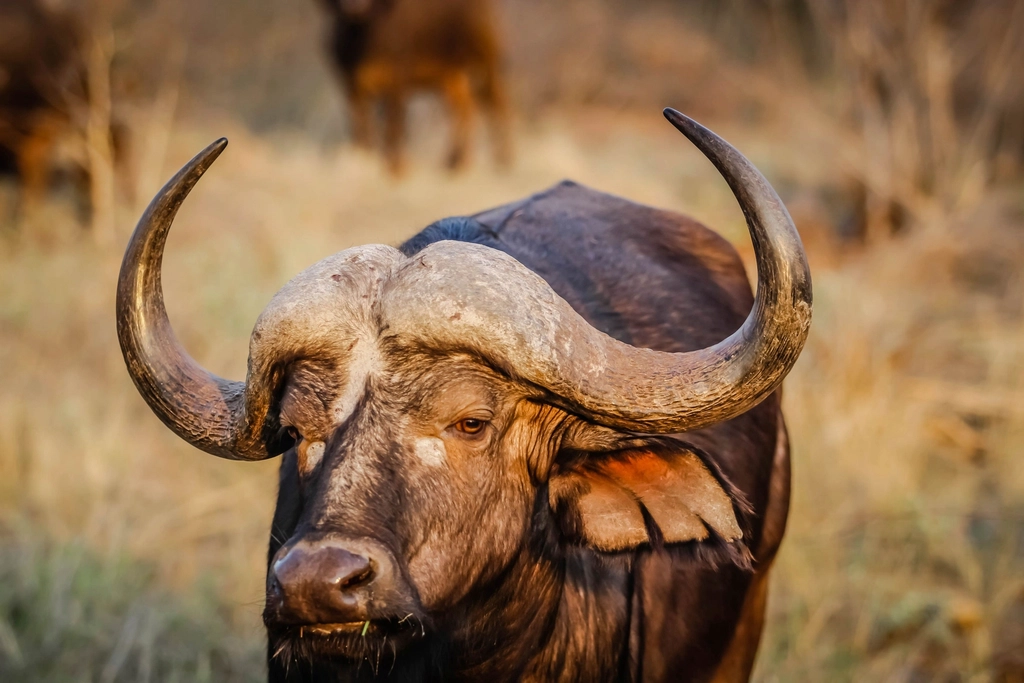 Photo Credit: Rawpixel
In the heart of the North American plains roams the buffalo, scientifically known as Bison bison. This magnificent animal, with its massive, barrel-shaped body and shaggy mane, embodies the spirit of the wild. Picture a vast landscape where the sun dips low, casting golden hues over rolling grasslands. Here, herds of buffalo graze peacefully, their powerful legs moving gracefully across the terrain. With their large heads and curved horns, these gentle giants are not just a sight to behold; they are a vital part of the ecosystem, shaping the land they inhabit.
Buffalo are fascinating not only for their impressive size but also for their social behavior. Living in close-knit herds, they exhibit strong bonds and a sense of community that captivates both scientists and nature lovers alike. As they graze on grasses and shrubs, they play a crucial role in maintaining the health of their environment. Their grazing habits help to promote new plant growth, making them a keystone species—meaning their presence is essential for the balance of their ecosystem. Join us as we explore the world of buffalo, uncovering their behaviors, habitats, and the important role they play in the natural world.
Buffalo, a majestic animal often associated with vast grasslands and open plains, holds a significant place in the tree of life. Taxonomically, it belongs to the Kingdom Animalia, which includes all animals, and is classified under the Phylum Chordata, known for animals with a backbone. Within this framework, buffalo are part of the Class Mammalia, which encompasses all mammals, characterized by features like fur and the ability to nurse their young. They fall under the Order Artiodactyla, which includes even-toed ungulates, or hoofed animals, and are members of the Family Bovidae, which consists of animals like antelopes, sheep, and goats. The Genus Syncerus specifically refers to the African buffalo, highlighting its unique adaptations and behaviors that set it apart from other bovids.
| Taxonomic Rank | Scientific Name | Meaning & Significance |
|---|---|---|
| Kingdom | Animalia | This name comes from the Latin word “animalis,” meaning “having breath,” which reflects the living nature of all animals. |
| Phylum | Chordata | Derived from the Greek word “chordē,” meaning “string,” this refers to the notochord, a flexible rod that supports the body in all chordates during some stage of development. |
| Class | Mammalia | This term comes from “mamma,” the Latin word for “breast,” highlighting the defining feature of mammals: the ability to produce milk for their young. |
| Order | Artiodactyla | From the Greek “artios,” meaning “even,” and “daktulos,” meaning “finger,” this order includes animals with an even number of toes, like buffalo. |
| Family | Bovidae | This name is derived from “bos,” the Latin word for “cow,” indicating the family of animals that includes buffalo, cattle, and other similar species. |
| Genus | Syncerus | From the Greek “syn,” meaning “together,” and “keras,” meaning “horn,” this name reflects the buffalo’s distinctive horns that curve outward. |
The classification of buffalo reveals a rich evolutionary history that connects them to a diverse group of animals. Their place in the tree of life illustrates how they have adapted to their environments over millions of years, developing traits that help them thrive in various habitats. Understanding their taxonomy not only highlights their biological characteristics but also emphasizes their role in ecosystems and their relationships with other species. As we explore the world of buffalo, we uncover the intricate web of life that binds all creatures together, showcasing the beauty and complexity of nature.
The evolutionary journey of the buffalo stretches back millions of years, weaving through the tapestry of time and adapting to the changing landscapes of Earth. These magnificent animals belong to the Bovidae family, which includes other hoofed mammals like antelopes and sheep. The buffalo’s ancestors roamed the planet during the late Miocene epoch, around 10 million years ago, when the world was a very different place, filled with lush forests and open savannas.
Buffaloes evolved from early bovids, which were small and nimble creatures. Over time, they adapted to become larger and more robust, a transition that allowed them to thrive in open grasslands. One significant evolutionary leap was the development of their massive horns, which serve both as weapons against predators and as tools for social interactions within herds. As they spread across Africa and Asia, buffaloes also developed a strong digestive system, enabling them to break down tough grasses and extract the nutrients they need to survive in their often harsh environments.
The adaptations buffaloes developed over time have been crucial for their survival in diverse environments. Their size and strength help them fend off predators, while their social structures provide safety in numbers. The ability to efficiently digest grasses allows them to thrive in areas where food can be scarce. Together, these traits have enabled buffaloes to endure and flourish, making them a vital part of the ecosystems they inhabit.
The buffalo is an impressive sight, embodying strength and resilience. With a massive, barrel-shaped body, it stands as a symbol of the wild plains. Its sturdy legs support a weight that can reach up to 2,000 pounds, making it one of the heaviest land mammals. The buffalo’s broad shoulders and thick neck give it a powerful appearance, while its large, curved horns add to its formidable presence. These horns can span up to three feet, creating a striking silhouette against the horizon.
| Feature | Description |
|---|---|
| Weight | 600kg – 907kg (1,323lbs – 2,000lbs) |
| Skin Type | Hair |
The buffalo’s impressive physical features are not just for show; they serve vital purposes in its survival. The thick hair covering its body provides insulation against harsh weather, keeping it warm during cold nights and protecting it from the sun’s rays during the day. Its massive size and powerful build help it fend off predators, while the curved horns are essential for defense and establishing dominance within herds. Together, these characteristics create a well-adapted animal that thrives in its natural habitat, embodying the spirit of the wild.
The buffalo roams through a diverse tapestry of habitats, primarily found in expansive grasslands and woodlands. Picture vast, rolling plains dotted with patches of trees, where the sun casts long shadows over the golden grasses. These areas provide the perfect backdrop for buffalo herds, as they graze peacefully, their powerful bodies moving gracefully across the landscape. The combination of open spaces and wooded areas creates a rich environment that supports not only the buffalo but also a variety of other wildlife.
Buffalo thrive in climates that offer a mix of warm temperatures and seasonal rainfall. They prefer areas where the weather is mild, allowing for lush grasses to grow. These animals are well-suited to environments that experience both wet and dry seasons, as the changing conditions help maintain the balance of their ecosystem. The presence of water sources, such as rivers and lakes, is also crucial, as buffalo need to drink regularly to stay healthy and hydrated.
Adaptation is key to the buffalo’s survival in these varied habitats. Their strong, muscular bodies are built for endurance, allowing them to travel long distances in search of food and water. Buffalo have developed thick skin and a layer of fat that helps them withstand temperature fluctuations, whether it’s the heat of summer or the chill of winter. Their social behavior, often seen in herds, provides safety in numbers, helping them protect each other from predators. This combination of physical and social adaptations makes buffalo well-equipped to thrive in their natural environments.
Buffalo lead a daily life that revolves around their herd, a close-knit group that provides safety and companionship. As the sun rises, these large mammals begin their day by grazing on the lush grasses that blanket their habitats. They spend several hours munching on vegetation, using their strong tongues to pull up grass and leaves. After a hearty breakfast, buffalo often take time to rest and ruminate, which means they chew their food again to help with digestion. This leisurely pace continues throughout the day, with periods of activity interspersed with moments of relaxation.
Social behavior is a cornerstone of buffalo life. These animals thrive in herds, which can range from a few dozen to several hundred members. Within the herd, buffalo establish a social hierarchy, where older, more experienced individuals often lead the group. Communication is vital in these social structures; buffalo use a variety of sounds, body language, and even scent to convey messages. For instance, a low grunt can signal contentment, while a snort might indicate alarm. This social dynamic not only strengthens bonds within the herd but also enhances their ability to respond to threats from predators.
| Behavior Type | Description |
|---|---|
| Grazing | Buffalo spend a significant part of their day eating grass and other vegetation, using their strong tongues to pull food from the ground. |
| Ruminating | After grazing, buffalo often rest and chew their food again to aid digestion, a process known as ruminating. |
| Herd Dynamics | Buffalo live in herds, which provide safety in numbers and a social structure where older individuals often lead. |
| Communication | They communicate through sounds, body language, and scents, helping to maintain social bonds and alert the herd to danger. |
The behaviors of buffalo are not just fascinating; they are essential for survival. By living in herds, buffalo can protect each other from predators, ensuring that the group remains safe. Their communication methods help them stay connected and alert to potential threats, while their grazing habits allow them to thrive in their environment. Together, these daily activities and social interactions create a resilient community, showcasing the strength of cooperation in the animal kingdom.
Buffalo are herbivores, which means they primarily eat plants. Their diet mainly consists of grass, shrubs, and leaves. These large animals are well-adapted to grazing, using their strong, flat teeth to tear through tough vegetation. Buffalo often spend a significant part of their day foraging for food, moving across the landscape in search of the freshest greens. Their social nature allows them to graze together in herds, which not only helps them find food more efficiently but also provides safety from predators.
| Dietary Aspect | Details |
|---|---|
| Diet Type | Herbivore |
| Favorite Foods | Grass, shrubs, and leaves |
| Prey Items | None, as they are not predators |
| Hunting/Foraging Strategies | Grazing in herds, using strong teeth to tear vegetation |
This plant-based diet plays a crucial role in shaping the buffalo’s ecology and daily routine. By grazing on grasses and shrubs, buffalo help maintain the health of their habitats, promoting new plant growth and supporting a diverse ecosystem. Their foraging habits also influence the movement of other animals in the area, as they create pathways through the vegetation. As they roam in search of food, buffalo contribute to the balance of their environment, making them an essential part of the grassland and woodland ecosystems they inhabit.
Buffalo mating behavior is a captivating spectacle, especially during the breeding season, which typically occurs in the late summer to early fall. During this time, males engage in displays of strength and dominance to attract females. They may engage in head-butting contests and vocalizations to establish their status within the herd. Once a female is ready to mate, she will signal her interest, and the male will court her with gentle nudges and close proximity. This courtship is essential for ensuring the continuation of the species, as it helps to strengthen the bonds within the herd.
| Reproductive Aspect | Details |
|---|---|
| Gestation Period | Approximately 11 months |
| Litter Size | 1 |
| Age of Maturity | 2 to 3 years |
| Name of Young | Calf |
Once the calf is born, it is a heartwarming sight to see how the mother buffalo cares for her young. The calf is able to stand and walk shortly after birth, which is crucial for its survival in the wild. Mothers are fiercely protective, often keeping their calves close and teaching them essential skills for life in the herd. As the young buffalo grows, it learns to graze and socialize with other members of the group. By the time they reach maturity at around two to three years, they are well-equipped to thrive in their environment, continuing the legacy of these magnificent animals.
Buffalo play a crucial role in their ecosystem, sitting near the middle of the food web. As large herbivores, they graze on grasses and other vegetation, helping to maintain the health of their habitats. However, they are not at the top of the food chain. Various predators and human activities pose significant threats to their survival, making their existence a delicate balance within the natural world.
To defend themselves against these dangers, buffalo have developed several survival strategies. They often travel in large herds, which provides safety in numbers. When threatened, they can charge at predators with impressive speed and strength, using their massive horns as formidable weapons. Additionally, buffalo are known for their keen senses, allowing them to detect danger early and react swiftly. These behaviors not only help them evade predators but also ensure the survival of their species in a challenging environment.
A keystone species is an organism that has a disproportionately large impact on its environment relative to its abundance. In simpler terms, if you remove a keystone species, the entire ecosystem can change dramatically. Buffalo certainly qualify as a keystone species due to their significant role in shaping the habitats they occupy and influencing the lives of many other organisms.
Buffalo are herbivores, meaning they primarily eat plants, and their grazing habits play a vital role in maintaining the health of grasslands and woodlands. By consuming large amounts of grass, they help control plant growth, preventing any one species from dominating the landscape. This grazing creates a diverse environment where various plants can thrive, which in turn supports a wide range of other wildlife. For example, the open spaces created by their grazing allow sunlight to reach the ground, encouraging the growth of smaller plants and flowers that provide food and shelter for insects and birds.
Moreover, buffalo contribute to nutrient cycling in their ecosystems. As they graze, they also deposit manure, which enriches the soil with essential nutrients. This natural fertilizer promotes the growth of grasses and other plants, creating a healthier habitat for all species. Additionally, their movements through the landscape create pathways that other animals can use, enhancing connectivity in the ecosystem.
If buffalo were to disappear from their ecosystems, the consequences would be profound. Without their grazing, certain plant species could overgrow, leading to a decline in biodiversity. This shift would affect not only the plants but also the animals that rely on a diverse range of vegetation for food and shelter. The loss of buffalo would disrupt the nutrient cycling process, resulting in poorer soil health and a less vibrant ecosystem overall. In essence, the absence of buffalo would create a ripple effect, altering the balance of life in their habitats and potentially leading to the decline of many other species.
Buffalo play a vital role in shaping their ecosystems, acting as a keystone species that influences the environment around them. These large herbivores thrive in woodlands and grass pastures, where they graze on grasses, shrubs, and leaves. By doing so, they help maintain the balance of plant life, ensuring that no single species dominates the landscape. This grazing behavior not only supports the health of the grasslands but also creates habitats for other animals and plants, making buffalo essential players in their ecological niche.
| Ecosystem Service | Impact |
|---|---|
| Grazing | Controls plant growth and promotes biodiversity |
| Soil Aeration | Helps improve soil quality and water retention |
| Nutrient Cycling | Contributes to the recycling of nutrients through waste |
| Habitat Creation | Creates open spaces that benefit other species |
Buffalo influence their environment in several specific ways. As they graze, they prevent overgrowth of certain plant species, allowing a variety of grasses and wildflowers to flourish. This diversity attracts insects, birds, and other wildlife, creating a vibrant ecosystem. Additionally, their movement through the landscape helps aerate the soil, which improves its quality and allows water to penetrate more easily. When buffalo leave behind their droppings, they enrich the soil with nutrients, further supporting plant growth and benefiting the entire community of organisms that depend on these resources.
The broader ecological importance of buffalo cannot be overstated. By maintaining the health of grasslands and woodlands, they support a wide range of species, from tiny insects to large predators. Their presence helps sustain the intricate web of life that exists in these habitats. When buffalo thrive, the entire ecosystem flourishes, demonstrating how interconnected all living things are. Protecting these magnificent animals is crucial not only for their survival but also for the health of the ecosystems they help shape.
In the intricate web of life, buffalo engage in various partnerships with other species, showcasing the beauty of symbiosis. Symbiosis refers to the close interactions between different species, which can be beneficial, harmful, or neutral. These relationships are essential for the health of ecosystems, as they help maintain balance and promote biodiversity. Buffalo, with their massive presence, interact with a range of organisms, creating a dynamic environment where each species plays a role in the survival of the others.
| Species/Type | Relationship Type | Description |
|---|---|---|
| Oxpecker Birds | Mutualistic | These small birds perch on buffalo, feeding on ticks and parasites found on their skin. In return, buffalo benefit from reduced irritation and potential disease. |
| Remora Fish | Commensal | While not directly associated with buffalo, remora fish attach themselves to larger animals, including those in similar habitats. They gain transportation and food scraps without harming the buffalo. |
| Fleas and Ticks | Parasitic | These tiny pests live on buffalo, feeding on their blood. This relationship can harm the buffalo by causing discomfort and potentially spreading diseases. |
The evolution of these relationships has been shaped by the needs and behaviors of the species involved. Mutualistic partnerships, like that of buffalo and oxpecker birds, have developed over time as both species benefit from the interaction. The birds get a meal, while the buffalo enjoy a cleaner coat. On the other hand, parasitic relationships, such as those with fleas and ticks, highlight the darker side of nature, where one species thrives at the expense of another. Understanding these connections helps us appreciate the delicate balance of ecosystems and the roles that buffalo and their partners play in maintaining it.
Buffalo are truly remarkable animals, and there’s so much more to them than meets the eye. Here are some surprising facts that will captivate nature enthusiasts of all ages.
Buffalo have long been intertwined with human history, serving as both a source of sustenance and a symbol of cultural identity. For many Indigenous peoples of North America, the buffalo was not just an animal; it was a lifeline. These majestic creatures provided food, clothing, and tools, shaping the way of life for entire communities. The buffalo’s significance is deeply rooted in spiritual beliefs and traditions, often representing strength and resilience. As settlers expanded westward, encounters with buffalo became emblematic of the American frontier, leading to both admiration and exploitation.
In modern times, the relationship between buffalo and humanity has evolved, reflecting a mix of conservation efforts and ongoing conflicts. While some populations have rebounded thanks to dedicated conservation programs, others still face threats from habitat loss and climate change. Domestication has also played a role, with buffalo being raised for meat and dairy in various cultures. However, this has sometimes led to tensions between agricultural practices and the preservation of wild buffalo herds. The balance between protecting these animals and meeting human needs continues to be a complex challenge.
As we look to the future, the relationship between buffalo and humanity holds both promise and responsibility. With increasing awareness of environmental issues, there is a growing movement to protect these iconic animals and their habitats. By fostering a deeper understanding of buffalo’s ecological roles and cultural significance, we can work together to ensure that future generations can appreciate and coexist with these magnificent creatures. The journey ahead will require collaboration, respect, and a commitment to preserving the rich legacy of buffalo in our world.
The conservation status of buffalo is currently classified as “Least Concern” by the International Union for Conservation of Nature (IUCN). This means that, at present, buffalo populations are stable and not facing immediate threats of extinction. However, it is essential to note that while their overall numbers are healthy, certain populations may experience fluctuations due to various environmental and human factors.
| Conservation Factor | Status/Details |
|---|---|
| IUCN Status | Least Concern |
| Population Estimates | Approximately 500,000 individuals |
| Trend Direction | Stable |
Buffalo face several threats that could impact their populations in the future. Habitat loss is a significant concern, as expanding agriculture and urban development encroach on their natural environments. Additionally, hunting and poaching can reduce local populations, particularly in areas where regulations are not strictly enforced. Diseases, often spread by domestic livestock, also pose a risk to buffalo health and survival.
Conservation efforts are underway to ensure the continued stability of buffalo populations. Protected areas and wildlife reserves play a crucial role in safeguarding their habitats. Organizations are also working to raise awareness about the importance of buffalo in ecosystems and their cultural significance to many communities. With ongoing efforts and a commitment to preserving their environments, the outlook for buffalo remains positive, allowing future generations to appreciate these magnificent animals.
| Question | Answer |
|---|---|
| What is the natural habitat of buffalo? | Buffalo are commonly found in woodland and grass pastures. These environments provide them with plenty of grass to eat and space to roam, which is essential for their lifestyle as large herbivores. |
| What do buffalo eat? | Buffalo are herbivores, meaning they primarily eat plants. Their diet consists mainly of grasses, leaves, and other vegetation, which they graze on throughout the day. |
| How do buffalo behave in the wild? | Buffalo are social animals that often live in herds. This social structure helps protect them from predators, as there is safety in numbers, and they communicate with each other through various sounds and body language. |
| How do buffalo reproduce? | Buffalo typically mate during the rainy season when food is abundant. After a gestation period of about 11 months, a single calf is born, which stays close to its mother for protection and nourishment. |
| What are the main threats to buffalo? | While buffalo are currently classified as Least Concern, they face threats from habitat loss and hunting. As human populations expand, their natural habitats are often converted for agriculture or urban development. |
| What are some interesting characteristics of buffalo? | Buffalo are known for their impressive size and strength, with some individuals weighing over a ton! They also have thick, curved horns that can be quite formidable, making them one of the most powerful animals in their habitats. |
| Can buffalo adapt to different environments? | Yes, buffalo are quite adaptable and can thrive in various environments as long as there is sufficient food and water. This adaptability helps them survive in changing conditions, although they prefer open grasslands and woodlands. |