Taxonomy & Classification
- Kingdom
- Animalia
- Phylum
- Chordata
- Class
- Mammalia
- Order
- Carnivora
- Family
- Canidae
- Genus
- Canis
- Species
- Canis lupus

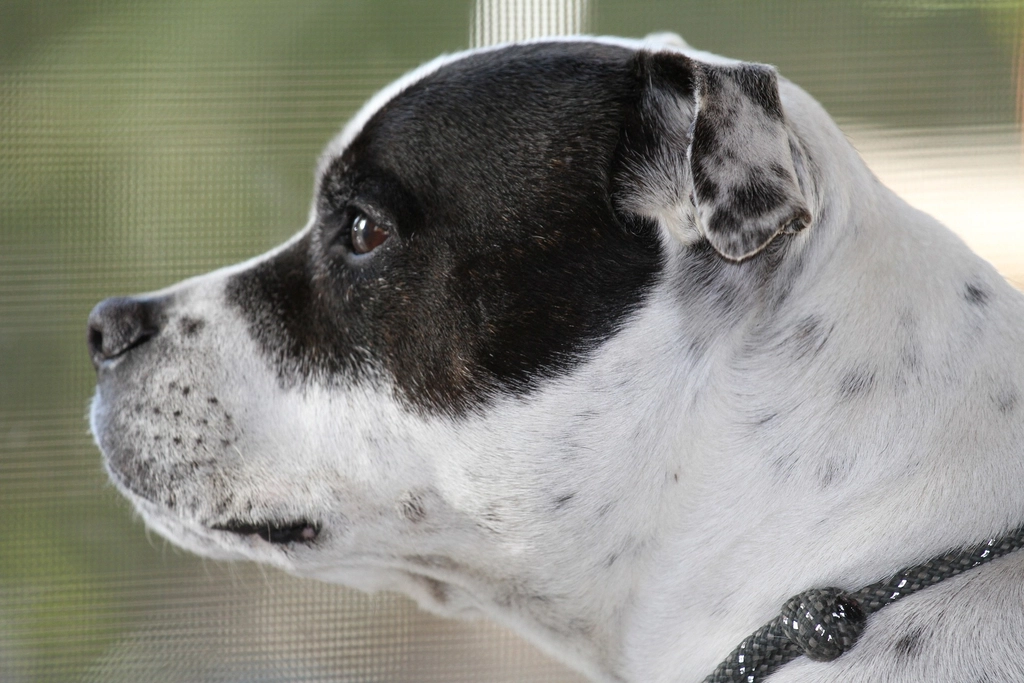 Photo Credit: Rawpixel
In the heart of bustling urban landscapes, the Bull and Terrier, scientifically known as Canis lupus familiaris, stands out with its muscular frame and lively spirit. This breed, a captivating blend of strength and agility, is often seen bounding through parks or strutting down city streets, its short coat gleaming in the sunlight. With a broad head and powerful jaws, the Bull and Terrier is not just a sight to behold; it embodies a rich history that intrigues both scientists and dog lovers alike.
What makes this breed particularly fascinating is its spirited personality, which shines through in every playful leap and bound. Known for their loyalty and intelligence, Bull and Terriers thrive on social interaction, making them beloved companions in many households. Their adaptability allows them to flourish in various environments, from cozy apartments to sprawling backyards. As we delve deeper into the world of the Bull and Terrier, we will explore their unique traits, behaviors, and the important role they play in our lives and ecosystems. Join us on this adventure to uncover the many layers of this remarkable breed!
The Bull and Terrier, often recognized for its muscular build and spirited personality, occupies a distinctive place in the animal kingdom. Taxonomically, it belongs to the family Canidae, which includes all dogs, wolves, and foxes. This classification highlights its close relationship with other canines, showcasing traits like loyalty and intelligence. What sets the Bull and Terrier apart is its unique blend of strength and agility, making it a versatile companion and a skilled working dog. Its history is rich, stemming from a mix of breeds that were originally developed for bull-baiting and later for companionship and various tasks.
| Taxonomic Rank | Scientific Name | Meaning & Significance |
|---|---|---|
| Kingdom | Animalia | This name signifies that the Bull and Terrier is part of the vast group of multicellular organisms that are primarily heterotrophic, meaning they obtain their food by consuming other organisms. |
| Phylum | Chordata | Chordata refers to animals that have a notochord, a flexible rod that supports the body. In the case of the Bull and Terrier, this means it has a backbone, a key feature of vertebrates. |
| Class | Mammalia | Mammalia indicates that this animal is warm-blooded and has fur or hair, along with mammary glands that allow females to nurse their young. |
| Order | Carnivora | Carnivora is the order that includes meat-eating mammals. The Bull and Terrier, while often a companion animal, has ancestors that were skilled hunters, showcasing its carnivorous roots. |
| Family | Canidae | Canidae is the family that encompasses dogs, wolves, and foxes. This classification highlights the Bull and Terrier’s close genetic ties to these animals, sharing traits like social behavior and communication. |
| Genus | Canis | Canis is the genus that includes domestic dogs and their wild relatives. The name reflects the Bull and Terrier’s domesticated nature, as well as its lineage from wild ancestors. |
Understanding the Bull and Terrier’s classification reveals much about its evolutionary journey. As a member of the Canidae family, it shares a common ancestry with wolves and other canines, which have adapted over millions of years to various environments and roles. This lineage not only explains its physical characteristics but also its behavioral traits, such as loyalty and playfulness. The Bull and Terrier’s unique blend of strength and companionship is a testament to the diverse paths that evolution can take, shaping animals to thrive alongside humans in a variety of settings.
The evolutionary journey of the Bull and Terrier is a captivating tale that stretches back thousands of years. This breed, a blend of strength and agility, has roots that intertwine with the history of dogs themselves. The story begins with the domestication of wolves, which occurred around 20,000 to 40,000 years ago. As humans began to settle and form communities, they selectively bred these early canines for specific traits, leading to the diverse breeds we see today.
The Bull and Terrier’s ancestors were likely a mix of bulldogs and terriers, both of which were bred for different purposes. Bulldogs were known for their strength and tenacity, originally used in bull-baiting, a cruel sport that involved dogs attacking a tethered bull. On the other hand, terriers were bred for their hunting skills, particularly to chase down small game. Over time, these two breeds were combined, resulting in a dog that possessed both the muscular build of the bulldog and the spirited energy of the terrier. This combination allowed the Bull and Terrier to excel in various roles, from farm work to companionship.
These adaptations have played a crucial role in the Bull and Terrier’s survival and success. Their muscular build and high energy levels make them well-suited for various tasks, from herding livestock to participating in dog sports. Their intelligence allows them to learn commands quickly, making them versatile companions. Most importantly, their ability to bond closely with humans has ensured their place in our homes and hearts, transforming them from working dogs into beloved family members.
The Bull and Terrier is a striking blend of power and agility, exuding a confident presence that captures attention. With a sturdy, muscular body, this breed is built for both strength and speed. Their broad chest and strong legs give them a solid foundation, while their sleek, athletic form allows for quick movements. The overall impression is one of a compact powerhouse, ready to spring into action at a moment’s notice.
| Feature | Description |
|---|---|
| Weight | 30 to 65 pounds |
| Skin Type | Hair |
These physical characteristics work together to create a breed that is not only visually impressive but also highly functional. The Bull and Terrier’s muscular build supports its energetic lifestyle, allowing it to engage in various activities, from playful romps to more demanding tasks. Their short hair helps regulate body temperature, making them well-suited for different environments. This combination of strength, agility, and adaptability is essential for their survival, whether they are playing with family or exploring the great outdoors.
The Bull and Terrier thrives in a variety of environments, showcasing its adaptability and resilience. Typically, this breed is found in urban settings, where it can navigate bustling streets and parks, as well as in rural areas, where open spaces allow for energetic play and exploration. Whether in a cozy home or a spacious yard, the Bull and Terrier enjoys being close to its human companions, often forming strong bonds with families.
This breed flourishes in temperate climates, which feature mild summers and cool winters. These conditions are ideal for the Bull and Terrier, as they enjoy outdoor activities and require regular exercise to stay healthy and happy. While they can tolerate a range of temperatures, extreme heat or cold can be challenging for them, making moderate weather the best fit for their energetic lifestyle.
Over time, the Bull and Terrier has developed several adaptations that help it thrive in its chosen habitats. Its short coat allows for easy grooming and helps regulate body temperature, while its strong, muscular build supports agility and endurance. This breed’s playful and social nature also makes it well-suited for family life, as it enjoys engaging with people and other animals, whether in a park or at home.
The daily life of a Bull and Terrier is a vibrant mix of energy, play, and social interaction. These dogs are known for their spirited nature, often waking up with a burst of enthusiasm. Mornings typically begin with a lively romp in the yard or a brisk walk around the neighborhood. Their keen senses are always on alert, making them curious explorers as they sniff out new scents and sights. Throughout the day, they engage in various activities, from chasing after toys to practicing their agility skills. This breed thrives on physical exercise, which keeps them healthy and happy.
Social behavior is a cornerstone of the Bull and Terrier’s life. They are known for their friendly disposition, often forming strong bonds with their human families and other pets. These dogs are pack animals at heart, meaning they enjoy being part of a group. Whether playing with other dogs at the park or cuddling with their owners on the couch, they seek companionship and connection. Communication is key for them; they use a mix of barks, growls, and body language to express their feelings and intentions. Their playful antics and affectionate nature make them beloved members of many households.
| Behavior Type | Description |
|---|---|
| Activity Patterns | Daily routines include vigorous play, walks, and training sessions that stimulate both body and mind. |
| Social Structure | They thrive in social settings, forming strong bonds with humans and other animals, often seen as part of the family. |
| Communication Methods | Utilize a variety of vocalizations and body language to convey emotions, from excitement to affection. |
The behaviors of the Bull and Terrier are not just for fun; they play a crucial role in their survival. Their active lifestyle helps maintain their physical health, while their social skills ensure they can navigate relationships within their pack. By communicating effectively, they can express needs and emotions, fostering strong connections that enhance their well-being. In essence, these daily activities and social interactions are vital for their happiness and longevity, making them not just pets, but cherished companions.
The Bull and Terrier is an omnivore, which means it enjoys a varied diet that includes both plant and animal matter. This breed has a hearty appetite and thrives on a mix of proteins, carbohydrates, and fats. In the wild, they would typically hunt small animals and scavenge for fruits and vegetables, showcasing their adaptability in obtaining food. Their keen sense of smell and strong instincts help them locate meals, whether they are chasing after a squirrel or sniffing out a tasty treat in the grass.
| Dietary Aspect | Details |
|---|---|
| Diet Type | Omnivore |
| Favorite Foods | Meat, fruits, vegetables |
| Prey Items | Small mammals, birds, insects |
| Hunting/Foraging Strategies | Chasing, sniffing, scavenging |
The diet of the Bull and Terrier plays a crucial role in shaping its ecology and daily routine. By being omnivorous, this breed can thrive in various environments, making it versatile and resourceful. Their ability to hunt and forage not only keeps them physically fit but also stimulates their minds, ensuring they remain active and engaged. This adaptability allows them to coexist with humans, often enjoying meals prepared by their owners while still retaining their natural instincts to explore and seek out food in their surroundings.
When it comes to the mating behavior of the Bull and Terrier, these dogs are known for their strong bonds and social nature. The breeding season typically occurs once a year, often in the spring or early summer. During this time, males will display their interest through playful antics and vocalizations, while females may exhibit specific behaviors to signal their readiness to mate. This courtship can be quite lively, filled with tail wagging and playful interactions, as both partners prepare for the next stage of their lives.
| Reproductive Aspect | Details |
|---|---|
| Gestation Period | Approximately 63 days |
| Litter Size | Typically 4 to 8 puppies |
| Age of Maturity | 6 to 12 months |
| Name of Young | Puppy |
Once the puppies are born, the parental care provided by the Bull and Terrier is both attentive and nurturing. The mother plays a crucial role in the early days, keeping her puppies warm and safe while they rely on her for nourishment. As the puppies grow, they begin to explore their surroundings, developing their social skills through play with their siblings. This playful interaction is vital for their development, helping them learn important behaviors that will serve them well as they transition into adulthood. By the time they reach maturity, these young dogs are not only physically strong but also well-adjusted and ready to take on the world.
The Bull and Terrier holds a significant position in the food web, primarily as a domesticated animal. While it is not a wild predator, it plays a role in the lives of humans and other animals. This breed is often seen as a companion and protector, but it also faces various dangers that can threaten its well-being. Understanding these threats is crucial for ensuring the safety and health of these spirited dogs.
To defend against these dangers, Bull and Terriers exhibit a range of survival strategies. Their strong instincts and alertness help them navigate their surroundings, while their loyalty and protective nature make them vigilant companions. Additionally, socialization from a young age can help them develop confidence and reduce anxiety in unfamiliar situations. By fostering a safe environment and providing proper training, owners can help their Bull and Terriers thrive despite the challenges they may face.
A keystone species is a vital part of its ecosystem, meaning its presence has a significant impact on the environment and other living things. The Bull and Terrier, while primarily a domesticated breed, can influence its surroundings in various ways. However, it does not fit the traditional definition of a keystone species, as it does not play a direct role in maintaining the structure of its ecosystem like wolves or sea otters do. Instead, its impact is more subtle and intertwined with human activities and urban environments.
In urban settings, Bull and Terriers can affect local wildlife and plant life. Their playful nature and energetic behavior encourage outdoor activities, which can lead to increased human interaction with nature. For example, when people take their Bull and Terriers to parks, they often create a space where other animals, like birds and small mammals, may feel threatened and alter their behavior. Additionally, as omnivores, these dogs can influence the local food web by scavenging and foraging, which may affect the populations of smaller animals and plants in their vicinity.
Moreover, Bull and Terriers can serve as companions that promote responsible pet ownership and environmental stewardship. Their presence in families can lead to increased awareness of local ecosystems and the importance of preserving them. When owners engage in activities like hiking or visiting nature reserves with their dogs, they often develop a deeper appreciation for wildlife and conservation efforts.
If Bull and Terriers were to disappear from urban environments, the effects might not be immediately obvious, but they would still be felt. The absence of these dogs could lead to a decrease in outdoor activities, which might reduce human engagement with local ecosystems. This could result in less awareness and appreciation for wildlife, potentially leading to neglect of conservation efforts. Additionally, the local food web could experience shifts, as the scavenging habits of these dogs would no longer influence the populations of smaller animals and plants. In essence, while they may not be keystone species in the traditional sense, Bull and Terriers still play a role in shaping their environments in meaningful ways.
The Bull and Terrier, a mixed breed known for its strength and agility, plays a fascinating role in shaping its ecosystem. As a domesticated animal, it interacts closely with humans and other species, influencing various aspects of the environment. This breed’s adaptability allows it to thrive in urban settings, where it often becomes a beloved companion. Its presence not only enriches human lives but also contributes to the dynamics of local ecosystems.
| Ecosystem Service | Impact |
|---|---|
| Companionship | Enhances human well-being and social connections. |
| Waste Management | Helps in the decomposition process by consuming organic matter. |
| Predator Control | Can influence the population of small mammals and pests. |
| Pollination Support | Encourages plant growth by interacting with various flora. |
The Bull and Terrier’s influence can be seen in various ways. For instance, as an omnivore, it contributes to the balance of local ecosystems by consuming both plant and animal matter. This dietary habit helps control the populations of smaller animals, which can prevent overgrazing and promote healthier vegetation. Additionally, the breed’s playful nature encourages outdoor activities, leading to increased human interaction with nature. This connection fosters a greater appreciation for the environment and can inspire conservation efforts.
The broader ecological importance of the Bull and Terrier extends beyond its immediate surroundings. By serving as a companion to humans, it strengthens community bonds and encourages responsible pet ownership. This relationship can lead to increased awareness of environmental issues, as pet owners often become more engaged in local conservation efforts. Ultimately, the Bull and Terrier exemplifies how a domesticated animal can play a vital role in both human lives and the ecosystems they inhabit, highlighting the interconnectedness of all living things.
In the intricate web of life, symbiosis refers to the close interactions between different species, which can take many forms. These relationships can be mutualistic, where both species benefit, parasitic, where one benefits at the other’s expense, or commensal, where one benefits while the other is neither helped nor harmed. Understanding these ecological relationships helps us appreciate how species, including the Bull and Terrier, interact with their environment and each other.
| Species/Type | Relationship Type | Description |
|---|---|---|
| Humans | Mutualistic | The Bull and Terrier often forms strong bonds with humans, providing companionship and protection while receiving care and affection in return. |
| Fleas | Parasitic | Fleas can infest Bull and Terriers, feeding on their blood and causing discomfort, which is harmful to the dog. |
| Birds | Commensal | Birds may follow Bull and Terriers in parks, benefiting from the insects disturbed by their movement without affecting the dogs. |
These relationships have evolved over time, shaped by the needs and behaviors of the species involved. The mutualistic bond between Bull and Terriers and humans highlights how domestication has created a partnership that benefits both parties. Meanwhile, the parasitic relationship with fleas shows the challenges that come with living closely with other species. Commensal relationships, like those with birds, illustrate the interconnectedness of ecosystems, where one species can thrive without impacting another. Understanding these dynamics enriches our knowledge of the natural world and the roles each species plays within it.
The Bull and Terrier is a captivating breed that combines strength, agility, and a spirited personality. This dog has a rich history and a unique set of traits that make it truly special. Here are some surprising facts that will intrigue nature enthusiasts of all ages.
The Bull and Terrier has a long and storied history with humanity, marked by both companionship and conflict. Originally bred in the 19th century for bull-baiting—a cruel sport where dogs would attack tethered bulls—these dogs were valued for their strength and tenacity. As society evolved, so did the perception of the breed. They transitioned from fierce fighters to beloved family pets, symbolizing loyalty and courage. This shift reflects broader cultural changes, as people began to appreciate the emotional bonds that can form between humans and animals.
Today, the relationship between Bull and Terriers and humans is multifaceted. Many of these dogs serve as loyal companions, providing emotional support and joy to families. However, their history has also led to misunderstandings and stigma, resulting in breed-specific legislation in some areas. This has sparked debates about responsible ownership and the importance of training and socialization. Additionally, Bull and Terriers are often involved in various roles, from therapy dogs to search and rescue partners, showcasing their versatility and intelligence.
As we look to the future, the relationship between Bull and Terriers and humanity holds great potential. With continued education about their needs and capabilities, these dogs can further integrate into our lives as trusted companions and helpers. By fostering understanding and compassion, we can ensure that Bull and Terriers are celebrated for their loyalty and spirit, rather than judged by their past. Together, we can build a future where these remarkable dogs thrive alongside us, enriching our lives in countless ways.
The Bull and Terrier, a breed known for its strength and spirited nature, currently does not have a specific conservation status listed by the International Union for Conservation of Nature (IUCN). This means that there are no formal assessments regarding its population trends or threats at a global level. However, the breed’s popularity and presence in urban environments suggest a stable population in many areas, although localized issues may arise.
| Conservation Factor | Status/Details |
|---|---|
| IUCN Status | Not Listed |
| Population Estimates | Stable in urban areas, but specific numbers are not documented |
| Trend Direction | Stable |
Despite its current stability, the Bull and Terrier faces several challenges that could impact its future. One of the main threats is the stigma surrounding certain breeds, often leading to breed-specific legislation that restricts ownership. Additionally, irresponsible breeding practices can result in health issues, which may affect the breed’s overall well-being. Urban environments can also pose risks, such as traffic accidents and limited space for exercise, which are crucial for this energetic breed.
Conservation efforts for the Bull and Terrier primarily focus on responsible ownership and breeding practices. Organizations dedicated to animal welfare work to educate the public about the breed, promoting positive interactions and responsible pet ownership. As awareness grows and more people advocate for the breed, the outlook remains hopeful. With continued support and education, the Bull and Terrier can thrive alongside its human companions, ensuring a bright future for this spirited breed.
| Question | Answer |
|---|---|
| What is the habitat of the Bull and Terrier? | The Bull and Terrier is a mixed breed of dogs, which means they can adapt to various living environments. They thrive in homes with families, as they enjoy companionship and interaction with people. |
| What do Bull and Terriers eat? | Bull and Terriers are omnivores, meaning they eat both plants and animals. A balanced diet for them includes high-quality dog food, meats, vegetables, and occasional treats to keep them healthy and happy. |
| What is the behavior of Bull and Terriers? | Bull and Terriers are known for their playful and energetic nature. They are often friendly and loyal, making them great companions, but they also require proper training and socialization to ensure they behave well around other pets and people. |
| How do Bull and Terriers reproduce? | Like all dogs, Bull and Terriers reproduce through mating between a male and a female. After a gestation period of about 63 days, the female gives birth to a litter of puppies, which can vary in size depending on the individual dog. |
| What threats do Bull and Terriers face? | While Bull and Terriers are not listed as endangered, they can face threats from irresponsible breeding and negative stereotypes. Proper care, training, and socialization are essential to ensure they are well-adjusted and accepted in society. |
| What are some interesting characteristics of Bull and Terriers? | Bull and Terriers are known for their muscular build and strong jaws, which give them a unique appearance. They are also highly intelligent and can learn commands quickly, making them fun and engaging pets for families. |
| How much exercise do Bull and Terriers need? | Bull and Terriers require regular exercise to stay healthy and happy. Daily walks, playtime, and mental stimulation are important to keep them active and prevent boredom, which can lead to destructive behavior. |