Taxonomy & Classification
- Kingdom
- Animalia
- Phylum
- Chordata
- Class
- Chondrichthyes
- Order
- Carcharhiniformes
- Family
- Carcharhinidae
- Genus
- Carcharhinus
- Species
- Carcharhinus Leucas

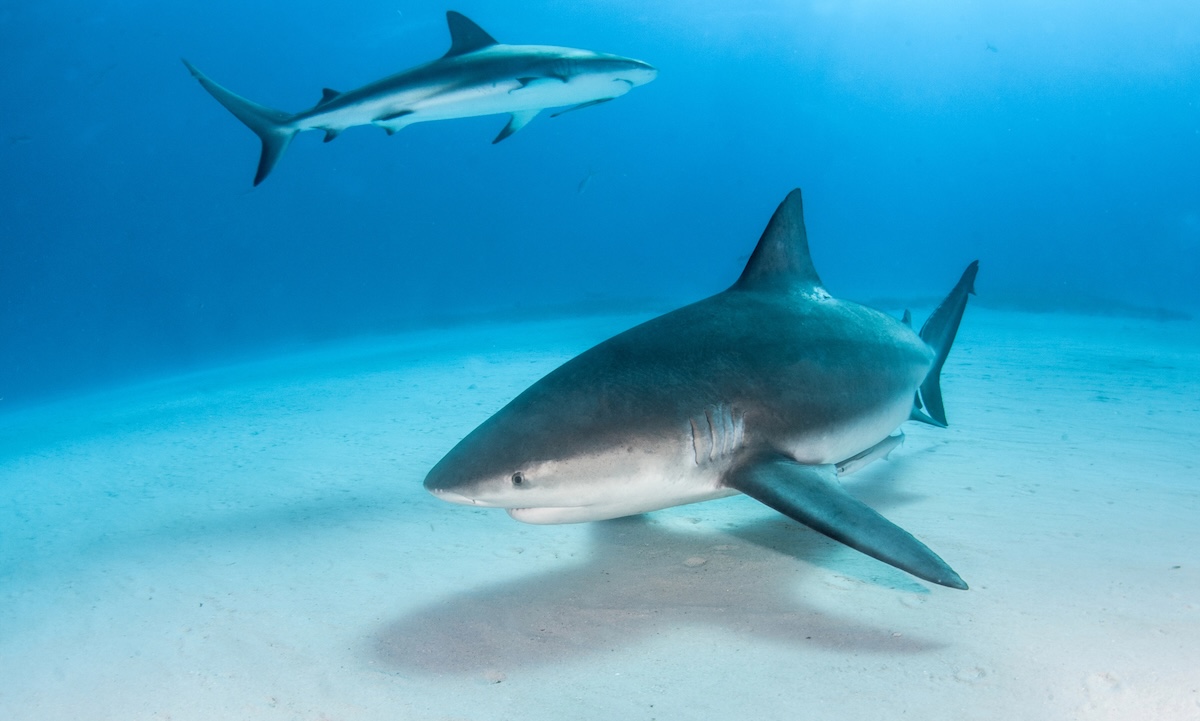 Photo Credit: Divepics at Deposit Photos
In the shimmering waters where the ocean kisses the shore, the bull shark, or Carcharhinus leucas, glides with a powerful grace. With its stout, muscular body and distinctive flat snout, this formidable predator is a master of its domain. Bull sharks are known for their adaptability, thriving in both saltwater and freshwater environments, which makes them unique among their shark relatives. Imagine a scene where these sleek hunters patrol the warm, sunlit bays and winding rivers, their keen senses alert to the slightest movement in the water.
What truly captivates scientists and nature enthusiasts alike is the bull shark’s remarkable ability to venture into rivers and estuaries, far from the open sea. This adaptability not only showcases their survival skills but also highlights their role as a keystone species in the ecosystem. As top predators, bull sharks help maintain the balance of marine life, controlling populations of fish and other marine creatures. Their presence is a reminder of the intricate web of life beneath the waves, where every species plays a part in the grand story of nature. Join us as we dive deeper into the world of the bull shark, exploring its behavior, diet, and the vital role it plays in our oceans.
The bull shark, scientifically known as Carcharhinus leucas, holds a fascinating position in the tree of life. As a member of the Kingdom Animalia, it belongs to the Phylum Chordata, which includes all animals with a backbone. What sets bull sharks apart is their ability to thrive in both saltwater and freshwater environments, making them one of the few shark species that can adapt to different habitats. This adaptability not only showcases their resilience but also highlights their evolutionary success in various ecosystems.
| Taxonomic Rank | Scientific Name | Meaning & Significance |
|---|---|---|
| Kingdom | Animalia | This name signifies that bull sharks are part of the vast group of multicellular organisms that are primarily heterotrophic, meaning they consume other organisms for energy. |
| Phylum | Chordata | Chordata refers to animals that possess a notochord, a flexible rod that provides support. In sharks, this is replaced by a backbone as they develop. |
| Class | Chondrichthyes | This class includes all cartilaginous fish, meaning their skeletons are made of cartilage instead of bone, which makes them lighter and more agile in the water. |
| Order | Carcharhiniformes | This order is known as the ground sharks, characterized by their flattened bodies and well-developed sensory systems, which help them hunt effectively. |
| Family | Carcharhinidae | This family includes many species of requiem sharks, which are known for their robust bodies and strong swimming abilities, traits that bull sharks exemplify. |
| Genus | Carcharhinus | The name Carcharhinus comes from Greek, meaning “sharp nose,” which describes the bull shark’s distinctive snout that aids in its hunting prowess. |
| Species | leucas | This species name means “white” in Greek, likely referring to the lighter coloration of the shark’s underside, which helps it blend in with the ocean surface when viewed from below. |
Understanding the bull shark’s classification reveals much about its evolutionary journey. As a member of the Chondrichthyes class, it shares a lineage with ancient fish that have existed for hundreds of millions of years. This lineage has equipped bull sharks with unique adaptations, such as their ability to regulate salt levels in their bodies, allowing them to venture into freshwater rivers and lakes. Their evolutionary history is a testament to their adaptability and survival in diverse environments, making them a vital part of marine and freshwater ecosystems alike.
The evolutionary journey of the bull shark, known scientifically as Carcharhinus leucas, stretches back millions of years, tracing its lineage to ancient sharks that roamed the oceans long before dinosaurs walked the Earth. Sharks as a group have been around for over 400 million years, making them one of the oldest surviving species on the planet. The bull shark’s ancestors adapted to various environments, leading to the diverse forms we see today.
The bull shark’s evolutionary story is marked by significant transitions that allowed it to thrive in both saltwater and freshwater habitats. Its ancestors were primarily marine dwellers, but over time, some species began to explore rivers and estuaries. This adaptability is a key feature of the bull shark, enabling it to venture far upstream in rivers, a trait not commonly found in other shark species. The bull shark’s robust body and powerful fins evolved to navigate both turbulent river currents and open ocean waves, showcasing its versatility.
The adaptations of the bull shark have played a crucial role in its survival across diverse environments. By being able to thrive in both saltwater and freshwater, it has expanded its range and access to food sources. Its keen sense of smell and powerful bite make it a formidable predator, while its reproductive strategies ensure that its population remains stable. These traits not only highlight the bull shark’s resilience but also its ability to adapt to the ever-changing challenges of its aquatic world.
The bull shark is a powerful and robust predator, known for its muscular build and impressive size. With a stocky body that can reach lengths of up to 3.5 meters (about 11.5 feet), this shark exudes strength and agility. Its broad, flat snout gives it a distinctive appearance, while its strong jaws are lined with sharp, serrated teeth designed for gripping and tearing into prey. The bull shark’s skin is covered in tough, textured scales that help it glide through the water with ease, making it a formidable hunter in both salt and freshwater environments.
| Feature | Description |
|---|---|
| Weight | 90kg – 230kg (200lbs – 500lbs) |
| Skin Type | Scales |
| Body Shape | Stocky and muscular |
| Snout | Broad and flat |
| Teeth | Sharp and serrated |
These physical features work together to make the bull shark an efficient and adaptable predator. Its powerful body allows for quick bursts of speed, essential for catching prey, while the broad snout aids in detecting food in murky waters. The serrated teeth are perfect for gripping slippery fish and tearing through flesh, ensuring that the bull shark can thrive in various habitats. This combination of strength, agility, and specialized adaptations makes the bull shark a true survivor in the diverse ecosystems it inhabits.
The bull shark thrives in a variety of aquatic environments, often found in shallow coastal waters where the ocean meets the land. Picture warm, sunlit bays, estuaries, and rivers, where the water is a mix of salt and fresh. These areas are rich in nutrients, providing a perfect hunting ground for the bull shark. With its strong, muscular body, this shark navigates through sandy bottoms and rocky reefs, always on the lookout for its next meal.
Bull sharks prefer warm waters, typically found in tropical and subtropical regions. They are comfortable in temperatures ranging from 22 to 30 degrees Celsius (72 to 86 degrees Fahrenheit). These sharks are also quite adaptable, often venturing into freshwater rivers and lakes, which is unusual for most shark species. The combination of warm temperatures and abundant food sources makes these habitats ideal for their survival.
To thrive in such diverse environments, bull sharks have developed remarkable adaptations. Their ability to tolerate both saltwater and freshwater is a key feature, allowing them to travel far up rivers and into estuaries. This adaptability not only helps them find food but also provides refuge from larger predators. With their keen sense of smell and powerful swimming abilities, bull sharks are perfectly suited to navigate the various challenges of their habitats, making them one of the most versatile sharks in the ocean.
The daily life of a bull shark is a blend of stealth, power, and adaptability. These formidable predators typically start their day by patrolling their territory, which can include shallow coastal waters, estuaries, and even rivers. As they glide through the water, they rely on their keen senses to detect potential prey. Bull sharks are known for their opportunistic feeding habits, meaning they will eat whatever is available, from fish to crustaceans and even small mammals. Their hunting often involves sudden bursts of speed, showcasing their strength and agility.
While bull sharks are primarily solitary creatures, they do exhibit interesting social behaviors, especially during mating season. They may gather in small groups, but these gatherings are usually temporary. Communication among bull sharks is subtle and often involves body language and the use of electrical signals, which they can detect through special organs called ampullae of Lorenzini. This ability helps them navigate their environment and find mates, even in murky waters.
| Behavior Type | Description |
|---|---|
| Activity Patterns | Bull sharks are active hunters, often patrolling their territory for food. They can be found swimming near the surface or diving deeper, depending on the time of day and availability of prey. |
| Social Structure | Primarily solitary, bull sharks may form temporary groups during mating season. These gatherings are not permanent and are often driven by reproductive needs. |
| Communication Methods | They communicate through body language and electrical signals, which help them sense their surroundings and locate potential mates. |
The behaviors of bull sharks are finely tuned to ensure their survival in a dynamic environment. Their solitary nature allows them to be stealthy hunters, while their occasional social interactions during mating season help maintain their population. By adapting their hunting strategies and communication methods, bull sharks thrive in diverse habitats, proving their resilience as one of the ocean’s top predators.
The bull shark is a fierce carnivore, meaning it primarily eats meat. This powerful predator has a varied diet that includes fish, other sharks, and even stingrays. With its keen sense of smell and excellent eyesight, the bull shark is well-equipped to hunt in both saltwater and freshwater environments. It often uses stealth and speed to ambush its prey, making it a formidable hunter in the waters it calls home.
| Dietary Aspect | Details |
|---|---|
| Diet Type | Carnivore |
| Favorite Foods | Fish, other sharks, stingrays |
| Prey Items | Small to medium-sized fish, rays, and occasionally other sharks |
| Hunting Strategies | Stealthy ambush, using speed and surprise |
The bull shark’s diet plays a crucial role in its ecological niche. By preying on various fish and other marine animals, it helps maintain the balance of the aquatic ecosystem. This predator’s adaptability in hunting strategies allows it to thrive in diverse environments, shaping its daily routine as it patrols both coastal waters and rivers. The bull shark’s ability to hunt effectively ensures its survival and contributes to the health of the underwater world.
When it comes to mating, bull sharks are quite the intriguing species. They typically breed in warm coastal waters during the summer months, which is their breeding season. Males will often engage in a courtship dance, showcasing their strength and agility to attract females. This can involve swimming closely together and even gentle biting. Once a female is ready to mate, she will allow the male to grasp her with his teeth, a behavior that may seem rough but is part of their natural process.
| Reproductive Aspect | Details |
|---|---|
| Gestation Period | 10 to 11 months |
| Litter Size | Average of 10 |
| Age of Maturity | 4 to 6 years |
| Name of Young | Pups |
After a lengthy gestation period of about 10 to 11 months, the female bull shark gives birth to live young, known as pups. These pups are born fully formed and ready to swim away, which is crucial for their survival. Unlike many other fish that lay eggs, bull sharks provide a nurturing environment for their young right from the start. Once born, the pups are on their own, but they instinctively know to seek out shallow waters where they can find food and avoid larger predators. As they grow, these young sharks will gradually venture into deeper waters, maturing into the powerful adults they are destined to become.
The bull shark, a formidable predator in the ocean, occupies a crucial role in the marine food web. As a top-tier carnivore, it helps maintain the balance of marine ecosystems by controlling the populations of various fish and other marine animals. This powerful shark is not only a hunter but also a prey for some larger animals, making its survival a delicate dance within the ocean’s intricate web of life.
To defend themselves against these threats, bull sharks have developed several survival strategies. Their strong, muscular bodies allow them to swim quickly and evade larger predators. They are also known for their aggressive nature, which can deter potential threats. Additionally, bull sharks often inhabit murky waters, where their dark coloration helps them blend in, making it harder for predators to spot them. This combination of speed, strength, and clever camouflage helps ensure their survival in a world filled with dangers.
A keystone species is an organism that plays a critical role in maintaining the structure of its ecosystem. This means that its presence and activities significantly influence the types and numbers of other species in that environment. The bull shark, known scientifically as Carcharhinus leucas, qualifies as a keystone species due to its position as a top predator in both marine and freshwater habitats. Its hunting habits and interactions with other species help shape the ecological balance in these areas.
Bull sharks are powerful carnivores that primarily feed on fish, other sharks, and even stingrays. By preying on these species, they help regulate their populations, preventing any one group from becoming too dominant. For example, if bull sharks were to disappear, the populations of smaller fish could explode, leading to overgrazing of seagrass beds and coral reefs. This overpopulation can disrupt the entire ecosystem, affecting not just the fish but also the plants and other animals that rely on these habitats for survival.
Additionally, bull sharks are known to inhabit both saltwater and freshwater environments, including rivers and estuaries. This adaptability allows them to influence a wide range of ecosystems. Their presence in these areas helps maintain the health of aquatic environments by controlling the populations of various species, which in turn supports the overall biodiversity. The bull shark’s role as a predator also provides food for scavengers and other marine life, creating a complex web of interactions that sustains the ecosystem.
If bull sharks were to vanish from their habitats, the consequences would be profound. The balance of the ecosystem would be disrupted, leading to unchecked growth of prey species. This could result in habitat degradation, such as the destruction of seagrass beds and coral reefs, which are vital for many marine organisms. The loss of bull sharks would not only affect the species they prey upon but would also ripple through the entire food web, demonstrating just how crucial these remarkable sharks are to the health of our oceans and rivers.
The bull shark, known scientifically as Carcharhinus leucas, plays a vital role in its ecosystem, particularly in shallow and tropical waters. As a top predator, it occupies an ecological niche that helps maintain the balance of marine life. By preying on various fish and other marine animals, the bull shark influences the population dynamics of its prey, ensuring that no single species dominates the ecosystem. This balance is crucial for the health of coral reefs and coastal habitats, where many species rely on a stable environment to thrive.
| Ecosystem Service | Impact |
|---|---|
| Population Control | Regulates the numbers of prey species, preventing overpopulation. |
| Nutrient Cycling | Contributes to the health of marine ecosystems by facilitating nutrient flow. |
| Habitat Maintenance | Supports the structure of coral reefs by controlling herbivore populations. |
| Food Source | Provides sustenance for larger predators, including humans. |
The influence of bull sharks extends beyond their immediate hunting grounds. For instance, by keeping fish populations in check, they help maintain the balance of coral reef ecosystems. When bull sharks are present, smaller fish that graze on algae are less likely to overpopulate, allowing coral to thrive. This relationship is essential because healthy coral reefs provide habitat for countless marine species. Additionally, bull sharks are known to venture into rivers and estuaries, where they can impact freshwater ecosystems, showcasing their adaptability and wide-ranging influence.
The broader ecological importance of the bull shark cannot be overstated. As a keystone species, its presence is crucial for the overall health of marine environments. Without bull sharks, the delicate balance of predator and prey would be disrupted, leading to cascading effects throughout the ecosystem. This highlights the interconnectedness of life in our oceans and the importance of protecting these magnificent sharks, ensuring that they continue to shape their habitats for generations to come.
In the intricate web of life beneath the waves, symbiosis plays a vital role in shaping the relationships between species. Symbiosis refers to the close interactions between different organisms, which can be beneficial, harmful, or neutral. These ecological relationships can take many forms, including mutualism, where both species benefit, parasitism, where one benefits at the expense of the other, and commensalism, where one benefits while the other is neither helped nor harmed. The bull shark, a powerful predator of the ocean, engages in various partnerships with other marine species, showcasing the dynamic interactions that occur in its habitat.
| Species/Type | Relationship Type | Description |
|---|---|---|
| Remora Fish | Mutualistic | Remoras attach themselves to the bull shark using a special suction cup on their heads. They benefit by getting a free ride and access to leftover food, while the shark enjoys a cleaner body as the remoras eat parasites and dead skin. |
| Sea Turtles | Commensal | While not directly interacting, bull sharks and sea turtles share the same habitats. Bull sharks may hunt in areas where turtles feed, but the turtles are not affected by the presence of the sharks. |
| Small Fish | Parasitic | Some small fish may latch onto the bull shark, feeding on its skin or parasites. While the small fish gain nourishment, the bull shark can experience irritation or minor harm from these interactions. |
These relationships have evolved over time, shaped by the needs and behaviors of the species involved. The mutualistic bond between bull sharks and remora fish is a perfect example of how cooperation can enhance survival. As the remoras help keep the sharks clean, they also gain protection and food, creating a win-win situation. Meanwhile, the presence of other species, like sea turtles and small fish, highlights the complex dynamics of marine ecosystems. Understanding these interactions not only enriches our knowledge of the bull shark’s role in its environment but also emphasizes the importance of preserving these delicate relationships for the health of our oceans.
The bull shark is one of the most fascinating and adaptable sharks in the ocean, known for its ability to thrive in both saltwater and freshwater environments. Here are some surprising facts that showcase just how remarkable this species truly is.
The relationship between bull sharks and humanity is as deep and complex as the waters they inhabit. Historically, these powerful predators have sparked both fear and fascination. Ancient cultures often depicted sharks in their art and mythology, viewing them as symbols of strength and danger. In many coastal communities, stories of encounters with bull sharks have been passed down through generations, shaping our understanding of these creatures. Their reputation as aggressive hunters has made them a staple in tales of oceanic peril, but they also hold cultural significance, representing the wild and untamed nature of the sea.
In modern times, interactions between bull sharks and humans have evolved, reflecting a mix of conservation efforts and conflicts. As coastal development increases, bull sharks often find themselves in closer proximity to human activities, leading to more frequent encounters. While some people fear these sharks, others recognize their importance in maintaining healthy marine ecosystems. Conservationists advocate for the protection of bull sharks, emphasizing their role as keystone species that help regulate fish populations. However, conflicts arise when sharks venture into areas popular for swimming and fishing, leading to calls for management strategies that balance human safety with the preservation of these magnificent animals.
Looking ahead, the future of the relationship between bull sharks and humanity hinges on our ability to coexist. As we learn more about these incredible animals, we can foster a deeper appreciation for their role in the ocean’s ecosystem. By promoting sustainable practices and respecting their habitats, we can reduce conflicts and ensure that bull sharks continue to thrive. The challenge lies in balancing our needs with the health of marine environments, paving the way for a future where both humans and bull sharks can flourish together.
The conservation status of the bull shark, scientifically known as Carcharhinus leucas, is currently classified as “Least Concern” by the International Union for Conservation of Nature (IUCN). This means that, at present, the species is not facing an immediate threat of extinction. However, population trends can vary by region, and while some areas may see stable numbers, others may experience declines due to various environmental pressures.
| Conservation Factor | Status/Details |
|---|---|
| IUCN Status | Least Concern |
| Population Estimates | Stable in many regions, but specific numbers are difficult to determine |
| Trend Direction | Varies by location; some populations are declining |
The main threats to bull sharks include habitat loss, overfishing, and pollution. As coastal areas develop, the natural environments where these sharks thrive can be disrupted. Additionally, bull sharks are often caught unintentionally in fishing gear, a practice known as bycatch. This can lead to significant population declines in certain areas. Pollution from land runoff can also affect their health and the health of their prey, further complicating their survival.
Conservation efforts are underway to protect bull sharks and their habitats. Many organizations are working to raise awareness about the importance of these sharks in marine ecosystems. Sustainable fishing practices are being promoted to reduce bycatch, and marine protected areas are being established to safeguard critical habitats. The outlook for bull sharks remains cautiously optimistic, as ongoing research and conservation initiatives aim to ensure that these incredible animals continue to thrive in our oceans.
| Question | Answer |
|---|---|
| Where do Bull Sharks live? | Bull Sharks are found in shallow and tropical waters around the world. They are often seen in coastal areas, rivers, and even lakes, making them unique among sharks for their ability to thrive in both saltwater and freshwater. |
| What do Bull Sharks eat? | Bull Sharks are carnivores, meaning they primarily eat meat. Their diet includes fish, dolphins, and even other sharks, showcasing their role as top predators in their ecosystem. |
| How do Bull Sharks behave? | Bull Sharks are known for their aggressive nature and are often more territorial than other shark species. They are also highly adaptable, which helps them thrive in various environments. |
| How do Bull Sharks reproduce? | Bull Sharks give birth to live young, a process known as viviparity. The female typically has a gestation period of about 10 to 11 months, after which she can give birth to anywhere from one to thirteen pups. |
| What threats do Bull Sharks face? | While Bull Sharks are currently listed as Least Concern in terms of conservation status, they still face threats from overfishing and habitat loss. Pollution and climate change also pose risks to their populations and habitats. |
| What is an interesting fact about Bull Sharks? | One fascinating characteristic of Bull Sharks is their ability to tolerate freshwater. They can swim up rivers and have been spotted far inland, which is quite rare for sharks! |
| How fast can Bull Sharks swim? | Bull Sharks can swim at speeds of up to 25 miles per hour (40 kilometers per hour) in short bursts. This speed helps them catch prey and evade threats in their environment. |