Taxonomy & Classification
- Kingdom
- Animalia
- Phylum
- Chordata
- Class
- Mammalia
- Order
- Carnivora
- Family
- Canidae
- Genus
- Canis
- Species
- Canis lupus

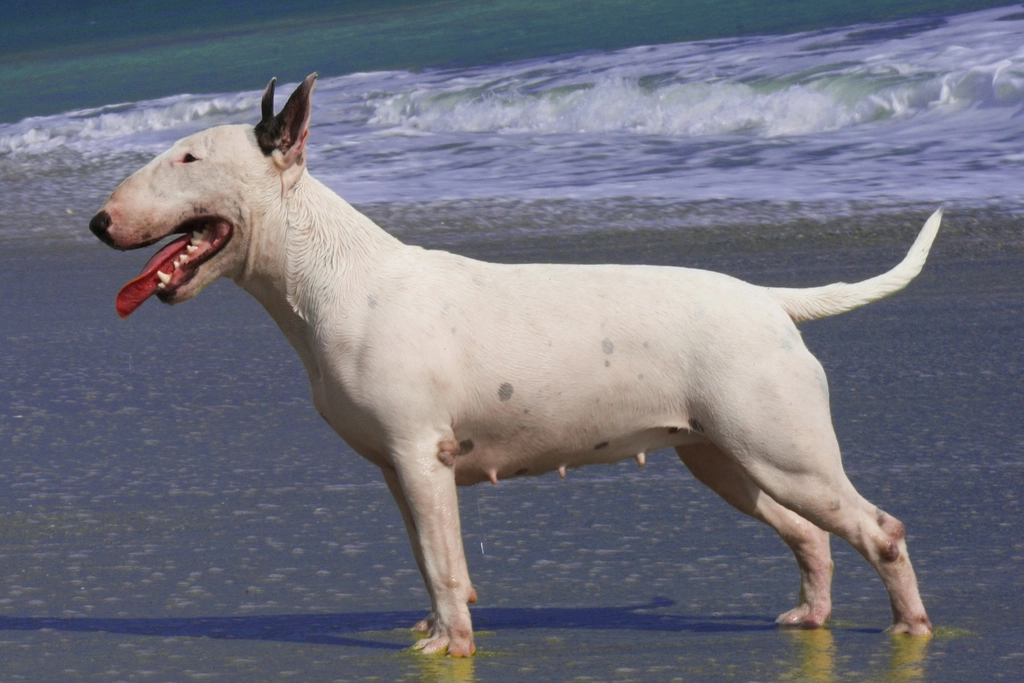 Photo Credit: Rawpixel
In the bustling neighborhoods of urban life, the Bull Terrier, scientifically known as *Canis lupus familiaris*, stands out with its unmistakable charm and character. With a head shaped like an egg and a muscular, stocky body, this breed is a living testament to the art of dog breeding. Its short, smooth coat glistens in the sunlight, showcasing a palette of colors that can range from white to brindle. As it bounds through parks and streets, its playful spirit and boundless energy capture the attention of everyone around, making it a beloved companion for families and individuals alike.
What truly fascinates scientists and nature enthusiasts about the Bull Terrier is not just its striking appearance but also its rich history and complex personality. Originally bred in 19th-century England for bull-baiting, a cruel sport that has long been outlawed, these dogs have transformed into loyal companions known for their affectionate nature and playful antics. Their intelligence and eagerness to please make them not only great pets but also intriguing subjects for study. As we explore the world of the Bull Terrier, we will uncover the layers of its behavior, diet, and the unique role it plays in our lives and communities. Join us on this adventure to learn more about this remarkable breed and the vibrant life it leads alongside humans.
The Bull Terrier is a captivating member of the animal kingdom, nestled within the vast tree of life. Taxonomically, it belongs to the Kingdom Animalia, which includes all animals, and is classified under the Phylum Chordata, known for creatures with a backbone. This breed is part of the Class Mammalia, meaning it is warm-blooded and has fur or hair, and it falls under the Order Carnivora, which includes meat-eating animals. What sets the Bull Terrier apart is its distinctive egg-shaped head and muscular build, making it a unique representative of the Canidae family, which encompasses dogs, wolves, and foxes.
| Taxonomic Rank | Scientific Name | Meaning & Significance |
|---|---|---|
| Kingdom | Animalia | This name comes from the Latin word “animalis,” meaning “having breath,” highlighting the living, breathing nature of all animals. |
| Phylum | Chordata | Derived from the Latin “chorda,” meaning “string,” this term refers to the notochord, a flexible rod that supports the body in all chordates during some stage of development. |
| Class | Mammalia | This name comes from “mamma,” the Latin word for “breast,” indicating that members of this class nurse their young with milk produced by mammary glands. |
| Order | Carnivora | From the Latin “carnivorus,” meaning “meat-eating,” this order includes animals that primarily consume meat, showcasing their adaptations for hunting and consuming prey. |
| Family | Canidae | This name is derived from the Latin “canis,” meaning “dog,” which reflects the family’s members, including domestic dogs, wolves, and foxes, all sharing common traits. |
| Genus | Canis | Also from the Latin “canis,” this genus includes various species of dogs, emphasizing their close genetic relationships and shared characteristics. |
Understanding the Bull Terrier’s classification reveals much about its evolutionary journey. As a member of the Canidae family, it shares a common ancestor with wolves and other canines, showcasing traits that have been honed over thousands of years. This lineage highlights the Bull Terrier’s adaptability and strength, traits that have made it a beloved companion and a skilled working dog. Its unique physical features and behaviors are not just random; they are the result of a long history of evolution, shaped by both natural selection and human influence.
The Bull Terrier’s evolutionary journey is a tale that stretches back hundreds of years, intertwining with the history of dog breeding itself. This breed emerged in the early 19th century in England, a product of selective breeding that aimed to create a strong, agile dog with a distinctive appearance. The Bull Terrier’s ancestors include a mix of bulldogs and terriers, which contributed to its unique characteristics and personality.
The story begins with the ancient ancestors of modern dogs, which were domesticated from wolves thousands of years ago. As humans began to breed dogs for specific traits, the Bull Terrier’s lineage took shape. The breed was developed from the now-extinct Old English Bulldog and various terrier breeds, focusing on creating a dog that was not only a companion but also a skilled fighter. This transition from a fighting dog to a family pet marked a significant shift in its role within human society.
The adaptations of the Bull Terrier have played a crucial role in its survival and popularity. Its strong build and high energy levels make it an excellent companion for active families, while its intelligence allows for effective training. The affectionate temperament ensures that it bonds well with humans, transforming from a fighting dog into a beloved family member. These traits not only help the Bull Terrier thrive in various environments but also endear it to dog lovers around the world.
The Bull Terrier is a striking dog that commands attention with its muscular build and distinctive head shape. Its body is stocky and robust, giving it a powerful stance that speaks to its strength and agility. The breed is known for its egg-shaped head, which is both unique and endearing, featuring a strong jaw and a playful expression. With a compact frame and a weight of around 65 pounds, the Bull Terrier is built for both endurance and playfulness, making it a lively companion.
| Feature | Description |
|---|---|
| Size | Approximately 65 lbs, giving it a solid and sturdy appearance. |
| Color | Can come in a variety of colors, including white, black, brindle, and combinations of these. |
| Skin Type | Covered in short, smooth hair that is easy to groom and maintain. |
| Head Shape | Distinctive egg-shaped head that is both strong and expressive. |
| Body Structure | Muscular and compact, designed for agility and strength. |
These physical features work together to create a breed that is not only visually striking but also well-suited for various activities. The Bull Terrier’s muscular build allows it to be agile and energetic, making it an excellent companion for active families. Its short hair and sturdy skin type help it adapt to different environments, while its unique head shape contributes to its playful and friendly demeanor. All these traits combine to make the Bull Terrier a beloved breed, capable of both companionship and spirited play.
The Bull Terrier thrives in a variety of environments, but it is most commonly found in urban and suburban settings. These lively dogs enjoy the hustle and bustle of city life, where they can interact with people and other animals. However, they also appreciate open spaces like parks and backyards, where they can run and play freely. With their playful nature, Bull Terriers are often seen bounding around in grassy areas, showcasing their energy and enthusiasm.
Bull Terriers are adaptable and can thrive in various climates, but they do best in moderate conditions. They are not fond of extreme temperatures; hot summers can be tough on them, while cold winters may require extra care. Ideally, they prefer a temperate climate where they can enjoy outdoor activities without the risk of overheating or freezing. A comfortable environment allows them to maintain their playful spirit and energetic lifestyle.
These dogs have developed several adaptations that help them fit into their chosen habitats. Their short coat is a practical feature, allowing them to stay cool in warmer weather while also being easy to groom. Bull Terriers are also known for their strong, muscular bodies, which enable them to be active and agile, whether they are playing fetch in a park or exploring their neighborhood. Their friendly and social nature makes them well-suited for life in bustling areas, where they can engage with their human companions and other pets.
The daily life of a Bull Terrier is a whirlwind of energy and enthusiasm. These dogs are known for their playful nature, often starting their day with a burst of excitement. Mornings might include a romp in the yard or a brisk walk around the neighborhood, where they can explore their surroundings and sniff out new scents. Throughout the day, they engage in various activities, from chasing after toys to participating in training sessions that stimulate their minds. Their boundless energy means they need plenty of exercise, making playtime an essential part of their routine.
Socially, Bull Terriers are incredibly engaging and thrive on interaction with both humans and other dogs. They are known for their friendly demeanor, often forming strong bonds with their families. In group settings, they display a playful yet assertive personality, which can sometimes lead to a bit of roughhousing with their canine companions. Communication is key for these dogs; they use a mix of barks, growls, and body language to express their feelings. Whether they are inviting a friend to play or signaling that they want some alone time, their social behavior is rich and dynamic.
| Behavior Type | Description |
|---|---|
| Activity Patterns | Bull Terriers are highly active, requiring regular exercise and playtime to stay healthy and happy. They enjoy running, fetching, and engaging in agility activities. |
| Social Structure | These dogs are pack animals, meaning they thrive in social groups. They often form close bonds with their human families and can be quite affectionate. |
| Communication Methods | Bull Terriers communicate through a variety of sounds, including barks and growls, as well as body language like wagging tails and playful postures. |
In the wild, social behaviors and activity patterns are crucial for survival, and Bull Terriers have adapted these traits to thrive in domestic settings. Their playful nature not only keeps them physically fit but also strengthens their bonds with humans and other dogs. By engaging in social play and communication, they develop skills that help them navigate their environment, ensuring they remain happy and healthy companions.
The Bull Terrier is an omnivore, which means it enjoys a varied diet that includes both plant and animal foods. This breed has a hearty appetite and thrives on a balanced mix of proteins, carbohydrates, and fats. In the wild, their ancestors would have scavenged and foraged, but today, Bull Terriers often rely on their human companions for meals. They are known to be enthusiastic eaters, and their diet can include everything from high-quality dog food to tasty treats.
| Dietary Aspect | Details |
|---|---|
| Diet Type | Omnivore |
| Favorite Foods | High-quality dog food, meats, vegetables, and fruits |
| Prey Items | Small animals, if they were to hunt |
| Hunting/Foraging Strategies | Scavenging and foraging, relying on human-provided meals |
The Bull Terrier’s diet plays a significant role in its overall health and daily activities. A well-fed Bull Terrier is not only energetic but also mentally stimulated, as mealtime can be an exciting part of their day. Their omnivorous nature allows them to adapt to various food sources, making them versatile companions. This adaptability helps them thrive in different environments, whether they are enjoying a walk in the park or playing in the backyard.
When it comes to mating, Bull Terriers exhibit a fascinating courtship ritual. The breeding season for these dogs typically occurs twice a year, during which females go into heat, a time when they are fertile and can conceive. Males are drawn to the scent of a female in heat, and they may display playful and assertive behaviors to attract her attention. This period of courtship can be quite lively, filled with playful interactions and displays of affection, as both dogs prepare for the next step in their reproductive journey.
| Reproductive Aspect | Details |
|---|---|
| Gestation Period | Approximately 63 days |
| Litter Size | Average of 7 puppies |
| Age of Maturity | About 6 to 12 months |
| Name of Young | Puppies |
Once the puppies are born, the nurturing role of the mother becomes crucial. Bull Terrier mothers are attentive and protective, ensuring their young are safe and well-fed. The puppies are born blind and deaf, relying entirely on their mother for warmth and nourishment. As they grow, they begin to explore their surroundings, developing their senses and social skills. By the time they reach maturity, around six to twelve months, they are ready to embrace the world as energetic and playful adults, carrying on the spirited legacy of their breed.
The Bull Terrier occupies a unique position in the food web as a domesticated animal, primarily relying on humans for its survival. Unlike wild animals that must fend for themselves, Bull Terriers are not typically preyed upon by larger predators. However, they still face various dangers that can threaten their well-being, including environmental hazards and human-related issues.
To defend themselves against these threats, Bull Terriers often rely on their strong instincts and social behaviors. They are known for their loyalty and protective nature, which can deter potential dangers. Additionally, their playful and energetic demeanor helps them stay active and alert, allowing them to navigate their surroundings with caution. When faced with challenges, these dogs can also exhibit clever problem-solving skills, making them adaptable companions in a variety of situations.
A keystone species is a vital part of its ecosystem, meaning its presence and activities have a significant impact on the environment and other species. While the Bull Terrier is a beloved companion animal, it does not qualify as a keystone species. Keystone species are typically wild animals that play a crucial role in maintaining the structure of their ecological community. Bull Terriers, being domesticated dogs, do not have the same ecological influence as wild species like wolves or sea otters.
Even though Bull Terriers are not keystone species, they can still affect their surroundings in various ways. For instance, their playful and energetic nature encourages physical activity in their human companions, promoting a healthier lifestyle. This interaction can lead to increased outdoor activity, which benefits local ecosystems as people engage more with nature. Additionally, Bull Terriers can help control small pest populations, such as rodents, in urban areas, although this is not their primary role.
Moreover, Bull Terriers can influence social dynamics within their communities. Their presence often brings people together, fostering social bonds among dog owners and creating a sense of community. This social interaction can lead to increased awareness of local wildlife and environmental issues, encouraging conservation efforts.
If Bull Terriers were to disappear, the effects would be felt primarily in human communities rather than in natural ecosystems. People would lose a loyal companion and a source of joy, which could lead to decreased outdoor activity and social interaction. The absence of these dogs might also impact local economies, particularly in pet-related businesses. While the ecological balance would remain largely unchanged, the social fabric of communities would certainly feel the loss.
The Bull Terrier plays a fascinating role in its ecosystem, particularly in urban and suburban environments where it often resides. As a domesticated breed, it interacts closely with humans and other animals, influencing the dynamics of its surroundings. This breed’s playful and energetic nature encourages outdoor activities, promoting a lifestyle that can enhance community engagement and environmental awareness. By being a part of family life, Bull Terriers help foster connections between people and nature, making them more attuned to the world around them.
| Ecosystem Service | Impact |
|---|---|
| Companionship | Strengthens human-animal bonds, promoting mental well-being. |
| Activity Promotion | Encourages outdoor exercise, benefiting both dogs and their owners. |
| Waste Management | Contributes to nutrient cycling through waste, enriching soil. |
| Social Interaction | Facilitates community connections during walks and playdates. |
| Wildlife Awareness | Increases awareness of local wildlife and conservation efforts. |
The Bull Terrier’s influence extends beyond just companionship. For instance, when taken for walks, these dogs often attract attention from neighbors and passersby, sparking conversations and fostering a sense of community. Their playful antics can also encourage families to spend more time outdoors, leading to healthier lifestyles. Additionally, as they explore parks and natural areas, Bull Terriers can help raise awareness about local wildlife and the importance of preserving natural habitats. Their presence can remind people of the interconnectedness of all living things.
In a broader ecological context, the Bull Terrier serves as a bridge between humans and the natural world. By promoting outdoor activities and encouraging social interactions, these dogs help cultivate a sense of responsibility toward the environment. Their role in nutrient cycling through waste contributes to soil health, supporting plant life and, in turn, the animals that depend on those plants. Ultimately, the Bull Terrier exemplifies how a domesticated animal can shape its ecosystem, reminding us of the vital connections we share with all living beings.
In the intricate web of life, animals often form partnerships that can be beneficial, harmful, or neutral. These relationships, known as symbiosis, can take many forms. Some species work together in ways that help both thrive, while others may rely on one another in a more one-sided manner. Understanding these connections not only reveals the complexity of ecosystems but also highlights how different species, including the Bull Terrier, interact with their environment and each other.
| Species/Type | Relationship Type | Description |
|---|---|---|
| Humans | Mutualistic | Bull Terriers provide companionship and protection to humans, while receiving care, food, and shelter in return. |
| Other Dogs | Commensal | When Bull Terriers interact with other dogs, they often engage in play, benefiting from socialization while the other dogs may not gain anything significant. |
| Fleas | Parasitic | Fleas can infest Bull Terriers, feeding on their blood and causing discomfort, which is harmful to the dog. |
These relationships have evolved over time, shaped by the needs and behaviors of the species involved. The bond between Bull Terriers and humans is a prime example of mutualism, where both parties gain advantages. As humans provide food and care, Bull Terriers offer loyalty and protection. Meanwhile, interactions with other dogs can enhance their social skills, although these relationships may not always be equally beneficial. On the flip side, parasitic relationships, like those with fleas, remind us that not all connections are positive. Understanding these dynamics helps us appreciate the delicate balance of nature and the roles that different species play in our world.
The Bull Terrier is a breed that captures the imagination with its unique appearance and spirited personality. Beyond their playful antics and loyal companionship, these dogs have some surprising traits and historical significance that even seasoned nature enthusiasts might not know.
The Bull Terrier has a rich history intertwined with humanity, dating back to its origins in 19th-century England. Initially bred for bull-baiting, a cruel sport where dogs were set upon tethered bulls, these dogs were later transformed into beloved companions. Their unique appearance, characterized by a distinctive egg-shaped head and muscular build, has made them a cultural icon. Over the years, Bull Terriers have appeared in art, literature, and even as mascots, symbolizing loyalty and courage. This deep-rooted connection has shaped their role in society, evolving from fierce fighters to cherished family pets.
Today, Bull Terriers continue to interact with humans in various ways, reflecting both the joys and challenges of domestication. As family pets, they are known for their playful and affectionate nature, often forming strong bonds with their owners. However, their energetic disposition can lead to conflicts, especially if not properly trained or socialized. In some cases, misconceptions about their temperament have led to breed-specific legislation, which restricts ownership in certain areas. Despite these challenges, many Bull Terriers are involved in therapy work, providing comfort and companionship to those in need, showcasing their versatility and capacity for empathy.
As we look to the future, the relationship between Bull Terriers and humans is poised for further evolution. With increased awareness about responsible pet ownership and the importance of training, these dogs can continue to thrive as loving companions. Education about their true nature can help dispel myths and reduce stigma, allowing more people to appreciate the joy that Bull Terriers bring. By fostering a deeper understanding of this breed, we can ensure that the bond between Bull Terriers and humanity remains strong and positive for generations to come.
The Bull Terrier currently holds a conservation status of “Not Listed” according to the International Union for Conservation of Nature (IUCN). This means that there are no immediate concerns regarding their population numbers on a global scale. However, while they are not endangered, the breed’s population trends can fluctuate based on factors such as breeding practices and public perception. As a popular companion animal, Bull Terriers are generally well-loved, but their numbers can be influenced by changing trends in dog ownership.
| Conservation Factor | Status/Details |
|---|---|
| IUCN Status | Not Listed |
| Population Estimates | Not specifically quantified |
| Trend Direction | Stable, but can vary with breeding practices |
One of the main threats to Bull Terriers comes from misconceptions about their temperament and behavior. Often unfairly labeled as aggressive, these dogs can face stigma that leads to restrictions in certain areas or even abandonment. Additionally, irresponsible breeding practices can result in health issues, which may affect their overall well-being and longevity. Ensuring that Bull Terriers are bred responsibly and treated with care is crucial for their continued stability as a breed.
Conservation efforts for Bull Terriers focus primarily on responsible ownership and breeding practices. Organizations dedicated to the welfare of dogs work tirelessly to educate the public about the breed’s true nature, emphasizing their loyalty and playful spirit. By promoting positive training methods and responsible pet ownership, these initiatives aim to improve the breed’s reputation and ensure that Bull Terriers remain cherished companions for generations to come. With continued advocacy and education, the outlook for Bull Terriers remains hopeful, allowing them to thrive in loving homes.
| Question | Answer |
|---|---|
| What is the natural habitat of Bull Terriers? | Bull Terriers are domesticated dogs, so they don't have a natural habitat like wild animals. They thrive in human homes and can adapt to various living environments, from apartments to houses with yards, as long as they receive enough exercise and attention. |
| What do Bull Terriers eat? | Bull Terriers are omnivores, which means they eat both plants and animals. A balanced diet for them typically includes high-quality dog food, which can contain meat, vegetables, and grains, ensuring they get all the nutrients they need to stay healthy. |
| What is the behavior of Bull Terriers like? | Bull Terriers are known for their playful and energetic nature. They are often described as friendly and affectionate, making them great companions, but they can also be stubborn and require consistent training and socialization to help them behave well. |
| How do Bull Terriers reproduce? | Like all dogs, Bull Terriers reproduce through mating. The female goes into heat, which is a period when she can conceive, and if she mates with a male, she can have a litter of puppies, usually ranging from 3 to 8 pups, after a gestation period of about 63 days. |
| What threats do Bull Terriers face? | While Bull Terriers are not listed as endangered, they can face threats from neglect, poor breeding practices, and health issues. Responsible ownership, including regular vet check-ups and proper care, is essential to ensure their well-being and longevity. |
| What are some interesting characteristics of Bull Terriers? | Bull Terriers are easily recognized by their unique egg-shaped heads and muscular build. They are also known for their playful antics and strong personalities, often displaying a sense of humor that endears them to their families. |
| How much exercise do Bull Terriers need? | Bull Terriers are active dogs that require regular exercise to stay healthy and happy. Daily walks, playtime, and mental stimulation through games or training are important to keep them engaged and prevent boredom-related behaviors. |